



































Smiley Piercing: Complete Guide to Upper Lip Frenulum Piercings
Stack & Save: Extra 15% with Jissbon15
Jissbon15
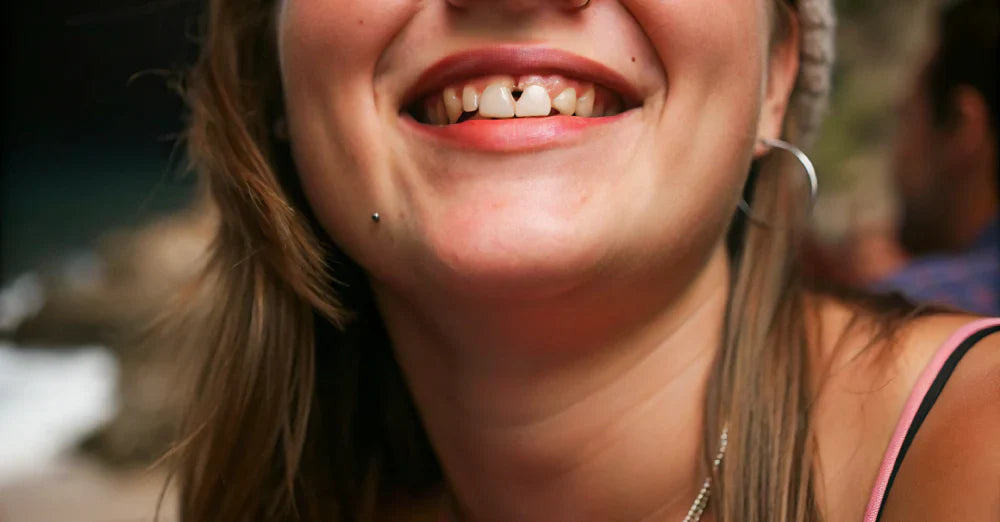
A smiley piercing passes through the thin tissue connecting your upper lip to your gums—the labial frenulum. This hidden piercing reveals itself only when you smile, creating a surprising, intimate flash of jewelry.
Understanding anatomy requirements, healing challenges, potential dental risks, and proper aftercare determines whether this unique piercing suits your lifestyle. This comprehensive guide covers everything from candidacy assessment to long-term maintenance for safe, successful frenulum piercing experiences.
Pros & Cons of Smiley Piercings
Smiley piercings appeal to people who enjoy a hidden, expressive style. They offer the excitement of a lip piercing without constant visibility. However, because the frenulum is thin tissue, this piercing also comes with limitations.
Pros:
- Hidden when the mouth is closed, easy to conceal
- Quick healing compared to many oral piercings
- Low to moderate pain due to thin tissue
- Unique, playful aesthetic that appears only when smiling
Cons:
- High likelihood of migration or rejection over time
- Risk of damaging tooth enamel or gum tissue
- Not suitable for everyone due to anatomical limitations
- Limited jewelry styles compared to external lip piercings
Understanding these trade-offs helps you decide whether the smiley fits your long-term goals or if an alternative oral piercing might be better.
Smiley vs. Frowny Piercing: Which One Suits You?
Both smiley and frowny piercings pass through a lip frenulum, but their visibility and comfort differ. The smiley sits in the upper frenulum and flashes when you smile. The frowny sits in the lower frenulum and is hidden unless the bottom lip is pulled downward.
The smiley tends to receive more attention because it appears frequently during speech and expressions, while the frowny is more private. However, the lower frenulum often has slightly sturdier tissue, giving the frowny a marginally lower rejection rate. If your upper frenulum is too thin, the frowny may serve as an alternative option with a similar discreet appeal.
What Is a Smiley Piercing?
Anatomical Location
The labial frenulum:
- Thin band of tissue inside upper lip
- Connects lip to gum line above front teeth
- Varies in thickness between individuals
- Some people have minimal or no frenulum
Finding your frenulum:
- Keep lips closed
- Push tongue upward against back of front teeth
- Feel for thin tissue connecting lip to gums
- Look in mirror by pulling upper lip outward
Other names for this piercing:
- Lip frenulum piercing
- Upper lip frenulum piercing
- Scrumper (less common slang)
- Frenulum labii superioris piercing (medical term)
Why It's Called a "Smiley"
Visibility characteristics:
- Completely hidden when mouth is closed
- Only visible when lips pull back in smile
- Creates surprise element
- Subtle intimacy compared to external lip piercings
- Private nature appeals to those wanting concealable modifications
Opposite counterpart: The "frowny" or "anti-smiley" piercing goes through the lower lip frenulum, visible when pulling down bottom lip.
Candidacy: Can You Get a Smiley Piercing?

Anatomical Requirements
You need adequate frenulum tissue:
Not everyone has sufficient frenulum for safe piercing. Professional piercers assess:
- Thickness – Tissue must be substantial enough to hold jewelry without tearing
- Width – Adequate side-to-side dimension for jewelry placement
- Attachment location – Where frenulum connects to gums affects viability
- Overall structure – Some frenula are too thin, small, or attached too close to gum line
Approximately 20-30% of people lack adequate frenulum for this piercing.
Disqualifying Factors
You may not be a candidate if you have:
- Thin or minimal frenulum tissue
- Recent dental work or upcoming procedures
- Active gum disease or periodontal issues
- Braces or other orthodontic hardware
- Tooth enamel erosion or sensitivity
- History of oral herpes outbreaks (higher infection risk)
- Autoimmune conditions affecting healing
- Tobacco use (significantly impairs healing)
Professional piercers refuse unsuitable candidates to prevent complications.
Age and Consent Requirements
- Minimum age: 18+ (or 16+ with parental consent in some locations)
- Valid photo ID required
- Parental presence and consent for minors
- Some studios have 18+ only policies for oral piercings
The Piercing Procedure
Pre-Appointment Preparation
24-48 hours before:
- Brush and floss teeth thoroughly
- Use antibacterial mouthwash
- Avoid alcohol (thins blood)
- No aspirin or ibuprofen (increases bleeding)
- Eat substantial meal 2 hours prior
- Stay hydrated
Day of piercing:
- Brush teeth and rinse with mouthwash
- Remove any existing oral jewelry temporarily
- Wear comfortable clothing
- Bring ID and payment
Step-by-Step Procedure
What happens during piercing:
- Consultation – Piercer examines frenulum, discusses placement and jewelry
- Mouth rinse – Antiseptic mouthwash to reduce bacteria
- Marking – Piercer marks entry/exit points (you approve before continuing)
- Clamping – Forceps hold frenulum steady (some piercers work freehand)
- Needle insertion – Hollow needle passes through frenulum in single motion
- Jewelry threading – Ring immediately inserted through fresh channel
- Final check – Placement verified, jewelry secured, balls tightened
Duration: 5-10 minutes total
Needle gauge: Typically 16G or 18G (thicker than standard earrings)
Pain Level Expectations
Most describe pain as:
- Sharp pinch for 1-2 seconds
- Less painful than cartilage piercings
- More painful than earlobe
- Brief but intense
- Rated 4-6 out of 10 by most
Why it's relatively less painful:
- Very thin tissue
- Quick needle passage
- Minimal nerve endings compared to lip piercings
- Fast procedure reduces anticipation anxiety
Immediately after:
- Slight throbbing for 30-60 minutes
- Mouth feels "full" or strange
- Increased saliva production
- Metallic taste from blood traces
Jewelry Types and Materials
Recommended Jewelry Styles
|
Jewelry Type |
Description |
Visibility |
Best For |
|
Horseshoe/Circular Barbell |
Curved bar with removable balls on ends |
Balls show when smiling |
Most common choice, adjustable |
|
Captive Bead Ring |
Circular ring with ball held by tension |
Ball visible when smiling |
Classic look, smooth feel |
|
Seamless Ring |
Continuous circle with no visible closure |
Sleek appearance |
Minimal look, harder to insert/remove |
|
Segment Ring |
Ring with removable curved segment |
Clean lines |
Modern aesthetic |
Initial jewelry (at piercing):
- Horseshoe barbells most common
- Slightly larger diameter to accommodate swelling
- Simple design for easy cleaning
After healing (8+ weeks):
- Switch to preferred style
- Can choose decorative balls (gems, colors, shapes)
- Size down if initial jewelry feels too large
Material Safety Matters
Body-safe options for oral piercings:
- Implant-grade titanium (Ti6Al4V ELI) – Best choice, hypoallergenic, ASTM F136 certified
- 14k or 18k solid gold – Nickel-free, biocompatible, more expensive
- Niobium – Similar to titanium, anodized color options
- Surgical steel (316LVM) – Budget-friendly, some people react to nickel content
Materials to avoid:
- Plated metals (coating wears off, exposes base metal)
- Sterling silver (tarnishes, reacts with saliva)
- Acrylic (porous, bacteria harbor)
- Mystery metals from unverified sources
Quality jewelry prevents allergic reactions and supports healing, just as body-safe materials matter for sex toys for women and other intimate products from Jissbon.
Sizing Considerations
Diameter options:
- Small: 5/16 inch (8mm) – Snug fit
- Medium: 3/8 inch (10mm) – Most common
- Large: 7/16 inch (11mm) – Accommodates swelling
Gauge thickness:
- 16G (1.2mm) – Standard choice
- 18G (1.0mm) – Thinner option for delicate frenula
- 14G (1.6mm) – Rare for this piercing (too thick for most)
Your piercer selects appropriate size based on your anatomy.
Healing Timeline and Aftercare

Healing Phases
Week 1-2: Initial healing
- Most discomfort and swelling
- Increased saliva production
- Cautious eating and speaking
- Visible inflammation around jewelry
Week 3-4: Active healing
- Swelling subsides
- Less sensitivity
- Formation of piercing channel
- Still fragile, requires full aftercare
Week 5-8: Completion
- External healing complete
- Internal tissue still strengthening
- Can consider jewelry changes
- Continues maturing for 3-6 months
Average healing time: 4-8 weeks for basic healing; 3-6 months for full maturity
Daily Aftercare Protocol
Oral hygiene routine:
Morning and night:
- Brush teeth gently with soft-bristle toothbrush
- Avoid hitting jewelry directly with brush
- Rinse with alcohol-free mouthwash or saline
- Swish for 30 seconds, spit gently
After every meal/snack/drink (except water):
- Rinse mouth with clean water or saline
- Swish thoroughly around piercing
- Spit gently (no forceful spitting)
Do NOT use:
- Alcohol-based mouthwash (too harsh, delays healing)
- Hydrogen peroxide (damages healing tissue)
- Strong antiseptics like Listerine during healing
Recommended products:
- Biotene or other alcohol-free mouthwash
- Sterile saline wound wash
- Sea salt solution (1/4 teaspoon salt per 8 oz water)
Foods and Behaviors to Avoid
Dietary restrictions during healing:
- Hot foods and beverages (irritate tissue)
- Spicy foods (burn piercing site)
- Acidic items (citrus, tomatoes, vinegar)
- Crunchy/sharp foods (chips, nuts, hard crackers)
- Sticky or chewy foods (caramel, gum, taffy)
- Alcohol (delays healing, irritates)
Safe food options:
- Room temperature or cool items
- Soft foods (yogurt, smoothies, mashed potatoes)
- Protein shakes
- Ice cream (soothing for swelling)
- Soup (lukewarm, not hot)
Behaviors to avoid:
- Kissing (bacteria transfer)
- Oral sexual contact (infection risk)
- Smoking or vaping (significantly impairs healing)
- Playing with jewelry (twisting, moving)
- Touching piercing with unwashed hands
- Swimming in pools, hot tubs, natural water (bacteria exposure)
Potential Risks and Complications

Dental Concerns
Enamel damage:
- Jewelry rubs against front teeth
- Constant friction wears enamel
- Can create chips or cracks
- Damage often irreversible
Prevention:
- Choose smooth jewelry without rough edges
- Select appropriate jewelry size (not too large)
- Remove jewelry if clicking against teeth frequently
- Regular dental checkups to monitor
Gum recession:
- Jewelry presses against gum tissue
- Can cause gums to pull back from teeth
- Exposes tooth roots
- Increases sensitivity and decay risk
Prevention:
- Proper jewelry placement during piercing
- Appropriate jewelry size
- Remove jewelry at first signs of gum irritation
- Not a long-term piercing for many people
Infection Warning Signs
Normal healing includes:
- Mild tenderness
- Clear or slightly white discharge
- Minor swelling (first week)
- Slight bleeding immediately after piercing
Infection indicators requiring medical attention:
- Thick yellow or green discharge
- Foul odor from piercing
- Severe, increasing pain
- Excessive swelling blocking frenulum visibility
- Fever or swollen lymph nodes
- Red streaks extending from piercing
Treatment:
- Contact piercer immediately
- See doctor if severe (may need antibiotics)
- Continue cleaning regimen
- Don't remove jewelry unless directed (can trap infection)
Migration and Rejection
What causes rejection:
- Frenulum tissue is very thin
- Body may push jewelry out over time
- Not enough tissue to support piercing long-term
- Trauma or irritation accelerates process
Signs of rejection/migration:
- Jewelry appears closer to surface than initially
- Less tissue between entry and exit holes
- Increased transparency of skin over jewelry
- Jewelry hangs loose or moves easily
Reality check: Many smiley piercings migrate or reject within 1-2 years, even with perfect care. This piercing is often temporary rather than permanent.
Lifestyle Considerations
Oral Activities Timeline
Kissing:
- Wait minimum 2 weeks for light kissing
- 4+ weeks for more passionate kissing
- Always ensure partner has good oral hygiene
- Stop if discomfort occurs
Oral sex:
- Wait 4-6 weeks minimum
- Ensure complete healing before resuming
- Extra bacteria exposure increases infection risk
- Use barriers (dental dams) for added protection
Professional and Social Settings
Workplace considerations:
Advantages:
- Hidden when mouth is closed
- Can work in professional environments where visible piercings prohibited
- Easy to conceal during interviews
Disadvantages:
- Can't eat/drink in public without risk of exposure
- Speaking may reveal jewelry to close observers
Long-Term Wear Reality
Expected lifespan:
- Permanent for some (with ideal anatomy and careful maintenance)
- 6 months to 2 years typical for many
- Some people experience rejection within weeks
- Thinner frenula = shorter piercing lifespan
Why this piercing is often temporary:
- Thin tissue provides minimal support
- Constant mouth movement creates friction
- Saliva and bacteria exposure
- Dental contact causes irritation
- Natural aging and tissue changes
Similar to how some people prefer bullet vibrators for temporary, occasional use rather than daily reliance on wand vibrators, smiley piercings often serve as temporary rather than lifelong modifications.
Jewelry Changes and Maintenance
When You Can Change Jewelry
Minimum timeline: 6-8 weeks after piercing
Signs you're ready:
- No pain or sensitivity
- No discharge or crustiness
- Can eat normally without discomfort
- Jewelry moves freely without resistance
First change best practices:
- Visit piercer for first change (ensures proper technique)
- Choose high-quality jewelry only
- Never force jewelry if resistance occurs
- Lubricate with water-based lube if needed
Changing Jewelry Yourself
Step-by-step for horseshoe barbells:
- Wash hands thoroughly
- Rinse mouth with mouthwash
- Unscrew one ball (counterclockwise)
- Gently slide jewelry out
- Insert new jewelry through hole
- Screw ball on securely (but not over-tight)
- Rinse mouth again
For rings with segments or beads:
- May require ring-opening pliers
- First few changes best done by professional
- Technique varies by jewelry type
Long-Term Care
Even after healing:
- Clean jewelry weekly (remove and wash with antibacterial soap)
- Check balls regularly for tightness
- Replace damaged or worn jewelry immediately
- Continue excellent oral hygiene
- Monitor gums and teeth for changes
- Schedule dental checkups every 6 months
Removal Process and Scar Consideration
When to Remove Your Piercing
Consider removal if:
- Gum recession is occurring
- Enamel damage to front teeth
- Persistent infections despite treatment
- Migration making jewelry unstable
- Job/life circumstances change
- You're tired of managing the piercing
How to Remove Jewelry
DIY removal:
- Wash hands thoroughly
- Unscrew ball or open ring
- Gently slide jewelry out
- Rinse mouth with mouthwash
If stuck:
- Don't force it
- Visit piercer for professional removal
- May need special tools for seized jewelry
Scar Expectations
After removal:
- Small holes remain initially
- Frenulum tissue typically closes within days to weeks
- Minimal scarring due to thin tissue
- Scars usually imperceptible
- Rare complications from retired smiley piercings
Promoting closure:
- Maintain oral hygiene
- Avoid touching area
- Most holes close naturally without intervention
Comparing Smiley to Other Oral Piercings
|
Piercing Type |
Visibility |
Healing Time |
Pain Level |
Dental Risk |
Permanence |
|
Smiley (upper frenulum) |
Hidden unless smiling |
4-8 weeks |
Low-medium |
Moderate |
Often temporary |
|
Frowny (lower frenulum) |
Hidden unless pulling lip |
4-8 weeks |
Low-medium |
Low |
Often temporary |
|
Tongue web |
Completely hidden |
4-8 weeks |
Low |
Minimal |
More permanent |
|
Labret (lip) |
Always visible |
6-8 weeks |
Medium |
Moderate |
Permanent |
|
Tongue |
Visible when talking |
4-6 weeks |
High |
High (especially at first) |
Permanent |
Smiley advantages:
- Concealable in professional settings
- Relatively painless
- Quick healing
- Unique and surprising
Smiley disadvantages:
- Often temporary (rejection common)
- Dental risks
- Limited jewelry options
- Not everyone has adequate anatomy
Frequently Asked Questions
How long do smiley piercings typically last?
Duration varies dramatically by individual anatomy and care. Some people keep them for years; others experience rejection within months. Average lifespan is 1-2 years. Thin frenula reject faster than thicker ones. Proper jewelry size, excellent oral hygiene, and avoiding trauma extend lifespan. Many view this as a temporary piercing rather than permanent modification.
Does a smiley piercing damage your teeth?
It can, especially with improper jewelry size or placement. The metal rubs against tooth enamel, potentially causing chips, cracks, or erosion over time. Gum recession is another concern, exposing tooth roots and increasing decay risk. Regular dental checkups help monitor for damage. Choose smooth, properly sized jewelry and remove at first signs of dental problems.
Can you eat normally with a smiley piercing?
After healing (4-8 weeks), most people eat normally with adjustments. Avoid biting directly into hard foods that press jewelry against teeth. Crunchy, sharp items can irritate the piercing site. Some foods may temporarily pull jewelry or cause discomfort. During healing, stick to soft, cool foods and avoid anything hot, spicy, acidic, or crunchy.
Is a smiley piercing more likely to reject than other piercings?
Yes, significantly. The frenulum is very thin tissue with minimal support for jewelry. Constant mouth movement and saliva exposure stress the piercing. Many experience migration or rejection within months to a few years, even with excellent care. This is normal for the piercing type, not necessarily a sign of poor aftercare. Thicker frenula have better success rates.
Can I hide my smiley piercing completely at work or school?
Generally yes—it's only visible when you smile broadly or pull back your lip. However, it may show during eating, drinking, talking animatedly, or laughing. Close observers might notice it during normal conversation. If complete concealment is critical, this piercing carries some risk of accidental exposure. Consider whether occasional visibility is acceptable for your situation.
What happens if my frenulum is too thin for a smiley piercing?
Reputable piercers refuse to pierce inadequate frenula. If pierced despite thin tissue, rejection occurs rapidly, often within weeks. The jewelry tears through tissue rather than healing in place, causing pain, scarring, and immediate failure. Never pressure piercers to pierce unsuitable anatomy. If declined, consider tongue web or other hidden oral piercings with better success rates for your anatomy.
Making an Informed Decision
Smiley piercings offer unique, concealable style with relatively easy healing but come with dental risks and often temporary nature. Ensure adequate frenulum anatomy, commit to excellent oral hygiene, choose quality jewelry, and monitor for dental changes.
Ready to explore more body-safe products designed with quality materials? Browse sex toys for couples or prostate massagers crafted with the same safety standards you should demand from all body jewelry and modification products.


Looking for something else?
What Is Flogging in Sex? Complete BDSM Flogging Guide
LEARN MORE
What Does Overstimulated Mean Sexually? Causes & Solutions
LEARN MORE
Can You Get a Tattoo on Your Vagina? Safety, Pain & What to Expect
LEARN MORE
Public Sex Kink: Understanding Exhibitionism & Safe Exploration
LEARN MORELooking for something else?

A-Spot Orgasm: Best Positions & How to Find It
LEARN MORE
Bondage Play: Complete Beginner's Guide to Rope BDSM
LEARN MORE
Vibrator Stories: Real Experiences, Tips & What to Expect
LEARN MOREYou may also like
20% off

20% off

20% off

20% off

20% off

20% off

Further reading

How to Clean an Automatic Blowjob Machine Without Damaging the Motor
Remote-Controlled Automatic Masturbators for Couples and Solo Play
Best Automatic Strokers for Edging and Stamina Training