


































Sex with Genital Piercings: Complete Safety & Pleasure Guide
Stack & Save: Extra 15% with Jissbon15
Jissbon15
Sex with genital piercings refers to intimate activities involving partners where one or both have jewelry placed through genital tissue—including Prince Albert, vertical clitoral hood (VCH), frenum, ampallang, labia, or other intimate piercings.
These piercings can enhance sensation for both wearers and partners when healed, but require specific safety considerations including proper healing time abstinence, barrier method modifications, lubrication strategies, position adjustments, and awareness of potential complications like tearing, infection transmission, or jewelry displacement.
Whether you're considering genital piercings, recently pierced and wondering when sex is safe, navigating intimacy with a pierced partner, optimizing sensation, managing concerns about condoms or safety, or troubleshooting discomfort, this comprehensive guide covers healing timelines, essential precautions, enhancing pleasure, choosing positions, and maintaining piercing health.
What Sex Really Feels Like With Genital Piercings (Wearer + Partner)
For people with vulva piercings
Depending on jewelry type:
-
VCH (Vertical Clitoral Hood):
Creates consistent clitoral gliding sensation during penetration, walking, grinding, and oral sex. Feels like heightened sensitivity, especially with curved barbells. -
Labia piercings:
Provide tugging/pressure sensations. Many describe sex as “more textured.” -
Triangle piercing:
Gives deep internal stimulation from behind, especially during thrusting or grinding.
For people with penis piercings
-
Prince Albert (PA):
Adds internal pressure for partner → often hits G-spot or prostate. Wearer feels sensation at urethra and glans during thrusting. -
Frenum ladder:
Provides external stimulation for receivers like ribbed condoms. -
Ampallang & Apadravya:
Extremely intense glans stimulation — often produces very strong orgasms for wearer AND partner.
For the partner receiving penetration
Piercing can feel:
- like extra pressure
- like a stimulating “bump”
- like targeted G-spot/perineal contact
- or mild discomfort if angle is wrong or lubrication insufficient
Most partners report:
“It feels similar to textured condoms — but more precise.”
This also helps your article appear in “What does a penis piercing feel like during sex?” SERP results.
Best Sex Positions Depending on Piercing Type
For Prince Albert (PA) & Reverse PA
- Doggy with shallow angle → maximizes jewelry’s forward curve contacting G-spot.
- Missionary with hips elevated → jewelry taps anterior vaginal wall or prostate.
- Cowgirl (receiver controls angle) → prevents painful tugging on urethra.
For Ampallang
Horizontal bar → best in:
- Cowgirl facing forward (deep, even pressure along bar)
- Spooning (gentle gliding reduces tugging)
Avoid vigorous doggy early on — risk of painful lateral pressure.
For Apadravya
Vertical bar → best stimulation for:
- Deep missionary
- Standing with receiver bent forward
- Any position with upward penetration angle
This piercing is famous for delivering “stacked G-spot + A-spot contact.”
For VCH
Best with:
- Modified missionary (grinding motion, not thrusting)
- Cowgirl leaning forward
- Spooning (receiver uses clitoral toy with jewelry enhancement)
For Labia piercings
- Side-lying positions reduce pinch risk.
- Cowgirl allows labia to move freely without forced compression.
Understanding Genital Piercings & Sexual Function
Different piercings affect intimate activities differently.
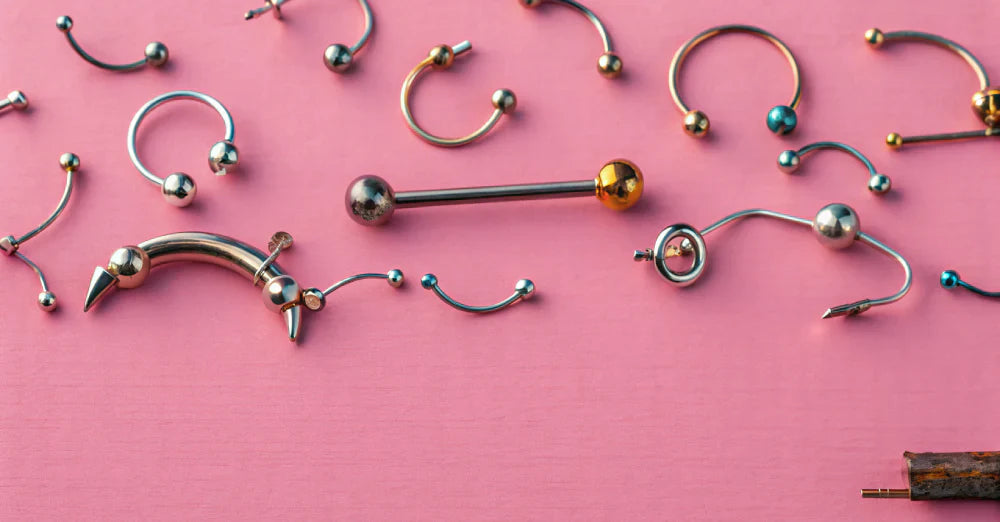
Common Male Genital Piercings
According to sexual health information, male genital piercings account for significant foreign body modifications:
- Prince Albert (PA): Ring through urethra exiting underside of glans. Most popular male piercing. Stimulates partner's G-spot or prostate during penetration.
- Reverse Prince Albert: Enters urethra, exits top of glans
- Ampallang: Horizontal barbell through glans (perpendicular to urethra)
- Apadravya: Vertical barbell through glans (parallel to urethra)
- Frenum: Piercing through penile shaft skin (single or multiple "ladder")
- Hafada: Scrotal skin piercing (decorative, less sexual enhancement)
- Dydoe: Through rim of glans on circumcised individuals
Common Female/Vulva Genital Piercings
- Vertical Clitoral Hood (VCH): Most popular. Barbell positioned vertically over clitoris under hood, stimulating during movement. 10-20% of people lack suitable anatomy.
- Horizontal Clitoral Hood (HCH): Pierces hood horizontally. Less direct stimulation than VCH.
- Triangle: Base of clitoral hood, under clitoris. Requires specific anatomy and expert piercer.
- Labia majora/minora: Outer or inner lips. Single or multiple. Can be decorative or enhance sensation.
- Christina: Where outer labia meet below pubic mound. Decorative, lengthy healing.
- Fourchette: Between vaginal opening and anus. May cause discomfort during penetration.
Sexual Enhancement Claims
Genital piercings are intended to enhance sensation for the wearer and, in the case of male piercings, his partner during intercourse. Jewelry creates additional texture, pressure points, and direct stimulation to sensitive areas like the clitoris or internal vaginal/anal walls.
Critical Healing Time Guidelines
Abstinence periods are essential—not optional suggestions.
Minimum Waiting Periods Before Sex
Avoid sexual intercourse for at least two weeks after a piercing WebMD. However, this is the absolute minimum for low-risk piercings. Specific recommendations:
|
Piercing Type |
Minimum Healing |
Full Healing |
Sex Abstinence |
|
Prince Albert |
4-6 weeks |
2-3 months |
2-4 weeks minimum |
|
Ampallang/Apadravya |
3-6 months |
6-12 months |
4-6 weeks minimum |
|
Frenum |
2-3 months |
3-4 months |
2-3 weeks minimum |
|
VCH (Clitoral Hood) |
4-8 weeks |
1-2 months |
2-3 weeks minimum |
|
Labia |
6-8 weeks |
1-4 months |
2-3 weeks minimum |
|
Triangle |
2-3 months |
3-4 months |
3-4 weeks minimum |
|
Christina |
6-9 months |
9-12 months |
6-8 weeks minimum |
Why Waiting Matters
New piercings do not prohibit sexual activity. However, exposure to the partner's bodily fluids must be prevented to reduce the risk of infection, even in a monogamous relationship TheBody. During healing:
- Open wound vulnerable to bacteria from partner's genitals, mouth, hands
- Movement can tear delicate healing tissue
- Friction causes scarring and prolonged healing
- Blood exposure risks STI transmission
Signs Healing is Progressing
- Reduced swelling and redness
- No discharge (clear discharge initially is normal)
- No pain during non-sexual activities
- Jewelry moves freely without discomfort
- Crust formation decreases
Essential Safety Precautions During Sex

Specific modifications protect both partners and jewelry.
Barrier Method Requirements
Condoms with Genital Piercings
Penis piercings with average-sized jewelry rarely interfere with the safe use of condoms. Condoms with larger receptacle ends will fit comfortably over penis jewelry.
Condom Selection:
- Choose condoms with larger reservoir tips
- Avoid ultra-thin varieties (increased tear risk)
- Test fit before sexual encounter
- Replace if jewelry snags material during application
Lubrication Strategy: Lubricating the inside of the condom as well as the jewelry itself will reduce friction. Apply lube:
- Inside condom before putting on
- Directly on jewelry
- Additional external application as needed
Dental Dams for Oral: Use barriers during oral sex on pierced genitals during healing period.
Jewelry Considerations
Gauge (Thickness) Matters
Most men have found that penis piercings 12ga or thinner tend to be uncomfortable or pinch during sexual activity. Once the piercing has been stretched to a thicker gauge the pinching sensation disappears.
Thicker jewelry distributes pressure over larger surface area, reducing tearing risk.
Jewelry Type Selection:
For Sex:
- Smooth barbells (no rough edges)
- Properly sized (not too long, causing catching)
- Securely fastened balls/ends (check before each encounter)
- Avoid dangling or decorative pieces during vigorous activity
Material Safety:
- Implant-grade titanium
- Surgical stainless steel
- Niobium
- Glass (smooth, body-safe)
Avoid nickel, cheap metals causing reactions.
Hygiene Protocols
Before Sex:
- Both partners wash hands thoroughly
- Clean genital area with mild soap and water
- Ensure jewelry is clean
- Check jewelry tightness (balls screwed on securely)
After Sex: When you do have sex, clean the pierced area with saline solution afterward.
Post-intercourse cleaning:
- Rinse with warm water immediately
- Apply sterile saline solution
- Gently pat dry (don't rub)
- Avoid harsh soaps or alcohol-based products
Optimizing Positions & Techniques
Strategic choices minimize discomfort while maximizing pleasure.
Best Positions for Pierced Partners
For Penis Piercings:
Missionary:
- PA/Reverse PA jewelry contacts anterior vaginal wall (G-spot area)
- Less vigorous movement reduces tearing risk
- Eye contact allows communication about comfort
Receiver on Top:
- Allows receiving partner complete control over depth/angle
- Can adjust to avoid jewelry catching or causing discomfort
- Slower, controlled movement during initial adjustment period
Spooning:
- Gentle, low-intensity position
- Reduced risk of vigorous thrusting causing injury
- Intimate, comfortable for testing post-healing sensitivity
Avoid Initially:
- Extremely vigorous doggy style (risk of jewelry trauma)
- Standing positions (less control, harder angles)
- Positions requiring complex maneuvering
For Vulva Piercings:
Modified Missionary:
- VCH jewelry stimulates clitoris during grinding motion
- Penetrating partner's pubic bone creates pressure on jewelry
- Face-to-face intimacy allows communication
Cowgirl/Reverse Cowgirl:
- Receiver controls all movement and pressure on piercings
- Can adjust angle to maximize or minimize jewelry stimulation
- Hands free to stabilize jewelry if needed
Spooning:
- Low pressure on piercings
- Comfortable, sustained
- Easy to add manual or toy stimulation
Avoid Initially:
- Positions with receiver's legs tightly closed (pressure on labia piercings)
- Rough, fast-paced positions before fully healed
Managing Discomfort

If Jewelry Causes Pain:
Immediate actions:
- Stop movement, don't force through pain
- Adjust angle slightly
- Add more lubrication
- Switch to gentler position
- Check if jewelry has loosened or shifted
For Receiving Partners:
If partner's piercing causes discomfort:
- Communicate immediately (not after encounter)
- Request slower pace or shallower penetration
- Try positions giving you more control
- Additional lubrication often helps
- Consider whether jewelry gauge is issue (thicker may be more comfortable)
Using Toys Safely
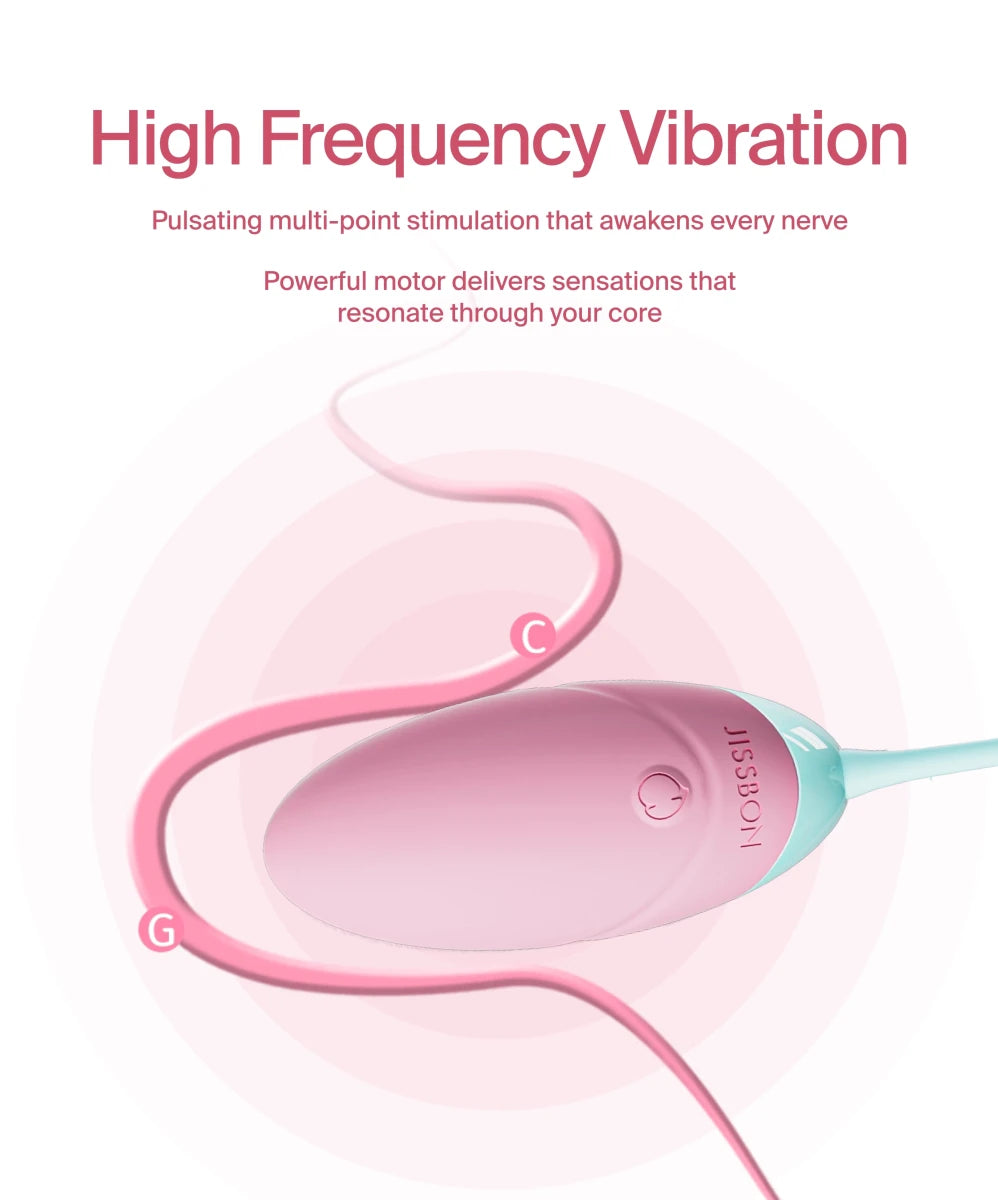
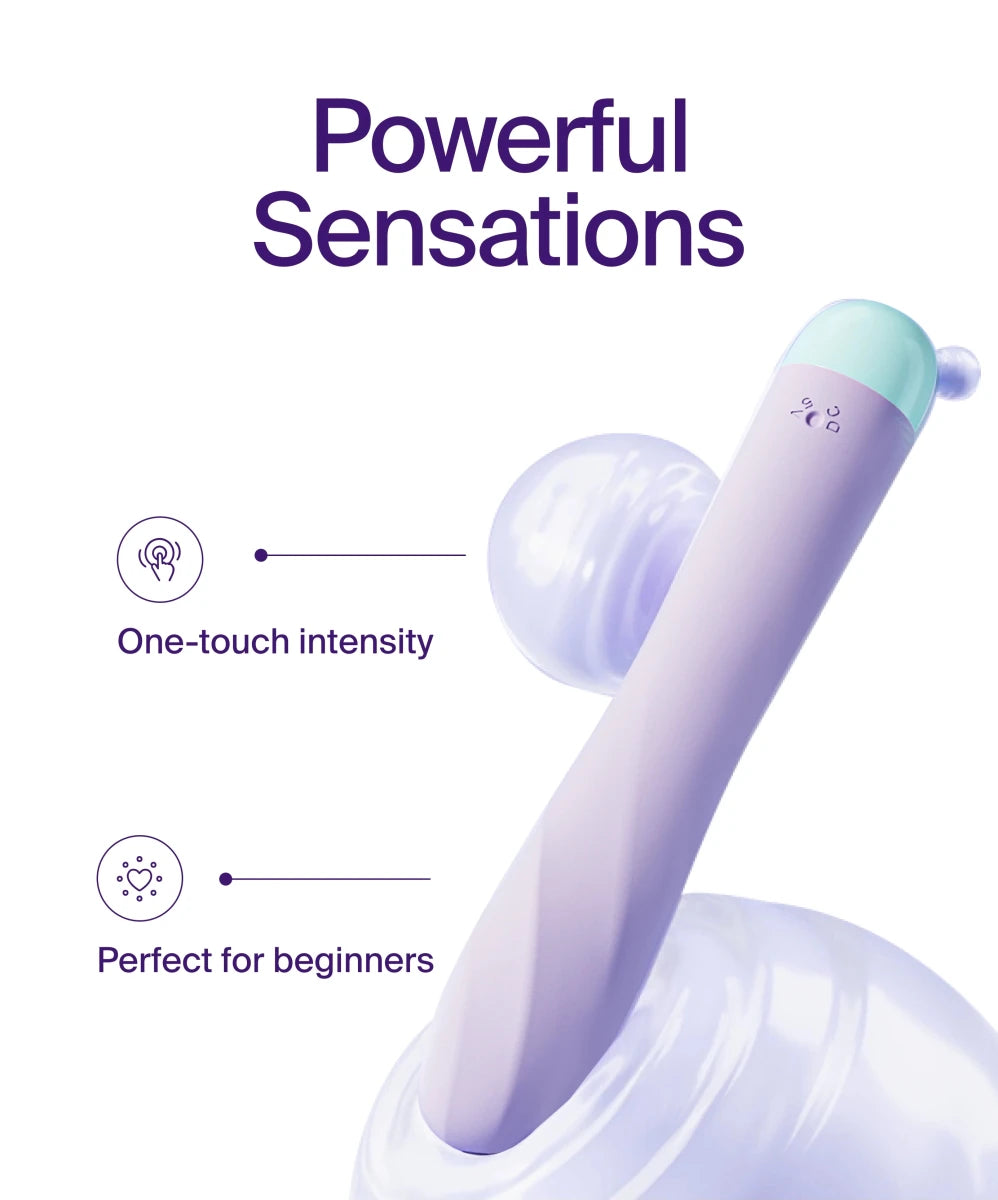
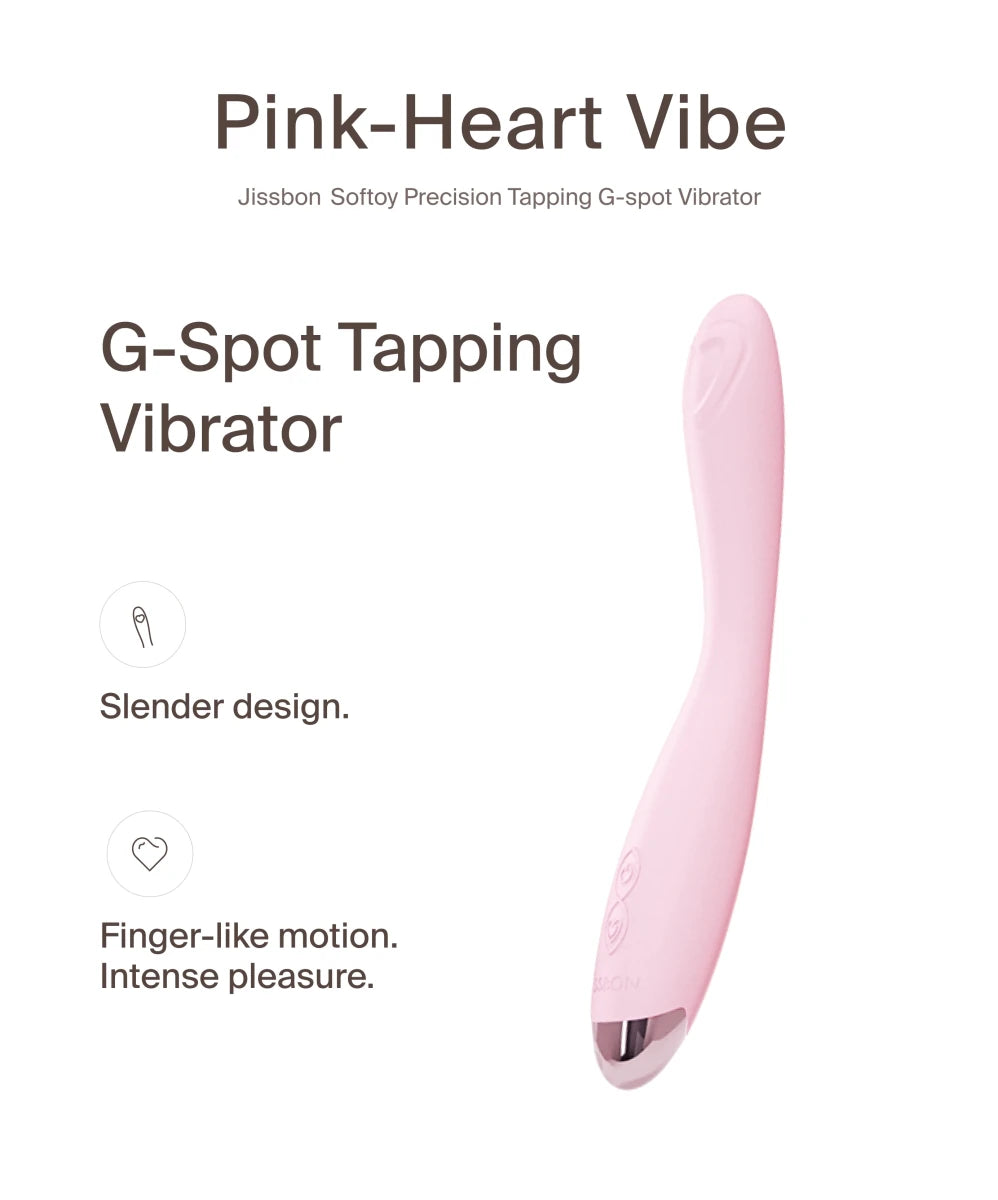
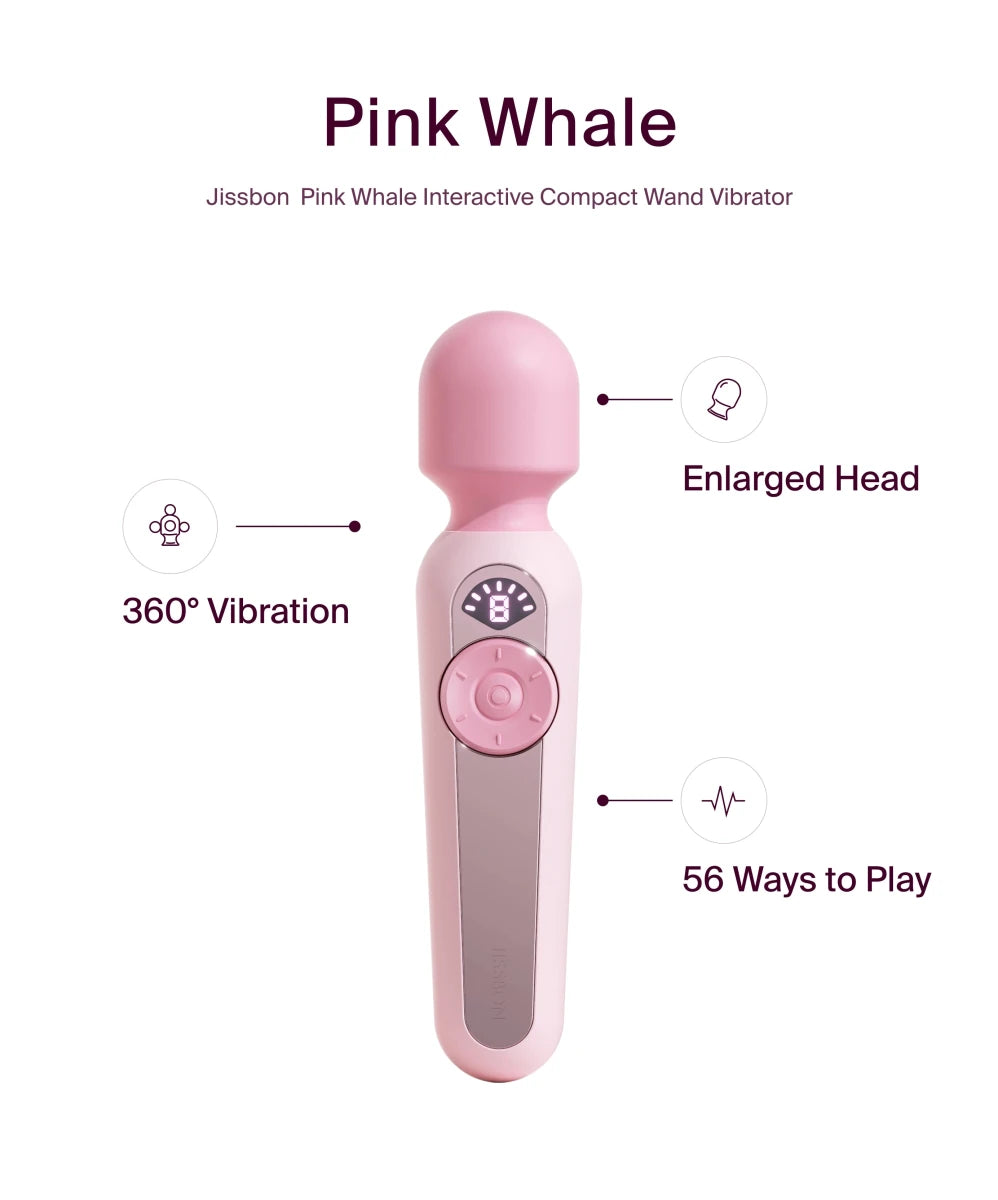
Vibrators & Dildos: Compatible with most piercings. Considerations:
- Ensure jewelry won't catch on toy material
- Use generous lubrication
- Start gently, assess sensation
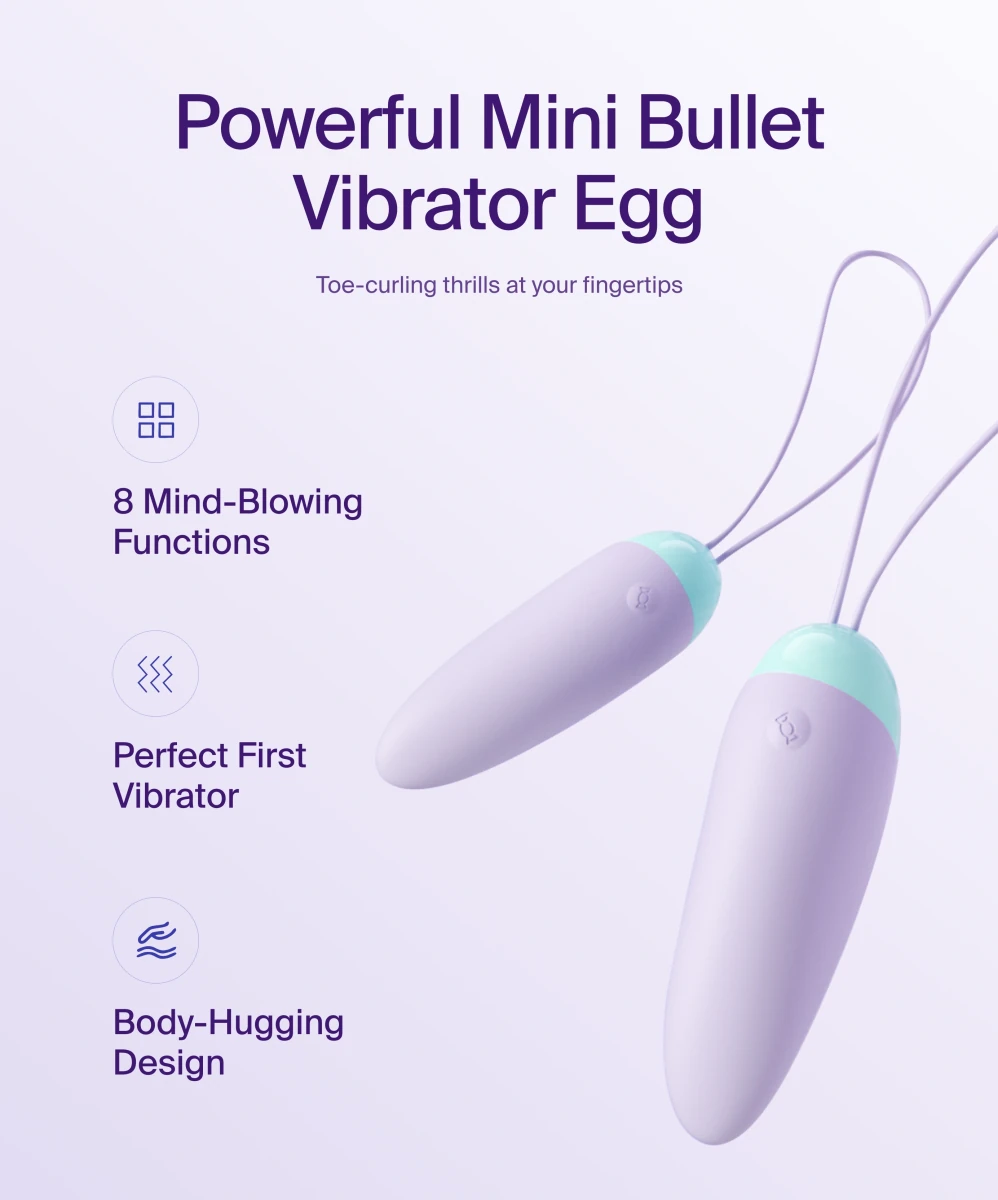
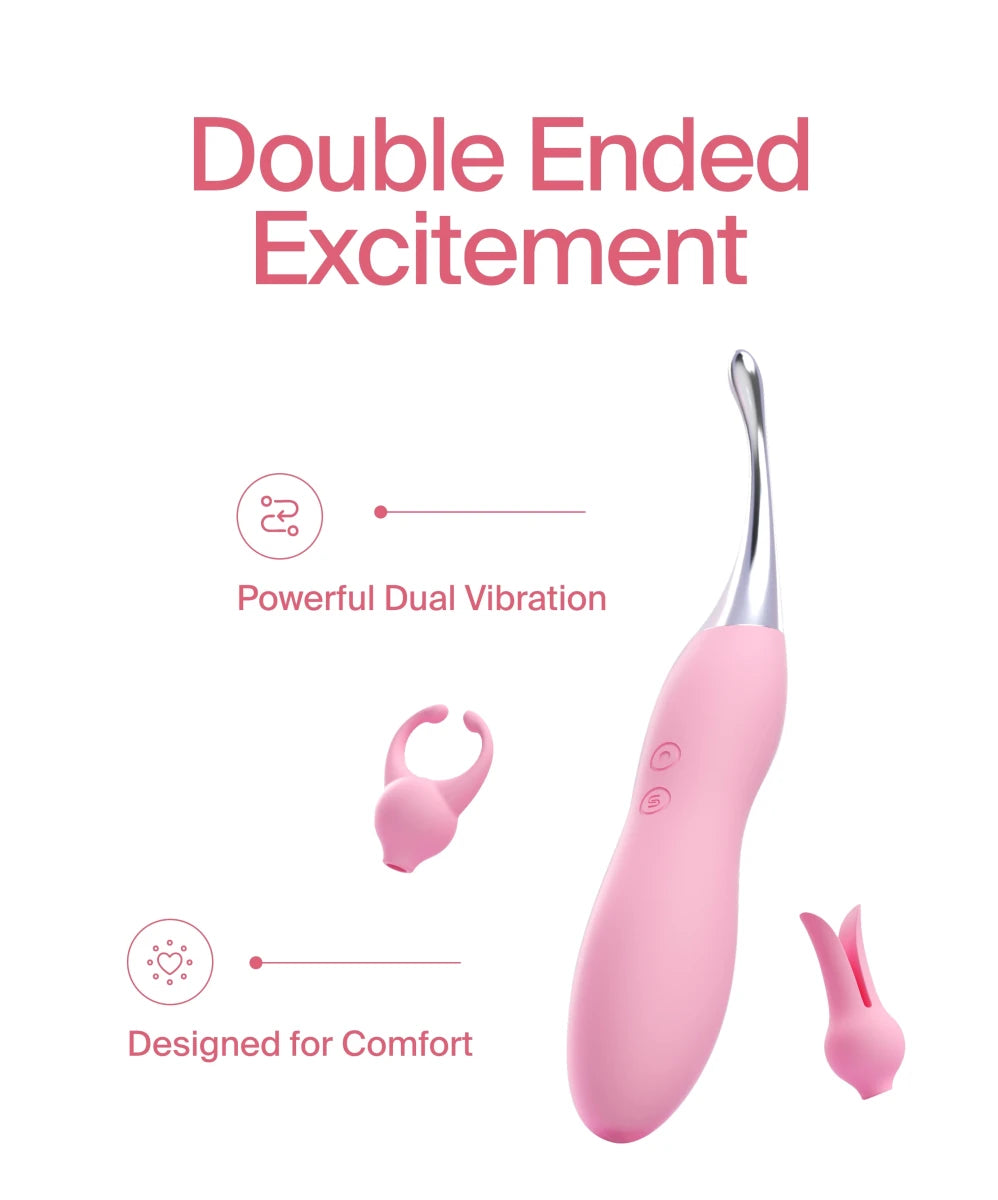
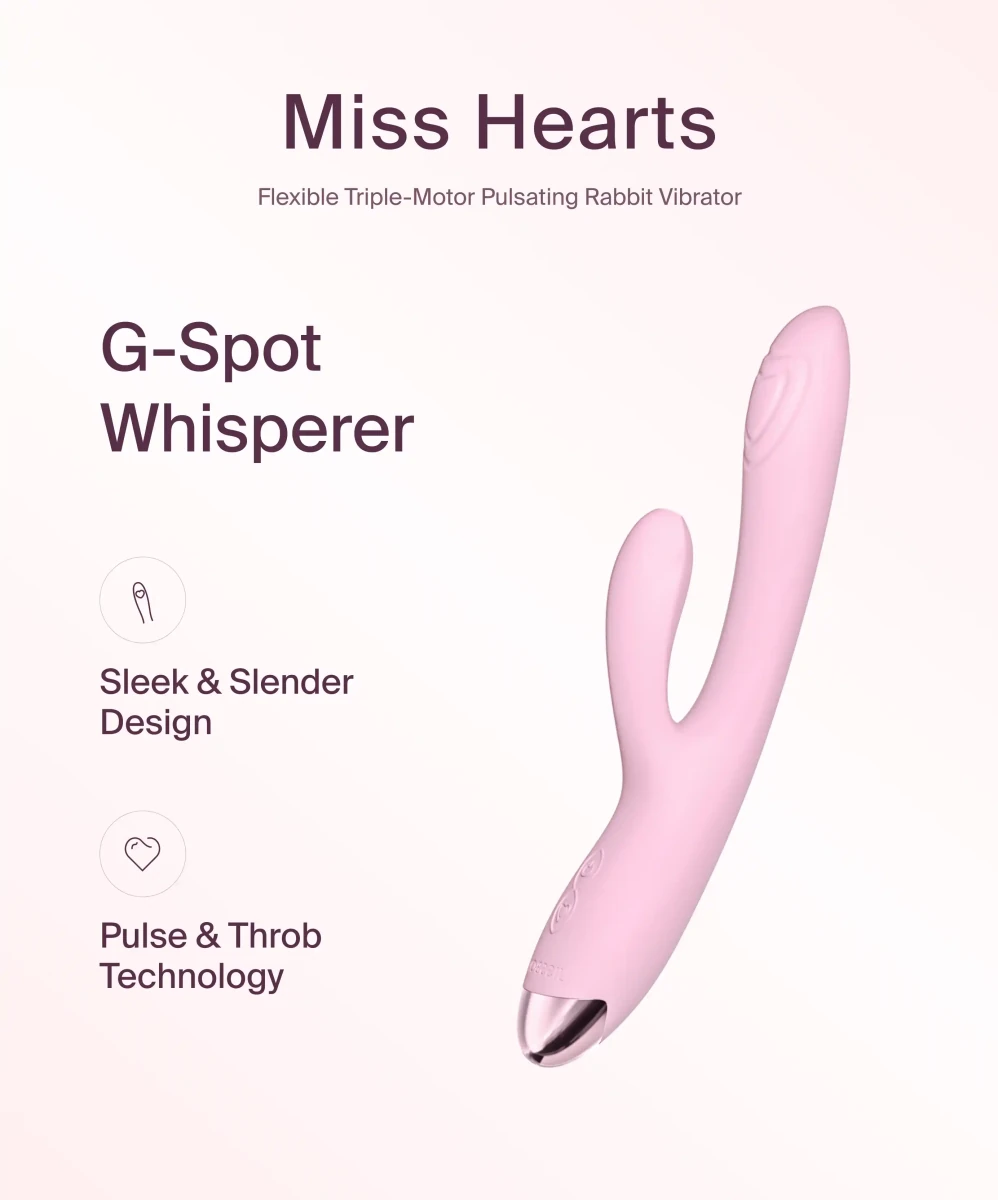
- External clitoral vibrators complement VCH piercings
Internal Toys:
- Smooth silicone preferred (less catching risk than textured)
- Avoid toys with seams near piercing site
- Clean toys thoroughly before and after
Sensation Enhancement Strategies
Maximizing pleasure potential of genital jewelry.
For Wearers:
Penis Piercings:
- PA jewelry creates internal pressure sensations during penetration
- Ampallang/apadravya provide constant glans stimulation
- Experiment with jewelry weight (heavier can increase sensation)
- Try different materials (temperature variations)
Vulva Piercings:
- VCH creates constant subtle clitoral contact
- Labia piercings pull/tug during penetration (arousing for many)
- Jewelry temperature play (cool metal vs. warm from body)
For Partners:
Receiving Penis Penetration:
- PA jewelry specifically targets G-spot or prostate
- Request angle adjustments to maximize jewelry contact with sensitive spots
- Jewelry adds texture and pressure points internally
- Some report more intense orgasms from added stimulation
Receiving Oral:
- Tongue piercings on giving partner create additional sensation
- Genital jewelry provides interesting texture during oral
- Temperature play: cold/warm drinks before oral on pierced genitals
Communication is Essential
Before Encounters:
- "My piercing is [healing stage], so let's be gentle"
- "Tell me immediately if my jewelry causes discomfort"
- "I'd like to try [position] because it's easier on my piercing"
During Sex:
- "That angle is perfect/uncomfortable"
- "Can we slow down/adjust?"
- "The jewelry is hitting exactly the right spot"
Risks & Complications
Awareness enables prevention and early intervention.
Infection Risk
Despite concerns, in a 2005 study involving 146 men and women with intimate piercings, researchers found only 3 percent contracted an STI after getting pierced Medical Daily.
However, non-STI infections remain risks:
- Bacterial infection from partner's fluids during healing
- Yeast infections (vulva piercings)
- Urinary tract infections (piercings near urethra)
Prevention:
- Strict healing time abstinence
- Barrier methods during early post-healing sex
- Thorough pre/post-sex cleaning
- Partner hygiene
Tearing & Trauma
Most serious concern:
- Vigorous sex can tear piercing holes
- Jewelry getting caught during activity
- Partner's teeth during oral sex
- Sudden pulling movements
Warning Signs:
- Sharp pain (not just discomfort)
- Bleeding during or after sex
- Jewelry feels loose or moves differently
- Increased swelling after intercourse
Jewelry Embedding
Rare but serious:
- Jewelry becomes embedded in tissue (balls underneath skin)
- Usually from improperly sized jewelry or trauma
- Requires medical removal
- Can cause permanent damage
Prevention:
- Properly sized jewelry initially
- Check tightness regularly
- Don't sleep in jewelry that's too tight
When to Seek Medical Care
Immediately if experiencing:
- Excessive bleeding not stopping with pressure
- Signs of infection (green/foul discharge, fever, excessive swelling)
- Jewelry cannot be removed and is causing pain
- Allergic reaction (beyond normal healing redness)
- Tearing of tissue
Long-Term Piercing Maintenance for Sexual Activity

Regular Jewelry Checks
Before each sexual encounter:
- Ensure balls/ends are tightly screwed
- Check for loose jewelry
- Inspect for damage or wear
- Replace damaged jewelry promptly
Ongoing Cleaning
Even after full healing:
- Clean after every sexual encounter
- Daily gentle cleaning with mild soap
- Prevent buildup causing odor or irritation
Jewelry Upgrades
Consider upgrading after healing:
- Thicker gauge for comfort during sex
- Different styles for varied sensation
- High-quality materials for long-term wear
Frequently Asked Questions
Do genital piercings make sex feel better?
Often yes — depending on piercing type and anatomy.
- VCH → increases clitoral stimulation
- PA → increases G-spot stimulation
- Ampallang/Apadravya → additional internal pressure
Results vary by person.
Is it safe to have sex with a fresh piercing?
No. Sex before recommended healing time dramatically increases:
- infection risk
- tearing
- jewelry rejection
Always wait until your professional piercer approves.
Can genital piercings increase STI risk?
Yes — slightly. Fresh piercings create open channels for bacteria and viruses. Use condoms and barriers consistently.
What piercing feels best for partners?
Most commonly reported:
- Prince Albert (intense internal stimulation)
- Apadravya (vertical bar reaches multiple pleasure zones)
- VCH (enhanced clitoral pressure)
How long after getting a genital piercing can I have sex?
Minimum 2 weeks, but longer is better. VCH piercings may allow sex after 2-3 weeks, while ampallang/apadravya require 4-6+ weeks. Always use barriers for several weeks beyond minimum healing time. Consult your piercer for specific guidance.
Will genital piercings actually improve sex?
Many report enhanced sensation for themselves and partners. VCH jewelry directly stimulates clitoris. PA jewelry targets G-spot or prostate. However, results vary individually—some experience minimal difference. Aesthetic and psychological factors also contribute to satisfaction.
Can piercings cause condoms to break?
Rare with proper precautions. Use larger reservoir tip condoms, lubricate inside and outside, ensure jewelry is smooth and properly sized. Most jewelry won't tear quality condoms when used correctly.
Do genital piercings hurt during sex?
They shouldn't after full healing. Initial discomfort during first post-healing encounters is normal. Persistent pain indicates problem—wrong jewelry size, insufficient healing, or infection. Consult piercer if pain continues.
Can I give oral sex to someone with genital piercings?
Yes, after proper healing and with caution. Jewelry can chip teeth or catch in throat—be gentle. Avoid vigorous movement. Piercing wearer should ensure jewelry is secure before oral. Use barriers during healing period.
What if my partner's piercing hurts me during sex?
Communicate immediately. Try different positions, angles, or paces. More lubrication often helps. If persistent, their jewelry gauge may be too thin or length inappropriate—they should consult their piercer.
Conclusion
Sex with genital piercings combines enhanced sensation potential with necessary safety modifications. Strict adherence to healing time abstinence (minimum 2 weeks, longer for complex piercings), barrier method use during early post-healing encounters, thorough hygiene protocols, strategic position selection, and open communication minimize risks while maximizing pleasure benefits.
Whether you're the pierced partner or intimate with someone who is, understanding jewelry types, healing stages, potential complications, and sensation optimization strategies enables safe, satisfying experiences. Properly healed piercings maintained with appropriate jewelry enhance intimate encounters for many people without significant safety concerns when handled responsibly.
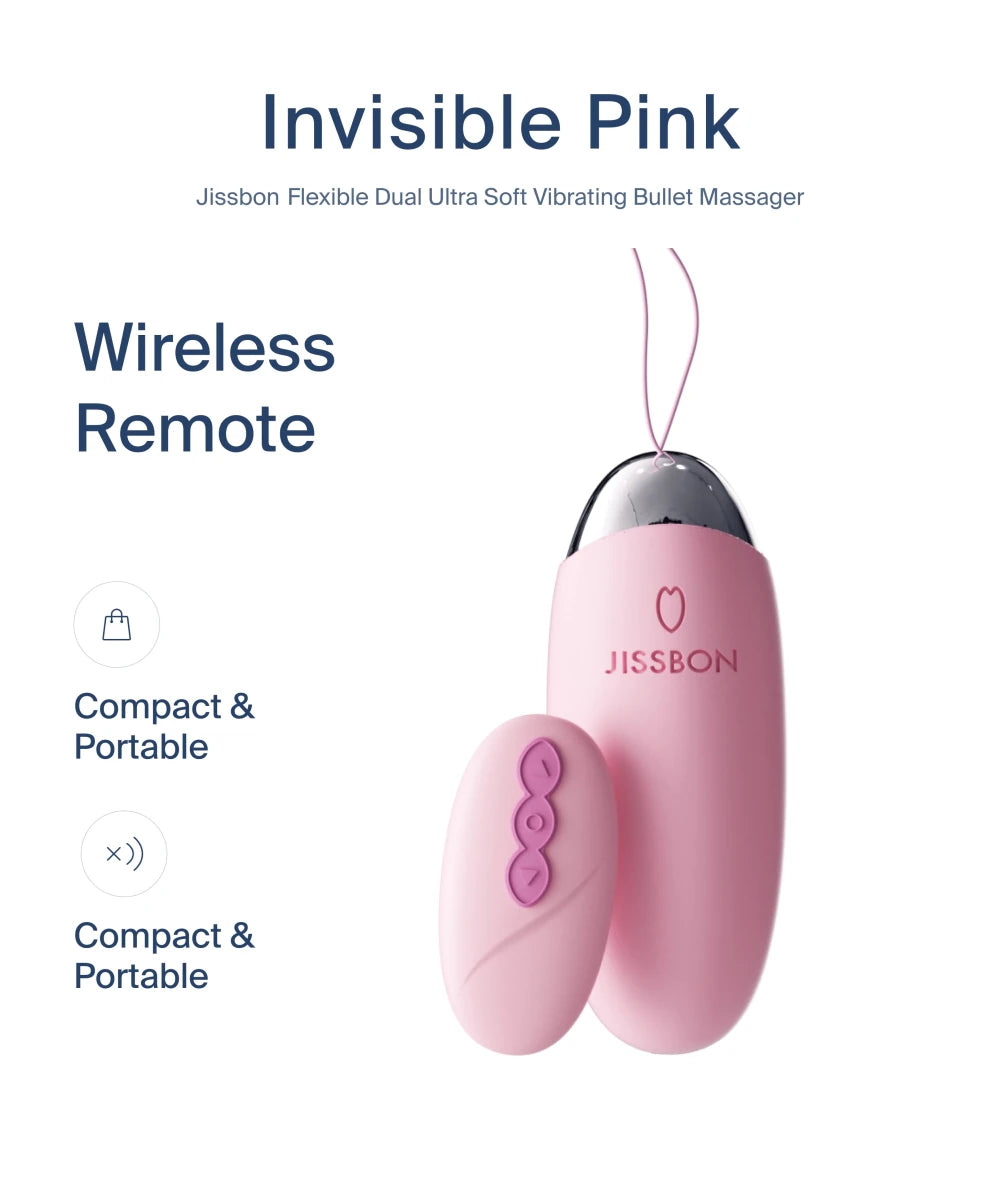
Ready to enhance your intimate experiences? Explore lubricants for comfortable play, vibrators that complement piercings, and intimate wellness products at Jissbon.


Looking for something else?
What Is Flogging in Sex? Complete BDSM Flogging Guide
LEARN MORE
What Does Overstimulated Mean Sexually? Causes & Solutions
LEARN MORE
Can You Get a Tattoo on Your Vagina? Safety, Pain & What to Expect
LEARN MORE
Public Sex Kink: Understanding Exhibitionism & Safe Exploration
LEARN MORELooking for something else?

A-Spot Orgasm: Best Positions & How to Find It
LEARN MORE
Bondage Play: Complete Beginner's Guide to Rope BDSM
LEARN MORE
Vibrator Stories: Real Experiences, Tips & What to Expect
LEARN MOREYou may also like
20% off

20% off

20% off

20% off

20% off

20% off

Further reading
How to Clean an Automatic Blowjob Machine Without Damaging the Motor
Remote-Controlled Automatic Masturbators for Couples and Solo Play
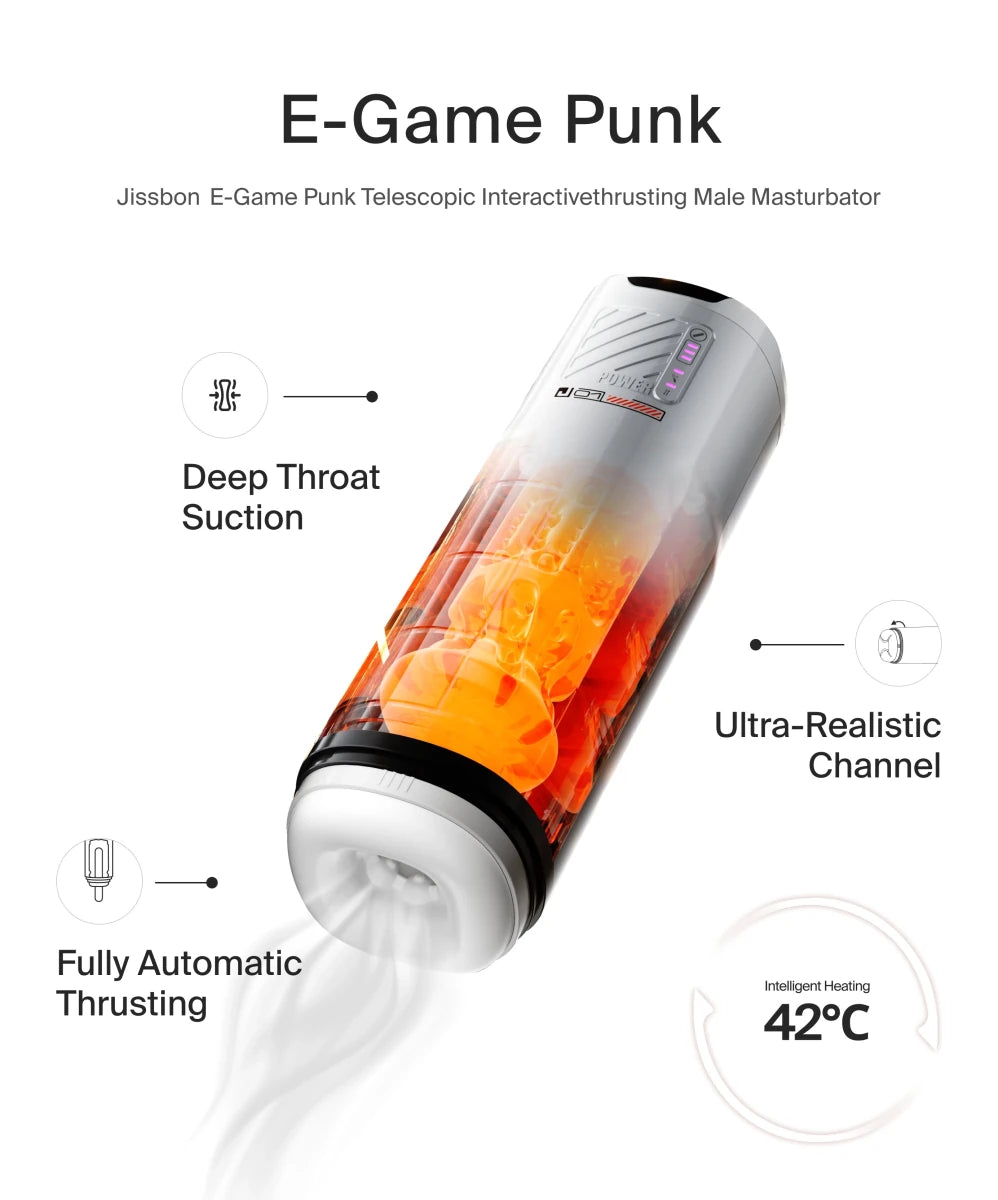
Best Automatic Strokers for Edging and Stamina Training