













































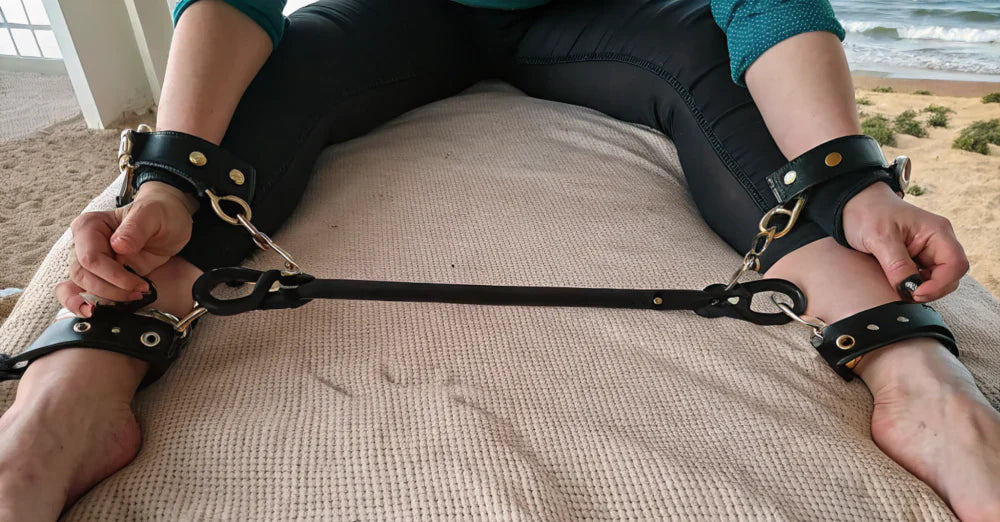
Sex Spreader Bars: Types, Safety Tips & Beginner's Guide
Stack & Save: Extra 15% with Jissbon15
Jissbon15
A spreader bar is a restraint device featuring a rigid bar with attachment points (usually cuffs) at each end. When secured to ankles or wrists, the bar holds limbs apart at a fixed distance, creating vulnerability and limiting movement. This tool adds power exchange dynamics, increases access for partners, and introduces the psychological thrill of controlled helplessness.
Spreader bars range from simple adjustable bars with Velcro cuffs to complex systems with multiple attachment points. They work for couples exploring light bondage, people interested in submission and dominance play, or anyone curious about adding structured restraint to intimate activities.
The appeal combines physical sensation (muscles held in stretched positions, increased exposure) with mental elements (surrender, anticipation, trust). Unlike other restraints that simply prevent movement, spreaders actively position the body in specific ways.
Types of Spreader Bars

Leg Spreaders
The most common variety keeps legs apart, typically between 24–36 inches.
Standard leg bar:
- Single rigid bar connecting ankle cuffs
- Adjustable or fixed width
- Materials: metal, wood, or rigid plastic
- Best for: missionary-style access, oral activities, toy use
Thigh spreaders:
- Attach just above knees rather than ankles
- Less extreme than ankle spreaders
- Allow for some leg movement
- Comfortable for extended wear
Under-mattress systems:
- Straps run beneath bed connecting to ankle and wrist cuffs
- Create full-body spread-eagle position
- Require appropriate bed type (platform beds may not work)
- Easy storage—straps stay under mattress
Arm Spreaders
These hold wrists apart, often behind the back or overhead.
Basic wrist bar:
- Similar to leg bars but sized for arm span
- Typically 12–24 inches
- Can be used in front or behind body
- Creates shoulder stretch requiring flexibility
Yoke-style:
- Horizontal bar rests across shoulders
- Wrists attach at each end
- Less strain than standard wrist bars
- Works well for standing positions
Combination Systems
Four-point spreaders:
- Connect wrists to ankles
- Create X-position or hogtie variations
- Require significant flexibility
- Advanced restraint not suitable for beginners
Adjustable multi-bars:
- Chain or strap connections between multiple bars
- Allow various configurations
- Higher price point but maximum versatility
- Grow with experience level
For context on power exchange dynamics, understanding consensual restraint practices helps frame safe exploration.
Choosing Your First Spreader Bar
|
Feature |
Beginner-Friendly |
Advanced |
Why It Matters |
|
Adjustability |
Multiple length settings |
Fixed length |
Adapt to comfort levels, different positions |
|
Cuff type |
Velcro or quick-release buckles |
Locking buckles, chains |
Easy escape if needed |
|
Weight |
Lightweight (under 2 lbs) |
Heavy-duty metal |
Comfort during extended wear |
|
Padding |
Thick cuff padding |
Minimal padding |
Prevents circulation issues, bruising |
|
Connection points |
2 (basic ends only) |
4+ (multiple attachment options) |
Simplicity vs. complexity |
|
Material |
Padded metal or sturdy plastic |
Unpadded steel, wood |
Comfort vs. aesthetic |
Essential beginner features:
- Quick-release mechanism on at least one cuff
- Adjustable length (24–36 inches for legs)
- Well-padded cuffs (minimum 1 inch thick)
- Weight under 3 pounds
- Clear instructions included
Avoid initially:
- Locking restraints without emergency release keys
- Non-adjustable bars (bodies vary—one size doesn't fit all)
- Heavy metal bars that cause muscle fatigue quickly
- Cheaply made products with rough edges or weak connections
Safety Fundamentals

Before First Use
Communication requirements:
- Discuss boundaries, limits, and safe words explicitly
- Establish non-verbal signals if verbal communication becomes difficult
- Agree on session duration limits
- Confirm both people understand how to remove restraints quickly
- Address any physical limitations (joint problems, circulation issues, flexibility restrictions)
Physical preparation:
- Stretch gently beforehand—cold muscles strain easily
- Use bathroom before restraint
- Remove jewelry that could catch or press uncomfortably
- Have safety scissors nearby (EMT shears cut through most materials)
- Keep phone accessible for emergencies
Safe word system: Use traffic light method:
- Green: Everything feels good, continue
- Yellow: Approaching discomfort, check positioning or ease intensity
- Red: Stop immediately, remove restraints
Non-verbal alternatives (if gagged or unable to speak):
- Object to drop that makes noise
- Specific hand signal
- Predetermined number of grunts or hums
Understanding consent and communication in intimate activities provides essential foundation.
During Use
Circulation monitoring: Check every 10–15 minutes for:
- Color changes (pale, purple, or dark red skin)
- Temperature differences (cold hands or feet)
- Numbness or tingling
- Swelling around restraint areas
- Pain beyond mild muscle stretch
Position adjustment needs:
- Muscles fatigue quickly in spread positions
- Take breaks every 20–30 minutes minimum
- Allow restrained person to shift weight and flex muscles
- Reposition if any numbness or sharp pain occurs
- Don't force positions that cause genuine discomfort
Psychological check-ins:
- Ask how the restrained person feels emotionally
- Watch facial expressions and body language
- Acknowledge that stopping doesn't mean failure
- Provide reassurance and positive feedback
- Remember vulnerability creates emotional intensity—aftercare is essential
After Sessions
Physical care:
- Remove restraints slowly and gently
- Massage areas that were restrained to restore circulation
- Provide water and snacks
- Allow time for body temperature regulation
- Check for any marks, bruising, or areas of concern
- Apply lotion or aloe to friction areas
Emotional aftercare:
- Cuddle or provide physical comfort (if desired)
- Discuss what felt good and what didn't
- Offer verbal affirmation and appreciation
- Process any unexpected emotional responses
- Reconnect as equals after power exchange
Equipment care:
- Wipe down bars with appropriate cleaner
- Check cuffs for wear or damage
- Ensure quick-release mechanisms still function properly
- Store in dry location away from extreme temperatures
For detailed guidance on bondage safety practices, health services provide risk-reduction strategies.
Position Ideas for Spreader Bars
Leg Spreader Positions
Receiving partner on back:
- Classic spread position with maximum exposure
- Partner or toy access to all areas
- Receiving partner can still see what's happening (psychological element)
- Pillow under hips improves angle and comfort
Receiving partner on hands and knees:
- Bar between ankles limits leg movement
- Creates vulnerability while maintaining some agency
- Excellent access for penetration or external stimulation
- Can combine with wrist restraints for full immobilization
Receiving partner standing:
- Bar between ankles at narrow setting
- Partner stands facing wall or furniture for support
- Creates interesting challenge to maintain balance
- Standing positions increase power dynamic intensity
Edge of bed or furniture:
- Receiving partner lies on back at edge with legs spread
- Bar holds legs apart and up
- Giving partner stands between legs
- Optimal angle for penetration or oral activities
Wrist Spreader Positions
Arms overhead:
- Wrist bar attached to headboard or suspension point
- Creates full-body exposure
- Requires some upper body strength and flexibility
- Combine with leg spreader for complete immobilization
Behind back:
- Less common but creates intense helplessness
- Requires shoulder flexibility—not suitable for everyone
- Brief duration recommended (circulation concerns)
- Giving partner has complete control of positioning
Kneeling submission:
- Restrained person kneels with wrist bar in front
- Less physically demanding than overhead positions
- Strong psychological element of submission
- Easy to maintain for longer periods
Combining Restraints
Spreader bars work beautifully alongside other restraint tools:
- Add blindfold to remove visual control and heighten anticipation
- Incorporate remote controlled vibrators for hands-free stimulation
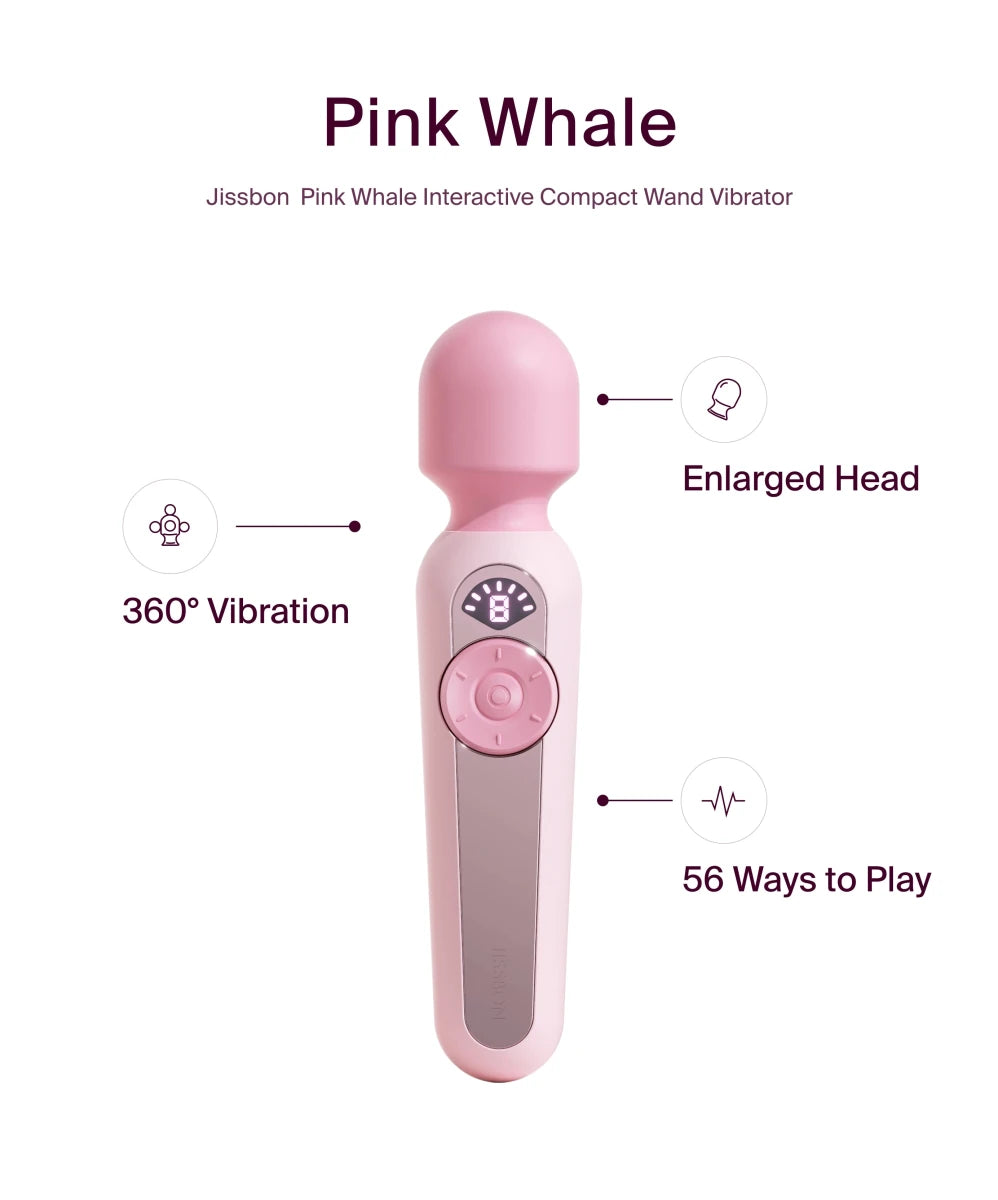
- Use wand vibrators while partner is spread and unable to move away
- Combine with light impact play (spanking, flogging) if negotiated
- Layer sensation play (ice, feathers, massage) while partner is restrained
Explore complementary tools at Jissbon designed for power exchange and couple's play.
Psychological Elements

Surrender and Control
The mental aspect often provides more satisfaction than physical sensation alone:
For the restrained person:
- Releases responsibility for what happens next
- Creates space to simply receive without reciprocating
- Vulnerability builds trust and intimacy
- Focuses attention on sensations without distraction
- May access subspace (trance-like relaxed state)
For the partner in control:
- Empowerment through consensual authority
- Responsibility to monitor and care for partner
- Freedom to explore partner's body thoroughly
- Satisfaction of maintaining control and setting pace
- Creative expression of dominance
Building Anticipation
Restraint naturally creates suspense:
Techniques for intensifying anticipation:
- Slow, deliberate movements that restrained person can see coming
- Verbal teasing about what you might do next
- Touching everywhere except the most sensitive areas initially
- Making restrained person ask (or beg) for what they want
- Alternating between intense and gentle sensations
- Using silence and stillness to create psychological tension
Why anticipation matters: The brain's anticipation of pleasure can be as intense as pleasure itself. Restraint forces focus on that anticipation, heightening eventual satisfaction.
Processing Power Dynamics
Power exchange triggers complex emotions:
Common reactions:
- Unexpected emotional release (tears, laughter, deep relaxation)
- Feeling exposed or vulnerable in surprising ways
- Intense gratitude toward partner
- Temporary feelings of being overwhelmed
- Deep connection and intimacy
If difficult emotions arise:
- Use safe word immediately
- Remove restraints
- Provide comfort and reassurance
- Discuss feelings without judgment
- Consider whether bondage is right for your relationship
- Seek support from kink-aware therapist if needed
Understanding psychological aspects of BDSM helps normalize varied emotional responses.
Integrating Spreader Bars into Intimate Life
First-Time Introduction
Bringing up the topic:
- Frame as curiosity rather than dissatisfaction with current activities
- Share articles or content that sparked your interest
- Ask if partner has thought about or fantasized about restraint
- Emphasize communication, safety, and mutual exploration
- Start conversation outside bedroom without pressure for immediate decisions
Starting gradually:
- Begin with hands-held above head manually before adding equipment
- Try soft restraints (scarves, soft cuffs) before rigid bars
- Use spreader bar for brief periods (5–10 minutes) initially
- Combine with familiar activities so it's not entirely new
- Debrief thoroughly after first experience
Building Confidence
Practice makes comfortable:
- Try equipment on yourself first to understand sensations
- Practice removing restraints quickly multiple times
- Start sessions during times when you're relaxed, not tired or stressed
- Keep early experiences shorter than you think you want
- Gradually increase duration and intensity over multiple sessions
Expanding slowly:
- Once basic leg spreader feels comfortable, try different positions
- Add second element (blindfold, toy) only after mastering first
- Experiment with verbal commands alongside physical restraint
- Consider different settings (floor, chair, against wall)
- Let the restrained person guide intensity and pace
Incorporating Regularly
Avoiding routine:
- Reserve spreader bar use for special occasions or when energy is high
- Vary which partner gets restrained if both interested
- Alternate between restraint sessions and restraint-free intimacy
- Try new positions or combinations to maintain novelty
- Discuss fantasies for future exploration
Long-term considerations:
- Equipment wears out—inspect regularly and replace as needed
- Communication patterns should evolve as comfort increases
- Boundaries may shift over time in either direction—check in periodically
- Consider upgrading equipment as interests develop
- Balance restraint play with other forms of intimacy
Troubleshooting Common Issues
Physical Discomfort
Problem: Cuffs cause pain or numbness quickly.
Solutions:
- Ensure cuffs are padded adequately (add fleece covers if needed)
- Don't overtighten—one finger should fit between cuff and skin
- Adjust bar length to reduce muscle strain
- Take more frequent breaks
- Warm up with stretching beforehand
Problem: Muscles cramp or fatigue in spread position.
Solutions:
- Shorten session duration
- Choose less extreme spread width
- Support body with pillows to reduce muscle work
- Switch positions more frequently
- Build up tolerance gradually over multiple sessions
Psychological Challenges
Problem: Restrained person feels panic or overwhelming vulnerability.
Solutions:
- Use safe word immediately and remove restraints
- Start with shorter periods and familiar positions
- Maintain eye contact and verbal reassurance throughout
- Consider whether restraint is appropriate for this person
- Try alternative forms of power exchange without physical restriction
Problem: Controlling partner feels uncertain or uncomfortable with authority.
Solutions:
- Discuss specific actions beforehand so there's a plan
- Start with activities you already know partner enjoys
- Remember that power is consensually given, not taken
- Frame authority as service—you're providing experience partner wants
- Communicate throughout rather than maintaining silent dominance
Practical Problems
Problem: Bar is too wide or narrow for comfortable positioning.
Solutions:
Problem: Attachment points don't work with your furniture.
Solutions:
- Use under-bed restraint systems instead
- Try positions that don't require furniture attachment (standing, floor)
- Invest in portable bondage frame or door attachment system
- Get creative with sturdy furniture pieces
For additional perspectives on introducing new activities to relationships, medical resources offer communication strategies.
Frequently Asked Questions
Are spreader bars only for BDSM relationships?
No. Many couples who don't identify with BDSM culture enjoy spreader bars simply for variety, increased access, or playful power dynamics. You don't need to adopt any particular identity or lifestyle to explore restraint. Spreader bars exist on a spectrum from light, playful restraint to intense bondage—choose the level that fits your relationship. The equipment doesn't define your dynamic; your intentions and agreements do.
Can spreader bars cause injury?
When used properly with attention to circulation, positioning, and duration, spreader bars are quite safe. Risks include circulation issues from overtight cuffs, muscle strain from positions held too long, falling if balance is required, or joint stress for people with flexibility limitations. Prevent injury by monitoring circulation every 10–15 minutes, taking regular breaks, using well-padded cuffs, avoiding positions requiring balance, and respecting physical limitations. Never use restraints while intoxicated or impaired.
What if my partner isn't interested in being restrained?
Respect their boundary without pressure. Not everyone enjoys restraint—some find it genuinely distressing rather than exciting. Consider alternatives like having them hold a position voluntarily (you can reward compliance or playfully "punish" movement), using verbal commands instead of physical restraint, or exploring other forms of power exchange that don't involve bondage. If restraint is important to you but your partner is completely opposed, couples counseling can help navigate this compatibility challenge.
How long can someone safely stay in a spreader bar?
This depends heavily on position, individual flexibility, and circulation. General guidelines: start with 10–15 minutes maximum for first experiences, take 5-minute breaks after every 20–30 minutes of restraint, and never exceed 1–2 hours total even with breaks. Some positions (arms overhead, extreme spreads) should be even briefer. Always prioritize comfort signals over arbitrary time goals. People with circulation issues, joint problems, or flexibility limitations need shorter durations.
Can we use spreader bars if one partner has mobility issues?
Possibly, with careful modification. Consult healthcare providers about specific limitations. Consider thigh spreaders instead of ankle bars (less joint stress), use supportive furniture or pillows to reduce weight-bearing demands, keep sessions very brief initially, avoid positions requiring balance or strength, and focus on positions where the person with mobility challenges receives rather than provides active movement. The restrained position may actually be more comfortable than active participation for some conditions—but medical guidance is essential.
Where should we store spreader bars for privacy?
Options include locking storage boxes or cases designed for adult products, under-bed storage containers (especially effective for flat bars), closet storage with equipment in opaque bags, spare luggage or storage bins in less-accessed areas, and furniture with hidden compartments. Clean equipment before storing. If you have children or others accessing your space, invest in lockable storage—basic combination locks work well. Many spreader bars disassemble for more compact, discreet storage.
Embracing Structured Exploration
Spreader bars offer structured ways to explore vulnerability, control, access, and trust within intimate relationships. Whether you're drawn to the physical aspects (positioning, exposure, access) or psychological elements (surrender, dominance, anticipation), these tools facilitate experiences that verbal agreements alone cannot create.
Success requires clear communication, attention to safety, respect for boundaries, and willingness to adjust based on experience. Start conservatively, build skills gradually, and prioritize your partner's comfort and trust above achieving specific positions or activities.
Ready to discover tools that complement power exchange exploration? Browse options at Jissbon, including sex toys for couples designed for adventurous intimate play.


Looking for something else?

What Is Flogging in Sex? Complete BDSM Flogging Guide
LEARN MORE
What Does Overstimulated Mean Sexually? Causes & Solutions
LEARN MORE
Can You Get a Tattoo on Your Vagina? Safety, Pain & What to Expect
LEARN MORE
Public Sex Kink: Understanding Exhibitionism & Safe Exploration
LEARN MORELooking for something else?

A-Spot Orgasm: Best Positions & How to Find It
LEARN MORE
Bondage Play: Complete Beginner's Guide to Rope BDSM
LEARN MORE
Vibrator Stories: Real Experiences, Tips & What to Expect
LEARN MOREYou may also like
20% off

20% off

20% off

20% off

20% off

20% off

Further reading

How to Clean an Automatic Blowjob Machine Without Damaging the Motor

Remote-Controlled Automatic Masturbators for Couples and Solo Play
Best Automatic Strokers for Edging and Stamina Training