



















































Sex Enhancements: Natural, Safe Ways to Boost Intimacy and Pleasure
Stack & Save: Extra 15% with Jissbon15
Jissbon15
Sexual wellness evolves throughout life. What worked five years ago may feel different today due to stress, hormones, relationship changes, or simply shifting preferences. Sex enhancements—methods that improve arousal, satisfaction, or connection—offer solutions that adapt to your needs.
This guide covers evidence-based approaches to enhancing intimacy, from communication strategies and pleasure products to lifestyle adjustments and supplements. You'll learn what works, what to avoid, and how to choose enhancements that align with your goals and values.
Who Benefits From Sex Enhancements
Sexual wellness support helps people experiencing:
- Decreased desire or arousal due to stress, hormones, or medication side effects
- Communication barriers that prevent expressing needs or boundaries
- Physical changes from aging, childbirth, surgery, or health conditions
- Routine or predictability in long-term relationships
- Curiosity about new experiences like sex toys or role-play
- Performance anxiety that interferes with enjoyment
- Difficulty reaching orgasm or reduced sensation
Enhancement strategies work for all genders, relationship configurations, and experience levels. The goal isn't "fixing" anything—it's optimizing what already exists.
Categories of Sex Enhancements: What's Available

1. Communication & Connection Tools
The foundation of sexual satisfaction starts with clear, honest dialogue. These strategies improve emotional and physical intimacy:
Active listening exercises: Partners take turns sharing desires while the other listens without interrupting, then reflects back what they heard.
Scheduled intimacy: Contrary to myths about spontaneity, planned sex reduces pressure and builds anticipation—especially for busy couples.
Desire mapping: Each partner creates a visual or written "menu" of activities they enjoy, want to try, or prefer to avoid. This removes guesswork and establishes consent frameworks.
Sensate focus: A technique developed by sex therapists where couples explore touch without goal-oriented pressure, rebuilding physical connection and reducing performance anxiety.
2. Pleasure Products & Tools
Modern pleasure products offer targeted stimulation, variety, and accessibility:
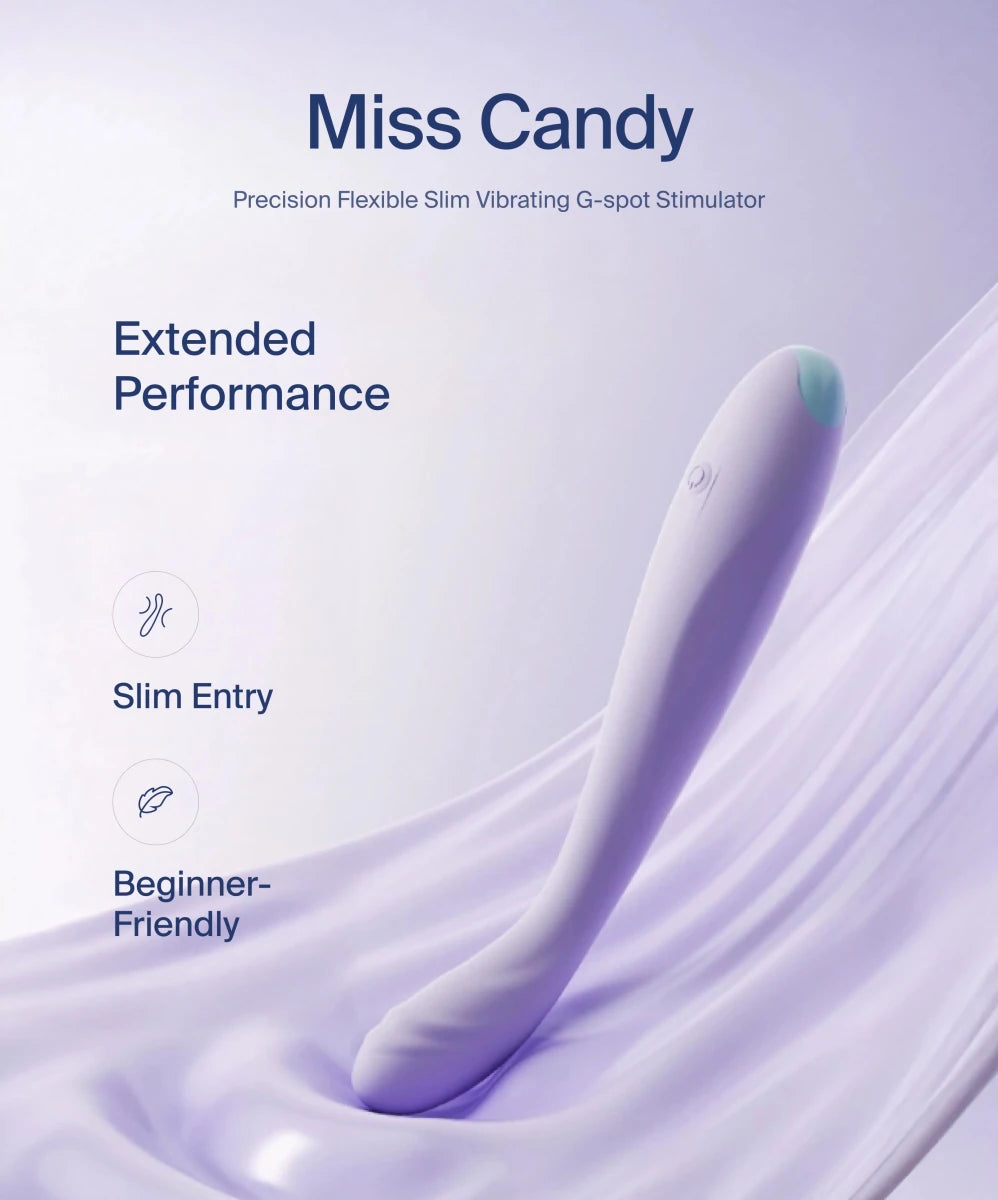
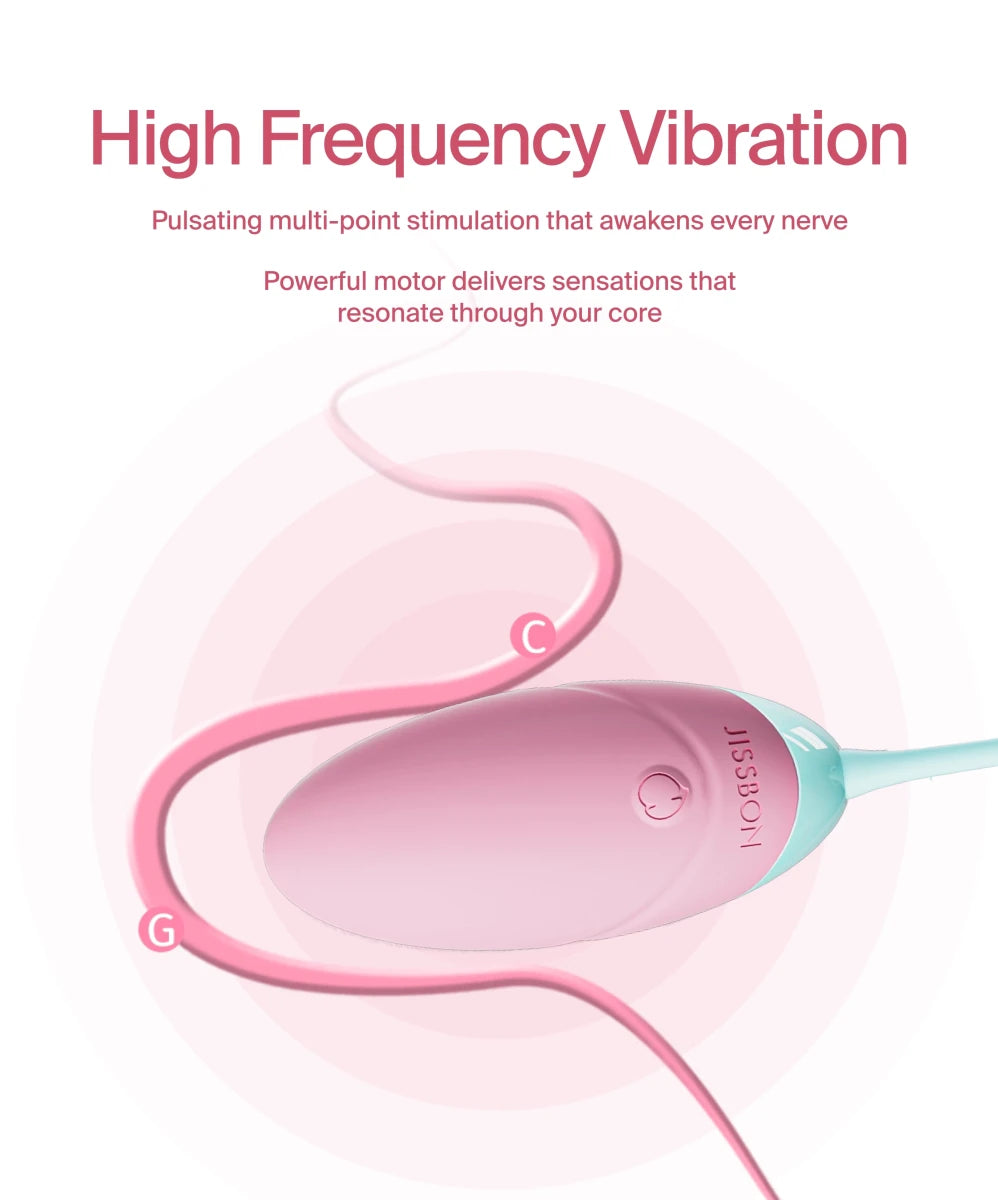
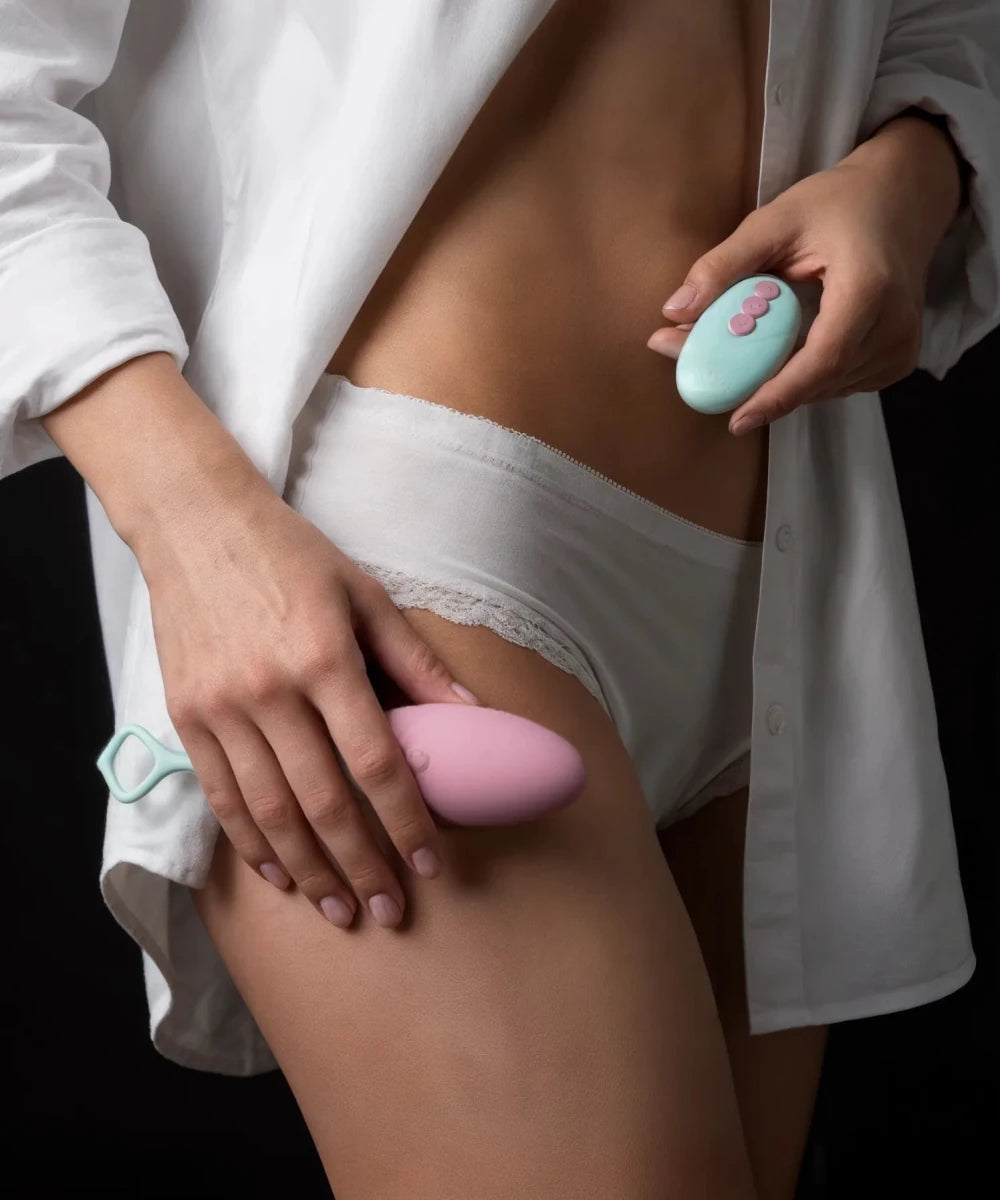
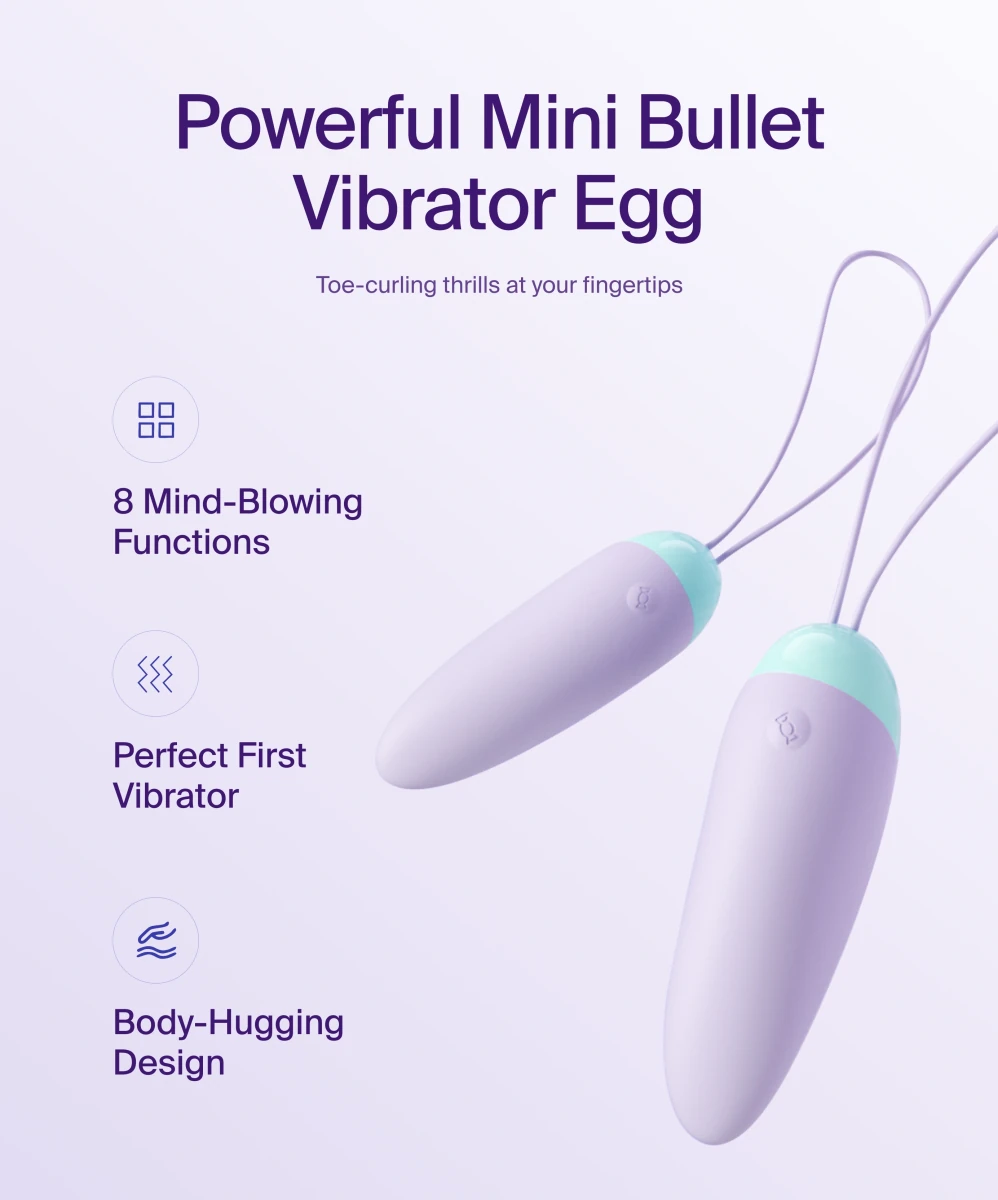
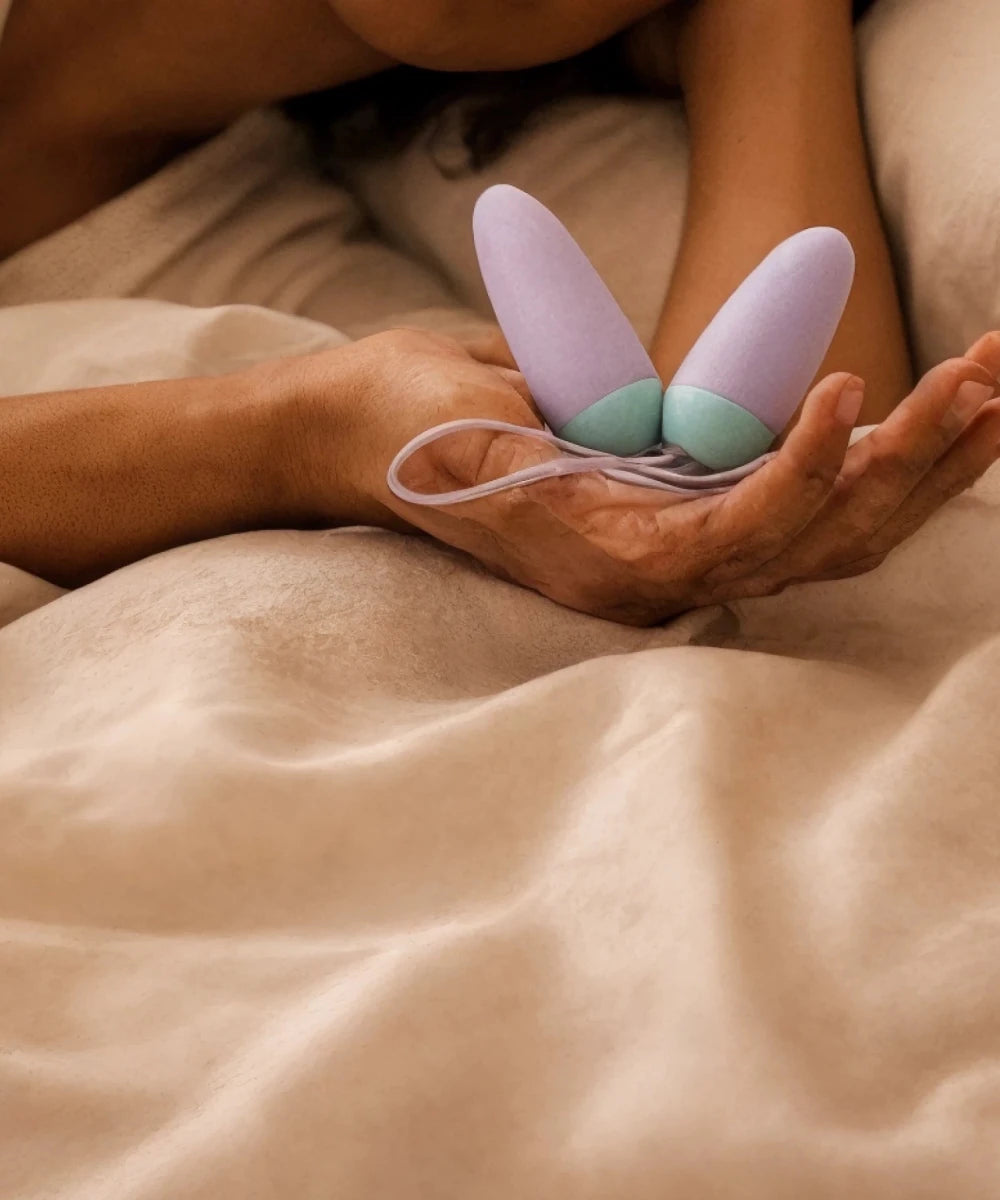
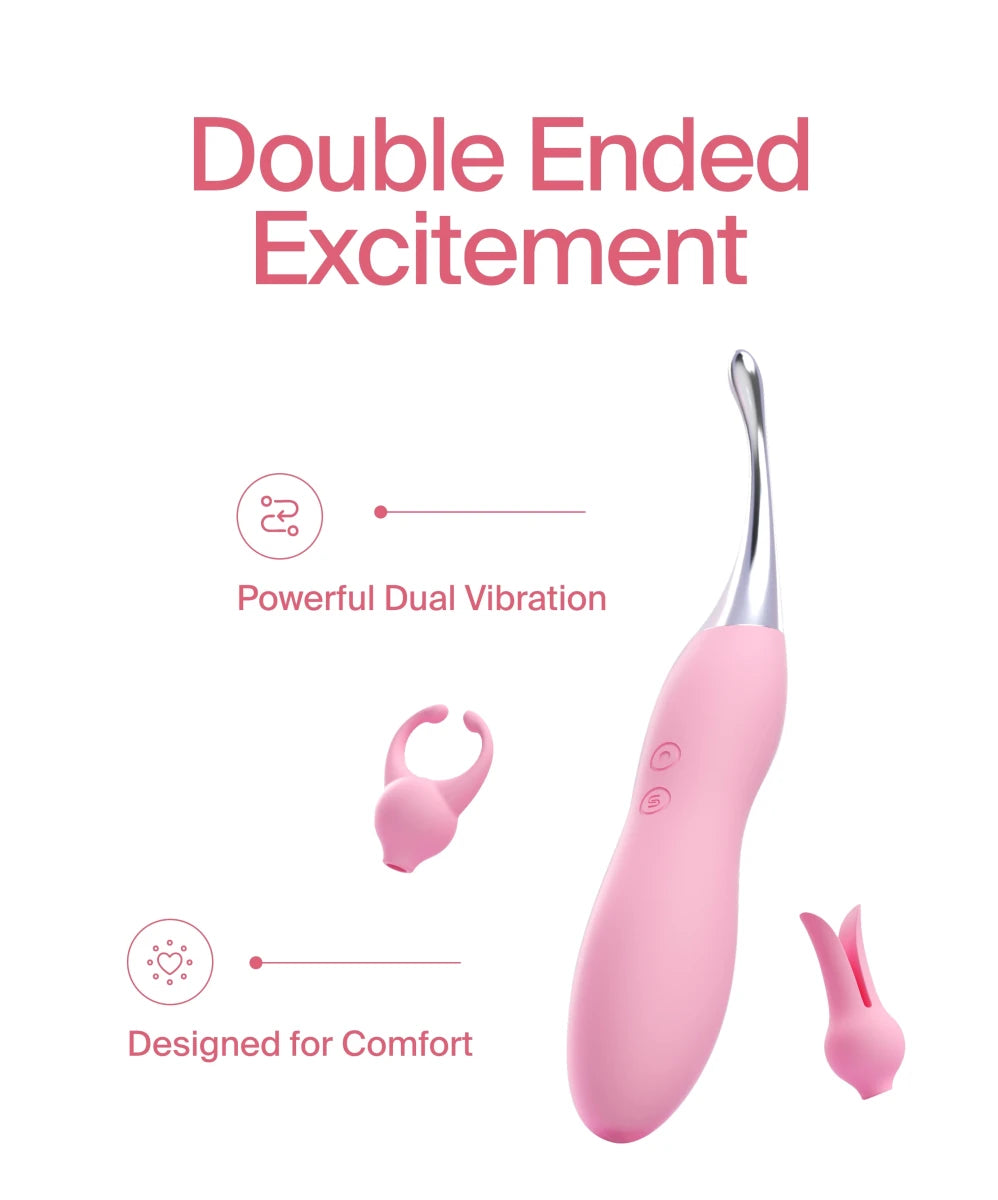
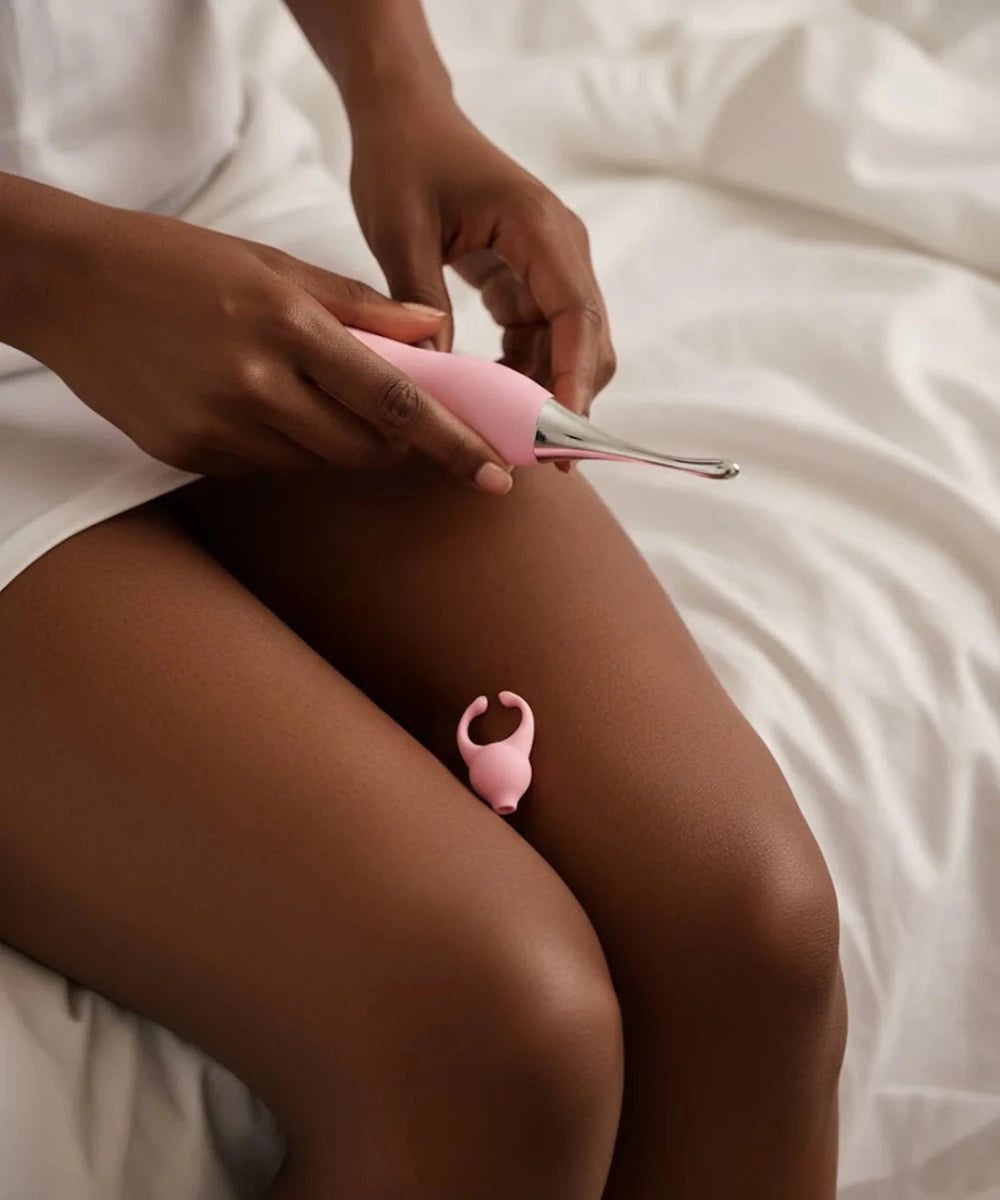
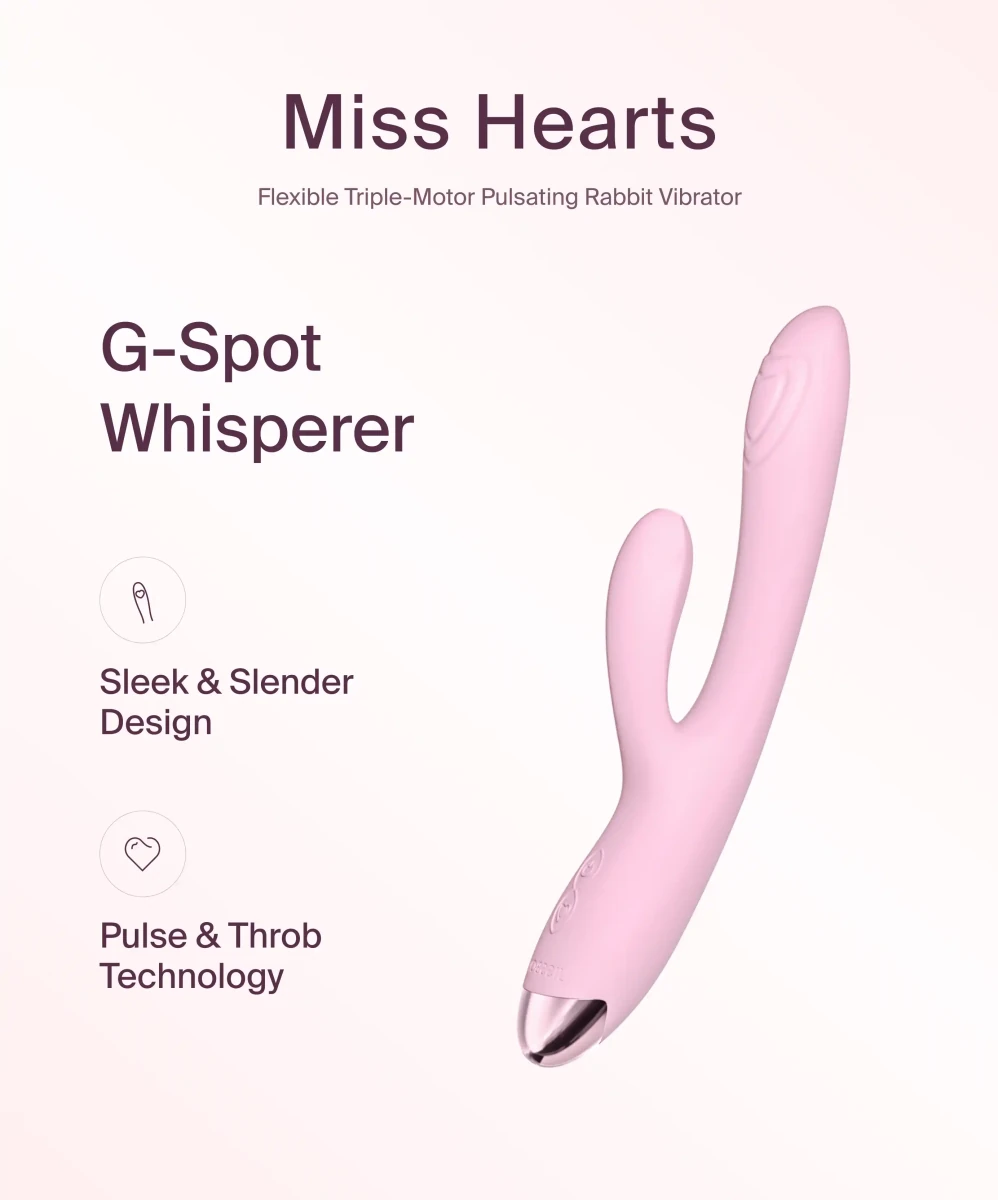
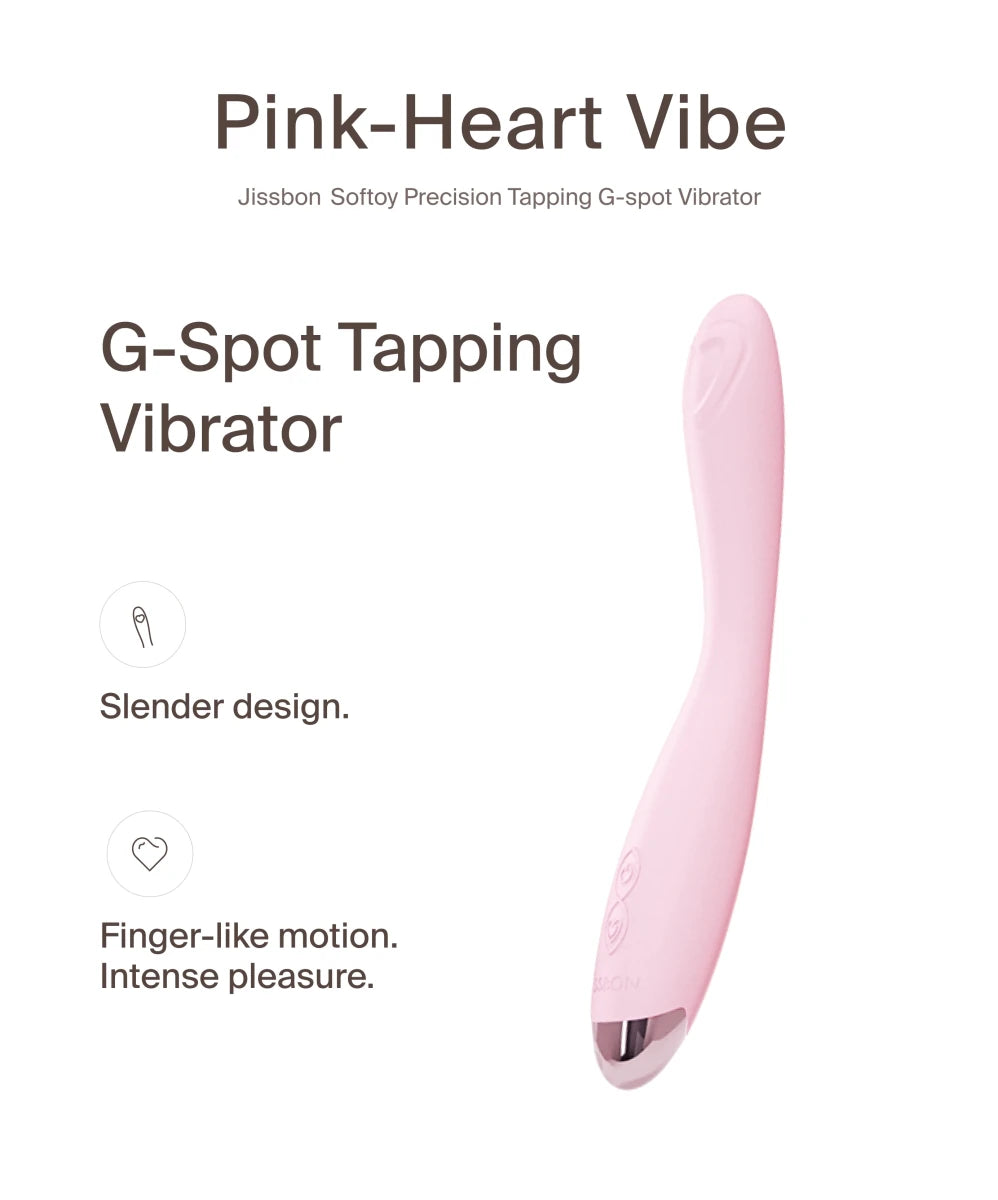
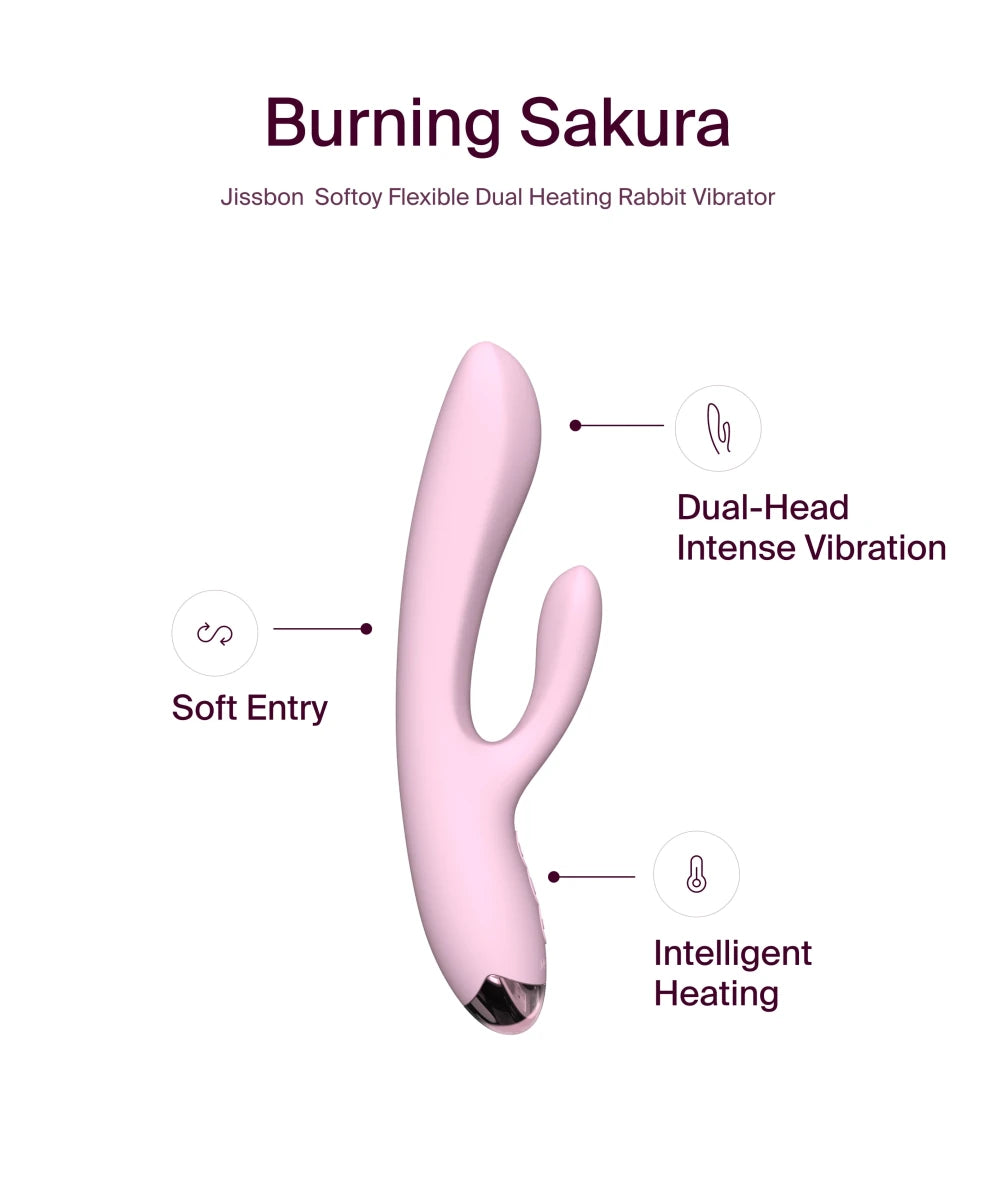
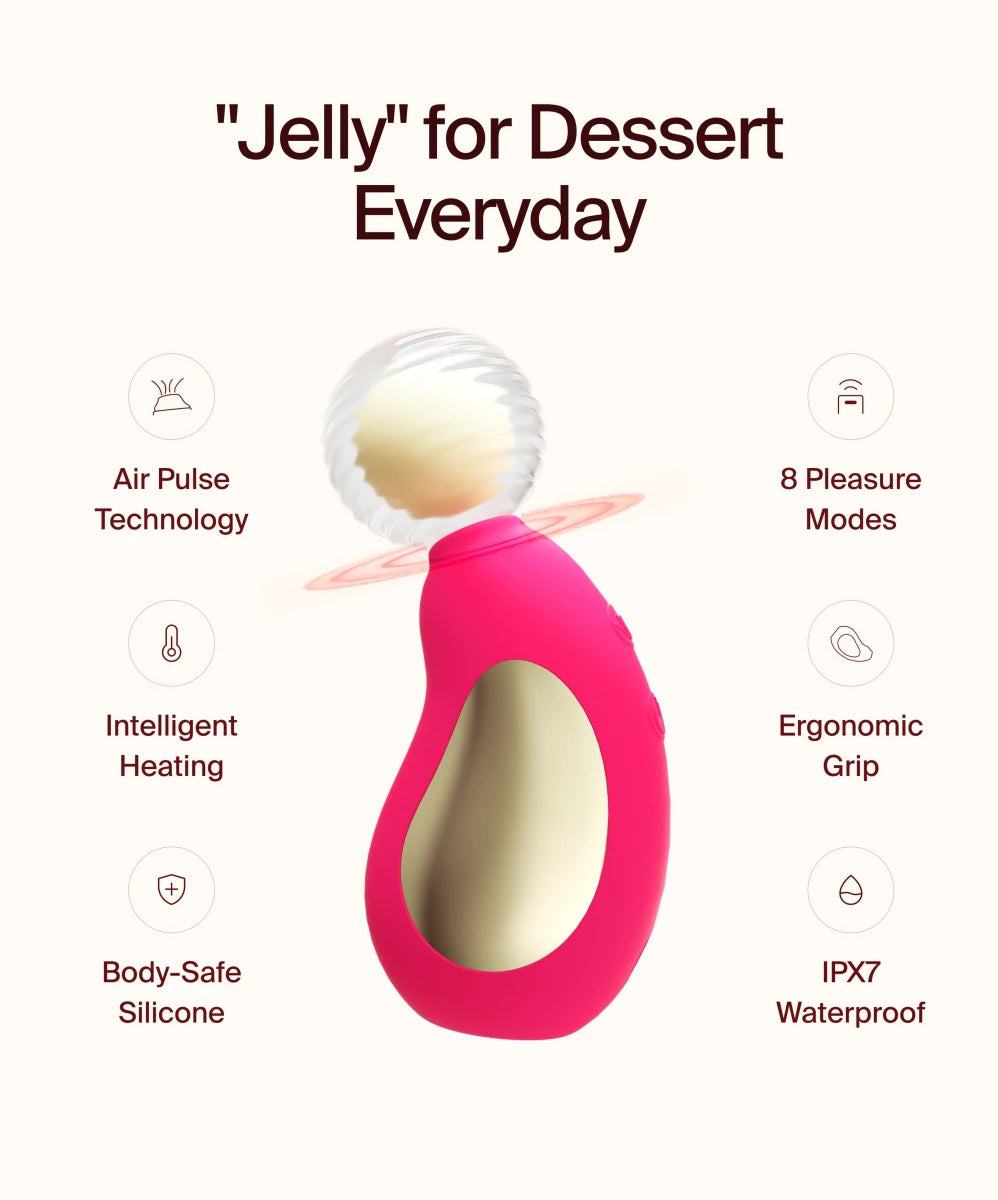
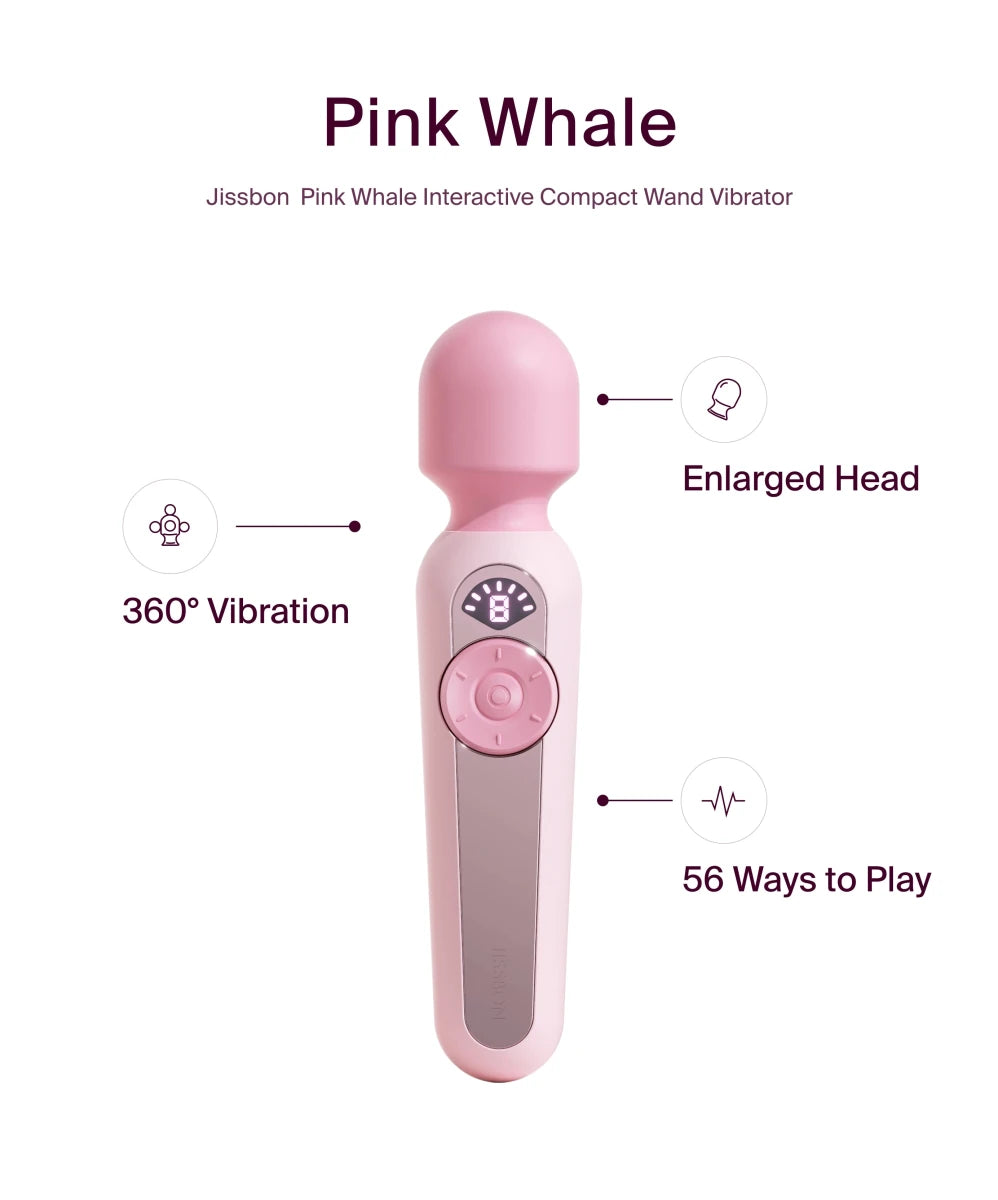
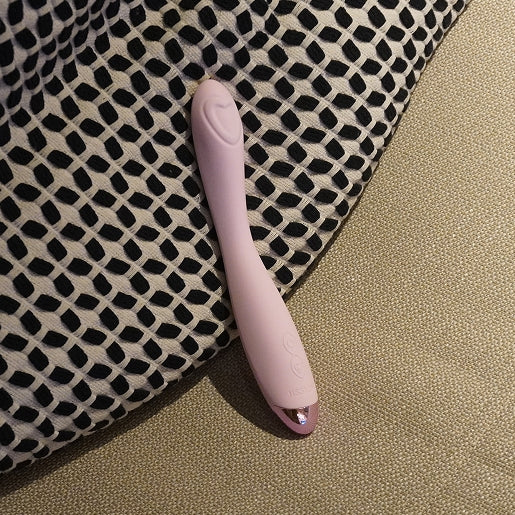
Vibrators: External (clitoral, nipple) or internal (G-spot, prostate) options intensify sensation through rhythmic stimulation. Clitoral vibrators remain the most popular category due to high success rates for orgasm enhancement.
Lubricants: Reduce friction, increase comfort, and extend play sessions. Water-based formulas work with all toy materials and are safe for sensitive skin.
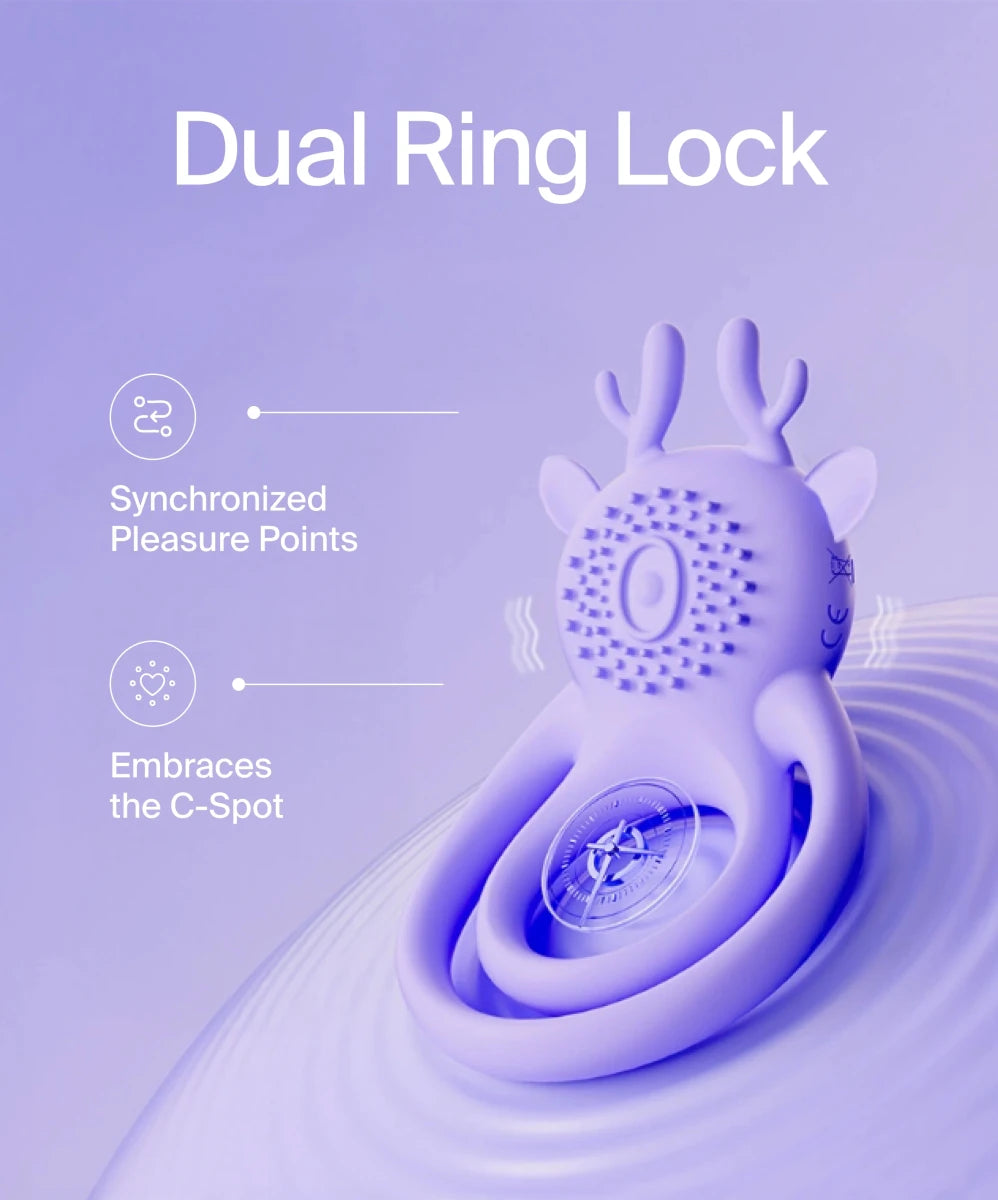
Penis rings: Constrict blood flow to maintain firmness and delay ejaculation. Vibrating cock rings add clitoral stimulation during penetration.
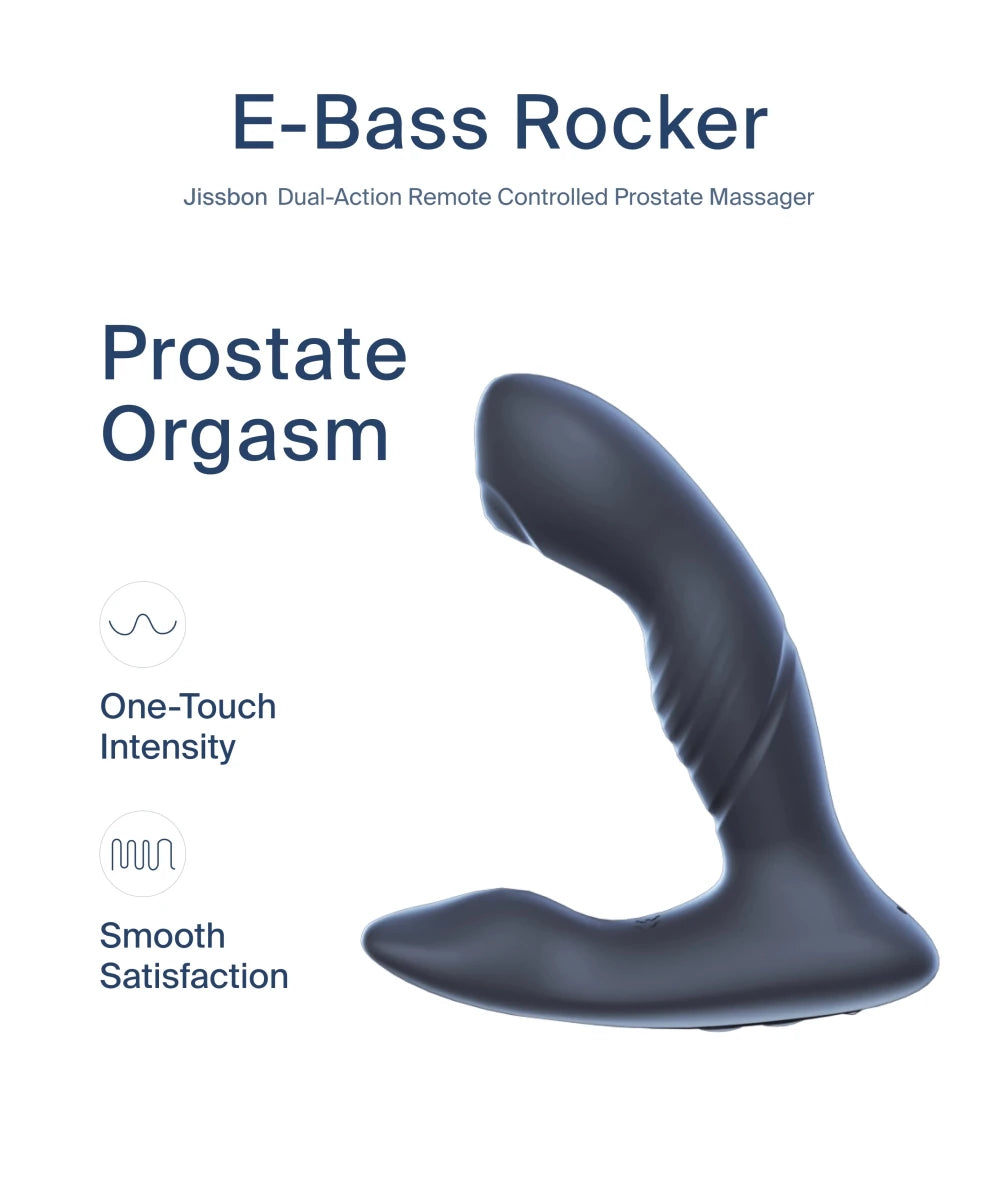
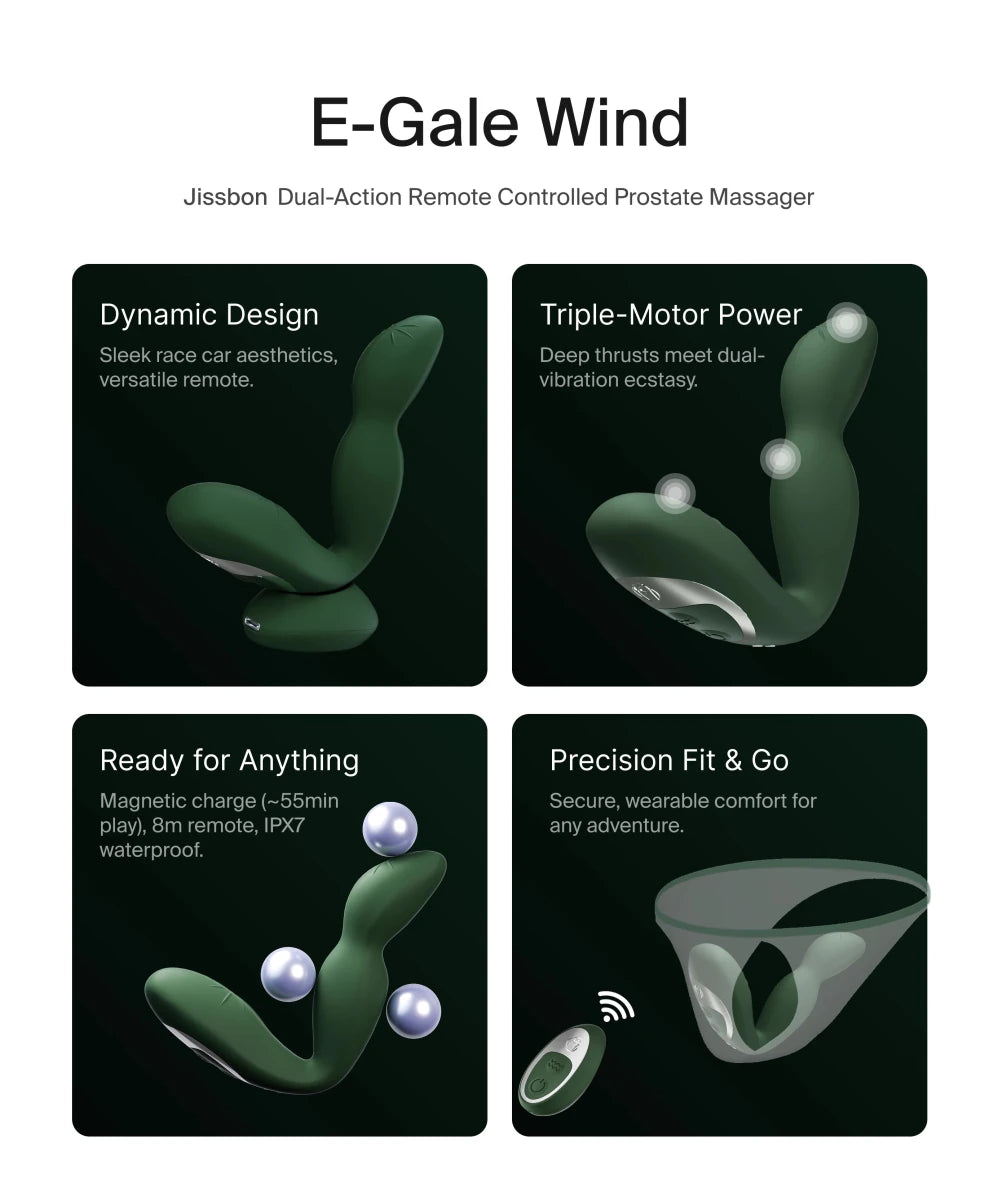
Prostate massagers: Target the male G-spot (prostate gland) for intense, full-body orgasms. Remote-controlled options allow partner involvement.
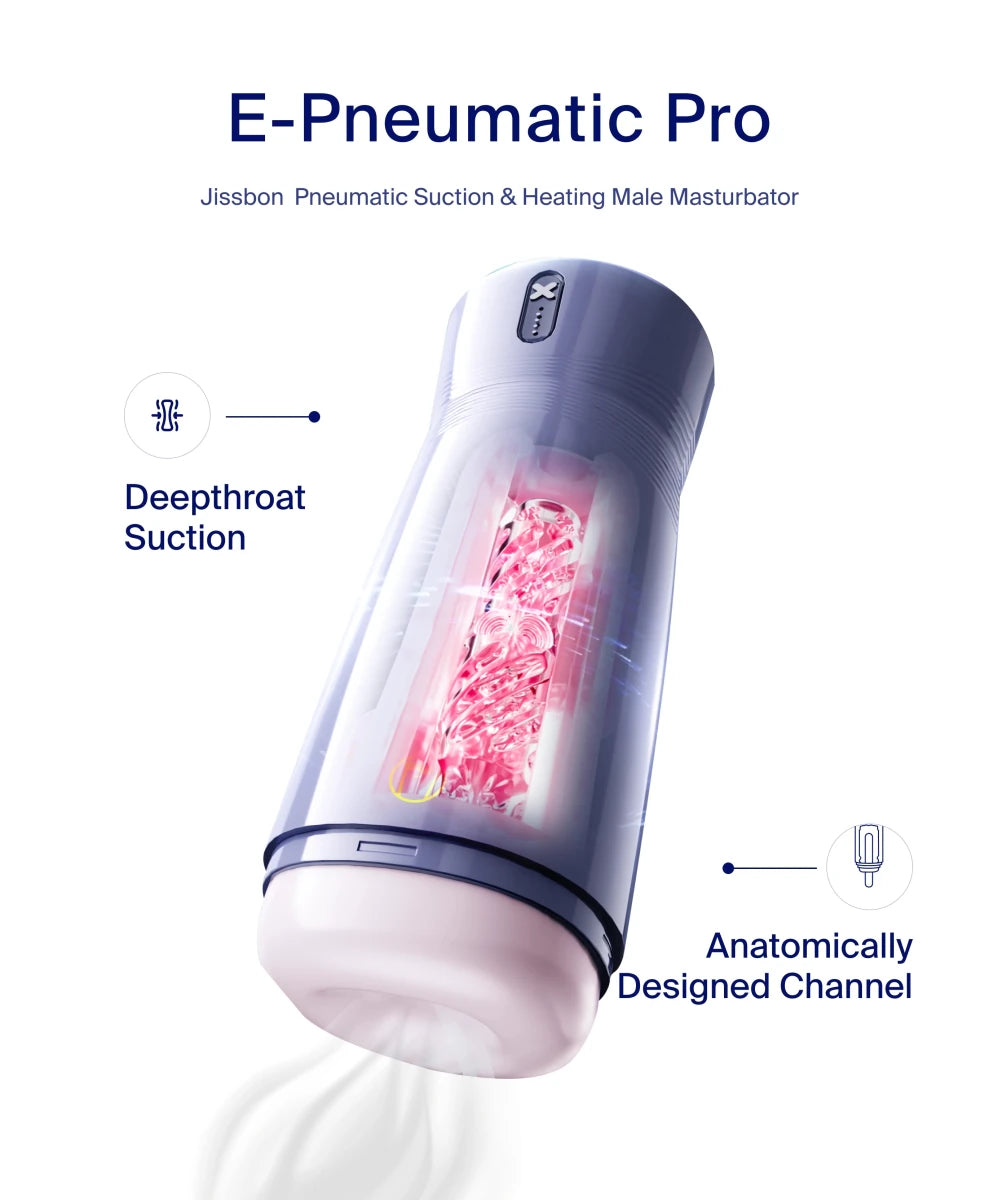
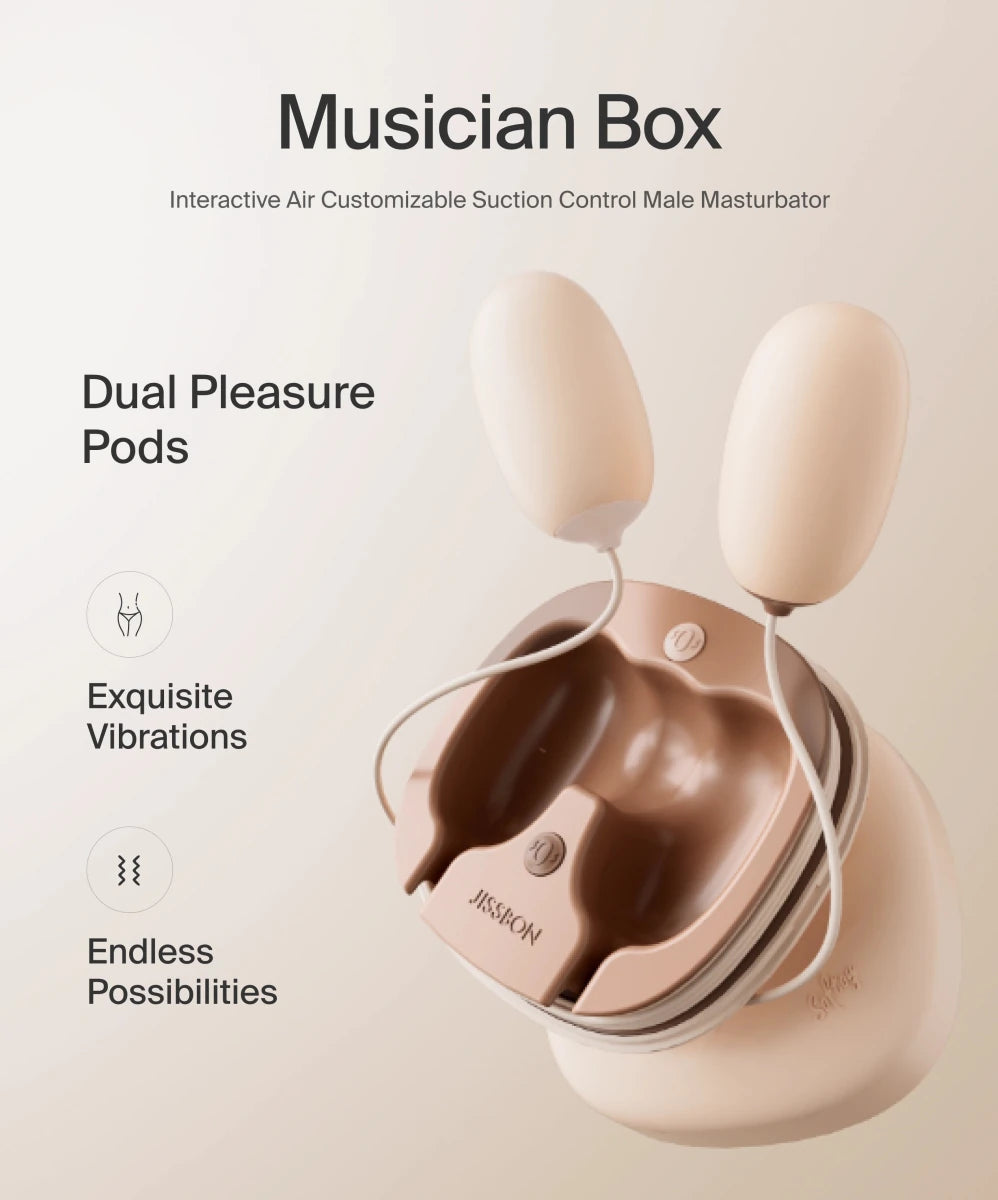
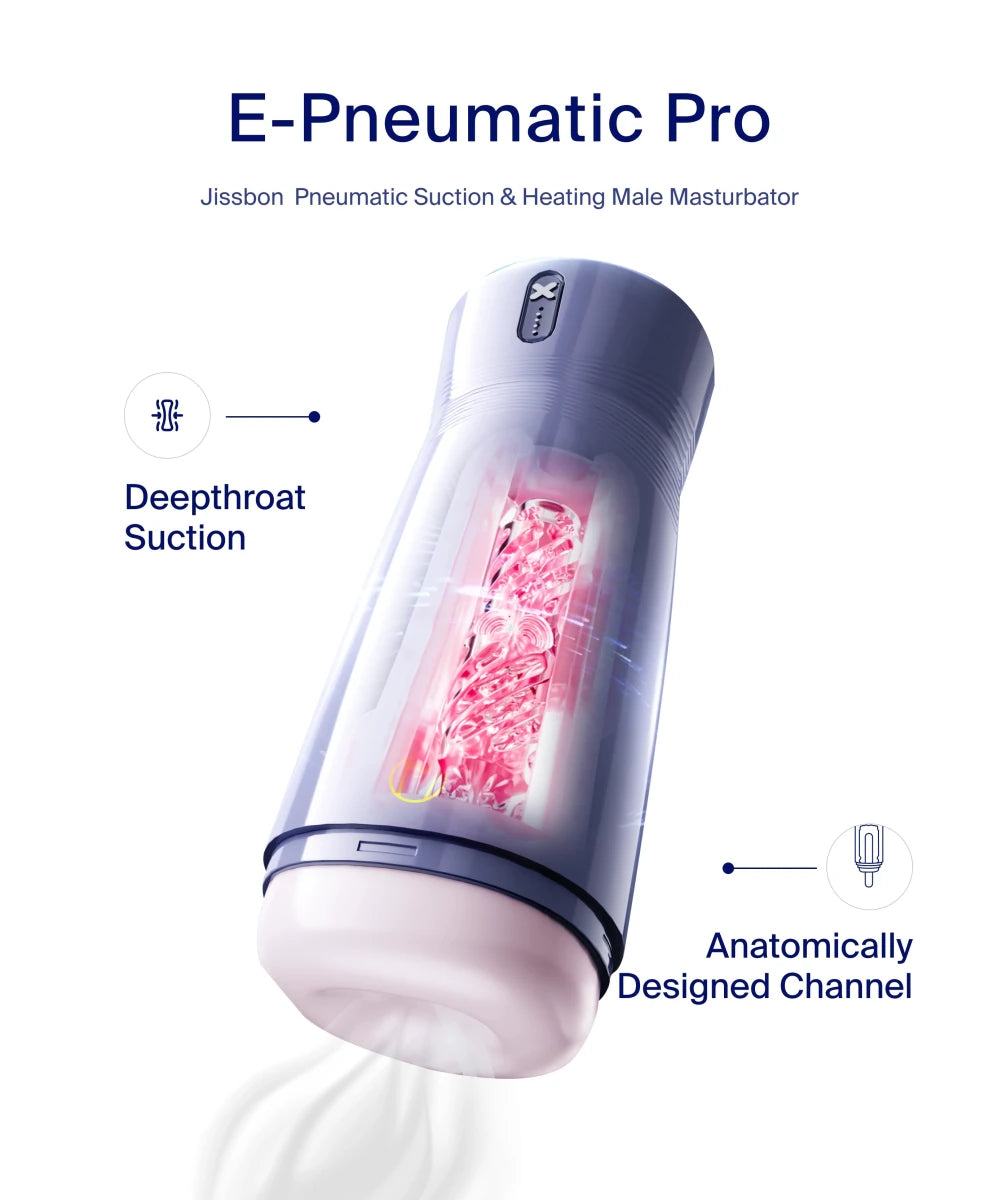
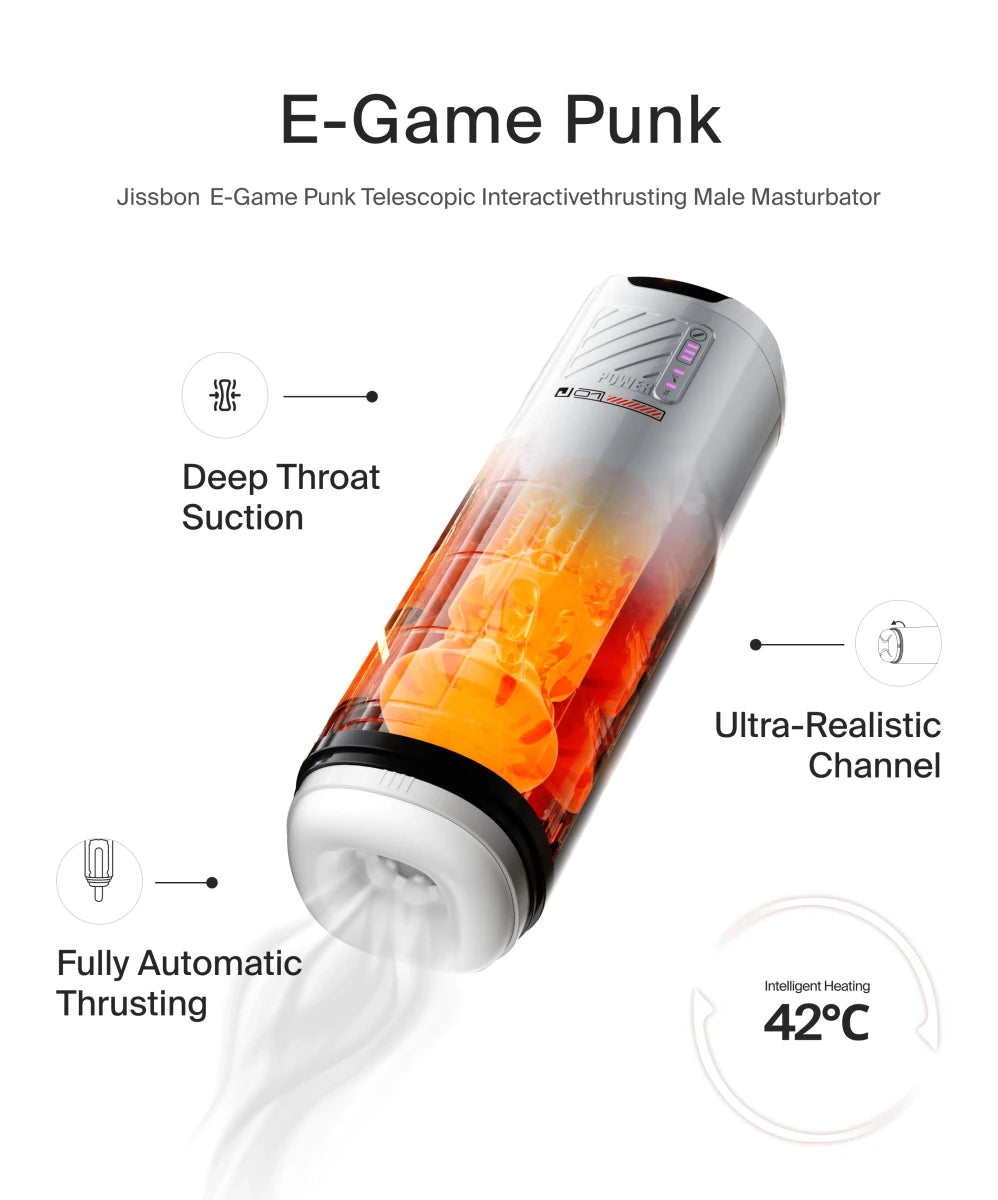
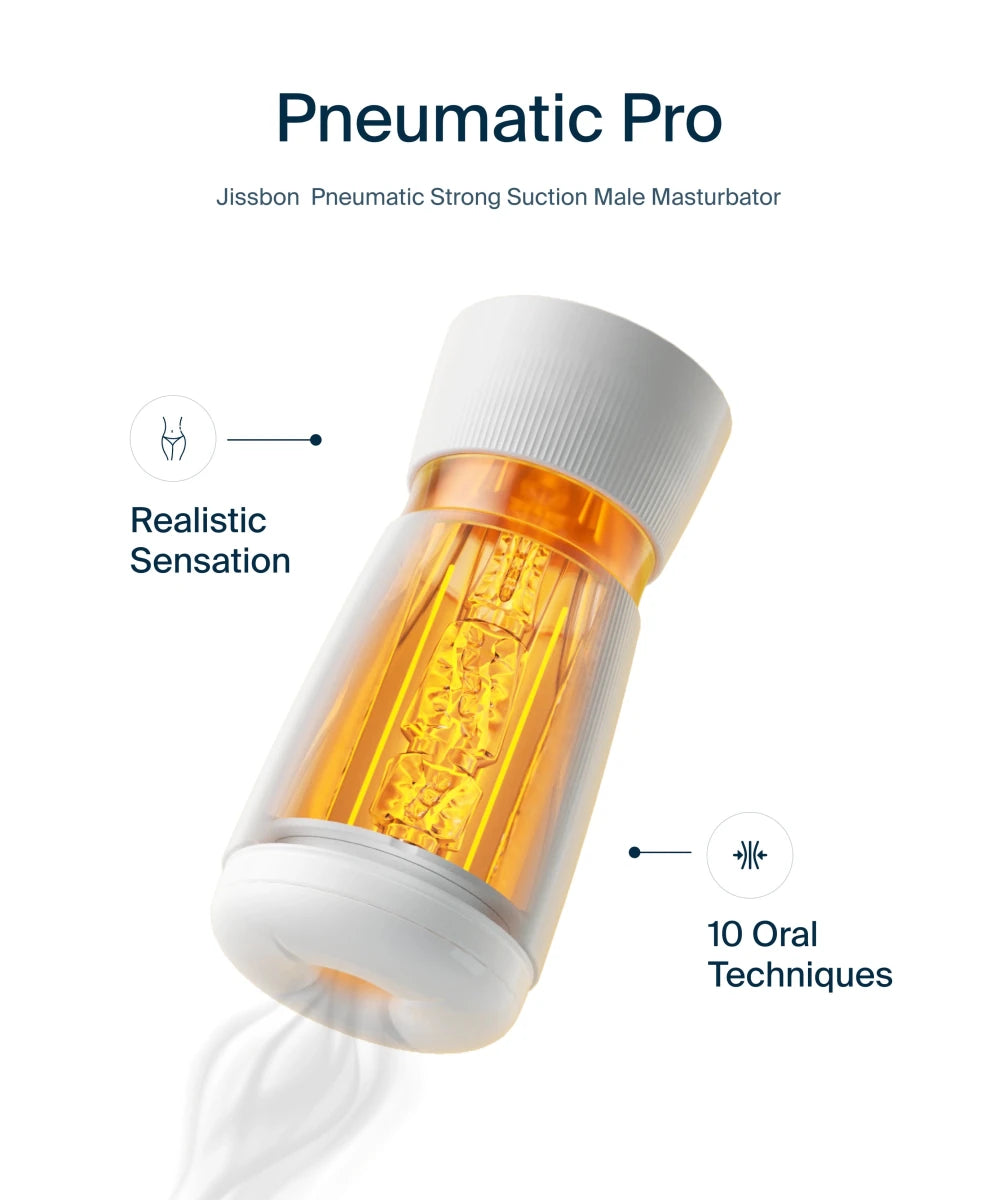
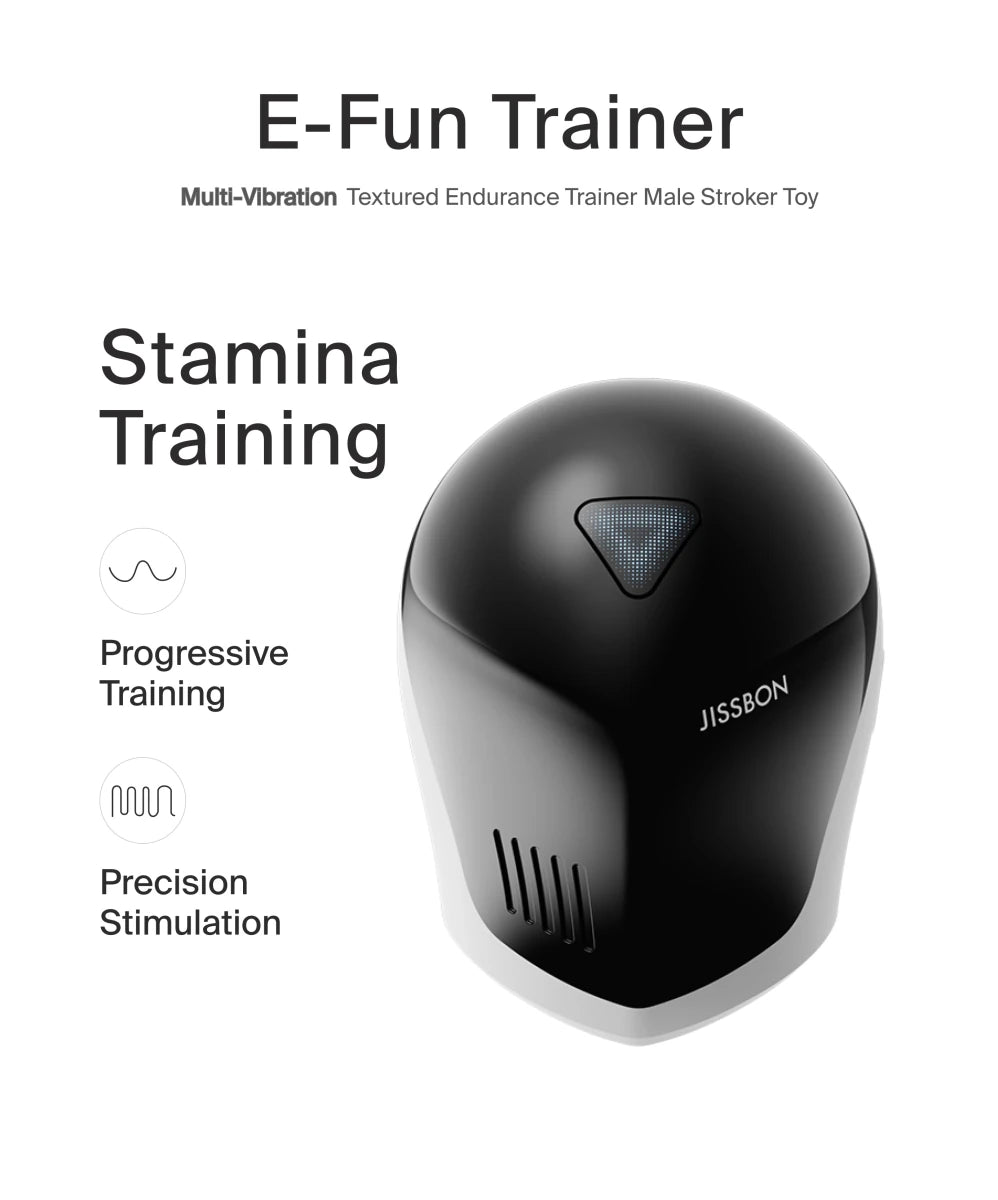
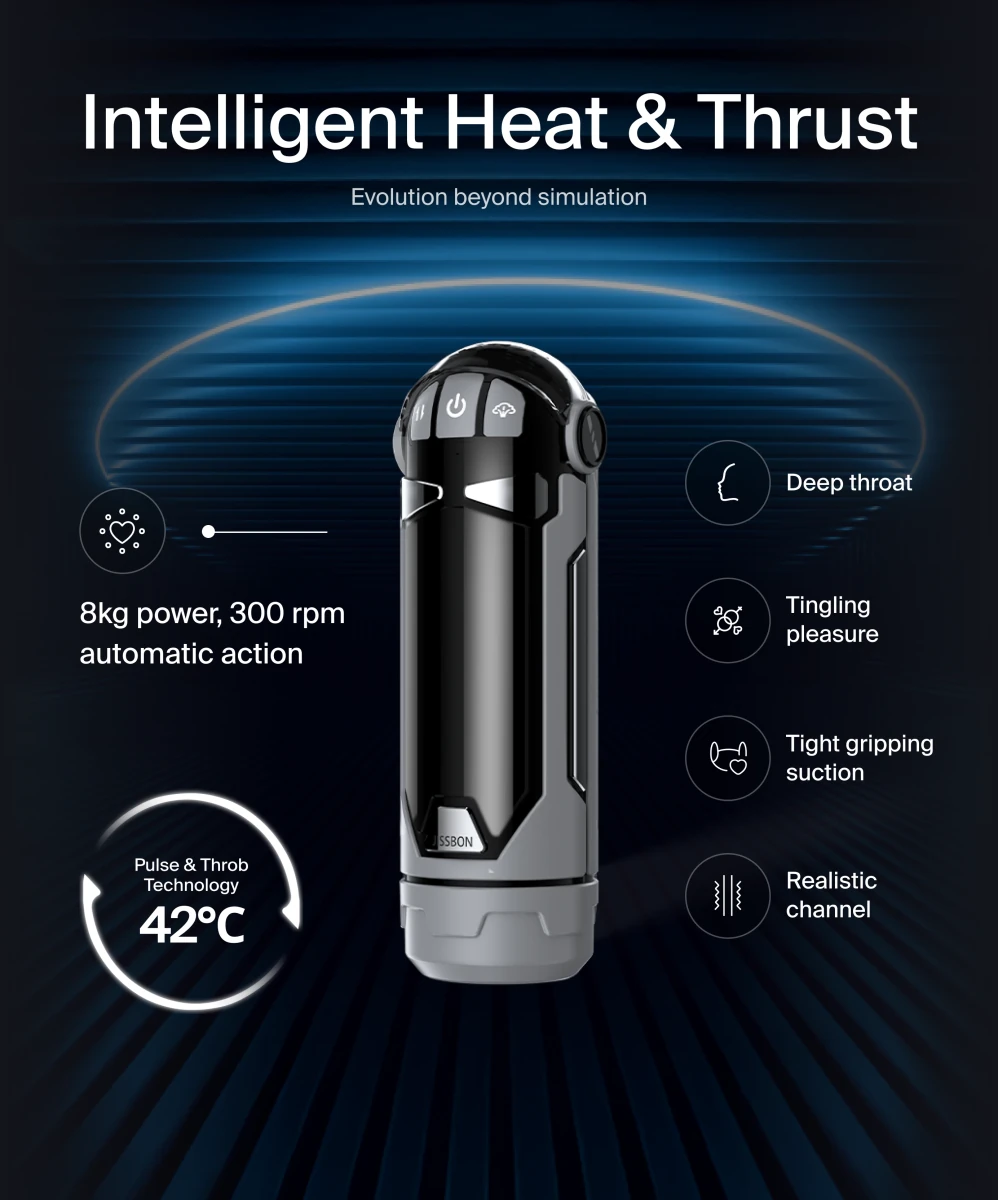
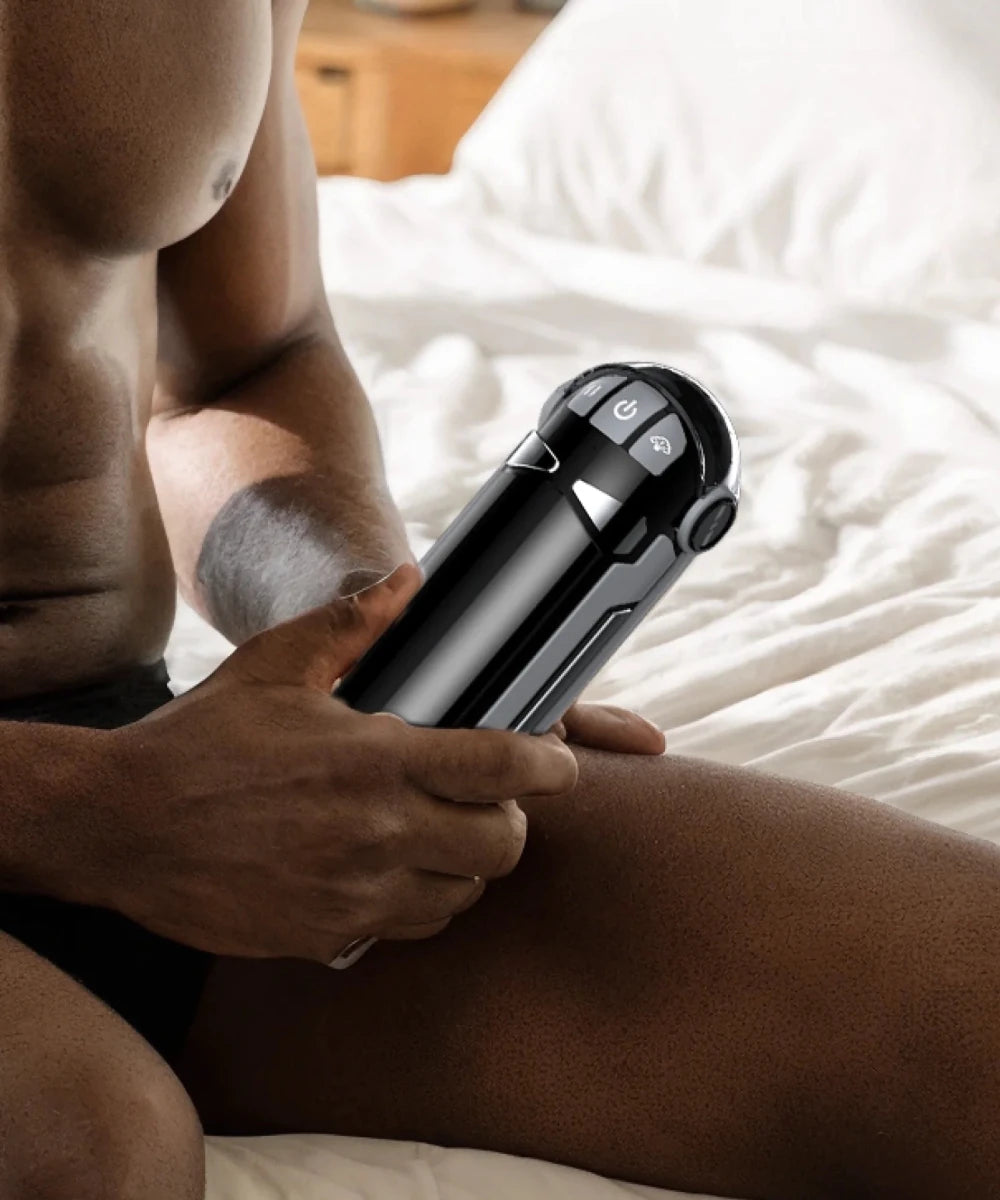
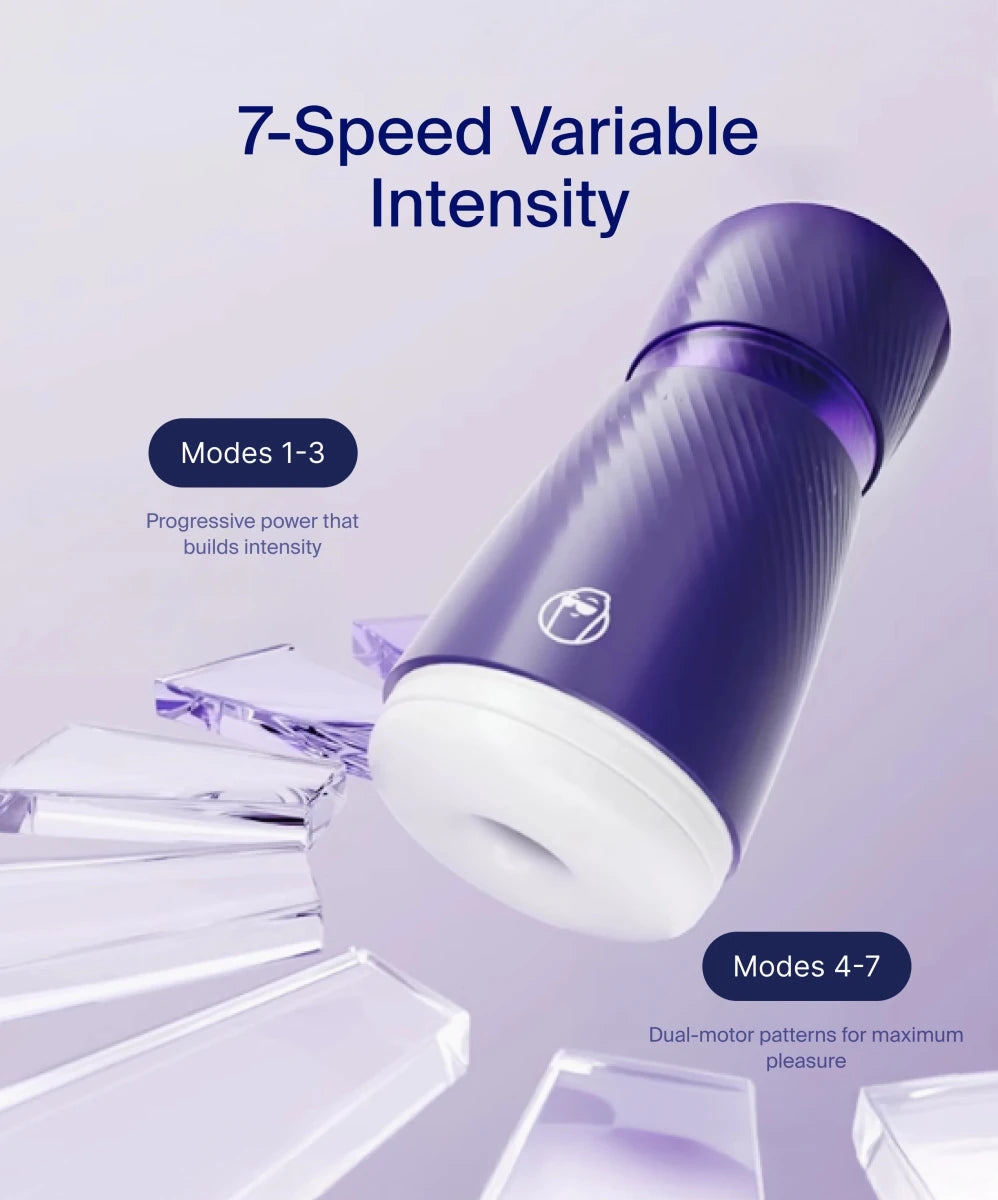
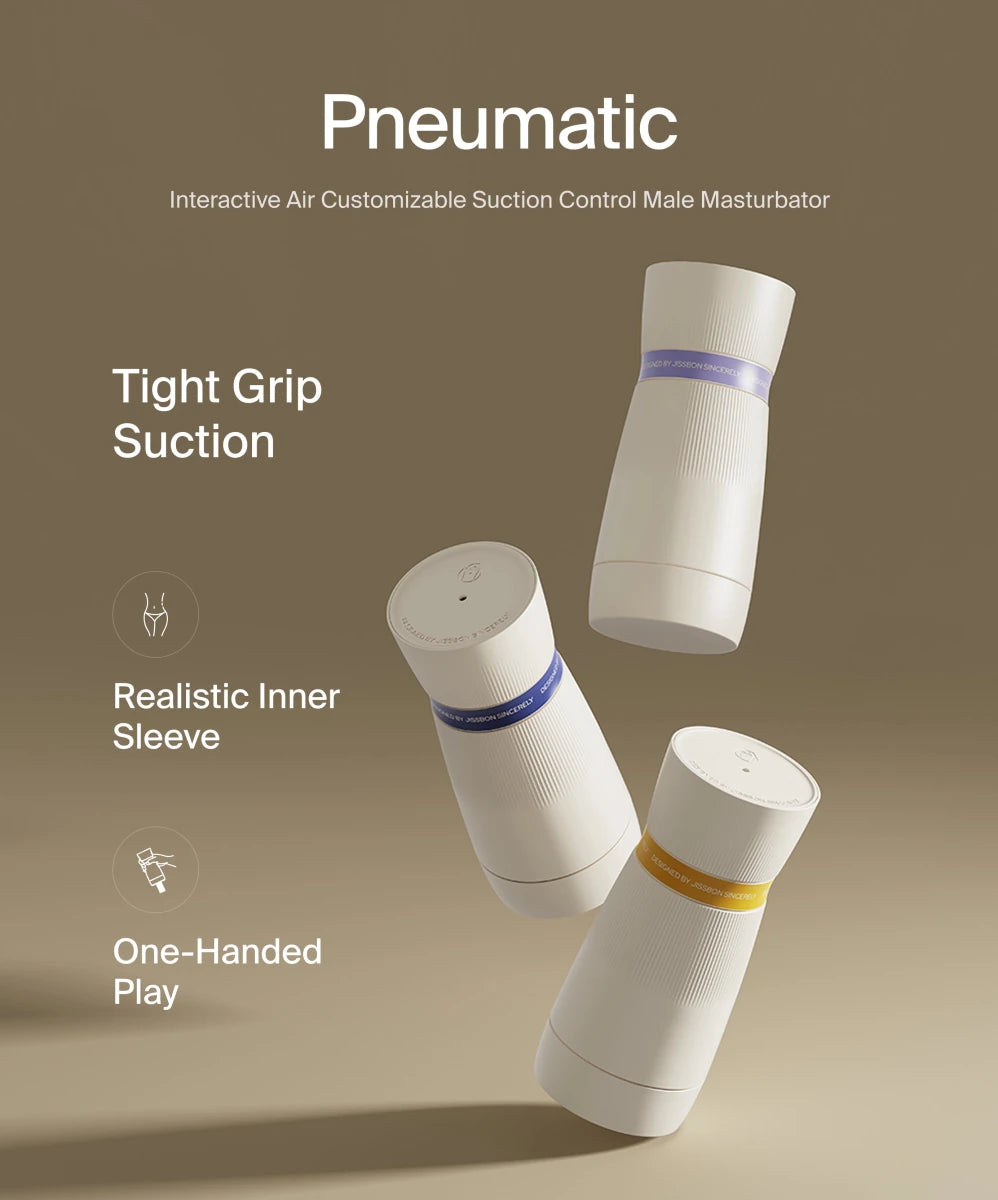
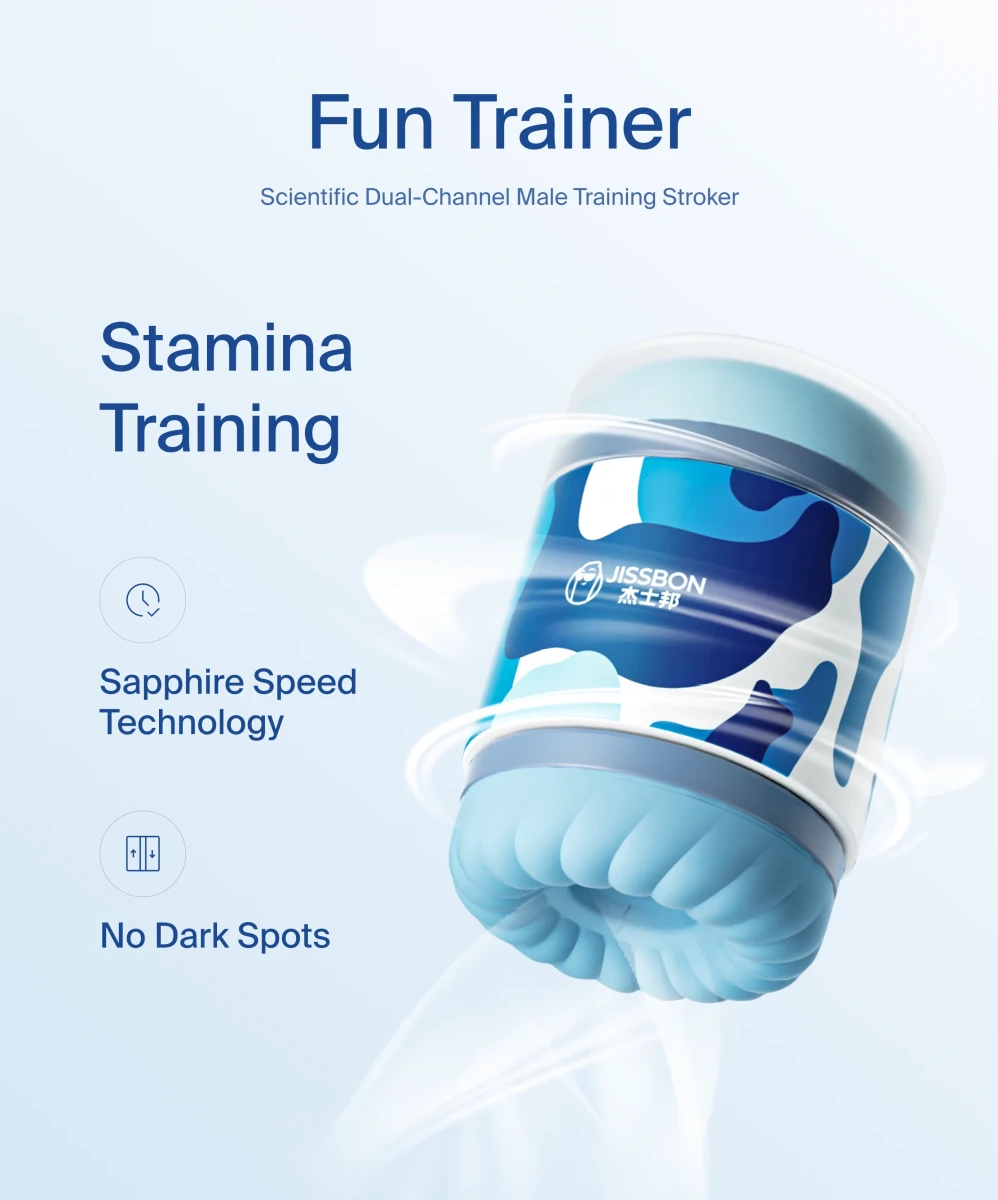
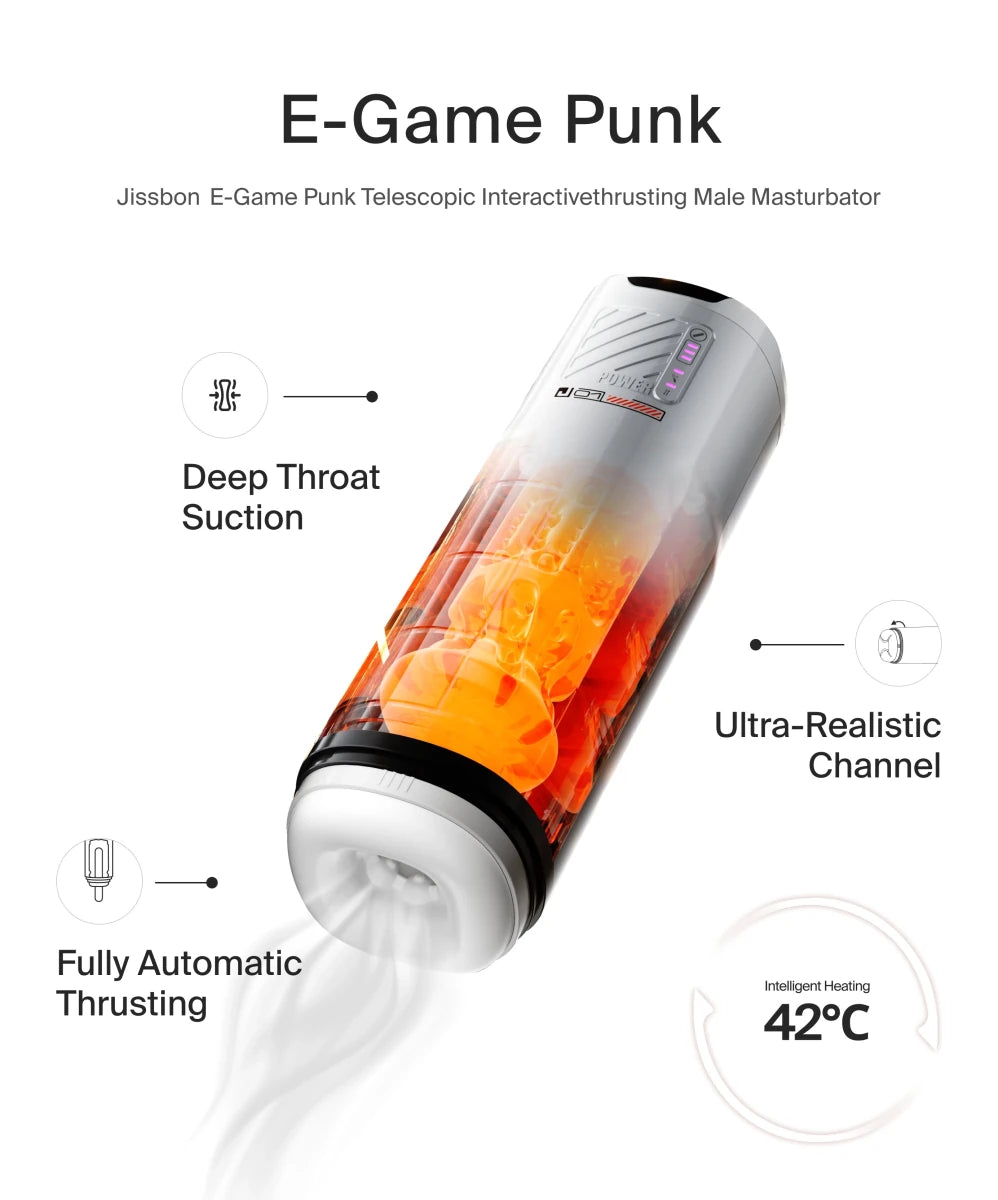
Strokers & sleeves: Manual or automatic devices that simulate penetrative sensation for penis owners. Textured interiors create varied stimulation patterns.
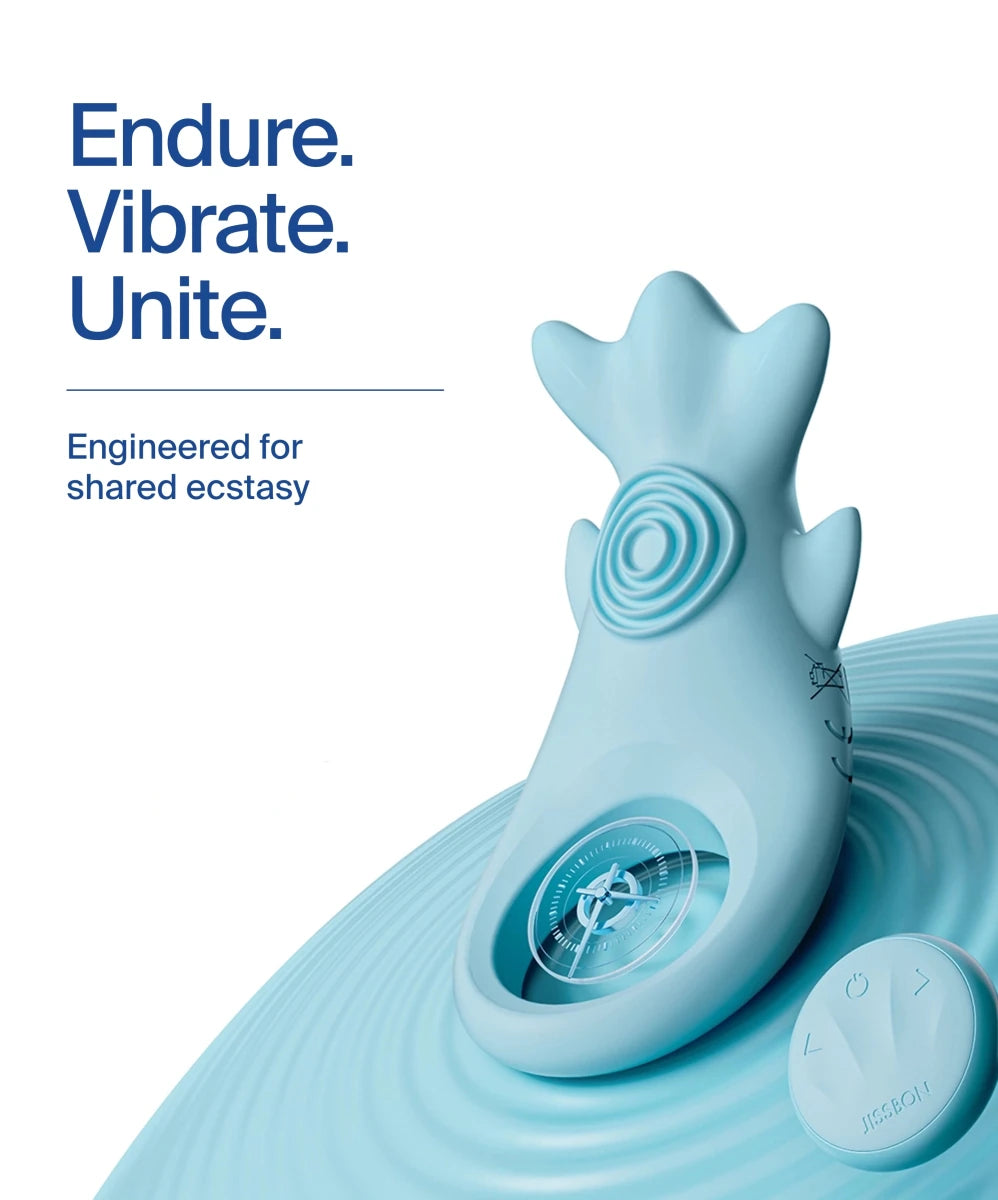
Couples toys: Products designed for shared use during penetration, like wearable vibrators or dual-ended designs.
3. Lifestyle & Wellness Adjustments
Daily habits significantly impact sexual function and desire:
Exercise: Cardiovascular activity improves blood flow, stamina, and body confidence. Pelvic floor exercises (Kegels) strengthen muscles involved in orgasm and arousal for all genders.
Stress management: Chronic stress elevates cortisol, which suppresses sex hormones. Meditation, yoga, or therapy reduce stress's sexual side effects.
Sleep optimization: Poor sleep disrupts hormone production, including testosterone and estrogen. Aim for 7–9 hours nightly for optimal sexual function.
Nutrition: Foods rich in zinc, omega-3 fatty acids, and antioxidants support circulation and hormone balance. Limit excessive alcohol, which impairs arousal and performance.
Hydration: Adequate water intake improves natural lubrication and overall energy levels.
4. Supplements & Herbal Options
Some supplements show promise for sexual wellness, though research quality varies:
L-arginine: An amino acid that converts to nitric oxide, improving blood flow. Studies suggest modest improvements in erectile function and arousal.
Maca root: A Peruvian plant traditionally used to boost libido. <a href="https://www.ncbi.nlm.nih.gov/pmc/articles/PMC3614604/" target="_blank" rel="noopener">Research indicates</a> it may increase desire without affecting hormones directly.
Ginseng: Asian ginseng (Panax) shows evidence for supporting erectile function and overall sexual satisfaction in some studies.
Fenugreek: May increase testosterone levels in men and arousal in women, though more research is needed.
Omega-3 fatty acids: Found in fish oil, these support cardiovascular health—critical for sexual function at any age.
Vitamin D: Deficiency correlates with low testosterone and reduced libido. Supplementation may help if levels are low.
Important caveat: Always consult a healthcare provider before starting supplements, especially if you take medications or have health conditions. Supplements aren't regulated as strictly as pharmaceuticals, so quality and dosing vary between brands.
5. Medical & Therapeutic Interventions
Professional support offers solutions when lifestyle changes and products aren't enough:
Hormone therapy: Testosterone replacement (for men or women), estrogen therapy, or DHEA supplementation under medical supervision can address hormone-related desire or arousal issues.
Pelvic floor physical therapy: Specialized therapists treat pain during penetration, incontinence, or difficulty achieving orgasm through targeted exercises and manual therapy.
Sex therapy: Licensed therapists address psychological barriers, relationship dynamics, trauma recovery, or sexual dysfunction through evidence-based counseling.
Medications: Prescription options include sildenafil (Viagra), tadalafil (Cialis), or flibanserin (Addyi for women). These require medical evaluation and monitoring.
Medical devices: FDA-approved vacuum erection devices or clitoral stimulation devices prescribed for sexual dysfunction.
Quick Comparison: Enhancement Categories & Best Uses
|
Enhancement Type |
Best For |
Time to Effect |
Cost Range |
|
Communication tools |
Relationship dynamics, emotional intimacy |
Immediate to weeks |
Free |
|
Pleasure products |
Physical sensation, variety, accessibility |
Immediate |
$20–$200 |
|
Lifestyle changes |
Long-term health, sustainable improvement |
Weeks to months |
Free to moderate |
|
Supplements |
Mild desire or energy concerns |
2–8 weeks |
$15–$50/month |
|
Medical therapy |
Diagnosed dysfunction, hormone issues |
Varies (weeks to months) |
$100–$500+ |
|
Sex therapy |
Psychological barriers, trauma, communication |
6–12 sessions typical |
$100–$250/session |
How to Choose the Right Enhancements for Your Situation

Step 1: Identify Your Primary Goal
Are you trying to:
- Increase arousal or desire
- Improve orgasm quality or frequency
- Address pain or discomfort
- Enhance emotional connection
- Add variety or novelty
- Manage medical conditions affecting intimacy
Step 2: Assess Current Barriers
Common obstacles include:
- Time constraints or fatigue
- Communication gaps with partner(s)
- Body image or confidence concerns
- Medical conditions or medications
- Stress or mental health challenges
- Lack of knowledge about your own preferences
Step 3: Start With Low-Risk, High-Impact Options
Before investing in expensive products or medical interventions:
- Improve communication: Use the desire mapping exercise mentioned earlier
- Optimize basics: Prioritize sleep, reduce alcohol, manage stress
- Experiment with lubricant: Even if you don't think you need it, quality lube transforms sensation
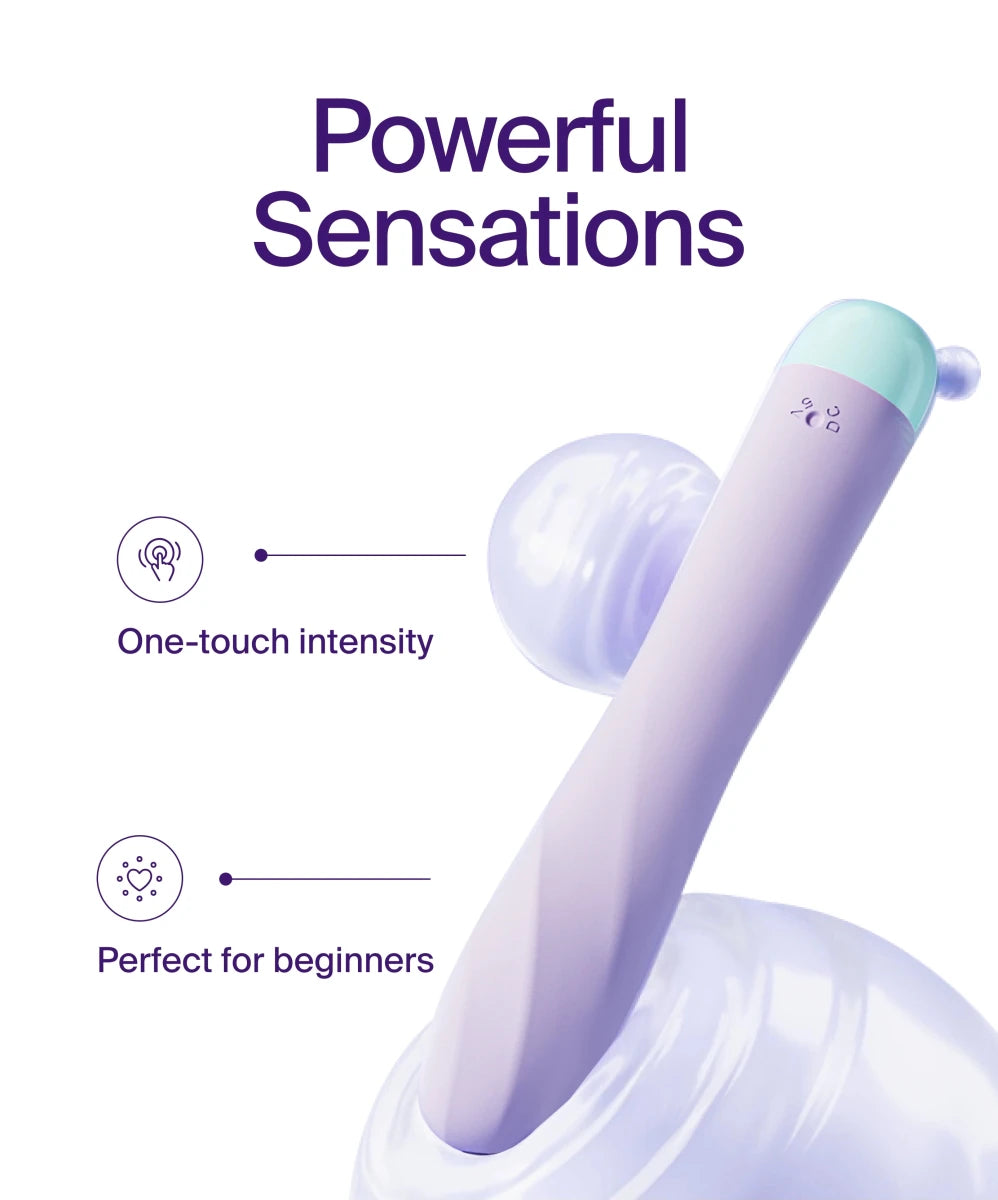
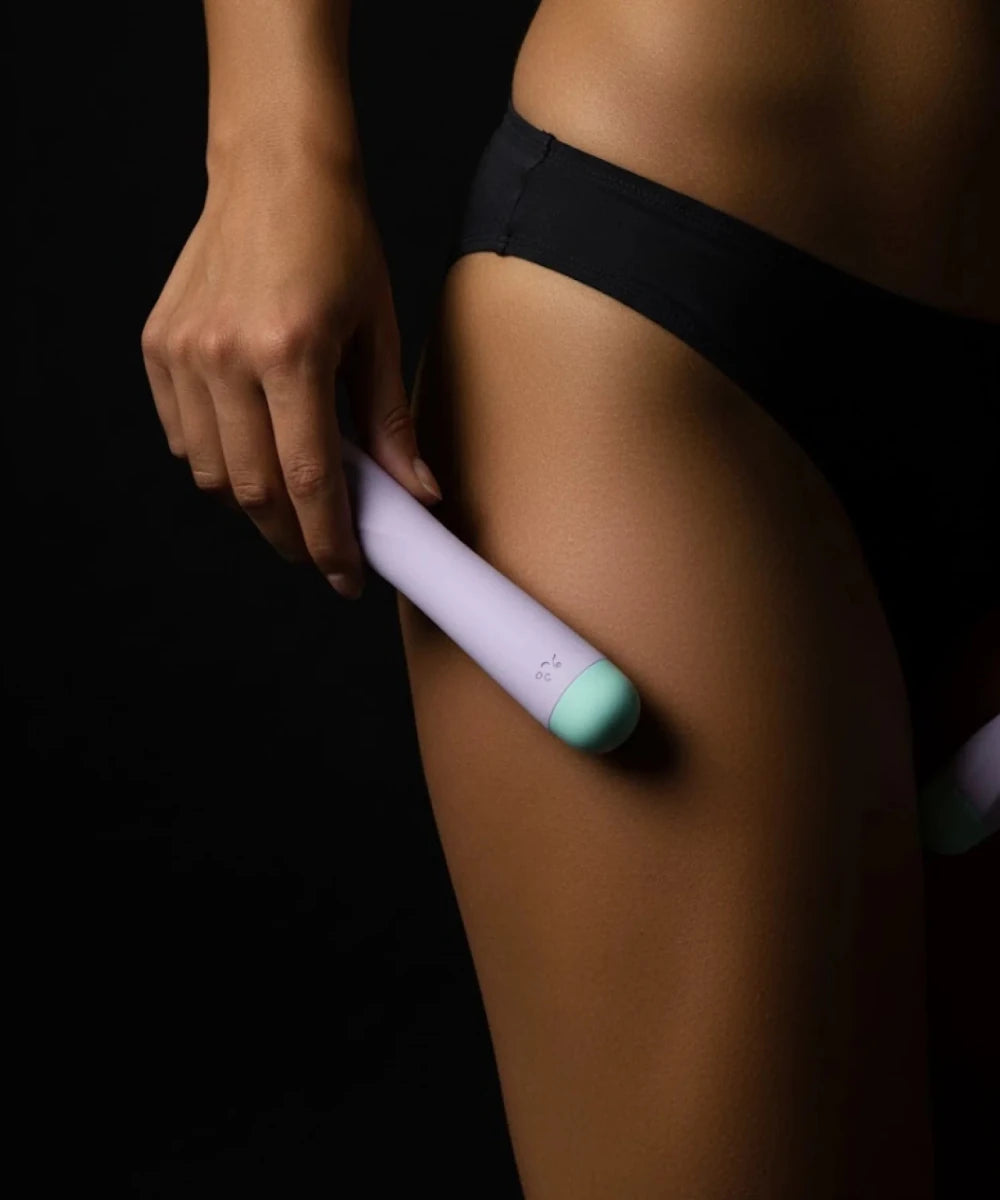
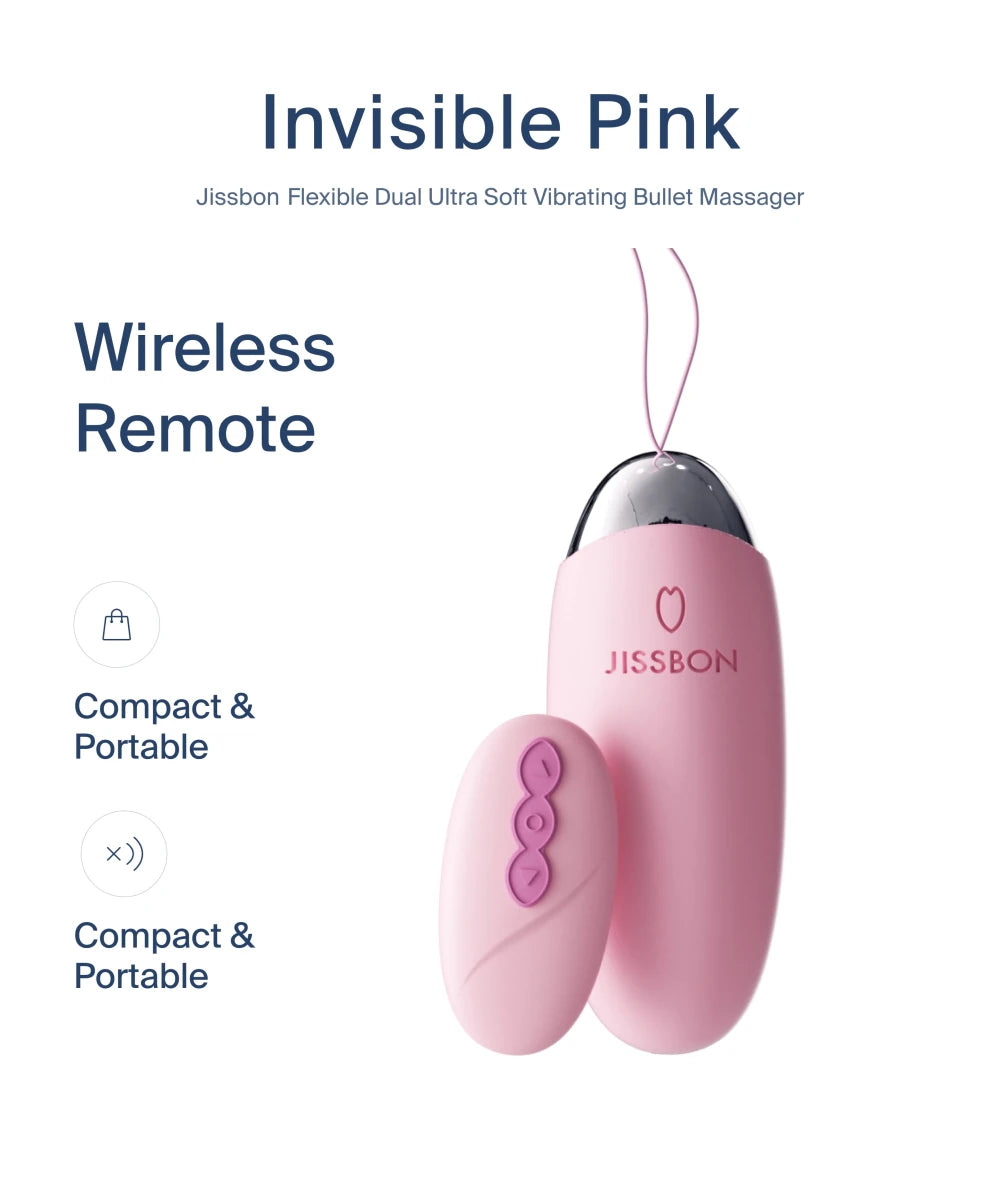
- Try a beginner-friendly toy: A simple bullet vibrator or wand massager offers versatile stimulation
Step 4: Layer Strategies for Complex Challenges
If single interventions don't produce results, combine approaches:
- Therapy + pleasure products
- Lifestyle changes + supplements
- Medical treatment + communication coaching
- Pelvic floor therapy + appropriate toys
Step 5: Seek Professional Guidance When Needed
Consult healthcare providers if you experience:
- Persistent pain during sex
- Complete loss of desire lasting months
- Inability to achieve orgasm despite trying various methods
- Relationship distress around intimacy
- Symptoms that interfere with quality of life
Natural Enhancement Methods: Evidence-Based Approaches
Pelvic Floor Exercises (Kegels)
How they work: Strengthening pelvic floor muscles improves blood flow, orgasm intensity, and ejaculatory control.
How to perform:
- Identify the muscles by stopping urine mid-stream (do this only to locate—don't practice during urination)
- Contract these muscles for 5 seconds
- Relax for 5 seconds
- Repeat 10–15 times, 3 times daily
Benefits for all genders:
- Stronger orgasms
- Better bladder control
- Improved erectile function (for penis owners)
- Enhanced arousal and lubrication (for vulva owners)
Mindfulness & Body Awareness
Techniques:
- Body scanning: Mentally "scan" from head to toe, noticing sensation without judgment
- Breath work: Slow, deep breathing activates parasympathetic nervous system (arousal mode)
- Present-moment focus: Redirect attention from performance worries to current physical sensations
Why it works: Anxiety and distraction are primary arousal blockers. <a href="https://www.plannedparenthood.org/learn/sex-pleasure-and-sexual-dysfunction/sex-and-pleasure" target="_blank" rel="noopener">Sexual response requires</a> parasympathetic nervous system activation—the opposite of stress response.
Novelty & Anticipation Building
Strategies:
- Change location (different room, hotel, outdoor settings)
- Introduce new positions or role-play scenarios
- Send suggestive messages throughout the day
- Create "yes/no/maybe" lists with your partner
- Schedule intimacy as an event to look forward to
The science: Novelty triggers dopamine release, the same neurotransmitter involved in desire and arousal. Long-term couples benefit especially from intentional variety.
Enhancement Pitfalls: What to Avoid

Unregulated "Male Enhancement" Pills
Gas station or online pills claiming instant results often contain:
- Hidden pharmaceutical ingredients (illegal and dangerous)
- Unverified herbal blends with inconsistent dosing
- Contaminants or fillers
Risks include: Heart attacks, strokes, dangerous drug interactions, and liver damage.
Safe alternative: Consult a doctor for FDA-approved prescription medications if needed.
Numbing Creams or Sprays (Misused)
Desensitizing products meant to delay ejaculation can:
- Transfer to partners, reducing their sensation
- Mask pain that signals injury
- Create dependency where arousal feels "wrong" without numbing
Safe use: Apply sparingly, only to specific areas, and use condoms to prevent transfer.
Excessive Pornography as "Education"
While pornography is legal and widely consumed, using it as a primary source of sexual education creates unrealistic expectations about:
- Body types and performance
- Arousal timelines and spontaneity
- Consent and communication (often absent in scripted content)
Balanced approach: Treat adult content as entertainment, not instruction. Seek educational resources from certified sex educators or therapists.
Ignoring Underlying Medical Issues
Persistent sexual dysfunction sometimes signals:
- Cardiovascular disease
- Diabetes
- Hormonal imbalances
- Neurological conditions
- Depression or anxiety disorders
Addressing symptoms without investigating root causes delays necessary treatment.
Combining Enhancements: Sample Approaches for Common Scenarios
Scenario 1: Long-Term Couple Experiencing Routine
Enhancement strategy:
- Weekly "state of the union" check-ins about desires and concerns (communication)
- Introduce one new couples toy per month (novelty + physical enhancement)
- Practice sensate focus exercises to rebuild non-goal-oriented touch (connection)
- Schedule intimacy dates with varied activities—massage, bath together, trying new positions (anticipation)
Expected timeline: 4–8 weeks to notice renewed interest and satisfaction.
Scenario 2: Individual Experiencing Low Desire Due to Stress
Enhancement strategy:
- Daily 10-minute meditation or breathwork practice (stress management)
- Commit to 7 hours of sleep nightly (lifestyle optimization)
- Begin maca root supplement after consulting healthcare provider (herbal support)
- Explore solo pleasure with a G-spot vibrator to reconnect with arousal without pressure (self-discovery)
Expected timeline: 2–6 weeks for noticeable shifts in desire and energy.
Scenario 3: Person With Arousal Difficulties After Menopause
Enhancement strategy:
- Consult gynecologist about vaginal estrogen therapy (medical intervention)
- Invest in high-quality water-based lubricant for comfort (practical tool)
- Start pelvic floor physical therapy if experiencing pain or dryness (therapeutic support)
- Experiment with external vibration using a wand massager for increased blood flow and sensation (product enhancement)
Expected timeline: 4–12 weeks, with ongoing maintenance.
Enhancement Safety Checklist
Before trying any new product, supplement, or technique:
Physical safety:
- Research materials and ingredients
- Start with lowest intensity or dose
- Check for allergies or sensitivities
- Follow usage instructions precisely
- Stop immediately if pain or discomfort occurs
Emotional safety:
- Ensure enthusiastic consent from all participants
- Establish clear communication and safewords
- Respect boundaries without pressure
- Check in regularly during experimentation
- Prioritize comfort over achieving specific outcomes
Medical safety:
- Disclose supplement use to healthcare providers
- Verify product quality through third-party testing when possible
- Avoid mixing unverified supplements with medications
- Seek professional guidance for persistent issues
- Never purchase prescription medications without a doctor's supervision
Frequently Asked Questions
Are sex enhancement supplements safe and effective?
Safety and effectiveness vary dramatically. Some supplements like maca root and L-arginine have modest research support, while others lack evidence or contain harmful additives. Always choose products from reputable manufacturers with third-party testing, and consult a healthcare provider before starting—especially if you take medications or have health conditions. Supplements should complement, not replace, lifestyle changes and communication.
Can sex toys really improve intimacy for couples?
Yes, when introduced with open communication and mutual interest. Research shows couples who incorporate pleasure products report higher satisfaction, better communication about desires, and increased sexual frequency. The key is framing toys as enhancement tools that add to connection rather than replacements for partner intimacy. Start with products designed for shared use and discuss expectations beforehand.
What's the fastest way to boost sexual desire naturally?
No single "quick fix" exists, but combining three approaches yields fastest results: reduce stress through daily 10-minute meditation or exercise, prioritize 7–9 hours of sleep nightly, and improve communication with your partner about desires and boundaries. Physical enhancements like lubricant and beginner-friendly vibrators provide immediate sensation improvements while lifestyle changes take effect over 2–4 weeks.
Do enhancement products work differently for different ages?
Yes—priorities and physiology shift with age. Younger adults often seek variety or performance optimization, while those over 40 may address hormone changes, medication side effects, or relationship evolution. Older adults benefit especially from lubricants (addressing natural lubrication changes), vibrators (compensating for reduced sensation), and lifestyle modifications. <a href="https://www.apa.org/topics/aging-older-adults/sexuality" target="_blank" rel="noopener">Sexual wellness research</a> confirms pleasure remains important at every life stage—approaches just adapt to changing needs.
When should I see a doctor about sexual concerns?
Consult a healthcare provider if you experience persistent pain during sex, complete loss of desire lasting several months, inability to achieve orgasm despite trying various methods, relationship distress around intimacy, or symptoms interfering with quality of life. Additionally, sudden changes in sexual function can signal underlying health issues like cardiovascular disease, diabetes, or hormonal imbalances requiring medical attention.
Can communication alone improve sexual satisfaction without products?
Absolutely. Many couples experience dramatic satisfaction increases through improved communication, even without introducing new products or techniques. Discussing desires, boundaries, fantasy, and emotional needs creates safety and understanding that directly enhance physical intimacy. However, combining strong communication with practical enhancements like lubricants or toys often produces synergistic benefits—each amplifies the other's effectiveness.
Final Thoughts: Building Your Enhancement Strategy
Sexual wellness isn't one-size-fits-all. The most effective enhancement approach combines self-awareness, open communication, evidence-based strategies, and patience as you discover what works for your unique body and relationships.
Start with the lowest-risk, highest-impact changes—better sleep, stress reduction, honest conversations—then layer in products, supplements, or professional support as needed. Remember that enhancement isn't about "fixing" anything broken; it's about optimizing pleasure, connection, and satisfaction throughout life's changes.
Ready to explore pleasure products that complement your wellness journey? Discover our complete collection of body-safe sex toys for women and sex toys for men designed for every experience level.


Looking for something else?

What Is Flogging in Sex? Complete BDSM Flogging Guide
LEARN MORE
What Does Overstimulated Mean Sexually? Causes & Solutions
LEARN MORE
Can You Get a Tattoo on Your Vagina? Safety, Pain & What to Expect
LEARN MORE
Public Sex Kink: Understanding Exhibitionism & Safe Exploration
LEARN MORELooking for something else?

A-Spot Orgasm: Best Positions & How to Find It
LEARN MORE
Bondage Play: Complete Beginner's Guide to Rope BDSM
LEARN MORE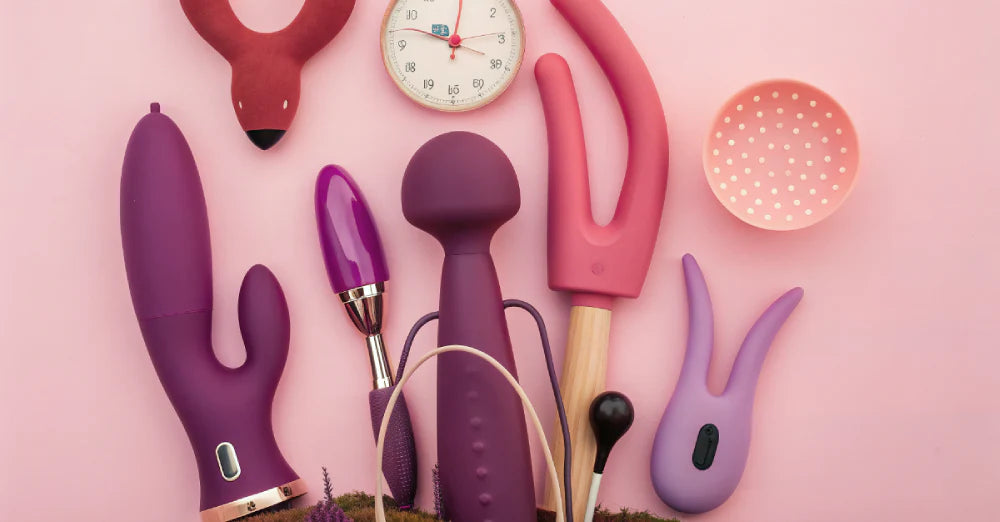
Vibrator Stories: Real Experiences, Tips & What to Expect
LEARN MOREYou may also like
20% off

20% off

20% off

20% off

20% off

20% off

Further reading

How to Clean an Automatic Blowjob Machine Without Damaging the Motor

Remote-Controlled Automatic Masturbators for Couples and Solo Play
Best Automatic Strokers for Edging and Stamina Training