







































Pure Lubricant: Types, Uses & How to Choose the Right One
Stack & Save: Extra 15% with Jissbon15
Jissbon15
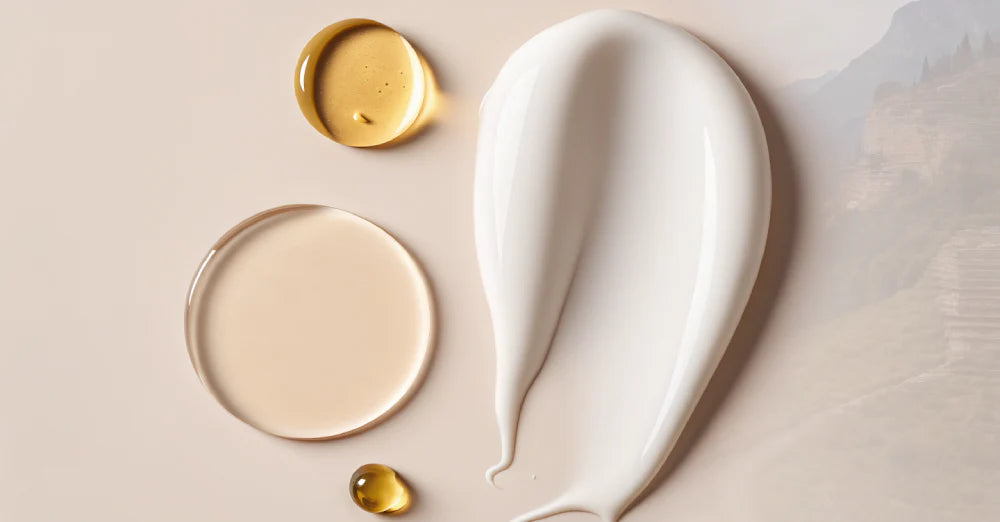
A pure lubricant contains minimal ingredients, avoids harsh chemicals, and focuses on body-safe formulations without unnecessary additives. The term "pure" typically signals that the product excludes:
- Parabens (preservatives linked to hormonal disruption)
- Glycerin (can cause yeast infections in sensitive individuals)
- Artificial fragrances or flavors
- Petroleum-based ingredients
- Propylene glycol
- Nonoxynol-9 (spermicide that can irritate tissues)
Quality lubricants prioritize skin-compatible ingredients that reduce friction without causing irritation, allergic reactions, or disrupting natural pH balance.
Main Types of Pure Lubricants

Water-Based Formulas
These versatile options work with all toy materials and condoms.
Advantages:
- Compatible with silicone, latex, and all toy materials
- Easy cleanup with plain water
- Won't stain fabrics
- Typically the most affordable option
- Safe for all body parts
- Won't degrade condoms or barriers
Considerations:
- Absorbs into skin and evaporates, requiring reapplication
- Can become sticky as it dries
- Less effective for water play (shower, bath, pool)
- May contain preservatives to prevent bacterial growth
Best for:
- Toy use, especially with silicone toys
- Daily intimacy
- People with sensitive skin
- Condom users
- Budget-conscious shoppers
Understanding sexual health basics helps contextualize why proper lubrication matters for comfort and safety.
Silicone-Based Formulas
Long-lasting and luxurious, silicone lubricants offer premium performance.
Advantages:
- Extremely long-lasting—doesn't dry out or absorb
- Silky, smooth texture
- Waterproof—works in showers, baths, pools
- Only a small amount needed
- Won't disrupt natural pH
- No sticky residue
Considerations:
- Cannot be used with silicone toys (breaks down the material)
- Requires soap and water for cleanup—water alone won't remove it
- Can stain certain fabrics
- More expensive than water-based
- Some formulas feel too slippery for certain activities
Best for:
- Extended sessions without reapplication
- Water play
- Massage that transitions to intimacy
- People wanting luxury feel
- Use with non-silicone toys only
Hybrid Blends
These combine water and silicone bases for balanced benefits.
Advantages:
- Longer-lasting than pure water-based
- Easier cleanup than pure silicone
- Often compatible with more toy materials
- Balanced texture—not too thin or too slippery
- Works reasonably well in water
Considerations:
- Check specific formula for toy compatibility
- May still contain some preservatives
- Price point typically between water-based and silicone
- Performance varies significantly by brand
Best for:
- People wanting benefits of both types
- Those unsure which category suits them best
- Activities requiring moderate duration
- Compromise when partners prefer different types
Oil-Based Options
Natural oils serve specific purposes but have limitations.
Advantages:
- Very long-lasting
- Moisturizing properties
- Natural options (coconut, almond, avocado oil)
- Multi-purpose (massage, moisturizer, lubricant)
Considerations:
- Destroys latex condoms and barriers—never use together
- Can trap bacteria, increasing infection risk
- Stains fabrics permanently
- Difficult cleanup
- May disrupt vaginal pH
- Not recommended for internal use
Best for:
- Partnered massage before intimacy
- External-only activities
- People not using latex barriers
- Non-penetrative play
For detailed information about lubricant safety and materials, medical resources provide evidence-based guidance.
Choosing the Right Formula for Your Needs
|
Activity |
Best Type |
Why |
Avoid |
|
Toy play with silicone toys |
Water-based |
Won't damage toy material |
Silicone lube |
|
Extended sessions |
Silicone or hybrid |
Long-lasting without reapplication |
Water-based (dries out) |
|
Shower or bath |
Silicone |
Stays effective underwater |
Water-based (washes away) |
|
Condom use |
Water or silicone |
Safe for latex barriers |
Oil-based (degrades latex) |
|
Sensitive skin |
Pure water-based |
Fewest potential irritants |
Warming, flavored, or scented |
|
Anal play |
Silicone or thick water |
Extra cushioning, long-lasting |
Thin water-based formulas |
|
Daily use |
Water-based |
Easy, affordable, versatile |
Expensive specialty formulas |
|
Massage transitions |
Hybrid or oil |
Multipurpose, luxurious feel |
Silicone (hard cleanup) |
How to Use Lubricant Effectively

Application Techniques
For external use:
- Apply to fingertips first, then transfer to the area
- Start with a small amount (quarter-size)
- Reapply as needed when sensation changes or friction increases
- Spread evenly across the entire area that will experience contact
For internal use:
- Apply directly to the toy or body part being inserted
- Add extra to the opening as well
- Consider pre-application 2–3 minutes before activity begins
- Keep the bottle nearby for easy reapplication
With toys:
- Apply to the toy before insertion
- Add extra around your body's opening
- For remote controlled vibrators and other devices, ensure lube doesn't get into electronic components or battery compartments
- Clean toys thoroughly after use to remove all lubricant residue
Amount Guidelines
Most people use too little lubricant initially. General starting points:
- Manual stimulation: Nickel to quarter size
- Penetrative activity with toys: Quarter to half-dollar size
- Anal play: Half-dollar to tablespoon (anal tissue doesn't self-lubricate)
- Extended massage: Start with tablespoon, add as it absorbs
Remember: you can always add more, but you can't remove excess easily. Start conservatively and increase.
Reapplication Signs
Add more lubricant when you notice:
- Increased friction or pulling sensation
- Any discomfort during movement
- The slippery feeling diminishing
- Sticky texture developing (water-based formulas)
- Reduced smoothness (silicone formulas, though rare)
Don't wait until discomfort occurs—reapply at the first sign of decreased effectiveness.
Storage and Shelf Life
Proper Storage
All lubricant types benefit from:
- Cool, dry location away from direct sunlight
- Sealed containers when not in use
- Storage below 77°F (25°C) when possible
- Keeping away from extreme temperature fluctuations
Avoid:
- Bathroom cabinets with high humidity
- Window sills or areas with sun exposure
- Cars or other locations with temperature extremes
- Open containers that allow contamination
Shelf Life Guidelines
|
Formula Type |
Unopened |
After Opening |
Signs of Degradation |
|
Water-based |
2–3 years |
1–2 years |
Separation, color change, odor |
|
Silicone |
3–5 years |
2–3 years |
Texture change, cloudiness |
|
Hybrid |
2–3 years |
1–2 years |
Separation, consistency change |
|
Oil-based |
1–2 years |
6–12 months |
Rancid smell, color darkening |
Always check expiration dates. Using degraded lubricant can cause irritation or infection.
Safety Considerations

Ingredient Awareness
Safe, body-friendly ingredients:
- Purified water
- Dimethicone (medical-grade silicone)
- Cyclopentasiloxane (silicone compound)
- Hydroxyethylcellulose (plant-derived thickener)
- Sodium hyaluronate (moisturizing)
- Aloe vera extract
Potentially problematic ingredients:
- Glycerin (can feed yeast, causing infections in susceptible people)
- Parabens (preservatives, hormone-disrupting concerns)
- Chlorhexidine (antiseptic that may irritate)
- Petroleum jelly (traps bacteria, degrades condoms)
- Added sugars or sweeteners
- Synthetic fragrances
If you experience recurring infections, burning, or irritation, check your lubricant ingredients. Many issues resolve simply by switching formulas.
Allergy Testing
Before using any new lubricant internally:
- Apply small amount to inner forearm
- Wait 24 hours
- Check for redness, itching, or irritation
- If clear, apply small amount to external genital tissue
- Wait 15–20 minutes
- Proceed with internal use only if no reaction occurs
People with latex allergies should verify their lubricant is latex-free, even if not using it with condoms—some formulas contain latex proteins.
pH Balance
Vaginal pH naturally ranges from 3.8–4.5 (slightly acidic). Lubricants with pH outside this range can disrupt healthy bacterial balance, leading to infections.
Quality formulas designed for internal use maintain pH compatibility. Check product specifications if you experience recurring pH-related issues.
For comprehensive information about vaginal health and pH balance, health services provide detailed guidance.
Lubricant and Toy Compatibility
Material Guidelines
Silicone toys:
- Use only water-based or hybrid lubricants explicitly marked "silicone-toy safe"
- Never use silicone lube—it degrades the toy material
- Test hybrid formulas on inconspicuous toy area first
Glass, metal, or hard plastic toys:
- Any lubricant type works
- Silicone provides longest-lasting smoothness
- Water-based offers easiest cleanup
TPE, TPR, or jelly toys:
- Water-based is safest
- Check manufacturer recommendations
- These porous materials harbor bacteria regardless of lubricant choice
Latex products (gloves, condoms):
- Water-based or silicone are safe
- Never use oil-based—it destroys latex within minutes
- Check that water-based formulas don't contain oils
When exploring options at Jissbon, product descriptions specify compatible lubricant types for each toy material.
Specialty Lubricant Features
Warming Formulas
These create heat sensations through ingredients like capsaicin or menthol.
Pros:
- Novel sensation
- Increased blood flow to area
- Can enhance arousal
Cons:
- May burn or irritate sensitive tissue
- Not suitable for people with sensitivities
- Can't be removed once applied
- Often contain glycerin
Usage tip: Test on less sensitive external areas before internal application.
Cooling Formulas
Menthol or similar ingredients create cooling, tingling sensations.
Pros:
- Refreshing feeling
- Different from standard lubricants
- May increase sensitivity
Cons:
- Can be too intense for some people
- May cause burning sensations
- Menthol sensitivity is common
- Effect can't be removed immediately
Flavored Options
Designed to improve taste during oral activities.
Pros:
- Masks natural body tastes
- Makes oral activity more pleasant for some givers
- Variety of flavor options
Cons:
- Almost always contain glycerin or sugars
- Higher infection risk
- Often include artificial ingredients
- Not ideal for extended internal use
Safer alternative: Use flavored options only for oral play, then switch to pure formula for penetrative activity.
Desensitizing Formulas
Contain numbing agents like benzocaine or lidocaine.
Warning: Many sexual health professionals advise against these. Pain signals alert you to potential tissue damage. Numbing eliminates this protective feedback, increasing injury risk.
If activity causes pain requiring numbing agents, address the underlying cause (insufficient arousal, inadequate lubrication, technique issues, medical conditions) rather than masking symptoms.
Troubleshooting Common Issues
Sticky Residue
Cause: Water-based formulas become tacky as water content evaporates.
Solutions:
- Reapply fresh lubricant
- Add a few drops of water to reactivate
- Switch to silicone or hybrid formula
- Choose thicker, longer-lasting water-based options
Irritation or Burning
Causes: Sensitivity to ingredients, pH imbalance, or allergic reaction.
Solutions:
- Discontinue use immediately
- Rinse thoroughly with plain water
- Switch to minimal-ingredient formulas
- Avoid warming, cooling, or flavored varieties
- Consider formulas specifically designed for sensitive skin
- Consult healthcare provider if irritation persists
Too Slippery
Cause: Usually silicone-based formulas or overuse of any type.
Solutions:
- Use less product
- Wipe away excess with damp cloth
- Switch to water-based formula
- For silicone, try hybrid as middle ground
Doesn't Last Long Enough
Cause: Thin water-based formulas absorb and evaporate quickly.
Solutions:
- Choose thicker, longer-lasting water-based formulas
- Switch to silicone or hybrid
- Reapply more frequently
- Use more generous initial amount
Staining Fabrics
Cause: Silicone and oil-based formulas don't wash out easily.
Solutions:
- Place towels under activity areas
- Use water-based formulas in bed
- Treat stains immediately with dish soap before laundering
- Consider dark-colored sheets if using silicone regularly
Environmental and Ethical Considerations
Eco-Friendly Options
Look for lubricants that feature:
- Biodegradable formulas
- Minimal packaging
- Refillable containers
- Organic or sustainably sourced ingredients
- Cruelty-free certification (not tested on animals)
- Vegan formulations (no animal-derived ingredients)
Many water-based formulas biodegrade more readily than silicone options.
Disposal
Water-based: Can typically go down drains—they're water-soluble and biodegradable.
Silicone: Check local regulations. Some areas consider it non-biodegradable waste requiring special disposal.
Oil-based: Never pour down drains. Dispose of in trash or according to local hazardous waste guidelines.
Containers: Rinse thoroughly and recycle according to local programs. Many lubricant bottles are recyclable plastic.
Frequently Asked Questions
Can I use lubricant if I'm trying to conceive?
Most standard lubricants can harm sperm motility. If trying to conceive, use fertility-friendly formulas specifically designed not to interfere with sperm. These maintain proper pH and osmolality. Water, saliva, and standard lubricants all reduce fertility—even during fertile windows, using appropriate products matters.
Is it safe to use lubricant every time?
Yes, using quality lubricant for every intimate encounter is completely safe and often healthier than friction-induced microtears. Many healthcare providers recommend routine lubricant use, especially during activities involving penetration. Natural lubrication varies by cycle phase, stress levels, medication, and age—supplementing consistently prevents discomfort.
Why does my lubricant cause yeast infections?
Glycerin-containing formulas can feed yeast, causing overgrowth in susceptible individuals. Switch to glycerin-free, pH-balanced formulas. Also ensure you're not using too much—excess lubricant can disrupt natural vaginal flora. Some people are sensitive to preservatives or other ingredients regardless of glycerin content. Finding the right formula may require trying several options.
Can I make my own lubricant at home?
While natural oils work for external massage, homemade formulas aren't recommended for internal use. They lack proper pH balance, sterility, and testing. Commercial formulas undergo safety testing and quality control. The small cost difference isn't worth risking infections or irritation. If you want natural options, choose commercially produced organic formulas.
Does lubricant expire?
Yes. Expired lubricant can harbor bacteria, lose effectiveness, or cause irritation. Always check expiration dates before use. If a lubricant has separated, changed color, developed odor, or changed texture, discard it regardless of the printed date. When in doubt, replace it—lubricant is inexpensive compared to treating an infection.
Can lubricant help with menopause-related dryness?
Absolutely. Hormonal changes during perimenopause and menopause reduce natural lubrication significantly. Regular lubricant use prevents discomfort and tissue damage. Many people find thicker, longer-lasting formulas (silicone or premium water-based) work best. Some also benefit from vaginal moisturizers used daily, separate from lubricants applied during intimacy. Consult healthcare providers about options combining lubricants with hormone therapy if needed.
Enhancing Comfort and Pleasure
Quality lubrication transforms intimate experiences from potentially uncomfortable to genuinely pleasurable. The right formula depends on your specific activities, toy materials, skin sensitivity, and personal preferences. Don't settle for products that irritate or require constant reapplication when better options exist.
Experimenting with different types helps you discover what works best for your body and circumstances. Many people keep multiple formulas on hand—water-based for toy play, silicone for extended sessions, and hybrid for versatility.
Ready to explore pleasure-enhancing tools designed for comfortable, satisfying experiences? Discover options at Jissbon including sex toys for women crafted from body-safe materials compatible with your preferred lubricants.


Looking for something else?

What Is Flogging in Sex? Complete BDSM Flogging Guide
LEARN MORE
What Does Overstimulated Mean Sexually? Causes & Solutions
LEARN MORE
Can You Get a Tattoo on Your Vagina? Safety, Pain & What to Expect
LEARN MORE
Public Sex Kink: Understanding Exhibitionism & Safe Exploration
LEARN MORELooking for something else?

A-Spot Orgasm: Best Positions & How to Find It
LEARN MORE
Bondage Play: Complete Beginner's Guide to Rope BDSM
LEARN MORE
Vibrator Stories: Real Experiences, Tips & What to Expect
LEARN MOREYou may also like
20% off

20% off

20% off

20% off

20% off

20% off

Further reading
How to Clean an Automatic Blowjob Machine Without Damaging the Motor

Remote-Controlled Automatic Masturbators for Couples and Solo Play
Best Automatic Strokers for Edging and Stamina Training