



















































10 Most Popular Kinks & Fetishes: A Beginner-Friendly Guide
Stack & Save: Extra 15% with Jissbon15
Jissbon15
Sexual interests exist on a broad spectrum far beyond mainstream portrayals, yet many people feel uncertain about their own curiosities or how to discuss them with partners. Understanding common kinks and fetishes helps normalize diverse desires while providing vocabulary for clearer communication.
Whether you're discovering unexpected turn-ons, wanting to explore with a partner, or simply curious about human sexuality's range, this guide breaks down ten frequently encountered interests with practical information about safe exploration. You'll learn what distinguishes each kink, how people typically engage with these interests, and foundational principles for healthy experimentation.
Why These 10 Kinks Are the Most Common
Certain interests appear across cultures, age groups, and demographics because they align with core human instincts like curiosity, sensation seeking, and psychological play.
For example:
Bondage and D/s stem from universal themes of trust and power.
Foot fetishism is neurologically linked to how the brain maps sensation.
Roleplay taps into identity exploration and fantasy.
Impact play mimics intensity cycles the body is wired to respond to (pain → endorphin release → pleasure).
These kinks aren’t trends — they emerge repeatedly because they resonate with deep-rooted emotional and physiological mechanisms.
Are Kinks Really “Common”? (Based on search intent)
Studies consistently show:
- Over 60% of adults report at least one kink they enjoy
- Foot fetishism is the most-Googled fetish globally
- Bondage and dominance fantasies appear in top 5 fantasy surveys worldwide
- Roleplay is regularly ranked as one of the safest, easiest entry points
This means if you have a kink, you’re not unusual — you’re statistically normal.
Signs You Might Be Curious About Kink
You may be interested in exploring kink if you notice any of the following:
- Certain fantasies repeat during arousal
- You feel drawn to specific sensations, roles, or scenarios
- Some activities feel exciting even though you’ve never tried them
- You enjoy the idea of structure, power exchange, or playful intensity
Curiosity is fully valid — and doesn’t obligate you to act on anything you’re not ready for.
Kinks That Are Often Misunderstood
Foot Fetish
Not a red flag — neurological mapping explains its prevalence.
Impact Play
Not abuse — consensual, negotiated, risk-aware sensation play.
D/s Dynamics
Not one-sided control — the submissive retains the real power through consent.
Voyeurism / Exhibitionism
Only ethical when everyone involved consents — otherwise it becomes illegal.
Breaking these myths empowers adults to explore safely and confidently.
Understanding Kinks vs Fetishes
Before exploring specific interests, clarifying terminology helps prevent confusion:
Kinks refer to sexual interests or practices outside conventional norms that enhance arousal but aren't required for satisfaction. Someone might enjoy bondage occasionally but also finds vanilla intimacy completely fulfilling.
Fetishes describe specific objects, body parts, or scenarios that become necessary for sexual arousal and satisfaction. The focus becomes central rather than supplementary to sexual pleasure.
The distinction matters primarily for self-understanding—most people have kinks (optional preferences), while fetishes (required elements) are less common. Neither is problematic as long as all activities involve enthusiastic consent from everyone participating.
The 10 Most Common Kinks Explained

Research and community surveys consistently identify these interests as most prevalent:
Bondage & Restraint
What It Involves:
Restricting a partner's movement using ropes, handcuffs, silk scarves, specialized restraints, or even just firm grip. The restrained person surrenders control while the active partner directs activities.
Why People Enjoy It:
Psychological intensity from power exchange, heightened anticipation when unable to predict what happens next, increased focus on receiving sensation rather than reciprocating, and trust demonstration through voluntary vulnerability.
Safe Exploration:
- Start with soft materials (silk scarves, fabric restraints) that don't cause circulation issues
- Never restrain the neck or restrict breathing
- Establish safe words before beginning (traffic light system: green/yellow/red works well)
- Keep safety scissors nearby for emergency release
- Begin with brief restraint periods (5-10 minutes) before extending duration
Many couples integrate bondage with sex toys for couples to create layered sensory experiences where the restrained partner receives focused attention.
Dominance & Submission (D/s)
What It Involves:
Power exchange dynamics where one person (dominant) takes control while the other (submissive) surrenders authority. This can range from subtle bedroom leadership to elaborate lifestyle arrangements with rules, protocols, and rituals.
Why People Enjoy It:
Freedom from decision-making and performance pressure (for submissives), satisfaction from guiding pleasure and taking responsibility (for dominants), clear role definition that paradoxically creates safety through structure, and psychological arousal from authority exchange.
Safe Exploration:
- Discuss boundaries extensively before any D/s activity: what's permitted, what's completely off-limits
- Define the scope (bedroom only vs. extending into daily life)
- Submissives retain ultimate control through safe words despite the power dynamic
- Start with simple scenarios: "Tonight I'm in charge" rather than complex protocols
- Regular check-ins ensure both partners still find the dynamic fulfilling
Roleplay & Fantasy Scenarios
What It Involves:
Adopting characters, scenarios, or narratives during intimate activities. Common themes include stranger encounters, professional scenarios (teacher/student, boss/employee), rescue fantasies, or elaborate fictional settings.
Why People Enjoy It:
Permission to explore aspects of personality kept hidden in daily life, novelty that counters routine familiarity, psychological distance from self that reduces inhibition, and collaborative creativity with partners.
Safe Exploration:
- Outline the scenario beforehand: setting, characters, general narrative arc
- Establish what elements are essential versus flexible (allows improvisation within boundaries)
- Choose scenarios both partners find appealing—mismatched enthusiasm kills the mood
- Keep costumes and props simple initially; elaborate setups create pressure
- Debrief afterward: "What worked? What felt awkward?"
Voyeurism & Exhibitionism
What It Involves:
Voyeurism: arousal from watching others engaged in intimate or private activities. Exhibitionism: arousal from being watched during intimate activities or displaying one's body to others.
Why People Enjoy It:
Visual stimulation's power (voyeurism), validation and attention from being desired (exhibitionism), transgressive thrill from the taboo nature, and removal of performance pressure when simply observing.
Safe Exploration:
- Legal and ethical voyeurism requires explicit consent from everyone involved and observed
- Exhibitionism options: partner watching you masturbate, sex in front of mirrors, photograph/video exchange with trusted partners (beware digital permanence)
- Attend consent-based events (certain clubs, parties) specifically designed for these interests
- Never involve non-consenting public in your activities—this constitutes harassment and illegal exposure
Impact Play (Spanking & Beyond)
What It Involves:
Striking the body with hands or implements (paddles, floggers, crops) to create sensation ranging from light stinging to intense thudding. Typically focuses on fleshy areas like buttocks and thighs.
Why People Enjoy It:
Endorphin release from pain creates natural high similar to runner's euphoria, sharp contrast to typical gentle touch heightens awareness, psychological components of punishment/discipline dynamics, and surprising conversion of pain signals into pleasure.
Safe Exploration:
- Target only fleshy, muscular areas: buttocks, thighs, upper back (avoid spine, kidneys, joints, neck)
- Start with cupped hands before introducing implements
- Begin gently regardless of requested intensity—build gradually
- Establish non-verbal signals since receivers may have difficulty speaking coherently
- Watch for skin breaking (stop immediately if bleeding occurs)
Impact play combined with other activities can create intense experiences—some incorporate vibrating toys simultaneously to blend pleasure and sensation.
Temperature & Sensation Play
What It Involves:
Using hot or cold items, varied textures, and different materials to stimulate nerve endings unpredictably. Examples include ice cubes, warm massage oil, feathers, rough fabrics, or specially designed sensation wheels.
Why People Enjoy It:
Nervous system responds intensely to temperature and texture contrasts, anticipation amplifies sensation when the receiver can't predict what comes next, and accessibility—household items create powerful experiences without specialized equipment.
Safe Exploration:
- Test temperature on inner wrist before applying to sensitive areas (if uncomfortable there, it's too extreme)
- Alternate sensations every 30-60 seconds: ice followed by warmth, soft followed by textured
- Use blindfolds to amplify unpredictability and heighten remaining senses
- Never apply ice directly to genitals for extended periods (30 seconds maximum)
- Keep towels nearby for melted ice or excess oil
Foot Fetish

What It Involves:
Sexual interest focused specifically on feet—their appearance, smell, texture, or interaction with them (massaging, kissing, incorporating into activities). One of the most common fetishes globally.
Why People Enjoy It:
Neurological wiring places foot and genital processing areas adjacent in the brain (potentially causing cross-activation), cultural taboo around feet creates transgressive appeal, and sensory richness from texture and scent variations.
Safe Exploration:
- Discuss interest openly rather than hiding it—shame prevents intimacy
- Basic foot care matters: clean feet, trimmed nails, softened skin (benefits everyone regardless of fetish)
- Start with massage or pedicure activities that feel naturally intimate
- Progress to direct sexual incorporation only with explicit enthusiasm from partner
- Respect boundaries if partner isn't interested—fetishes shouldn't override consent
Oral Fixation & Worship
What It Involves:
Intense focus on giving or receiving oral stimulation, often extending beyond standard oral sex to include prolonged attention, body worship rituals, or specific techniques that become central to arousal patterns.
Why People Enjoy It:
Intimacy from sustained attention to partner's pleasure, power dynamics inherent in giving/receiving oral, oral cavity's sensitivity creates unique sensations unavailable elsewhere, and service-oriented satisfaction from focusing entirely on partner.
Safe Exploration:
- Communicate preferences clearly: pressure, speed, focus areas, duration expectations
- Receiving partners guide givers with verbal feedback or gentle hand placement
- Establish signals for "perfect, keep doing exactly this" to prevent frustrating technique changes
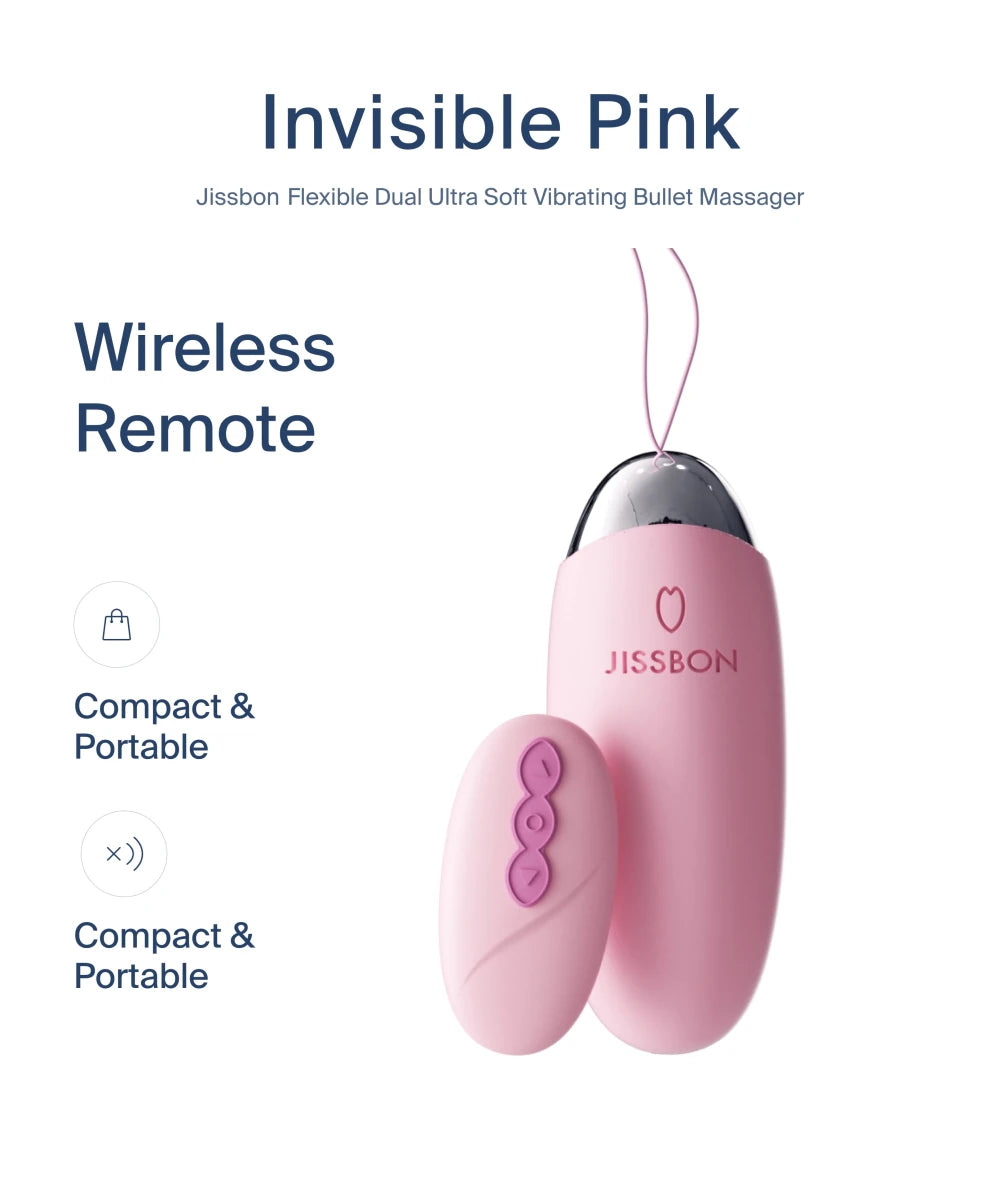
- Incorporate remote-controlled toys for additional stimulation during oral activities
- Address jaw fatigue proactively—take breaks to use hands or toys
Anal Play & Stimulation
What It Involves:
Any sexual activity involving the anus and surrounding area, ranging from external massage to penetration with fingers, toys, or body parts. Applicable to all genders and orientations.
Why People Enjoy It:
High nerve density creates intense sensation, prostate stimulation for people with prostates produces unique full-body orgasms, taboo nature adds psychological intensity, and vulnerability inherent in this form of intimacy deepens trust.
Safe Exploration:
- Use obscene amounts of lubricant—the rectum produces no natural lubrication (apply 5-10x what seems necessary)
- Start extremely small: single finger or slim toy (0.75-1 inch diameter)
- Progress gradually over weeks or months, never rushing size increases
- Only use toys with flared bases designed specifically for anal use (prevents dangerous internal loss)
- Transition from anal to any other penetration requires thorough washing or barrier change
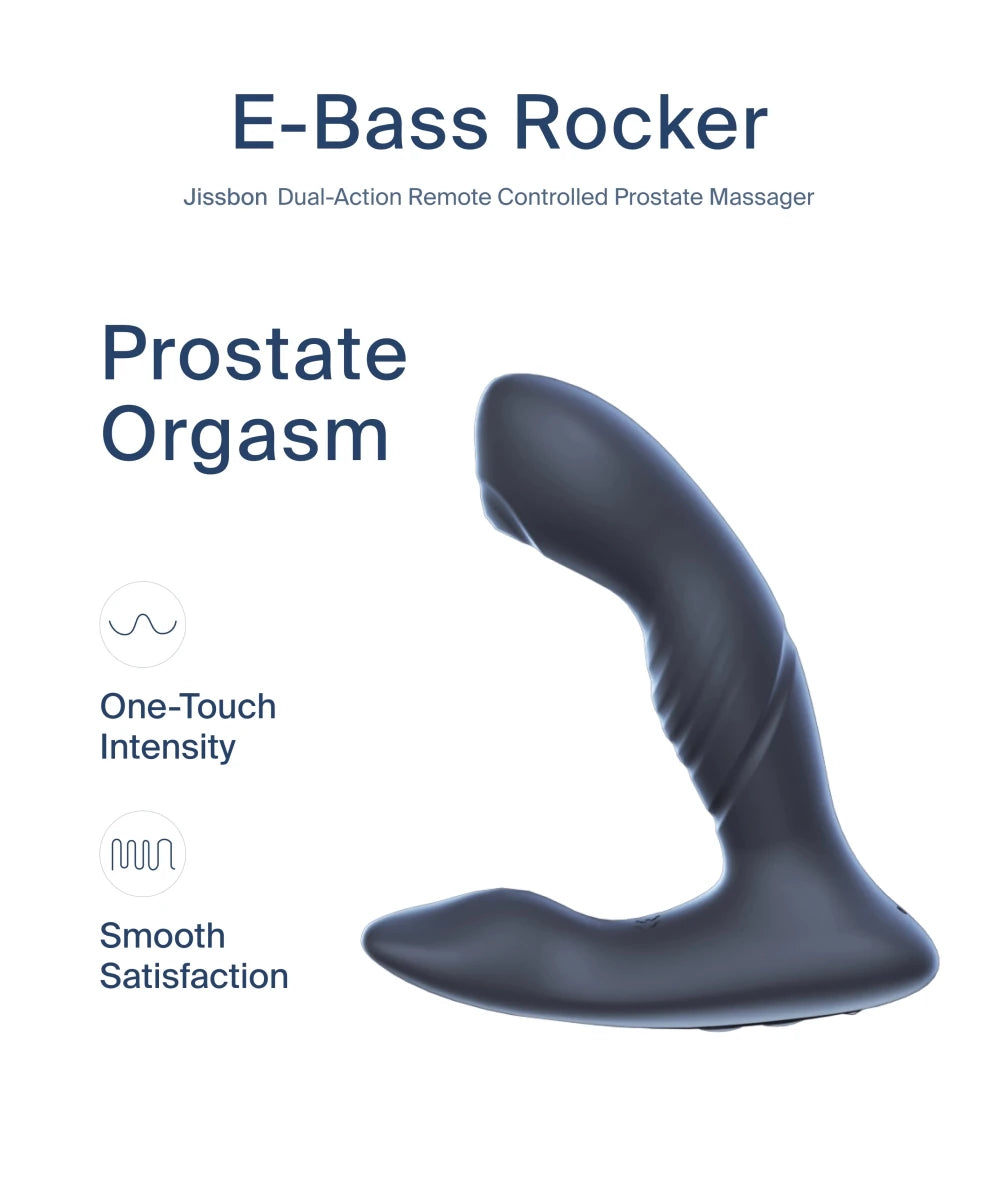
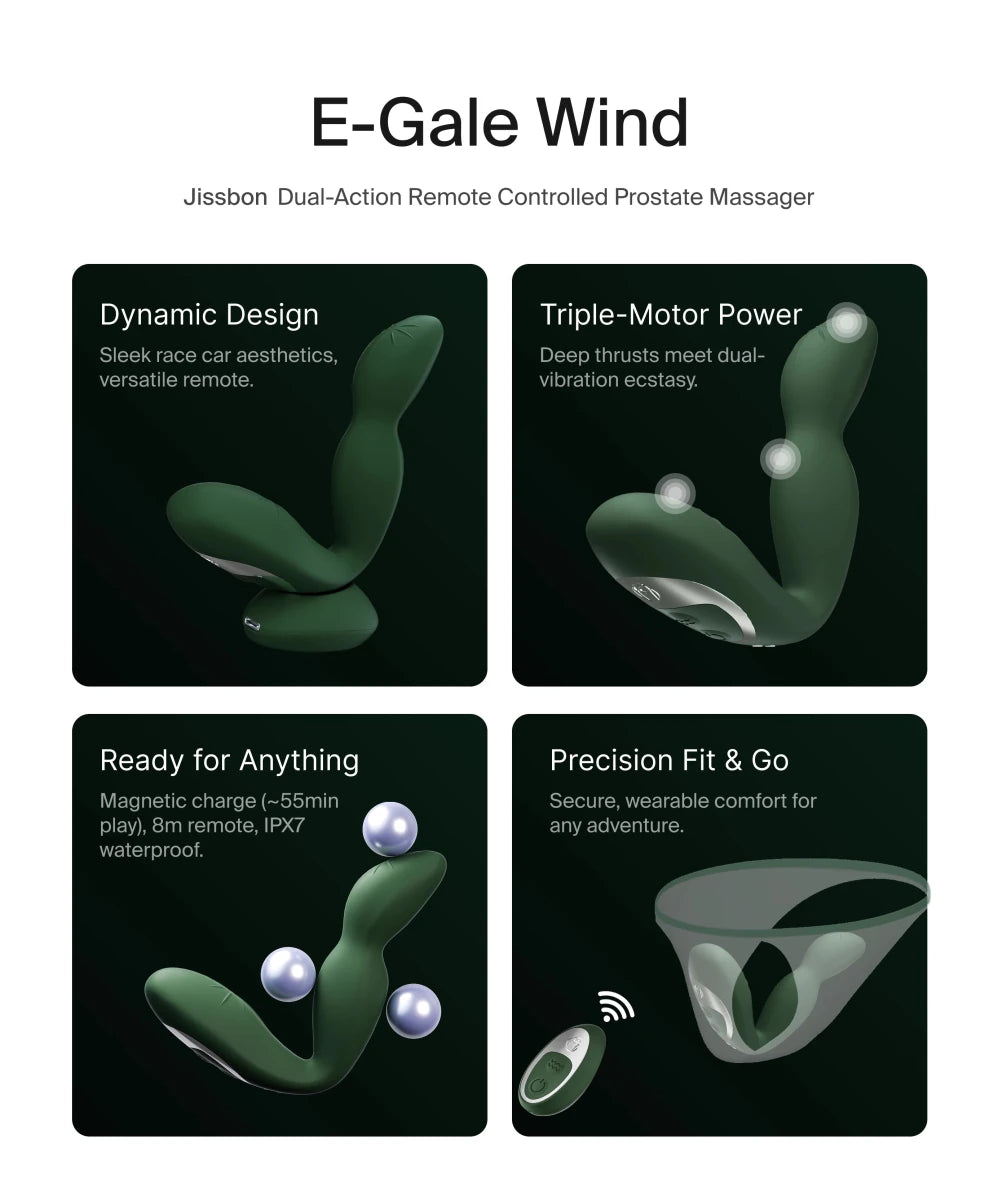
Many find anal vibrators or prostate massagers helpful for exploring this interest with designed-for-purpose tools rather than improvised items.
Arousal from Specific Garments or Materials

What It Involves:
Sexual interest centered on particular clothing items (lingerie, leather, latex, uniforms) or materials (silk, PVC). The garments themselves become arousing independent of the wearer initially.
Why People Enjoy It:
Early sexual experiences often pair arousal with specific visual or tactile elements, creating lasting associations. Certain materials provide unique tactile experiences, and garments can symbolize roles or identities that enhance psychological arousal.
Safe Exploration:
- Invest in well-fitting items that make the wearer feel confident (uncomfortable clothing kills mood)
- Balance fetish interests with partner comfort—requiring specific outfits every time may create pressure
- Incorporate materials into activities naturally: silk scarves for bondage, leather for impact play
- Discuss what specifically appeals: visual appearance, texture, associated concepts
- Remember the person wearing garments matters more than the objects themselves
Comparison: Intensity & Accessibility
Understanding how these interests compare helps identify starting points:
|
Kink/Fetish |
Physical Intensity |
Equipment Needed |
Communication Required |
Best Starting Point |
|
Bondage |
Low to moderate |
Minimal (scarves work) |
Moderate |
Soft fabric restraints, brief duration |
|
D/s dynamics |
Variable |
None to extensive |
High |
Simple bedroom leadership |
|
Roleplay |
Low |
Minimal |
Moderate |
Simple scenarios, minimal costumes |
|
Voyeurism/Exhibitionism |
Low |
None |
High (consent critical) |
Partner watching masturbation |
|
Impact play |
Moderate to high |
Minimal initially |
High |
Hand spanking on buttocks |
|
Sensation play |
Low to moderate |
Minimal (household items) |
Low to moderate |
Ice and warmth alternation |
|
Foot fetish |
Low |
None |
Moderate |
Foot massage |
|
Oral focus |
Low to moderate |
None |
Moderate |
Extended sessions with feedback |
|
Anal play |
Moderate to high |
Moderate (lube, toys) |
High |
External massage only |
|
Garments/Materials |
Low |
Moderate |
Low |
One item incorporation |
Essential Communication Principles
Exploring any kink or fetish safely requires specific communication approaches:
Before Exploration
- Frame discussions as shared discovery: "I'm curious about trying X. What are your thoughts?"
- Share what specifically appeals to you and ask what interests your partner
- Establish clear boundaries: what's enthusiastically welcomed, what's absolutely off-limits
- Define safe words that work even in scenarios where "no" or "stop" might be part of roleplay
During Activities
- Check in regularly, especially during first experiences: "How are you feeling?" "Want to continue or stop?"
- Watch body language constantly—pulling away, tensing, or silence suggest discomfort
- Adjust immediately when anything feels wrong rather than pushing through
- Remember that stopping is always acceptable for any reason without explanation required
After Sessions
- Debrief within 24 hours: "What did you love? What felt uncomfortable?"
- Discuss what to repeat, modify, or eliminate for future experiences
- Address any unexpected emotional responses (some activities trigger surprising reactions)
- Reaffirm affection and connection independent of specific activities
Healthy sexual communication forms the foundation for safe exploration of any interest beyond conventional intimacy.
Safety Guidelines Across All Kinks

Certain principles apply universally regardless of specific interests:
Consent Requirements
- Enthusiastic, ongoing consent from all participants for all activities
- Right to withdraw consent at any moment without penalty or pressure
- Clear discussion beforehand about what will and won't occur
- Never assume consent for one activity implies consent for others
Physical Safety
- Research proper technique before attempting any activity with injury potential
- Start conservatively regardless of experience level—you can always increase intensity
- Never use drugs or alcohol to overcome hesitation (they impair judgment about safety and consent)
- Maintain awareness of physical limits: circulation, breathing, joint stress, dehydration
Emotional Safety
- Recognize that activities involving vulnerability, power exchange, or transgression can trigger unexpected emotional responses
- Create aftercare plans: cuddling, reassurance, grounding activities for when intense sessions end
- Monitor for signs that activities are affecting self-esteem or relationship health negatively
- Seek professional guidance if interests feel compulsive or distressing
Privacy Protection
- Discuss boundaries around documentation (photos, videos) before creating any
- Understand digital permanence—anything recorded can potentially become public
- Respect partner privacy completely: never share details of activities without explicit permission
- Consider using pseudonyms if engaging with communities around specific interests
When Interests Become Problematic
Most kinks and fetishes represent healthy sexual diversity, but certain patterns warrant attention:
Warning Signs
- Interest becomes required for any arousal (for kinks that started optional)
- Activities escalate in intensity or risk despite concerns
- Fetishes involving non-consenting parties or illegal activities
- Sexual interests interfere with work, relationships, or daily functioning
- Shame or distress about interests prevents intimate connection
Seeking Support
Sex-positive therapists specialize in helping people integrate diverse sexual interests into healthy relationship contexts. Finding professional support doesn't mean something is wrong—it simply means you want expert guidance navigating complexity.
Exploring Beyond Your Comfort Zone
Partners sometimes have different interest levels in particular kinks:
When You're Less Interested
- Honest communication beats reluctant participation: "This isn't something I'm excited about, but I'm willing to try once to understand your interest"
- Establish clear boundaries: "I'll try X but not Y, and only for Z duration"
- Recognize that declining participation in specific activities doesn't make you a "bad partner"
- Suggest alternatives that might satisfy similar psychological needs
When Your Partner Is Less Interested
- Accept "no" gracefully without pressure or resentment
- Appreciate willingness to try even if enthusiasm is moderate
- Consider whether the specific kink is essential or if other activities provide similar satisfaction
- Explore communities or content that address your interest without requiring partner participation
Finding Compromise
- Alternate sessions focused on each person's preferences
- Identify overlapping interests that satisfy both partners
- Start with "kink light" versions before committing to intense expressions
- Remember that sexual compatibility includes flexibility and generosity
Frequently Asked Questions
What is the most common fetish?
Feet are widely regarded as the most common fetish across cultures. Searches, surveys, and clinical literature consistently show foot-related arousal ranking at the top, followed by specific materials like leather and latex, and role-based fantasies like dominance and submission.
Why do people develop fetishes?
Fetishes often develop through early experiences where arousal becomes paired with specific objects, materials, or contexts. They may also form due to neurological wiring, psychological imprinting, or repeated positive associations. No single cause applies to everyone — fetishes are simply one way human sexuality expresses itself.
Do kinks mean something “deeper” about my personality?
Kinks often reflect your psychological preferences for novelty, sensation, trust, or power exchange. For example, people who enjoy dominance or submission may crave mental release from daily roles. However, kinks aren’t diagnostic — they don’t indicate trauma, instability, or character flaws.
Is it possible to lose interest in a kink or develop new ones?
Yes. Sexuality evolves. Interests shift with experiences, partners, comfort, self-esteem, or emotional needs. Some kinks fade naturally, while others appear unexpectedly. This is a normal part of sexual development.
Can I enjoy kink without being part of the BDSM community?
Absolutely. Many people explore kink entirely privately at home without joining any community. There is no requirement to identify with labels or participate in events. You can practice kink lightly, occasionally, or simply during intimate sessions with a trusted partner.
Are these kinks and fetishes normal?
Yes. Sexual interests exist across wide spectrums, and these ten represent commonly reported preferences. "Normal" is a problematic concept in sexuality—what matters is whether interests involve consenting adults and don't cause distress. Research suggests 30-60% of people have engaged with at least one of these interests, making them statistically common rather than unusual.
How do I know if I have a kink versus a fetish?
Ask yourself: "Can I experience satisfying sexual arousal without this element?" If yes, it's likely a kink (preferred but not required). If the element feels necessary for arousal and satisfaction, it's probably a fetish (required component). The distinction primarily matters for self-understanding rather than judgment.
What if my partner isn't interested in my kink?
This creates opportunity for negotiation rather than ultimatums. Explore whether they're completely opposed or just uncertain. Offer to start extremely gently, emphasize their comfort and control, and accept their boundaries if they remain uninterested. Many relationships thrive despite non-matching kinks through compromise, taking turns focusing on each person's preferences, or finding middle-ground activities.
Can exploring kinks damage my relationship?
When approached with communication, consent, and mutual respect, kink exploration typically strengthens relationships by increasing trust and intimacy. Damage occurs when activities are pressured, boundaries are violated, or communication breaks down. The activities themselves don't harm relationships—how partners handle them does.
Where can I learn more about specific interests safely?
Reputable educational resources include sex-positive blogs, books by certified sex educators, and communities focused on specific interests. Look for sources emphasizing consent, safety, and healthy relationship dynamics over pure titillation. Online communities can provide information but verify advice through multiple sources before implementing anything with injury potential.
Do I need special equipment to explore most kinks?
No. Many kinks require minimal or no equipment—bondage works with household scarves, sensation play uses ice cubes and feathers, roleplay needs only imagination. Starting simple prevents financial investment before knowing whether you actually enjoy something. Specialized equipment becomes relevant only after determining an interest is genuinely appealing through basic exploration.
Conclusion
Sexual interests span incredible diversity, and these ten common kinks and fetishes represent just a fraction of human erotic possibility. Understanding what appeals to you and communicating those interests clearly with partners creates foundation for satisfying intimate lives.
Remember that no interest is inherently superior—what matters is finding expressions that bring you and consenting partners pleasure while respecting boundaries and prioritizing safety. Start with open conversations, begin any new exploration gently, and maintain focus on mutual enjoyment rather than performance or meeting external standards.
Ready to explore tools that complement your interests? Visit Jissbon for thoughtfully designed products supporting every dimension of intimate exploration.


Looking for something else?

What Is Flogging in Sex? Complete BDSM Flogging Guide
LEARN MORE
What Does Overstimulated Mean Sexually? Causes & Solutions
LEARN MORE
Can You Get a Tattoo on Your Vagina? Safety, Pain & What to Expect
LEARN MORE
Public Sex Kink: Understanding Exhibitionism & Safe Exploration
LEARN MORELooking for something else?

A-Spot Orgasm: Best Positions & How to Find It
LEARN MORE
Bondage Play: Complete Beginner's Guide to Rope BDSM
LEARN MORE
Vibrator Stories: Real Experiences, Tips & What to Expect
LEARN MOREYou may also like
20% off

20% off

20% off

20% off

20% off

20% off

Further reading

How to Clean an Automatic Blowjob Machine Without Damaging the Motor
Remote-Controlled Automatic Masturbators for Couples and Solo Play
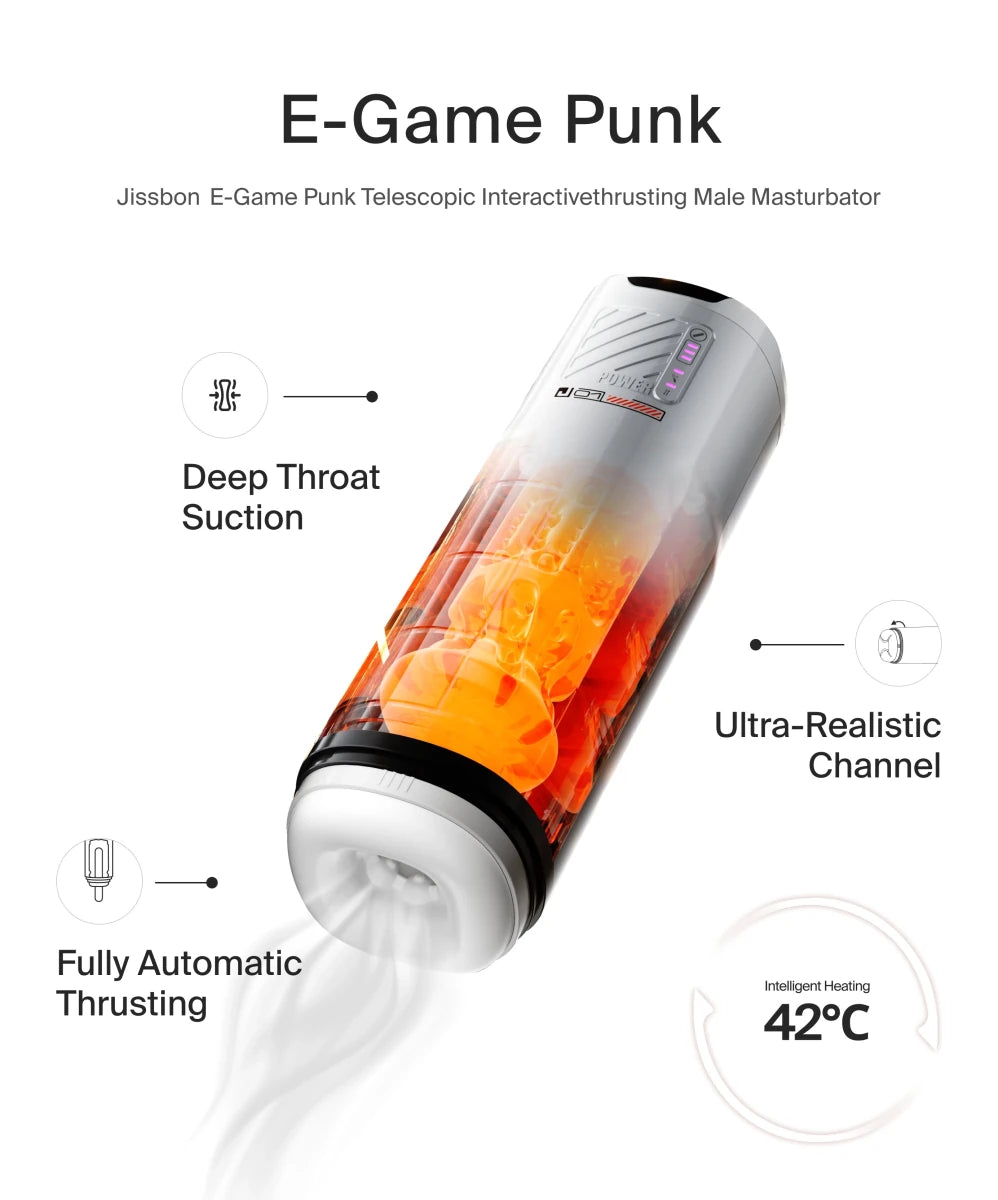
Best Automatic Strokers for Edging and Stamina Training