






























Playboy Bunny: Brand History, Icon Meaning & Modern Pleasure Products
Stack & Save: Extra 15% with Jissbon15
Jissbon15
The Playboy Bunny is the iconic rabbit head logo with a bow tie, created in 1953 by designer Art Paul for Hugh Hefner's Playboy magazine. This simple yet sophisticated symbol has evolved from representing adult entertainment's sexual revolution into a globally recognized lifestyle brand encompassing fashion, media, and now intimate products through the Playboy Pleasure line launched in recent years.
Whether you're curious about the bunny logo's history and cultural significance, wondering what "Playboy" actually means, exploring the brand's evolution from magazine to pleasure products, or shopping for Playboy-branded sex toys, this comprehensive guide covers the brand's 70-year journey, what the bunny symbolizes, product innovations, and how this iconic rabbit continues influencing intimate wellness.
What the Playboy Bunny Symbolizes Today
While originally intended as a playful nod to flirtation and eroticism, the bunny logo has accumulated multiple meanings over 70+ years:
1. Sexual Liberation & Freedom
The bunny became shorthand for the 1960s–70s sexual revolution. It symbolized a break from restrictive norms and a more open, pleasure-forward mindset.
2. Glamour & Prestige
In the Playboy Clubs, Bunnies represented sophistication, luxury nightlife, and aspirational glamour.
3. Feminine Power & Iconography
Modern interpretations—especially by Gen Z—see the bunny as a symbol of:
- feminine confidence
- body ownership
- playful erotic autonomy
- empowerment through aesthetics
Today’s Bunny is less “pin-up fantasy” and more self-chosen identity signal, often used in fashion as an empowered symbol.
4. Cultural Nostalgia
From vintage posters to Y2K belly rings, the bunny carries nostalgic appeal associated with 2000s fashion, clubbing culture, and early internet aesthetics.
What a Playboy Bunny Actually Did: Job, Training & Rules
Playboy Bunnies were not strippers or performers—they were trained cocktail servers in high-end clubs with strict standards.
Rigorous Training
Bunnies learned:
- signature moves (e.g., the Bunny Dip for serving drinks without bending over)
- customer etiquette
- complex drink orders
- movement rules within the club
The Bunny Dip protected modesty and kept drinks balanced—an early version of branded choreography.
Code of Conduct
Rules were famously strict:
- No dating customers
- No giving out personal information
- No leaving designated zones
- Costume inspections before every shift
Breaking rules could result in warnings or dismissal.
The Costume: A Cultural Artifact
The uniform—created by Zelda Wynn Valdes, a pioneering Black fashion designer—became the first commercial U.S. costume patented (1963). It symbolized craftsmanship, fit, and glamour more than mere erotic display.
Cultural Legacy
Former Bunnies include:
- actresses
- writers
- activists (including Gloria Steinem, who went undercover to expose working conditions)
- prominent entertainers
What Is Playboy? Brand Origins

Understanding the brand's foundation reveals why a bunny became one of the world's most recognized symbols.
The Magazine Launch
Hugh Hefner founded Playboy magazine in December 1953 in Chicago. The first issue featured Marilyn Monroe on the cover and sold over 50,000 copies—remarkable for a publication with no date printed (Hefner wasn't confident about a second issue).
Hefner financed the venture with $8,000—$1,000 borrowed from his mother after pawning furniture. This modest beginning launched what would become a multimedia empire reaching peak circulation of 7.2 million copies monthly by 1972.
Original Concept
Playboy positioned itself as more than pin-ups. Hefner envisioned a sophisticated men's lifestyle magazine featuring:
- Adult photography presented artistically
- Literary fiction from acclaimed writers (Saul Bellow, Vladimir Nabokov, John Updike)
- In-depth interviews with cultural figures
- Fashion, music, and entertainment coverage
- Progressive editorial content challenging social norms
This combination of sexuality and substance distinguished Playboy from other adult magazines, creating cultural legitimacy alongside commercial success.
Cultural Impact
Playboy became central to the 1960s sexual revolution, advocating for:
- Sexual freedom and expression
- Challenging puritanical attitudes
- Progressive politics and civil rights
- Women's reproductive rights
- LGBTQ+ acceptance (though imperfectly by modern standards)
The brand represented rebellion against conservative sexual morality, positioning itself as intellectually and culturally sophisticated rather than merely pornographic.
The Playboy Bunny Logo: History & Meaning
The rabbit symbol has remained virtually unchanged for 70 years—a testament to exceptional design.
Creation Story
Designer Art Paul created the iconic bunny logo in approximately 30 minutes for Playboy's second issue in 1954. The original concept (by cartoonist Arv Miller) showed a rabbit in a full tuxedo jacket, holding a drink and pipe, surrounded by bottles, trophies, and nude statues—crowded and dated.
Paul simplified dramatically, creating the now-famous profile: a rabbit head facing left wearing only a bow tie. This minimalism made it instantly recognizable, scalable to any size, and reproducible across all media.
Why a Rabbit?
According to Hugh Hefner in interviews: "The rabbit, the bunny, in America has a sexual meaning, and I chose it because it's a fresh animal, shy, vivacious, jumping – sexy. First, it smells you, then it escapes, then it comes back, and you want to caress it, to play with it".
Hefner compared Playboy's ideal woman to a bunny: approachable, playful, the "girl next door" rather than the unattainable femme fatale. The rabbit symbolized:
- Playfulness: Fun, lighthearted approach to sexuality
- Fertility: Sexual vitality and reproductive associations
- Shyness mixed with curiosity: The chase and pursuit dynamic
- Comfort: Soft, vulnerable, inviting closeness
The Bow Tie Addition
The formal bow tie transformed the rabbit from cartoon character into sophisticated lifestyle symbol. This single element communicated:
- Elegance and class
- Gentlemanly aspirations
- "Playboy" as a lifestyle beyond just sexuality
- Sophistication distinguishing Playboy from cruder competitors
Design Brilliance
The logo succeeds because of:
- Simplicity: Recognizable at any size, from magazine covers to lapel pins
- Contrast: Black silhouette on white (or vice versa) maximizes visibility
- Profile view: Creates mystery—the bunny looks at something we can't see, inviting us to adopt its perspective
- Timelessness: No trendy elements that would date the design
Cultural Evolution: From Magazine to Lifestyle Brand

The Playboy bunny transcended its magazine origins to become a multifaceted cultural symbol.
The Playboy Clubs (1960-1988)
Hefner expanded beyond publishing with nightclubs where waitresses dressed as "Playboy Bunnies" in distinctive costumes:
- Strapless corset bodysuit
- Rabbit ear headband
- Fluffy cottontail
- Bow tie, collar, and cuffs
- Black stockings
These clubs became exclusive destinations where the bunny costume created instant brand recognition. At peak, 22 clubs operated worldwide, solidifying the bunny as lifestyle symbol beyond print.
The Playboy Mansion
Hefner's Los Angeles mansion (1971-2016, sold for $100 million) embodied the brand's luxurious, pleasure-focused lifestyle. Legendary parties attended by celebrities, politicians, and cultural icons turned the property into physical manifestation of "Playboy" as aspirational identity.
Merchandise Empire
The bunny logo appeared on countless products:
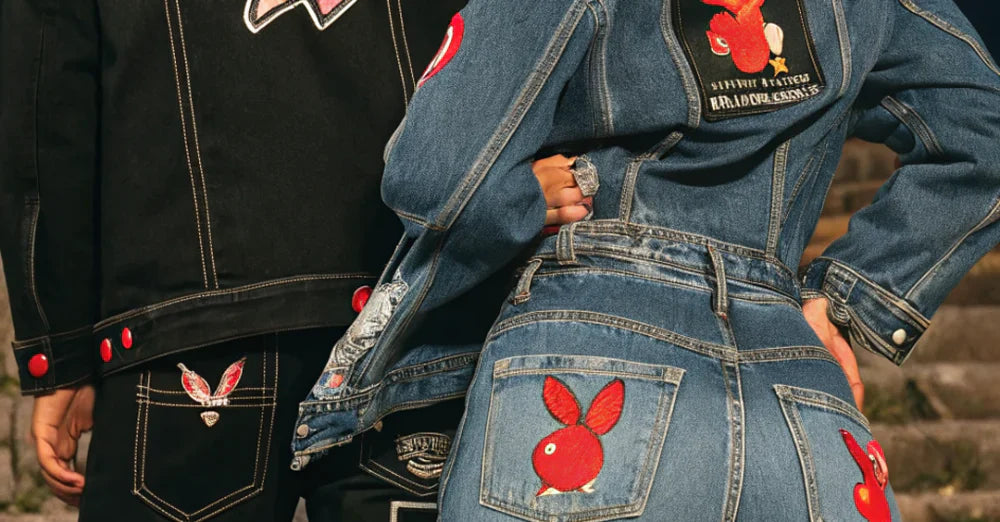
- Apparel (t-shirts, accessories, jewelry)
- Home goods
- Automotive accessories
- Electronics
- Fragrances
This merchandising transformed the bunny from adult content marker into mainstream fashion statement, particularly popular in streetwear and youth culture.
Pop Culture Presence
The logo has appeared in:
- Films (James Bond, comedies, dramas)
- Television (countless references, from The Simpsons to serious dramas)
- Music videos and album art
- Fine art (Andy Warhol and others appropriated the icon)
- Fashion runways (designers from Supreme to high fashion houses)
This saturation made the bunny recognizable globally, even in countries where Playboy magazine was banned.
Modern Brand Evolution
Playboy has transformed dramatically from its mid-century origins.
2016 Repositioning
Playboy magazine briefly stopped publishing nude photos, attempting to rebrand as a lifestyle publication for millennials. The argument: "You're now one click away from every sex act imaginable for free. It's just passé at this juncture."
This experiment proved short-lived—by 2017, Playboy returned to adult content, though with more inclusive, diverse representation reflecting contemporary values.
2020 Digital Transition
The final print edition appeared in spring 2020. Playboy now exists primarily as:
- Digital media platform
- Licensing operation
- Consumer products brand
- Entertainment content producer
Contemporary Values
Modern Playboy emphasizes:
- Body diversity (various sizes, races, gender expressions)
- Consent culture and sex-positivity
- LGBTQ+ inclusion
- Empowerment narratives over objectification
- Broader lifestyle content (fashion, technology, culture)
The bunny symbol remains, but what it signifies has evolved from "male fantasy" to "pleasure and personal freedom for all."
Playboy Pleasure: Enter the Sex Toy Market

The brand's expansion into intimate products represents logical evolution.
Product Line Launch
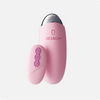
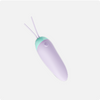
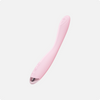
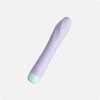
Playboy Pleasure launched with 34 products featuring sex toys explicitly bearing the iconic bunny logo. This marked the first time Playboy officially entered the pleasure products market under its own brand name.
Design Philosophy
Products feature:
- Sleek, sophisticated aesthetics (opalescent and jewel tones)
- Discreet bunny logo placement
- Body-safe materials (medical-grade silicone)
- Innovative features (heating, thrusting, multiple motors)
- Inclusive design for diverse bodies and orientations
Brand Alignment
Sex toys perfectly align with Playboy's core mission: pleasure, freedom, sexual exploration, and removing shame from sexuality. The products embody "Pleasure For All"—a contemporary evolution of Hefner's sexual revolution advocacy.
Product Categories
The Playboy Pleasure line includes:
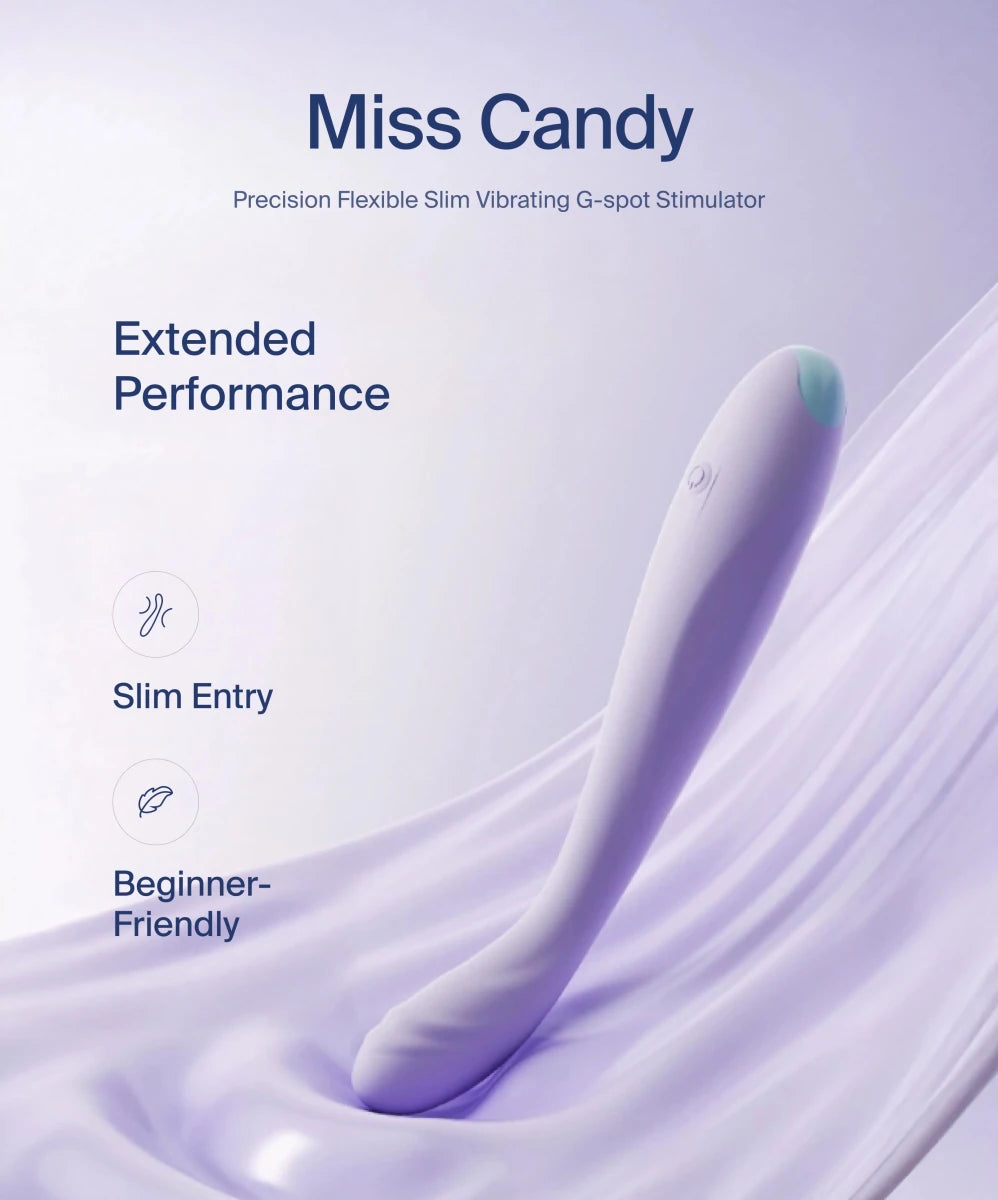
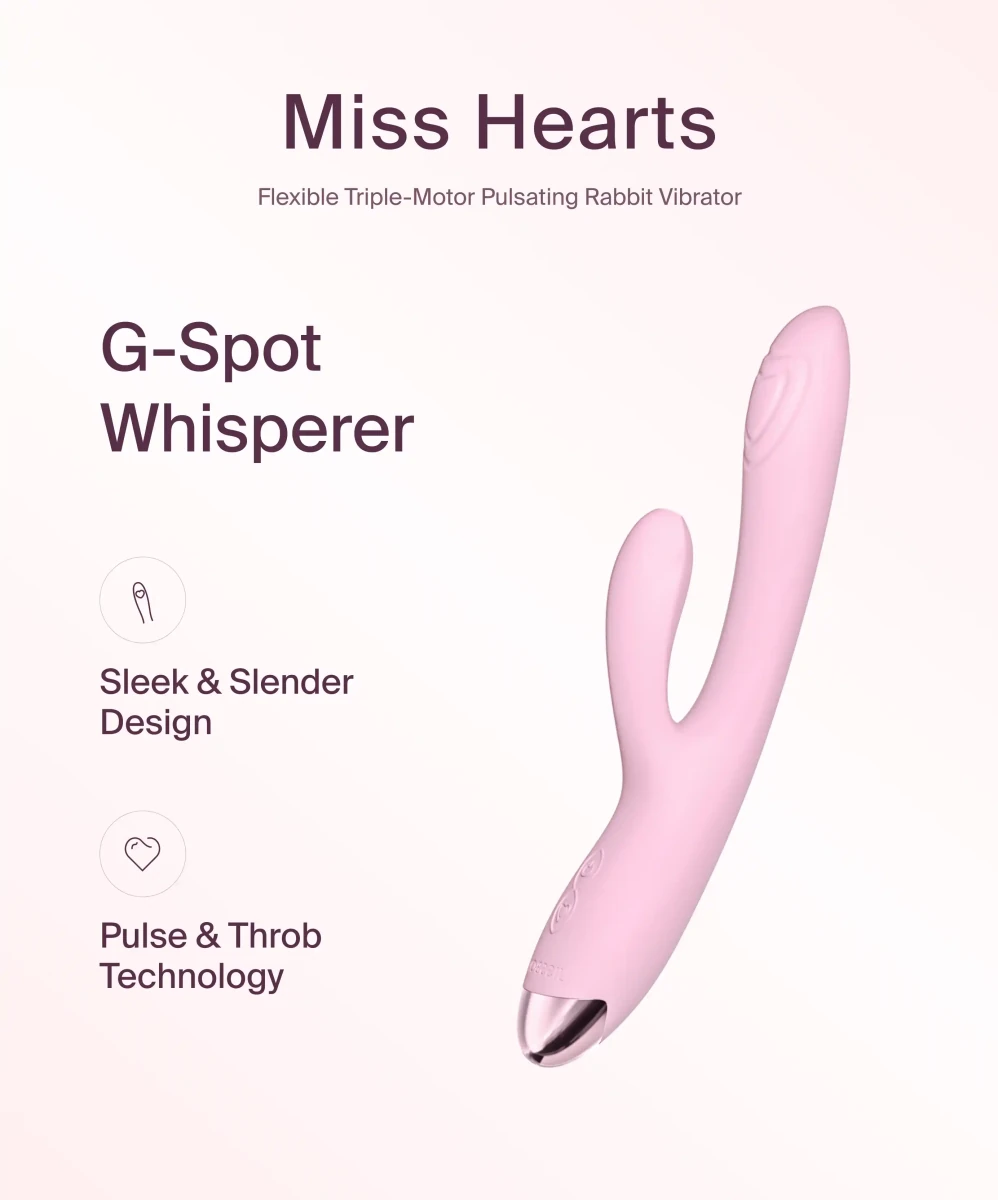
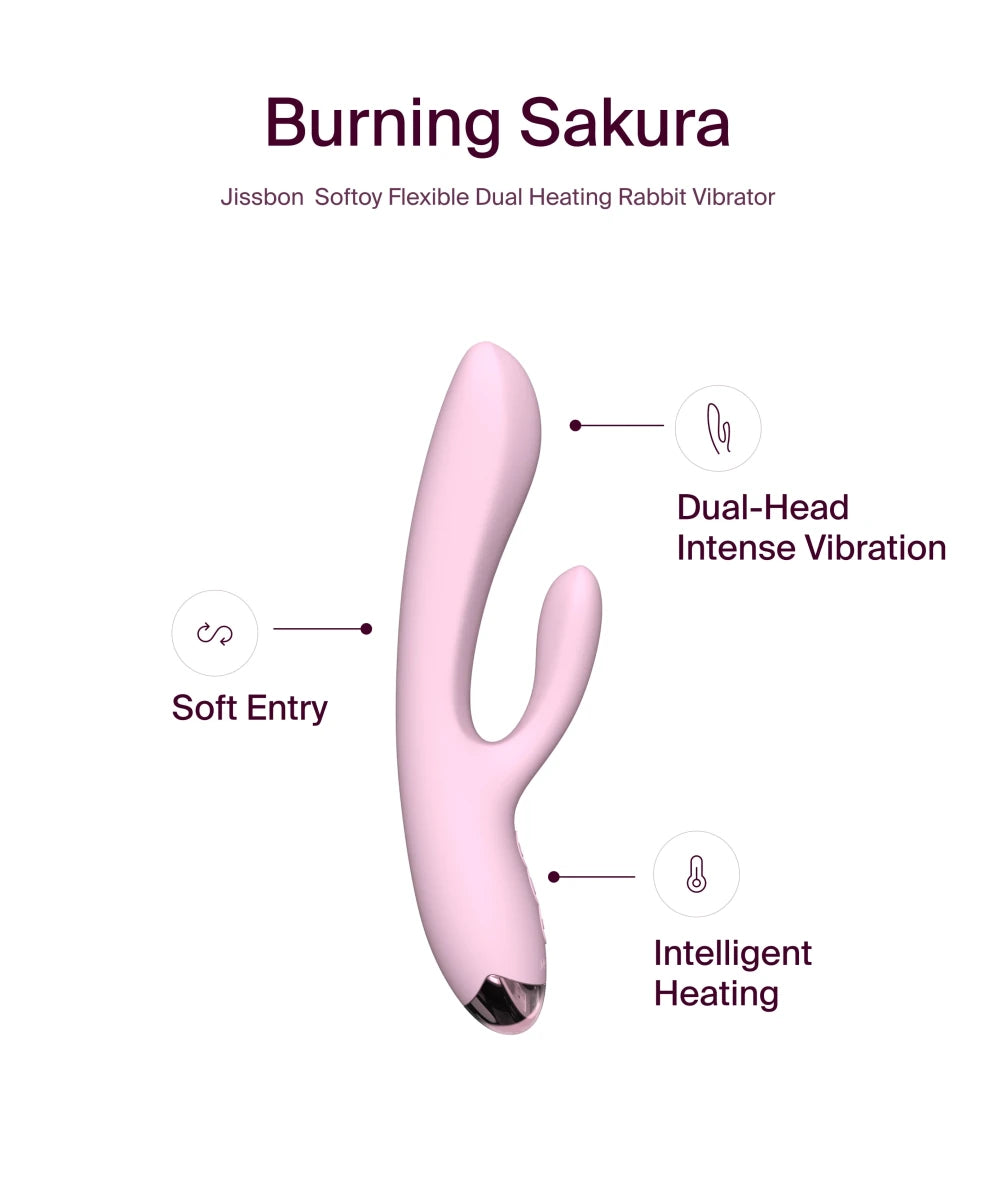
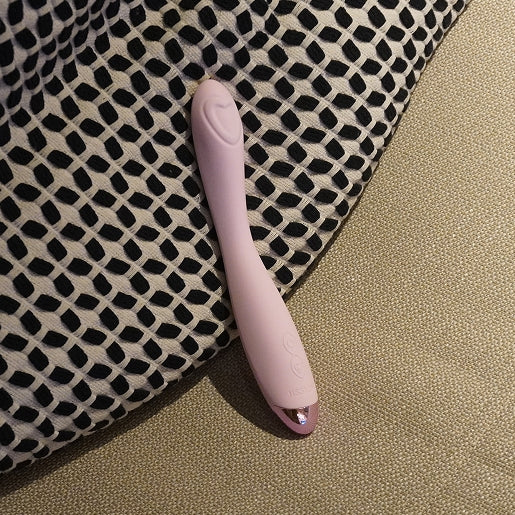
- Vibrators (bullet, wand, rabbit-style, G-spot)
- Couples toys (cock rings, wearable vibrators)
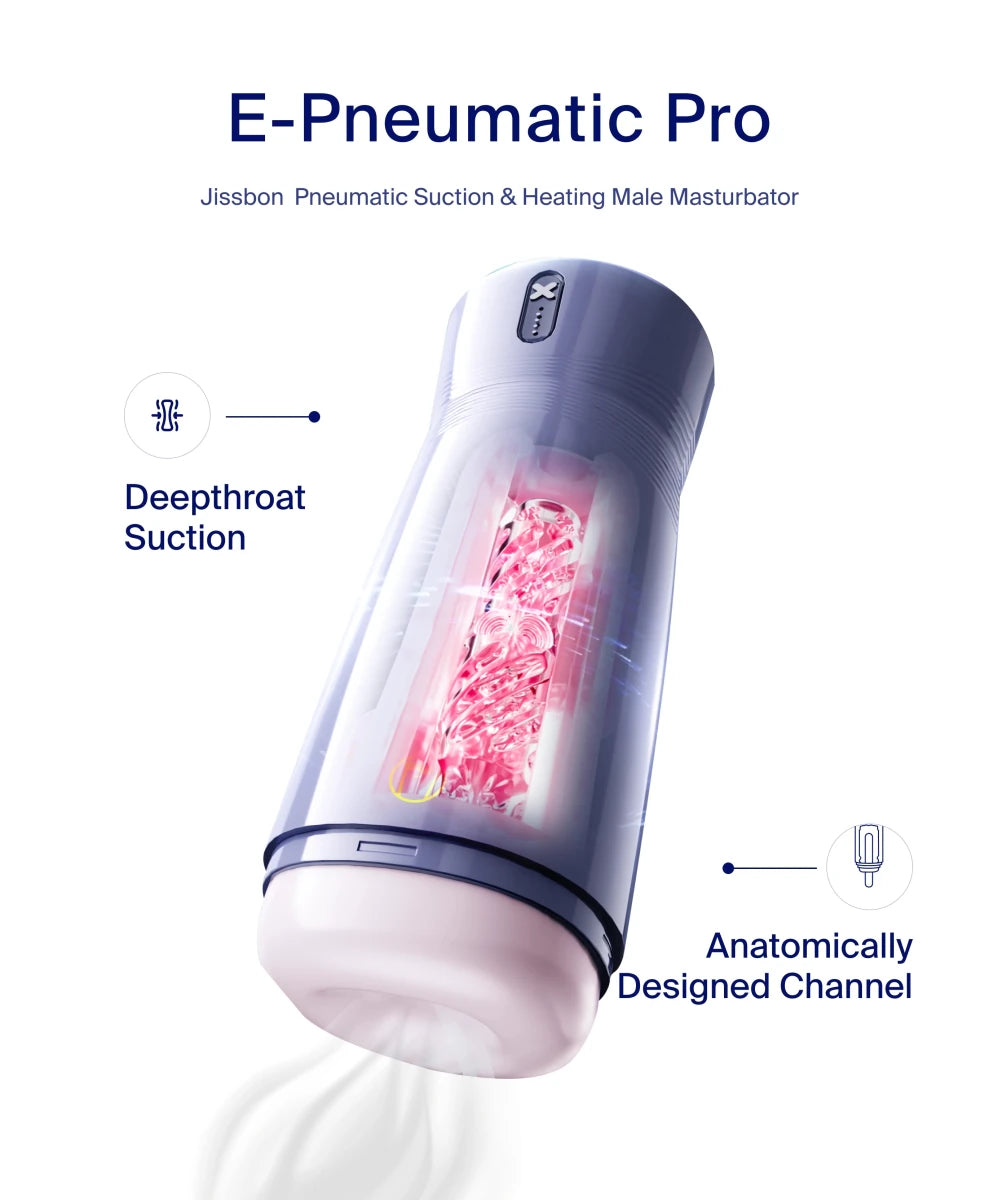
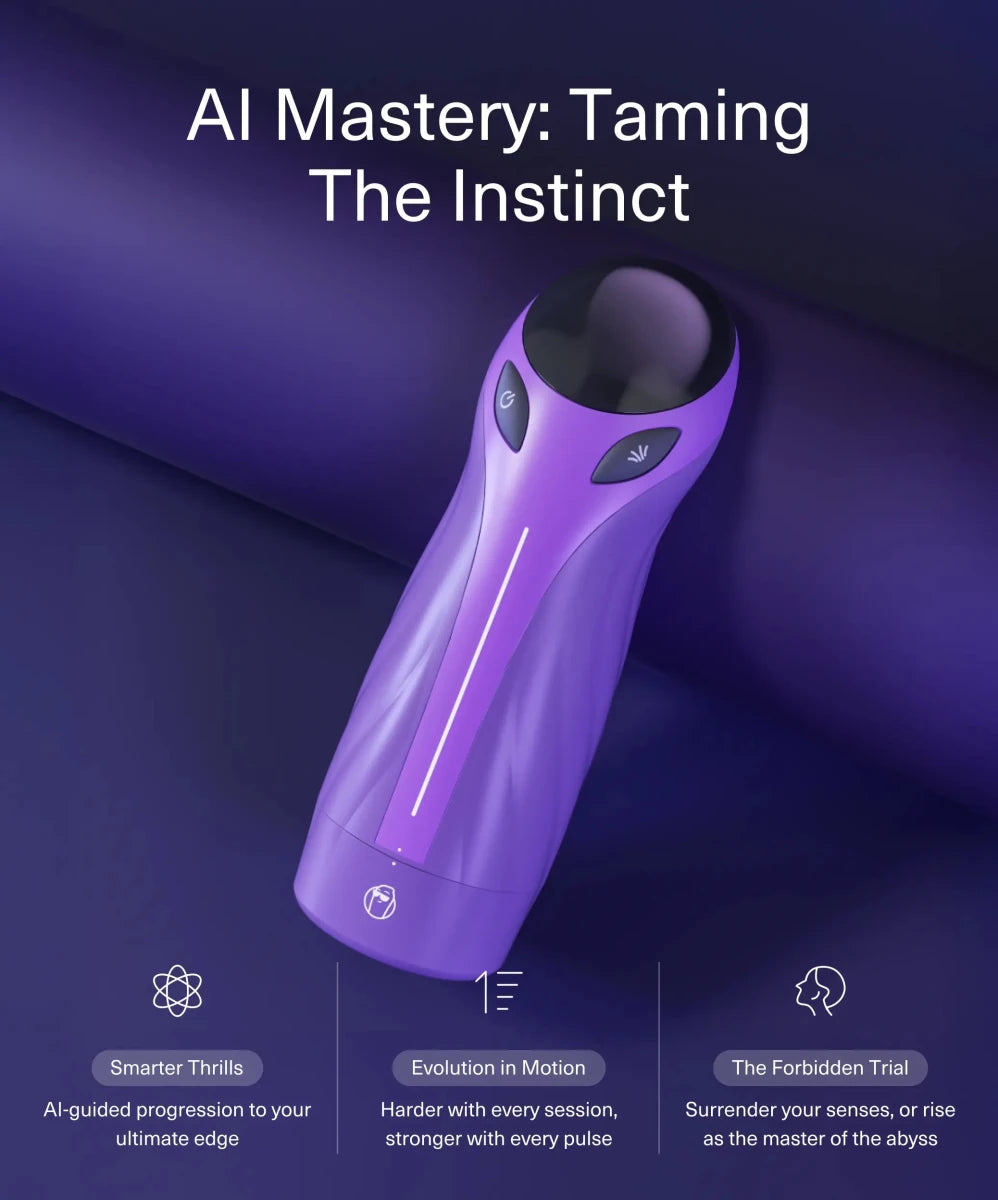
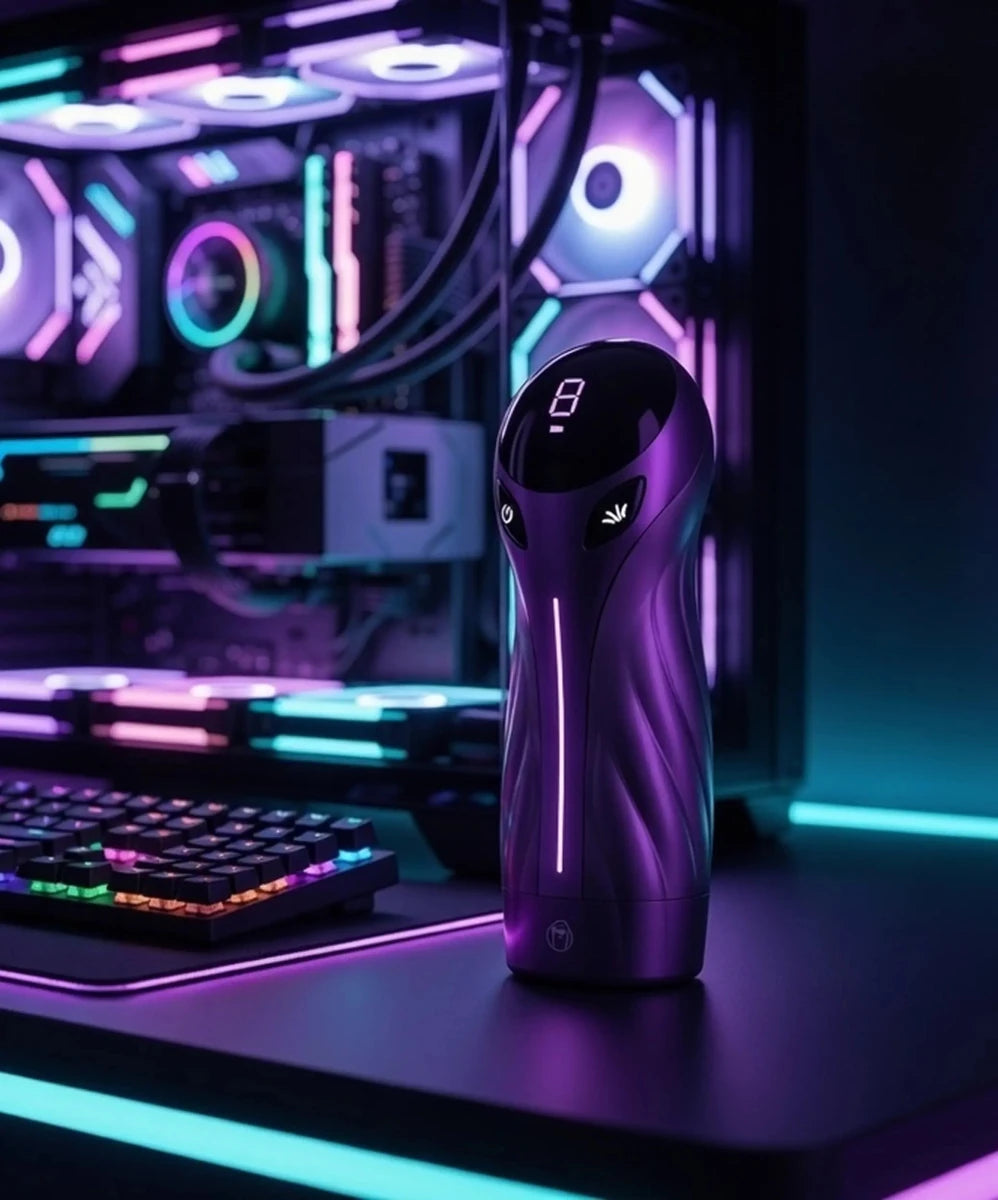
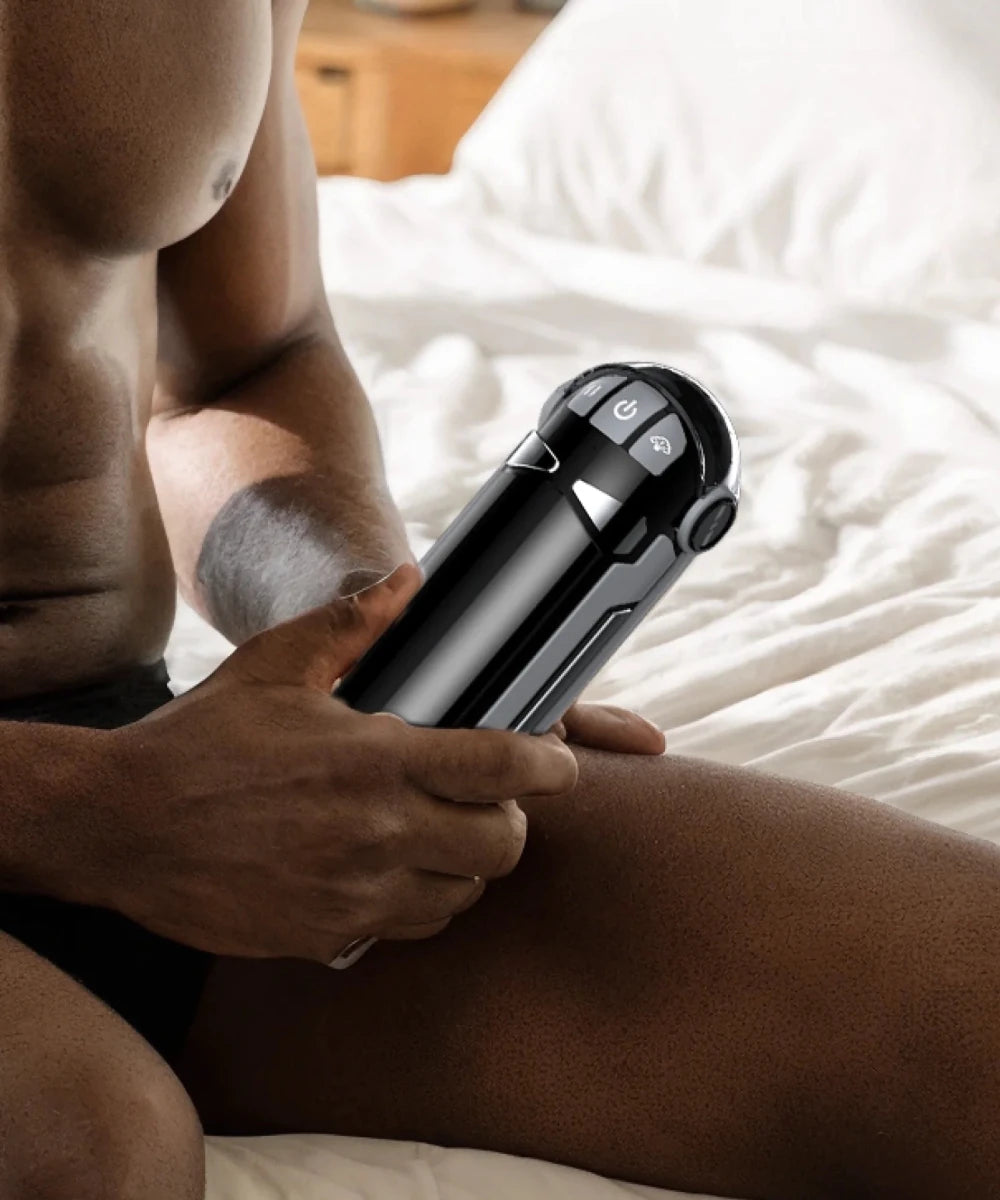
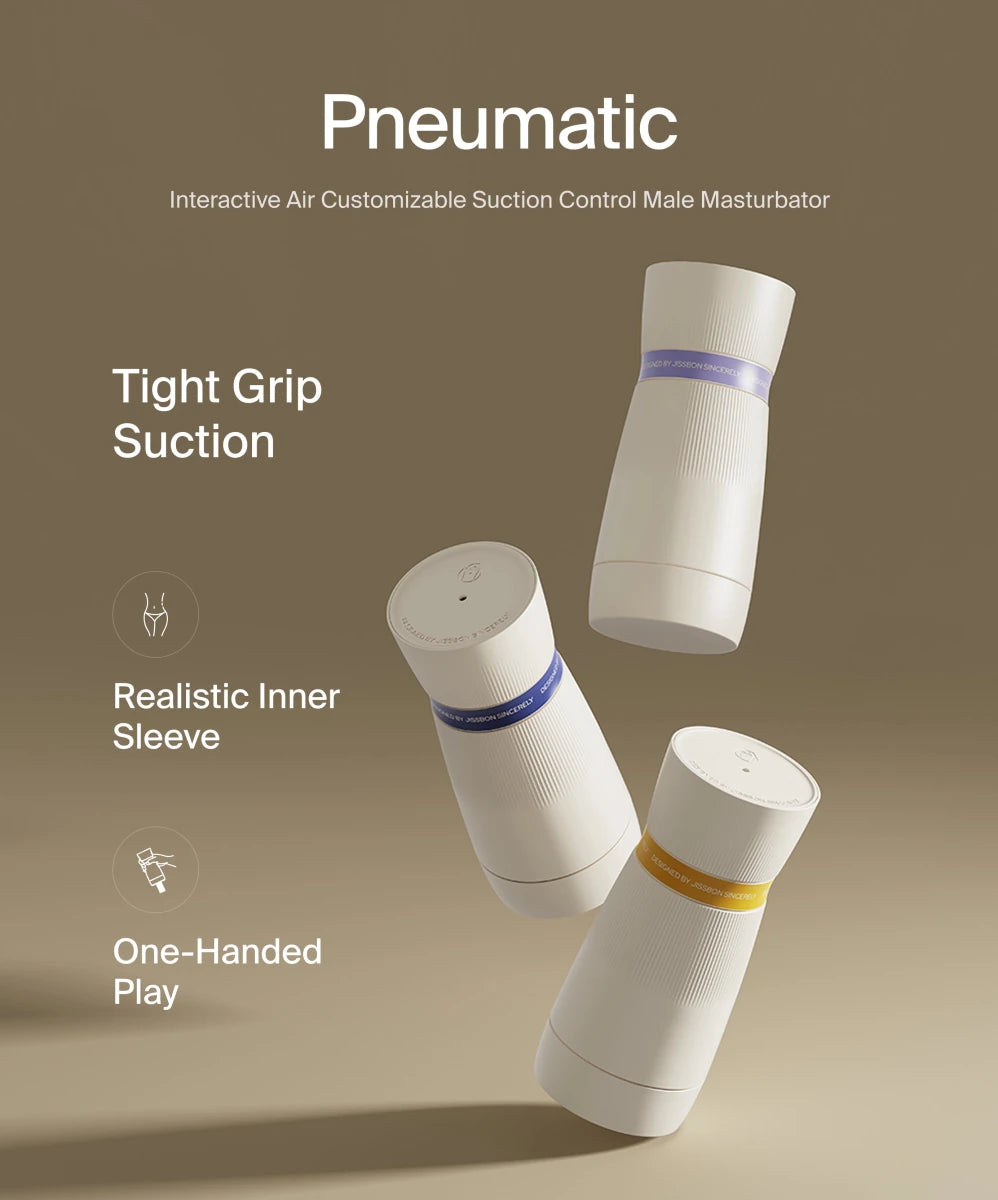
- Male masturbators and strokers
- Anal toys (plugs, prostate massagers)
- Accessories (lubricants, toy cleaners)
Quality options from this line available at retailers like Jissbon bring the iconic brand's sophistication to intimate wellness.
Notable Playboy Pleasure Products
Several innovative designs stand out in the collection.
Dual-Function Vibrators
Features:
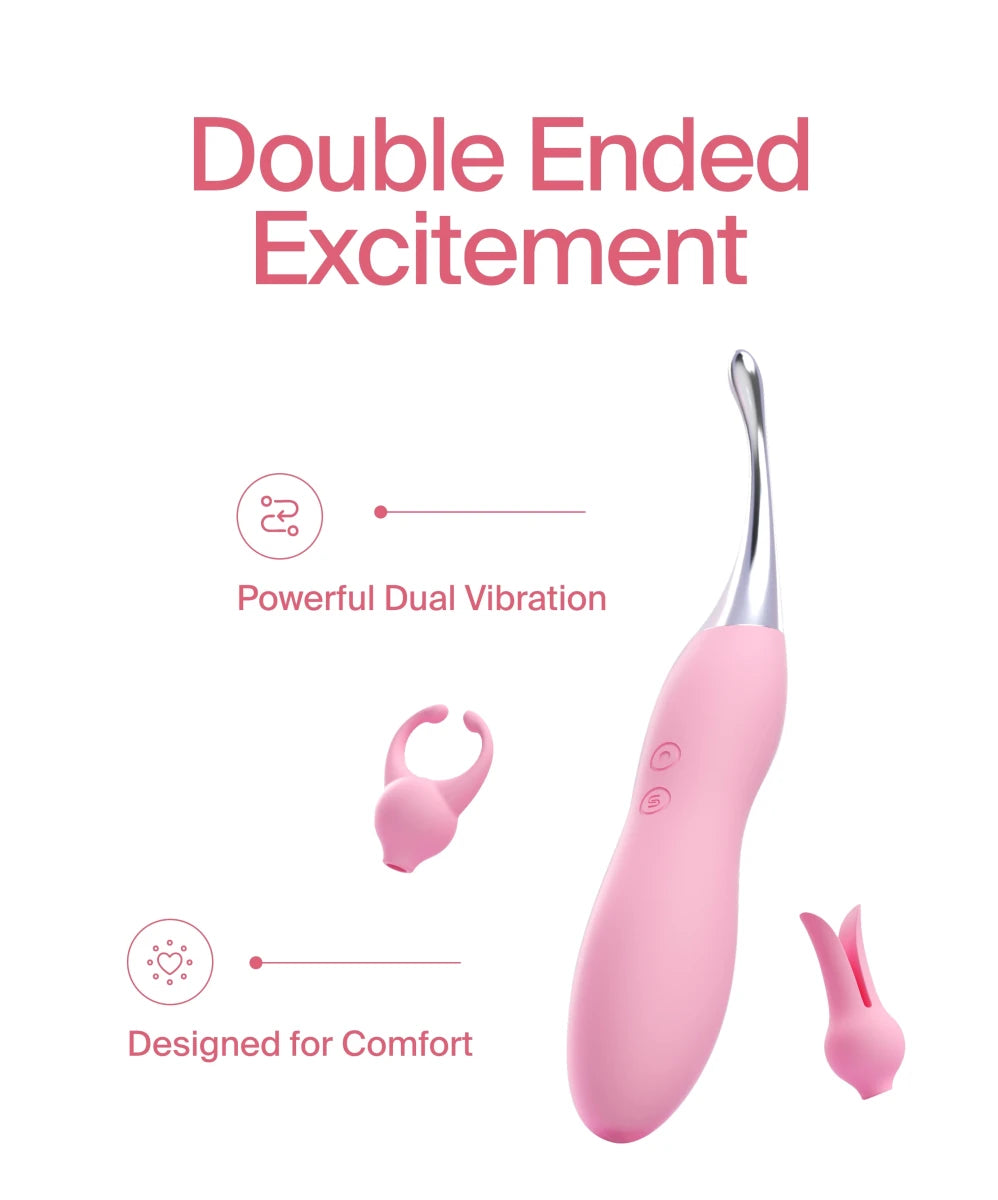
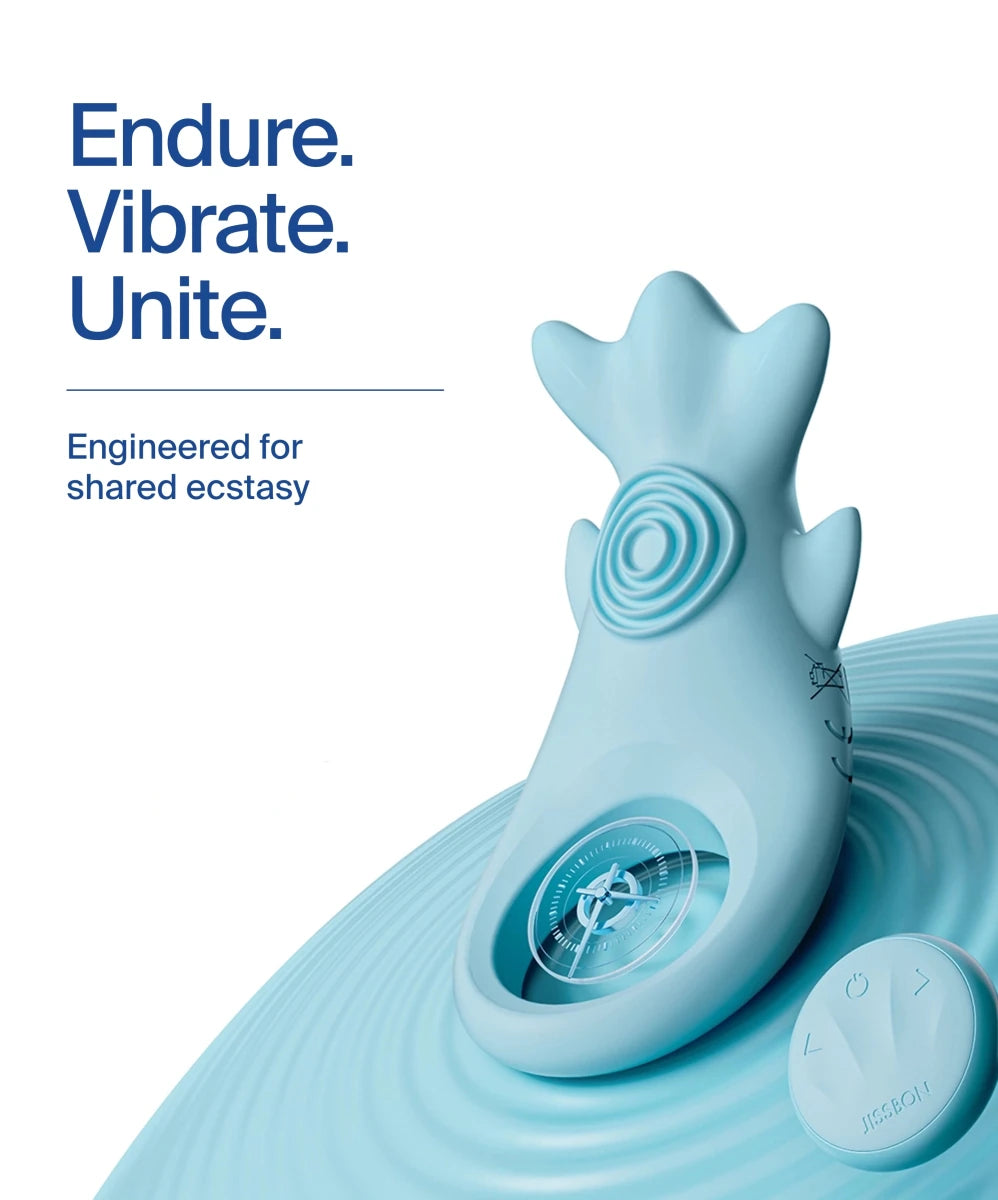
- Flickering tongue for clitoral stimulation mimicking oral sex
- Girthy handle doubling as penetrative toy
- Multiple motors with independent controls
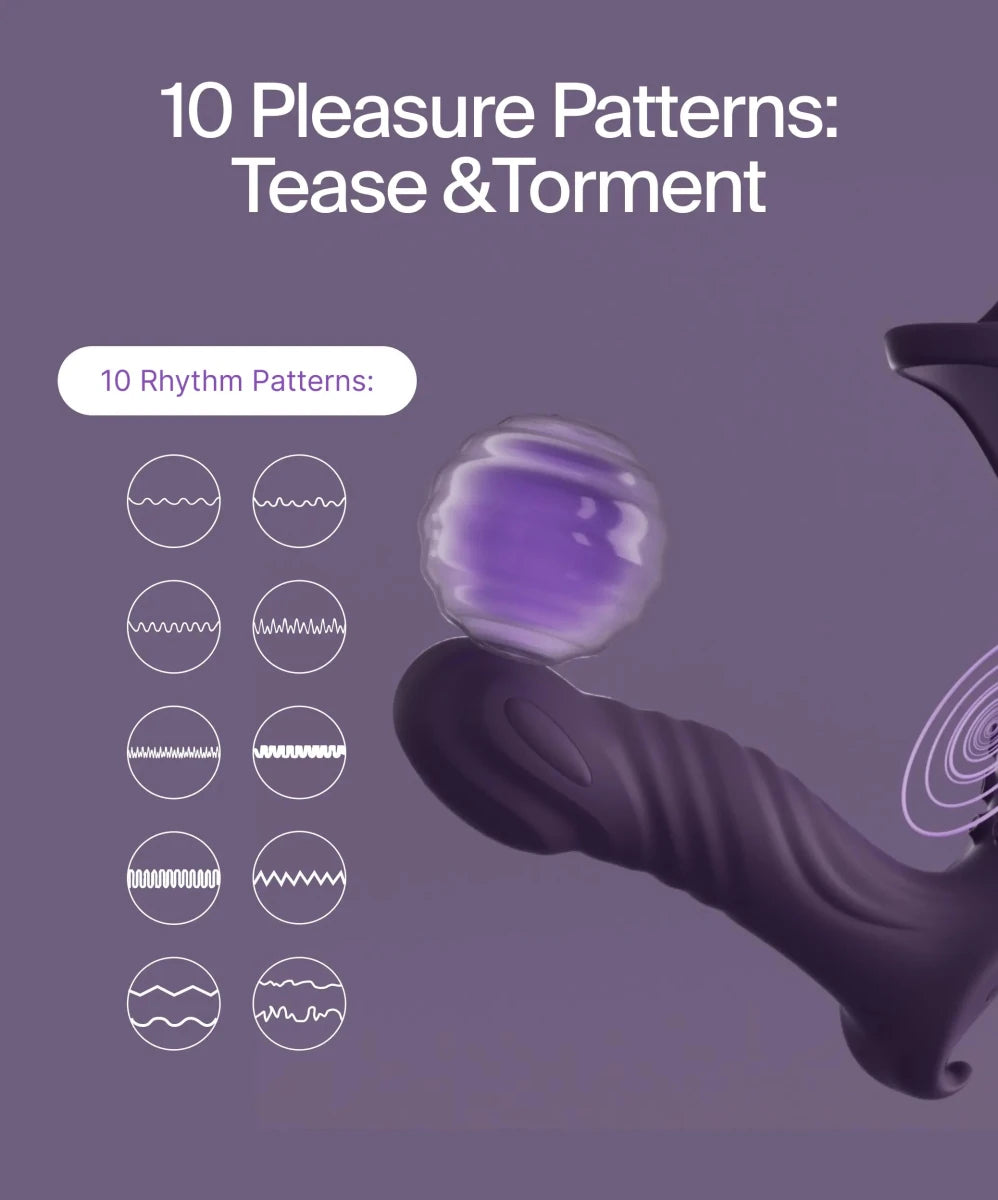
- 9+ vibration patterns and intensities
Innovation: Combines two distinct pleasure types in single device, reflecting Playboy's history of dual offerings (sophistication + sexuality).
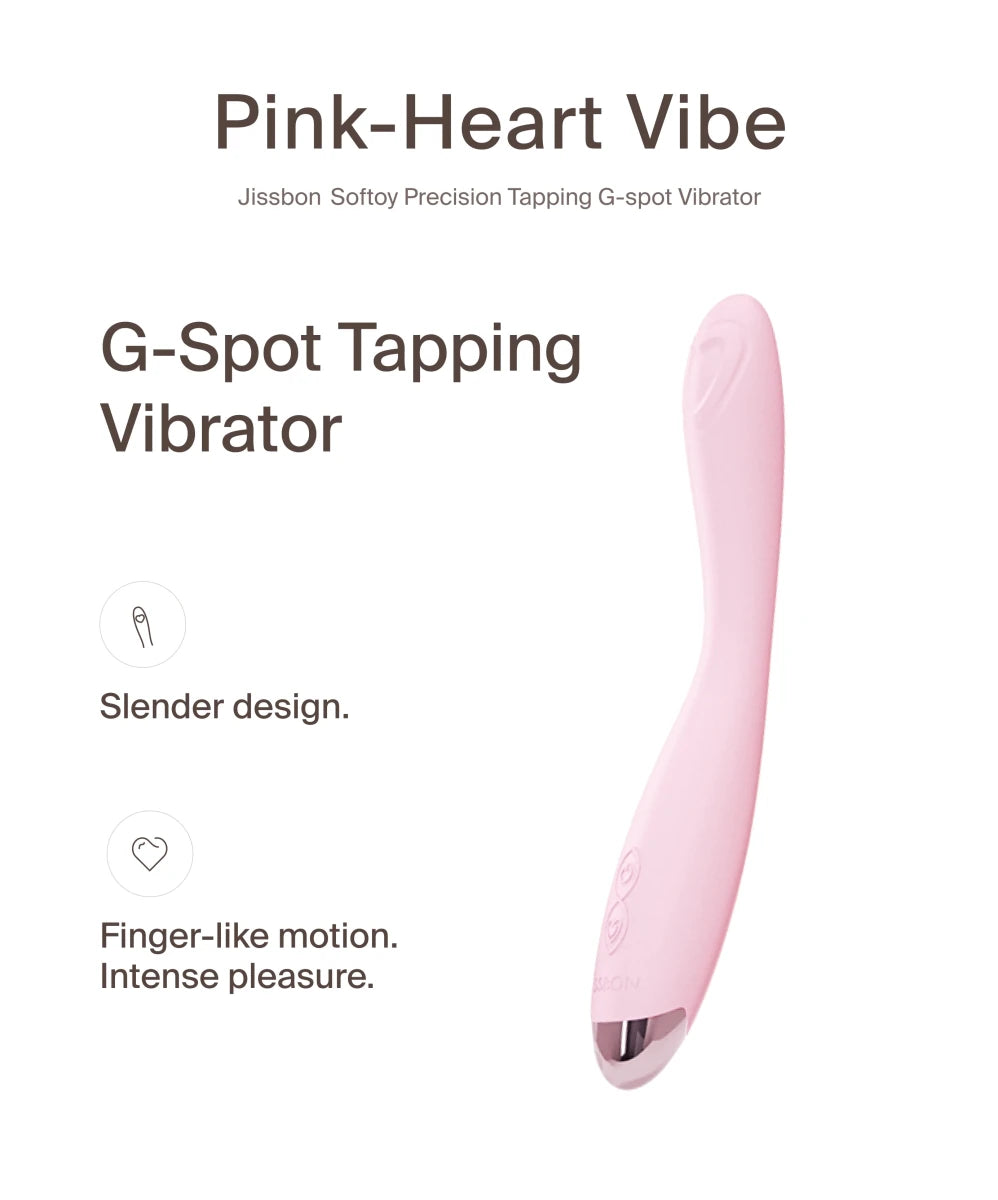
Tapping Vibrators
Features:
- Tapping motion creating different sensation than traditional vibration
- Ergonomic palm-friendly design for grinding
- Firm, rounded construction
- Modern aesthetic maintaining brand sophistication
Target User: People seeking non-traditional stimulation types, external-focus users, those who find standard vibration numbing.
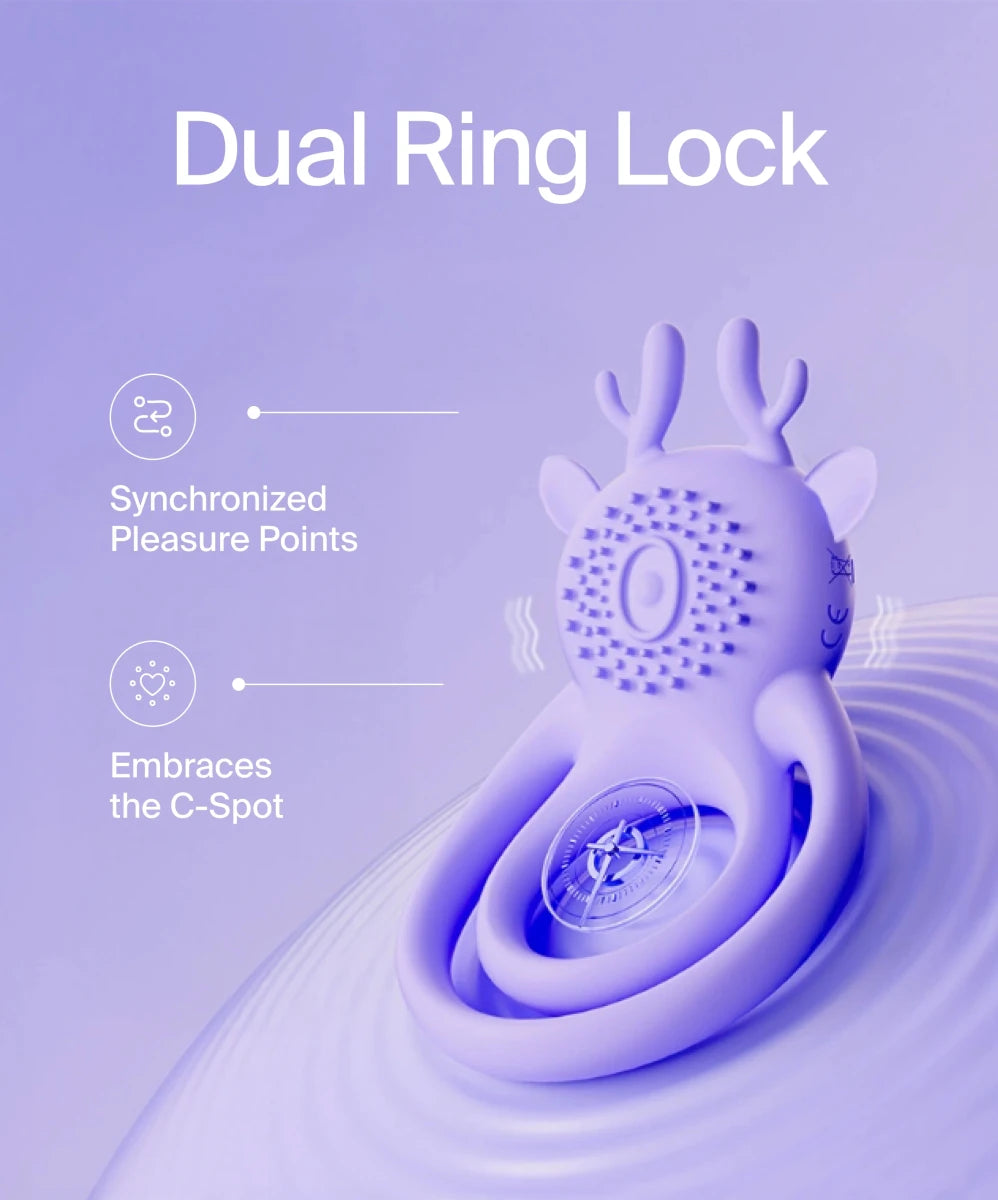
Advanced Cock Rings
Features:
- Double-loop design supporting firmness
- Vibrating arm for perineum and testicle stimulation
- Bulbous shaft with texture for partner pleasure
- 10+ vibration settings
Purpose: Enhances partnered sex for both people simultaneously—embodies Playboy's focus on mutual pleasure.
Premium Strokers
Features:
- Textured internal channel with varied sensations
- Transparent window for visual stimulation
- Moving beads for additional sensation
- Multiple vibration patterns
Design Consideration: Sophisticated aesthetics make a typically functional product feel luxury-worthy—signature Playboy approach.
Spinning Anal Toys
Features:
- Twirling, rotating motion for fullness
- Remote control for hands-free play
- Flared base for safety
- 7+ rotation patterns plus vibration
Innovation: Combines rotation with vibration—technical sophistication matching brand's innovative history.
Playboy Aesthetic: Design Language
What makes a product recognizably "Playboy"?
Color Palette
- Classic black and white (logo colors)
- Jewel tones (deep purples, blues, emeralds)
- Opalescent/iridescent finishes
- Metallic accents (gold, silver, rose gold)
These choices communicate luxury, sophistication, and contemporary aesthetics beyond typical "sex toy pink."
Material Quality
Premium silicone, metal accents, and quality engineering reflect brand positioning as aspirational lifestyle choice rather than budget adult products.
Logo Placement
Discreet bunny logo placement—recognizable to those who know, but not overtly advertising function. Allows products to exist on nightstands without screaming "sex toy."
Packaging
Playboy Pleasure packaging is "keepsake-worthy"—elegant boxes suitable for gifting, reflecting the brand's history of making sexuality sophisticated rather than shameful.
The Playboy Philosophy & Modern Intimacy
How does 1950s "Playboy philosophy" translate to contemporary pleasure?
Original Philosophy
Hefner's editorials advocated for:
- Sexual freedom as personal right
- Pleasure without shame or guilt
- Questioning puritanical morality
- Sophisticated approach to sensuality
- Individual expression over conformity
Contemporary Application
Modern interpretation emphasizes:
- Consent and communication
- Pleasure equality (not male-centric)
- Body diversity and inclusion
- Sex-positivity for all orientations
- Removing stigma from desire
Playboy Pleasure products embody this evolution—designed for diverse bodies, emphasizing mutual satisfaction, and positioned as wellness tools rather than guilty secrets.
Shopping Playboy Pleasure Products
What to consider when exploring this brand.
Price Range
Playboy Pleasure positions at mid-to-premium tier ($50-150 typically), reflecting:
- Quality materials and motors
- Brand prestige
- Sophisticated design
- Innovation features
Best For
- People valuing aesthetics alongside function
- Gift-givers wanting recognizable brand
- Those seeking sophisticated presentation
- Buyers wanting keepsake packaging
- Brand loyalty to Playboy ethos
Where to Buy
Authentic Playboy Pleasure products available from authorized retailers ensuring:
- Genuine products (counterfeits exist)
- Warranty protection
- Customer support
- Discreet shipping
Quality retailers like Jissbon stock verified Playboy Pleasure items with expert guidance.
Comparison to Other Brands
|
Factor |
Playboy Pleasure |
Other Premium Brands |
|
Brand Recognition |
Iconic, globally known |
Varies widely |
|
Design Aesthetic |
Sophisticated, luxury |
Ranges from clinical to playful |
|
Price Point |
Mid-to-premium |
Comparable quality brands similar |
|
Innovation |
Strong (heating, tapping, unique features) |
Depends on brand |
|
Cultural Cachet |
Significant (70 years heritage) |
Newer brands building recognition |
Frequently Asked Questions
Is the Playboy Bunny still used today?
Yes. Playboy still uses the bunny as its primary logo across:
- fashion
- digital media
- licensing
- Playboy Pleasure sex toys
The magazine no longer prints monthly issues but the brand continues globally.
What does the bow tie on the bunny mean?
It symbolizes sophistication and elevates the rabbit from a cartoon to a gentleman’s emblem, reinforcing the brand’s polished, upscale identity.
Are Playboy Bunnies the same as Playmates?
No.
- Playmates appeared in magazines as models.
- Bunnies were waitresses at Playboy Clubs. They are distinct roles.
Does Playboy still have clubs?
Not in their original form, but occasional pop-up experiences occur.
What is the modern meaning of being a “Playboy Bunny”?
Today it often symbolizes:
- empowerment
- confidence
- femininity
- luxury aesthetic
rather than service work in clubs.
What does "Playboy" actually mean?
Originally, "playboy" referred to a wealthy man pursuing pleasure and leisure rather than serious pursuits—somewhat derogatory. Hefner reclaimed it positively, representing men (and eventually all people) who prioritize enjoyment, sophistication, and freedom alongside professional success.
Is the Playboy Bunny logo copyrighted?
Yes, extensively. Playboy Enterprises vigorously protects its trademark. Unauthorized use faces legal action. Only licensed products may display the bunny logo, which is why authentic Playboy Pleasure items matter.
Why did Playboy start making sex toys?
Logical brand extension—Playboy always centered on sexuality and pleasure. As cultural stigma around sex toys decreased and the wellness market grew, launching a pleasure product line aligned perfectly with brand identity and "Pleasure For All" mission.
Are Playboy Pleasure products good quality?
Yes—mid-to-premium quality with body-safe materials, reliable motors, and thoughtful design. They compete well with other established pleasure brands at similar price points. Brand recognition doesn't replace quality; Playboy invested in legitimate product development.
Who owns Playboy now?
Playboy went public via SPAC merger in 2021 under ticker PLBY. The company operates as PLBY Group, a lifestyle and media brand. Hugh Hefner died in 2017; his son Cooper Hefner has been involved in various capacities.
Can I wear Playboy merchandise publicly?
The bunny logo appears widely on mainstream fashion. While originally adult content-related, it's now common streetwear, especially in youth culture. Context matters—Playboy t-shirts are generally acceptable; explicitly sexual imagery less so.
Conclusion
The Playboy Bunny has journeyed from a quickly-sketched magazine logo in 1953 to one of the world's most recognized symbols, representing sexual liberation, sophisticated pleasure, and lifestyle aspiration across seven decades.
Its evolution from adult entertainment to comprehensive lifestyle brand—now including thoughtfully designed intimate products through Playboy Pleasure—reflects broader cultural shifts toward sex-positivity, wellness focus, and removing shame from desire. Whether drawn to the brand's iconic heritage, sophisticated aesthetics, or quality products, the bunny continues embodying playful rebellion and freedom to pursue pleasure.
Ready to explore products from this legendary brand? Discover authentic Playboy Pleasure items combining iconic design with modern intimate wellness innovation at Jissbon.


Looking for something else?
What Is Flogging in Sex? Complete BDSM Flogging Guide
LEARN MORE
What Does Overstimulated Mean Sexually? Causes & Solutions
LEARN MORE
Can You Get a Tattoo on Your Vagina? Safety, Pain & What to Expect
LEARN MORE
Public Sex Kink: Understanding Exhibitionism & Safe Exploration
LEARN MORELooking for something else?

A-Spot Orgasm: Best Positions & How to Find It
LEARN MORE
Bondage Play: Complete Beginner's Guide to Rope BDSM
LEARN MORE
Vibrator Stories: Real Experiences, Tips & What to Expect
LEARN MOREYou may also like
20% off

20% off

20% off

20% off

20% off

20% off

Further reading
How to Clean an Automatic Blowjob Machine Without Damaging the Motor
Remote-Controlled Automatic Masturbators for Couples and Solo Play
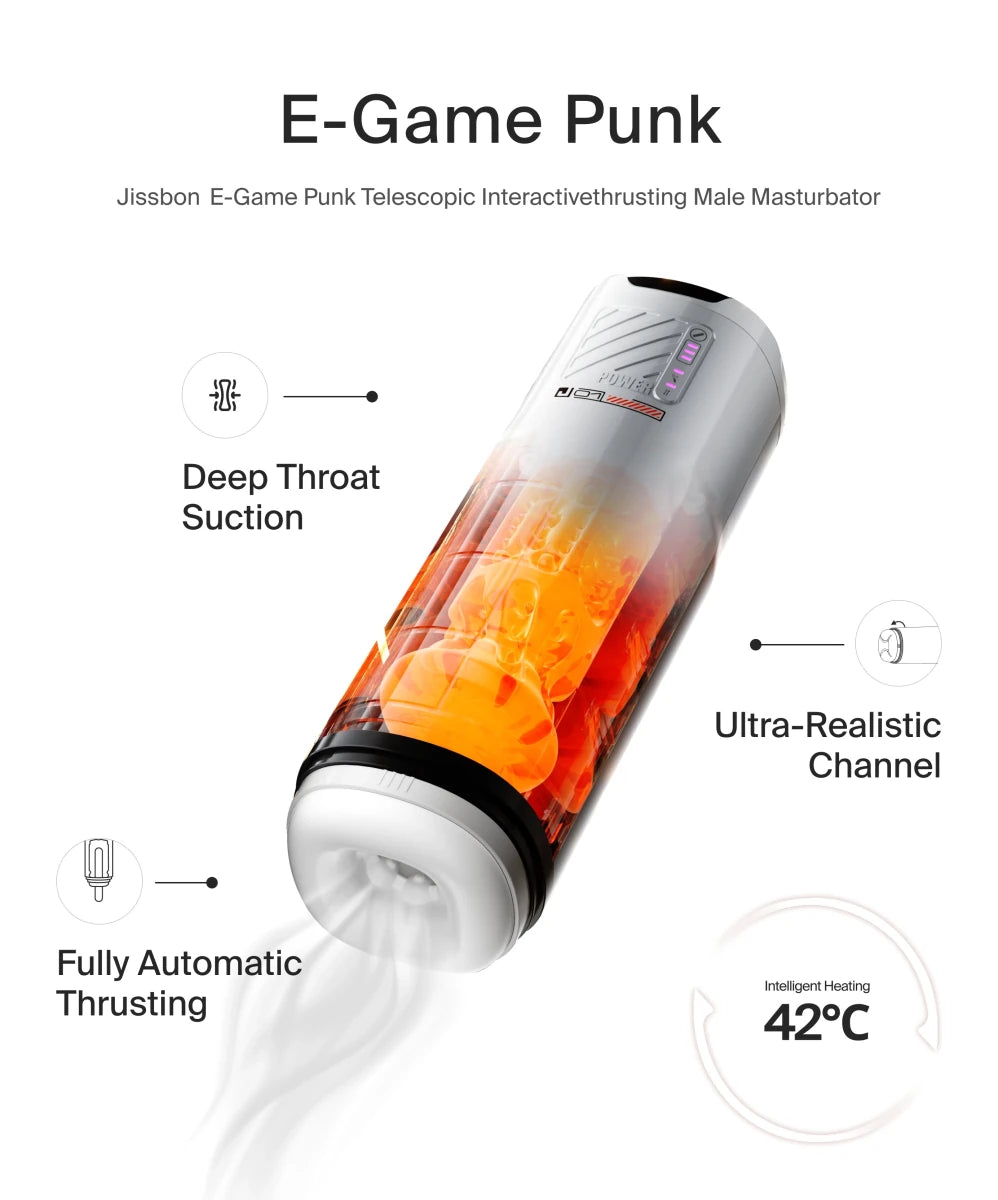
Best Automatic Strokers for Edging and Stamina Training