










































The Perfect Vagina Doesn't Exist: Celebrating Natural Diversity
Stack & Save: Extra 15% with Jissbon15
Jissbon15
The concept of a "perfect vagina" is a harmful myth perpetuated by unrealistic beauty standards, selective pornography, and medical marketing. In reality, vulvas (the external genitalia including labia, clitoris, and vaginal opening) vary enormously in size, shape, color, and symmetry—all completely normal and healthy.
Understanding this natural diversity combats body shame, reduces unnecessary cosmetic procedures, and promotes sexual confidence. Whether you're questioning your own appearance, seeking reassurance about normality, understanding anatomy terminology, exploring the rise of cosmetic genital surgery, or building body confidence, this comprehensive guide addresses vulva/vagina anatomy, the spectrum of natural variation, debunking harmful standards, health versus aesthetics, and embracing your unique body.
What Doctors Say: No Medical Definition of a “Perfect” Vulva
Medical consensus is clear:
There is no clinical standard for what a vulva “should” look like.
Large-scale studies from gynecologists and sexual-health organizations show:
- Labia length varies from 0.4 cm to 6+ cm
- Color varies widely across all skin tones
- Symmetry is uncommon
- Texture differences (smooth, folded, ruffled) are normal
- Post-puberty hormonal changes alter appearance in predictable ways
- Vaginal opening size varies with arousal, pelvic floor tone, age, childbirth, and genetics
Key medical takeaway:
Vulvas are as unique as faces—no two are identical, and none are wrong.
Doctors emphasize FUNCTION over appearance:
- No pain
- No infection
- No bleeding
- No obstructed urination
- No persistent discomfort
If a vulva functions well, it is healthy.
How Pornography Created the “Perfect” Vulva Illusion
Mainstream porn studios historically prefer:
- Short labia
- Pink coloration
- Tight clitoral hood
- Minimal pubic hair
- Narrow vaginal opening appearance
Why?
-
Casting bias
Performers are selected for a specific “youthful” aesthetic, not because it’s common. -
Editing
Lighting, digital retouching, color adjustments, and angle selection distort reality. -
Publication rules
Many early magazines and platforms required “closed” vulvas due to censorship laws, pushing the tucked-in look. -
Surgery prevalence in performers
Some performers undergo labiaplasty because the industry rewards a specific look.
Result:
People assume that extremely rare anatomy is the standard — and their own normal vulva is somehow wrong.
Anatomy Clarification: Vulva vs. Vagina
Common terminology confusion creates barriers to understanding and discussing genital diversity.
The Vagina
The vagina is specifically the internal muscular canal connecting the external genitalia to the cervix and uterus. You cannot see the vagina by looking at external genitalia—it's entirely internal.
The Vulva
The vulva encompasses all external genital structures, including:
- Mons pubis: Fatty tissue mound over pubic bone (typically hair-covered)
- Labia majora: Outer "lips" (often hair-covered)
- Labia minora: Inner "lips" (hairless, varying greatly in size and protrusion)
- Clitoris: Pleasure organ with external glans and internal structures
- Clitoral hood: Skin fold covering clitoral glans
- Vaginal opening: Entry to internal vaginal canal
- Urethral opening: Separate from vagina, for urination
- Perineum: Area between vaginal opening and anus
Why the Distinction Matters
When people search "perfect vagina," they're typically referring to vulva appearance. This linguistic confusion contributes to anatomical ignorance and body shame. Knowing correct terminology empowers accurate communication with healthcare providers and partners.
The Spectrum of Normal Vulva Variation

Natural diversity far exceeds what's portrayed in mainstream media.
Labia Minora (Inner Lips)
The most varied feature with enormous natural range:
Size & Protrusion:
- Some labia minora are completely hidden by labia majora
- Others protrude significantly beyond outer lips (1-2+ inches)
- Both extremes and everything between are normal
Symmetry:
- Perfectly symmetrical labia are rare
- One side commonly larger, longer, or shaped differently
- Asymmetry is the norm, not the exception
Texture:
- Some are smooth
- Others have ruffled, wavy, or scalloped edges
- Texture variations don't affect function
Color:
- Pink, brown, purple, red, or multi-toned
- Often darker than surrounding skin
- Color deepens with arousal (increased blood flow)
- Pregnancy and hormones can change coloration
Labia Majora (Outer Lips)
Also highly variable:
- Full and cushioned versus thin and flat
- Wide gap between or touching in middle
- Visible or completely hidden by thigh closure
- Smooth or wrinkled texture
- Hair coverage varies (some hair-free, others fully covered)
Clitoral Hood & Glans
- Small, barely visible clitoral glans versus prominently exposed
- Hood fully covering versus partially exposing glans
- Both functional regardless of visibility
Overall Vulva Appearance
Research published in medical journals documents vulva diversity through examination of thousands of individuals. Key findings:
- No "average" exists: Measurements create ranges, not standards
- Age affects appearance: Puberty, childbirth, menopause all change structures
- Ethnicity correlates with some features: But individual variation within ethnic groups exceeds between-group differences
- Weight fluctuation impacts appearance: Mons and labia majora contain fatty tissue
The Harmful "Perfect Vagina" Standard
How did this fictional ideal emerge and persist?
Pornography's Selective Representation
Mainstream pornography disproportionately features:
- Small, symmetrical labia minora (often surgically modified)
- Light pink coloration
- Minimal pubic hair
- Tucked, "neat" appearance
This selective casting creates false baseline for "normal." Viewers—especially young people forming initial concepts of genital appearance—internalize these rare characteristics as standard.
Medical Marketing
The U.S. Food and Drug Administration issued warnings to seven companies marketing vaginal rejuvenation procedures with advertisements selling promises to "tighten and refresh" vulvas, often targeting insecurities about postmenopausal symptoms or appearance.
These aggressive marketing campaigns:
- Manufacture problems that don't exist
- Prey on body insecurity
- Present cosmetic procedures as medical necessity
- Downplay risks and lack of long-term safety data
Social Media & Photo Editing
Filtered, edited images create impossible standards. Just as facial beauty filters distort expectations, genital photo editing (yes, this happens) presents artificial ideals.
Cultural Taboos Around Genital Diversity
Limited education about normal genital variation leaves people with:
- No reference points except pornography or edited images
- Shame discussing concerns with healthcare providers
- Isolation believing they're uniquely "abnormal"
- Vulnerability to marketing exploiting these insecurities
The Rise of Cosmetic Genital Surgery

Labiaplasty rates have surged, raising medical and ethical concerns.
Procedure Types
Labiaplasty: Surgical reduction of labia minora size, typically removing protruding tissue to create "tucked" appearance.
Vaginoplasty: Tightening vaginal canal, often marketed to postpartum individuals or those believing they're "too loose."
Clitoral Hood Reduction: Removing excess tissue around clitoris for aesthetic preferences.
Statistical Trends
A report by the International Society of Aesthetic Plastic Surgery revealed that labiaplasty procedures increased by 39% in just one year. This dramatic spike correlates with:
- Increased pornography consumption
- Social media beauty culture
- Aggressive cosmetic surgery marketing
- Normalized discussion of previously taboo procedures
Age Demographics
Alarmingly, many seeking these procedures are teenagers. Some countries have banned labiaplasty on minors except for medical necessity, recognizing:
- Bodies still developing
- Inability to provide fully informed consent
- High likelihood procedures stem from temporary insecurity
- Long-term regret rates
Medical Concerns
According to sexual health guidance from Planned Parenthood, there's barely any proof these therapies actually work or are even safe, given the absence of long-term studies.
Risks include:
- Infection
- Scarring
- Reduced sensation or nerve damage
- Painful sex
- Dissatisfaction with results
- Need for revision surgeries
Psychological Considerations
Researchers are concerned that individuals are not receiving substantial psychological support before opting for surgery. Many who pursue cosmetic genital surgery meet criteria for body dysmorphic disorder—a mental health condition where therapy, not surgery, is appropriate treatment.
Actual Medical Concerns vs. Aesthetic Preferences
Distinguishing between health issues requiring intervention and normal variation.
Legitimate Medical Reasons for Surgery
Physical Discomfort:
- Large labia causing pain during exercise, cycling, or intercourse
- Chronic irritation or chafing from clothing
- Difficulty with hygiene leading to recurrent infections
Functional Impairment:
- Vaginal prolapse (organs descending into vaginal canal)
- Severe vaginal looseness impacting continence or function after childbirth trauma
- Congenital abnormalities affecting urination or menstruation
Post-Trauma Reconstruction:
- Female genital mutilation/cutting repair
- Birth injury repair
- Accident-related damage
Aesthetic-Only Motivations
Purely cosmetic concerns warranting body acceptance work rather than surgery:
- "My labia are too long/dark/asymmetrical"
- "I don't look like pornography"
- "My partner made a comment"
- "I'm embarrassed"
These motivations deserve compassionate response acknowledging real distress while redirecting toward body acceptance rather than surgery.
What Actually Matters: Health & Function
Shifting focus from appearance to what genuinely impacts wellbeing.
Signs of Healthy Vulva/Vagina
- Minimal odor (slight musky smell is normal)
- Clear to white discharge varying with menstrual cycle
- No persistent itching, burning, or unusual pain
- Skin intact without open sores or lesions
- Ability to urinate comfortably
- Sexual activity possible without pain (with adequate arousal and lubrication)
When to Seek Medical Attention
- Strong fishy or foul odor
- Green, yellow, or gray discharge
- Severe itching or burning
- Painful urination
- Bleeding between periods or after sex
- Visible sores, lumps, or lesions
- Pain during sex despite adequate arousal and lubrication
Maintaining Vulvovaginal Health
- Gentle washing with warm water (soap unnecessary for vulva)
- Never douche (disrupts healthy vaginal flora)
- Cotton underwear allowing airflow
- Change out of wet clothing promptly
- Wipe front-to-back after bathroom use
- Practice safer sex preventing STI transmission
- Regular gynecological checkups
Building Body Confidence & Acceptance

Practical approaches to embracing your unique vulva.
Educational Exploration
Mirror Work: Use a hand mirror examining your vulva in good lighting. Familiarize yourself with your specific anatomy. This demystification reduces shame.
Anatomical Resources: View medical illustrations or photography projects documenting vulva diversity (The Vulva Gallery, The Great Wall of Vagina sculpture project, educational medical sites). Seeing real range normalizes variation.
Accurate Information: Read evidence-based sexual health resources. Knowledge combats shame born from ignorance.
Therapeutic Approaches
Cognitive Reframing: When critical thoughts arise ("My labia are too long"), consciously replace with factual statements ("My labia are within normal range. Variation is natural.")
Body Neutrality: Rather than forcing positive feelings, adopt neutral stance: "This is my body. It functions well. Its appearance doesn't define my worth."
Professional Support: Therapists specializing in body image or sexual health help process distress without immediately resorting to surgery.
Communication Skills
With Partners: If partner comments negatively on your vulva, that reflects their ignorance or cruelty—not your inadequacy. Educate or reconsider the relationship.
Confident communication: "All vulvas look different. This is what normal, healthy genitalia look like."
With Healthcare Providers: Don't tolerate dismissiveness. Seek providers who take vulva-related concerns seriously while distinguishing between medical issues and normal variation.
Self-Compassion Practice
- Speak to yourself as you would a friend with identical concerns
- Challenge internalized beauty standards
- Recognize your vulva has served you well (menstruation, sex, possibly childbirth)
- Cultivate gratitude for functionality over appearance
Addressing Common Questions & Concerns
"Do Partners Care What My Vulva Looks Like?"
Partners worthy of your intimacy focus on connection, pleasure, and mutual respect—not scrutinizing anatomy. Most people, when privileged to see a partner's vulva, feel excited and appreciative rather than judgmental.
If a partner expresses negativity about your vulva appearance, that reveals their ignorance about normal anatomy and unsuitability as an intimate partner.
"Will My Vulva Change Over Time?"
Yes, naturally:
- Puberty: Labia darken and grow
- Pregnancy: Increased blood flow temporarily changes appearance; color may darken permanently
- Childbirth: May stretch or tear tissue (usually heals well)
- Menopause: Decreased estrogen can thin tissues, reduce fullness, increase dryness
- Aging: Like all body parts, skin loses elasticity
These changes are normal, not defects requiring correction.
**"Does Pubic Hair Affect Appearance?"
Hair is natural, protective, and completely your choice. Some hair-removal methods (waxing, laser) became normalized through pornography influence, but:
- Full pubic hair is healthy
- Partial grooming is fine
- Complete removal is optional, not required
- Hair provides cushioning and reduces friction during sex
Style your pubic hair (or don't) based on personal preference, never obligation.
The Role of Pleasure Products
Quality intimate products celebrate diversity rather than reinforcing narrow standards.
Inclusive Design
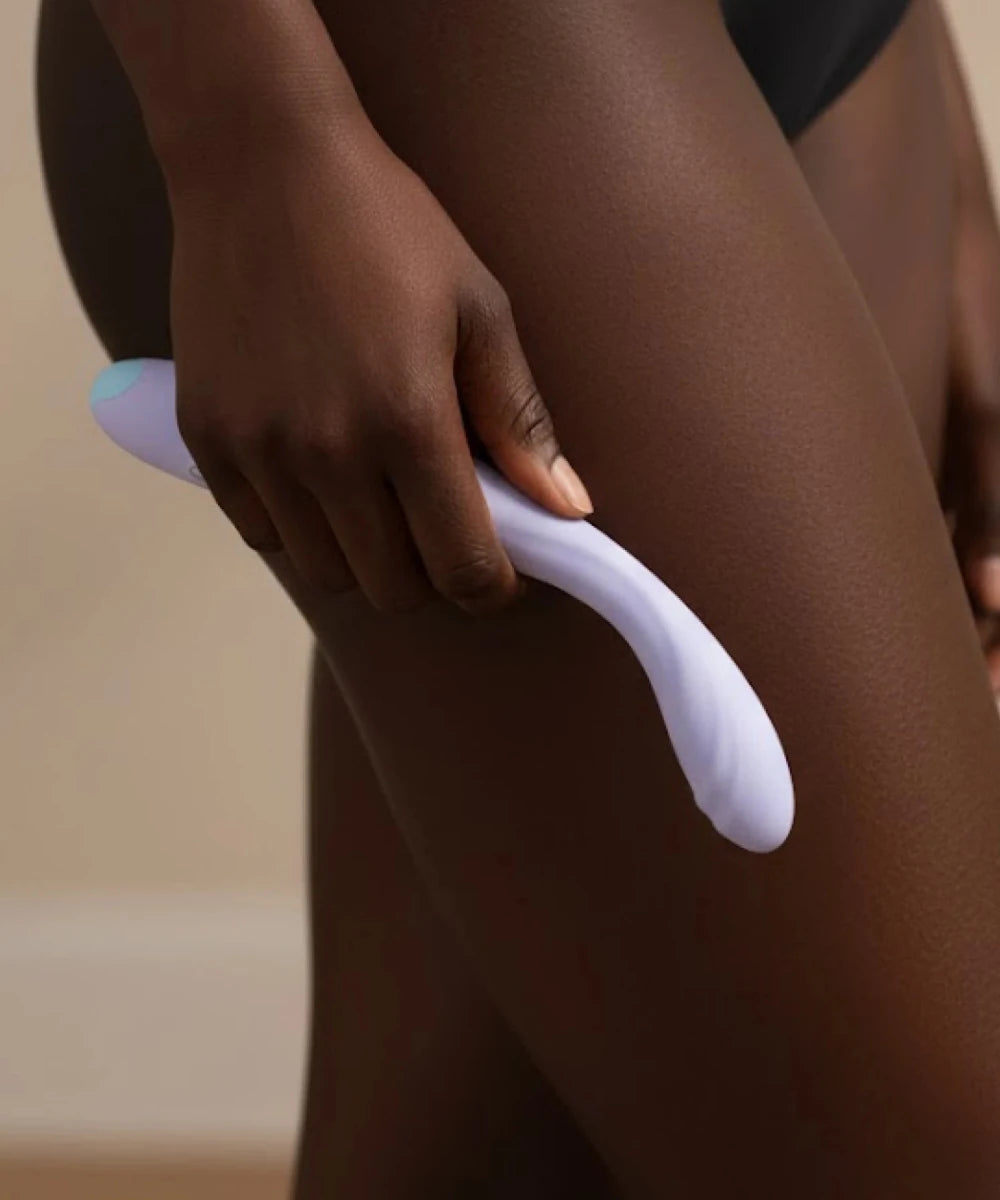
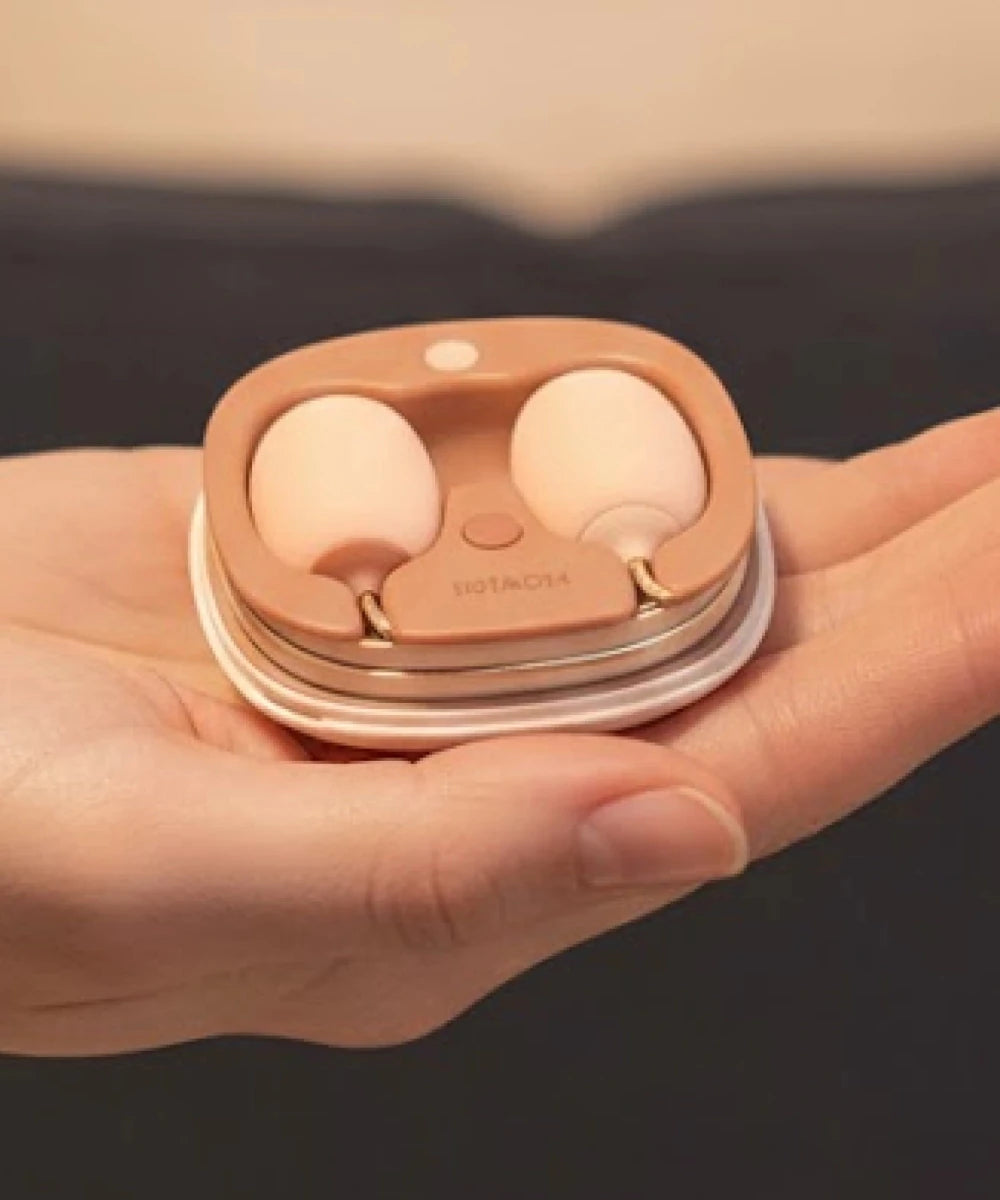
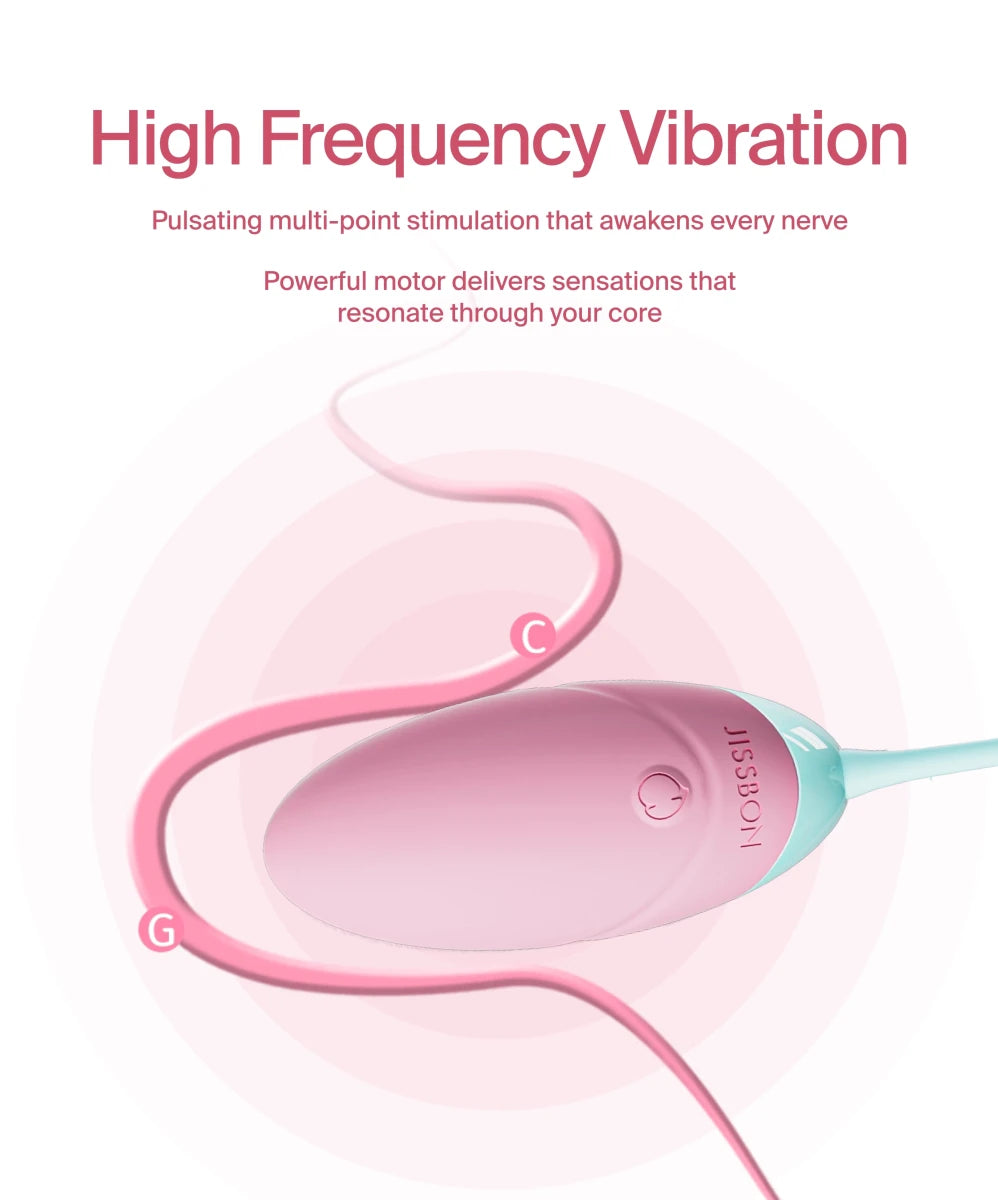
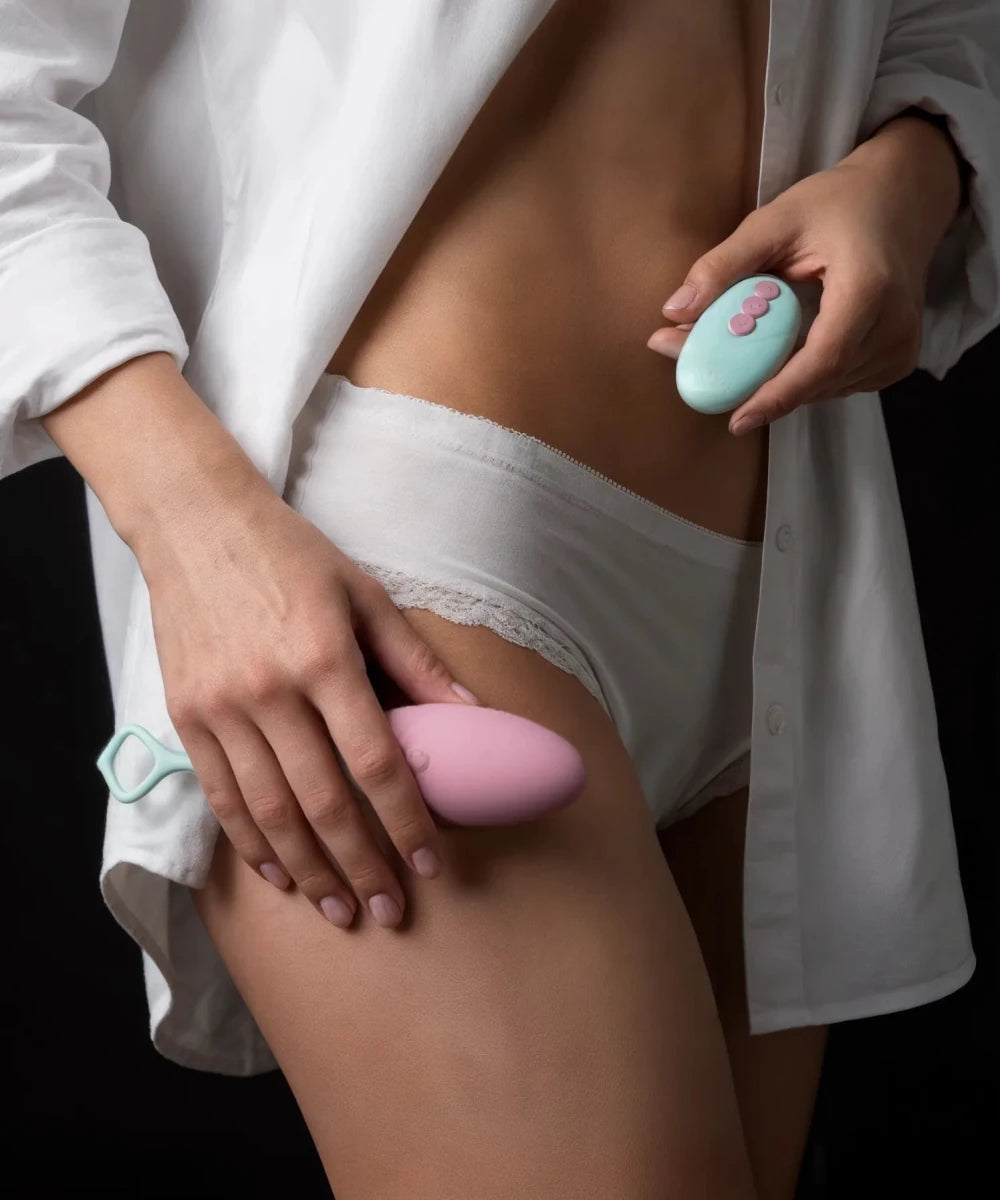
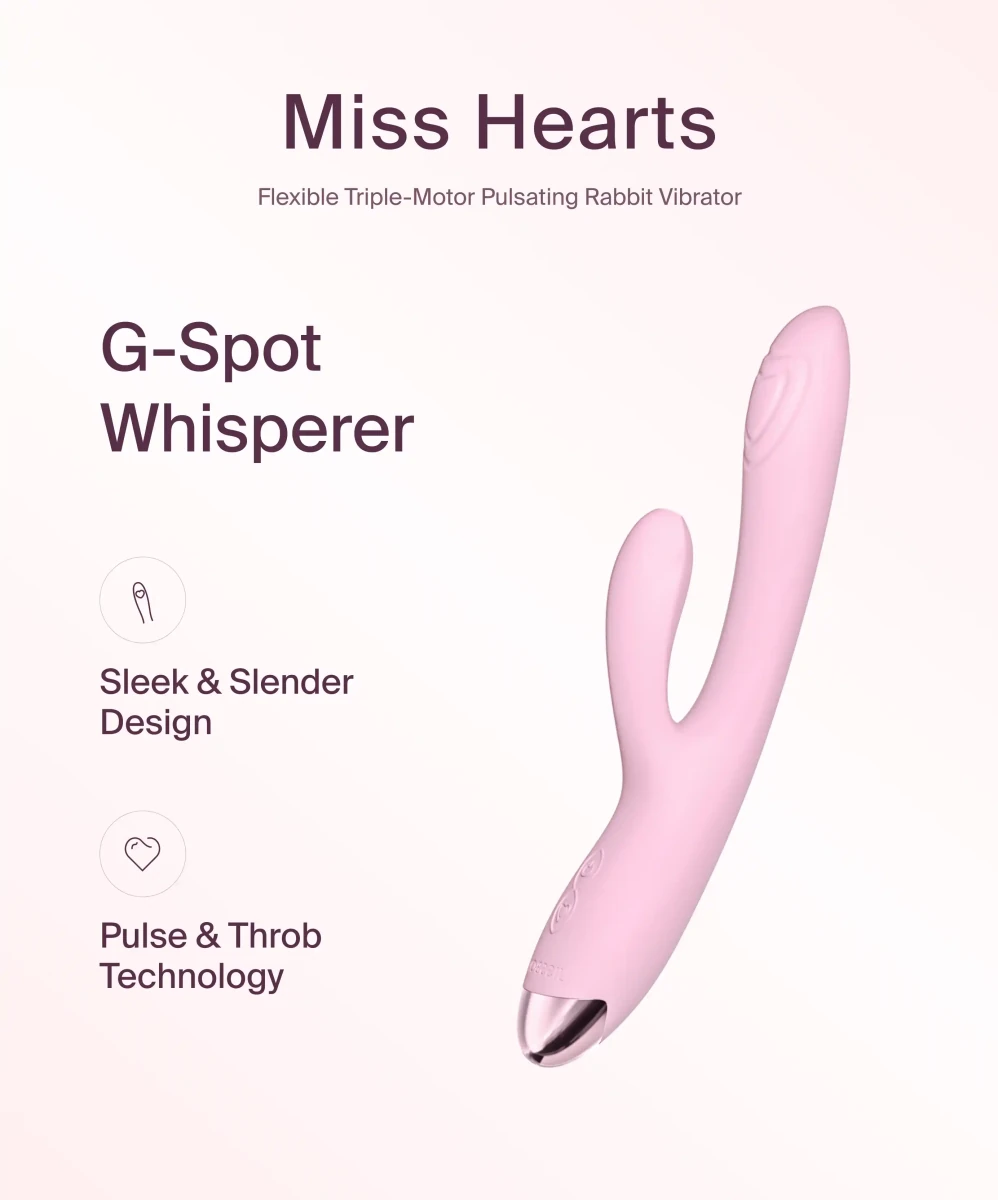
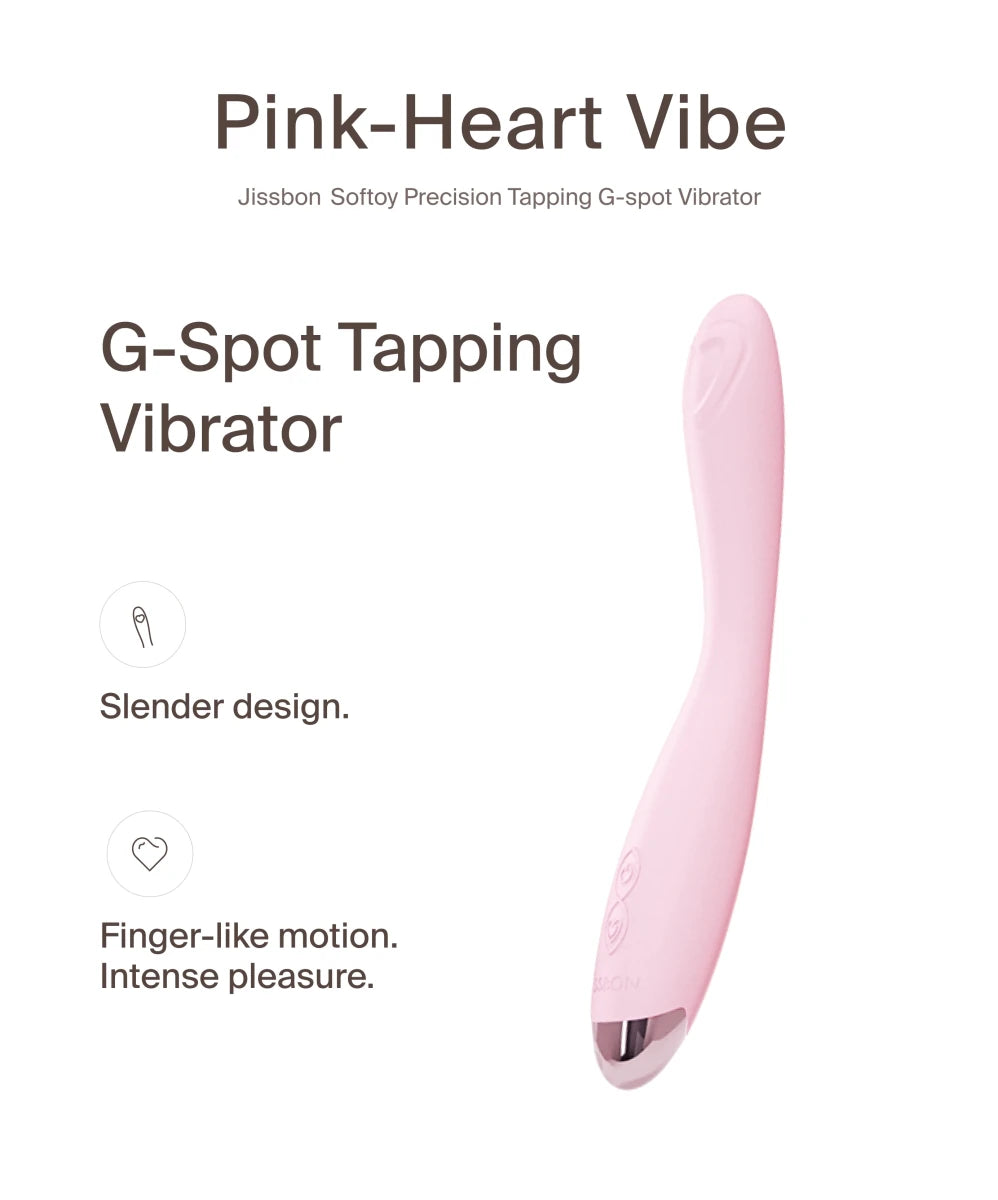
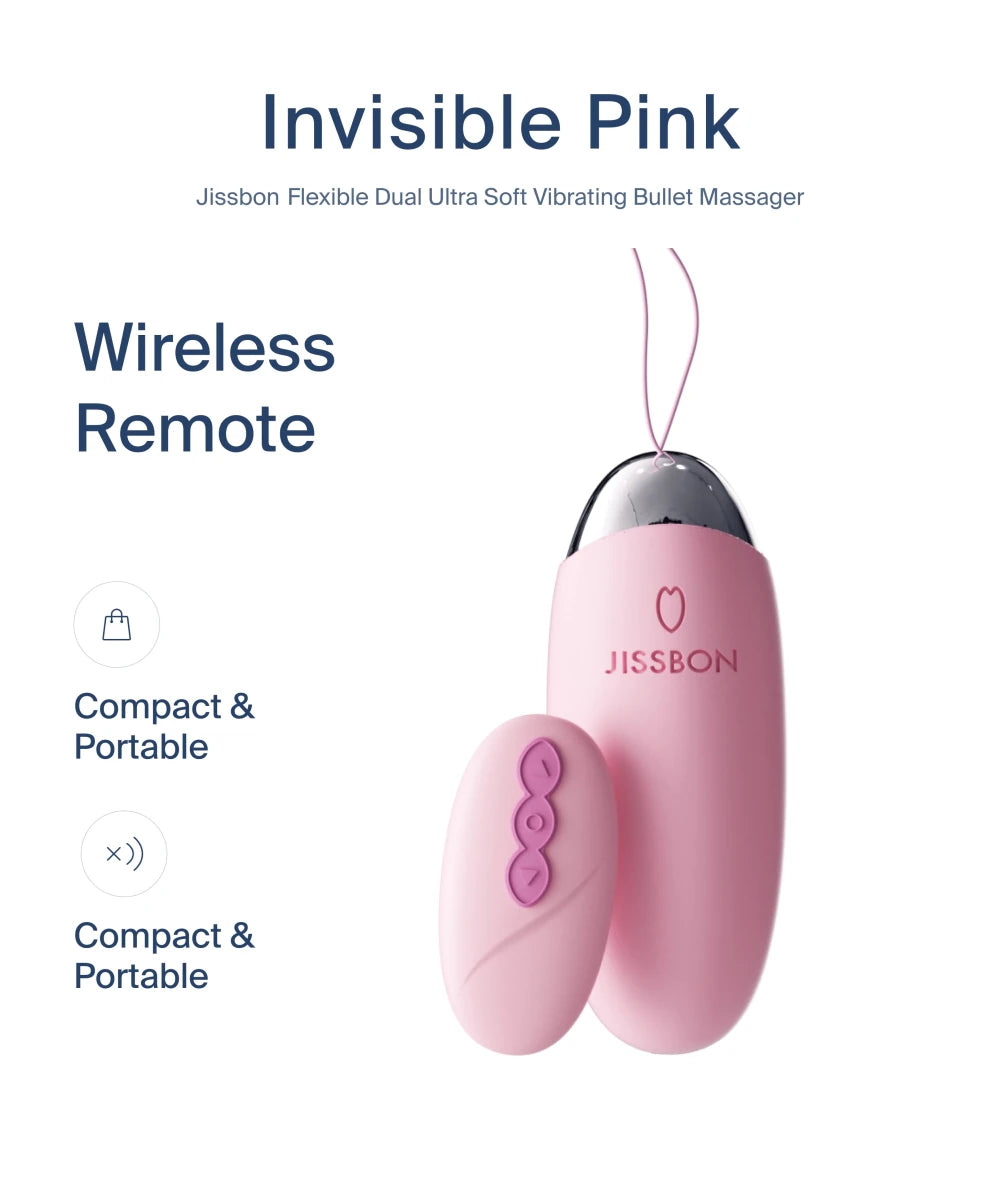
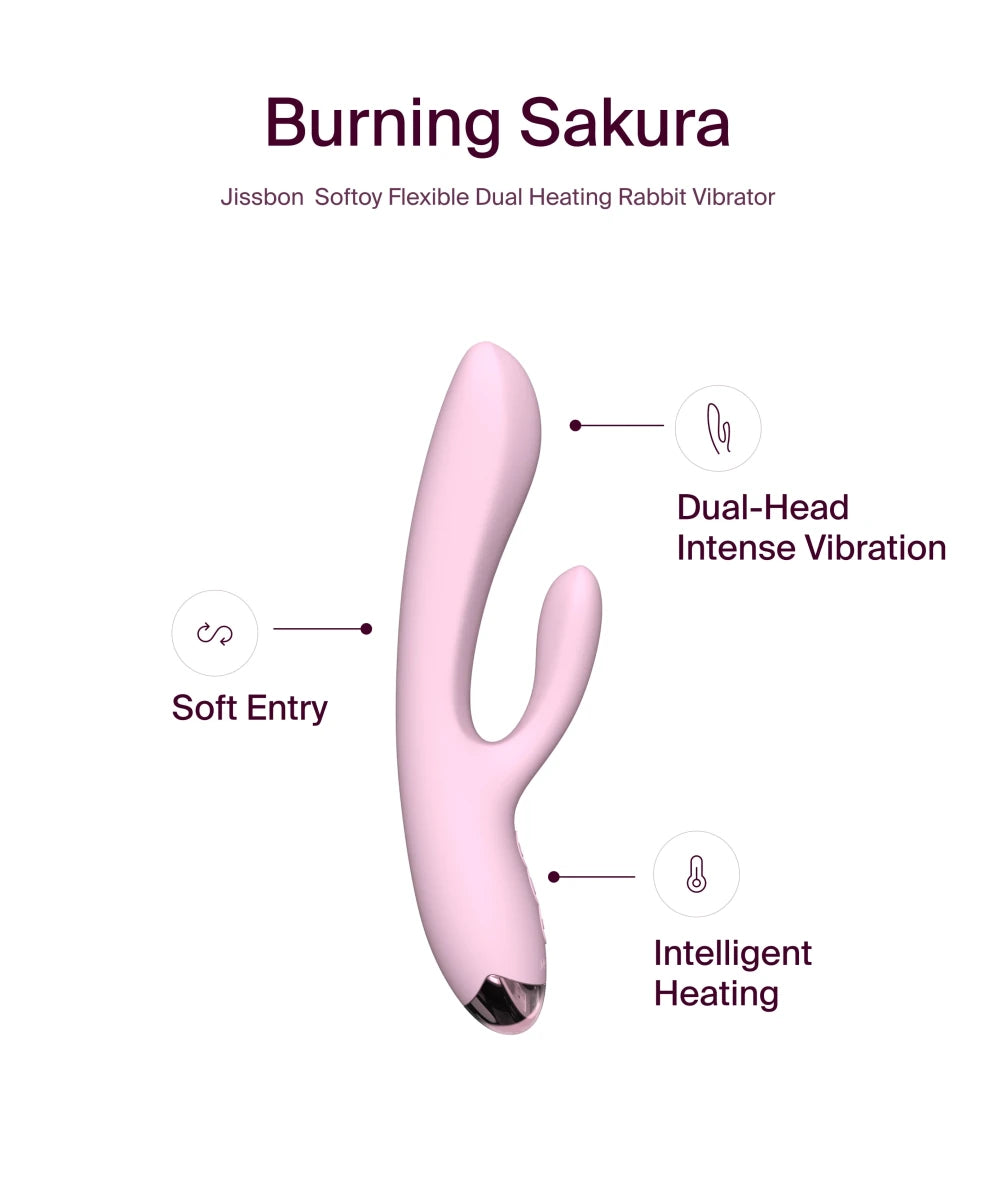
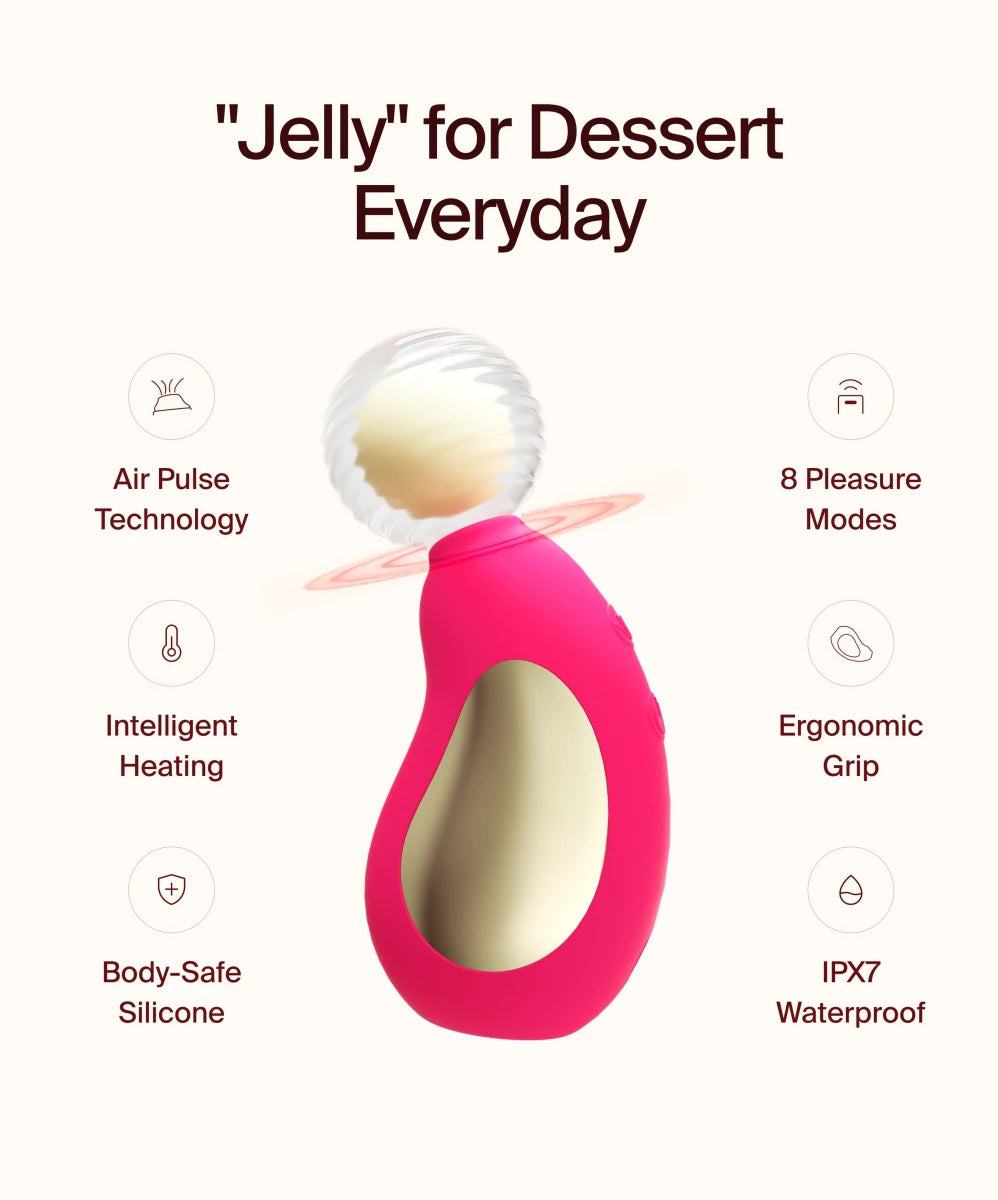
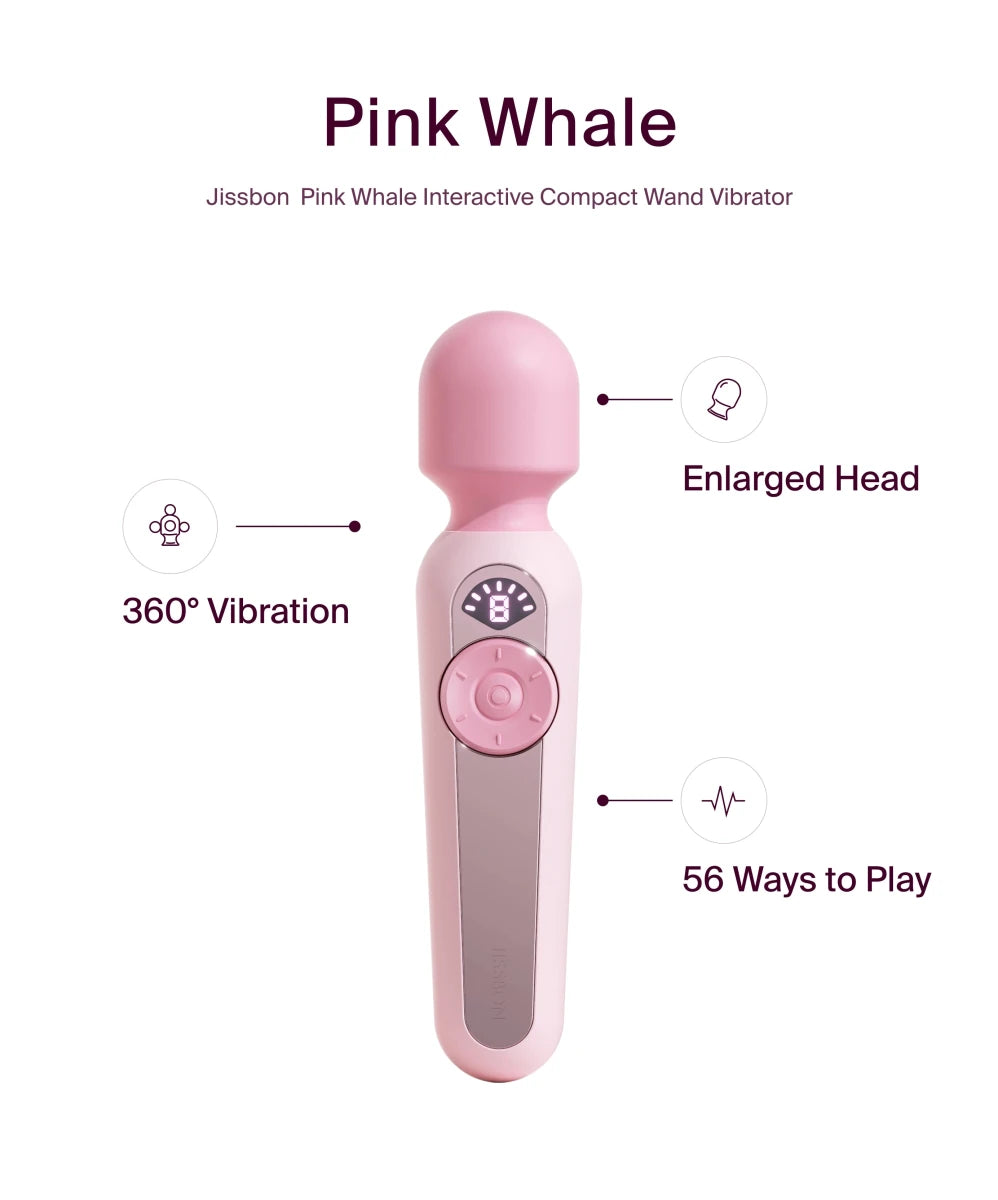
Reputable companies like Jissbon design products for diverse bodies:
- Vibrators in various sizes and shapes accommodating different anatomies
- Clitoral toys recognizing clitoris placement and size varies
- Products emphasizing function and pleasure over appearance
Marketing Messages
Ethical pleasure product brands:
- Feature diverse bodies in marketing
- Avoid reinforcing "perfect body" standards
- Emphasize pleasure and wellness over fixing perceived flaws
- Provide educational content about anatomy and diversity
Empowerment Through Exploration
Understanding your unique anatomy through solo exploration builds confidence. Knowing what brings you pleasure matters infinitely more than meeting arbitrary appearance standards.
Frequently Asked Questions
Why is my vagina so dark?
Because vulval skin has higher melanin levels. Color naturally varies due to genetics, hormones, friction, and arousal. It is not a sign of disease or dirtiness.
Why does my vagina feel open sometimes?
Completely normal. The vaginal opening changes based on:
- pelvic floor tone
- childbirth history
- hormonal shifts
- arousal state
Only seek medical advice if accompanied by pain or incontinence.
How many inches can a girl normally take?
Vaginas are flexible, muscular organs capable of accommodating penetration of various lengths. The average comfortable depth during sex is 4–6 inches, but with arousal the vagina elongates and expands. Comfort > measurement.
Where is a girl’s sweet spot?
Most people have several:
- Clitoris (primary orgasm source for 70–80%)
- G-spot (internal clitoral structure)
- Cervical zone (pleasurable for some, painful for others)
- Labia and clitoral hood
A “sweet spot” depends on individual anatomy.
Is it normal if my labia hang down/stick out?
Yes, completely normal. Labia minora naturally protrude beyond labia majora in many people. Length ranges from barely visible to several inches—all healthy and functional.
Should my labia be symmetrical?
Symmetry is rare. Most people have one side larger, longer, or shaped differently. This asymmetry doesn't affect function or indicate problems.
What color should my vulva be?
Any color from pink to brown to purple is normal. Vulva tissue is often darker than surrounding skin, and color varies by ethnicity, hormones, and individual genetics.
Can I change my vulva appearance without surgery?
Minor appearance changes occur with pubic hair styling choices or weight fluctuation affecting mons and outer labia fullness. However, fundamental anatomy (labia size, clitoral hood shape) cannot change without surgery. Question why you want to change rather than how.
Will partners notice or care about my vulva appearance?
Most partners, when intimate with you, feel excited and appreciative rather than critically evaluating appearance. Partners who express negativity lack education about normal anatomy and may not deserve your intimacy.
Are cosmetic vulva procedures safe?
All surgery carries risks. Genital cosmetic surgery specifically risks nerve damage, scarring, pain during sex, and dissatisfaction with results. Long-term safety data remains limited. Pursue only for genuine medical necessity, never purely aesthetic concerns.
Conclusion
The "perfect vagina" is a myth designed to sell products and procedures by exploiting insecurity about natural, healthy variation. Vulvas range dramatically in size, shape, color, and symmetry—all completely normal.
Rejecting narrow beauty standards, understanding anatomy, focusing on health and function rather than appearance, and building body acceptance through education and self-compassion creates genuine sexual confidence no cosmetic procedure can provide. Your vulva is uniquely yours, and its diversity deserves celebration rather than shame.
Ready to celebrate your body with products designed for pleasure and wellness? Explore thoughtfully crafted intimate products at Jissbon supporting body positivity and sexual empowerment.


Looking for something else?
What Is Flogging in Sex? Complete BDSM Flogging Guide
LEARN MORE
What Does Overstimulated Mean Sexually? Causes & Solutions
LEARN MORE
Can You Get a Tattoo on Your Vagina? Safety, Pain & What to Expect
LEARN MORE
Public Sex Kink: Understanding Exhibitionism & Safe Exploration
LEARN MORELooking for something else?

A-Spot Orgasm: Best Positions & How to Find It
LEARN MORE
Bondage Play: Complete Beginner's Guide to Rope BDSM
LEARN MORE
Vibrator Stories: Real Experiences, Tips & What to Expect
LEARN MOREYou may also like
20% off

20% off

20% off

20% off

20% off

20% off

Further reading
How to Clean an Automatic Blowjob Machine Without Damaging the Motor

Remote-Controlled Automatic Masturbators for Couples and Solo Play
Best Automatic Strokers for Edging and Stamina Training