




























































Outercourse: Your Complete Guide to Non-Penetrative Intimacy
Stack & Save: Extra 15% with Jissbon15
Jissbon15
Outercourse refers to sexual activities that don't involve vaginal or anal penetration. This includes oral sex, manual stimulation, mutual masturbation, dry humping, sensual massage, and countless other intimate activities that create pleasure, connection, and satisfaction without penetration as the primary focus.
Whether you're avoiding pregnancy risk, addressing physical limitations, closing the orgasm gap, or simply expanding your intimate repertoire, understanding outercourse transforms how you approach sexuality. This guide covers what qualifies, who benefits, specific techniques, addressing misconceptions, pregnancy prevention effectiveness, and product recommendations for enhanced non-penetrative pleasure.
How Different Communities Define Outercourse
Medical / Public Health Definition (Planned Parenthood, ISSM)
Outercourse = any sexual activity that does not involve vaginal penetration. Oral sex may or may not be included depending on STI education context.
Sexual Health Researchers
Include non-penetrative activities of all kinds, including:
- kissing
- touching
- mutual masturbation
- body rubbing
But exclude oral and anal sex because they are still forms of penetration.
Sexologists & Modern Educators (MindBodyGreen, Choosing Therapy)
Broadest definition:
Outercourse = any sexual activity outside or beyond PIV or anal penetration
→ includes oral sex, analingus, fingering, and external toy stimulation.
Community / Personal Definitions
Some couples define outercourse as:
- "Everything except intercourse"
- "Everything except anything entering the vagina"
- "Only external stimulation—no penetration at all"
This variability matters for searchers who ask:
“What is the meaning of outercourse?”
“What exactly counts as outercourse?”
Including this section increases keyword relevance for PAA queries.
Outercourse vs Abstinence: Key Differences
This answers several PAA queries directly.
Abstinence
No sexual activity at all — no touching, kissing, oral, manual stimulation, or genital contact.
Outercourse
Sexual activity without vaginal (and sometimes anal) penetration.
It can include:
- oral sex
- mutual masturbation
- dry humping
- sensual touch
Key Comparison
|
Aspect |
Abstinence |
Outercourse |
|
Pregnancy Risk |
0% |
Near 0–5% depending on fluid contact |
|
STI Risk |
0% |
Low–moderate depending on activity |
|
Pleasure-based |
No |
Yes |
|
Considered “sex”? |
No by most |
Yes by most sex educators |
What Exactly Is Outercourse?
The term encompasses any sexual activity excluding penile penetration of the vagina or anus.
Activities That Qualify
Outercourse includes:
- Oral sex (cunnilingus, fellatio, analingus)
- Manual stimulation (fingering, handjobs)
- Mutual masturbation (pleasuring yourselves simultaneously)
- Body rubbing (frottage, dry humping, grinding)
- Breast/chest stimulation and nipple play
- Intercrural sex (penis between thighs, breasts, or other body folds)
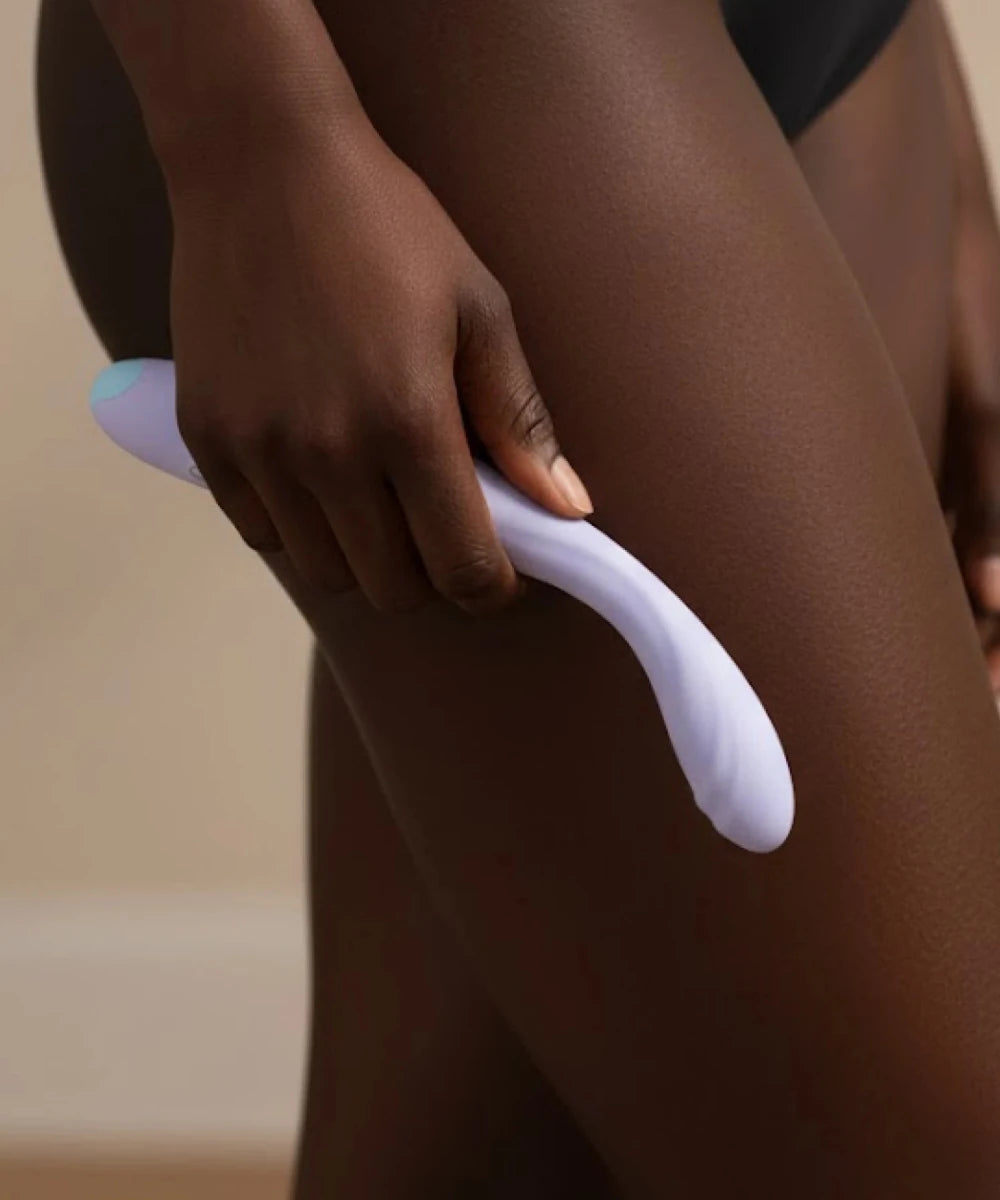
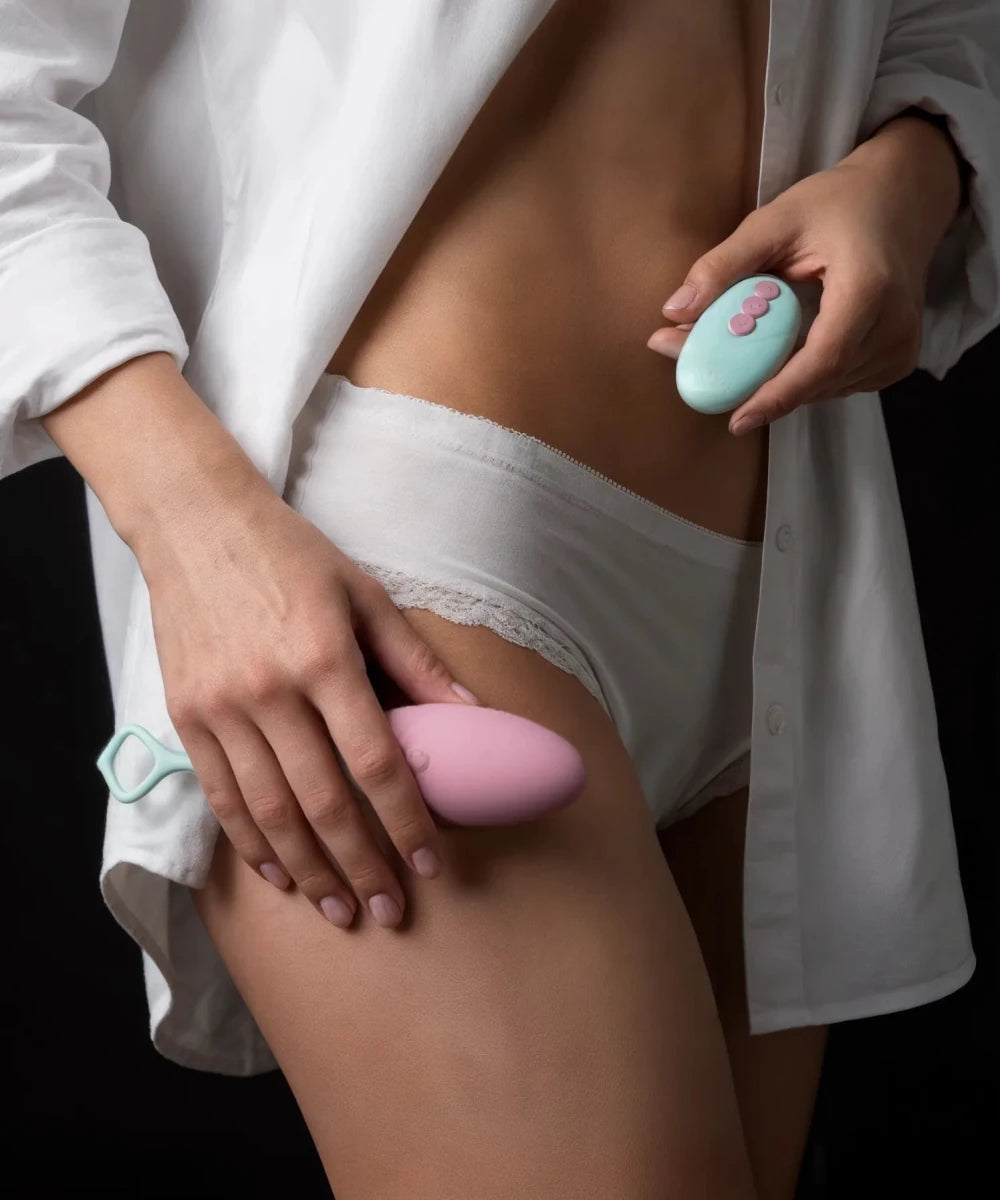
- Toy use for external or shared stimulation
- Erotic massage and sensual touch
- Kink activities without penetration (impact play, bondage, sensation play)
What Doesn't Qualify
Vaginal or anal penetration with penis, fingers, or toys technically moves beyond outercourse definition, though many people combine penetrative and non-penetrative activities fluidly.
Historical Context
According to information on non-penetrative sexual activities, the term "outercourse" emerged in the 1980s initially as an HIV/STI prevention strategy. It gained renewed attention around 2017 as research on the orgasm gap highlighted that many people—particularly women in heterosexual relationships—experience more reliable pleasure through non-penetrative activities.
Why Outercourse Matters

Multiple factors make non-penetrative sex valuable beyond just variety.
Addressing the Orgasm Gap
Research surveying over 50,000 adults found that while 95 percent of heterosexual men "usually" or "always" orgasm during sex, only 65 percent of heterosexual women do.
This disparity exists largely because most women require clitoral stimulation to orgasm, yet penetrative intercourse often provides inadequate clitoral contact. Studies show that 75 percent of women require clitoral stimulation to orgasm, and only 25 percent are consistently orgasmic during vaginal intercourse.
Prioritizing outercourse activities—particularly cunnilingus and manual clitoral stimulation—dramatically increases orgasm likelihood for people with vulvas.
Physical Comfort & Accessibility
Many people find penetration uncomfortable, painful, or impossible due to:
- Vaginismus (involuntary vaginal muscle tightening)
- Pelvic floor dysfunction or tension
- Endometriosis or other gynecological conditions
- Erectile difficulties
- Disabilities affecting mobility or sensation
- Recovery from surgery or childbirth
- Vaginal dryness (from menopause, medications, or other causes)
Outercourse provides satisfying intimacy without aggravating these conditions.
Pregnancy Prevention
When practiced exclusively (no genital-to-genital fluid contact), outercourse prevents pregnancy with near-perfect effectiveness. This appeals to people who:
- Cannot use hormonal contraception
- Want backup protection beyond condoms
- Prefer natural methods without pregnancy risk
- Are abstaining from penetrative sex for religious or personal reasons
STI Risk Reduction
According to sexual health guidance, while outercourse doesn't eliminate STI transmission (oral sex carries risks), it substantially reduces exposure compared to penetrative intercourse. Combining outercourse with barrier methods further minimizes risk.
Outercourse Techniques: A Comprehensive List

Diverse options ensure everyone finds approaches they enjoy.
Oral Pleasure
Cunnilingus (Oral Stimulation of Vulva)
Focusing on the clitoris with varied tongue movements, suction, and pressure patterns. Many people with vulvas find this produces the most reliable, intense orgasms.
Techniques include:
- Flat tongue pressure with broad strokes
- Pointed tongue flicking or circling the clitoris
- Gentle suction on clitoral hood
- Spelling out letters or patterns with tongue
- Combining tongue work with finger penetration or external massage
Fellatio (Oral Stimulation of Penis)
Using mouth, tongue, and sometimes hands to stimulate the shaft, head, and frenulum. Varying pressure, speed, suction, and incorporating hand movement creates diverse sensations.
Analingus (Oral-Anal Stimulation)
Licking, kissing, or tonguing the highly sensitive anal area. The anus contains dense nerve endings making this pleasurable for many regardless of gender. Hygiene through thorough washing beforehand is essential.
Manual Stimulation
For Vulvas
External clitoral massage using fingers with lubricant. Techniques include:
- Circular motions around the clitoris
- Side-to-side or up-and-down strokes
- Tapping or light slapping
- Applying steady pressure while partner grinds against hand
Internal G-spot stimulation (finger penetration) technically exits outercourse definition but often accompanies external stimulation.
For Penises
Hand jobs using varied grips, speeds, and pressures. Enhancement tips:
- Use quality lubricant generously
- Vary grip tightness and hand positioning
- Focus on the frenulum (highly sensitive underside)
- Incorporate testicle massage
- Try the "twist" technique (rotating hand while stroking)
Body-to-Body Contact
Frottage (Dry Humping)
Grinding genitals together through clothing or naked. This recreates teenage discovery moments many find nostalgic and intensely arousing.
Works well with:
- One partner sitting while other straddles and grinds
- Side-by-side with legs intertwined
- Spooning position with grinding motion
- Standing pressed against wall
Intercrural/Interfemoral Sex
Penis placed between partner's thighs (or breasts, buttocks, or other body folds) with thrusting motion creating friction. Requires generous lubricant since these areas don't self-lubricate.
Tribadism
Vulva-to-vulva grinding and rubbing. Provides direct clitoral stimulation for both partners simultaneously.
Shared Experiences
Mutual Masturbation
Pleasuring yourselves while watching each other. This combines voyeuristic excitement with the educational benefit of observing exactly how your partner touches themselves.
Tips:
- Start simultaneously or take turns watching
- Narrate what you're doing and feeling
- Maintain eye contact during peaks
- Finish together or individually based on preference
Toy-Assisted Outercourse
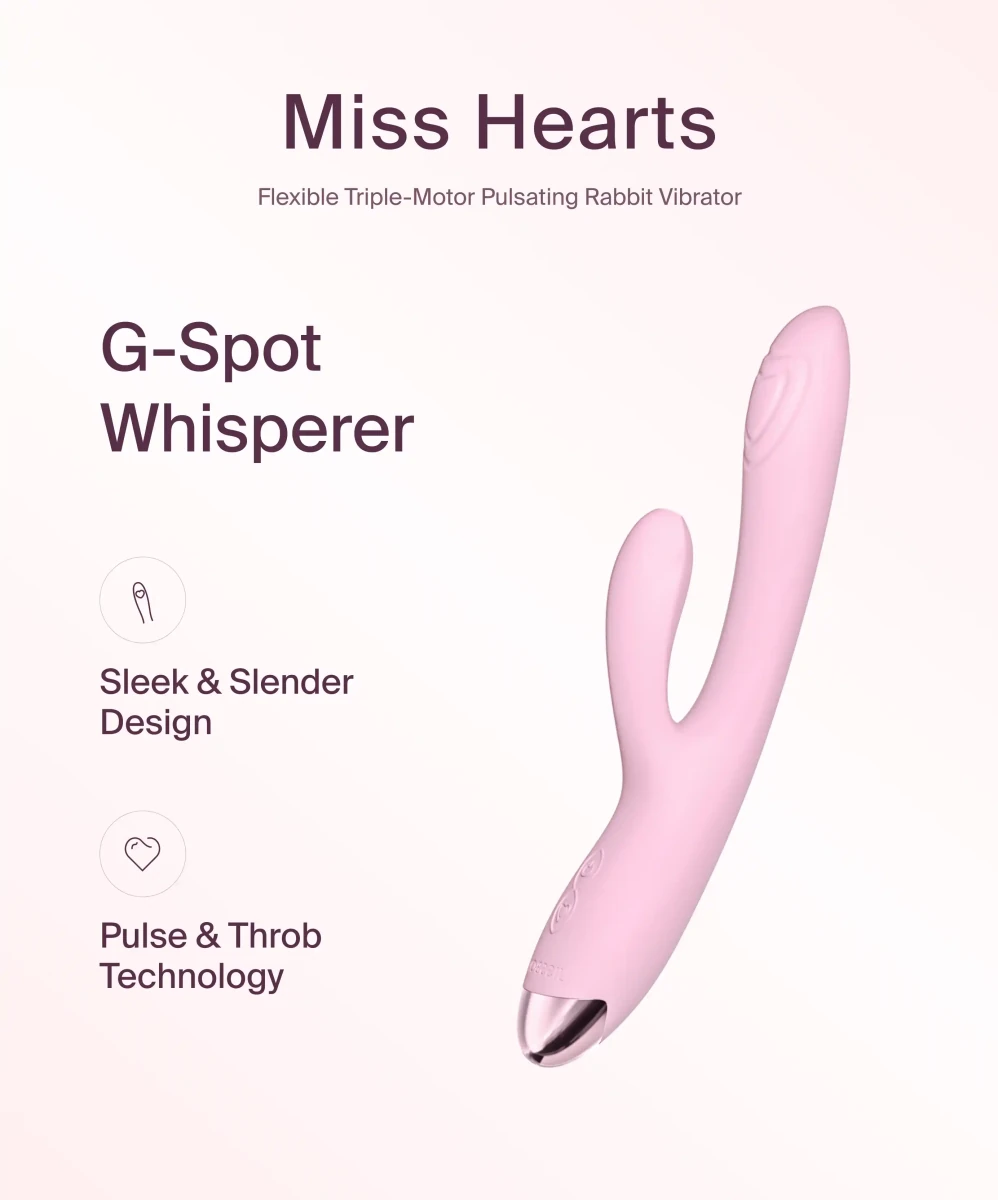
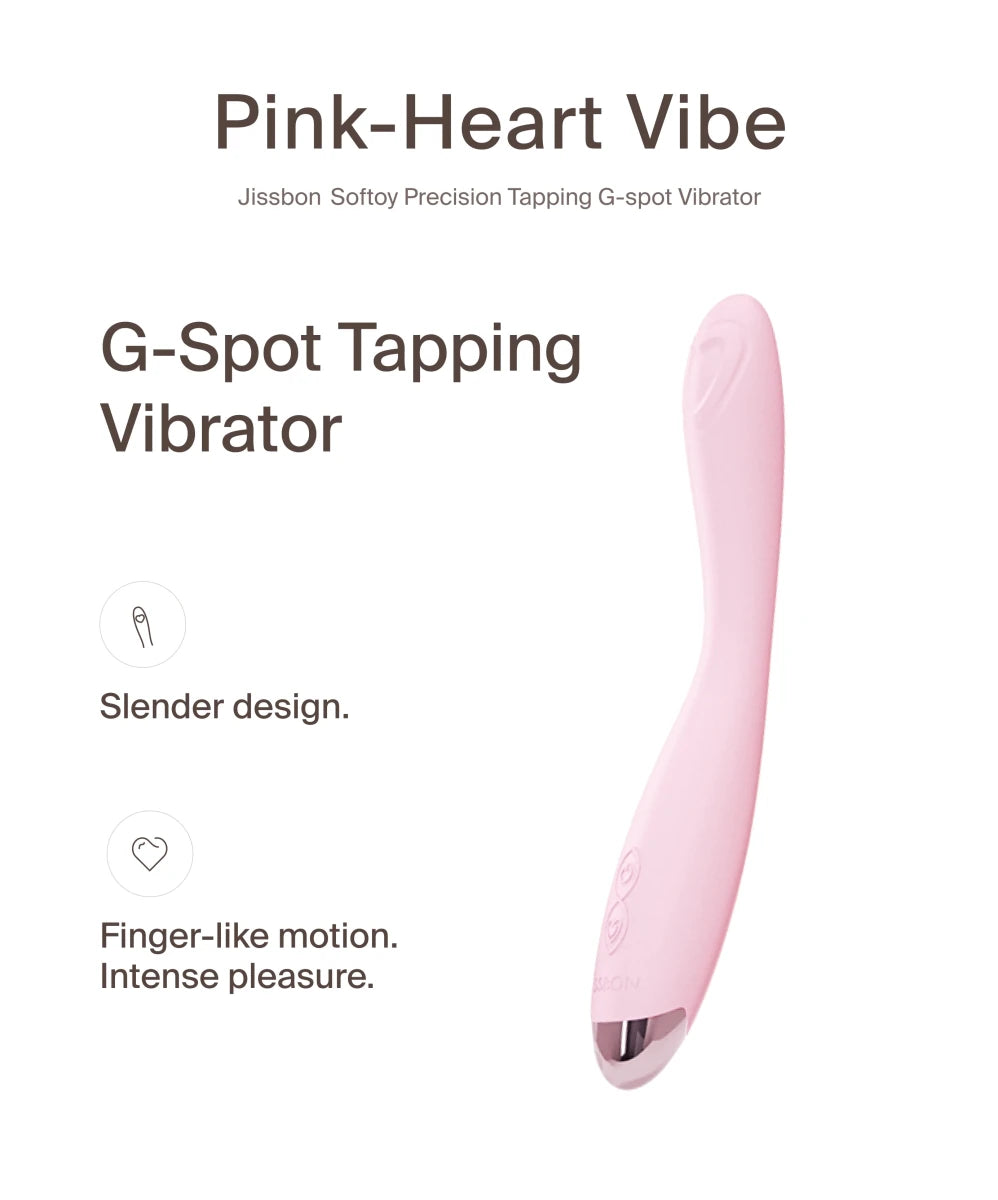
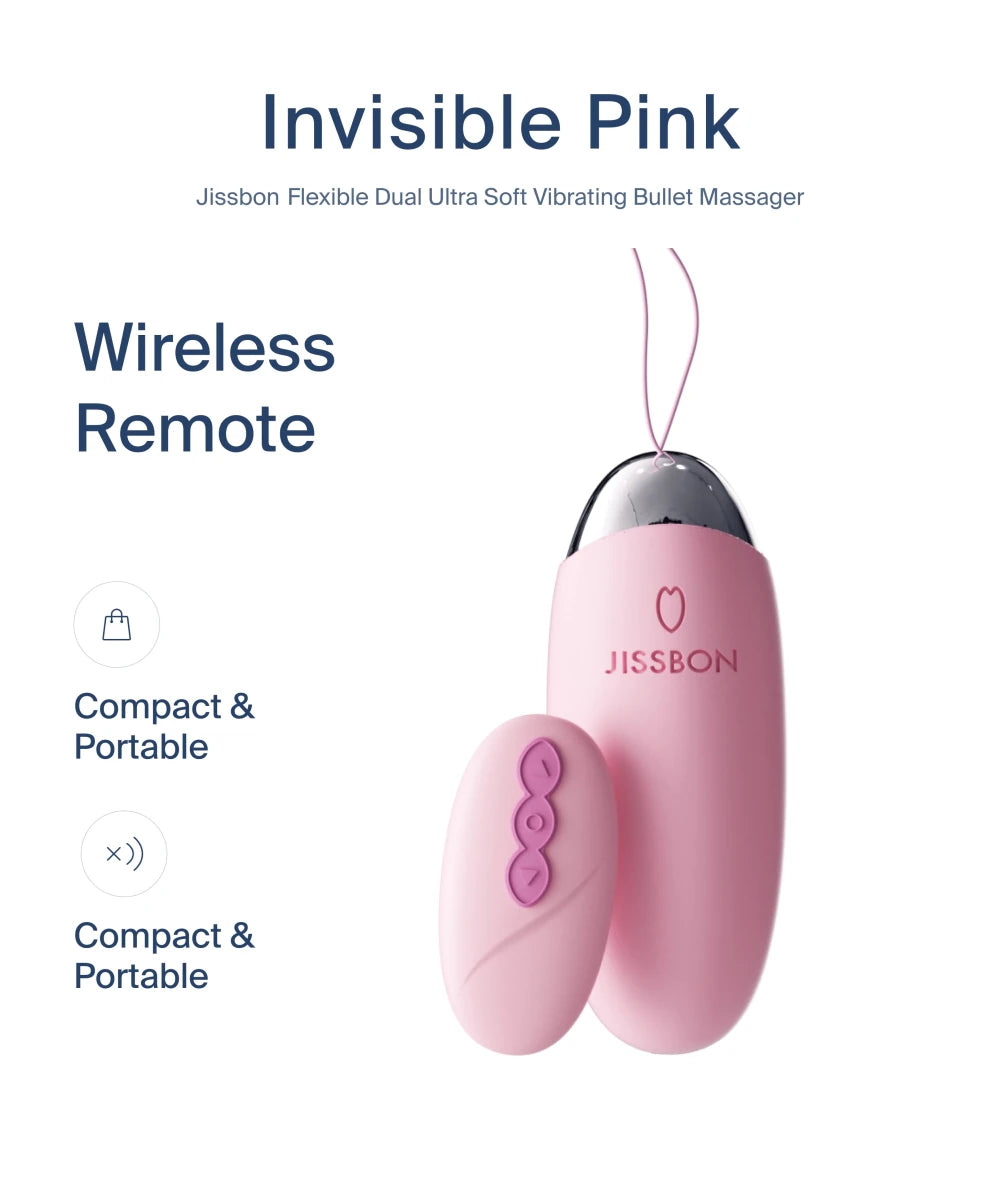
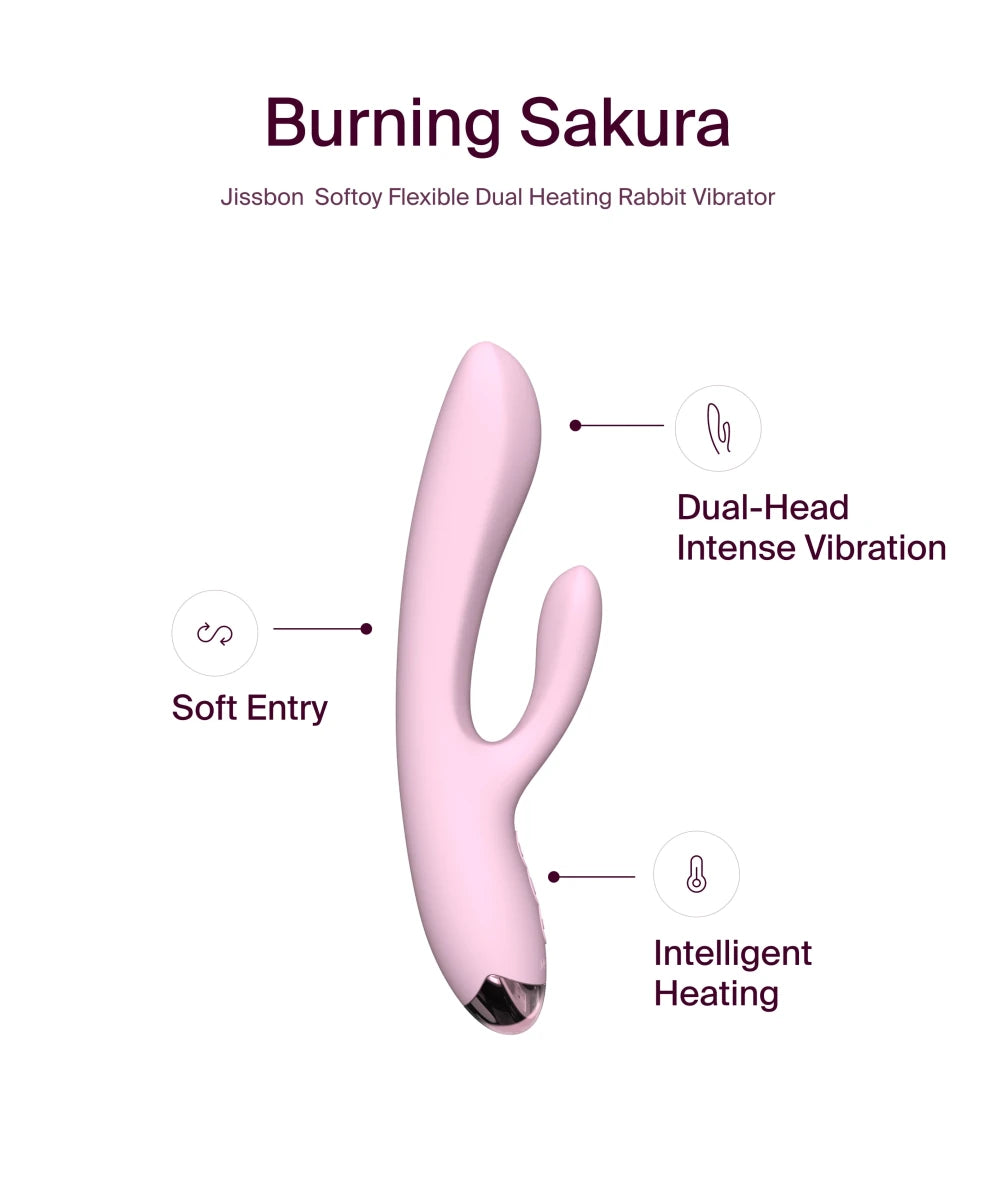
Using vibrators externally on each other's bodies:
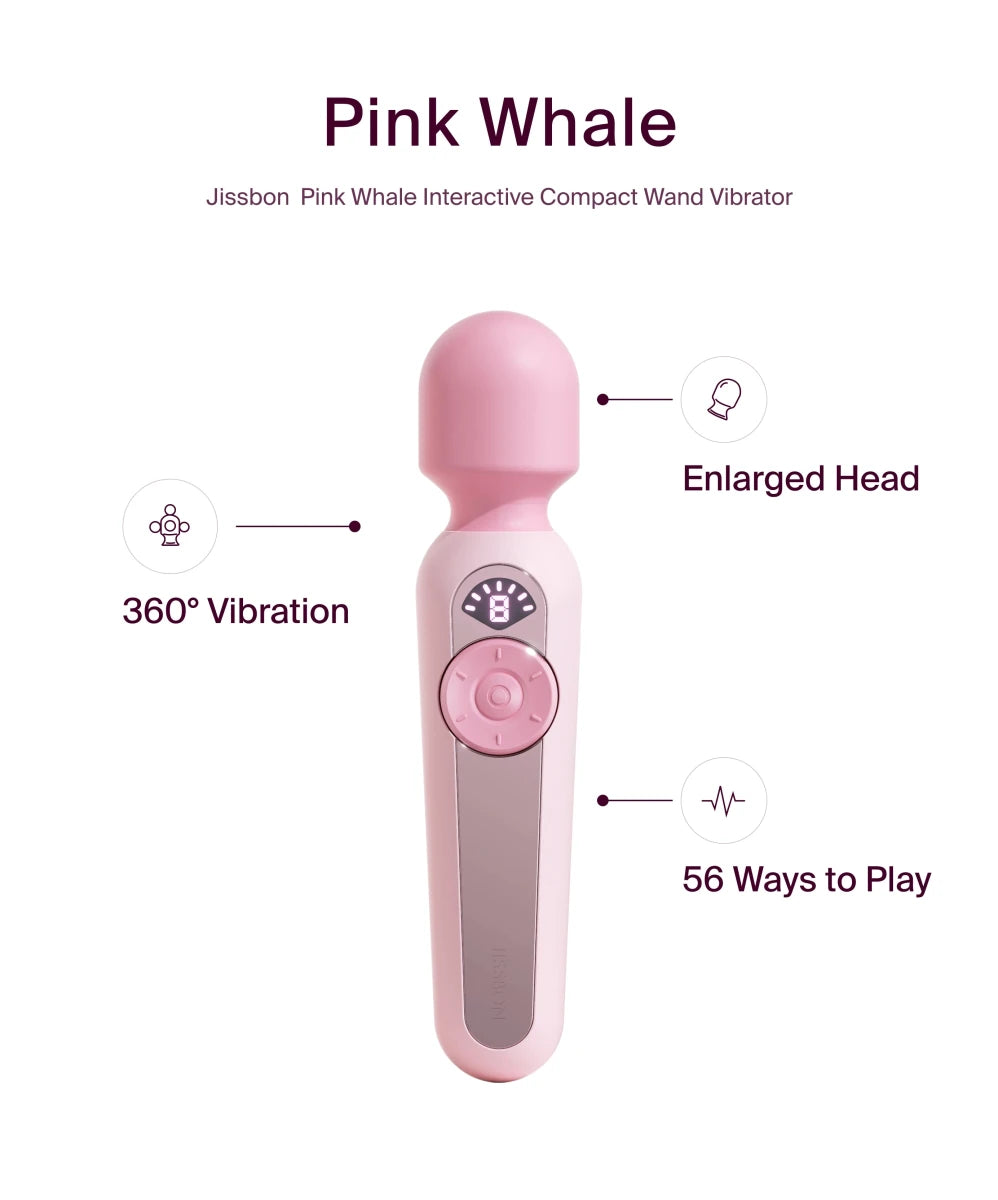
- Wand vibrators on clitoris, penis head, perineum, nipples
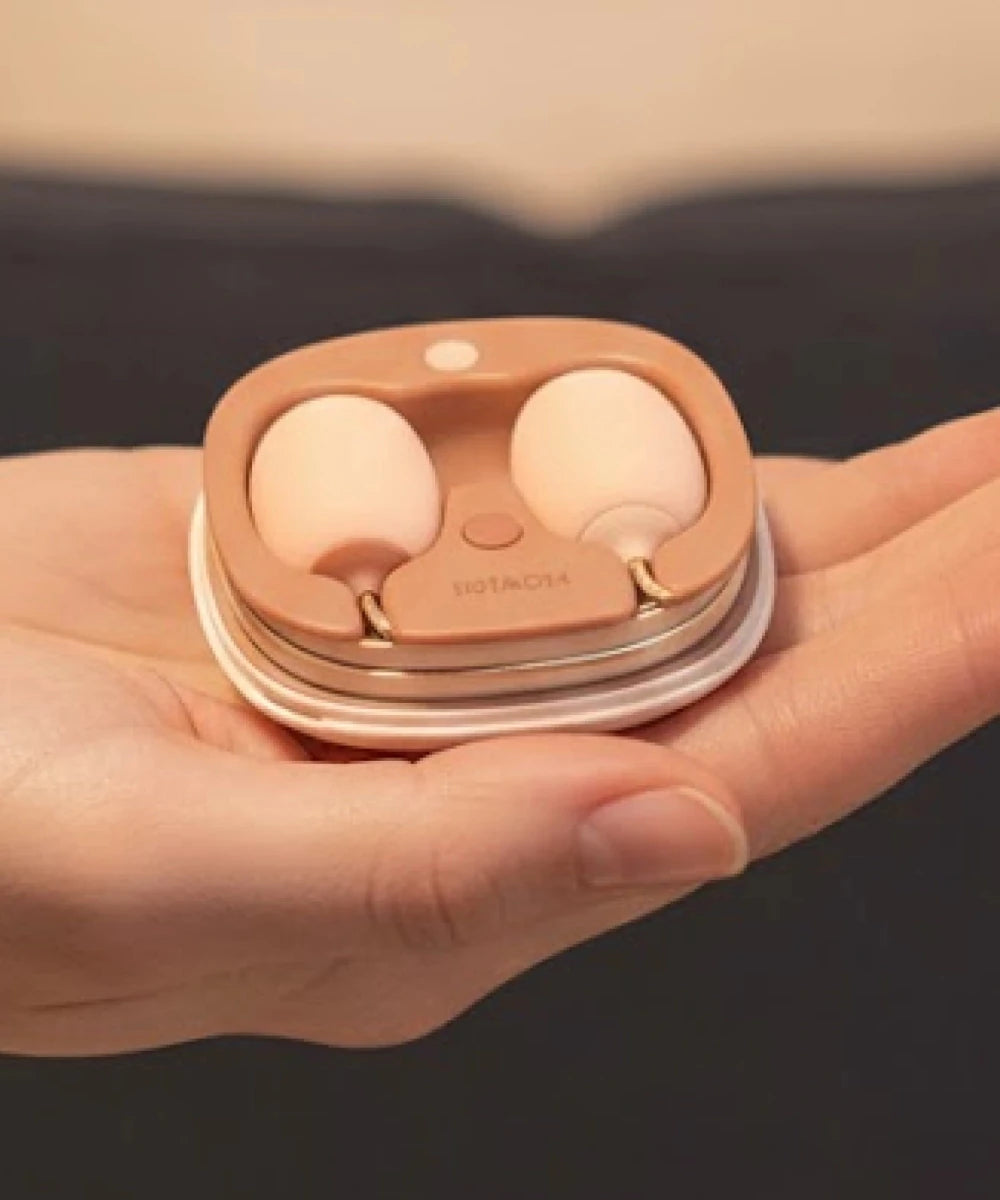
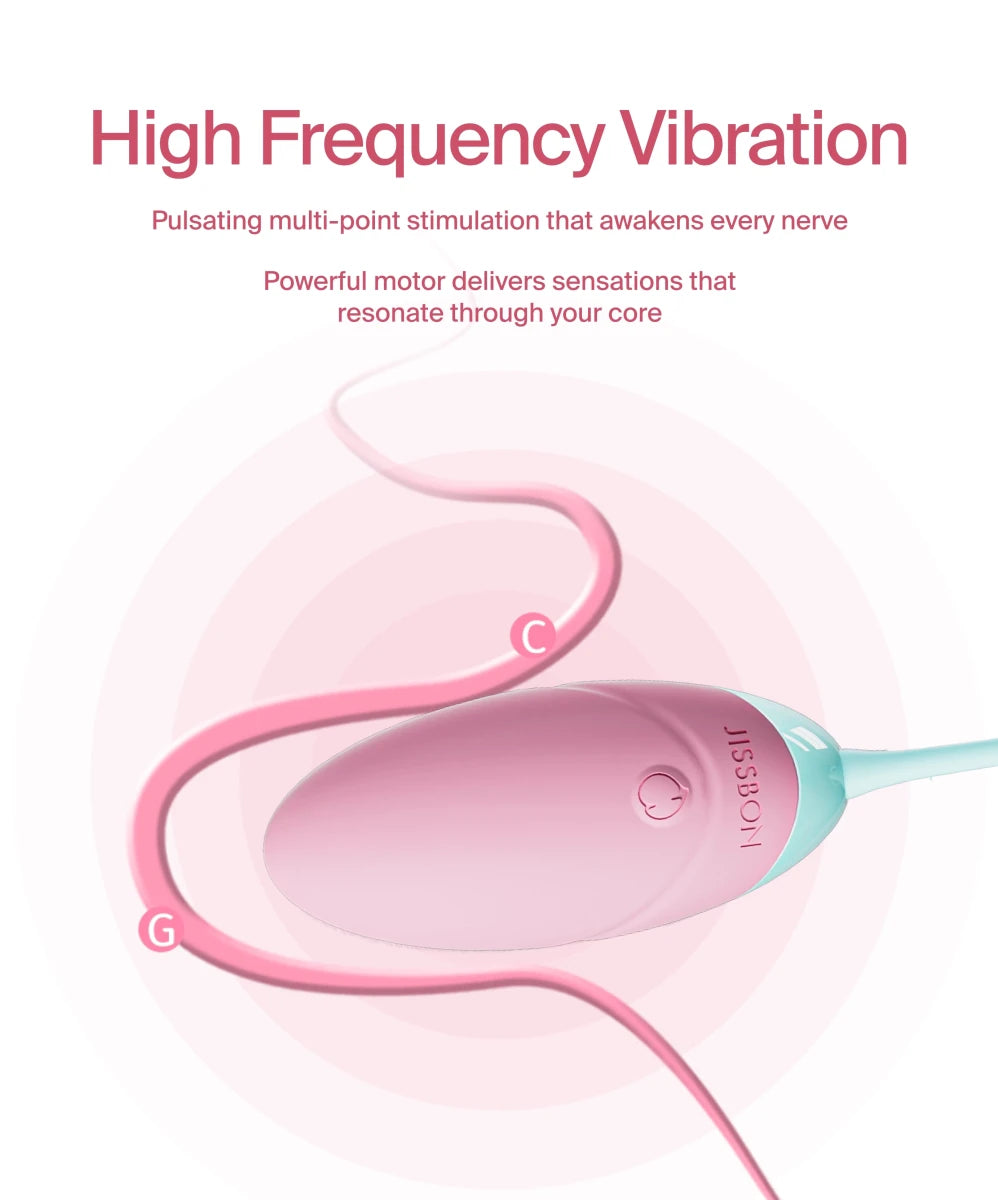
- Bullet vibrators for focused stimulation
- Dual strokers both partners can penetrate simultaneously without body penetration
Sensual Massage
Full-body massage building anticipation and relaxation before or instead of explicitly sexual activity. Use warming massage oils or lubes, taking time to explore less obvious erogenous zones—inner thighs, lower back, feet, neck, behind ears.
Outercourse for Pregnancy Prevention

How effective is outercourse at preventing conception?
Perfect Use Effectiveness
When no genital-to-genital fluid contact occurs (including pre-ejaculate near vaginal opening), pregnancy risk is essentially zero. This requires discipline to maintain boundaries, especially at highly aroused moments.
Typical Use Considerations
Pregnancy can occur if:
- Semen or pre-ejaculate contacts vulva or vaginal opening
- Partners start with outercourse then "slip" into penetration without protection
- Ejaculation happens on lower abdomen with fluid dripping toward vaginal area
Comparison to Other Methods
|
Method |
Perfect Use Effectiveness |
Typical Use Effectiveness |
STI Protection |
|
Outercourse |
99.9% |
Variable (depends on adherence) |
Moderate (better than penetration, not complete) |
|
Condoms |
98% |
87% |
Yes |
|
Birth control pills |
99% |
93% |
No |
|
IUD |
99% |
99% |
No |
|
Withdrawal |
96% |
73% |
No |
Combining Methods
Many couples use outercourse as primary approach but keep emergency contraception accessible if boundaries accidentally blur. Discussing clear limits beforehand prevents heat-of-moment decisions.
Addressing Common Misconceptions
Several myths about outercourse persist despite evidence.
"It's Not Real Sex"
This harmful notion stems from heteronormative definitions centering penis-in-vagina intercourse. In reality, sex is any consensual activity people engage in for sexual pleasure. Oral sex, manual stimulation, and other outercourse activities absolutely qualify as "real" sex.
Many queer individuals—who've never experienced heterosexual intercourse—have rich, fulfilling sex lives. Are we claiming they've never had sex? Obviously not.
"It's Just Foreplay"
While outercourse activities often precede penetration, they're equally valid as standalone experiences. Framing them as mere appetizers devalues the pleasure they provide.
Research found that only 35 percent of men who have sex with men had participated in penetrative sex during their most recent encounter loversstores—clearly outercourse serves as the main event for many people.
"You Can't Get Pregnant or STIs"
Pregnancy risk with strict outercourse is minimal but not zero if fluids contact vaginal areas. STI transmission remains possible through oral sex, skin-to-skin contact (herpes, HPV), and fluid exchange.
Using barriers (condoms for fellatio, dental dams for cunnilingus/analingus) and getting tested regularly maintains sexual health.
"It's Less Intimate"
Many people report outercourse feels more intimate than penetration because it requires attentiveness, communication, and creativity. Face-to-face positioning, eye contact, and focused attention on partner responses create deep connection.
Products That Enhance Non-Penetrative Play
Strategic tools expand outercourse possibilities and pleasure.
External Vibrators
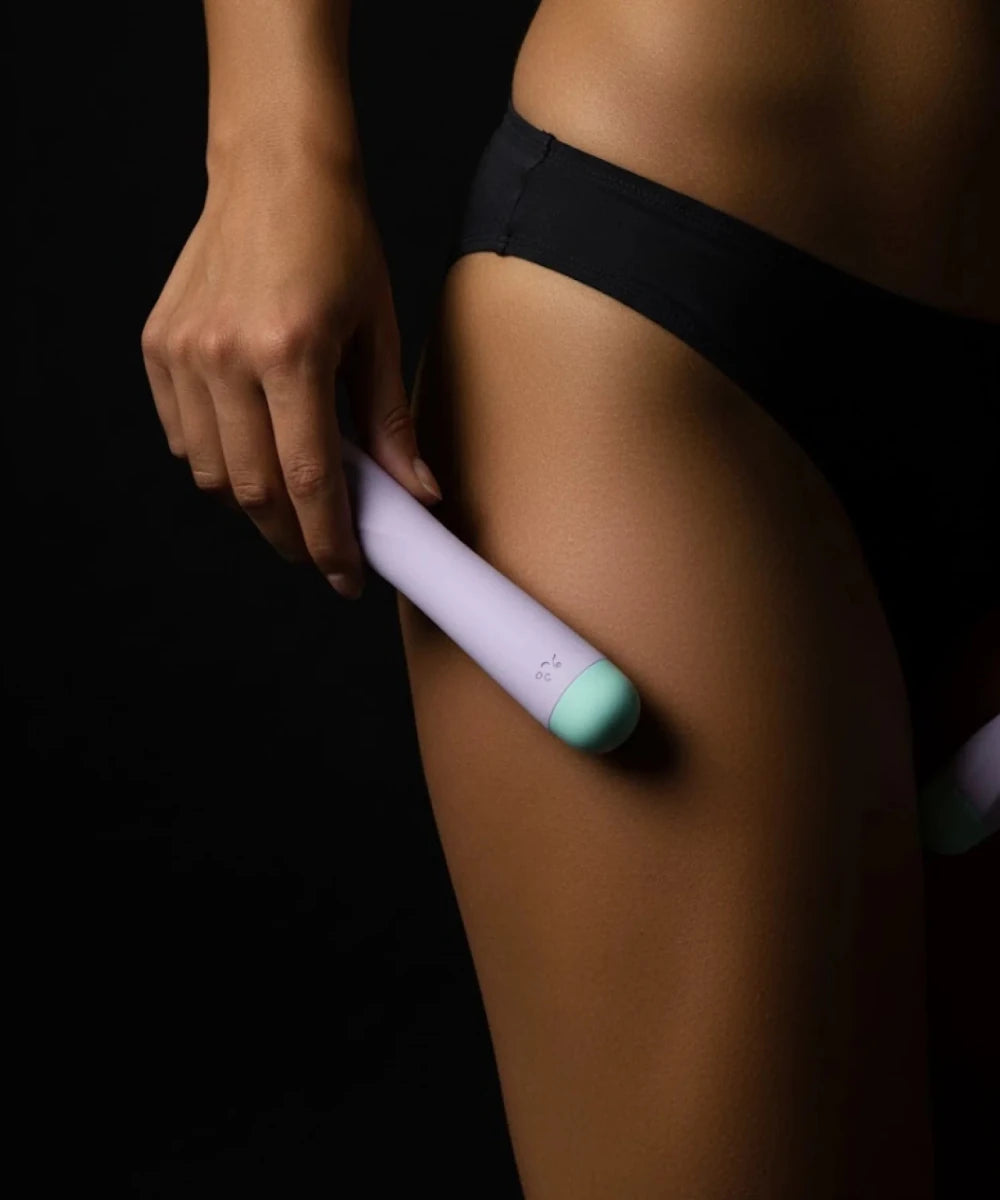
Powerful motors delivering sensation to clitoris, penis, nipples, or anywhere else:
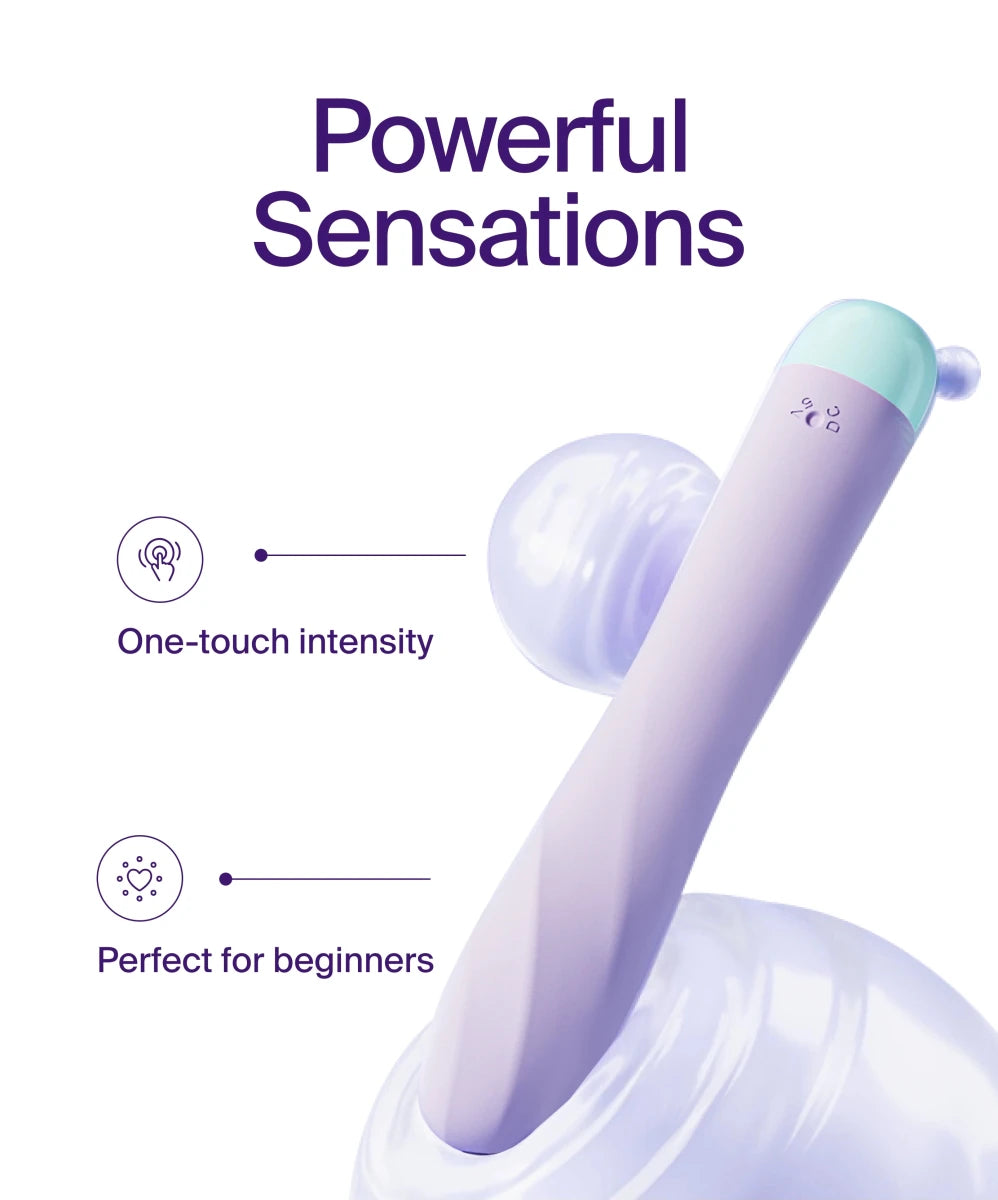
- Wand-style vibrators for broad, intense stimulation
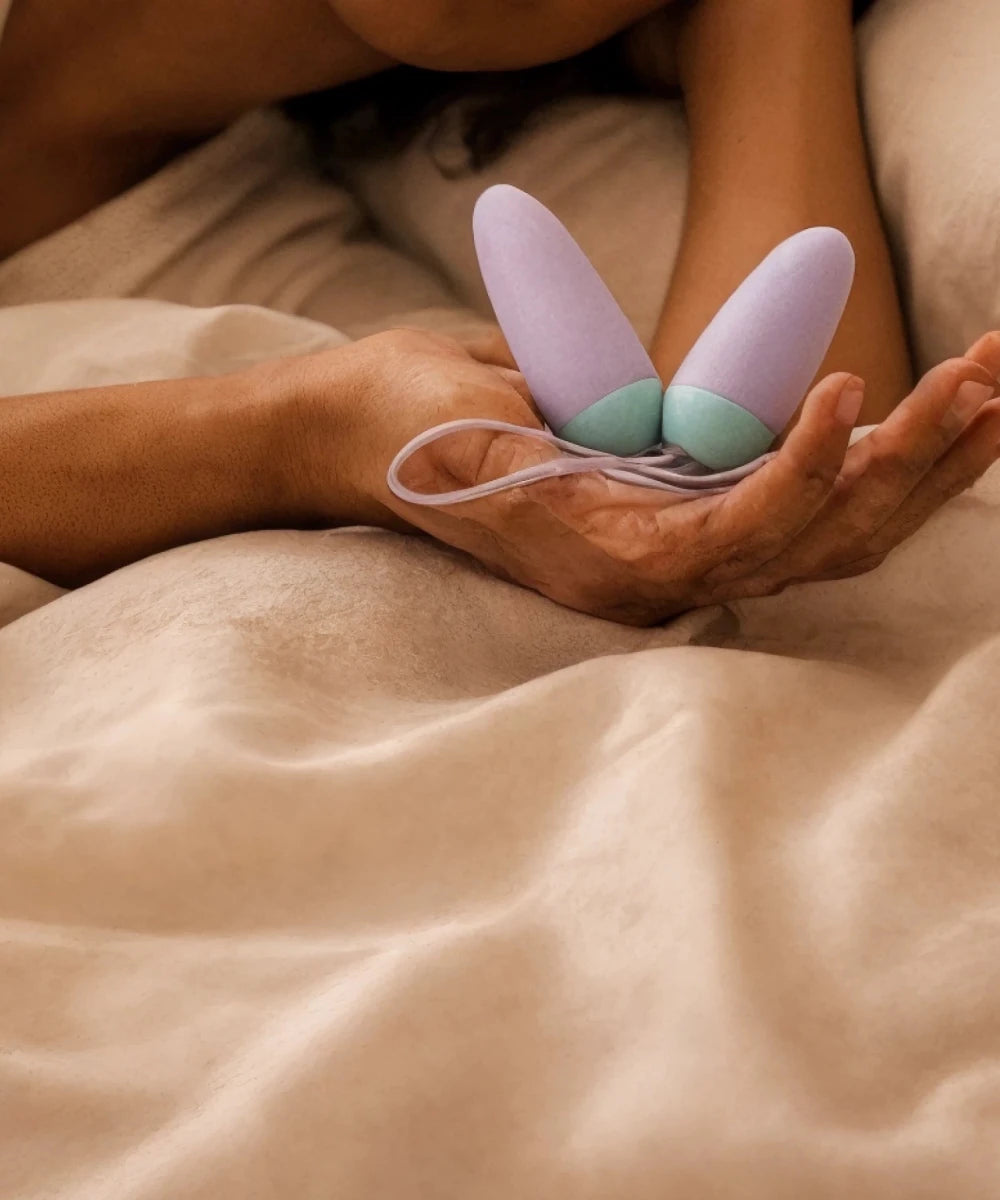
- Precision bullets for targeted focus
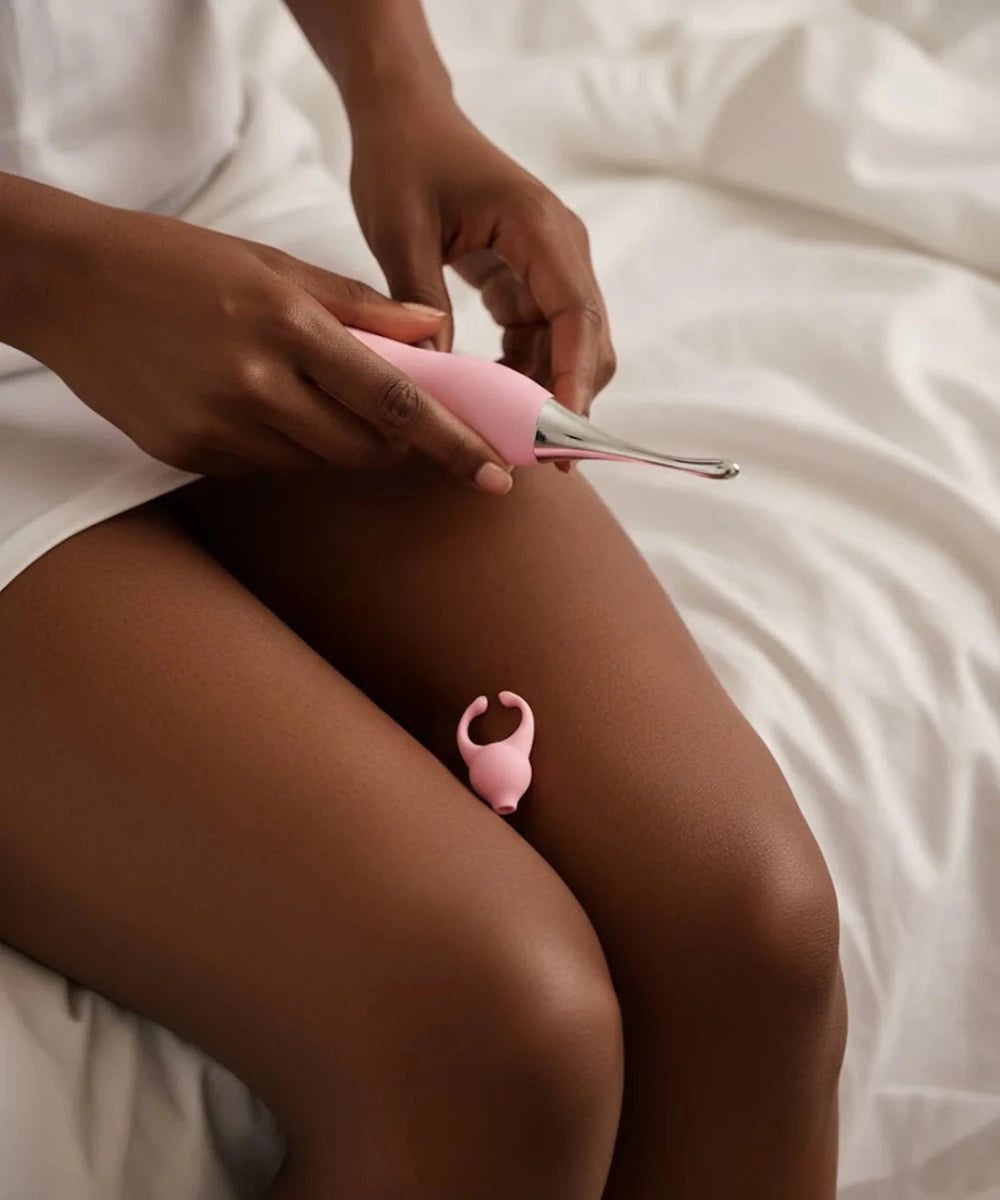
- Finger vibrators worn during manual stimulation
Lubricants
Essential for comfortable manual stimulation, body rubbing, and intercrural activities:
- Water-based for versatility and toy compatibility
- Silicone-based for long-lasting slipperiness
- Hybrid formulas combining benefits of both
Sensation Play Tools
Items creating varied sensory experiences:
- Feather ticklers for light touch
- Ice cubes or warming massage oils for temperature play
- Soft floggers or paddles for impact sensations
- Wartenberg wheels for prickly rolling sensation
Barriers for Safe Practice
- Flavored condoms for oral sex on penises
- Dental dams or plastic wrap for oral sex on vulvas/anus
- Finger cots if cuts or hangnails concern you
Cock Rings with Vibration
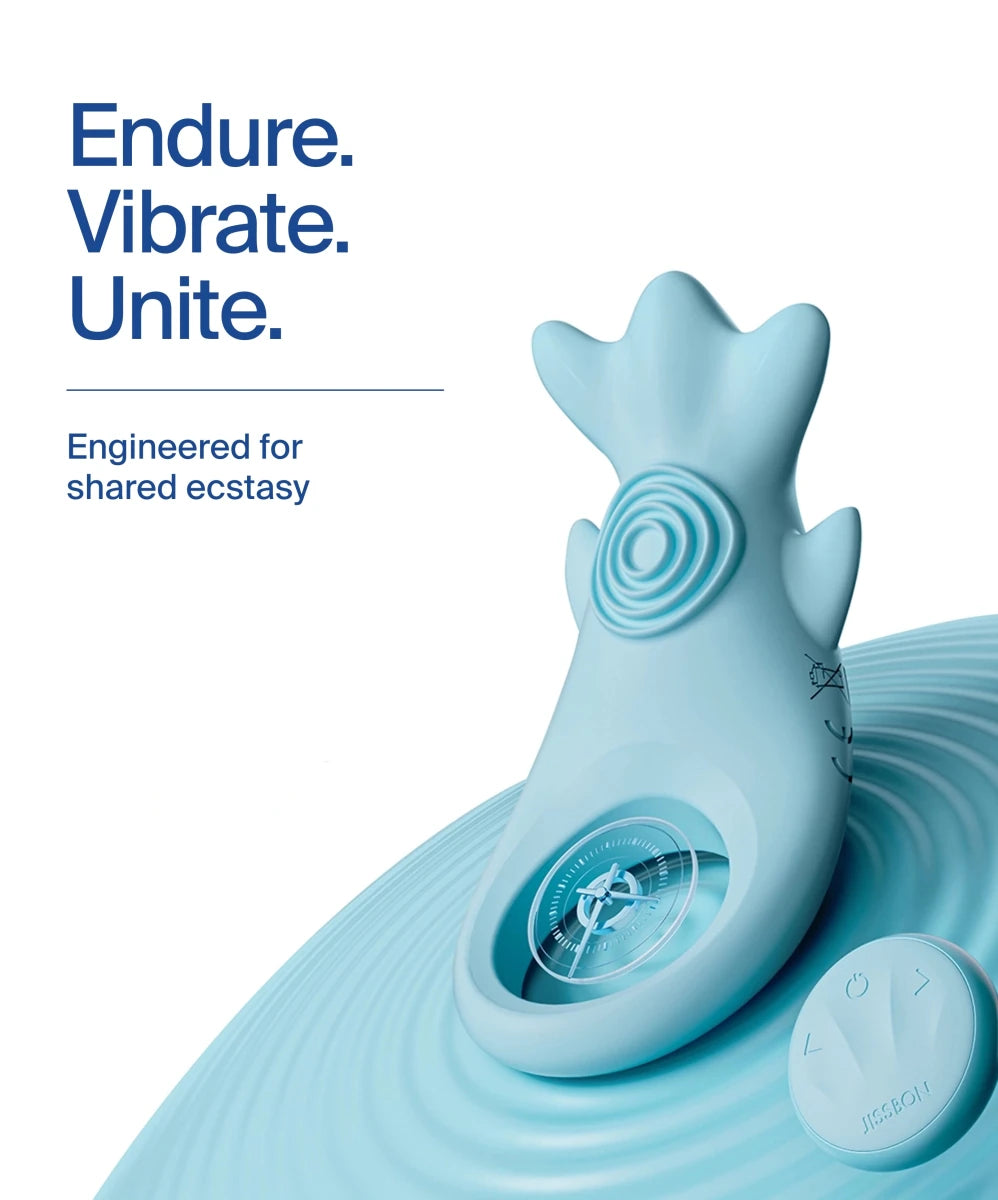
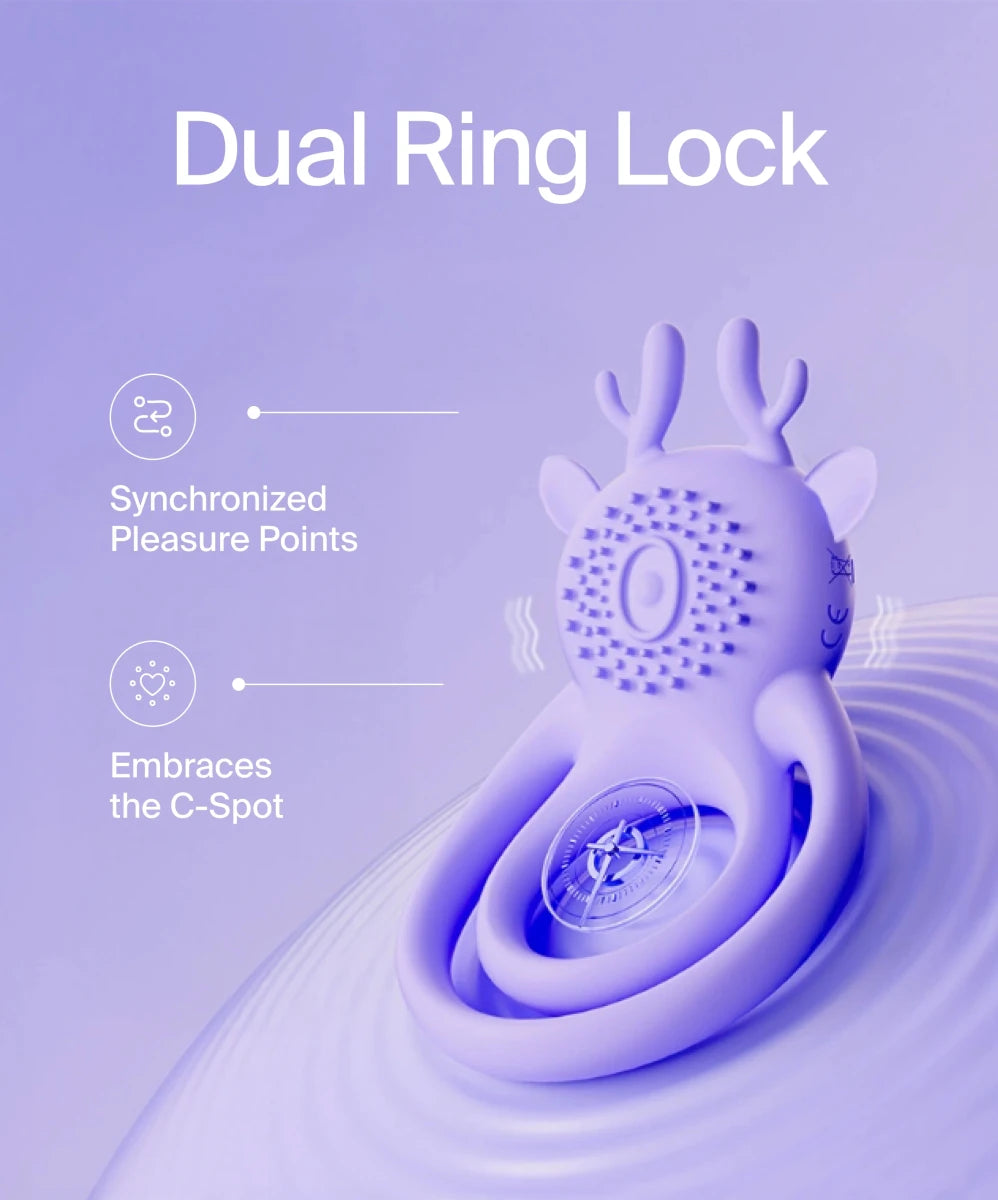
Cock rings worn at penis base that vibrate against clitoris during grinding or frottage. Provides shared pleasure for both partners simultaneously.
Incorporating Outercourse Into Established Relationships
Couples accustomed to penetration-focused sex may wonder how to shift dynamics.
Starting the Conversation
Frame it positively: "I read about some techniques I'd love to try with you" rather than "Penetration isn't working for me."
Share articles (like this one) providing educational context. Discuss the orgasm gap research if applicable—partners often welcome information helping them provide better pleasure.
Gradual Integration
Don't eliminate penetration entirely if both people enjoy it. Instead:
- Dedicate some sessions exclusively to outercourse
- Extend outercourse activities before progressing to penetration
- Sometimes finish with outercourse even after penetration begins
- Remove the assumption that penetration must occur every time
Redefining "Sex"
Explicitly discuss what "having sex" means in your relationship. Agreeing that any intimate pleasure-focused activity counts helps both people feel sexually satisfied even without penetration.
Managing Different Preferences
If one partner craves penetration more than the other:
- Alternate between penetration-focused and outercourse-focused encounters
- Incorporate penetration briefly within longer outercourse sessions
- The partner wanting penetration might use toys solo or together with partner's involvement
Outercourse for Specific Situations
Certain circumstances make non-penetrative sex particularly valuable.
Post-Childbirth Recovery
Doctors typically recommend waiting 4-6 weeks before penetrative sex after birth. Outercourse maintains intimacy during this healing period without risking complications.
Managing Chronic Pain
Conditions like endometriosis, vulvodynia, or interstitial cystitis often make penetration painful. Outercourse provides pleasure without exacerbating these conditions.
Navigating Erectile Difficulties
When achieving or maintaining erections proves challenging, removing penetration pressure eliminates performance anxiety. Partners can pleasure each other thoroughly through outercourse regardless of erection status.
Religious or Cultural Abstinence
Some people commit to virginity (defined as no vaginal penetration) before marriage. Outercourse allows sexual expression while honoring these commitments.
Long-Distance Relationships
Mutual masturbation via video call, sexting, and phone sex are outercourse activities maintaining sexual connection across distances.
Frequently Asked Questions
Can outercourse cause pregnancy?
Pregnancy is unlikely but possible if semen or pre-ejaculate touches the vulva. Outercourse is safest when partners avoid genital-to-genital contact and keep fluids away from the vaginal opening.
Is outercourse considered a sin or against religion?
Definitions vary across religions. Some strictly prohibit all sexual activity outside marriage, while others only restrict penetrative intercourse. Individuals should consult their faith guidelines and personal beliefs.
Is outercourse the same as celibacy?
No. Celibacy = no sexual activity at all. Outercourse involves sexual activity without penetration.
Does outercourse feel as good as penetration?
For many, especially people with vulvas, outercourse produces more reliable orgasms than penetration because it prioritizes clitoral stimulation.
Can I get an STI from outercourse?
Yes, especially from oral sex (herpes, gonorrhea, chlamydia), skin-to-skin contact (HPV), and touching genitals after fluids exchange. Barriers reduce risk.
Is outercourse safe during pregnancy?
Yes. As long as the pregnancy is low-risk and activities feel comfortable, outercourse is often recommended because it reduces pelvic pressure.
Can outercourse be painful?
Outercourse is usually gentler than penetration, but pain can occur with rough manual play, dry friction, insufficient lube, or pressure on sensitive areas.
Can you orgasm from outercourse?
Absolutely. Many people—particularly those with vulvas—orgasm more reliably from outercourse activities like oral sex or manual clitoral stimulation than from penetrative intercourse. For penis owners, oral sex, handjobs, and intercrural techniques all produce orgasms.
Is outercourse safer than intercourse?
For pregnancy prevention when practiced strictly, yes—risk is essentially zero. For STI prevention, it's safer than penetration but not risk-free. Oral sex can transmit infections, and skin-to-skin contact spreads herpes and HPV. Using barriers reduces risk further.
How do you bring up wanting more outercourse with a partner?
Choose a neutral, non-sexual moment. Explain what appeals to you: "I'd love to spend more time on oral/manual stimulation because it feels amazing" or "I've been curious about trying more variety beyond penetration." Share educational resources if helpful.
Does outercourse count as losing your virginity?
"Virginity" is a social construct with no medical definition. Whether outercourse activities "count" depends entirely on your personal or cultural framework. Many people consider themselves virgins until penetrative intercourse; others count any sexual activity.
Can you practice outercourse during periods?
Yes. Some activities like mutual masturbation involve no menstrual blood contact. Others like oral sex require comfort levels and communication—some people are fine with it using barriers, others prefer avoiding it.
What if my partner feels rejected when I suggest outercourse instead of penetration?
Emphasize that you're suggesting addition, not rejection. Frame it as expanding pleasure options rather than excluding something. If they take it personally, deeper conversation about expectations and definitions of satisfying sex may help.
Conclusion
Outercourse encompasses the vast majority of human sexual activity—everything except penetrative intercourse. Recognizing non-penetrative sex as equally valid, often more pleasurable, and sometimes safer than penetration expands intimate possibilities for everyone.
Whether addressing the orgasm gap, managing physical limitations, preventing pregnancy, or simply seeking variety, outercourse techniques offer rich, satisfying experiences that challenge narrow definitions of what "real" sex entails.Ready to explore products designed for external pleasure and non-penetrative play? Discover versatile options at Jissbon crafted to enhance every dimension of intimate connection.


Looking for something else?

What Is Flogging in Sex? Complete BDSM Flogging Guide
LEARN MORE
What Does Overstimulated Mean Sexually? Causes & Solutions
LEARN MORE
Can You Get a Tattoo on Your Vagina? Safety, Pain & What to Expect
LEARN MORE
Public Sex Kink: Understanding Exhibitionism & Safe Exploration
LEARN MORELooking for something else?

A-Spot Orgasm: Best Positions & How to Find It
LEARN MORE
Bondage Play: Complete Beginner's Guide to Rope BDSM
LEARN MORE
Vibrator Stories: Real Experiences, Tips & What to Expect
LEARN MOREYou may also like
20% off

20% off

20% off

20% off

20% off

20% off

Further reading

How to Clean an Automatic Blowjob Machine Without Damaging the Motor
Remote-Controlled Automatic Masturbators for Couples and Solo Play
Best Automatic Strokers for Edging and Stamina Training