


























































Orgasm Sounds: Understanding Vocal Expression During Climax
Stack & Save: Extra 15% with Jissbon15
Jissbon15
Orgasm sounds are the vocal expressions—moans, gasps, screams, whimpers, silence, or breathing changes—that people make during sexual climax.
These sounds vary dramatically between individuals and even between different orgasms for the same person, influenced by physiology, psychology, inhibition levels, cultural conditioning, and conscious or unconscious performance.
There is no "correct" way to sound during orgasm; the entire spectrum from completely silent to extremely loud is normal and valid.
Whether you're curious why people make sounds during sex, wondering if your own sounds are normal, concerned about being too loud or too quiet, interested in the science behind moaning, or working to embrace authentic sexual expression, this comprehensive guide covers biological mechanisms, psychological factors, cultural influences, performance versus authenticity, and celebrating individual diversity.
Why Moaning Exists: Evolutionary & Social Theories
Scientists propose several explanations for why humans vocalize during sex and orgasm:
1. Physiological Release
Moaning:
- regulates breathing
- reduces tension
- helps the body manage intense stimulation
- increases pleasure by relaxing throat and pelvic muscles
The throat–pelvic floor connection means relaxing your throat can intensify orgasms.
2. Social Bonding Theory
Vocalization signals:
- trust
- vulnerability
- shared pleasure to a partner.
This encourages emotional bonding and reinforces sexual compatibility.
3. Arousal Feedback Loop
Hearing your own sounds increases arousal. Hearing your partner’s sounds increases their arousal.
This creates a loop where sound amplifies pleasure on both sides.
4. Communicative Function
Moaning provides real-time information:
- pace
- pressure
- intensity
- rhythm that partners can match without verbal instructions.
5. Evolutionary Attraction Signals
Some anthropologists believe vocal pleasure signals helped early humans:
- attract a partner
- demonstrate reproductive fitness
- strengthen pair bonding
The Biology of Orgasm Sounds

Physical processes during climax naturally produce vocal responses.
Neurological Responses
During orgasm, the brain's prefrontal cortex (responsible for self-control and inhibition) temporarily decreases activity. This reduction in the "filter" region naturally leads to:
- Less controlled vocal expression
- Reduced self-consciousness about sounds
- More authentic, involuntary responses
- Release of socially-conditioned restraint
Simultaneously, the limbic system (emotional processing center) activates intensely, producing strong emotional responses that often manifest vocally.
Respiratory Changes
Orgasm triggers automatic respiratory patterns:
- Hyperventilation: Rapid, shallow breathing during buildup
- Breath holding: Many people unconsciously hold breath at climax peak
- Forceful exhalation: Release of held breath creates vocal sounds
- Irregular patterns: Gasps, stuttered breathing, sighs
These breathing changes naturally produce sound even without intentional vocalization.
Muscular Contractions
Orgasm involves rhythmic contractions of:
- Pelvic floor muscles
- Abdominal muscles
- Diaphragm and intercostal muscles
- Throat and vocal cord muscles
Involuntary muscle contractions, especially in the abdomen and diaphragm, force air through vocal cords creating sounds. This is why some orgasm sounds feel completely involuntary—they literally are muscular reflexes.
Endorphin & Oxytocin Release
The neurochemical flood during orgasm includes:
- Endorphins (natural opioids reducing pain, creating euphoria)
- Oxytocin (bonding hormone)
- Dopamine (pleasure neurotransmitter)
This chemical cocktail produces emotional expressions—joy, relief, vulnerability—that naturally vocalize. According to sexual health research from Planned Parenthood, these involuntary responses are part of normal sexual function.
The Spectrum of Normal Orgasm Sounds
Enormous variation exists—all legitimate expressions of pleasure.
Silent Orgasms
Many people climax with minimal or no sound:
- Barely audible sighs
- Changed breathing (but quiet)
- Physical tension release without vocalization
- Completely silent but internally intense
Reasons for Quiet Orgasms:
- Natural disposition (some people are simply quiet)
- Deep internal focus (sound pulls attention outward)
- Learned silence (years of needing to be quiet)
- Cultural conditioning about appropriate expression
- Concern about being heard by others
Moderate Sounds
Middle-range vocal expression includes:
- Moaning at conversational volume
- Breathing heavily with occasional words
- Gasps and sighs
- Low groans or hums
- Name-saying or brief exclamations
Loud Orgasms
High-volume expressions include:
- Screaming or yelling
- Very loud moaning
- Sustained high-pitched sounds
- Shouted words or phrases
- Extended vocal release
Reasons for Loud Orgasms:
- Intensity of sensation overwhelming restraint
- Cultural conditioning that loudness = better
- Unconscious amplification (genuine + performance)
- Personality (generally expressive people)
- Intentional communication to partner
Non-Vocal Sounds
- Heavy breathing
- Rhythmic exhalations
- Animalistic grunts
- Whimpering or crying
- Laughter (yes, some people laugh during orgasm)
Common Sound Patterns
Building Pattern: Quiet → increasingly vocal → peak loudness at climax → tapering off
Sudden Release: Quiet throughout → sudden loud sound at exact moment of orgasm → return to quiet
Sustained: Consistent volume and type throughout
Completely Internal: No external sound regardless of intensity
Psychological & Cultural Influences

Social conditioning heavily impacts orgasm vocalization.
Cultural Programming
Different cultures teach vastly different messages about sexual expression:
Sexually Expressive Cultures:
- View vocal pleasure as natural, healthy
- Media portrays loud, enthusiastic sex sounds
- People grow up hearing sexual sounds are normal
- Result: Less inhibition about natural expression
Sexually Repressive Cultures:
- Silence about sex creates shame
- Belief that "good" people don't make loud sexual sounds
- Religious or moral teachings discouraging pleasure expression
- Result: Learned suppression of natural sounds
Gender Conditioning
Women/Feminine Individuals: Often receive mixed messages:
- Expected to be vocally responsive (partners use sounds as feedback)
- But judged as "too sexual" or "performative" if very loud
- Pornography creates unrealistic sound expectations
- Pressure to perform vocally even when not natural
Men/Masculine Individuals: Different conditioning:
- Often taught to be stoic, controlled during sex
- Vocal expression may be seen as "losing control" (negative connotation)
- Less media representation of male pleasure sounds
- May suppress natural vocalizations
Personal History
Learned Silence: People who needed to be quiet during formative sexual experiences (parents nearby, roommates, thin walls) often internalize silence even when privacy isn't a concern.
Past Trauma: Survivors of sexual trauma may disconnect from vocal expression as protective mechanism or associate sounds with vulnerability triggering anxiety.
Positive Reinforcement: Partners who responded enthusiastically to certain sounds may have unconsciously shaped current vocal patterns.
Performance vs. Authenticity
The line between genuine expression and performance can blur.
Genuine Involuntary Sounds
Characteristics of authentic orgasm sounds:
- Happen without conscious thought
- Vary between orgasms (not identical every time)
- Match intensity of sensation
- Can't be easily replicated on demand
- Feel like release rather than effort
Conscious Amplification
Many people unconsciously or intentionally amplify natural sounds:
- Making slightly louder sounds than purely involuntary
- Extending sounds longer than natural impulse
- Adding dramatic flair to genuine expression
Reasons:
- Communicating pleasure to partner
- Enhancing own arousal (sound can increase sensation)
- Meeting perceived expectations
- Making partner feel good about their performance
Full Performance
Completely faked sounds:
- Disconnected from actual sensation
- Identical pattern every time (like script)
- Timed to partner's actions rather than own sensation
- Intended to convince partner of orgasm that isn't happening
Why People Fake:
- Wanting encounter to end
- Protecting partner's ego
- Believing they "should" orgasm
- Lacking communication skills to guide partner differently
The Problem with Faking:
- Prevents learning what actually works
- Creates pattern of dishonesty
- Partner continues ineffective techniques
- Reduces likelihood of genuine orgasm
Sound & Communication

Vocal expression serves important functions during sex.
Feedback Mechanism
Natural sounds tell partners:
- What's working well
- When to continue current action
- When intensity increases
- When climax is approaching or happening
This real-time feedback is more immediate than verbal instructions.
Arousal Enhancement
Sounds can increase arousal for both partners:
- Hearing partner's pleasure is arousing
- Making sounds can intensify your own sensation
- Creates erotic feedback loop
- Breaks silence that can feel awkward
Emotional Release
Vocalization provides:
- Release of emotional tension
- Expression of vulnerability
- Connection with primal, uninhibited self
- Permission to lose control
Embracing Your Authentic Expression
Moving beyond self-consciousness toward genuine pleasure.
Accepting Your Natural Sound
Whatever sounds you naturally make—loud, quiet, or anywhere between—are your authentic expression. They don't need to:
- Match pornography
- Sound like previous partners
- Meet current partner's expectations
- Look "sexy" to outside observers
Exploration Exercise
Solo practice identifying your natural sounds:
- Masturbate in complete privacy
- Give yourself permission to make any sound without judgment
- Notice what emerges naturally versus what feels performed
- Experiment with being louder/quieter than usual
- Identify what feels most authentic and satisfying
Overcoming Learned Silence
If you've suppressed sounds for years:
- Start by allowing quiet sighs or breathing
- Gradually increase comfort with sound
- Practice alone before with partners
- Remember: slight discomfort is normal when changing patterns
- Partners typically appreciate increased vocal expression
Communication with Partners
Discuss sound preferences:
- "I'm naturally pretty quiet, but I'm definitely enjoying this"
- "Loud sounds really turn me on—don't hold back"
- "I'm working on being more vocal; it helps me when you encourage me"
- "I make sounds that feel natural rather than performing"
When Sounds Become Issues
Addressing specific challenges around orgasm vocalization.
"I'm Too Loud & Disturbing Others"
Solutions:
- Bury face in pillow
- Turn on music or white noise
- Time sexual activity when privacy is available
- Use gag (if consensually exploring BDSM)
- Work on volume control if needed
"My Partner Expects Sounds I Don't Naturally Make"
- Communicate clearly about your authentic expression
- Explain variation is normal
- Offer other feedback methods (words, body language)
- Consider whether partner's expectations are reasonable
- Don't fake to manage their insecurity
"I Feel Self-Conscious About My Sounds"
- Remember partner chose to be intimate with you
- Sounds signal pleasure (positive feedback)
- Partners typically find authentic expression arousing
- Self-consciousness reduces pleasure—work on accepting yourself
- Consider whether this relates to broader body image work
"I Can't Make Sounds Even When I Want To"
- Practice alone first (reduces performance pressure)
- Start with breathing variations
- Gradually add sighs and quiet sounds
- Work with sex therapist if connected to trauma
- Accept your current capacity without forcing
The Role of Audio Erotica & Sound
Recorded orgasm sounds serve specific purposes.
Audio Erotica
Recorded sexual content focusing on sound:
- Allows listening to diverse expressions
- Normalizes range of sounds
- Provides arousal material for auditory-focused people
- Can inspire exploration of own vocalization
Benefits:
- Privacy (headphones)
- Imagination engagement
- No visual unrealistic body standards
- Focus purely on pleasure expression
Orgasm Sound Libraries
Projects collecting real orgasm recordings:
- Demonstrate enormous diversity
- Combat "perfect orgasm sound" myth
- Educational about normal variation
- Normalize authentic expression
Using Sound During Solo Play
Listening to pleasure sounds while masturbating:
- Can increase arousal
- Provides "company" during solo sessions
- Helps normalize vocal expression
- Offers variety in sensory stimulation
Quality pleasure products combined with audio content create immersive solo experiences.
Sounds Across Different Orgasm Types
Vocal expression varies by stimulation type.
Clitoral Orgasms
Often produce:
- High-pitched sounds
- Quick, rhythmic vocalizations
- Sudden sharp sounds at climax
- Breathier quality
G-Spot/Internal Orgasms
Typically create:
- Deeper, more guttural sounds
- Longer, sustained moaning
- More "full body" quality vocalization
- Lower pitch generally
Blended Orgasms
Combination produces:
- More complex sound patterns
- Longer duration vocalizations
- Higher intensity volume
- Varied pitch and rhythm
Multiple Orgasms
Successive climaxes often result in:
- Quieter second/third orgasms
- More exhausted-sounding expressions
- Less controlled vocalizations
- Sometimes crying or laughter
Frequently Asked Questions
What’s the average time for a female to finish?
Highly variable. Some reach orgasm in 3–7 minutes of focused clitoral stimulation; others take 10–20 minutes or longer. Stress, environment, and stimulation type influence timing. No “correct” duration exists.
Can men feel a woman’s climax?
Sometimes — depending on the scenario. Partners may notice:
- rhythmic pelvic floor contractions
- increased lubrication
- body tension
- changes in breathing
- vocalization shifts
But orgasm isn’t always externally detectable.
Is it healthy for a woman to climax every day?
Yes — daily orgasms are safe for most people. Benefits may include:
- stress reduction
- better sleep
- improved mood
- pelvic floor health
Only problematic if compulsive or interfering with daily life.
What happens during female orgasm?
A combination of:
- pelvic floor muscle contractions
- increased heart rate
- dopamine + oxytocin release
- vaginal pulsing
- full-body tension + release
- altered breathing patterns
Is it normal to be completely silent during orgasm?
Yes, completely normal. Some people naturally experience intense pleasure with minimal external expression. Silence doesn't indicate lesser pleasure or orgasm quality. Internal experience matters more than external display.
Why do I sound different during different orgasms?
Intensity varies, stimulation type differs, emotional state changes, and physical positioning affects breathing—all influence sound. Even the same person's orgasms vary dramatically. Consistency isn't required or expected.
Should my orgasm sounds match pornography?
Absolutely not. Pornography features performed sounds for visual entertainment. Real orgasm sounds vary enormously. Most pornography significantly exaggerates volume, duration, and consistency of sounds.
Can I train myself to be louder or quieter?
Yes, with practice. Conscious vocal control is possible, though completely suppressing involuntary sounds requires effort that may reduce pleasure. Adding intentional sounds is easier than suppressing natural ones.
Do partners expect certain sounds?
Some partners have expectations from pornography or previous relationships. However, healthy partners appreciate authentic expression over performance. Communication about preferences and natural variation resolves most concerns.
Is loud better than quiet?
Neither is inherently better. Loud doesn't equal more pleasure, and quiet doesn't mean less. Preference varies by individual. What matters is your sounds feel authentic and comfortable to you.
Conclusion
Orgasm sounds span an enormous spectrum from complete silence to loud screaming—every point on this continuum represents valid, normal expression. Biological reflexes, psychological factors, cultural conditioning, and individual personality combine to create each person's unique vocal pattern, which may vary between different orgasms.
Rather than performing sounds to meet perceived expectations or suppressing natural expression from shame, embracing authentic vocalization—whatever that sounds like for you—enhances pleasure and connection. Your genuine sounds, quiet or loud, are perfect exactly as they are.
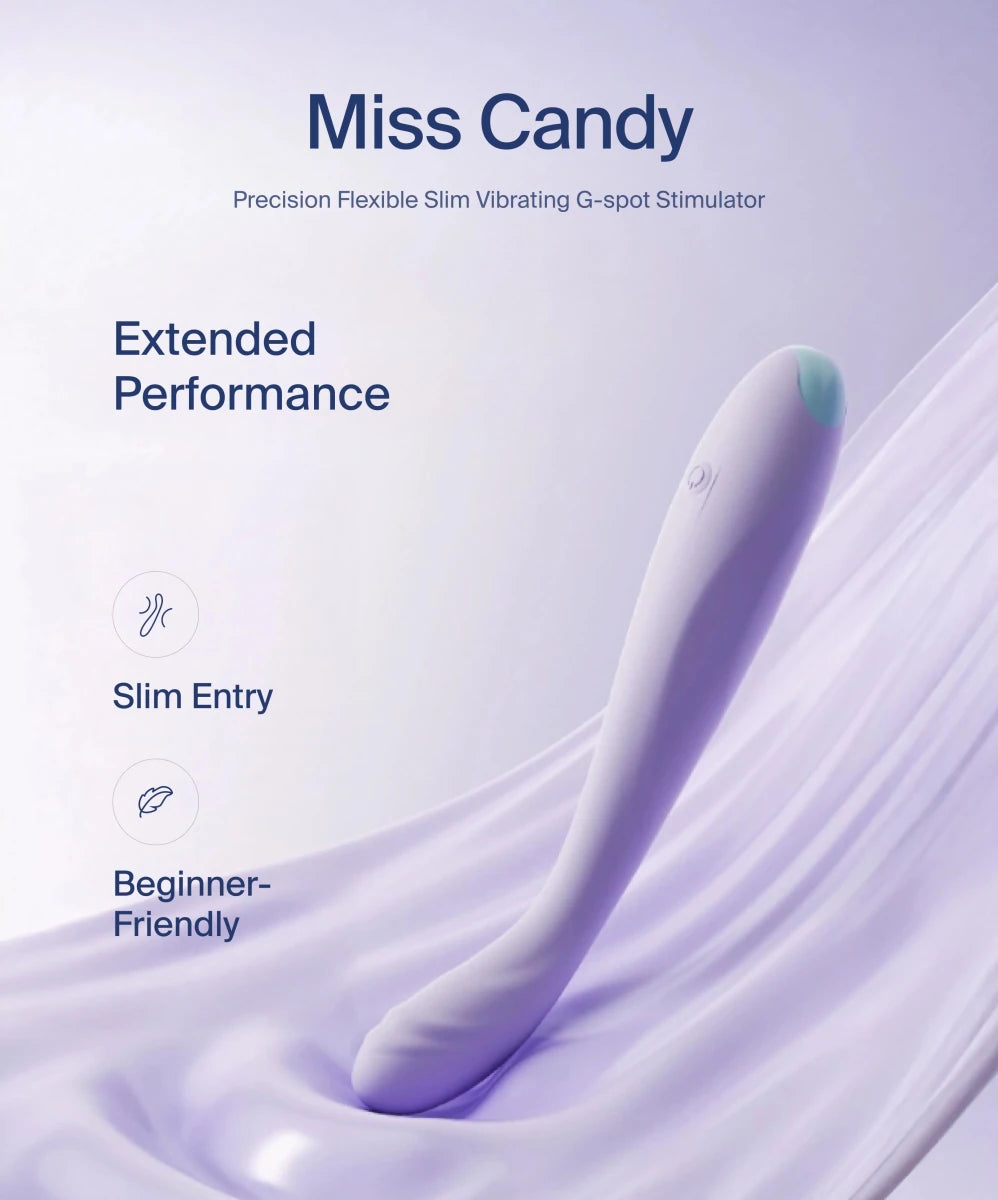
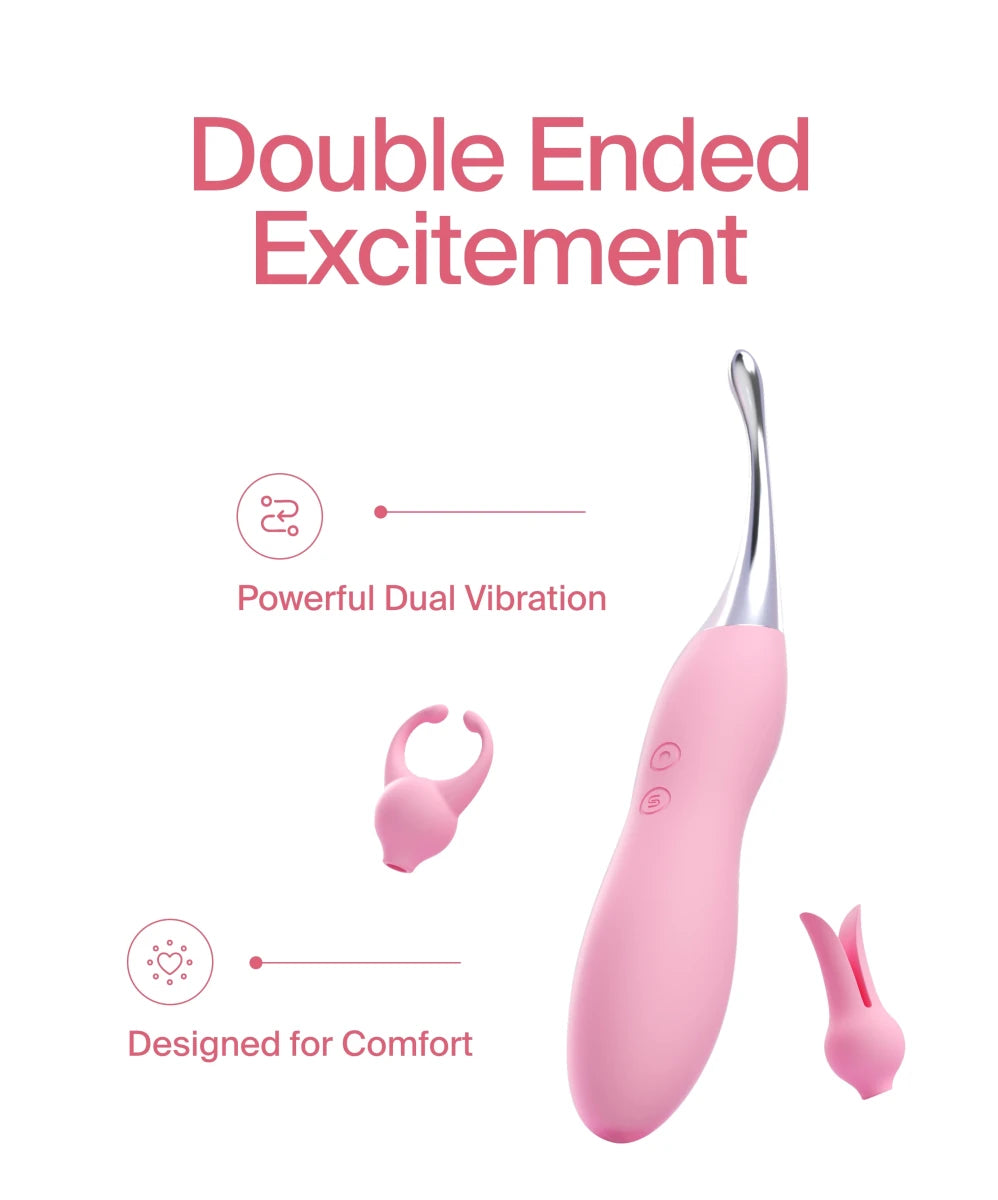
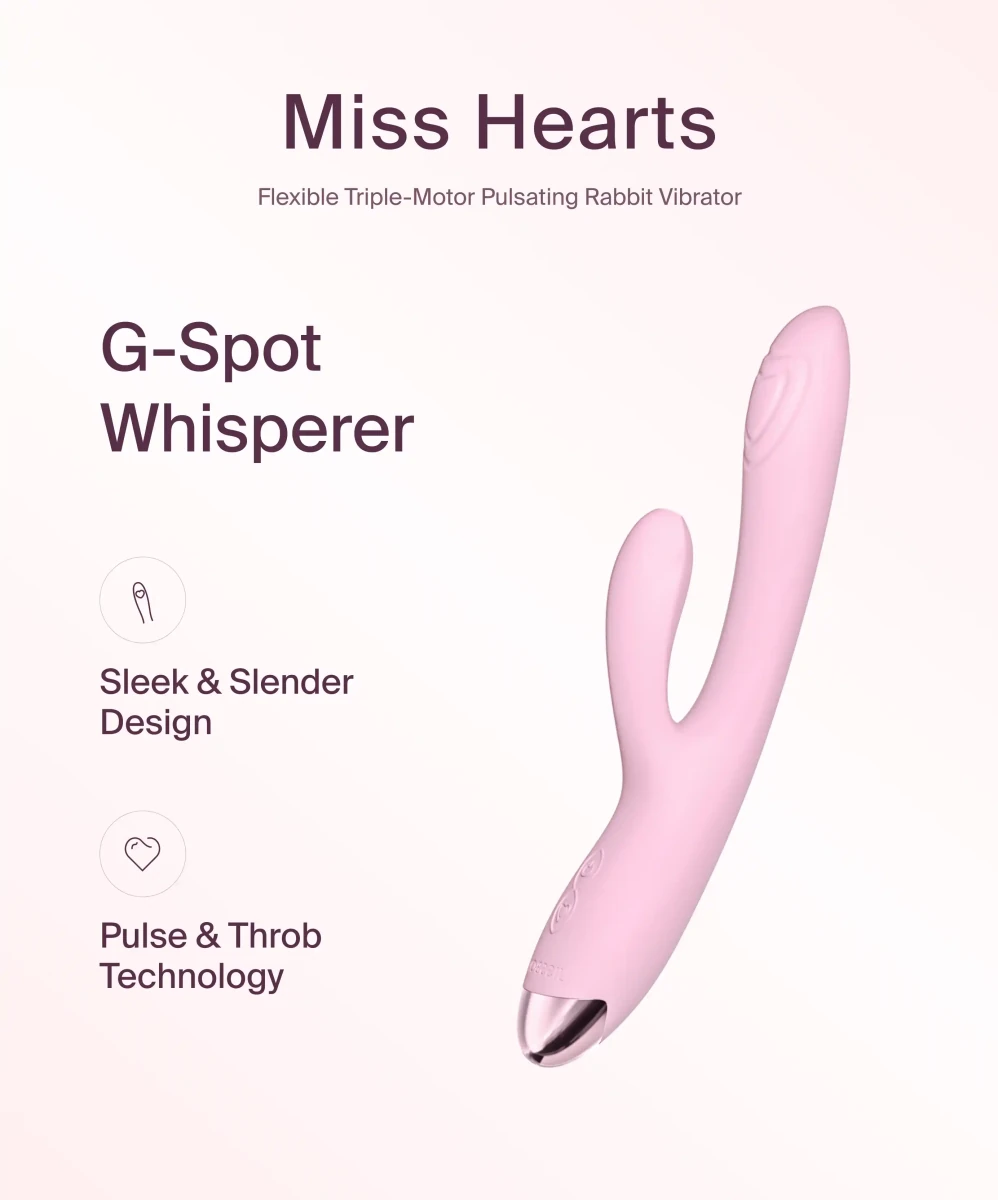
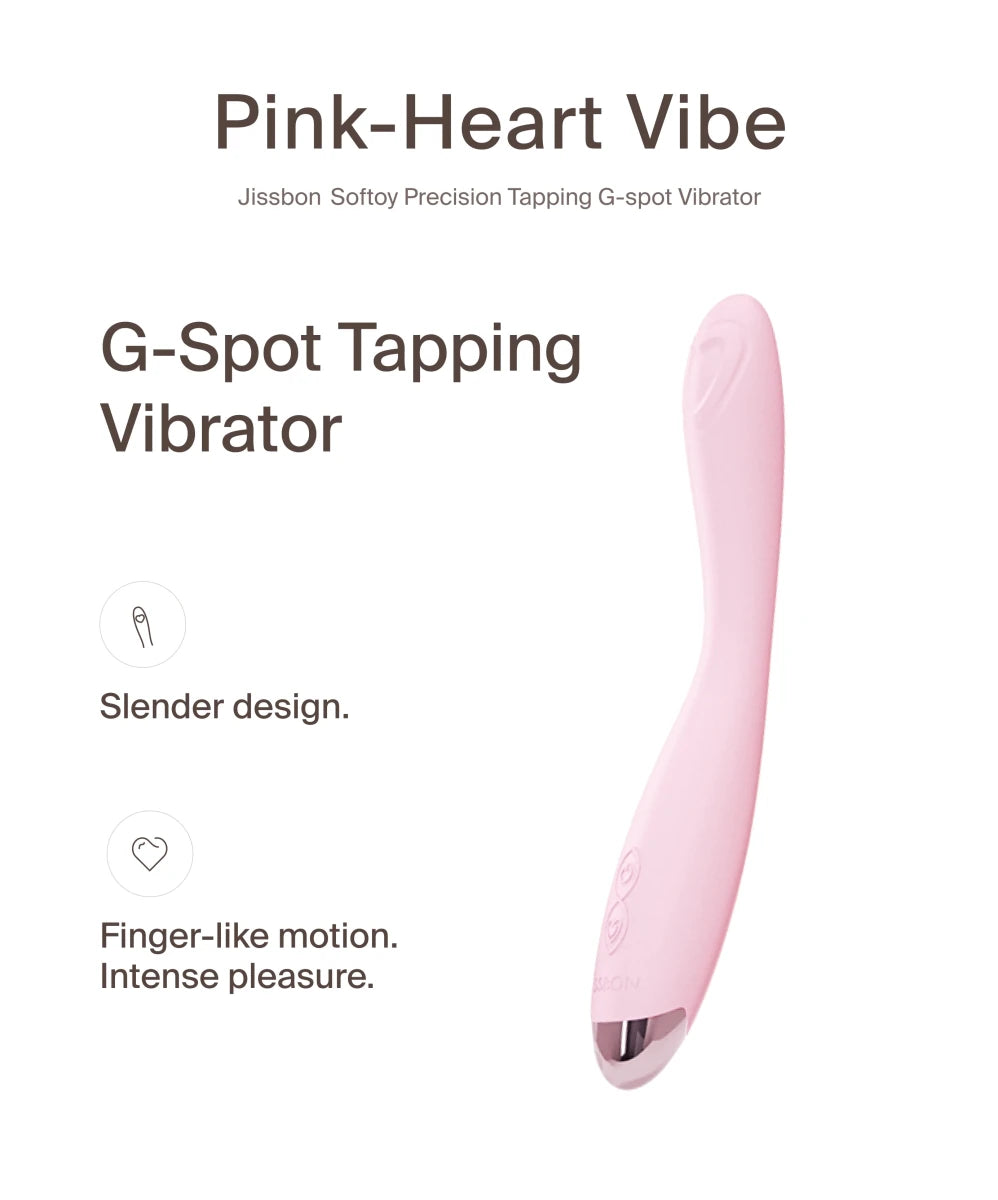
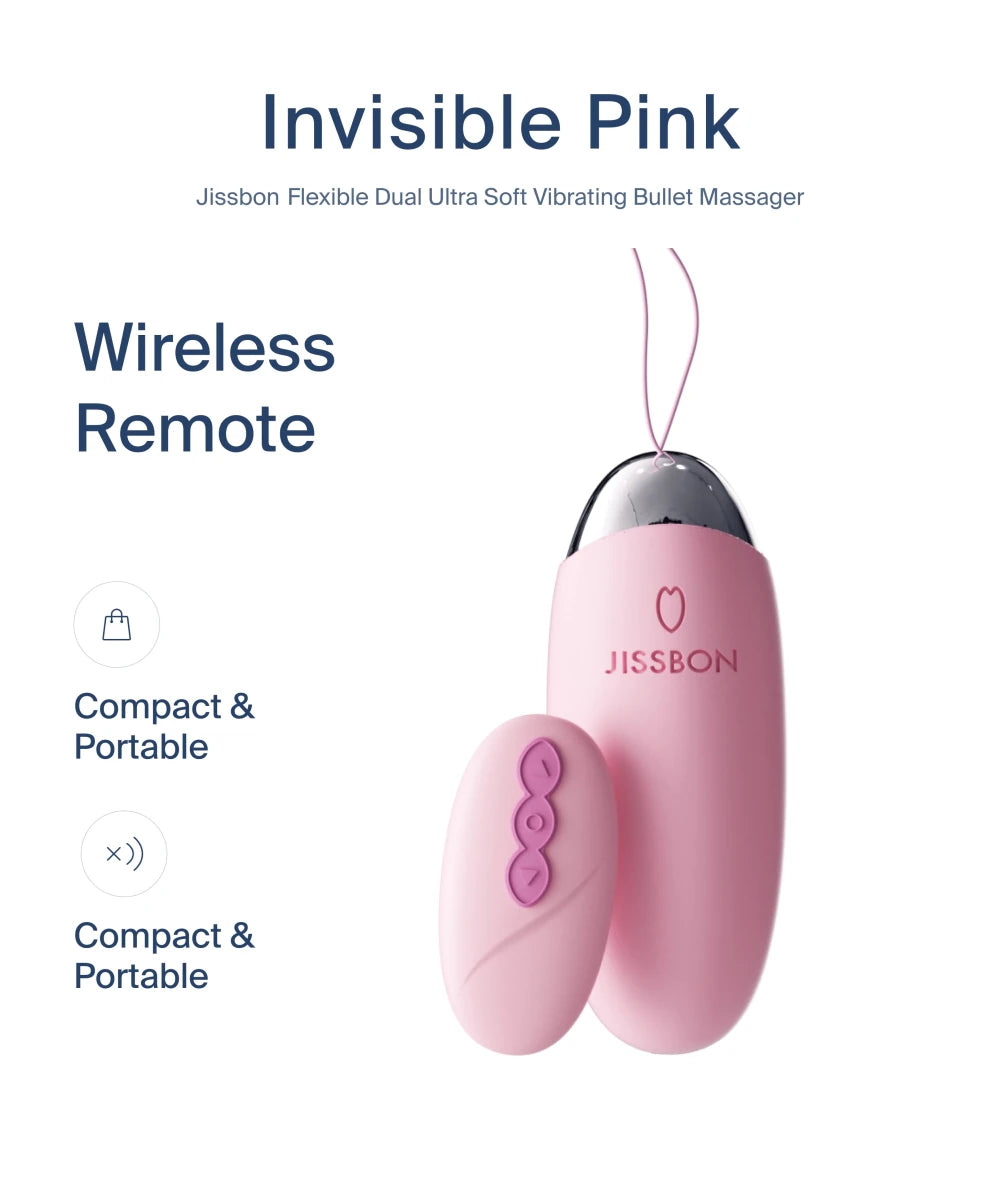
Ready to explore pleasure in the privacy that allows authentic expression? Discover quality vibrators and intimate products supporting your unique pleasure journey at Jissbon.


Looking for something else?

What Is Flogging in Sex? Complete BDSM Flogging Guide
LEARN MORE
What Does Overstimulated Mean Sexually? Causes & Solutions
LEARN MORE
Can You Get a Tattoo on Your Vagina? Safety, Pain & What to Expect
LEARN MORE
Public Sex Kink: Understanding Exhibitionism & Safe Exploration
LEARN MORELooking for something else?

A-Spot Orgasm: Best Positions & How to Find It
LEARN MORE
Bondage Play: Complete Beginner's Guide to Rope BDSM
LEARN MORE
Vibrator Stories: Real Experiences, Tips & What to Expect
LEARN MOREYou may also like
20% off

20% off

20% off

20% off

20% off

20% off

Further reading

How to Clean an Automatic Blowjob Machine Without Damaging the Motor

Remote-Controlled Automatic Masturbators for Couples and Solo Play
Best Automatic Strokers for Edging and Stamina Training