










































Non-Binary Intimacy: Complete Guide to Affirming Sexual Connection
Stack & Save: Extra 15% with Jissbon15
Jissbon15
Non-binary sexual intimacy involves creating affirming physical and emotional connections that respect gender identities existing outside the male/female binary. This includes communication about body language, managing dysphoria, honoring boundaries around anatomy and activities, and prioritizing pleasure without assuming gendered scripts about what sex "should" look like.
Whether you're non-binary exploring your own sexuality, partnered with someone non-binary, or seeking to understand diverse intimate experiences, this guide covers language considerations, dysphoria management, communication strategies, product choices, and creating affirming encounters that celebrate rather than constrain gender expression.
Core Themes Non-Binary People Often Prioritize
Not every non-binary person shares the same needs, but research and lived-experience surveys highlight common themes:
1. Autonomy over how their body is engaged
Affirming encounters allow the person to decide:
- which body parts are sexual
- which parts are neutral
- which are off-limits
This autonomy reduces dysphoria and increases pleasure.
2. Decoupling body parts from gendered expectations
A non-binary person with a penis may not want it treated as inherently “masculine.”
A non-binary person with a vulva may not want stimulation described with feminine-coded language.
3. Emotional affirmation during intimacy
Partners using correct pronouns, desired titles (babe, love, handsome, gorgeous, etc.), and validating compliments (“you look incredible,” “your body is perfect for me”) enhance safety and arousal.
4. Flexible roles — not fixed top/bottom dynamics
SERP results show curiosity about roles:
- “Can non-binary people be dominant?”
- “Do non-binary people prefer topping or bottoming?”
Answer: Yes to all of the above — roles are not gendered.
Slow transitions between activities
This allows space to check dysphoria levels, bodily comfort, and emotional connection.
Testosterone (T) Changes
For AFAB non-binary people using low-dose or full-dose T:
Increases:
- libido
- clitoral size (“bottom growth”)
- genital sensitivity
- ease of achieving orgasm
May Decrease:
- natural lubrication
- vaginal elasticity (leading to dryness or discomfort)
Estrogen + Anti-Androgens Changes
For AMAB non-binary people on estrogen:
Increases:
- nipple/skin sensitivity
- emotional intimacy responses
- capacity for multiple orgasms (sometimes)
May Decrease:
- spontaneous erections
- ejaculate volume
- firmness of erections
Important
Hormones do NOT eliminate fertility unless medical steps are taken — this should be emphasized for safe sex accuracy.
Understanding Non-Binary Identity in Sexual Contexts
Non-binary is an umbrella term encompassing diverse gender experiences outside the binary categories of exclusively male or exclusively female.
Identity Spectrum
Non-binary people may:
- Identify as a mix of masculine and feminine
- Feel their gender shifts or fluctuates (genderfluid)
- Identify as neither male nor female (agender)
- Experience gender entirely outside these concepts
- Have a consistent gender that simply doesn't fit binary categories
Distinction from Sexual Orientation
Gender identity (who you are) differs from sexual orientation (who you're attracted to). Non-binary people can be straight, gay, lesbian, bisexual, pansexual, asexual, or any other orientation.
Bodies & Identity
Non-binary people have diverse bodies—some pursue medical transition (hormones, surgery), others don't. Body configuration doesn't determine or validate someone's gender identity. A non-binary person with a penis is no less non-binary than one with a vagina or post-surgical anatomy.
Language Matters: Talking About Bodies & Acts

How you refer to anatomy and activities significantly impacts comfort and affirmation.
Asking Rather Than Assuming
Never assume what terms someone prefers for their anatomy. Ask directly: "What words do you prefer for your body parts?" or "How would you like me to refer to this area?"
Some non-binary people use clinical terms (penis, vagina, chest), others prefer gender-neutral alternatives (front hole, bottom growth, t-dick), and some create entirely personal language.
Common Alternative Terminology
|
Standard Term |
Some Non-Binary Alternatives |
Context Notes |
|
Vagina |
Front hole, hole, internal genitals |
Varies by individual preference |
|
Penis |
Dick, cock, junk, bottom growth (for those on testosterone) |
"Bottom growth" refers to clitoral enlargement from T |
|
Breasts |
Chest, pecs, top |
Particularly for transmasculine individuals |
|
Clitoris |
Dick, t-dick (on testosterone), clit |
Some prefer masculine terms |
|
Penetration |
Topping, filling, internal stimulation |
Gendered language like "taking it" may not fit |
Respecting Individual Choices
What works for one non-binary person may feel completely wrong to another. Some embrace anatomical terms without dysphoria; others find them triggering. Never generalize—always ask the specific person you're with.
Pronouns in Intimate Settings
Maintaining correct pronouns during sex matters enormously. Being misgendered at vulnerable moments can be deeply jarring and dysphoria-inducing. If you slip up, briefly correct yourself and move on rather than making a production that centers your mistake.
Managing Gender Dysphoria During Intimacy
Many non-binary people experience dysphoria—distress caused by mismatch between gender identity and body, social treatment, or expectations.
What Dysphoria Can Look Like
During sexual encounters, dysphoria might manifest as:
- Suddenly feeling disconnected or numb
- Intense discomfort when certain body parts are touched
- Intrusive thoughts about not being seen correctly
- Anxiety about body appearance
- Difficulty staying present or aroused
Proactive Strategies
According to guidance from Planned Parenthood on trans and non-binary sexual health Planned Parenthood, having a plan for dysphoria can make it easier to respond and feel better sooner.
Pre-Intimacy Communication
Before getting sexual, discuss:
- Which body parts feel affirming versus triggering
- Whether lights should be on/off/dimmed
- If certain clothing (binders, packers, etc.) stays on
- Safe words or signals for pausing if dysphoria hits
- What helps when dysphoria emerges (specific touch, verbal affirmation, taking breaks)
During-Encounter Adjustments
If dysphoria arises mid-encounter:
- Use the established safe word to pause or stop
- Verbally affirm the person's gender ("You're so handsome," "Look at my beautiful enby")
- Shift to activities that don't trigger dysphoria
- Focus on parts of the body that feel affirming
- Take a complete break if needed—sexual encounters don't need to conclude with orgasm
What Partners Can Do
Supporting someone through dysphoria means:
- Taking it seriously without dismissing or minimizing
- Not taking it personally if they need to stop
- Following their lead on what helps
- Checking in afterward about what would work better next time
Redefining Sex Beyond Binary Scripts

Traditional sexual scripts assume certain genders do certain acts—non-binary intimacy benefits from questioning these assumptions.
"Sex" Doesn't Have One Definition
According to sexual health educators, sex isn't one type of activity, and people get to define what sex means for them Planned Parenthood. Sexual activities don't even have to involve genitals.
For some non-binary people, sex might center entirely around making out, sensual massage, or mutual masturbation while avoiding genital contact. Others engage all body parts with enthusiasm. Neither approach is more valid.
Abandoning Penetration as Goal
Binary sexual scripts often position penetration as the "main event." For many non-binary people (and plenty of binary folks), penetration may be:
- Not pleasurable
- Dysphoria-inducing
- Simply not interesting
- One option among equals rather than the pinnacle
Creating sexual encounters that don't assume penetration will happen opens space for diverse pleasure.
Activity ≠ Role ≠ Gender
The heteronormative script links anatomy, role, and activity (penis-haver = penetrator = masculine dominant). Non-binary intimacy rejects these connections.
A non-binary person with a vagina might prefer topping/giving. Someone with a penis might exclusively want to receive penetration. Gender, anatomy, and sexual preferences don't correlate predictably.
Communication Strategies for Affirming Encounters
Explicit, ongoing communication replaces assumptions based on binary norms.
Pre-Intimacy Conversations
Before first sexual encounters, discuss:
- What activities interest you both
- What's absolutely off-limits
- Body parts and language preferences
- How to handle dysphoria if it arises
- What arousal looks like for each person (not everyone gets wet or hard consistently)
During Intimacy
Maintain verbal communication:
- "Is this okay?" / "Do you want more?"
- "Tell me what feels good"
- Name body parts using agreed-upon language
- Offer specific options: "Would you like me to touch your [preferred term]?"
- Check in if you notice mood shifts
Consent as Ongoing
Consent isn't one-time permission but continuous agreement. Either person can pause or stop at any point. Changes in body language warrant check-ins.
Feedback Without Criticism
Frame feedback positively: "I really liked when you..." or "Could you try...?" rather than "I don't like when..." This builds confidence while guiding toward mutually satisfying activities.
Product Choices for Diverse Bodies

Thoughtfully selected products accommodate various anatomies and dysphoria considerations.
For Transmasculine/Masculine Non-Binary People
Those on testosterone may experience:
- Clitoral growth (bottom growth)
- Vaginal dryness or atrophy
- Increased sensation in bottom growth
Products addressing these changes:
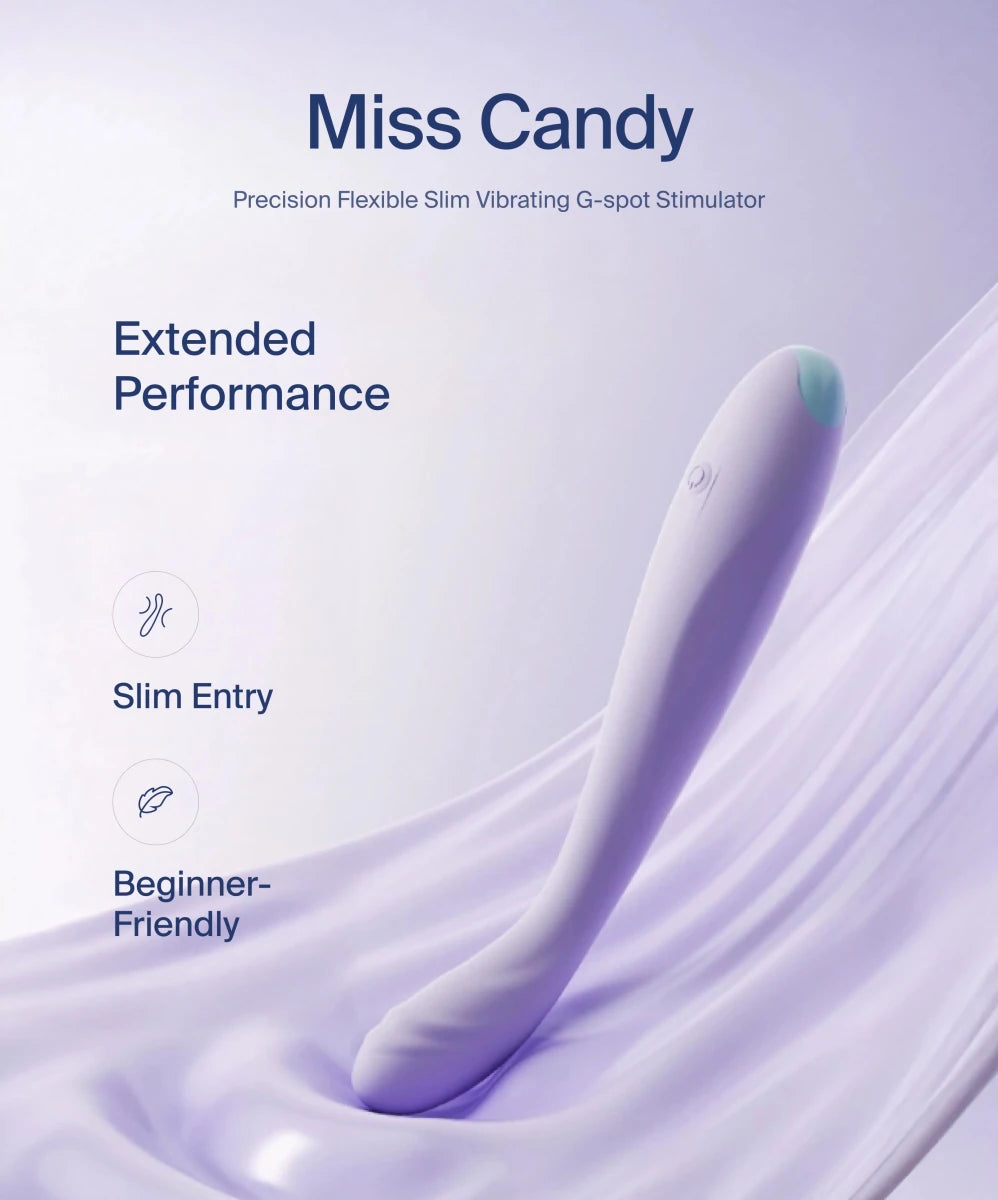
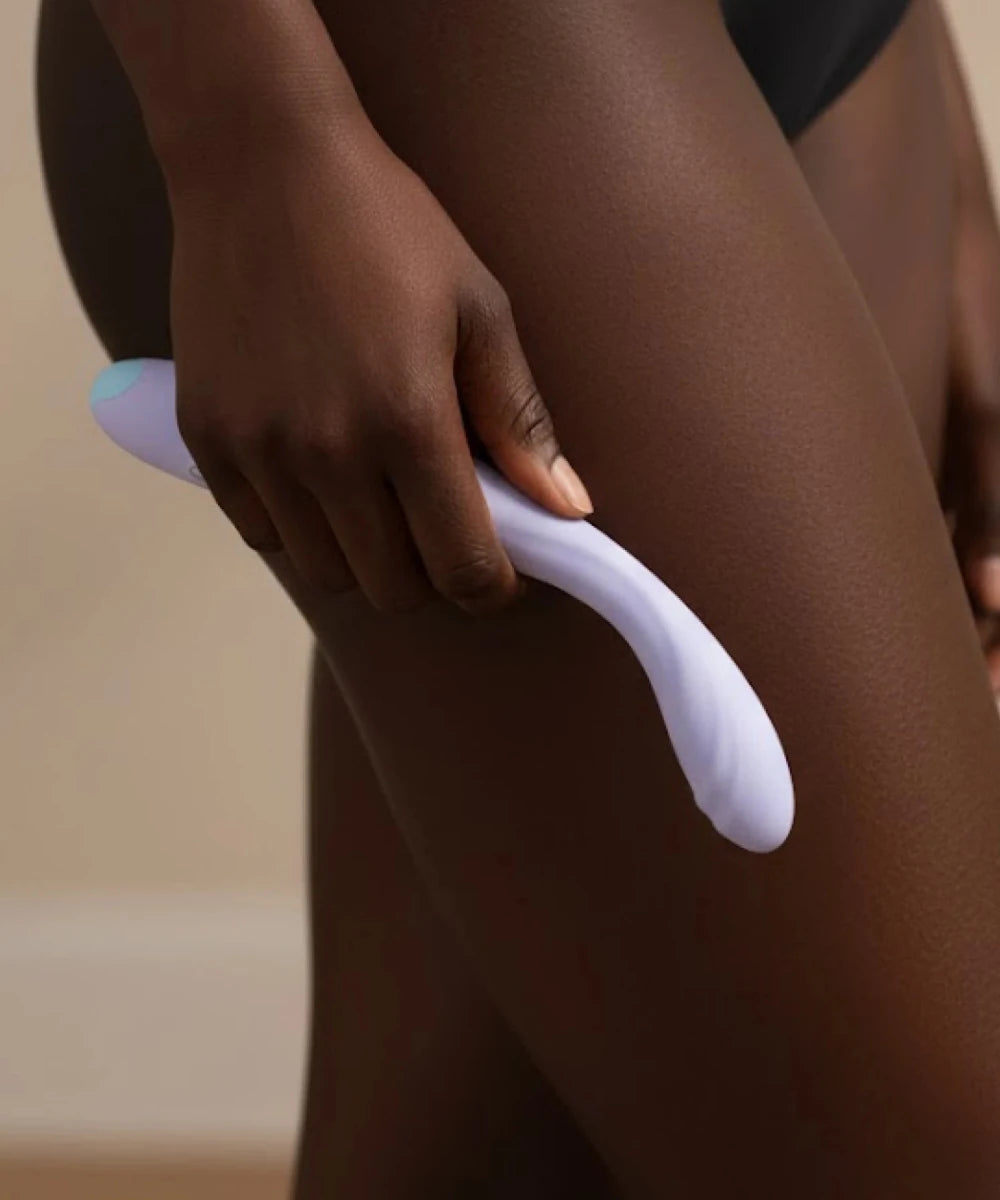
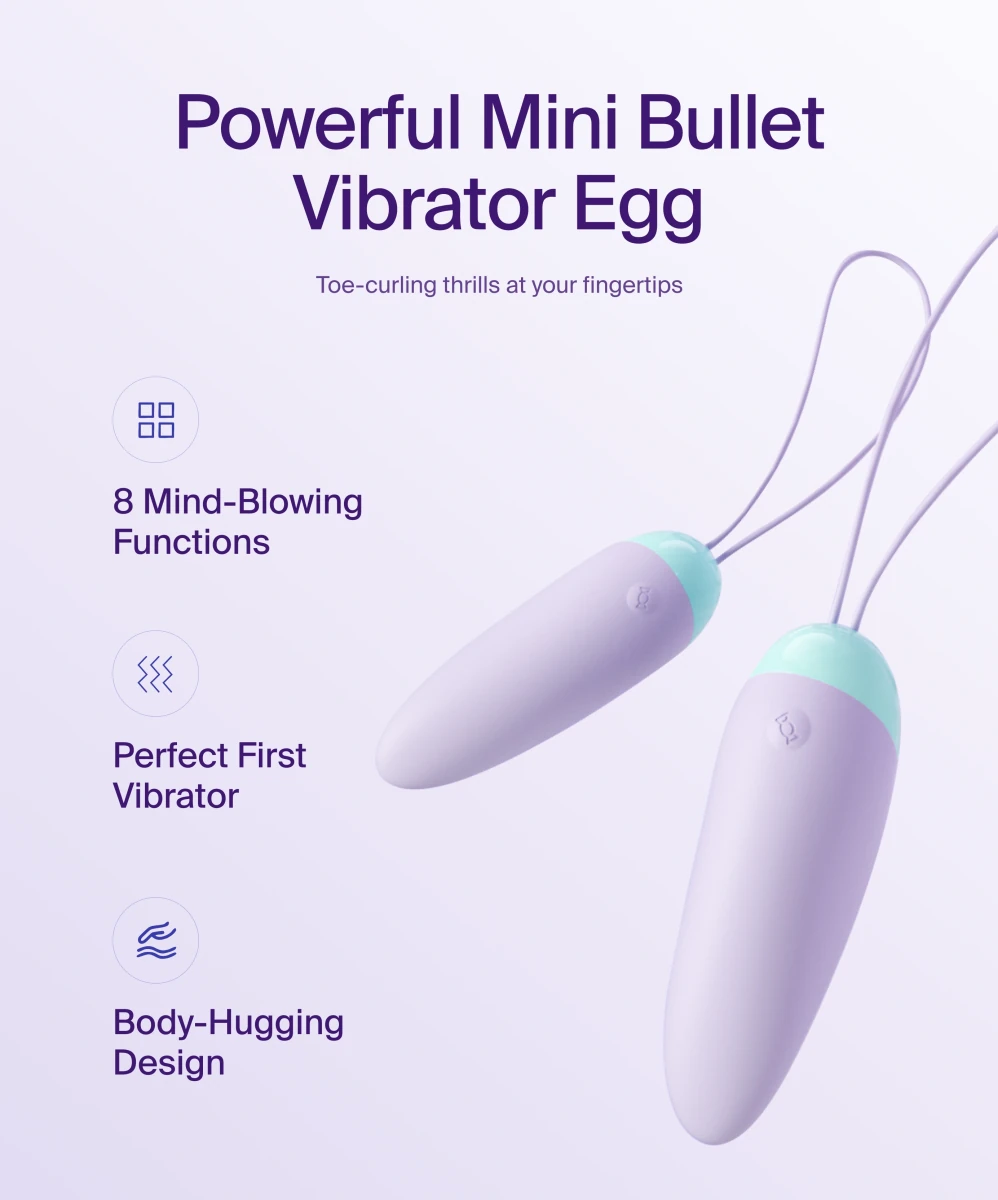
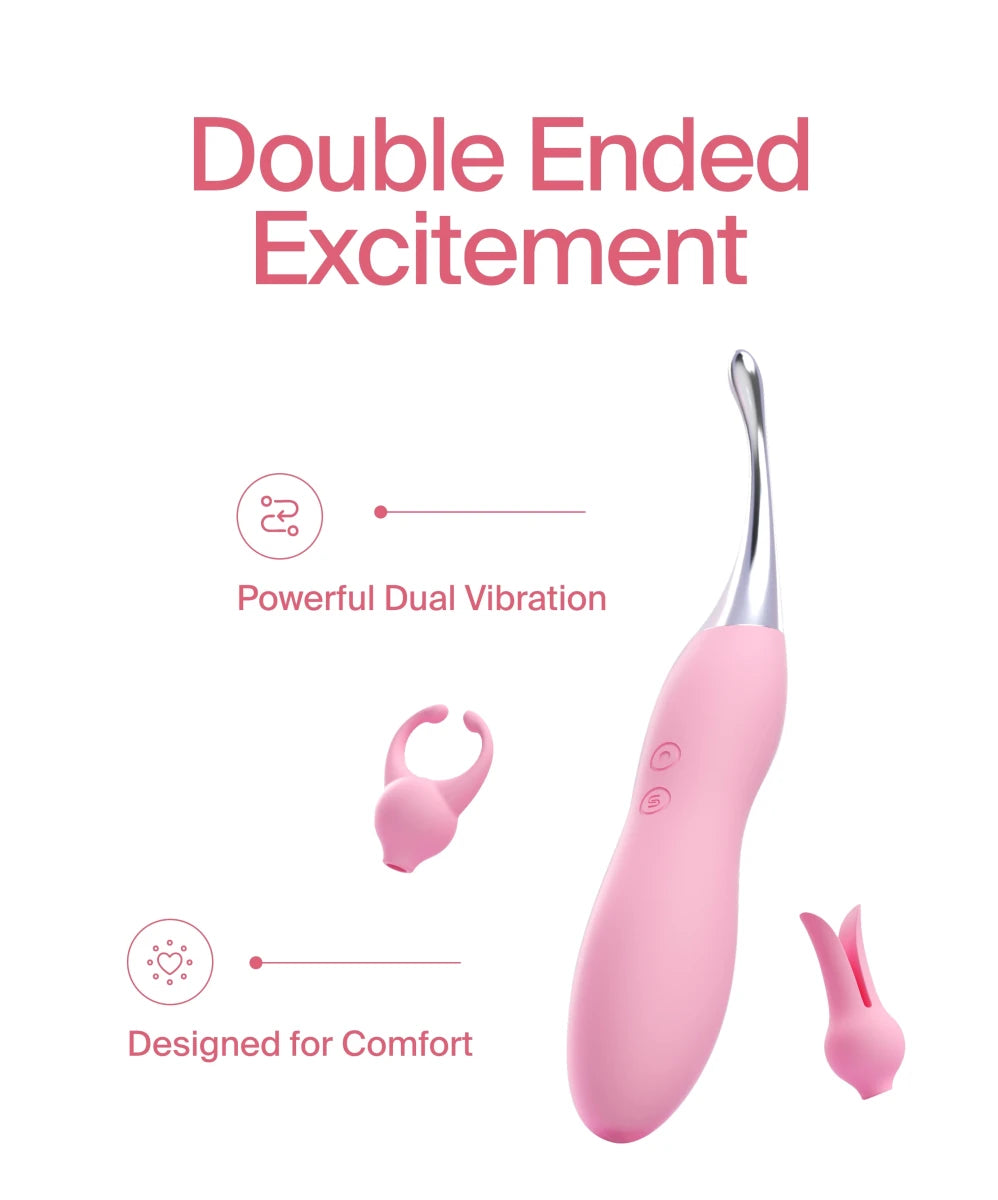
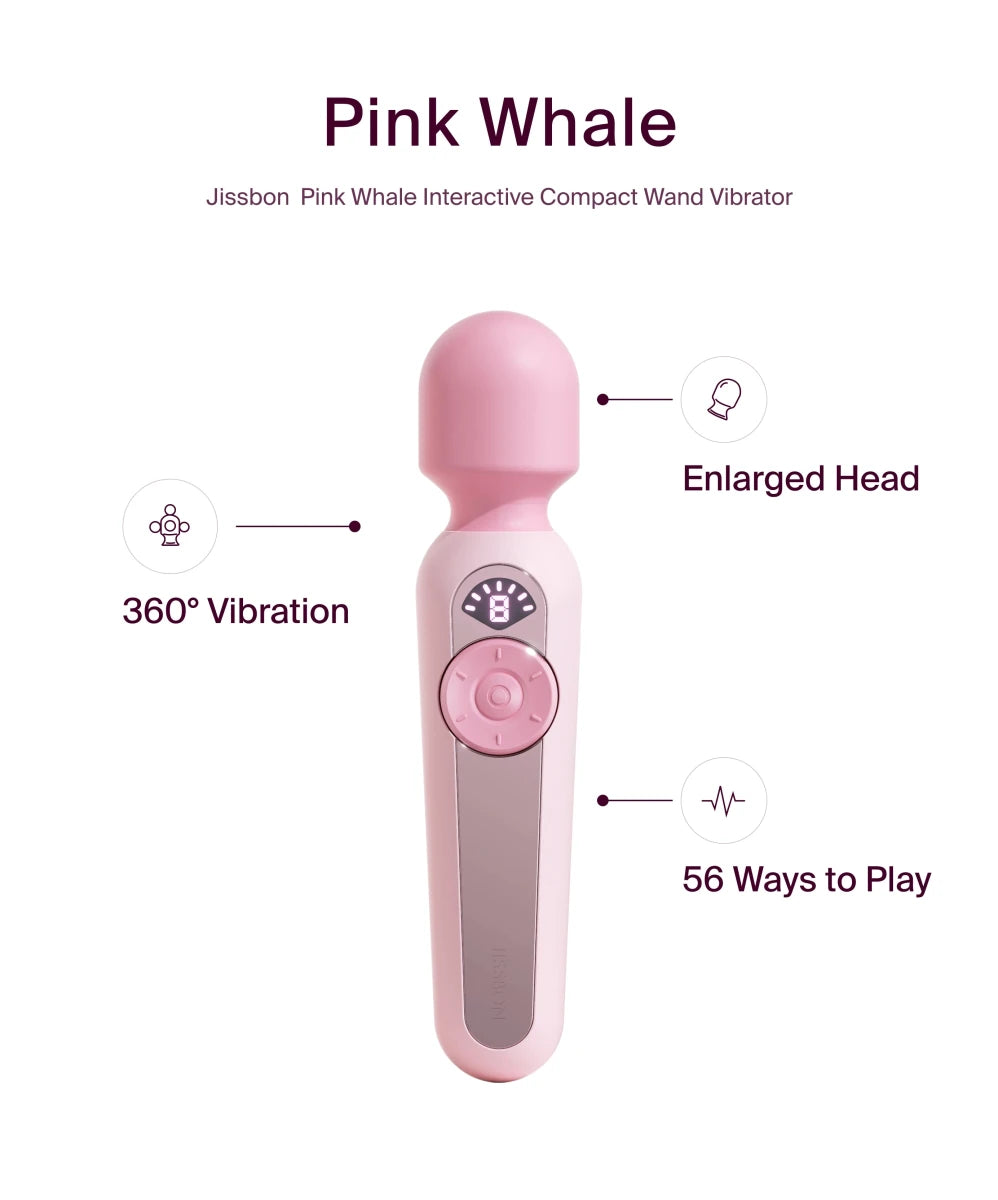
- Small, precise vibrators for bottom growth stimulation
- Generous lubricant for comfort (vaginal tissue may thin on T)
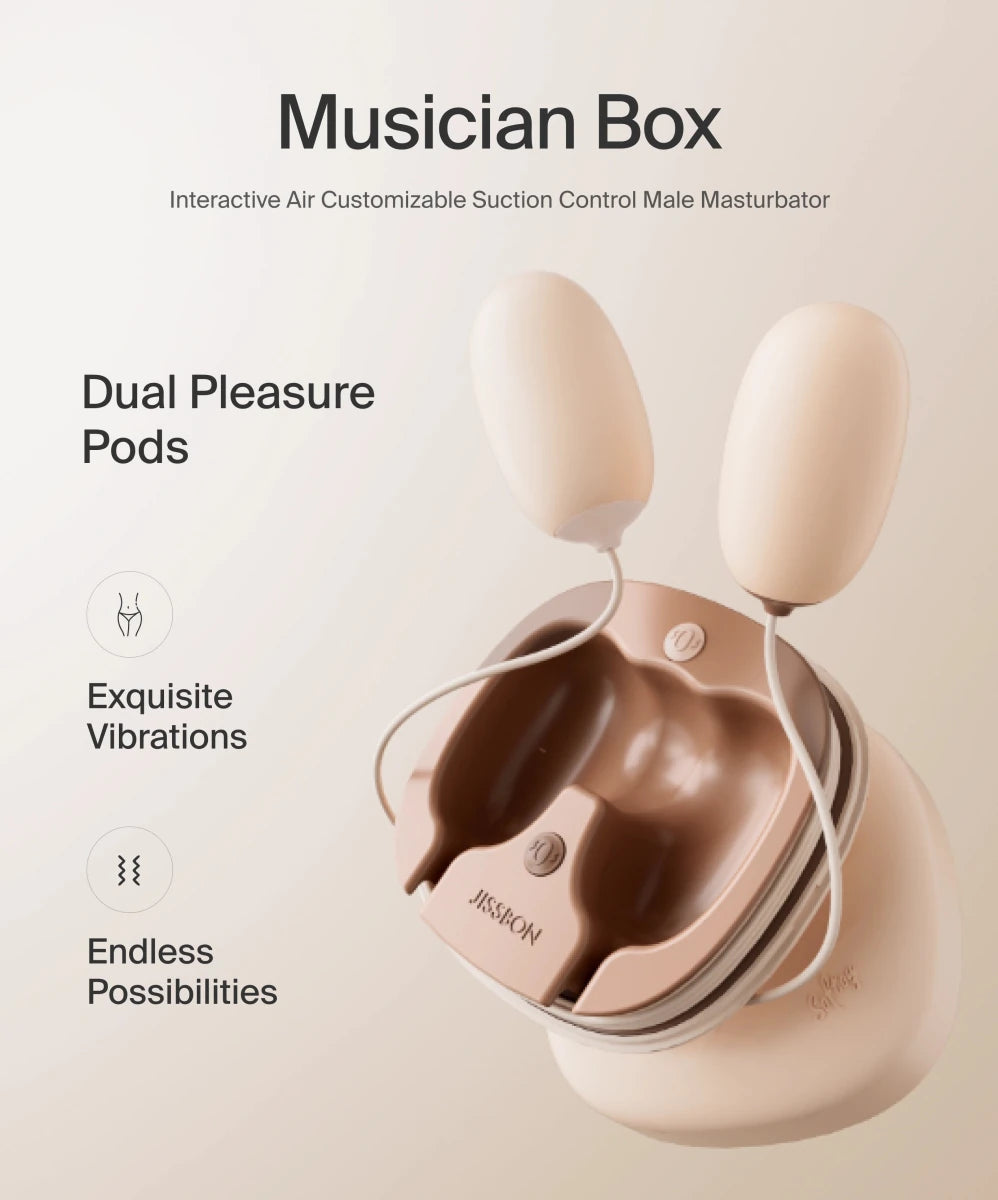
- Strokers designed for small-scale anatomy
- Packers and pack-and-play devices for affirming gender presentation
For Transfeminine/Feminine Non-Binary People
Those on estrogen may experience:
- Changes in erectile function
- Different skin sensation
- Reduced spontaneous lubrication
Helpful products:
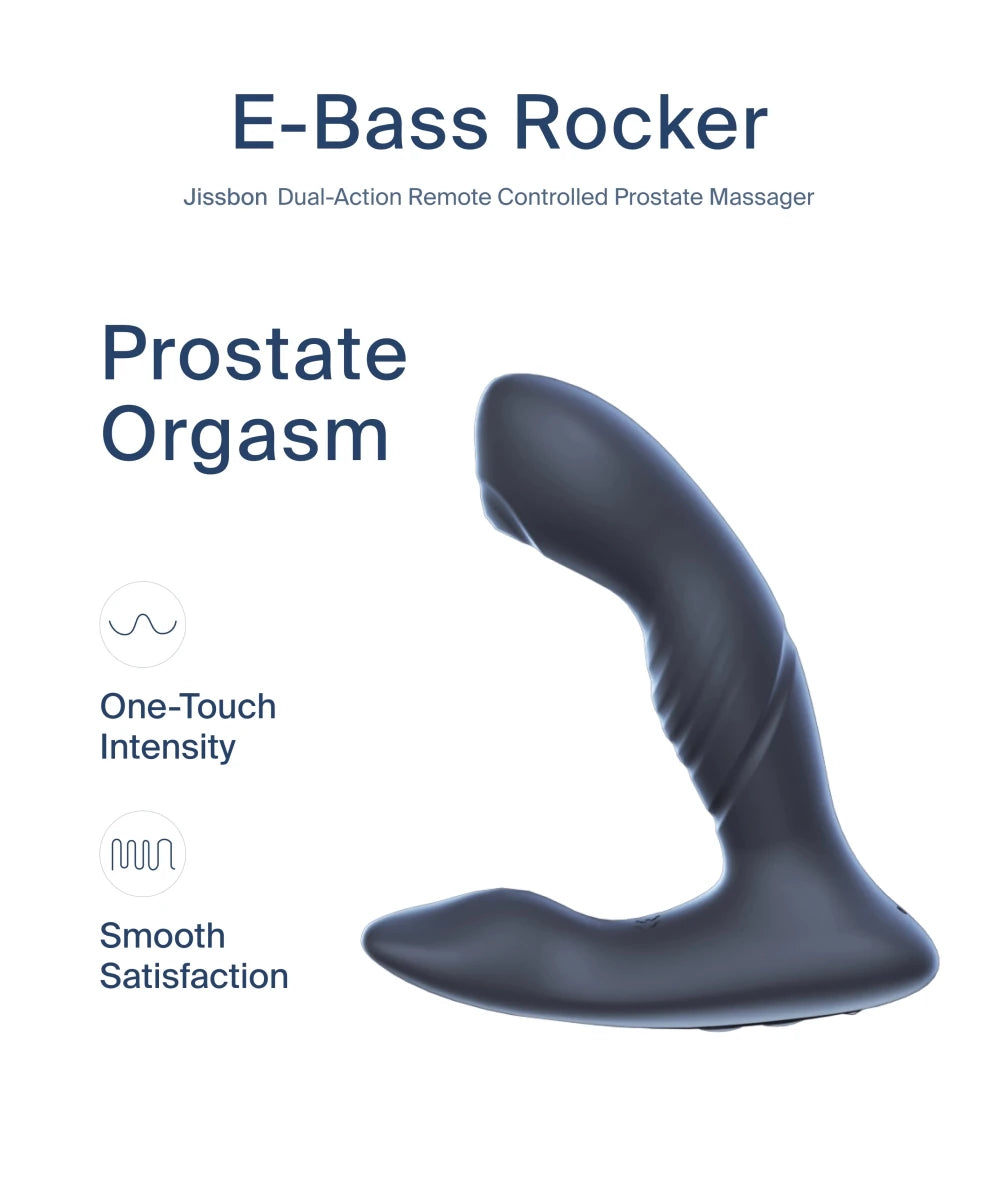
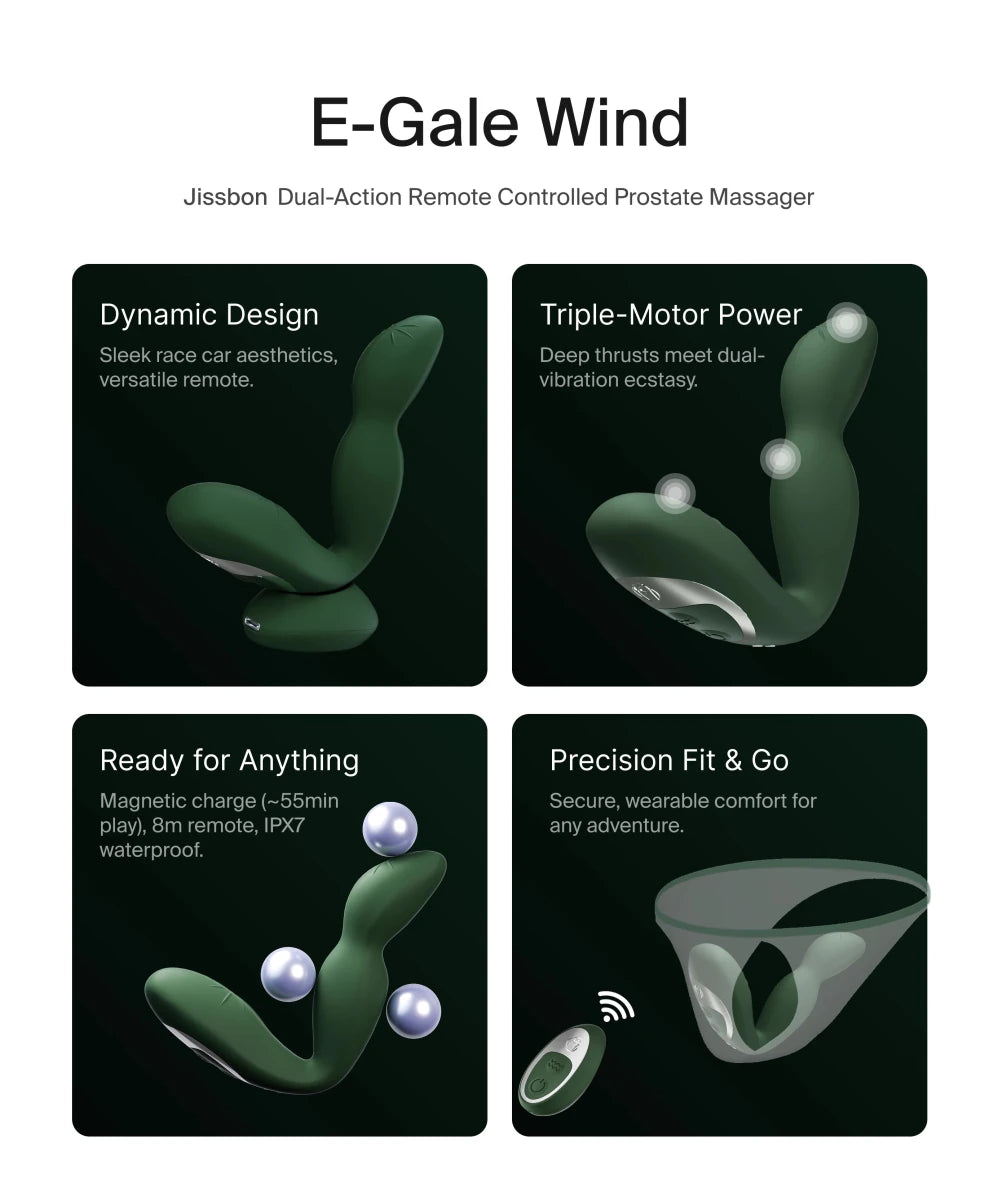
- Prostate massagers for internal pleasure that doesn't rely on erections
- Penis rings helping maintain firmness
- Lubricants essential for comfort
- Products focusing on whole-body pleasure rather than genital-specific
For Non-Medical-Transition Bodies
Many non-binary people don't pursue medical transition. Products supporting their pleasure include:
- Gender-neutral marketed items without assumption-laden packaging
- Versatile toys usable on various anatomies
- Items that can be used solo or partnered
- Products in colors/styles beyond stereotypical pink-for-women, blue-for-men
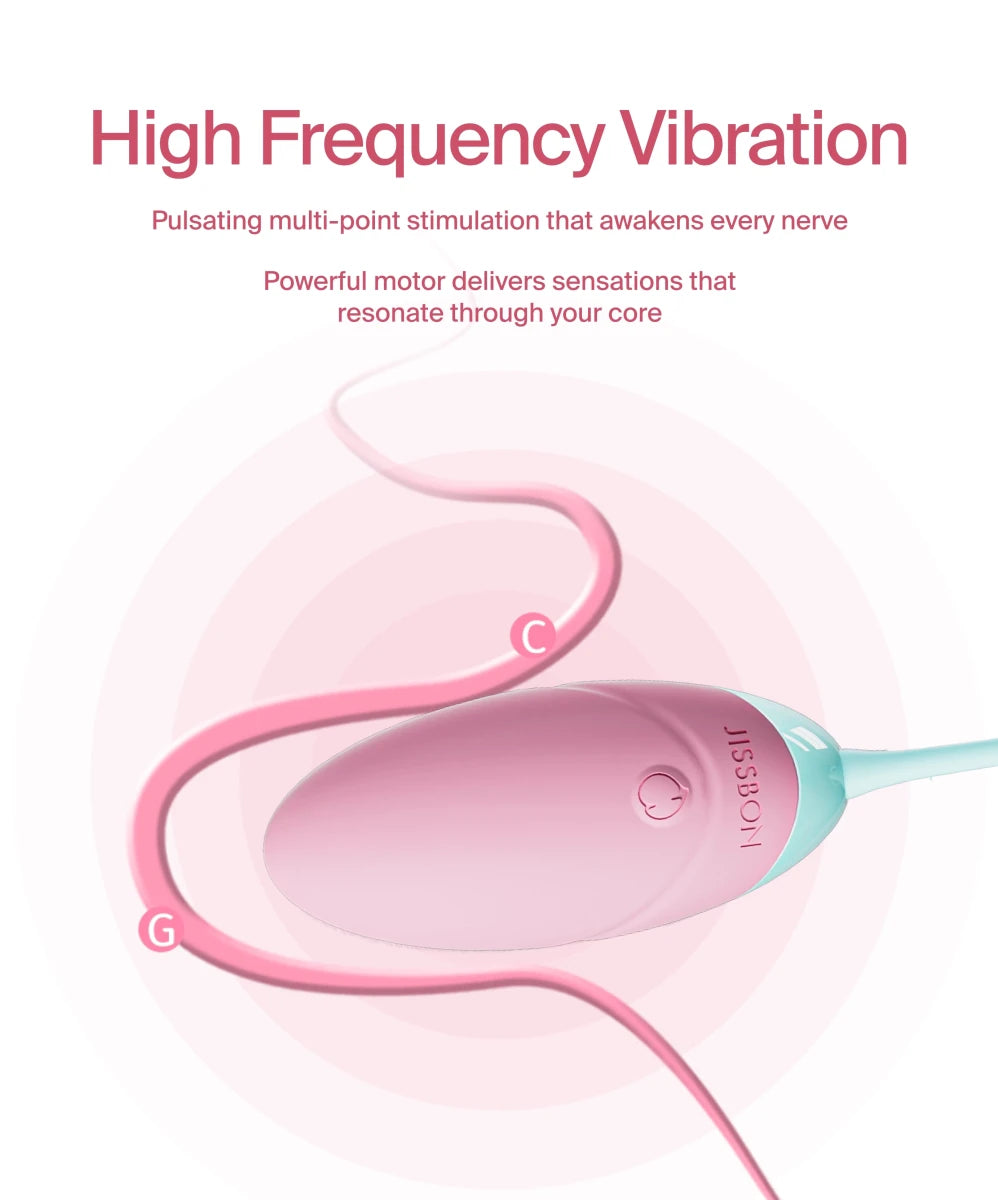
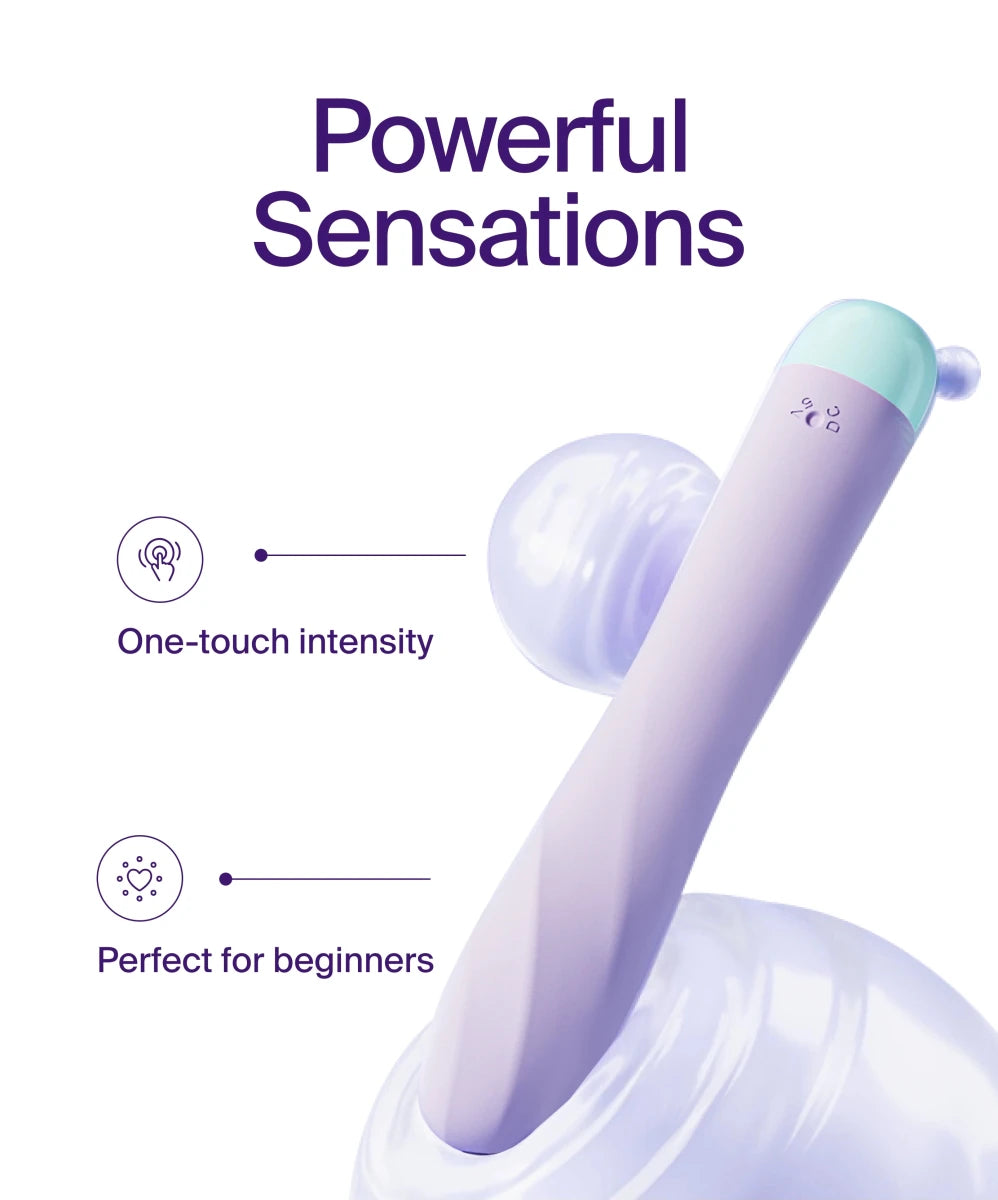
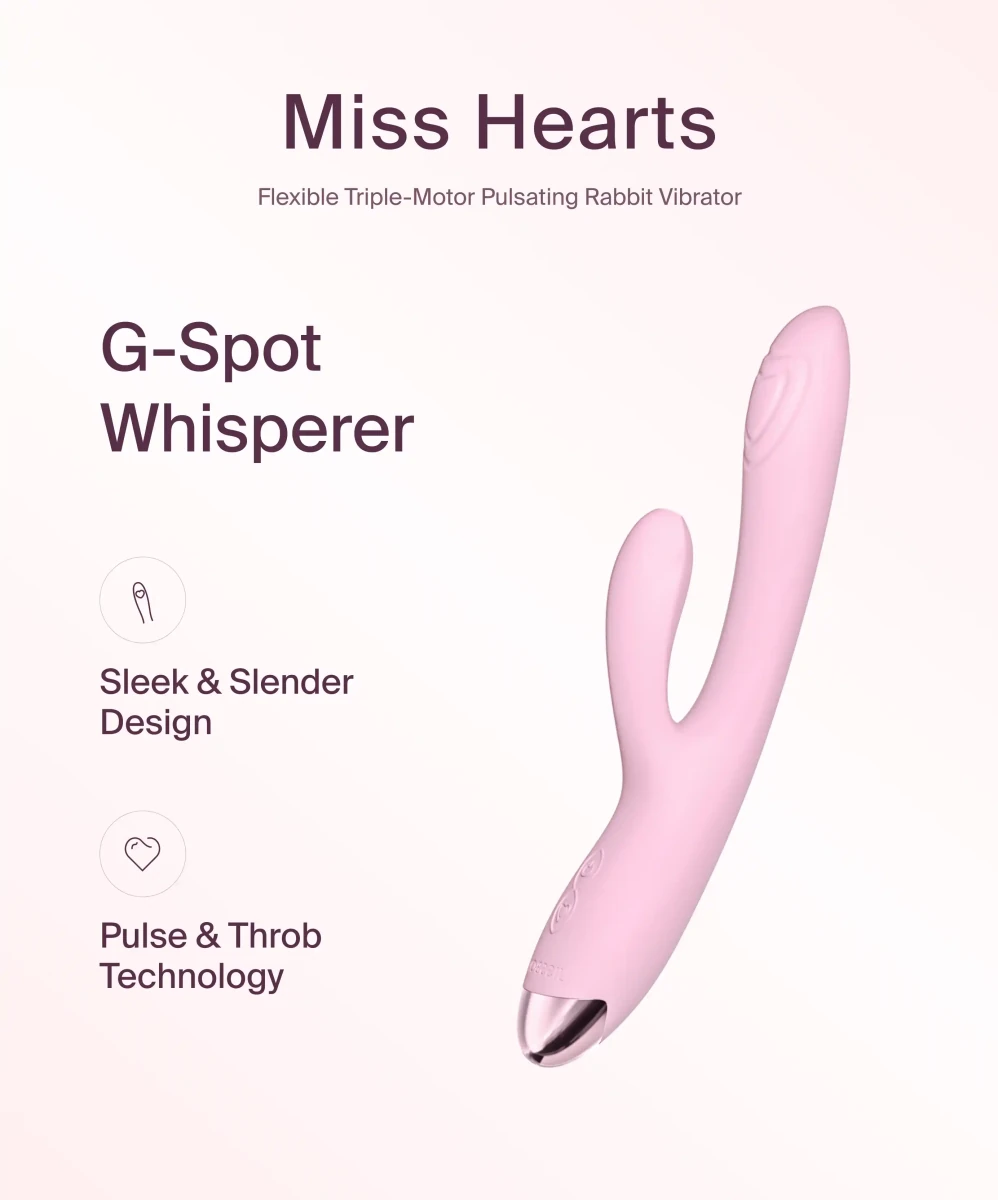
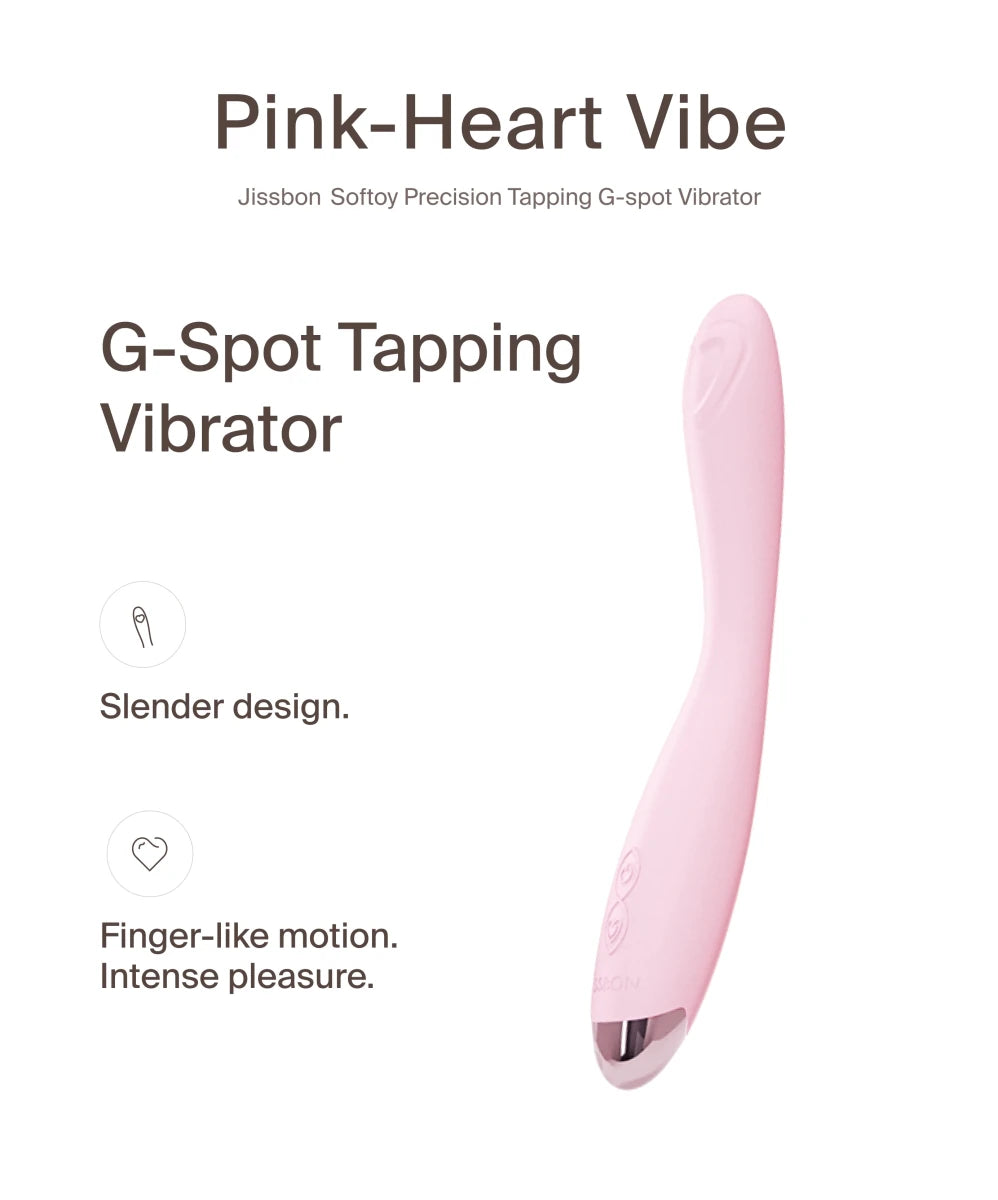
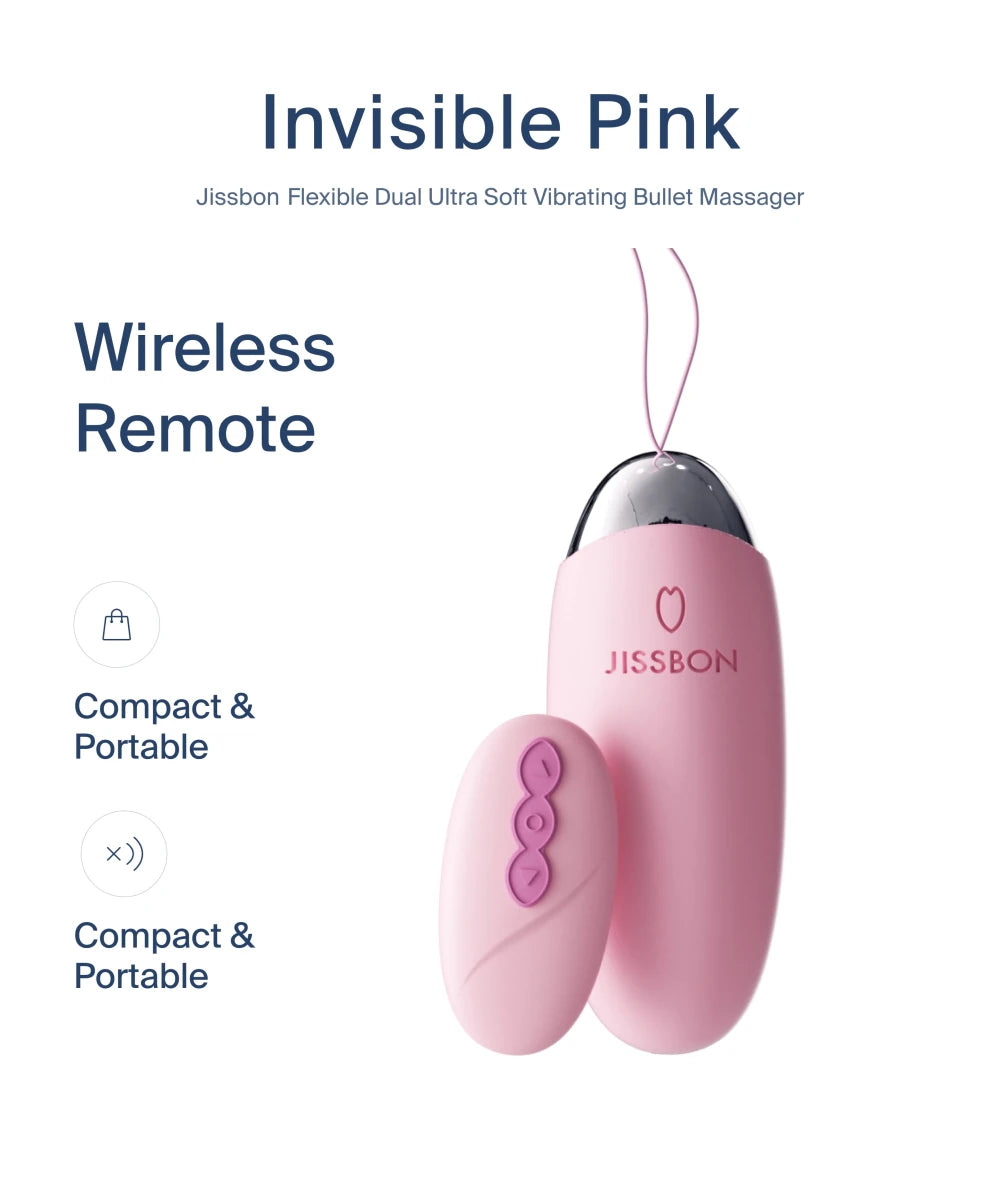
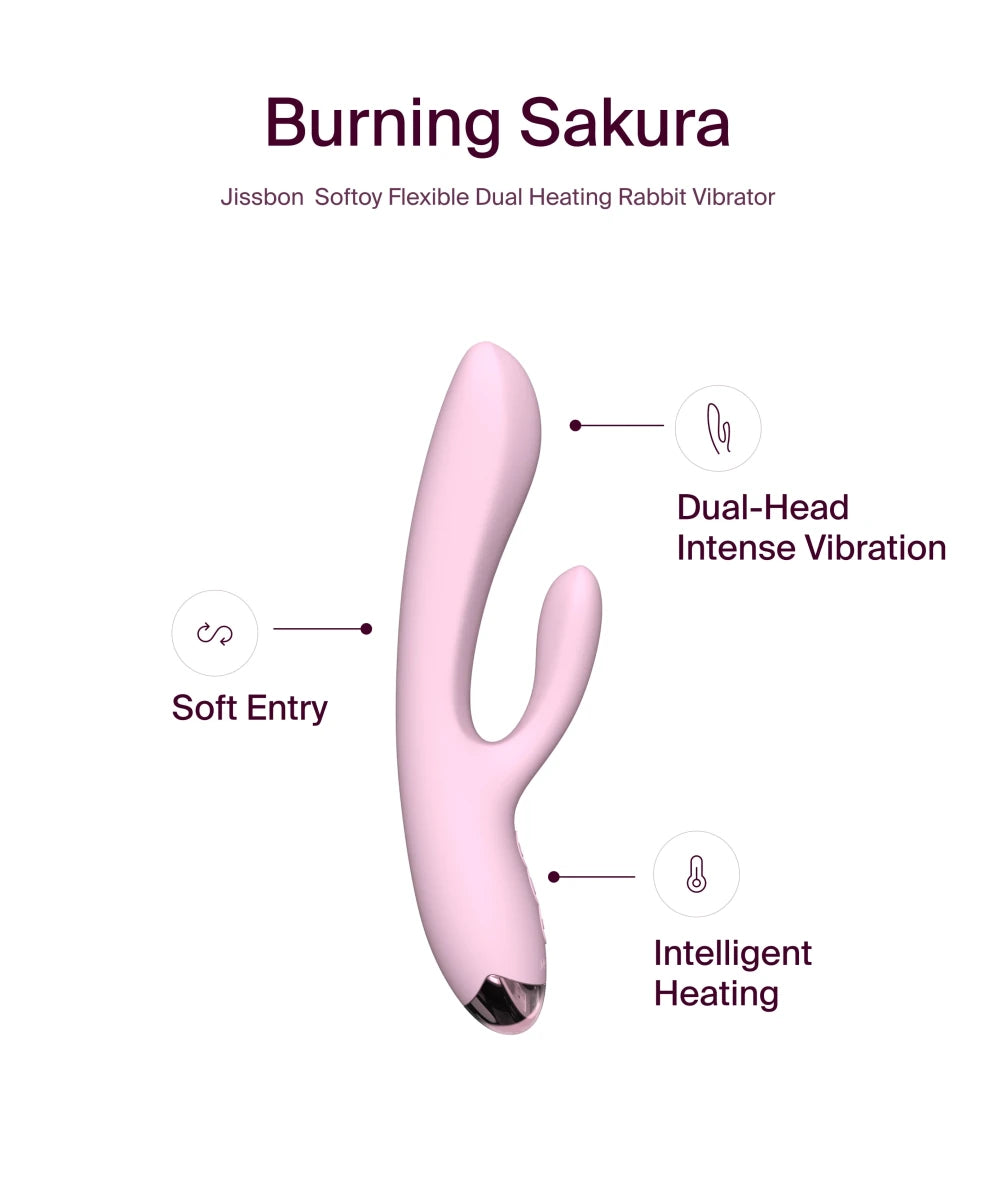
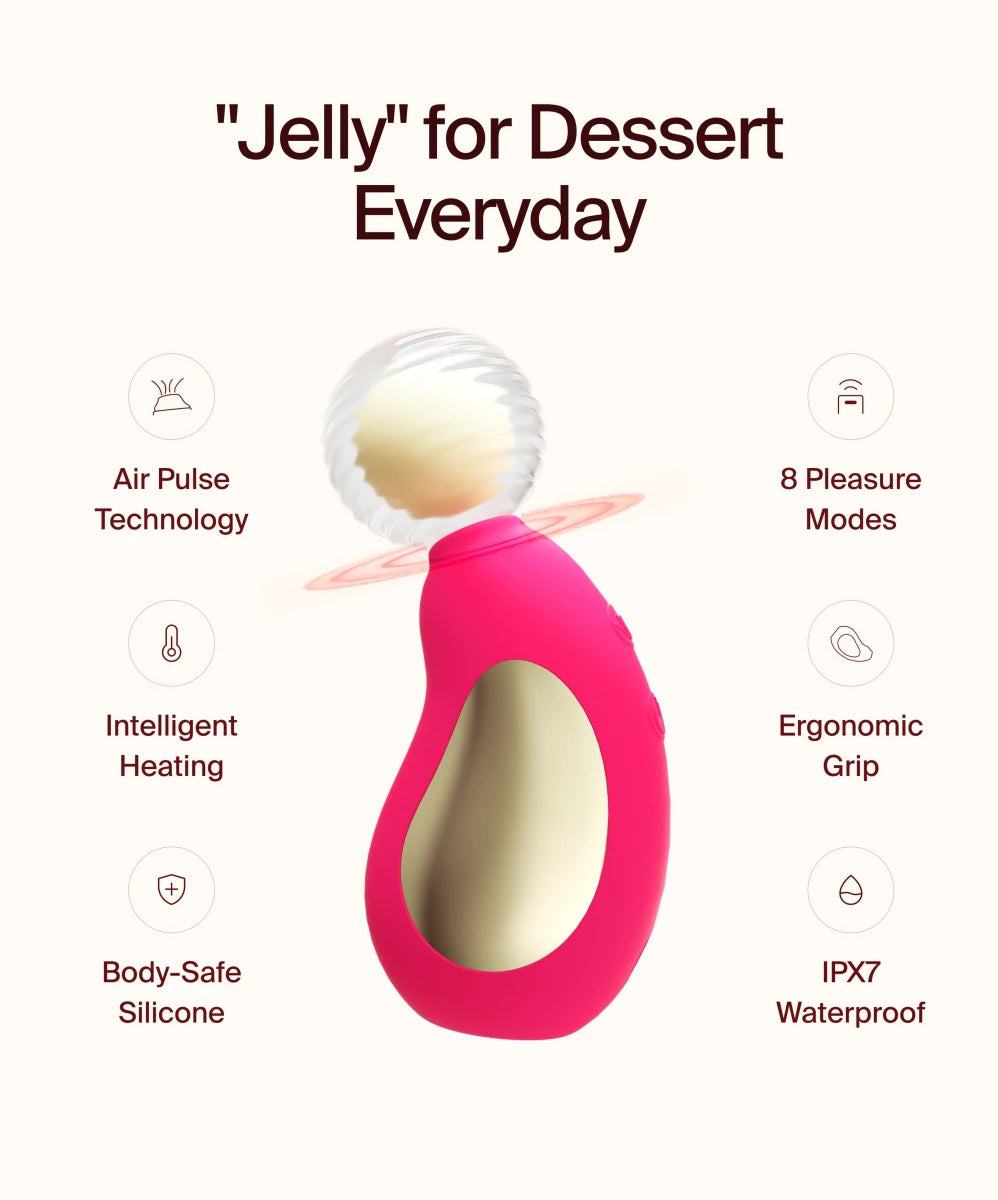
Quality retailers like Jissbon increasingly recognize diverse gender experiences in product design and marketing.
Avoiding Assumptions
Don't assume someone wants products marketed for their assigned sex. Ask what types of stimulation they enjoy (internal, external, vibration, pressure, etc.) rather than shopping by gendered categories.
Solo Exploration: Learning Your Body
Masturbation can help figure out what will feel good with partners Planned Parenthood—this is especially valuable for non-binary people navigating dysphoria and discovering affirming pleasure.
Creating Safe Solo Spaces
Explore when:
- You have complete privacy
- You're not rushed or pressured
- Dysphoria feels manageable
- You're genuinely curious rather than forcing yourself
Experimentation Without Judgment
Try:
- Different types of touch on various body parts
- Seeing what sensations feel affirming versus dysphoric
- Using toys marketed for different genders/anatomies
- Mirrors to connect with your body visually (if this doesn't trigger dysphoria)
- Fantasy and mental arousal without physical touch
Understanding Your Unique Responses
Your body's responses may not match typical descriptions for your assigned sex:
- Arousal without wetness or hardness is valid
- Enjoying "opposite" gendered activities is normal
- Taking longer or shorter than typical timeframes is fine
- Preferring certain activities that aren't stereotypical for your anatomy makes sense
Partnered Dynamics & Relationship Structures
Non-binary people engage in diverse relationship structures—none is "more authentic" than others.
Monogamous Relationships
Non-binary people in monogamous partnerships (with binary or non-binary partners) navigate:
- Partner's learning curve understanding non-binary experience
- Evolving needs as identity clarifies or bodies change
- Finding community when straight and queer spaces don't quite fit
- Negotiating public presentation of the relationship
Polyamorous & Open Relationships
Some non-binary people find multiple partners offer:
- Different people affirming different aspects of gender/sexuality
- Reduced pressure on any single partner to meet all needs
- Community among other queer/non-binary partners
- Freedom to explore various dynamics
Casual/Hookup Contexts
Brief encounters present unique challenges:
- Explaining identity and preferences quickly
- Assessing if the person will be respectful
- Deciding how much to disclose about body/identity
- Managing safety concerns in vulnerable situations
Safer Sex Considerations
Sexual health practices apply to non-binary people with some unique considerations.
Pregnancy Risk
Gender-affirming hormones aren't birth control, and it's still possible to get pregnant even while on hormones Planned Parenthood. Testosterone may reduce menstruation but doesn't eliminate pregnancy risk.
Non-binary people with uteruses who have sex involving sperm need contraception if pregnancy isn't desired. Options include:
- Barrier methods (condoms, internal condoms)
- IUDs (hormonal or copper)
- Implants
- Pills (though some may exacerbate dysphoria)
STI Prevention
Sexual activities involving fluid exchange or skin-to-skin contact carry STI risk regardless of partners' genders. Use barriers appropriately for the activities you're engaging in.
Regular testing is essential. Seek LGBTQ-affirming healthcare providers who won't make assumptions about your sexual practices based on gender identity.
Finding Affirming Healthcare
Look for providers who:
- Use correct names and pronouns
- Don't gender healthcare unnecessarily ("women's health" vs "reproductive health")
- Ask what terms you use for body parts
- Understand that anatomy doesn't equal gender
- Provide comprehensive STI and contraceptive counseling
Resources for Continued Learning
Education from non-binary voices enriches understanding beyond any single article.
Books
- Queer Sex: A Trans and Non-Binary Guide to Intimacy, Pleasure and Relationships by Juno Roche
- Girl Sex 101 by Allison Moon (applicable beyond lesbian contexts)
- The Ethical Slut by Dossie Easton and Janet Hardy
Online Communities
Reddit communities like r/NonBinary and r/asktransgender offer peer support. Tumblr and Instagram host numerous non-binary sex educators sharing information.
Professional Support
Sex therapists specializing in LGBTQ+ issues can help navigate dysphoria, communication challenges, or relationship dynamics. Seek therapists who explicitly list trans/non-binary competency.
Frequently Asked Questions
Can non-binary people get aroused differently than others?
Yes. Hormones, dysphoria, mental focus, and personal comfort can drastically change how arousal feels. Some may not experience traditional signs (wetness, erections) even when mentally aroused.
Do non-binary people struggle with orgasm more often?
Some do, especially if dysphoria interrupts focus or physical discomfort reduces stimulation. Others experience more pleasure after finding affirming language and positions. There is no single pattern.
Is it disrespectful to ask about someone’s genitals when dating?
Asking out of curiosity without consent is inappropriate. Asking because you're becoming intimate is respectful if framed thoughtfully (“What should I know to make you feel safe and affirmed?”).
Do non-binary people enjoy “male” or “female” sex positions?
Positions aren’t gendered. Any position can be affirming depending on the individual's body, preferences, and sense of agency.
Can you be non-binary and still enjoy traditionally gendered sex?
Absolutely. Enjoying activities culturally associated with masculinity/femininity does not invalidate a non-binary identity.
Is non-binary sex always soft and gentle?
No. Some enjoy gentle intimacy; others prefer roughness, dominance, kink, or high-intensity play. Personality—not gender identity—determines style.
How do I ask someone about their body and preferences respectfully?
Direct, straightforward questions work best: "What words do you use for your body parts?" and "What kinds of touch feel good to you?" Show genuine interest in their answer and remember their preferences. Don't make them repeatedly explain—take notes if needed.
What if I accidentally misgender my non-binary partner during sex?
Briefly correct yourself ("Sorry—they're so sexy") and continue. Don't derail the encounter with extensive apologies that center your mistake. Afterward, reflect on why it happened and work to prevent repeats. Consistent misgendering requires addressing outside intimate contexts.
Can non-binary people use products marketed for men or women?
Absolutely. Marketing doesn't dictate who can use a product. If a toy marketed "for women" provides pleasure to a non-binary person with a penis, it's the right product for them. Shop by stimulation type and body part, not gendered categories.
How do I navigate hookup apps as non-binary?
Be upfront in profiles about pronouns and identity if safe to do so. Specify what you're looking for activity-wise. Vet potential partners through messaging before meeting—their response to your identity reveals whether they'll be respectful. Trust your instincts about safety.
What if my partner's gender transition changes what sex looks like for us?
Expect evolution. Bodies change with hormones or surgery; so do preferences and comfort levels. Continuous communication about what feels good now (not what used to work) keeps you connected. Some couples discover new preferred activities; others navigate loss of old favorites. Both experiences are valid.
Is it okay to be attracted to non-binary people but not want to date them?
Genital preferences are personal. However, categorically excluding all non-binary people (who have diverse bodies) suggests bias rather than true preference. Many people discover that attraction to the whole person transcends initial assumptions about gender and anatomy.
Conclusion
Non-binary sexual intimacy prioritizes communication, respect, and pleasure without gendered assumptions about bodies, roles, or activities. By asking about language preferences, developing plans for managing dysphoria, abandoning binary sexual scripts, and centering ongoing consent, partners create affirming encounters celebrating gender diversity.
Whether non-binary yourself or in relationship with someone who is, approaching intimacy with curiosity, flexibility, and genuine respect for each person's unique experience builds profound connection.Ready to explore products designed with diverse bodies and gender experiences in mind? Discover inclusive, body-safe options at Jissbon where pleasure meets respectful design.


Looking for something else?

What Is Flogging in Sex? Complete BDSM Flogging Guide
LEARN MORE
What Does Overstimulated Mean Sexually? Causes & Solutions
LEARN MORE
Can You Get a Tattoo on Your Vagina? Safety, Pain & What to Expect
LEARN MORE
Public Sex Kink: Understanding Exhibitionism & Safe Exploration
LEARN MORELooking for something else?

A-Spot Orgasm: Best Positions & How to Find It
LEARN MORE
Bondage Play: Complete Beginner's Guide to Rope BDSM
LEARN MORE
Vibrator Stories: Real Experiences, Tips & What to Expect
LEARN MOREYou may also like
20% off

20% off

20% off

20% off

20% off

20% off

Further reading

How to Clean an Automatic Blowjob Machine Without Damaging the Motor
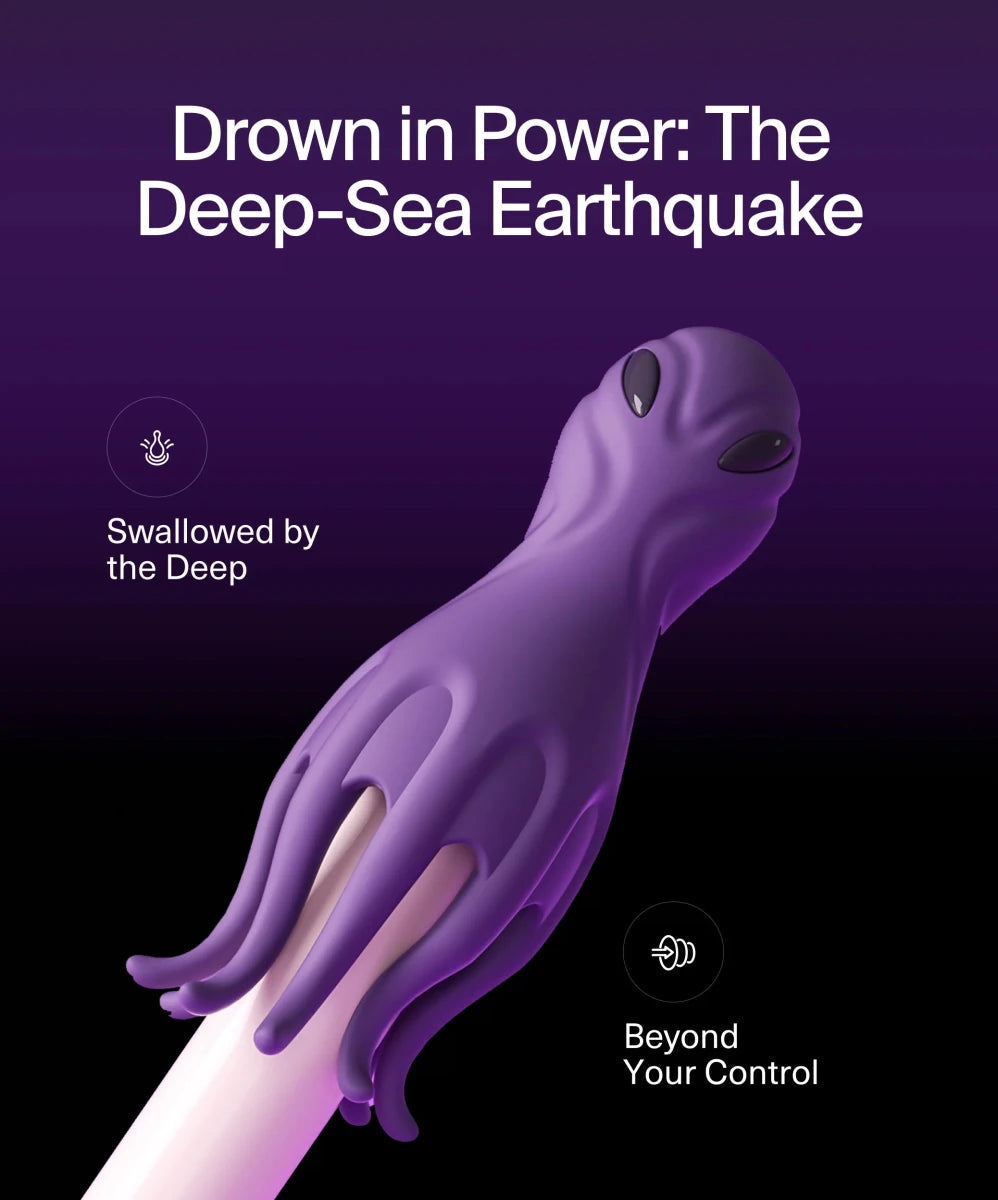
Remote-Controlled Automatic Masturbators for Couples and Solo Play
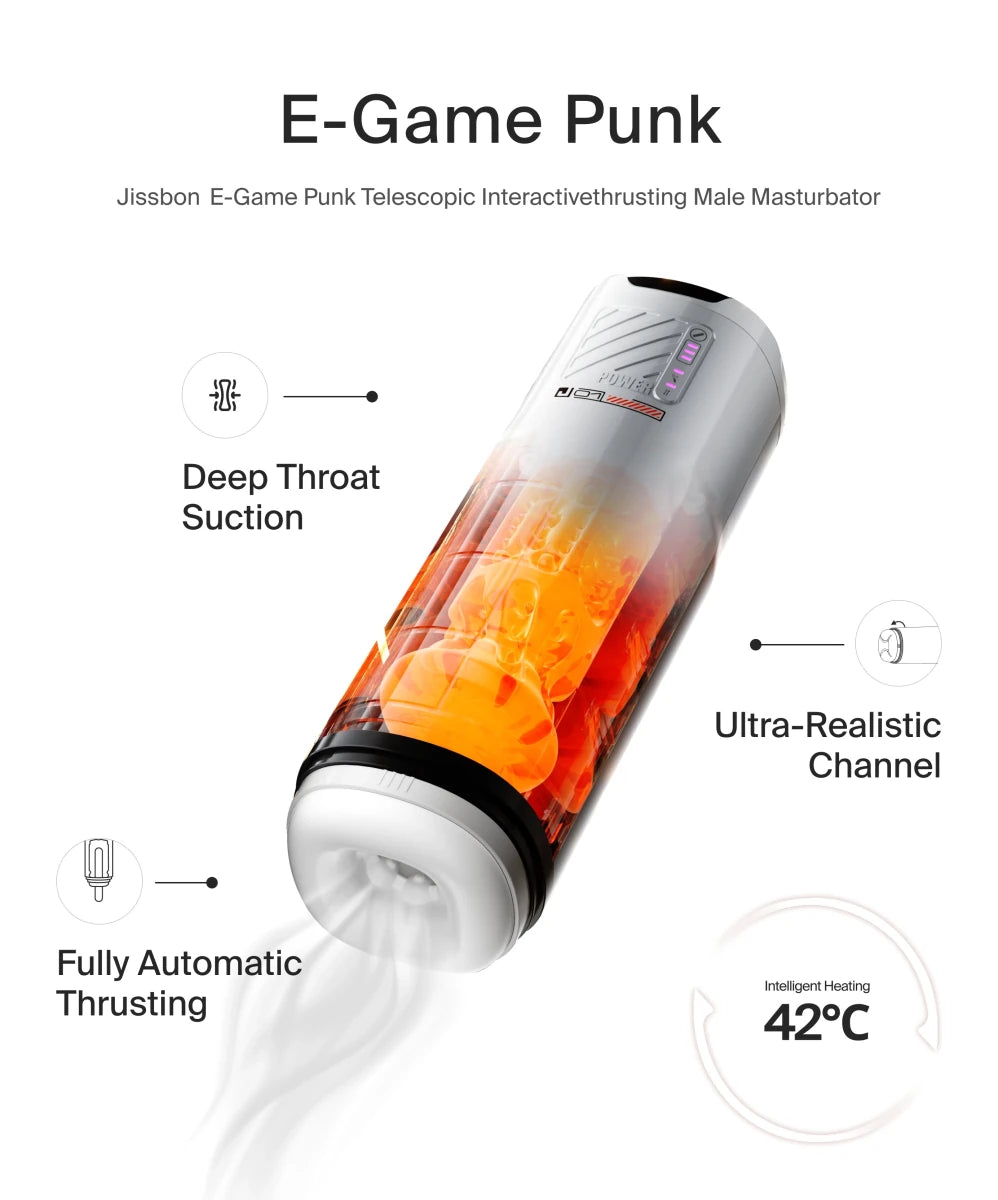
Best Automatic Strokers for Edging and Stamina Training