




























































Most Common Kinks Explained: Understanding Popular Sexual Preferences
Stack & Save: Extra 15% with Jissbon15
Jissbon15
Sexual kinks—preferences or practices outside conventional mainstream activities—encompass a vast spectrum from mild to intense. Understanding common kinks helps normalize diverse desires, improve communication with partners, and provide frameworks for safe exploration.
This guide explains the most prevalent kinks, their psychological appeal, safe practice guidelines, and how to introduce preferences into relationships without judgment or pressure.
Why Some Kinks Are More Common Than Others (Science + Survey Insights)
Across surveys, fetish research, and self-report studies, certain kinks consistently rank highest because they link to universal psychological triggers:
1. Power Exchange Is One of the Most Universal Arousal Drivers
Kinks like dominance, submission, spanking, and roleplay rank at the top because they:
- Create structured roles
- Reduce cognitive load during sex
- Play with taboo in safe, consensual ways
- Reflect primal mating-system dynamics
This explains why D/s and BDSM repeatedly show up as #1–#3 across studies.
2. Sensory-Rich Kinks Are Overrepresented
Voyeurism, exhibitionism, lingerie, feet, and corsetry appear frequently because they stimulate the visual & sensory centers of the brain.
3. Easily Accessible Kinks → Higher Prevalence
People naturally experiment with:
- Light bondage
- Dirty talk
- Roleplay
- Lingerie
…because they require minimal equipment and low risk.
4. Taboo Amplification Effect
Kinks that rub against cultural boundaries—voyeurism, humiliation play, dominance—often produce heightened arousal because the human brain assigns extra significance to “forbidden” acts.
Kinks That Differ by Gender: What Research & Communities Report
SERPs show strong interest in “kinks most common in men vs women.”
More Common Among Women (self-reported):
- Submission / being dominated
- Rape fantasy (consensual fantasy only)
- Being tied up / restrained
- Praise kink
- Romanticized roleplay (rescuer, teacher-student, authority figures)
- Exhibitionism (partner-focused, private settings)
Women often prefer kinks that mix psychological storytelling + power dynamics.
More Common Among Men (self-reported):
- Voyeurism
- Exhibitionism
- Foot fetish
- Sadism / delivering impact
- Uniform or object-based fetishes (stockings, shoes, fabric)
- Cuckolding fantasies
Men report higher interest in visual + object-focused + variety-driven kinks.
Common to both:
- Dirty talk
- Spanking
- Bondage
- Roleplay
- Porn-inspired power dynamics
No kink is inherently gendered—but trends reflect how men and women are socialized around desire, taboo, and erotic imagination.
How to Explore Kinks Privately (Solo-Friendly Kink Expressions)
Many SERP queries ask “How do I explore kink alone?” or “What if I don’t have a partner?”
Here’s a section to address that:
Solo Ways to Explore Kinks Safely:
- Bondage:
-
- Practice self-bondage ONLY with loose, safe-release cuffs or under-bed systems.
- Avoid ropes until experienced.
- Dominance/submission:
-
- Guided erotic audio
- Fantasy journaling
- BDSM hypnosis tracks
- Writing/reading scenarios matching your kink
- Sensory Play:
-
- Blindfolds, ice cubes, contrasting textures
- Temperature toys
- Feathers or Wartenberg wheels (light pressure)
- Roleplay:
-
- Dressing in costumes or lingerie
- Practicing dirty talk aloud
- Using mirrors to explore exhibitionistic tendencies
- Voyeurism/exhibitionism (ethical version):
-
- Watching ethical, consensual adult content
- Recording yourself (for your eyes only)
Solo exploration is a low-pressure way to understand your kink identity before involving partners.
Kinks That Require High Safety Knowledge (Edge Play Overview)
SERP clearly surfaces interest in edge play, humiliation, CBT, breath play, knife play, etc.
Create a “BE CAREFUL” section that educates without encouraging:
Examples of High-Risk Kinks:
- Breath play
- Knife play / fear play
- Erotic asphyxiation
- Fire play
- Cuckolding with emotional risk
- Humiliation / degradation (psychological risks)
- Needle play
- Cock and ball torture (CBT)
- Branding / cutting
Golden Rules of Edge Play:
- Never attempt without thorough research
- Have a trained, experienced partner or mentor
- Never mix with alcohol or drugs
- Pre-establish aftercare expectations
- Use safe words, gestures, and medical knowledge
Including this section distinguishes your guide as responsible and medically aligned.
How to Know If a Kink Is Compatible With Your Relationship Style
SERP reflects partner-comparison queries (“What if your partner doesn’t share your kink?”).
Add:
4 Questions to Assess Compatibility:
- Is the kink a preference or a requirement for arousal?
-
- If it’s required → may be relationship-defining.
- Does your partner feel curiosity or aversion toward it?
-
- Curiosity = modifiable; aversion = respect boundaries.
- Can the kink be expressed solo without harming relationship intimacy?
-
- Many partners allow solo kink expression.
- Does this kink challenge your partner’s identity or comfort zone?
-
- E.g., cuckolding, humiliation, extreme submission.
Add a final note: sexual compatibility is not sameness; it's communication + willingness + safety.
Most Googled Fetishes by Region & Culture (Based on Trend Analysis)
SERP specifically mentions:
- “Most googled kinks in the US”
- “Each US state's most popular kink”
You can summarize without listing states:
Patterns from search trend data:
- Feet → One of the most universally searched fetishes globally
- BDSM → Most common umbrella kink across the US
- Corsetry, stockings, leather → Highly searched in fashion-heavy regions
- Cuckolding → Shows spikes in metropolitan areas
- Roleplay (teacher/student, nurse/patient) → High prevalence in academic or medical hubs
- Voyeurism & exhibitionism → Strongly represented across younger demographics
Understanding Kinks vs Fetishes
Key Definitions
Kink: A broad term for sexual interests, preferences, or activities outside culturally mainstream practices. Kinks enhance arousal but aren't strictly necessary for sexual satisfaction.
Fetish: Specific focus on particular objects, body parts, or scenarios that become central or required for sexual arousal. Fetishes are more narrowly defined than general kinks.
The difference:
- Kink: "I enjoy incorporating handcuffs sometimes—it's exciting"
- Fetish: "I specifically need feet involved to become fully aroused"
Both exist on spectrums of intensity and are normal variations in human sexuality.
Where Kinks Come From
Psychological factors:
- Early sexual experiences: First arousing encounters create lasting associations
- Classical conditioning: Pairing neutral stimuli with arousal creates preference patterns
- Novelty seeking: Human brains respond to new, unexpected experiences
- Taboo appeal: Forbidden or culturally restricted activities gain psychological intensity
Neurological aspects:
- Brain regions processing sexual arousal and other sensory experiences overlap
- This explains why diverse stimuli (pain, power, specific textures) can become eroticized
- Individual brain wiring creates unique arousal templates
Cultural influences:
- Media representation normalizes certain practices
- Peer discussions shape what's perceived as acceptable
- Historical context affects which kinks are mainstream vs fringe
Understanding sexual diversity and expression provides broader context for kink acceptance.
The Most Common Kinks (Ranked by Prevalence)

1. Bondage & Restraint
What it involves: Physically restraining a partner using handcuffs, ropes, silk ties, or specialized bondage equipment. The restrained person experiences controlled helplessness; the restraining partner exercises consensual control.
Estimated prevalence: 30–50% of adults express interest or have experimented
Why people enjoy it:
For the restrained person:
- Surrender of control creates freedom from decision-making
- Vulnerability enhances trust and intimacy
- Physical restriction intensifies sensation focus
- Psychological thrill of consensual helplessness
For the restraining partner:
- Control and responsibility create psychological arousal
- Partner's surrender demonstrates trust
- Ability to tease and please without resistance
- Power exchange dynamics
Safe practice basics:
- Use quick-release restraints (never knots that tighten)
- Establish safe words before beginning
- Check circulation every 5–7 minutes
- Keep safety scissors immediately accessible
- Never leave restrained person alone
Beginner-friendly options:
- Soft silk scarves or neckties
- Velcro cuffs with quick release
- Under-bed restraint systems
- Holding wrists gently (no equipment)
2. Dominance & Submission (D/s)
What it involves: Power exchange where one partner assumes a dominant role (making decisions, giving commands) while the other submits (following instructions, relinquishing control). Exists on spectrum from bedroom-only to lifestyle dynamics.
Estimated prevalence: 25–40% enjoy some form of power exchange
Common D/s activities:
- Giving and following explicit instructions
- Using titles (Sir/Madam, Master/Mistress, Daddy/Mommy)
- Creating rules and structure around behaviors
- Implementing rewards and "punishments" (consensual)
- Service submission (acts of service as expression of submission)
Psychological appeal:
- Dominants: Leadership, control, responsibility, caretaking through structure
- Submissives: Freedom from decisions, being valued, clear expectations, pleasing partner
Critical elements:
- Explicit consent and negotiation of boundaries
- Safe words and regular check-ins
- Aftercare following intense scenes
- Mutual respect outside of power dynamic
Intensity levels:
|
Level |
Description |
Example |
|
Light |
Bedroom-only, occasional |
Partner asks permission before orgasm |
|
Moderate |
Structured scenes with protocols |
Specific positions or titles during play |
|
Intense |
Extended scenes or lifestyle elements |
Daily check-ins, rules outside bedroom |
3. Role Play & Fantasy Scenarios
What it involves: Acting out specific scenarios, characters, or fantasies different from everyday identities. Creates psychological distance allowing exploration of taboo or exciting situations.
Estimated prevalence: 20–35% regularly incorporate role play
Popular scenarios:
Stranger/pickup fantasy: Partners pretend to meet for first time in public setting, "picking each other up" before returning home
Authority figures: Teacher/student, boss/employee, police officer/lawbreaker—power imbalance scenarios
Rescue fantasies: Damsel in distress, hero saves the day—protective/vulnerable dynamics
Forbidden scenarios: Situations culturally taboo but consensually enacted (age play with adults, cheating fantasies, etc.)
Professional roles: Doctor/patient, massage therapist/client—service provider dynamics
Why it works:
- Novelty breaks routine patterns
- Permission to behave differently than everyday life
- Psychological arousal from taboo elements
- Playfulness and creativity enhance connection
Getting started:
- Discuss fantasies outside intimate moments
- Start with simple scenarios requiring minimal props
- Use suggestive clothing or single prop (stethoscope, tie, glasses)
- Give yourself permission to laugh if it feels silly
4. Voyeurism & Exhibitionism
What it involves:
Voyeurism: Arousal from watching others engage in sexual activities or nudity (with consent)
Exhibitionism: Arousal from being watched during sexual activities or while nude
Estimated prevalence: 15–30% identify with one or both preferences
Consensual expressions:
- Watching partner masturbate or undress
- Being watched during solo pleasure
- Sex in front of mirrors
- Recording intimate activities together
- Attending events where consensual viewing occurs (sex clubs with clear rules)
- Sharing photos/videos with consenting partner
Why people enjoy it:
Voyeurs:
- Visual stimulation and observation
- Feeling privileged to witness private moments
- Arousal from partner's pleasure display
Exhibitionists:
- Validation from being desired visually
- Thrill of exposure and vulnerability
- Performing for appreciative audience
Critical consent considerations:
- All parties must explicitly agree to watching/being watched
- Recording requires clear, enthusiastic consent
- Never involve non-consenting public (illegal and unethical)
- Discuss boundaries around sharing recordings
5. Impact Play (Spanking, Flogging)
What it involves: Consensual striking of body parts (typically buttocks, thighs, back) using hands, paddles, floggers, or other implements.
Estimated prevalence: 15–25% enjoy giving or receiving impact
Appeal factors:
- Endorphin release from physical sensation (natural high)
- Power exchange through physical dominance/submission
- Attention and sensation focus
- Psychological thrill of taboo (childhood punishment reimagined as adult consent)
Intensity spectrum:
Light: Gentle hand spanking, produces warmth without pain
Moderate: Firmer strikes creating temporary redness and sting
Intense: Implements like paddles or floggers, creating lasting marks
Safe practice guidelines:
- Strike only fleshy areas (buttocks, thighs, upper back)
- Avoid spine, kidneys, neck, joints, tailbone
- Start gently, increase gradually based on feedback
- Establish safe words (verbal and non-verbal signals)
- Check skin regularly for excessive marking or injury
- Provide aftercare (soothing touch, ice if needed)
Beginner approach:
- Start with hands only (most control, immediate feedback)
- Practice rhythm and aim on pillows first
- Communicate constantly during initial sessions
- Stop at first sign of numbness or sharp pain
Review BDSM safety practices from health resources.
6. Sensory Play

What it involves: Manipulating senses through deprivation (blindfolds, noise reduction) or enhancement (temperature, texture, vibration).
Estimated prevalence: 20–30% incorporate sensory elements
Common techniques:
Blindfolding:
- Removes visual input, heightening other senses
- Creates vulnerability and surprise element
- Intensifies touch and sound awareness
Temperature play:
- Ice cubes, warm oil, heated/cooled toys
- Contrast sensations (alternating hot and cold)
- Safe temperature ranges (never extreme heat/cold)
Texture exploration:
- Feathers, silk, leather, fur, rough fabrics
- Varied touch patterns across skin
- Unexpected sensation changes
Sound manipulation:
- Headphones playing music (removes verbal communication)
- White noise machines (focuses on physical sensation)
- Whispering or specific voice tones
Why it enhances pleasure:
- Removing one sense amplifies others
- Anticipation and surprise increase arousal
- Novel sensations create neural excitement
- Psychological vulnerability deepens trust
Safety considerations:
- Maintain clear communication channels (safe words)
- Never completely isolate senses (hearing + sight deprivation risky)
- Monitor body temperature during temperature play
- Check skin regularly for adverse reactions
7. Dirty Talk & Verbal Play
What it involves: Using explicit language, commands, degradation (consensual), or praise during intimate activities.
Estimated prevalence: 30–45% enjoy incorporating verbal elements
Categories:
Praise and affirmation: "You're so beautiful," "You feel amazing," "Good girl/boy"—validation through words
Commands and instruction: "Touch yourself," "Don't move," "Look at me"—directive language creating structure
Degradation (consensual): "Dirty girl," "You're such a slut"—taboo language requiring explicit pre-negotiation
Erotic storytelling: Narrating fantasies, describing what you're doing or want to do—building mental arousal
Why it works:
- Engages psychological arousal alongside physical
- Provides verbal feedback and communication
- Breaks silence that some find uncomfortable
- Creates cognitive stimulation
Getting started:
- Discuss boundaries and trigger words outside intimate moments
- Start with simple affirmations ("that feels good")
- Gradually introduce more explicit language
- Check in about what resonates vs feels awkward
8. Group Activities (Threesomes, Swinging)
What it involves: Sexual activities involving more than two participants, with full consent from all parties.
Estimated prevalence: 10–20% have tried; 30–40% fantasize about
Common configurations:
- Threesomes (three participants)
- Foursomes or moresomes
- Swinging (couples engaging with other couples)
- Group sex events or parties
Appeal:
- Novelty and variety
- Multiple sources of stimulation
- Voyeuristic and exhibitionistic elements combined
- Exploration of bisexuality or fluidity
Critical success factors:
- All participants enthusiastically consent
- Clear communication about boundaries beforehand
- Safer sex practices (barriers, testing)
- Emotional processing afterward (jealousy, insecurity)
- Relationship security before introducing others
Common challenges:
- Jealousy management
- Unequal attention distribution
- Logistical complexity
- Finding compatible third/fourth parties
9. Foot Fetish
What it involves: Sexual interest focused on feet—touching, massaging, licking, or incorporating feet into activities.
Estimated prevalence: 10–15% identify foot attraction
Expressions:
- Foot massage as foreplay
- Kissing, licking, or sucking toes
- Footjobs (using feet for genital stimulation)
- Shoe or stocking fetish (feet + specific coverings)
Neurological explanation: Brain regions processing genital sensation sit adjacent to areas processing foot sensation. Neural crossover may explain why feet become eroticized for some people.
Incorporating into intimacy:
- Start with foot massage (non-sexual context)
- Introduce during foreplay gradually
- Communicate about comfort levels
- Maintain hygiene (clean feet before play)
10. Costume & Lingerie
What it involves: Wearing specific clothing, lingerie, or costumes during intimate activities for visual and psychological arousal.
Estimated prevalence: 35–50% enjoy lingerie/costume elements
Popular categories:
- Classic lingerie (lace, silk, corsets)
- Role-specific costumes (nurse, maid, uniform)
- Leather, latex, or fetish wear
- Cross-dressing or gender exploration clothing
Why it enhances experience:
- Visual stimulation and anticipation
- Transformation into different persona
- Confidence boost from feeling attractive
- Psychological departure from everyday self
Less Common But Notable Kinks
Edge play: Intense activities with higher risk (breath play, knife play)—requires extensive education and experience
Age play: Adults consensually role-playing different ages—distinct from actual age differences
Pet play: Taking on animal personas (puppy, kitten)—often involves specific gear and protocols
Latex/leather fetish: Arousal specifically from these materials' look, feel, or smell
Cuckolding: Partner watches their significant other with someone else—complex emotional dynamics
How to Explore Kinks Safely
Communication Framework
Discussing with partners:
- Choose appropriate timing: Not during intimate moments or arguments
- Start with curiosity: "I've been curious about..." rather than demands
- Share resources: Articles, guides, or educational content
- Gauge interest: "Would you ever be interested in exploring...?"
- Respect boundaries: Accept "no" without pressure or resentment
Negotiation checklist:
- What specifically interests you about this kink?
- What are absolute boundaries (hard limits)?
- What might you try with conditions (soft limits)?
- What safe words or signals will you use?
- What aftercare needs might arise?
Starting Small
Progression approach:
- Research together through reputable sources
- Watch educational content (not pornography as instruction)
- Purchase beginner-friendly equipment or materials
- Practice in low-pressure situations
- Debrief afterward about what worked or didn't
Example progression for bondage:
- Hold wrists gently during intimacy (no restraints)
- Use soft scarf as loose restraint
- Try velcro cuffs with quick release
- Explore more secure restraint systems
Aftercare Importance
Physical aftercare:
- Checking body for marks or injury
- Providing water, snacks, warmth
- Gentle touch and massage
- Cleaning and hygiene assistance
Emotional aftercare:
- Verbal reassurance and affirmation
- Processing experience together
- Addressing any unexpected emotions
- Reconnecting outside power dynamic
Products supporting various kinks can be explored through sex toys for couples designed for diverse preferences.
Frequently Asked Questions
Are kinks normal or signs of psychological issues?
Kinks are normal variations in human sexuality. Research shows most kinks develop through common psychological processes (conditioning, association, novelty seeking) rather than trauma or dysfunction. Mental health concerns arise only when kinks: cause significant distress, involve non-consenting parties, interfere with daily functioning, or replace all conventional intimacy. Consensual kink exploration between adults is psychologically healthy.
What if my partner isn't interested in my kink?
Common situation requiring respect and compromise. Options: (1) Accept their boundary without resentment—no one owes participation in specific activities, (2) Find modified versions they're comfortable with, (3) Discuss whether solo exploration (fantasy, erotica) within relationship is acceptable, (4) Consider whether this incompatibility is relationship-defining. Sexual compatibility includes respecting differences. Some kinks are negotiable; others may indicate fundamental incompatibility.
Can exploring kinks damage relationships?
Depends entirely on communication, consent, and mutual interest. Healthy kink exploration strengthens relationships through: enhanced communication, increased trust, novel experiences together, deeper understanding. Problems arise from: pressuring unwilling partners, violating negotiated boundaries, inadequate emotional processing, jealousy mismanagement. Approach kink exploration as collaborative adventure, not unilateral demand.
How do I know if a kink is "too extreme"?
No objective threshold exists—"extreme" is contextual. Questions to assess: (1) Do all participants provide enthusiastic, informed consent? (2) Are safety precautions appropriate for risk level? (3) Does this enhance your life or cause problems (legal, relational, health)? (4) Have you researched proper technique and risks? Activities causing harm to non-consenting parties or practiced without safety knowledge cross into problematic territory. Within consensual, informed adult activities, "extreme" is subjective.
Should I feel shame about my kinks?
No. Sexual preferences exist on spectrums; diversity is normal. Shame often stems from cultural messaging, not inherent wrongness. Healthy relationship with kinks involves: accepting your preferences without self-judgment, practicing them consensually and safely, distinguishing fantasy from harmful behavior, finding compatible partners or solo expressions. If shame causes significant distress, sex-positive therapy can help process internalized stigma. Explore various preferences through sex toys for women and sex toys for men supporting diverse interests.
Where can I learn more about specific kinks safely?
Reputable resources: (1) Educational websites from sexual health organizations, (2) Books by certified sex educators or therapists, (3) Workshops or munches (social gatherings) in kink communities, (4) Online forums focused on education and safety. Avoid: using pornography as instruction manual, attempting activities without research, engaging with people pressuring unsafe practices. Prioritize consent, safety, and education over novelty.
Embracing Sexual Diversity
Kinks represent normal variations in human sexuality rather than deviations requiring correction. Understanding common preferences normalizes diverse desires and improves communication. Most people harbor some preferences outside strictly mainstream activities—exploring them consensually enhances intimate satisfaction.
Your kinks don't define your worth, normalcy, or relationship potential. They're simply aspects of your unique arousal template. Whether you explore them actively or enjoy them through fantasy alone, accepting your preferences without shame supports sexual health and authentic relationships.
Ready to explore products supporting various intimate preferences? Discover options designed for diverse experiences at Jissbon featuring body-safe materials and thoughtful design.


Looking for something else?

What Is Flogging in Sex? Complete BDSM Flogging Guide
LEARN MORE
What Does Overstimulated Mean Sexually? Causes & Solutions
LEARN MORE
Can You Get a Tattoo on Your Vagina? Safety, Pain & What to Expect
LEARN MORE
Public Sex Kink: Understanding Exhibitionism & Safe Exploration
LEARN MORELooking for something else?

A-Spot Orgasm: Best Positions & How to Find It
LEARN MORE
Bondage Play: Complete Beginner's Guide to Rope BDSM
LEARN MORE
Vibrator Stories: Real Experiences, Tips & What to Expect
LEARN MOREYou may also like
20% off

20% off

20% off

20% off

20% off

20% off

Further reading

How to Clean an Automatic Blowjob Machine Without Damaging the Motor
Remote-Controlled Automatic Masturbators for Couples and Solo Play
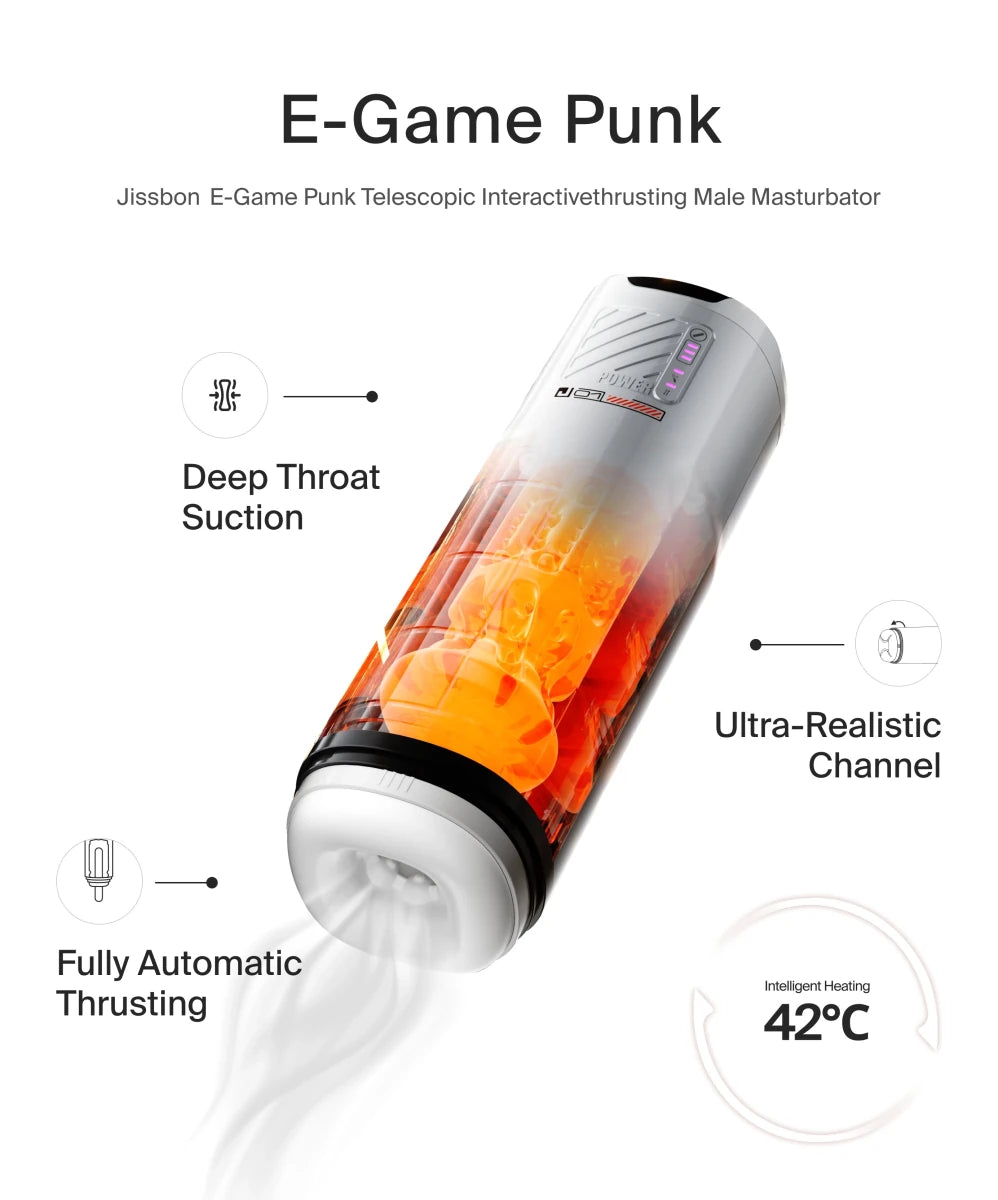
Best Automatic Strokers for Edging and Stamina Training