







































Middle Bottom Lip Piercing: Complete Guide to Placement, Care & Styles
Stack & Save: Extra 15% with Jissbon15
Jissbon15
A middle bottom lip piercing offers a bold way to express your individuality. Whether you're drawn to the centered labret style or curious about vertical variations, understanding placement options, healing requirements, and safety considerations helps you make an informed choice.
This guide covers everything from selecting the right gauge needle to maintaining your piercing long-term.
Middle Bottom Lip Piercing Names & Terminology
Because “middle bottom lip piercing” is a broad description, you may hear several names used interchangeably. Each term refers to a slightly different variation:
Labret (Standard Labret)
- The most common term
- Placed directly under the center of the lower lip
- Jewelry exits inside the mouth
Vertical Labret
- Enters and exits through the actual lip tissue
- Both ends of jewelry are visible externally
- No backing inside the mouth
Lowbret
- Positioned lower toward the chin
- More subtle, less impact on teeth and gums
Cyber Bites
- Combination of Medusa (upper lip center) + labret (lower lip center)
- Creates a stacked vertical symmetry
Knowing these distinctions helps you choose the exact aesthetic you want.
Jewelry Style Guide — What Works Best for Middle Lip Piercings?
Choosing the right jewelry is essential for both healing and long-term comfort.
For Fresh Piercings (Weeks 1–4)
- Flat-back labret studs
-
- Comfortable inside the mouth
- Minimizes rubbing on gums and teeth
- Most recommended by professional piercers
After Downsizing (Weeks 4–8)
- Shorter labret posts
-
- Prevent embedding or irritation
- Reduce speech clicking sounds
Fully Healed (3–6 months)
You can safely explore new jewelry styles:
- Hoops / Captive Bead Rings
-
- Most popular aesthetic
- Best suited when swelling is gone
- Circular Barbells
-
- Edgier look
- Allows slight movement without pressure
- Decorated Studs
-
- Gemstones, spikes, opals, or flat disks
- Ideal for a clean, centered style
Who It's For & Quick Benefits
Middle lip piercings suit various lifestyles and preferences:
- First-time piercers seeking a relatively straightforward healing process compared to other facial piercings
- Style enthusiasts wanting a centered focal point that draws attention to the mouth
- Versatile wearers who appreciate jewelry options ranging from subtle studs to statement hoops
- Body modification fans looking to create symmetrical designs or pair with other facial piercings
- Lower pain tolerance individuals since this area typically registers moderate discomfort (around 4 on a 1-10 scale)
How to Choose the Right Middle Bottom Lip Piercing

Size & Placement
Standard placement sits directly below the center of your lower lip, though you can customize the distance from your lip line. The piercing can be positioned as centered or off to the side as you prefer, with variations including the lowbret placed lower toward the chin.
Most professionals start with 16-gauge (1.2mm) or 14-gauge (1.6mm) needles. Discuss your jewelry goals with your piercer beforehand—this determines the angle and spacing.
Material Options
Choose body-safe materials to minimize allergic reactions:
- Implant-grade titanium — hypoallergenic and lightweight
- Surgical stainless steel — durable but may contain trace nickel
- 14-karat gold — elegant but ensure it's solid, not plated
- BioPlast or PTFE — flexible options for the flat backing inside your mouth (reduces teeth and gum contact)
Avoid jewelry containing nickel or chromium if you have known sensitivities.
Power & Design
Initial jewelry features a longer post to accommodate swelling, which can be significant in oral piercings. After 3-4 weeks, downsize to a shorter post to prevent snagging on teeth.
Choose between:
- Flat-back labret studs with decorative tops (balls, gems, spikes)
- Captive bead rings (wait until fully healed)
- Circular barbells for a different aesthetic
Considerations
- Noise — jewelry may click against teeth; downsizing reduces this
- Visibility — centered placement is prominently displayed
- Professional settings — consider retainers or discreet jewelry if needed
Middle Bottom Lip Piercing vs Alternatives
|
Type |
Placement |
Visibility |
Best For |
|
Standard labret |
Center below lower lip |
High |
Classic, symmetrical looks |
|
Vertical labret |
Through center of lip (entrance & exit both visible) |
Very high |
Unique vertical bar aesthetic |
|
Side labret |
Off-center, left or right |
Medium-high |
Asymmetrical styles, pairing with other piercings |
|
Lowbret |
Lower, closer to chin |
Medium |
Subtle placement |
|
Snake bites |
Two piercings, symmetrical on both sides |
High |
Bold, edgy style statements |
When to pick each:
- Choose standard labret for timeless, centered focus
- Opt for vertical labret if you want both jewelry ends visible
- Select side labret to create asymmetry or pair with Monroe/Medusa piercings
- Go with snake bites (double piercing) for maximum impact
Step-by-Step: How to Get & Heal Your Piercing

Before Your Appointment
- Research studios — select a licensed professional with APP (Association of Professional Piercers) certification
- Check hygiene standards — ensure sterilized, single-use needles and autoclaved equipment
- Verify health status — avoid piercing if you have active cold sores, infections, or immune system conditions
- Eat beforehand — prevents light-headedness during the procedure
During the Procedure
- Consultation — your piercer marks the spot and confirms placement
- Sterilization — the area is cleaned with antiseptic solution
- Quick puncture — when properly performed, the piercing takes only seconds with minimal discomfort
- Jewelry insertion — longer labret stud is placed to allow for swelling
Aftercare (Weeks 1-8)
External care:
- Rinse with sterile saline solution twice daily (morning and night)
- Gently pat dry with clean paper towel
- Avoid touching with unwashed hands
Internal care:
- Rinse mouth after every meal or snack with alcohol-free mouthwash or warm salt water
- Brush teeth gently, including the jewelry backing
- Use a new, soft-bristled toothbrush stored away from other brushes
What to Avoid
- Do not kiss or share utensils during healing (6-8 weeks minimum)
- Skip spicy, salty, acidic foods for the first two weeks
- No alcohol or smoking — both delay healing and increase infection risk
- Don't twist or play with jewelry — this irritates the fistula
- Avoid oral sex until completely healed
Downsizing (Week 3-4)
Return to your piercer to replace the long initial post with shorter jewelry. This critical step prevents teeth chipping and gum erosion.
Lube & Compatibility 101
This section doesn't apply to lip piercings—disregard unless you're researching intimate piercings on Jissbon.
Care & Maintenance
Daily Cleaning Routine
Before jewelry is healed (Months 1-3):
- External rinse: twice daily with sterile saline spray
- Internal rinse: after each meal plus bedtime with alcohol-free mouthwash
- Brush teeth, tongue, and jewelry backing gently
After healing (Month 3+):
- Maintain excellent oral hygiene with regular brushing and flossing
- Continue rinsing after meals if convenient
- Check threaded ends daily—tighten to prevent loss
Storage & Jewelry Changes
Only change jewelry after full healing (6-8 months recommended, though initial healing takes 6-12 weeks). When swapping:
- Wash hands thoroughly
- Unscrew old jewelry carefully
- Clean new jewelry with saline
- Insert gently—don't force
- Secure threading firmly
Store spare jewelry in a clean, dry case.
Material-Specific Cautions
- Gold — clean with mild soap and water; avoid harsh chemicals
- Titanium — extremely low-maintenance; rinse with water
- Bioplast — replace every 6-12 months as material degrades
Common Questions & Quick Troubleshooting

Swelling Won't Go Down
Normal swelling and pain occur during the first few days, but if it persists for weeks, contact your piercer or doctor—it may indicate infection. Ice chips and ibuprofen help during initial swelling.
Jewelry Sinks Into Lip (Nesting)
Minor nesting is normal once healed. If the backing is pulling through while healing, see your piercer for longer jewelry immediately.
White or Yellow Discharge
Clear or slightly white/yellow discharge forming a crust is normal lymph fluid. Thick, green, foul-smelling pus indicates infection—seek medical attention.
Irritation Around Jewelry
Could be caused by:
- Jewelry too long (snagging on teeth)
- Allergic reaction to metal
- Harsh cleaning products (switch to saline only)
- Playing with piercing excessively
Jewelry Fell Out
If healed: reinsert jewelry within a few hours. If new: visit your piercer immediately, as holes can close within 30 minutes.
Damage to Teeth or Gums
Jewelry rubbing against teeth can lead to enamel erosion, chips, or gum recession. Properly fitted, downsized jewelry minimizes this risk. Avoid playing with jewelry and schedule dental checkups.
Frequently Asked Questions
What is the piercing in the middle of your lower lip called?
It’s most commonly known as a labret piercing. If the jewelry goes vertically through the lip rather than behind it, it’s called a vertical labret. If placed lower toward the chin, it becomes a lowbret. All are centered bottom lip piercings but differ in technique and appearance.
What is the most attractive lip piercing?
Attractiveness is subjective, but the standard labret, vertical labret, and snake bites are among the most popular styles due to their symmetry and versatility with jewelry. Many choose vertical labrets because both ends of the barbell remain visible, creating a striking effect.
Can I eat normally with a middle lip piercing?
You’ll need to adjust eating habits for the first 1–2 weeks. Soft foods are easiest, and you should chew with your back teeth to avoid hitting the jewelry. Once swelling subsides, most people return to normal eating while simply being more mindful of large bites.
Do middle lip piercings damage teeth?
They can if the jewelry is too long, too loose, or made of hard materials. Damage risks include enamel wear, minor chipping, or gum recession. Proper downsizing, choosing titanium or BioPlast backings, and avoiding playing with the jewelry significantly lower the risk.
What gauge needle is used for middle bottom lip piercing?
Most piercers use 16-gauge (1.2mm) or 14-gauge (1.6mm) needles for initial lip piercings. The 16-gauge is more common and accommodates standard labret jewelry. Your piercer selects the gauge based on your anatomy and jewelry preference. Never attempt this yourself—professional piercers use hollow, sterile needles specifically designed for body modification.
What's the proper name for a middle bottom lip piercing?
When placed below the bottom lip above the chin, it's called a labret piercing, named after the Latin word for lip. If the jewelry goes vertically through the lip tissue itself (entrance and exit both on the lip), it's termed a vertical labret. Side-positioned versions are called side labrets or Madonna/Monroe piercings depending on placement.
How long does a middle lip piercing take to heal?
Expect 6-12 weeks for initial healing, though complete healing can take 1-3 months with proper care. Factors affecting timeline include your immune system, oral hygiene, jewelry quality, and whether you follow aftercare instructions. Avoid changing jewelry until at least 6 months post-piercing for best results, even if surface healing appears complete.
Can you get bottom lip piercings on both sides?
Absolutely—this style is commonly called "snake bites" when symmetrically placed on the left and right lower lip. You can get both sides done simultaneously or space them out. Healing two piercings at once requires diligent care but many people prefer the balanced aesthetic. Other multi-lip combinations include spider bites (two close together on one side) or cyber bites (one upper, one lower centered).
Is a middle bottom lip piercing more prone to infection than other piercings?
Oral piercings pose higher infection risk than body piercings because the mouth environment is warm, moist, and contains abundant bacteria. However, proper aftercare dramatically reduces complications. The key factors are choosing a reputable piercer who follows sterile procedures, rinsing after eating, avoiding touching the piercing, and recognizing early infection signs like prolonged swelling, fever, or discharge.
Will a lip piercing damage my teeth or gums?
Contact between jewelry and teeth can cause enamel erosion and chipped teeth, while gum contact may lead to recession. Minimize risk by selecting proper jewelry size (downsize after initial swelling), choosing softer backing materials like BioPlast for the interior disc, and avoiding playing with jewelry. Regular dental checkups help catch issues early. Proper placement by an experienced piercer also reduces oral damage significantly.
Conclusion
A middle bottom lip piercing offers versatile style possibilities with manageable healing when you prioritize professional piercing services and consistent aftercare. From selecting the right gauge and material to maintaining oral hygiene and downsizing jewelry, each step contributes to a successful, comfortable piercing experience.
Ready to explore more body modification options? Browse our complete selection of sex toys for women designed for pleasure exploration beyond traditional jewelry.


Looking for something else?
What Is Flogging in Sex? Complete BDSM Flogging Guide
LEARN MORE
What Does Overstimulated Mean Sexually? Causes & Solutions
LEARN MORE
Can You Get a Tattoo on Your Vagina? Safety, Pain & What to Expect
LEARN MORE
Public Sex Kink: Understanding Exhibitionism & Safe Exploration
LEARN MORELooking for something else?

A-Spot Orgasm: Best Positions & How to Find It
LEARN MORE
Bondage Play: Complete Beginner's Guide to Rope BDSM
LEARN MORE
Vibrator Stories: Real Experiences, Tips & What to Expect
LEARN MOREYou may also like
20% off

20% off

20% off

20% off

20% off

20% off

Further reading

How to Clean an Automatic Blowjob Machine Without Damaging the Motor
Remote-Controlled Automatic Masturbators for Couples and Solo Play
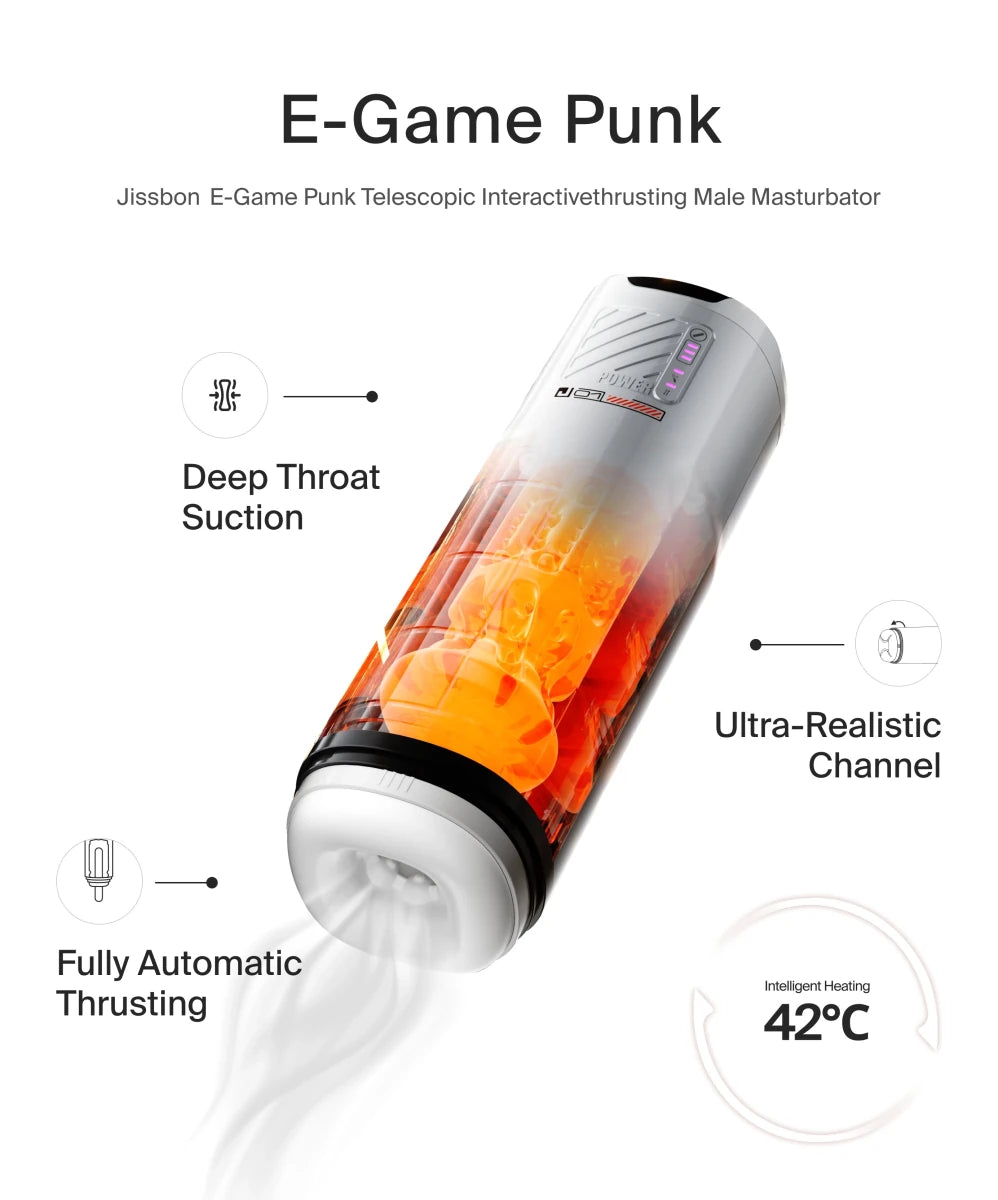
Best Automatic Strokers for Edging and Stamina Training