


















































Masturbation with Lotion: Safe Techniques Guide
Stack & Save: Extra 15% with Jissbon15
Jissbon15
Many people use lotion for masturbation because it's readily available and provides slippery sensation enhancing manual stimulation. However, not all lotions are safe for genital contactmany contain fragrances, alcohols, parabens, and other ingredients that cause irritation, burning, or allergic reactions on sensitive tissue.
Understanding which lotions are safer choices, proper application techniques, and superior alternatives like water-based lubricants helps you enjoy comfortable, irritation-free solo pleasure.
This guide explains how to use lotion for masturbation more safely, which ingredients to avoid, potential risks, step-by-step techniques, and why purpose-made sexual lubricants offer better experiences. You'll learn about ingredient safety, application methods, cleanup, and alternatives specifically designed for intimate use.
Why People Use Lotion for Masturbation
Common reasons include:
- Immediate availability in bathrooms and bedrooms without requiring specialty purchases
- Discreet option that doesn't require explaining purchases or hiding obvious sexual products
- Slippery texture reduces friction and enhances sensation compared to dry hands
- Budget-friendly since many already own lotion for regular skincare
- Habit from early exploration when proper lubricants weren't accessible or known about
- Mimicking wetness that makes stimulation feel more realistic or pleasurable
- Trying something different from usual dry masturbation techniques
While lotion works functionally, it's designed for external skin not sensitive mucous membranes found on genitals. Purpose-made sexual lubricants offer safer, more effective alternatives.
Risks of Using Lotion for Masturbation

Ingredient-Related Irritation
Fragrances and perfumes:
Added for pleasant scent but cause burning, stinging, or allergic reactions on genital tissue. Even "lightly scented" lotions contain irritating compounds.
Alcohols:
Included for quick absorption but dry out tissue and cause burning sensation on mucous membranes.
Parabens:
Preservatives that some people react to with irritation or redness.
Glycerin:
While less problematic than fragrances, glycerin can cause yeast infections in people prone to them.
Menthol and cooling agents:
Lotions with "cooling" sensations contain menthol or similar compounds creating intense, often uncomfortable burning on genitals.
pH Imbalance Issues
Genital pH requirements:
Vaginal tissue maintains pH 3.8–4.5; penile tissue around 5.5–6. Most lotions have pH 5–7 (closer to regular skin), potentially disrupting natural balance.
Consequences:
pH disruption increases infection risk, causes irritation, and damages protective bacterial balance (especially for people with vaginas).
Texture and Cleanup Problems
Absorption speed:
Lotions absorb into skin quicklygreat for moisturizing, terrible for sustained lubrication. Requires frequent reapplication.
Sticky residue:
Many lotions leave sticky or tacky feeling after absorbing, creating unpleasant sensation and messy cleanup.
Staining:
Oil-based lotions can stain sheets, clothing, and other fabrics.
Learn more about sexual health and safety from Planned Parenthood's educational resources.
Safer Lotion Choices (If You Must Use It)
What to Look For
Unscented/fragrance-free:
Avoid anything with "fragrance" or "parfum" in ingredients. Look for explicitly "fragrance-free" labels (not just "unscented," which can still contain masking fragrances).
Hypoallergenic formulas:
Designed for sensitive skin with fewer irritating ingredients. Brands marketed for eczema or sensitive skin work better.
Minimal ingredient lists:
Fewer ingredients = fewer potential irritants. Simple formulas with 5–10 ingredients are safer than complex formulations.
Natural options:
Pure coconut oil, pure aloe vera gel (not after-sun lotions with additives), or shea butter work better than commercial lotions.
Ingredients to Absolutely Avoid
Never use lotions containing:
- Fragrances or perfumes
- Menthol, camphor, or "cooling" agents
- High alcohol content
- Retinol or anti-aging actives
- Salicylic acid or acne treatments
- Strong preservatives
Why these are dangerous:
These ingredients cause chemical burns, severe irritation, pain, and tissue damage on sensitive genital tissue.
Recommended Brands (If Using Lotion)
Better options:
- CeraVe Moisturizing Cream (fragrance-free)
- Cetaphil Moisturizing Lotion (fragrance-free)
- Aveeno Daily Moisturizing Lotion (unscented)
- Eucerin Original Healing Cream (fragrance-free)
Best household alternative:
100% pure coconut oil (solid at room temperature, melts with body heat). Natural, safe for most people, effective lubrication.
Step-by-Step: Using Lotion Safely for Masturbation

Preparation
Step 1: Patch test first
Apply small amount to inner wrist or forearm. Wait 10–15 minutes. If redness, burning, or irritation occurs, don't use on genitals.
Step 2: Wash hands thoroughly
Clean hands prevent introducing bacteria. Use warm water and soap, dry completely.
Step 3: Have cleanup supplies ready
Keep tissues, towels, or wipes nearby. Lotion cleanup is messier than water-based lubricants.
Step 4: Get comfortable
Find private space where you won't be interrupted. Comfort and relaxation enhance pleasure.
Application Technique
Step 5: Apply to hands, not directly to genitals
Squeeze lotion into palm (start with dime-sized amount). Rub hands together to warm and spread evenly.
Step 6: Apply to shaft (for penis owners)
Gently spread lotion along the shaft, avoiding direct application to the head initially (most sensitive areatest tolerance first).
Step 7: Start with gentle strokes
Begin slowly with light pressure. Let arousal build gradually. Fast, aggressive technique with lotion causes friction despite lubrication.
Step 8: Reapply as needed
When lotion absorbs and sensation becomes less smooth, add more. Typically needed every 3–5 minutes.
Step 9: Experiment with pressure and speed
Vary grip firmness, stroke speed, and hand positions. Lotion allows smoother variation than dry technique.
For People with Vulvas
Important notes:
Using lotion for external clitoral stimulation is safer than internal vaginal use. However, any lotion contact risks vaginal pH disruption.
Application:
Apply to fingers, then to external clitoral area only. Avoid inserting lotion-covered fingers inside vaginainfection risk increases significantly.
Better alternatives:
Water-based lubricants designed for intimate use are dramatically safer for vulva owners due to pH balance and ingredient safety.
Better Alternatives to Lotion
Water-Based Lubricants (Highly Recommended)
Why they're better:
- Designed specifically for genital use
- pH-balanced for intimate tissue
- Safe with all toy materials
- Easy cleanup with water
- No staining or residue
- Long-lasting formulations available
Texture options:
- Thin/liquid: Mimics natural wetness
- Thick/gel: Longer-lasting, cushioning sensation
- Silky/hybrid: Combines benefits of water and silicone
Price:
$8–$20 for bottles lasting months. Affordable and purpose-designed.
Silicone-Based Lubricants
Why they're better:
- Extremely long-lasting (doesn't absorb)
- Silky, luxurious texture
- Waterproof (works in shower)
- Hypoallergenic
- No sticky residue
Drawbacks:
- Cannot use with silicone toys (degrades material)
- Requires soap for cleanup (doesn't rinse with water alone)
- More expensive ($15–$30)
Natural Oil Alternatives
Coconut oil:
Natural, moisturizing, antimicrobial properties. Safe for most people. Cannot use with latex condoms (degrades latex).
Almond or jojoba oil:
Gentle, skin-safe, long-lasting. Same condom incompatibility as coconut oil.
When oils work well:
Solo masturbation without condoms or toys. People with sensitive skin who react to commercial lubricants.
Lotion vs. Purpose-Made Lubricants

Lotion Characteristics
Advantages:
- Immediately available
- Discreet (no obvious sexual purpose)
- Affordable if already owned
- Familiar product
Disadvantages:
- Absorbs quickly (requires frequent reapplication)
- Contains potentially irritating ingredients
- Not pH-balanced for genitals
- Sticky residue after absorption
- Infection risk (especially vaginal use)
Best for: Emergency situations when proper lubricant unavailable and using safest possible lotion choice.
Water-Based Lubricant Characteristics
Advantages:
- Designed for genital use
- pH-balanced
- No irritating fragrances or additives
- Safe with all toys and condoms
- Easy cleanup
- Long-lasting formulations
- Available in varied textures
Disadvantages:
- Requires purchasing specialty product
- Obviously sexual product (less discreet)
- Slightly higher cost than lotion
Best for: Anyone masturbating regularly, people with sensitive skin, vaginal use, toy use, partnered sex.
The Bottom Line
If you can access water-based lubricant, choose it over lotion every time. The safety, comfort, and performance differences are significant. Lotion works in a pinch but isn't optimal.
Learn about lubricant types and safety from Cleveland Clinic health resources.
Using Lotion with Male Masturbation Toys
Compatibility Concerns
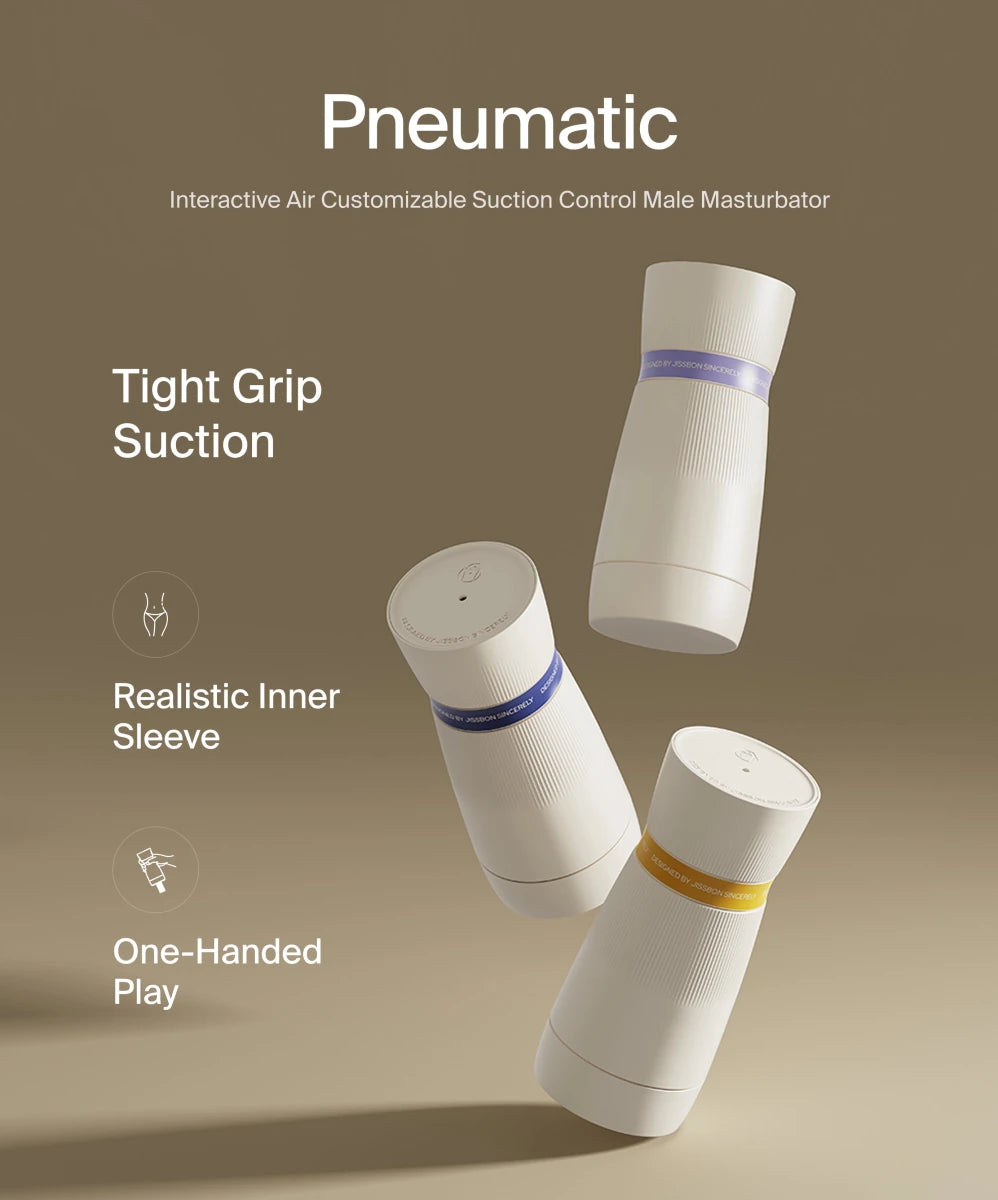
Manual strokers/sleeves:
Most tolerate lotion, but it's not ideal. Lotion absorbs into porous materials (like TPE), potentially degrading them faster than proper lubricant.
Silicone toys:
Never use lotion containing silicone additives with silicone toyscauses material breakdown.
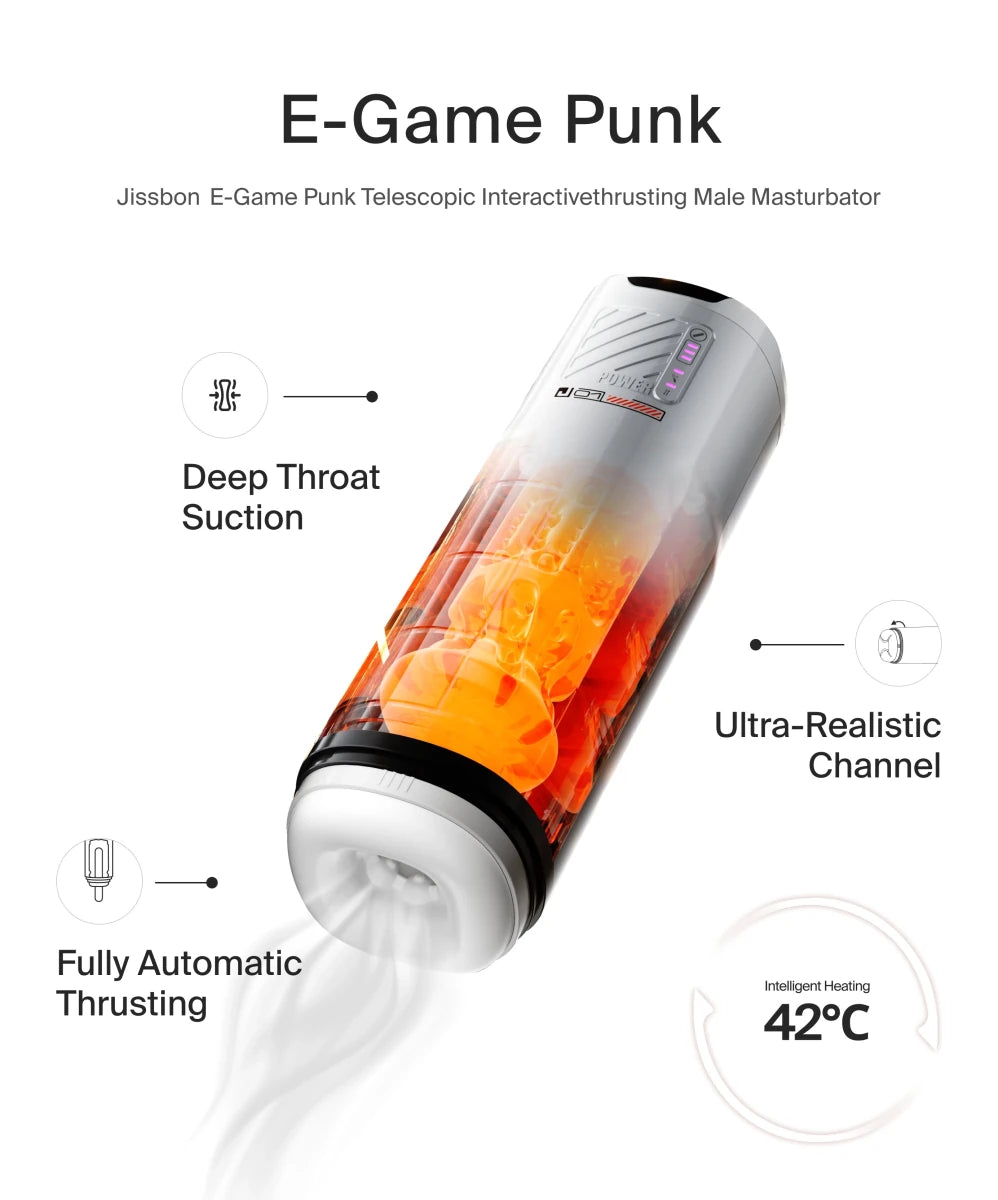
Automatic devices:
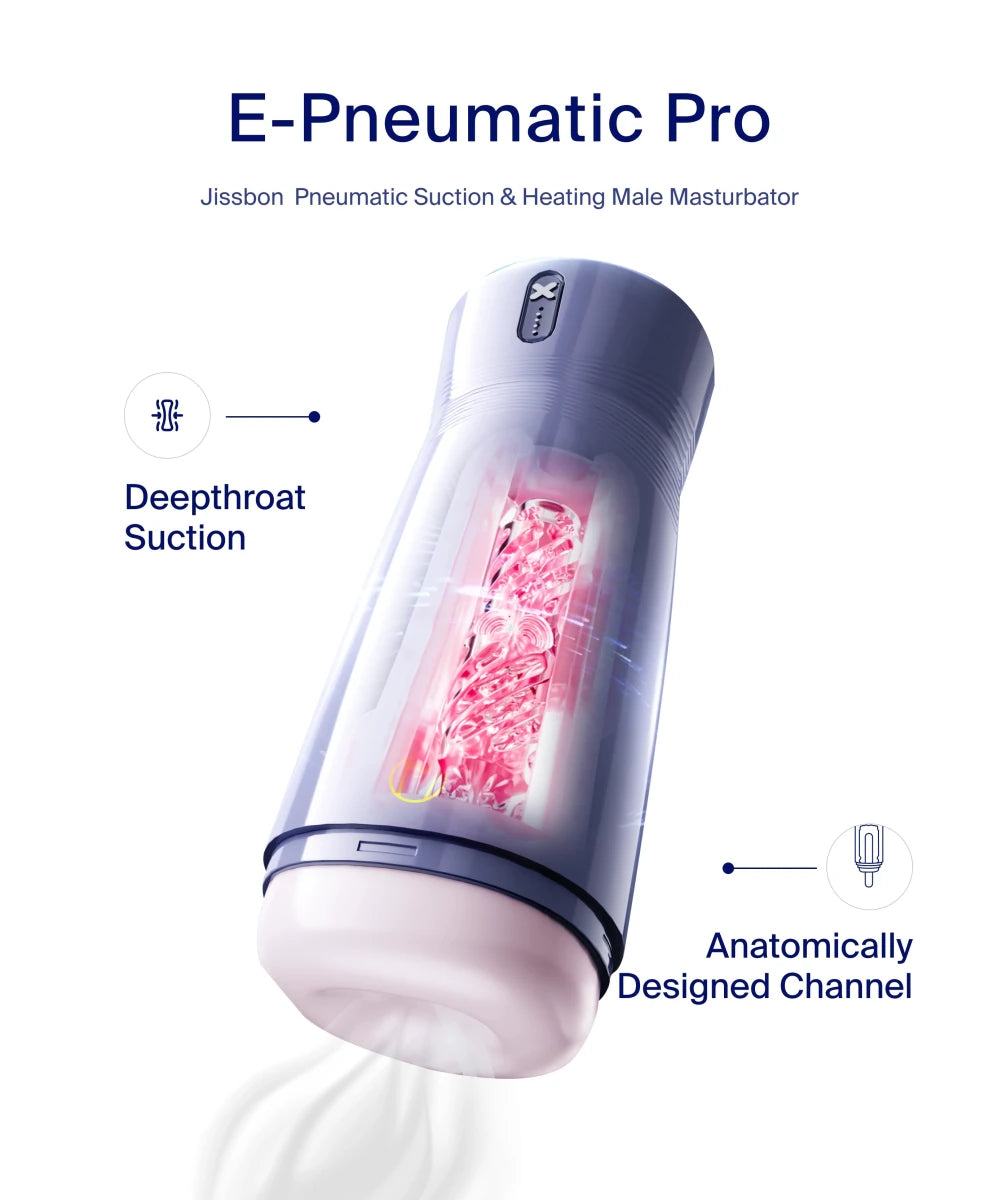
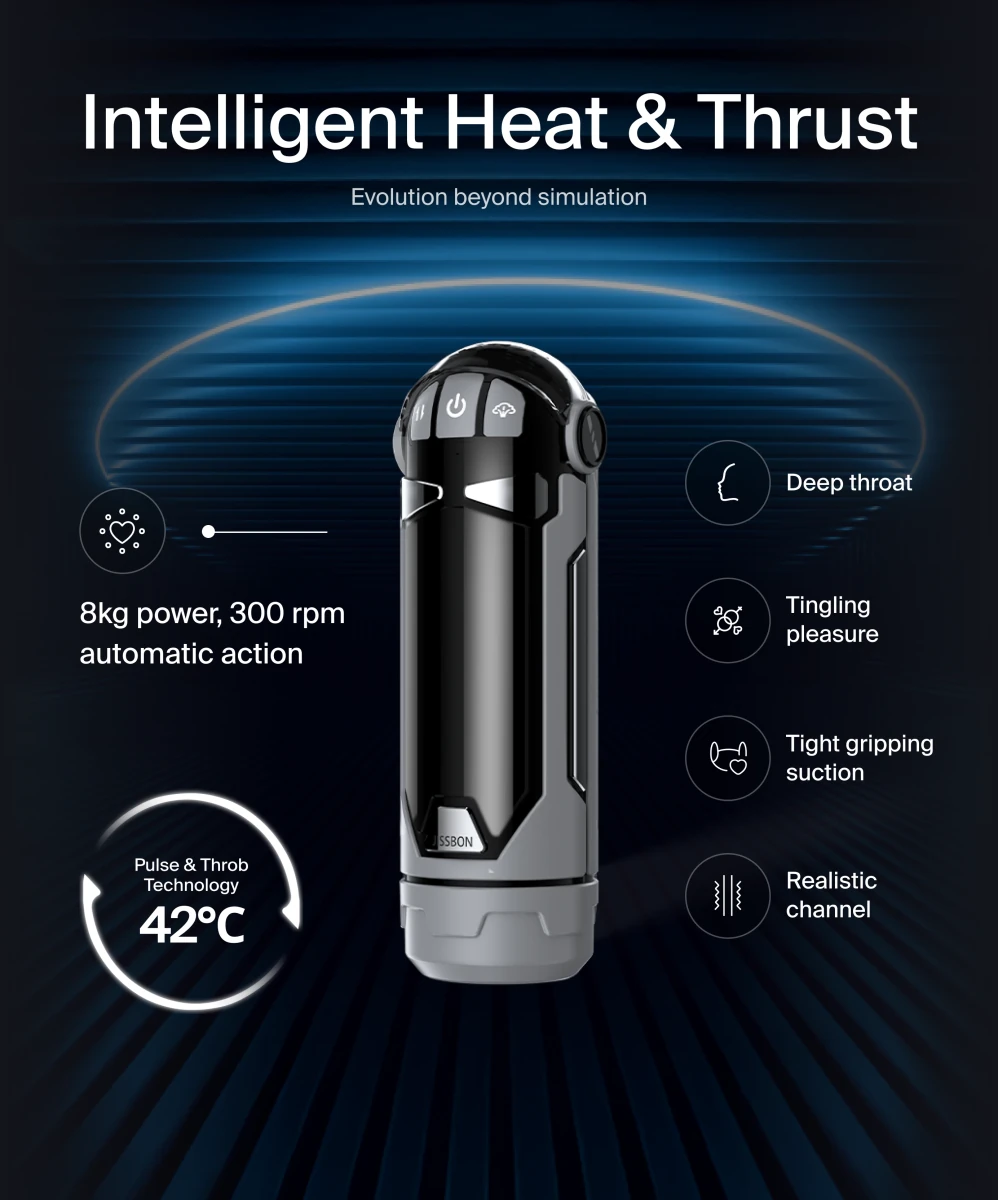
Lotion can gum up motors or mechanisms. Manufacturers typically specify water-based lubricant only.
Application with Toys
If using lotion with toys:
- Apply lotion inside toy opening
- Apply to yourself
- Insert slowly, ensuring even coverage
- Add more frequentlylotion absorbs faster than lube
- Clean thoroughly immediately after use
Better approach:
Use water-based lubricant specifically. Toys last longer, cleanup is easier, and sensation is better.
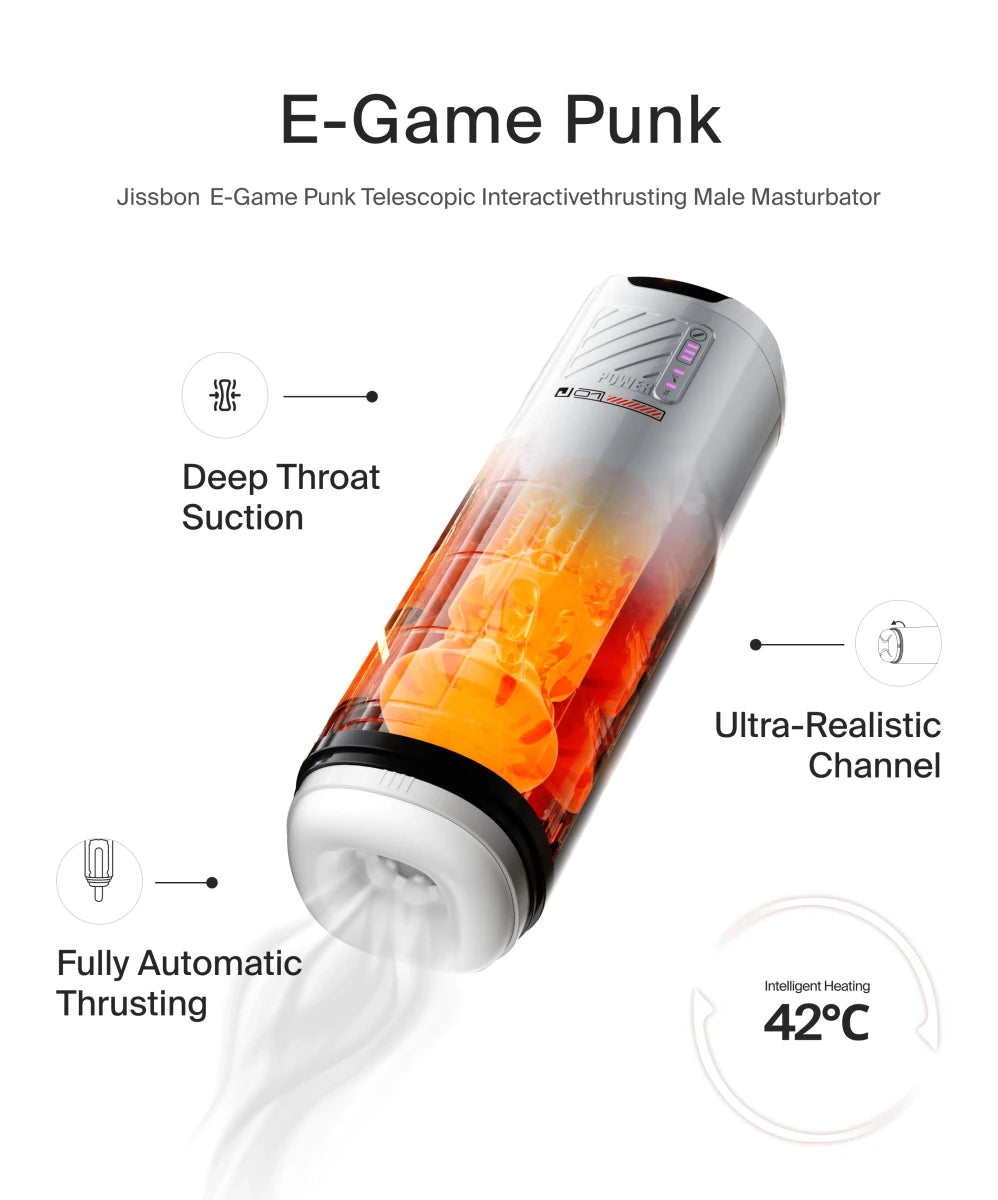
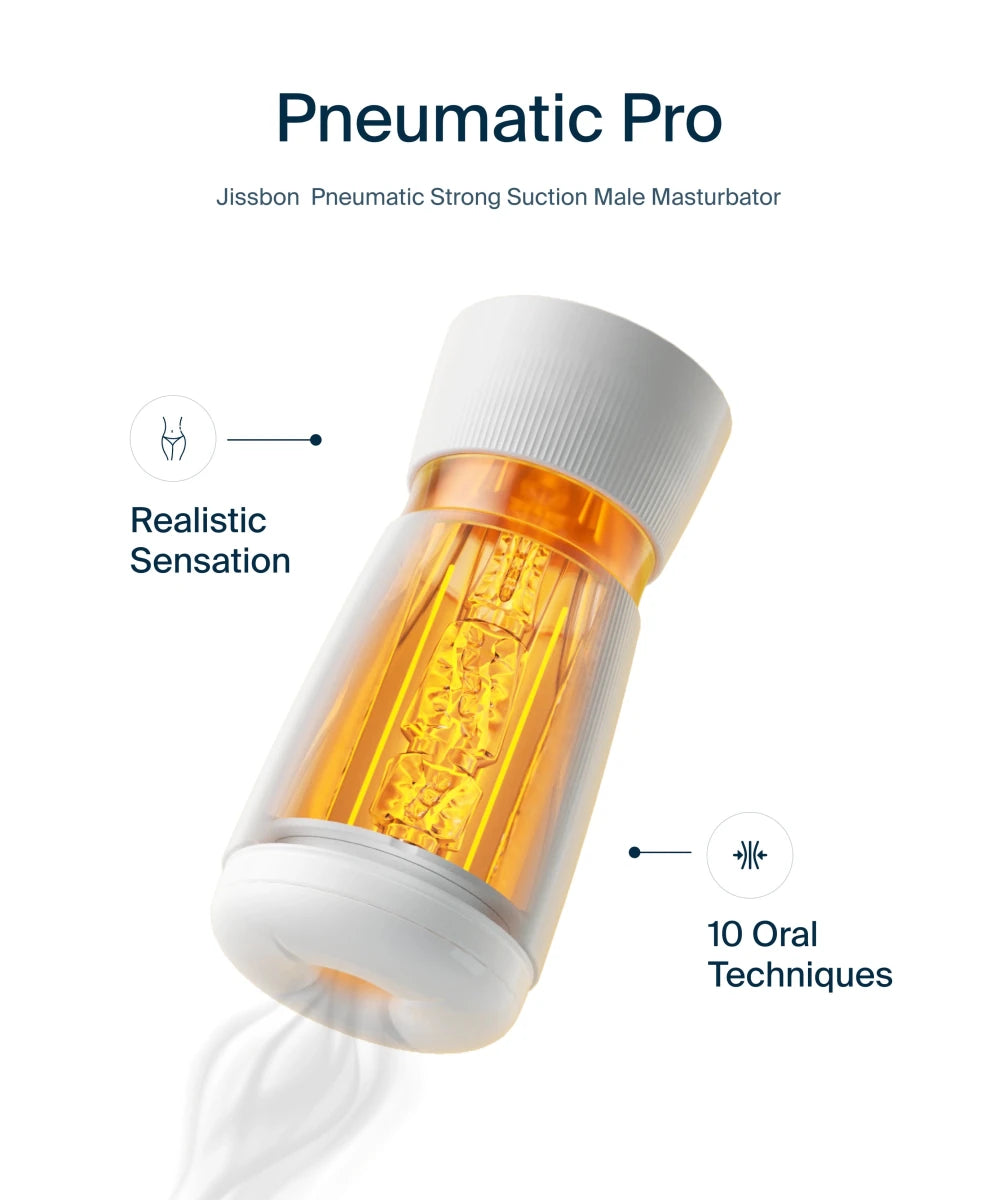
For male pleasure toys designed for comfortable use, explore male masturbators with proper lubricant recommendations.
Cleanup and Hygiene
Immediate Cleanup
For penis owners:
Wipe thoroughly with tissues or towel. Wash hands and genitals with warm water and mild soap. Dry completely to prevent irritation.
For vulva owners:
Wipe external area gently. Never douchevagina is self-cleaning. External rinse with warm water is sufficient. Pat dry carefully.
Residue Management
Lotion leaves residue:
Even after wiping, sticky or oily feeling often remains. Full shower is best solution for complete cleanup.
Fabric staining:
Oil-based lotions stain sheets and clothing. Use dedicated towels or wash bedding promptly.
Preventing Irritation
Post-masturbation care:
If using lotion regularly causes irritation, redness, or discomfort:
- Switch to fragrance-free formula
- Use less product
- Transition to proper water-based lubricant
- Apply gentle, fragrance-free moisturizer to any irritated areas after cleanup
For additional intimate wellness products, explore male stroker toys designed for comfortable, body-safe pleasure.
Frequently Asked Questions
Is it safe to use lotion for masturbation?
It depends on the lotion. Fragrance-free, hypoallergenic lotions with simple ingredient lists are safer for external use on the penis shaft. However, lotions with fragrances, alcohols, menthol, or active ingredients (retinol, acids) cause burning and irritation on genital tissue. For vaginal use, lotion is not recommendedit disrupts pH balance and increases infection risk.
What happens if I use scented lotion for masturbation?
Scented lotions contain fragrances and perfumes that cause burning, stinging, and allergic reactions on sensitive genital tissue. You may experience immediate discomfort or delayed irritation appearing hours later as redness, itching, or rash. If this occurs, wash thoroughly with warm water and mild soap, apply cool compress to reduce inflammation, and avoid further use.
Can I use lotion with condoms?
Oil-based lotions degrade latex condoms, significantly increasing breakage risk. Water-based lotions are less problematic but still not idealthey're not designed for this use and may compromise condom integrity. Always use water-based or silicone-based sexual lubricants with condoms for safety.
Why does lotion burn when I masturbate?
Burning sensation indicates ingredient irritation. Common culprits: fragrances, alcohols, menthol, acids, or preservatives. These ingredients are safe on external skin but cause chemical irritation on mucous membranes (genital tissue). Additionally, if lotion enters the urethra (pee hole), burning intensifies dramatically.
How much lotion should I use for masturbation?
Start with a dime-sized amount in your palm. Rub hands together to warm and spread, then apply. Add more as neededlotion absorbs quickly, requiring reapplication every 3–5 minutes. Using too much creates excessive mess without improving sensation. Unlike water-based lubricants (which don't absorb), you'll need significantly more lotion throughout a session due to absorption rate.
Is coconut oil better than lotion for masturbation?
Yes, 100% pure coconut oil is generally safer than most commercial lotions. It contains no fragrances, alcohols, or synthetic ingredients. Coconut oil is naturally antimicrobial, moisturizing, and long-lasting. However, it cannot be used with latex condoms (degrades latex) and requires more thorough cleanup than water-based options.
Final Thoughts
While lotion provides readily available lubrication for masturbation, it's designed for external skinnot sensitive genital tissue. Choosing fragrance-free, hypoallergenic formulas minimizes irritation risk, but purpose-made water-based sexual lubricants offer dramatically superior safety, comfort, and performance.
Transitioning from lotion to proper lubricant enhances pleasure, reduces irritation risk, and provides longer-lasting, smoother sensation. Your sexual wellness deserves products designed specifically for intimate use rather than household compromises.
Ready to explore products designed for comfortable, body-safe pleasure? Discover our collection of sex toys for men with proper lubricant recommendations for optimal experiences.


Looking for something else?

What Is Flogging in Sex? Complete BDSM Flogging Guide
LEARN MORE
What Does Overstimulated Mean Sexually? Causes & Solutions
LEARN MORE
Can You Get a Tattoo on Your Vagina? Safety, Pain & What to Expect
LEARN MORE
Public Sex Kink: Understanding Exhibitionism & Safe Exploration
LEARN MORELooking for something else?

A-Spot Orgasm: Best Positions & How to Find It
LEARN MORE
Bondage Play: Complete Beginner's Guide to Rope BDSM
LEARN MORE
Vibrator Stories: Real Experiences, Tips & What to Expect
LEARN MOREYou may also like
20% off

20% off

20% off

20% off

20% off

20% off

Further reading

How to Clean an Automatic Blowjob Machine Without Damaging the Motor

Remote-Controlled Automatic Masturbators for Couples and Solo Play
Best Automatic Strokers for Edging and Stamina Training