





















































Masturbation Statistics: How Many People Really Masturbate?
Stack & Save: Extra 15% with Jissbon15
Jissbon15
Approximately 78 percent of adults worldwide masturbate, including 92 percent of American men and 76 percent of American women PR Newswire, with significant gender gaps persisting across all age groups—men masturbating an average of four times weekly compared to women's two times weekly Bustle—driven not by biological sex drive differences but rather cultural conditioning, sexual education disparities teaching boys masturbation is natural while girls receive silence or shame messaging, anatomical visibility differences (external erections versus internal arousal), and ongoing sexual double standards judging women more harshly for identical sexual behaviors.
Lifetime prevalence reaches 86% for men and 77% for women by adulthood World Metrics, with rates highest among 18-29 year olds (over 80%), declining with age but continuing into elderly populations, and contrary to assumptions, 60% of married men and 48% of married women masturbate regularly GitNux despite having partners available.
Whether you're curious about normal masturbation frequency, understanding gender differences, learning age-related patterns, exploring relationship status effects, discovering health benefits, or examining cultural shifts, this comprehensive guide covers prevalence data, demographic breakdowns, reasons behind statistics, and changing attitudes.
Global Masturbation
While available research varies, newer surveys from mainstream wellness platforms show that masturbation habits are more diverse and less gender-divided than previously believed. For instance, large-scale polls reported by Flo Health highlight that between 70–90% of women masturbate, even though many do so less frequently or less openly than men due to cultural stigma rather than biological differences.
These platform-wide anonymous studies also suggest:
- Women often masturbate in waves — periods of high frequency followed by weeks of little or none
- Hormones influence desire but do not dictate masturbation frequency
- Self-stimulation often rises during ovulation or high-stress weeks
- LGBTQ+ respondents, regardless of gender, report higher masturbation rates than heterosexual respondents — often linked to stronger body awareness and autonomous pleasure practices
This aligns with the broader cultural shift: people, especially women, now see masturbation less as a taboo behavior and more as a psychological regulator, stress-management tool, and self-education practice that improves partnered sex.
Overall Masturbation Prevalence

How common is self-pleasure across populations?
Global and U.S. Statistics
Worldwide Data:
78 percent of adults in the world masturbate, including: 96 percent of British men, 93 percent of German men, and 92 percent of American men; 78 percent of British women, 76 percent of German women, and 76 percent of American women.
U.S. Lifetime Prevalence:
In a survey of over 1,000 adults, 86% of men and 77% of women reported having masturbated at some point in their lives World Metrics.
Key Takeaway: Masturbation is majority behavior—more people do it than don't, regardless of gender, though significant gender gap persists.
Recent Masturbation Rates
Past Month Masturbation:
In the 2009 National Survey of Sexual Health Behavior, more than half of men ages 16–59 reported having engaged in solo masturbation in the prior month. Twenty percent of women across the lifespan reported solo masturbation in the prior month (with rates exceeding 40% only for women ages 20–29).
According to sexual health guidance from Planned Parenthood, masturbation is a normal, healthy part of sexuality for people of all genders.
Frequency Comparison Table
|
Timeframe |
Men |
Women |
Overall |
|
Lifetime (ever) |
86-96% |
76-88% |
78-84% |
|
Past year |
80%+ (ages 18-29) |
80%+ (ages 18-29) |
~80% (younger adults) |
|
Past month |
50-77% (varies by age) |
20-40% (varies by age) |
~35-55% |
|
Weekly or more |
~60% |
~30-40% |
~45-50% |
Note: Ranges reflect different studies and methodologies
Gender Differences in Masturbation
Significant disparities between men and women.
Prevalence Gap
Lifetime Masturbation:
- Men: 86-96%
- Women: 76-88%
- Gap: 10-15 percentage points
Regular Practice:
In a survey, 66% of women and 86% of men reported regular masturbation GitNux.
Frequency Differences
Men masturbate an average of four times per week with an average session lasting 14 minutes, women masturbate only two days a week, with an average session of 13 minutes. Calculating those minutes, women masturbate a total of 27 hours a year, compared to men's 46 hours a year — meaning men masturbate almost a whole day more than women do a year Bustle.
Monthly Frequency:
- Men: 14-15 times per month average
- Women: 7-8 times per month average
- Men masturbate approximately twice as frequently
Why the Gender Gap Exists
NOT Sex Drive Differences:
Research challenges assumption that men simply have higher libidos. The gap stems from cultural, educational, and social factors.
Cultural Conditioning:
While for boys, masturbation is framed to them as natural, unavoidable, and even healthy — girls experience a very different narrative. Told from the get-go that their sexuality is to be controlled and contained, girls aren't taught about masturbation, so many view it as unnatural or even shameful Bustle.
Sexual Education Gaps:
Sexual health education in the United States seldom addresses masturbation, and it's rare for it to cover the topic of sexual pleasure at all. More specifically, even though the majority of those AFAB who masturbate do so via clitoral stimulation, traditional sex education generally doesn't expand beyond internal reproductive organs to include the clitoris.
Sexual Double Standards:
The Sexual Double Standard describes the tendency to judge women more harshly for engaging in the same sexual acts as men. It's especially prevalent when it comes to stigmatized sexual behaviors, such as masturbation. It's been shown that masturbation is often considered to be more acceptable for men than women, including by women themselves.
Anatomical Visibility:
When men and/or penis owners are aroused, we can visibly see it via an erection. Conversely, when women are aroused, it's less externally visible and typically less obvious. This simple concept actually tends to greatly influence whose sexuality we validate, and by function whose masturbation we validate.
Masturbation Rates by Age

Patterns across lifespan.
Young Adults (18-29)
Highest Rates:
Masturbation is more common among younger individuals, with over 80% of men and women aged 18-29 reporting having masturbated in the past year World Metrics.
Specific Age Breakdown (Past Month, 2009 Data):
- Ages 20-29 women: Over 40%
- Ages 20-29 men: 50%+
- Peak masturbation years for both genders
Middle Age (30-59)
Sustained but Declining:
- Ages 30-44: Still relatively high rates (60-70% men, 30-40% women)
- Ages 45-59: Gradual decline but still common
- Men maintain higher rates throughout
Older Adults (60+)
Continuing Practice:
28% of men ages 70+, 43% of men ages 60–69 reported having engaged in solo masturbation in the prior month. 12% of women over 70 years of age reporting past-month masturbation.
Masturbation is a common sexual behavior among individuals of all ages, with studies showing that even elderly individuals engage in masturbation.
Age Trends Summary
|
Age Group |
Men (Past Month) |
Women (Past Month) |
Notes |
|
18-24 |
75-85% |
55-65% |
Peak years |
|
25-29 |
70-85% |
40-50% |
Still very high |
|
30-39 |
65-75% |
35-45% |
Gradual decline |
|
40-49 |
60-70% |
30-40% |
Continuing practice |
|
50-59 |
50-60% |
25-35% |
More pronounced decline |
|
60-69 |
43% |
15-25% |
Significant but present |
|
70+ |
28% |
12% |
Lowest but non-zero |
Percentages approximate from various studies
Relationship Status & Masturbation
Partnered vs. single patterns challenge assumptions.
Married/Partnered Individuals
Still Common:
60% of married men and 48% of married women masturbate GitNux.
Frequency:
- Partnered individuals: ~11 times per month average
- Lower than singles but far from absent
Why Partnered People Masturbate:
- Different type of pleasure than partnered sex
- Partner unavailable or different schedules
- Personal stress relief
- Supplementing rather than replacing partnered sex
- Exploring solo fantasies
Single Individuals
Higher Frequency:
- Single people: ~16 times per month average
- 45% more frequent than partnered individuals
- Compensatory element (less partnered sex access)
Relationship Satisfaction Connection
Complex Pattern:
Women's greater frequency of partner sex was associated with greater frequency of masturbation in the prior year. Yet, both women and men who desired more frequent partnered sex were more likely to masturbate more often.
Not Simple Compensation:
- Masturbation serves both complementary (adds to active sex life) and compensatory (substitutes when desired sex unavailable) functions
- For both genders, wanting more partnered sex correlates with more masturbation
- Reflects overall sexual desire level
Masturbation Frequency Patterns
How often people actually masturbate.
Average Frequency
Overall U.S. Average:
- 12 times per month (all adults)
- 14.8 times per month (men)
- 7.8 times per month (women)
High-Frequency Masturbators
5% of women ages 25-29 engage in solo sessions more than 4 times a week, while 20.1% of men do Women's Health.
Daily or Near-Daily:
- Small percentage of population
- More common in young men
- Often associated with high libido or using for stress management
Moderate Frequency
Several Times Weekly:
- Most common pattern for men (40-50%)
- Common for women (20-30%)
- 2-4 times weekly typical
Occasional Masturbators
Few Times Monthly:
- Large portion of women
- Smaller portion of men
- Often tied to hormonal cycles, stress levels, or opportunity
Never Masturbate
Declining Over Time:
The percentage of women who reported never having masturbated in their lifetime decreased from 28.5% to 24.1% PsyPost between early 2000s and early 2010s.
Current Estimates:
- ~14% of men never masturbate (lifetime)
- ~23% of women never masturbate (lifetime)
- Often due to religious/moral beliefs, lack of interest, or cultural conditioning
Changing Trends Over Time
Masturbation becoming more common.
Increasing Prevalence
A new study analyzing over a decade of data from the British population has found that masturbation became more common for both women and men between the early 2000s and the early 2010s. For women, the rate rose from 37.0% in the first period to 40.3% in the second. For men, the prevalence increased from 73.4% to 77.5%.
U.S. Similar Trends:
- Solo masturbation rates stable or increasing 2009-2018
- During same period, partnered sex decreased
- Suggests masturbation filling some gaps left by declining partnered activity
Factors Driving Increases
Reduced Stigma:
- More open cultural discussion
- Sex-positive movements
- Online communities normalizing masturbation
Access to Information:
- Internet providing sex education
- Learning masturbation techniques online
- Discovery of quality sex toys easier than ever
Changing Attitudes Toward Female Sexuality:
- Slowly declining sexual double standards
- Women's sexual empowerment movements
- More discussion of female pleasure
Remaining Stigma
Only 18 percent of respondents in the United States, 15 percent in the United Kingdom and 11 percent in Germany feel it is important to talk about masturbation with people they are close with PR Newswire.
Despite increased practice, discussing masturbation remains taboo for many.
Why People Masturbate

Motivations beyond simple horniness.
Most Common Reasons
Pleasure & Sexual Release:
- Primary reason cited
- Feels good physically
- Sexual tension relief
Stress Relief & Relaxation:
- Releases endorphins
- Calms anxiety
- Helps sleep (34.8% feel relaxed and ready to sleep after)
Sexual Exploration:
- Learning own body
- Discovering what feels good
- Building sexual confidence
Convenience:
- No coordination with partner needed
- Quick solution when aroused
- Available anytime
Supplementing Partnered Sex:
- Different sensations than partnered activity
- More frequent release than partner availability
- Exploring personal fantasies
Health Benefits Driving Practice
Physical Health:
- Prostate health (for penis-owners)
- Pelvic floor strengthening
- Improved sleep quality
- Pain relief (headaches, cramps)
Mental Health:
- Stress reduction
- Mood improvement
- Body image enhancement
- Self-esteem building
Sexual Health:
- Understanding own pleasure
- Better able to communicate desires to partners
- Improved sexual satisfaction overall
Reasons People Don't Masturbate
Barriers to self-pleasure.
Most Cited Reasons
The most frequently endorsed reasons for not masturbating were lack of interest, being in a committed relationship, conflict with morals or values, or being against one's religion.
Lack of Interest:
- Low libido
- Asexuality spectrum
- Simply not appealing
Religious/Moral Beliefs:
- Faith teachings prohibiting masturbation
- Personal ethical stance
- Guilt associated with practice
Being in Relationship:
- Preference for partnered sex only
- Viewing masturbation as "cheating"
- Partner satisfies all sexual needs
Shame & Embarrassment:
- Cultural conditioning (especially women)
- Fear of being caught
- Internalized negative messaging
Practical Barriers:
- Lack of privacy
- Physical limitations
- Time constraints
- Not knowing how
Masturbation & Technology
Modern patterns with porn and toys.
Pornography Usage
Frequency:
- 1 in 4 people watch porn every time they masturbate
- Men 1.8x more likely than women to use porn
- 22% of women never watch porn during masturbation vs. 6% of men
Relationship Status:
- Single people 1.3x more likely to watch porn every time
- Partnered individuals use porn less frequently but still common
Sex Toy Usage
Prevalence:
- 80% of men who use sex toys say they improve masturbation
- Growing acceptance of masturbation toys for all genders
- 53% of Americans think sex toys useful for men (underestimate actual benefits)
Gender Patterns:
- Women more likely to use vibrators during masturbation
- Men increasingly adopting strokers and male toys
- Toy usage associated with higher sexual satisfaction
Positive Emotions After Masturbation
Most people feel good post-session.
Common Feelings:
- 34.8%: Relaxed and ready to sleep
- Improved mood/feeling energized: 10.2%
- Empowered: 8.8%
- Total positive: ~54%
Negative Feelings:
- Guilty or ashamed: 7.8%
- Still wanting more: 6.3%
Declining Shame:
- Younger generations less likely to feel guilty
- 31.6% thought masturbation shameful when young
- Improving over time as cultural attitudes shift
Sexual Orientation Differences
Patterns across LGBTQ+ populations.
Higher Frequency:
- Gay and bisexual individuals 20% more likely to masturbate weekly than heterosexual individuals
- Homosexual respondents: 14.2 times per month
- Heterosexual respondents: 12 times per month
Possible Factors:
- Less access to partnered sex in some contexts
- Greater comfort with sexuality
- More sex-positive community norms
- Higher openness about sexual practices
Frequently Asked Questions
Is it normal to masturbate even when in a relationship?
Absolutely. 60% of married men and 48% of married women masturbate regularly. Masturbation provides different pleasure than partnered sex, serves as stress relief, and complements rather than replaces intimacy with partners. It's healthy and normal.
How often is "normal" for masturbation?
There's no single normal—frequency ranges from never to multiple times daily. Average is ~12 times monthly, but anything from a few times yearly to daily can be completely healthy. "Normal" is whatever feels right for you without interfering with daily life.
Why do men masturbate more than women?
Not biological sex drive—cultural conditioning explains the gap. Boys taught masturbation is natural; girls receive shame messaging or silence. Sexual education rarely covers female pleasure or clitoral anatomy. Double standards judge women more harshly for identical sexual behaviors.
Does masturbation frequency decrease with age?
Yes, gradual decline occurs but doesn't disappear. Peak rates occur ages 18-29, then slowly decrease. However, 28% of men and 12% of women over 70 still masturbate monthly. Sexuality continues throughout life at varying levels.
Is it unhealthy to masturbate frequently?
For vast majority, no. Frequent masturbation only becomes concerning if: (1) interfering with daily responsibilities, (2) causing physical injury from excessive friction, (3) creating relationship problems, or (4) being compulsive rather than enjoyable. Otherwise, frequency is personal preference.
Why don't some people masturbate at all?
Common reasons: religious/moral beliefs, lack of interest or low libido, being asexual, relationship preference for partnered sex only, shame or discomfort, or simply never felt desire to try. All valid reasons—masturbation is personal choice, not obligation.
Conclusion
Masturbation statistics reveal approximately 78% of adults worldwide engage in self-pleasure, with significant gender disparities—86-96% of men versus 76-88% of women lifetime prevalence, men averaging four weekly sessions compared to women's two—stemming from cultural conditioning, sexual education inequalities, and persistent double standards rather than biological differences, while patterns show highest rates among 18-29 year olds declining gradually with age but continuing into elderly populations, partnered individuals masturbating regularly (60% of married men, 48% of married women) despite having partners, and increasing prevalence over past decades reflecting reduced stigma and greater access to sexual health information.
Understanding these statistics normalizes masturbation as majority behavior for all genders, challenges harmful shame narratives particularly affecting women, contextualizes individual patterns within broader population trends, and reinforces masturbation's role as healthy, normal component of human sexuality throughout lifespan regardless of relationship status.
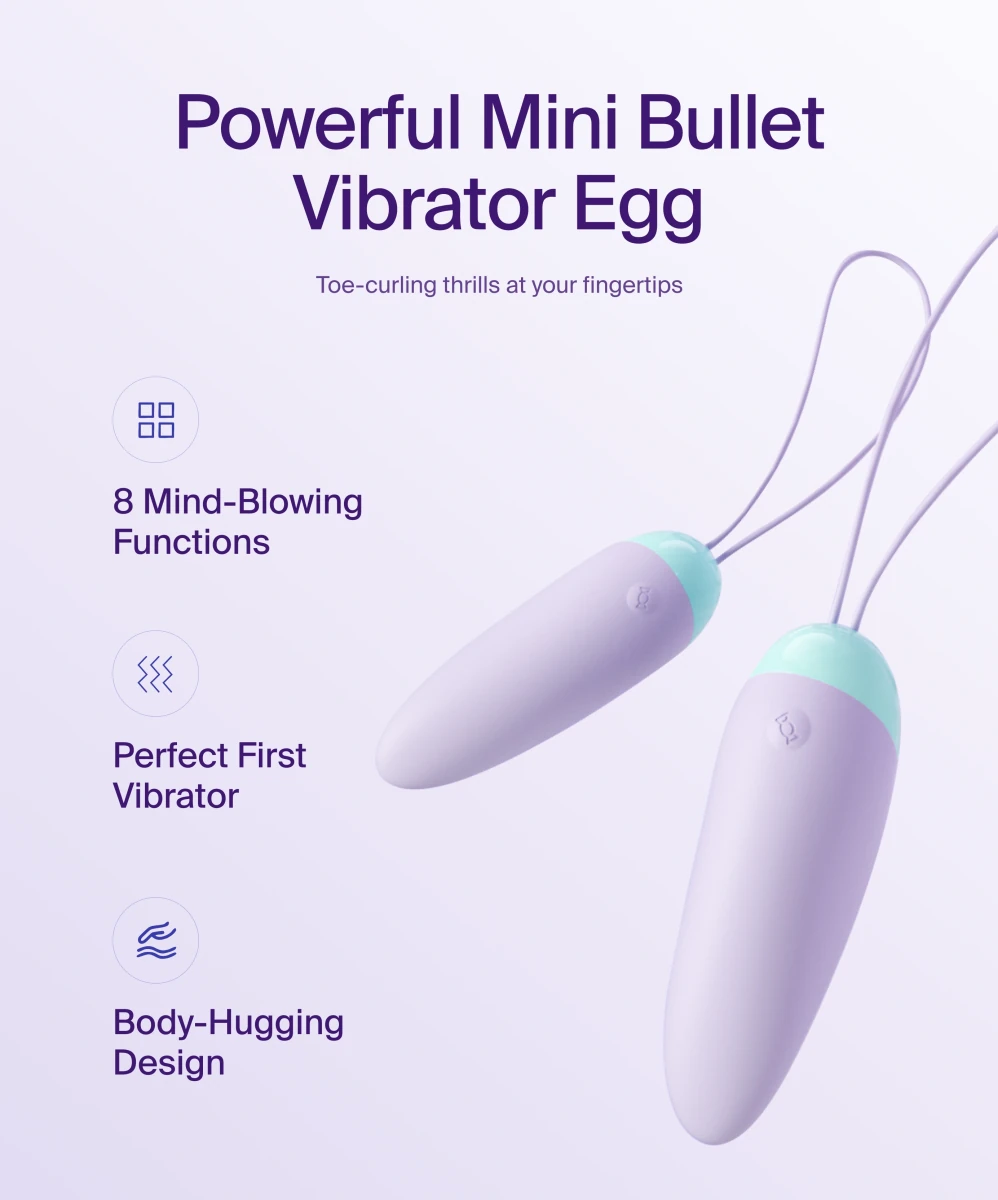
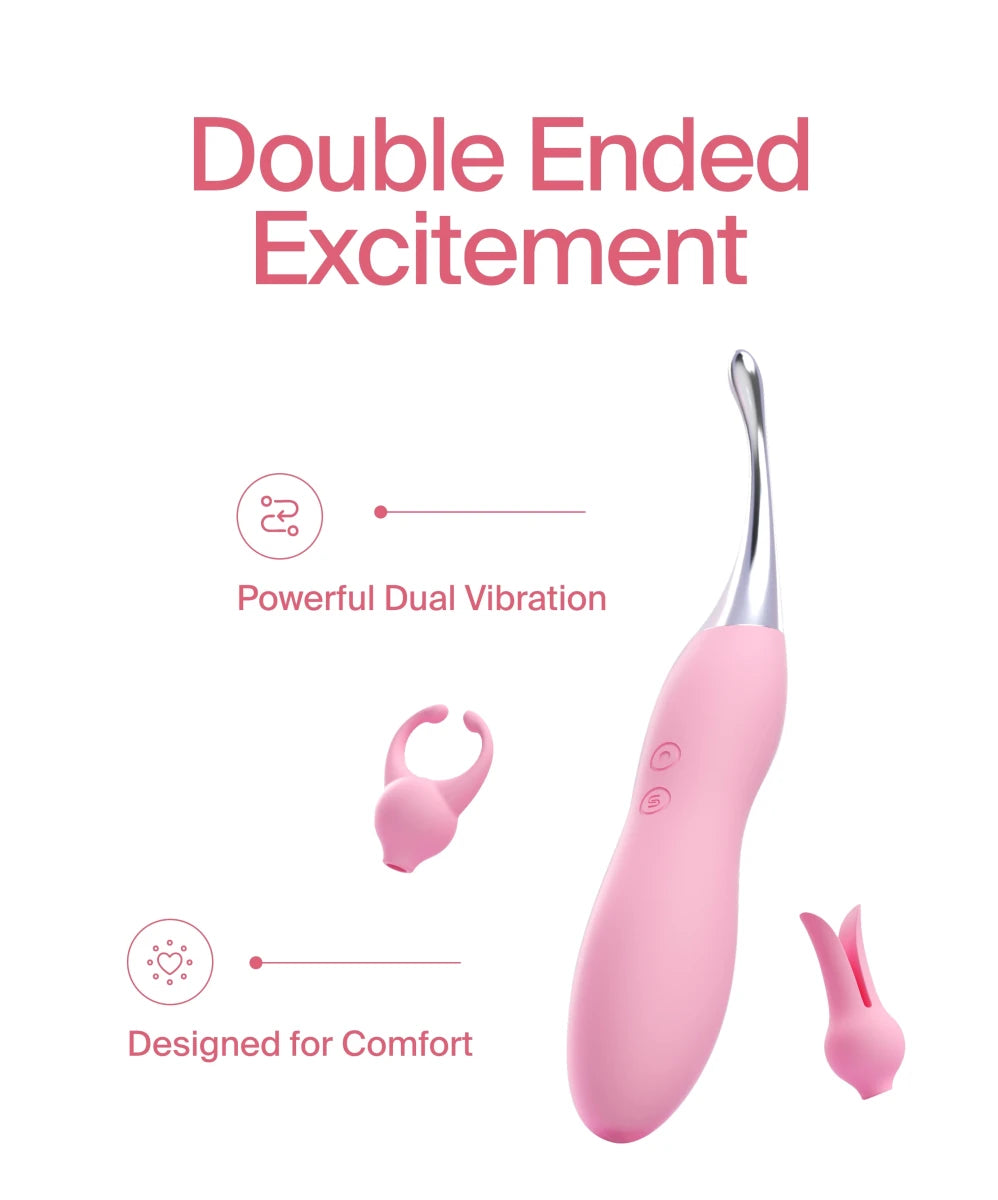
Explore vibrators for enhanced masturbation, male masturbators and strokers, and lubricants optimizing solo pleasure at Jissbon.


Looking for something else?

What Is Flogging in Sex? Complete BDSM Flogging Guide
LEARN MORE
What Does Overstimulated Mean Sexually? Causes & Solutions
LEARN MORE
Can You Get a Tattoo on Your Vagina? Safety, Pain & What to Expect
LEARN MORE
Public Sex Kink: Understanding Exhibitionism & Safe Exploration
LEARN MORELooking for something else?

A-Spot Orgasm: Best Positions & How to Find It
LEARN MORE
Bondage Play: Complete Beginner's Guide to Rope BDSM
LEARN MORE
Vibrator Stories: Real Experiences, Tips & What to Expect
LEARN MOREYou may also like
20% off

20% off

20% off

20% off

20% off

20% off

Further reading

How to Clean an Automatic Blowjob Machine Without Damaging the Motor

Remote-Controlled Automatic Masturbators for Couples and Solo Play
Best Automatic Strokers for Edging and Stamina Training