












































The Right Lube for Silicone Toys: What Works and What Damages Them
Stack & Save: Extra 15% with Jissbon15
Jissbon15
Choosing the wrong lubricant can ruin your favorite pleasure products in minutes. If you own silicone toys—or plan to buy one—understanding lubricant compatibility saves money, extends product life, and keeps every session safe and enjoyable.
This guide explains which lubes work with silicone toys, why silicone-on-silicone causes problems, and how to test before you play. You'll also find simple maintenance tips and answers to the most common questions.
Who Needs This Guide and Why It Matters
You'll benefit from this information if you:
- Own or plan to buy silicone vibrators, dildos, plugs, or strokers
- Notice your toys feeling sticky, tacky, or rough after use
- Want longer-lasting pleasure products without frequent replacements
- Experience irritation and suspect incompatible lube
- Shop for sex toys and want to protect your investment from day one
Why Silicone Lube and Silicone Toys Don't Mix

Silicone-based lubricants bond chemically with silicone toy surfaces. This reaction breaks down the toy's outer layer, causing:
- Sticky or tacky texture that feels unpleasant
- Rough, pitted, or melted patches that harbor bacteria
- Permanent surface damage that shortens toy lifespan
- Increased risk of tearing in flexible toys
Not all silicone toys react the same way. High-grade medical silicone resists damage better than cheaper blends, but the risk remains high enough that most manufacturers advise against silicone lube entirely.
What Science Says
According to material compatibility research, silicone polymers can migrate between surfaces when both contain similar molecular structures. This migration weakens the toy's integrity and creates rough spots where bacteria thrive—a <a href="https://en.wikipedia.org/wiki/Silicone" target="_blank" rel="noopener">safety concern</a> you can easily avoid.
Safe Lubricant Options for Silicone Toys
Water-Based Lube (Best All-Around Choice)
Water-based formulas work with every toy material, clean up easily, and won't damage surfaces.
Pros:
- Compatible with silicone, glass, metal, and TPE
- Rinses off with plain water
- Condom-safe
- Hypoallergenic options widely available
Cons:
- Dries faster than silicone lube (reapply as needed)
- May feel slightly sticky as it dries
When to choose it: Daily use, anal play, partner activities, and when you own multiple toy materials.
Hybrid Lube (Water + Minimal Silicone)
Hybrid blends combine water-based ingredients with a small amount of silicone for extra glide.
Pros:
- Lasts longer than pure water-based
- Still safe for most silicone toys (test first)
- Smooth, silky feel
Cons:
- Patch test required for each toy
- Slightly harder to clean than pure water-based
When to choose it: Extended sessions where you want long-lasting glide but still need toy compatibility.
Oil-Based Lube (Limited Use)

Natural oils (coconut, almond) won't harm silicone but have drawbacks.
Pros:
- Safe for silicone toy surfaces
- Moisturizing for skin
Cons:
- Breaks down latex condoms
- Harder to wash off
- Can stain fabric
- May cause vaginal pH imbalance for some users
When to choose it: Solo external massage or toy play without condoms.
Quick Comparison: Which Lube for Which Situation
|
Scenario |
Best Lube Type |
Why |
|
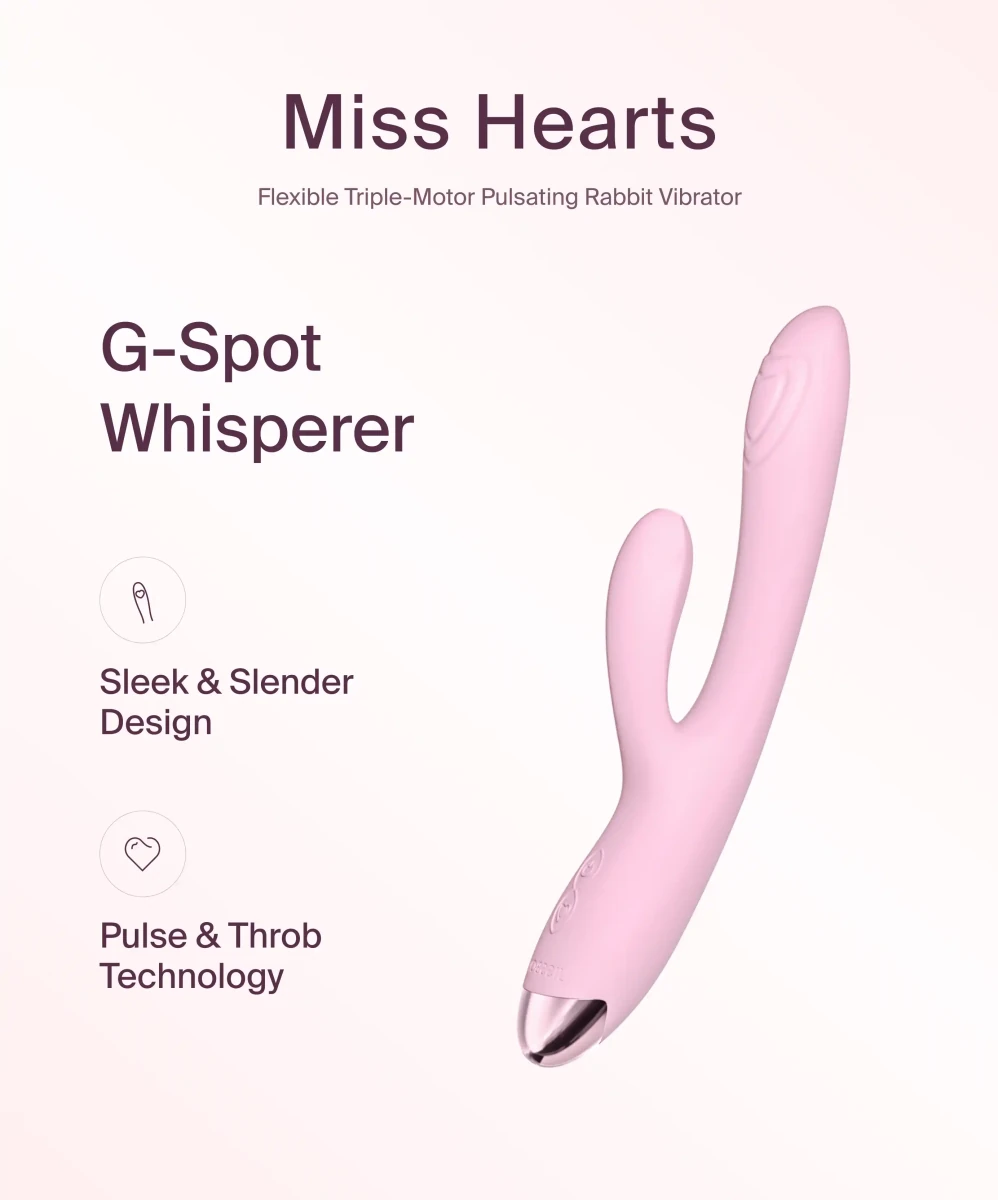
Beginner exploring rabbit vibrators |
Water-based |
Safe, easy cleanup, works with all materials |
|
Marathon session (60+ minutes) |
Hybrid or reapply water-based |
Longer glide without constant reapplication |
|
Anal play with silicone plug |
Water-based (thicker formula) |
Extra cushion, toy-safe, easy cleanup |
|
Partner play with condoms |
Water-based or hybrid |
Latex-compatible, no breakdown risk |
|
Solo external massage |
Oil-based |
Skin-friendly, no condom concerns |
|
Sensitive skin or allergies |
Hypoallergenic water-based |
Fewer additives, dermatologist-tested |
How to Patch Test Lube on Your Toy (3-Minute Safety Check)
Even "silicone-safe" hybrid lubes need testing. Follow these steps:
- Pick a hidden spot on your toy—base, underside, or seam area
- Apply a dime-sized drop of lubricant
- Wait 5–10 minutes without wiping
- Check the surface:
- Sticky, tacky, or rough texture = not safe
- Smooth, unchanged = safe to use
- Rinse thoroughly with warm water and toy cleaner
Repeat this test every time you switch lube brands or buy a new toy.
Step-by-Step: Using Lube Safely with Silicone Toys
1. Prep Your Toy
- Wash with warm water and toy-safe soap or cleaner
- Dry completely with a lint-free cloth
- Charge or insert fresh batteries if needed
2. Choose Your Lube
- Water-based for guaranteed safety
- Hybrid only after patch testing
- Avoid silicone-based entirely
3. Apply Generously
- Start with a quarter-sized amount on the toy
- Add more to your body if needed
- Reapply water-based lube during longer sessions
4. Play Comfortably
- Go slow—especially for anal or first-time use
- Adjust pressure and angles based on sensation
- Stop immediately if you feel discomfort or irritation
5. Clean Immediately After
- Rinse toy under warm running water
- Use toy cleaner or mild soap
- Dry thoroughly before storage
Lube Ingredients to Avoid (Especially with Toys)

Some additives cause irritation or damage toy surfaces:
- Glycerin: Can trigger yeast infections in sensitive users
- Parabens: Preservatives linked to hormone disruption concerns
- Petroleum-based ingredients: Break down latex condoms
- Warming or cooling agents: May irritate delicate tissue
- Flavored lubes with sugar: Increase infection risk during penetrative use
Read labels carefully. Choose products marked "body-safe," "hypoallergenic," or "pH-balanced" when possible. The <a href="https://www.plannedparenthood.org/learn/sex-pleasure-and-sexual-dysfunction/sex-and-pleasure/lubricant" target="_blank" rel="noopener">Planned Parenthood lubricant guide</a> offers additional safety tips.
Care & Maintenance: Protecting Your Silicone Toys
Cleaning Routine
After every use:
- Rinse under warm water immediately
- Apply toy cleaner or mild, unscented soap
- Scrub gently with your fingers (no abrasive sponges)
- Rinse again until water runs clear
- Pat dry with a clean towel
Deep cleaning (weekly for frequent users):
- Boil non-motorized silicone toys for 3–5 minutes
- Or place in top rack of dishwasher (no detergent)
Drying & Storage
- Air-dry completely before storing (moisture breeds bacteria)
- Store each toy separately in breathable pouches or cases
- Avoid plastic bags (they trap moisture)
- Keep away from direct sunlight and heat sources
Charging Safety
- Fully charge before first use
- Don't overcharge (unplug after 2–3 hours unless manufacturer specifies longer)
- Use only the included USB cable
- Never submerge charging ports unless marked "fully waterproof"
Material-Specific Cautions
- Pure silicone: Extremely durable; avoid silicone lube
- Silicone blends (with ABS plastic): Safe with water-based; test hybrids
- TPE/TPR (not true silicone): Porous; use condoms and water-based lube only
Frequently Asked Questions
Can you use silicone lube with high-grade medical silicone toys?
Even premium medical-grade silicone risks damage from silicone-based lubricants. While high-quality toys resist breakdown better than cheaper blends, the molecular interaction still occurs. Manufacturers universally recommend water-based alternatives to guarantee safety and longevity.
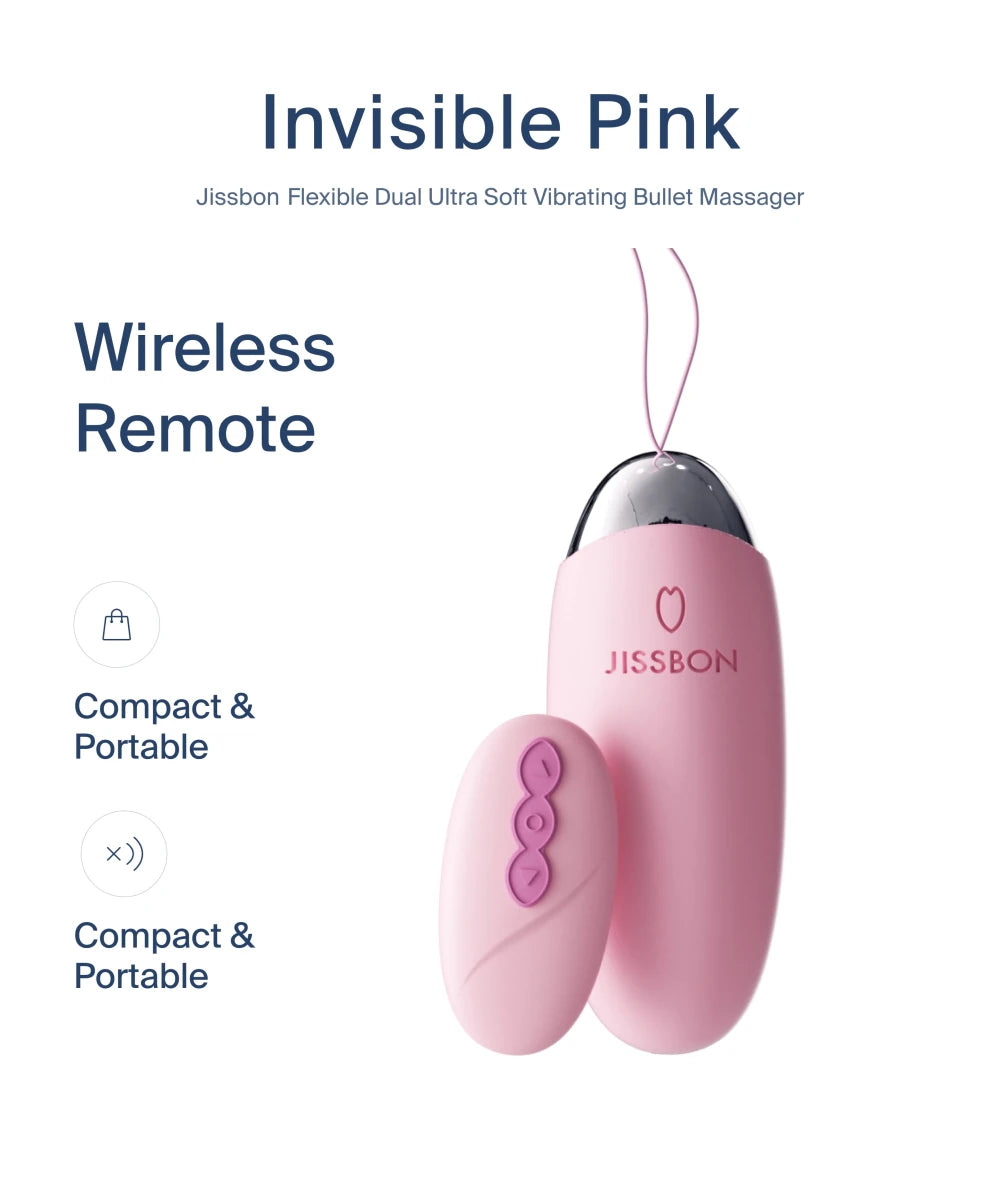
What's the best lube for a remote controlled bullet vibrator?
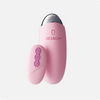
Water-based lubricant works perfectly with remote controlled bullet vibrators because it's compatible with all materials, cleans up easily, and won't interfere with electronic components. Apply a small amount directly to the toy's tip and reapply during extended sessions for consistent glide.
How often should I reapply water-based lube during use?
Reapply whenever you notice increased friction or dryness—typically every 10–20 minutes during active use. Body heat and movement cause water-based formulas to absorb or evaporate. Keep your lube bottle nearby and add small amounts as needed rather than over-applying at the start.
Can I use coconut oil with silicone anal toys?
Coconut oil won't damage silicone surfaces, but avoid it if you're using latex or polyisoprene condoms—it breaks them down. For anal play, thicker water-based lubes designed for backdoor use provide better cushioning and easier cleanup. <a href="https://www.mayoclinic.org/healthy-lifestyle/sexual-health/in-depth/sexual-health/art-20047512" target="_blank" rel="noopener">Safe anal play practices</a> emphasize generous lubrication and gradual entry.
Does lube expire, and is expired lube safe to use?
Yes, lubricants expire—typically 1–3 years after opening. Expired lube may separate, smell off, or change texture. Using it can cause irritation or reduced effectiveness. Check the expiration date on the bottle and discard any product past its date or showing signs of spoilage.
Why does my toy feel rough after cleaning?
Residual soap, hard water minerals, or damage from incompatible lube can make surfaces feel rough. Rinse toys thoroughly after washing and dry them completely. If roughness persists despite proper cleaning, the toy surface may be degraded—replace it to avoid bacteria buildup in damaged areas.
Final Thoughts: Keep Your Collection Safe and Your Sessions Smooth
Protecting your silicone toys comes down to one simple rule: stick with water-based lubricant for guaranteed compatibility, easy cleanup, and long-lasting performance. When you want extra glide, hybrid formulas work—but always patch test first.
Ready to explore more options? Browse our complete range of body-safe clitoral vibrators designed to work perfectly with your favorite water-based lube.


Looking for something else?

What Is Flogging in Sex? Complete BDSM Flogging Guide
LEARN MORE
What Does Overstimulated Mean Sexually? Causes & Solutions
LEARN MORE
Can You Get a Tattoo on Your Vagina? Safety, Pain & What to Expect
LEARN MORE
Public Sex Kink: Understanding Exhibitionism & Safe Exploration
LEARN MORELooking for something else?

A-Spot Orgasm: Best Positions & How to Find It
LEARN MORE
Bondage Play: Complete Beginner's Guide to Rope BDSM
LEARN MORE
Vibrator Stories: Real Experiences, Tips & What to Expect
LEARN MOREYou may also like
20% off

20% off

20% off

20% off

20% off

20% off

Further reading

How to Clean an Automatic Blowjob Machine Without Damaging the Motor

Remote-Controlled Automatic Masturbators for Couples and Solo Play
Best Automatic Strokers for Edging and Stamina Training