































































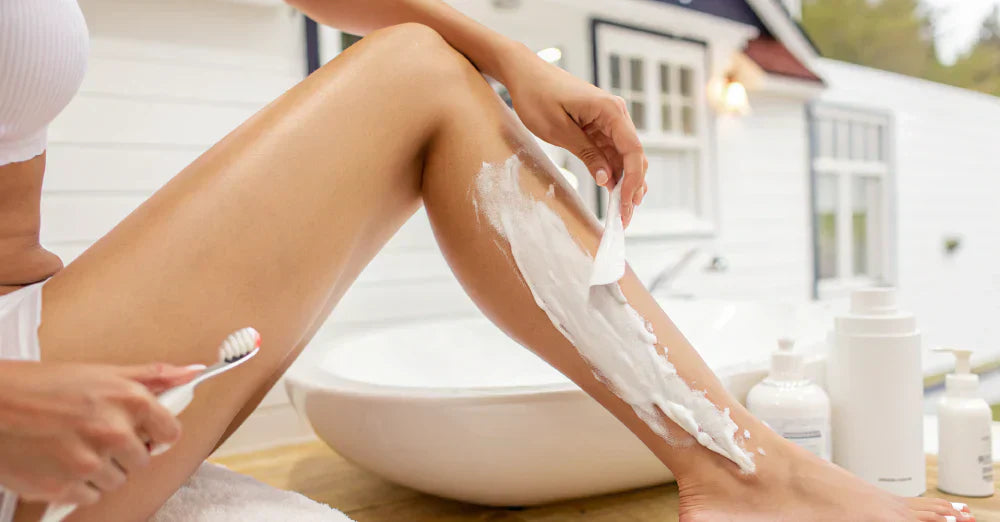
Intimate Shaving Cream: Your Guide to Smooth, Irritation-Free Grooming
Stack & Save: Extra 15% with Jissbon15
Jissbon15
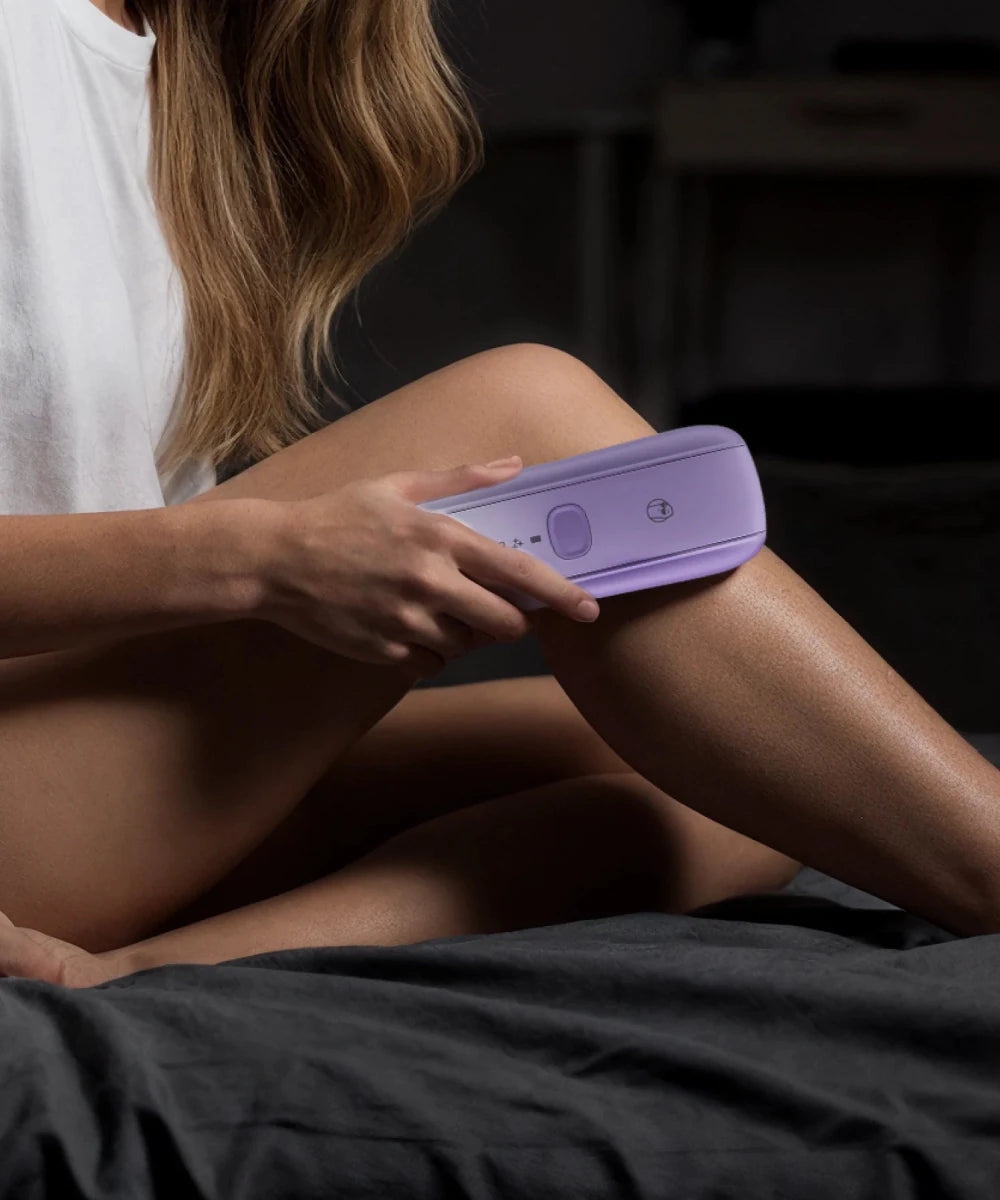
Grooming your bikini area shouldn't come with a side of razor burn, bumps, or discomfort. Standard shaving products often contain fragrances, alcohol, and harsh surfactants that irritate delicate genital skin. Intimate shaving cream—sometimes called "coochy cream"—is specifically formulated to protect sensitive areas while delivering a close, comfortable shave.
This guide walks you through choosing the right product, mastering safe shaving techniques, and maintaining healthy skin between grooming sessions.
Who Should Use Intimate Shaving Cream
Specialized shaving formulas benefit a wide range of people and situations:
- Anyone removing pubic hair who wants smoother results with less irritation
- People with sensitive skin prone to redness, itching, or allergic reactions to standard shaving products
- Those experiencing razor bumps or ingrown hairs in the bikini line or genital area
- Beginners to intimate grooming looking for products designed specifically for delicate zones
- Couples preparing for intimacy who prioritize smooth, comfortable skin
- Individuals with chronic skin conditions like eczema or folliculitis who need extra-gentle formulas
What Makes Intimate Shaving Cream Different

Specialized pH Balance
Vaginal and vulvar tissue maintains a pH of 3.8–4.5, while most soaps and shaving foams are alkaline (pH 8–10). Intimate shave creams match your skin's natural acidity, preventing disruption to protective flora and reducing infection risk.
Skin-Calming Ingredients
Look for formulas with aloe vera, chamomile, shea butter, or colloidal oatmeal. These soothe inflammation immediately and support healing after shaving. Some products include tea tree oil or witch hazel for their natural antibacterial and anti-inflammatory properties.
Fragrance-Free or Naturally Scented
Synthetic fragrances are a top cause of genital irritation. Quality intimate shaving creams either skip fragrance entirely or use essential oils at safe, low concentrations. Avoid anything that smells strongly or contains "parfum" high on the ingredient list.
Transparent or Lightly Tinted
Unlike opaque white foam, many intimate shaving creams go on clear or translucent. This lets you see skin contours, hair direction, and sensitive folds—crucial for avoiding nicks and missed spots in hard-to-reach areas.
Free from Common Irritants
No parabens, sulfates, dyes, or menthol. These additives serve cosmetic or preservation purposes but offer no benefit to sensitive genital skin and often cause stinging or allergic reactions.
How to Choose Your Ideal Intimate Shaving Cream
Read the Full Ingredient List
Avoid products that list alcohol, sodium lauryl sulfate (SLS), or artificial colors in the first five ingredients. Prioritize natural oils (coconut, jojoba, sweet almond), glycerin for moisture retention, and botanical extracts for soothing.
Match to Your Skin Type
- Dry or flaky skin: Choose cream-based formulas with heavy moisturizers like cocoa butter or vitamin E
- Oily or acne-prone skin: Opt for lightweight gels with non-comedogenic oils like grapeseed or jojoba
- Highly sensitive or eczema-prone: Stick to hypoallergenic, dermatologist-tested formulas with minimal ingredients
Consider Texture Preferences
- Gels: Thin, see-through, quick-absorbing—ideal if you want maximum visibility
- Creams: Thicker, cushioning, protective—better for coarse hair or very sensitive skin
- Mousses: Light, airy, spreads easily—good compromise between gel and cream
Check for Multi-Use Capability
Some intimate shaving creams double as a moisturizer or can be used on underarms and legs. If you want one product for multiple zones, verify it's safe for all intended areas.
Packaging Matters for Hygiene
Pump bottles or tubes are more sanitary than jars. You're not introducing fingers or bacteria into the product repeatedly, which extends shelf life and reduces contamination risk.
Step-by-Step: How to Shave Intimate Areas Safely

1. Start with Clean Tools
Use a fresh, sharp razor with multiple blades designed for sensitive skin. Dull blades tug at hair and create micro-tears in skin. Replace disposable razors every 5–7 shaves, or swap cartridge blades when you feel any pulling.
2. Trim First if Needed
If hair is longer than half an inch, use clean scissors or an electric trimmer to shorten it before shaving. This prevents razor clogging and reduces the chance of painful pulling.
3. Soften Hair and Skin
Shave during or immediately after a warm shower or bath. Heat opens pores and softens hair shafts, making them easier to cut. If you can't shower first, press a warm, damp washcloth against the area for 3–5 minutes.
4. Exfoliate Gently (1–2 Days Before, Not Same Day)
Use a soft washcloth or gentle exfoliating scrub 24–48 hours before shaving to lift dead skin cells and trapped hairs. This reduces ingrown hair formation. Never exfoliate immediately before shaving—you'll over-sensitize skin.
5. Apply Shaving Cream Generously
Pump or squeeze a palmful of intimate shaving cream onto your hand. Spread it evenly over the entire area you plan to shave. Let it sit for 30–60 seconds so ingredients can soften hair further.
6. Shave in the Direction of Hair Growth First
Use short, gentle strokes following hair growth direction (usually downward on the mons pubis, outward along the bikini line). Rinse the blade after every 1–2 strokes to prevent buildup.
7. Reapply Cream for a Second Pass (Optional)
If you want closer results, add more shaving cream and carefully shave across or against the grain. This increases smoothness but also raises irritation risk—only do this if your skin tolerates it well.
8. Rinse with Cool Water
After your final pass, rinse thoroughly with cool (not cold) water to close pores and remove all shaving cream residue. Pat dry with a clean towel—don't rub, which can irritate freshly shaved skin.
9. Apply Aftercare Immediately
Use an alcohol-free, fragrance-free moisturizer or aftershave balm designed for sensitive skin. Aloe vera gel, witch hazel, or a gentle intimate skin balm works well. Avoid products with retinoids, glycolic acid, or other exfoliating acids for at least 24 hours post-shave.
Video (optional): How to Shave Your Bikini Area Without Razor Burn — [YouTube example placeholder]
Preventing Common Shaving Problems
Razor Burn
Cause: Shaving too aggressively, using a dull blade, or not enough lubrication.
Prevention: Always use sharp razors, apply generous shaving cream, and shave with the grain first. Apply a cool compress and soothing gel immediately after.
Ingrown Hairs
Cause: Hair curls back under the skin surface, often from shaving against the grain or tight clothing.
Prevention: Exfoliate regularly (not same-day), shave in the direction of growth, wear loose cotton underwear for 24 hours post-shave, and moisturize daily.
Razor Bumps (Pseudofolliculitis)
Cause: Inflammation around hair follicles, common in people with coarse or curly hair.
Prevention: Shave less frequently (every 3–5 days instead of daily), use a single-blade razor to reduce irritation, and treat persistent bumps with salicylic acid or benzoyl peroxide products.
Nicks and Cuts
Cause: Rushing, using too much pressure, or navigating curves carelessly.
Prevention: Go slowly, let the razor's weight do the work (no pressing), and stretch skin taut with your free hand to create a flat surface.
Dryness and Itching
Cause: Shaving strips natural oils; new hair growth can feel prickly.
Prevention: Moisturize daily with an unscented lotion, avoid hot water on freshly shaved skin, and consider leaving slightly more stubble for comfort.
Integrating Shaving with Intimate Activities

Timing Matters
Wait at least 12–24 hours after shaving before engaging in sexual activity or using sex toys. Freshly shaved skin has microscopic abrasions that increase friction sensitivity and infection risk.
Use Extra Lubrication
If you do have sex or use clitoral vibrators or rabbit vibrators within a day of shaving, apply plenty of water-based lubricant. Reapply frequently to reduce friction on sensitive skin.
Monitor for Irritation
If you notice stinging, unusual redness, or discomfort during intimacy, pause and give your skin more recovery time. Minor irritation can escalate quickly with continued friction.
Consider Your Partner's Preferences
Some people enjoy the feel of smooth skin, while others prefer natural grooming. Have an open conversation about preferences and comfort levels before making drastic changes to your grooming routine.
Care & Maintenance Between Shaves
Keep Razors Clean and Dry
After each use, rinse the blade thoroughly under hot water to remove hair, cream, and skin cells. Shake off excess water and store the razor in a dry location—never in a damp shower caddy where bacteria thrive.
Store Shaving Cream Properly
Keep containers sealed and away from extreme heat or direct sunlight. Most products last 12–18 months unopened, 6–12 months once opened. Discard if you notice separation, color changes, or off smells.
Moisturize Daily
Even on non-shaving days, apply a gentle, fragrance-free moisturizer to your pubic area and bikini line. This keeps skin supple, reduces dryness, and minimizes the risk of irritation during your next shave.
Wear Breathable Fabrics
Cotton underwear allows air circulation and wicks moisture away from skin. Avoid synthetic fabrics or tight clothing that trap heat and sweat, especially in the first 24–48 hours after shaving.
Watch for Signs of Infection
If you develop painful, pus-filled bumps, fever, or spreading redness, see a healthcare provider. These symptoms may indicate folliculitis or another infection requiring medical treatment.
Frequently Asked Questions
Is intimate shaving cream safe to use on the vulva and labia?
Yes, when the product is specifically labeled for intimate or external genital use. These formulas are pH-balanced and free from harsh irritants. However, never apply shaving cream inside the vaginal opening or urethra—it's designed only for external skin and hair removal.
How often should I shave my bikini area?
Most people shave every 2–4 days to maintain smoothness without over-irritating skin. If you develop redness, bumps, or discomfort, extend the interval to 4–7 days. Your skin will signal when it needs more recovery time between sessions.
Can I use the same shaving cream for underarms and pubic area?
If the product is labeled as safe for sensitive skin and free from harsh fragrances or irritants, yes. However, always use a fresh razor or thoroughly clean and dry your razor between body zones to prevent transferring bacteria.
What's the difference between shaving cream and shaving gel for intimate areas?
Shaving cream is thicker and provides more cushioning between the razor and skin, making it ideal for coarse hair or very sensitive skin. Shaving gel is more transparent, allowing better visibility of skin contours and hair direction. Both work well—choose based on your preference and hair texture.
Should I shave before or after using sex toys?
Ideally, shave at least 12–24 hours before using wand vibrators, G-spot vibrators, or any sex toys for women. Freshly shaved skin is more vulnerable to friction and irritation. If you must use toys sooner, apply generous water-based lube and choose gentler vibration settings.
Can intimate shaving cream prevent all ingrown hairs?
No product can guarantee complete prevention, especially if you have naturally curly or coarse hair. However, quality intimate shaving creams combined with proper technique (exfoliating before, shaving with the grain, moisturizing after) significantly reduce ingrown hair formation. Consistent aftercare is just as important as the product you use.
Conclusion
Intimate shaving cream transforms pubic hair grooming from a source of irritation into a comfortable, confidence-boosting routine. By choosing pH-balanced, fragrance-free formulas and following gentle shaving techniques, you protect sensitive skin while achieving smooth results.
Ready to explore products that support your wellness and comfort? Discover body-safe essentials and intimate care solutions at Jissbon.


Looking for something else?

How to Use a Dildo for Beginners: Complete Guide
LEARN MORE
The Hanging Garden Sex Position: Complete Guide & Tips
LEARN MORE
What Is Breast Bondage? Safe Guide to Breast BDSM
LEARN MORE
Do Women Like Dildos? Preferences, Stats & What to Know
LEARN MORELooking for something else?

Oral Sex 101: How to Give Great Oral for Beginners
LEARN MORE
Prostate Milking Guide: How to Stimulate the P-Spot Safely
LEARN MORE
Breast Sex Positions: Complete Guide to Intimate Play
LEARN MOREYou may also like
20% off

20% off

20% off

20% off

20% off

20% off

Further reading

Wearable vs Handheld Vibrator: Comfort, Control and Real-World Use
Waterproof Vibrators: What IPX Ratings and “Water-Resistant” Really Mean
First Time Using a Vibrator: What to Choose and What to Expect