






















































International Masturbation Day: History, Meaning & How to Celebrate
Stack & Save: Extra 15% with Jissbon15
Jissbon15
International Masturbation Day, celebrated annually on May 28th (with the entire month of May recognized as Masturbation Month), was created to destigmatize solo pleasure, protect the right to sexual self-expression, and promote open conversations about sexual health.
What began in 1995 as a political statement has evolved into a global celebration of body autonomy, self-love, and sexual wellness. This guide covers the history of Masturbation Day, why it matters, how people celebrate, and ways to practice mindful self-pleasure year-round.
Who Benefits from International Masturbation Day
Understanding and celebrating Masturbation Day helps various communities:
- Sexual health advocates working to reduce shame and stigma around masturbation
- Individuals struggling with guilt due to religious or cultural conditioning
- Young adults seeking accurate information about normal sexual behavior
- Educators and therapists looking for opportunities to normalize conversations about self-pleasure
- Couples exploring how solo play enhances relationship intimacy
- Anyone curious about sex toys and tools for enhancing solo experiences
- People interested in sexual wellness activism and body positivity movements
This observance creates space for honest discussion about a universal human behavior that's too often hidden or shamed.
The History of International Masturbation Day

International Masturbation Day has a surprisingly political origin rooted in free speech and sexual rights.
The 1994 Joycelyn Elders Controversy
In December 1994, U.S. Surgeon General Dr. Joycelyn Elders was fired after suggesting that masturbation should be discussed in sex education as a safe sexual outlet. Her termination sparked outrage among sexual health advocates who saw it as censorship of medically accurate information.
May 7, 1995: The First National Masturbation Day
In response to Elders' dismissal, Good Vibrations, a San Francisco-based sex-positive retail store, declared May 7, 1995, as the first National Masturbation Day. The event aimed to protest sexual repression and celebrate the right to enjoy one's own body without shame.
2003: Expansion to Masturbation Month
By 2003, the observance had grown beyond a single day. Activists expanded it to International Masturbation Month, covering the entire month of May. This allows more time for educational events, discussions, and advocacy.
The Masturbate-a-thon Connection
In 2005, organizers moved the official single-day celebration to May 28th to align with the Masturbate-a-thona charity event where participants raise money for sexual health organizations through sponsored solo sessions. This event continues annually in various cities worldwide.
For historical context on sexual health activism, educational resources provide detailed timelines and cultural impact.
Why International Masturbation Day Matters
This observance serves multiple important purposes beyond simple celebration.
Reduces Shame and Stigma
Despite masturbation being practiced by the vast majority of adults, shame and guilt persistespecially in religious or conservative communities. Masturbation Day normalizes solo pleasure as healthy and universal rather than shameful or deviant.
Promotes Sexual Health Education
The day provides educators, therapists, and health organizations with a platform to share evidence-based information about masturbation's health benefits, safety practices, and role in sexual wellness.
Protects Sexual Rights and Bodily Autonomy
The origin storyDr. Elders' firingreminds us that open discussion of sexual health faces ongoing political resistance. Masturbation Day affirms that adults have the right to pleasure without interference or judgment.
Challenges Repressive Sexual Norms
Many cultures still enforce strict taboos around sexuality, particularly for women and LGBTQ+ individuals. This observance challenges those restrictions and supports sexual self-determination for all genders and orientations.
Encourages Healthy Relationship with Sexuality
By framing masturbation as positive self-care rather than a guilty secret, the day helps people develop healthier relationships with their bodies, desires, and sexual expression.
For evidence-based information on sexual health and wellness, trusted organizations provide comprehensive resources.
How People Celebrate International Masturbation Day

Celebration takes many forms, from personal reflection to public advocacy.
Personal Celebration Ideas
- Solo session with intention: Set aside dedicated time for mindful, unhurried self-pleasure
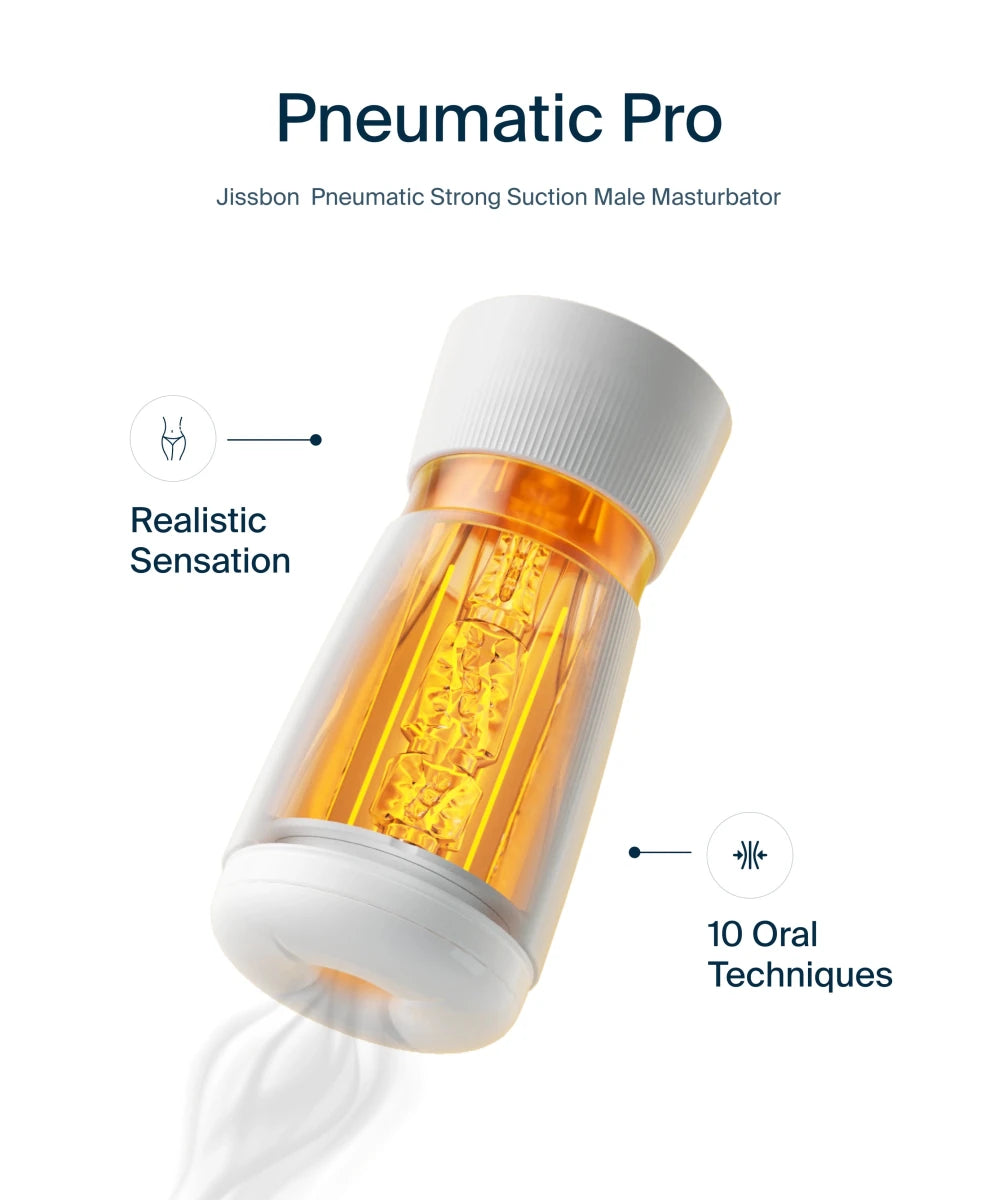
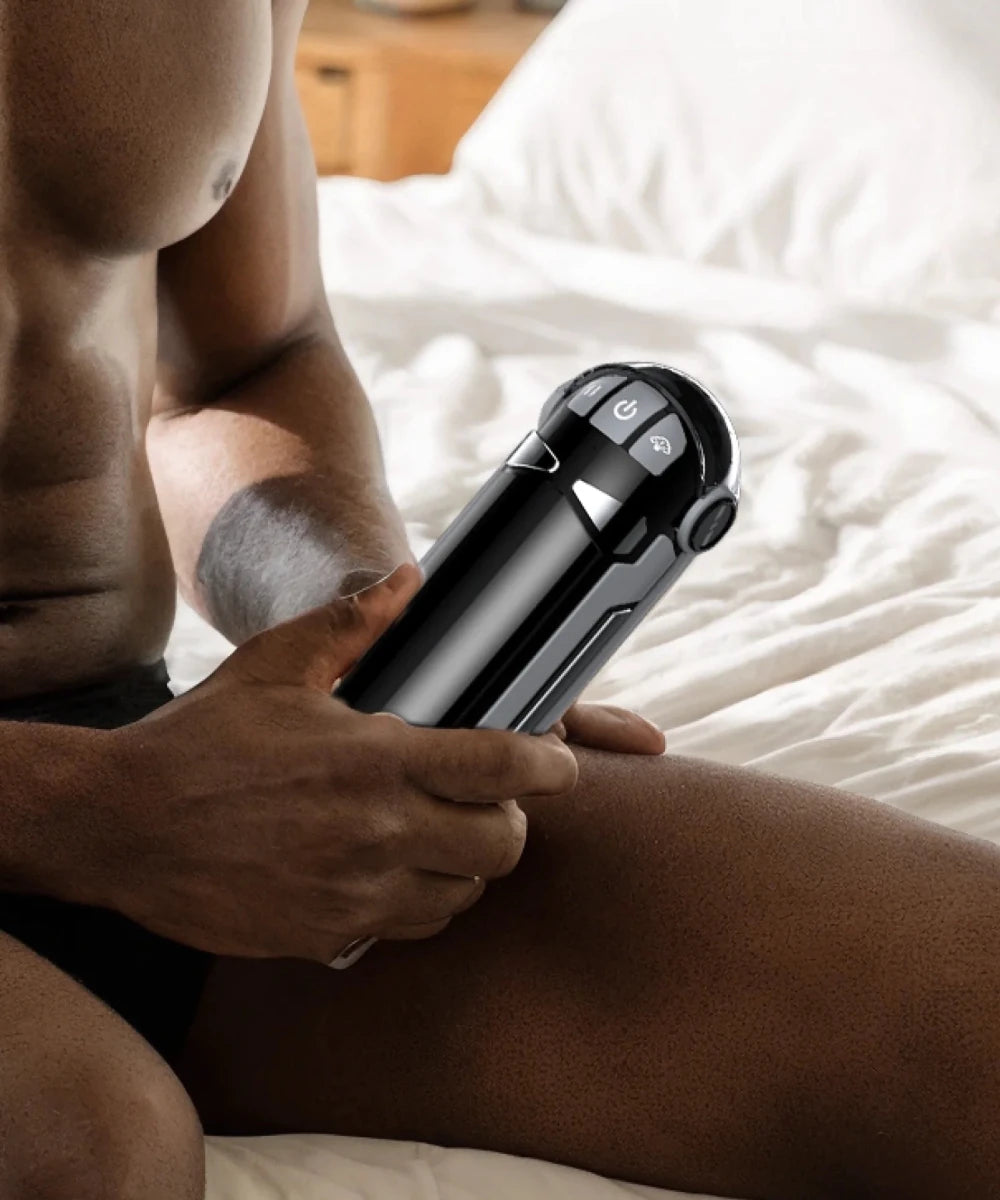
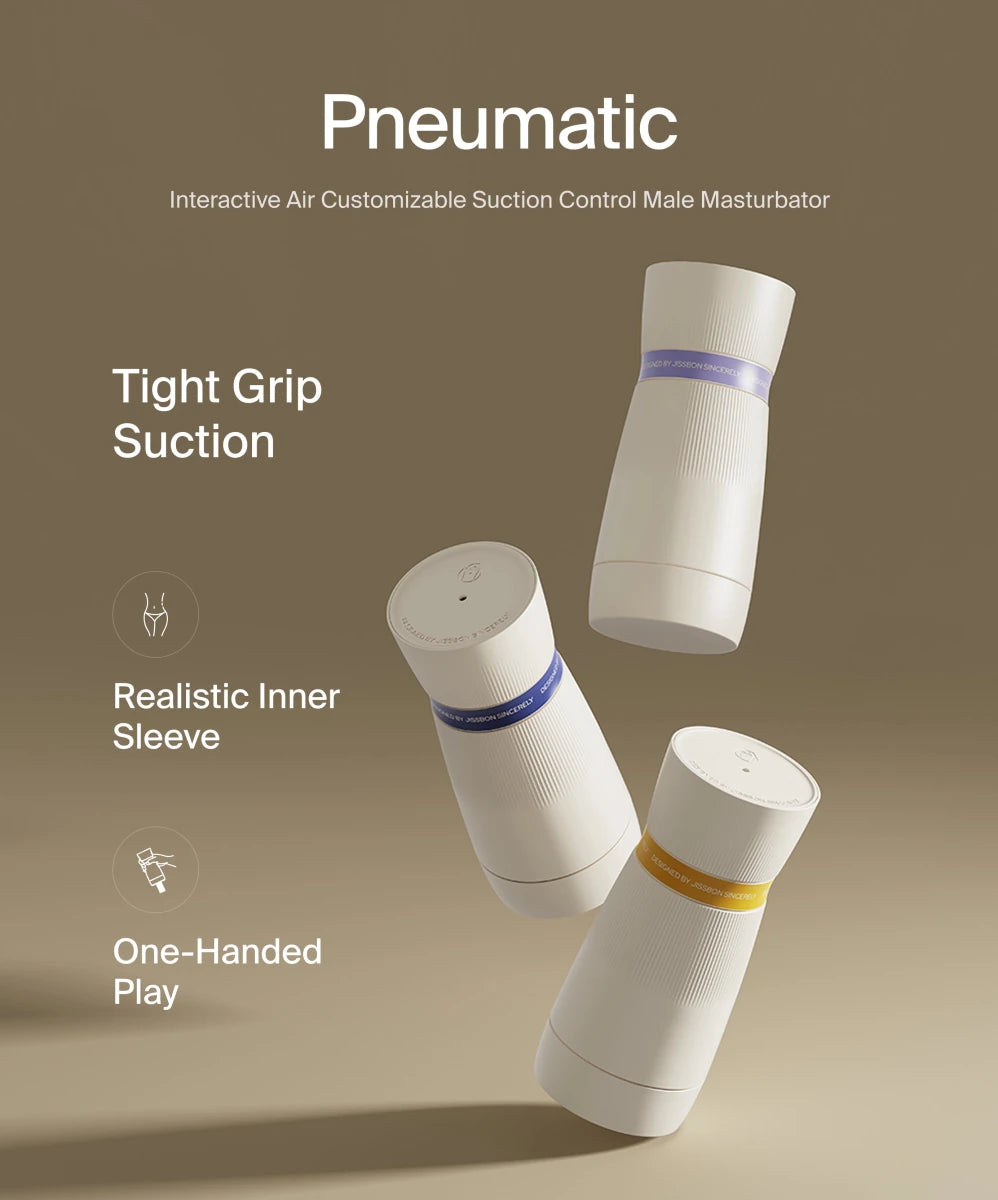
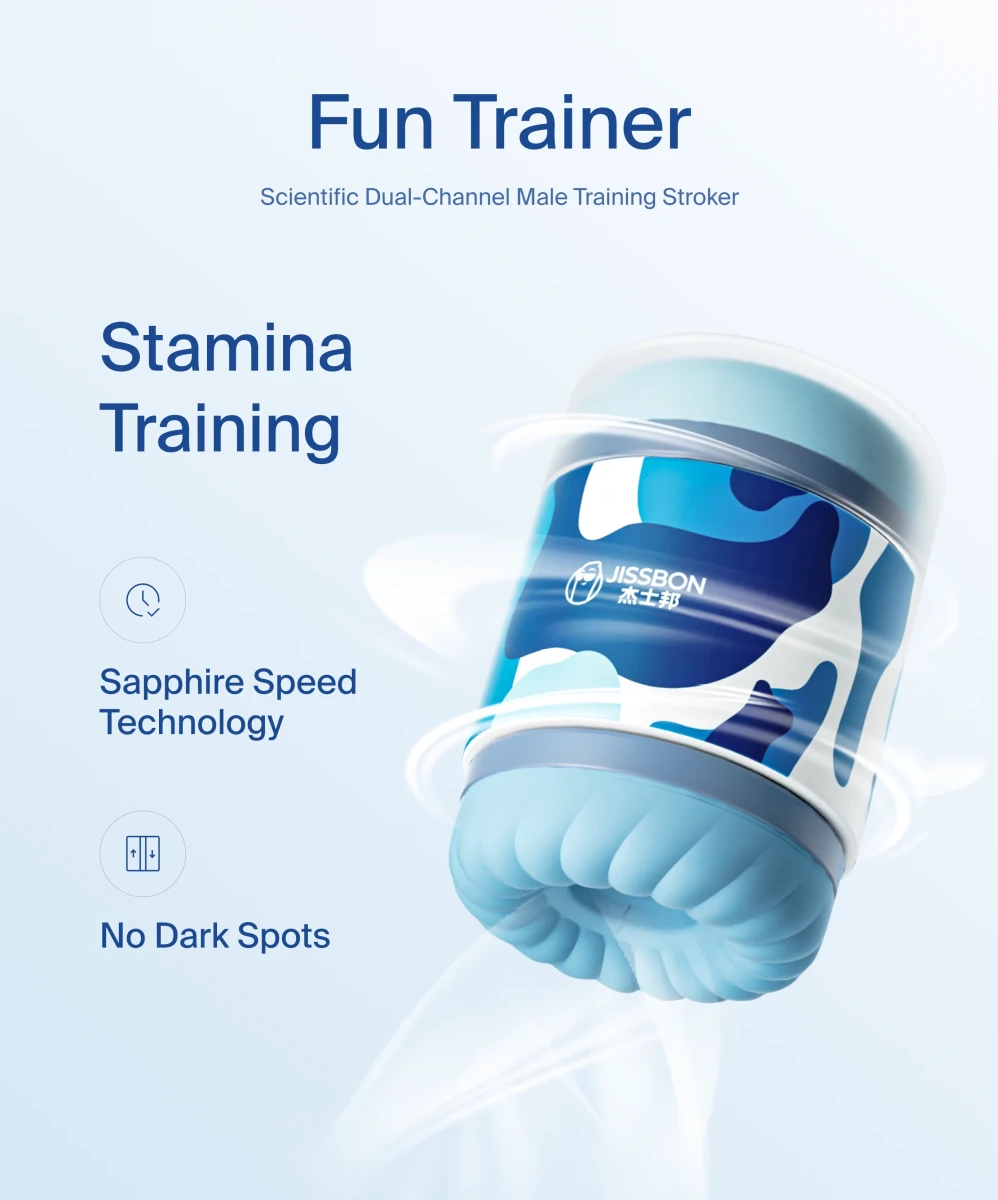
- Try something new: Experiment with different techniques, positions, or male masturbators
- Read or learn: Explore educational content about sexual wellness, anatomy, or pleasure techniques
- Self-care ritual: Combine masturbation with a relaxing bath, massage, or sensory experience
- Journaling: Reflect on your relationship with sexuality, pleasure, and body image
Social and Community Activities
- Educational workshops: Attend or host sessions on sexual health, technique, or body positivity
- Social media advocacy: Share positive messages about sexual wellness using hashtags like #MasturbationMonth
- Support organizations: Donate to sexual health nonprofits or advocacy groups
- Conversation with partners: Discuss how solo play enhances your relationship and mutual pleasure
- Book clubs or film screenings: Explore sex-positive media that challenges stigma
Retail and Brand Participation
Many adult retailers and sexual wellness brands offer special promotions, educational content, or charity partnerships during May. Some donate proceeds to sexual health organizations or sponsor educational initiatives.
The Health Benefits Recognized During Masturbation Month
Celebrating Masturbation Day includes acknowledging the scientifically proven wellness benefits.
Physical Health Benefits
- Stress relief: Releases endorphins and reduces cortisol levels
- Better sleep: Post-orgasm hormones (oxytocin, prolactin) promote relaxation
- Pain reduction: Endorphin release temporarily alleviates headaches and cramps
- Prostate health: Regular ejaculation may reduce prostate cancer risk
- Pelvic floor strength: Orgasms exercise pelvic floor muscles
Mental Health Benefits
- Mood improvement: Dopamine and serotonin release combat anxiety and depression
- Body awareness: Helps understand your own anatomy and sexual response
- Confidence building: Positive solo experiences improve sexual self-esteem
- Mindfulness practice: Focused attention on physical sensation cultivates presence
Relationship Benefits
- Enhanced communication: Learning your preferences helps you guide partners
- Reduced pressure: Partners don't feel solely responsible for sexual satisfaction
- Improved satisfaction: Self-knowledge translates to better partnered experiences
For medical perspectives on masturbation and health, healthcare professionals provide detailed explanations.
Addressing Common Myths and Misconceptions
Masturbation Month provides opportunities to correct widespread misinformation.
Myth: Masturbation Is Unhealthy or Harmful
Reality: Masturbation is physically safe and healthy for the vast majority of people. It doesn't cause blindness, infertility, hair loss, or any other negative health outcomes. These myths originated from Victorian-era moral panic, not medical fact.
Myth: Only Single People Masturbate
Reality: Masturbation remains common across all relationship statuses. Many people in happy, sexually satisfying partnerships continue masturbating regularly. Solo and partnered sex serve different purposes.
Myth: Masturbation Reduces Interest in Partnered Sex
Reality: For most people, masturbation complements rather than replaces partnered intimacy. It maintains sexual wellness, relieves stress, and helps you understand what feels good so you can communicate with partners.
Myth: Women Don't Masturbate as Much as Men
Reality: While frequency varies individually, research shows the majority of women masturbate regularly. Historical underreporting stems from greater stigma around female sexuality, not actual behavior differences.
Myth: There's a "Normal" Frequency
Reality: Healthy masturbation ranges from never to multiple times daily. Problems arise only when it interferes with daily responsibilities, causes physical injury, or creates significant distressnot from frequency alone.
How to Practice Mindful Masturbation
Masturbation Day encourages intentional, present-focused pleasure rather than rushed or guilt-laden sessions.
Set the Scene
Create an environment that supports relaxation:
- Privacy: Ensure uninterrupted time in a comfortable space
- Ambiance: Dim lights, play relaxing music, or light candles
- Comfort: Use pillows for support, adjust room temperature
- Remove distractions: Put phone on silent, close browser tabs
Slow Down and Explore
- Start with full-body touch: Massage arms, legs, chest before touching genitals
- Notice sensations: Pay attention to how different touches, pressures, and rhythms feel
- Breathe consciously: Deep, steady breathing enhances arousal and relaxation
- Avoid goal focus: Let go of pressure to orgasm quickly; explore for pleasure itself
Try New Techniques or Tools
- Vary your grip or rhythm: Break out of repetitive patterns
- Explore different positions: Try lying on your back, side, stomach, or sitting
- Experiment with temperature: Use warm or cool (not extreme) sensations
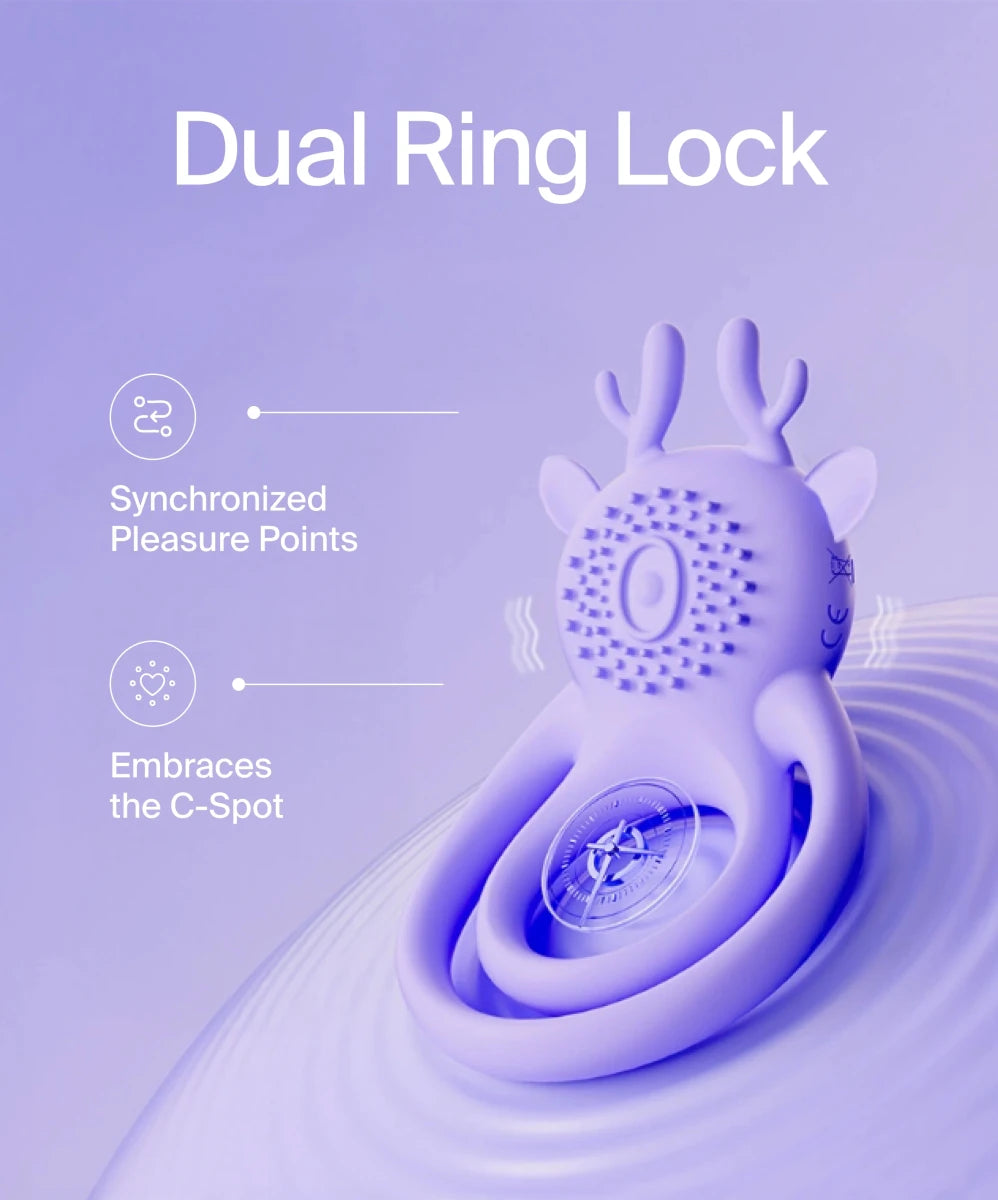
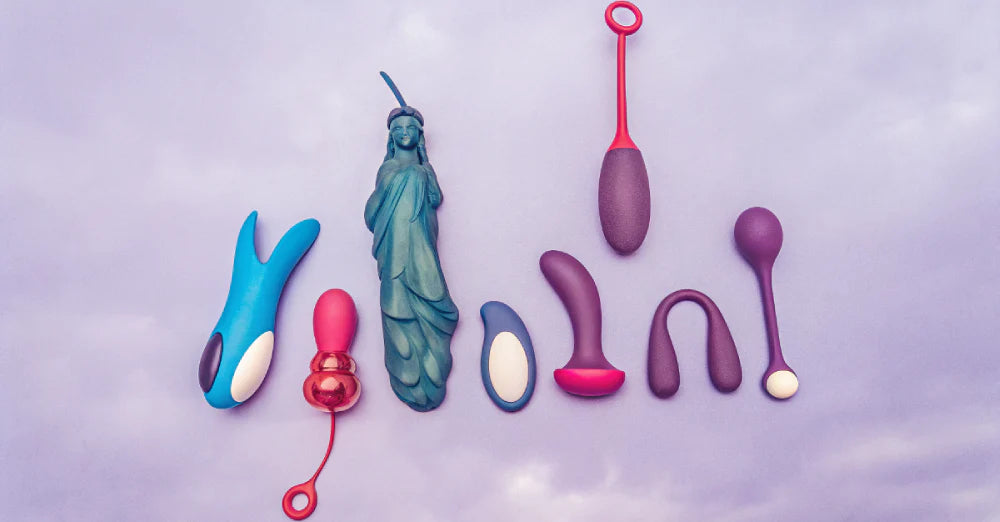
- Introduce toys: Male stroker toys or vibrators offer new textures and sensations
Practice Gratitude and Self-Acceptance
- Appreciate your body: Focus on what feels good rather than appearance critiques
- Release shame: If guilty thoughts arise, acknowledge them without judgment and return focus to sensation
- Journal afterward: Reflect on what you enjoyed and how the experience felt
For guidance on mindful sexual practices, educational organizations offer additional techniques.
Supporting Sexual Health Organizations

Many people mark Masturbation Day by contributing to causes that promote sexual wellness and education.
Organizations to Support
- Planned Parenthood: Provides sexual health education, contraception access, and reproductive healthcare
- The Center for Sexual Pleasure and Health: Offers education and advocacy for positive sexuality
- SIECUS (Sexuality Information and Education Council): Advances comprehensive sex education
- Local LGBTQ+ centers: Many offer sexual health resources and support groups
How to Contribute
- Financial donations: Even small amounts support educational programs and health services
- Volunteer time: Help with workshops, events, or administrative support
- Share resources: Amplify sex-positive educational content on social media
- Advocate politically: Support policies that protect sexual health education and access to services
Ways to Keep the Conversation Going Year-Round
Masturbation Day shouldn't be the only time we discuss sexual wellness openly.
Personal Practices
- Continue mindful solo sessions: Maintain intentional pleasure practices beyond May
- Read and learn: Explore books, podcasts, or articles about sexuality
- Challenge your own shame: Notice when guilt arises and work through it
Relationship Communication
- Discuss masturbation with partners: Share what you enjoy and how it complements intimacy
- Explore mutual masturbation: Some couples find watching each other pleasurable
- Respect boundaries: Everyone has different comfort levels; never pressure disclosure
Community Engagement
- Support sex-positive spaces: Visit or shop at retailers that prioritize education and inclusivity
- Engage with content creators: Follow educators, therapists, and advocates who normalize sexual wellness
- Participate in local events: Join workshops, discussion groups, or advocacy efforts
Explore tools that support ongoing pleasure at Jissbon for body-safe, thoughtfully designed options.
Frequently Asked Questions
When is International Masturbation Day?
International Masturbation Day is celebrated annually on May 28th. The entire month of May is recognized as International Masturbation Month, with various events, educational campaigns, and promotions happening throughout the month. The original celebration started on May 7, 1995, but shifted to May 28th in 2005 to align with the Masturbate-a-thon charity event.
Why was Masturbation Day created?
Masturbation Day was created in 1995 by Good Vibrations, a San Francisco sex shop, in response to the firing of U.S. Surgeon General Dr. Joycelyn Elders. She was dismissed for suggesting masturbation be discussed in sex education. The day protests sexual repression and celebrates the right to sexual self-expression and bodily autonomy.
How do people celebrate Masturbation Day?
People celebrate through personal reflection, solo pleasure sessions, educational workshops, social media advocacy, and supporting sexual health organizations. Some participate in Masturbate-a-thons (charity events), attend community discussions, or simply explore new techniques and tools. Retailers often offer educational content or donate proceeds to sexual health nonprofits during May.
Is masturbation actually healthy?
Yes, masturbation is physically and mentally healthy for most people. Benefits include stress relief, better sleep, pain reduction, improved mood, and enhanced sexual self-knowledge. It does not cause negative health effects like blindness, infertility, or other myths suggest. Concerns arise only when it interferes with daily life or causes physical injurynot from frequency alone.
Can you masturbate too much?
There's no medically defined "too much" based on frequency alone. Masturbation becomes problematic only when it: interferes with work or relationships, causes physical injury, creates significant distress, or becomes compulsive despite wanting to stop. For most people, frequencywhether daily or weeklyis healthy and normal. Context and impact matter more than numbers.
Why is there still stigma around masturbation?
Stigma stems from historical religious teachings, Victorian-era moral panic, and ongoing cultural taboos around sexuality especially for women and LGBTQ+ individuals. Despite scientific evidence of its normalcy and benefits, shame persists in many communities. Events like International Masturbation Day challenge these attitudes by normalizing solo pleasure as a healthy, universal human behavior.
Final Thoughts
International Masturbation Day and Masturbation Month serve as annual reminders that sexual self-expression is a fundamental human right deserving of celebration, not shame. By understanding the history, recognizing the health benefits, and participating in open conversations, we contribute to a culture that supports sexual wellness and bodily autonomy.
Whether you celebrate privately through mindful solo sessions or publicly through advocacy and education, the message remains clear: pleasure is positive, masturbation is normal, and everyone deserves sexual self-determination free from guilt or stigma.
Ready to explore tools that enhance your solo wellness? Browse our collection of male masturbators designed with body safety and pleasure in mind.


Looking for something else?

What Is Flogging in Sex? Complete BDSM Flogging Guide
LEARN MORE
What Does Overstimulated Mean Sexually? Causes & Solutions
LEARN MORE
Can You Get a Tattoo on Your Vagina? Safety, Pain & What to Expect
LEARN MORE
Public Sex Kink: Understanding Exhibitionism & Safe Exploration
LEARN MORELooking for something else?

A-Spot Orgasm: Best Positions & How to Find It
LEARN MORE
Bondage Play: Complete Beginner's Guide to Rope BDSM
LEARN MORE
Vibrator Stories: Real Experiences, Tips & What to Expect
LEARN MOREYou may also like
20% off

20% off

20% off

20% off

20% off

20% off

Further reading

How to Clean an Automatic Blowjob Machine Without Damaging the Motor

Remote-Controlled Automatic Masturbators for Couples and Solo Play

Best Automatic Strokers for Edging and Stamina Training