






























































International Fisting Day: Safe Practice Tips
Stack & Save: Extra 15% with Jissbon15
Jissbon15
Fisting is often misunderstood. When done safely, it creates deep intimacy and intense pleasure. This guide covers the basics—preparation, technique, and safety—so you can explore confidently.

What Is Fisting?
Fisting means inserting most or all of your hand into the vagina or anus. Despite the name, your hand forms a cone or duck-bill shape—not a closed fist.
Common Myths vs. Reality
|
Myth |
Reality |
|
It always hurts |
Done right, it shouldn't hurt at all |
|
It stretches you permanently |
Muscles are elastic and bounce back |
|
It's dangerous |
Safe with proper technique and prep |
|
Only extreme people do it |
Many couples enjoy it as intimate bonding |
The truth: Fisting can be gentle, intimate, and safe when you follow basic guidelines.
Why This Day Matters
International Fisting Day started in 2011. It addresses stigma and lack of education around this practice.
The problem: Some countries ban fisting in porn. This limits access to accurate information. Without proper education, people don't know:
- How to prepare safely
- Proper hand positions
- When to stop
- Essential safety steps
The solution: This day shares real information so people can make informed choices.
Is Fisting Safe?
Yes—when done correctly. Safety comes from education, patience, and communication.
Key Safety Principles
|
Principle |
Why It Matters |
|
Go slow |
Prevents tearing and pain |
|
Use lots of lube |
Reduces friction and injury |
|
Talk constantly |
Ensures comfort and consent |
|
Never force it |
Bodies need time to relax |
|
Stop if it hurts |
Pain is your body's warning signal |
Remember: Fisting should never be painful. If either person feels pain, stop immediately.
Before You Start: Preparation
Hand Hygiene and Safety
Your hands are the most important tool. Prepare them properly.
Hand prep checklist:
- Trim nails short and file any rough edges
- Remove all jewelry from hands and wrists
- Wash hands thoroughly with soap and warm water
- Put on gloves (latex or nitrile)
Why gloves are important:
- They create a smoother surface
- They prevent hangnails from catching
- They reduce risk of infections
- They make cleanup easier
Stock Up on Lube
This is not optional. You need a lot of lube—more than you think.
Lube types explained:
|
Type |
Pros |
Cons |
|
Water-based |
Works with everything; easy cleanup |
Dries out faster; reapply often |
|
Silicone-based |
Lasts longer; very slippery |
Don't use with silicone toys |
|
Oil-based |
Feels natural and smooth |
Damages latex gloves and condoms |
Best choice: Water-based lube with a pump-top bottle.
Learn more about choosing the right lube.
Training Your Body
Don't expect success on day one. Bodies need gradual preparation.
Training tools:
- Butt plugs in increasing sizes
- Inflatable toys that expand slowly
- Fingers gradually adding more over time
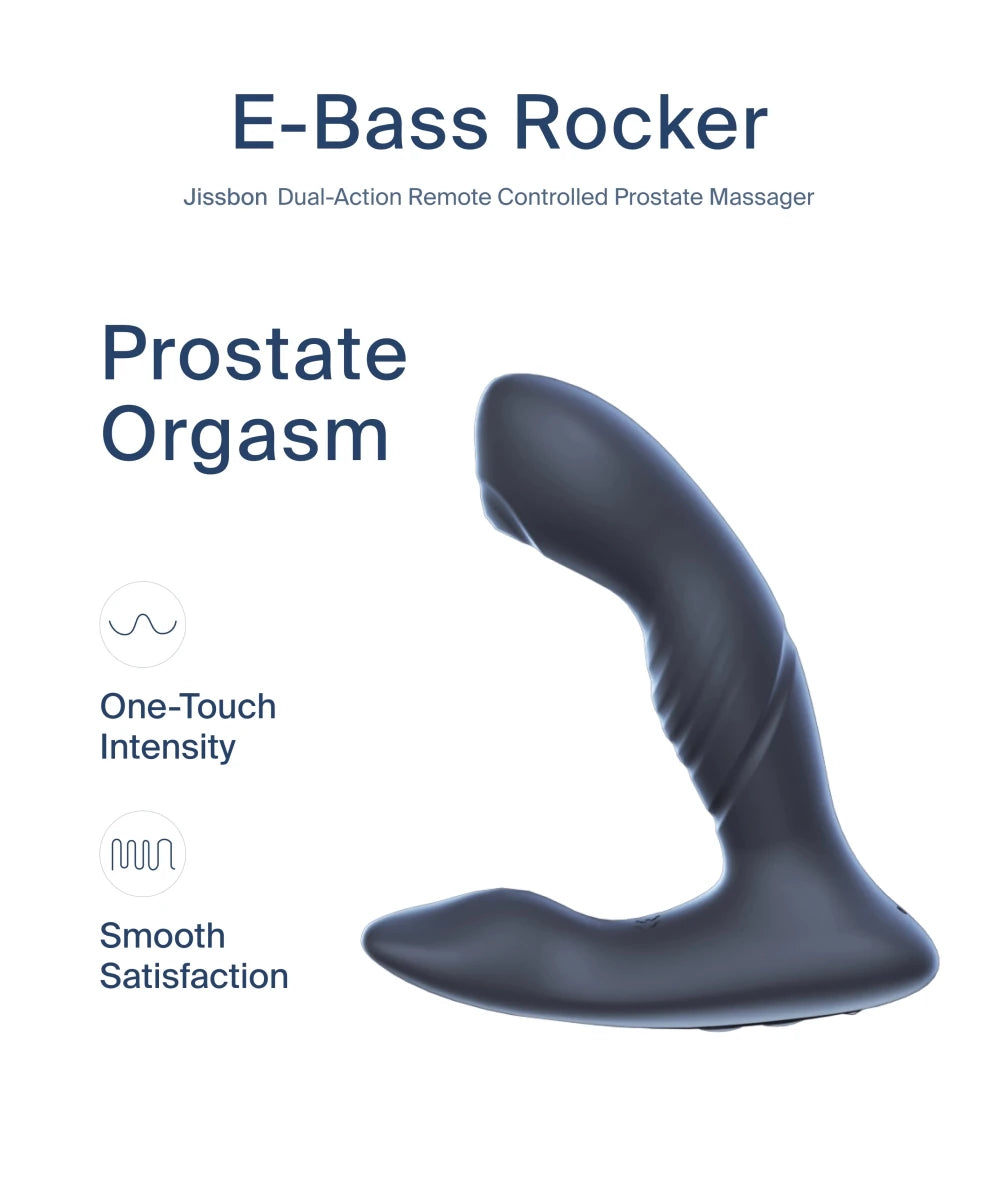
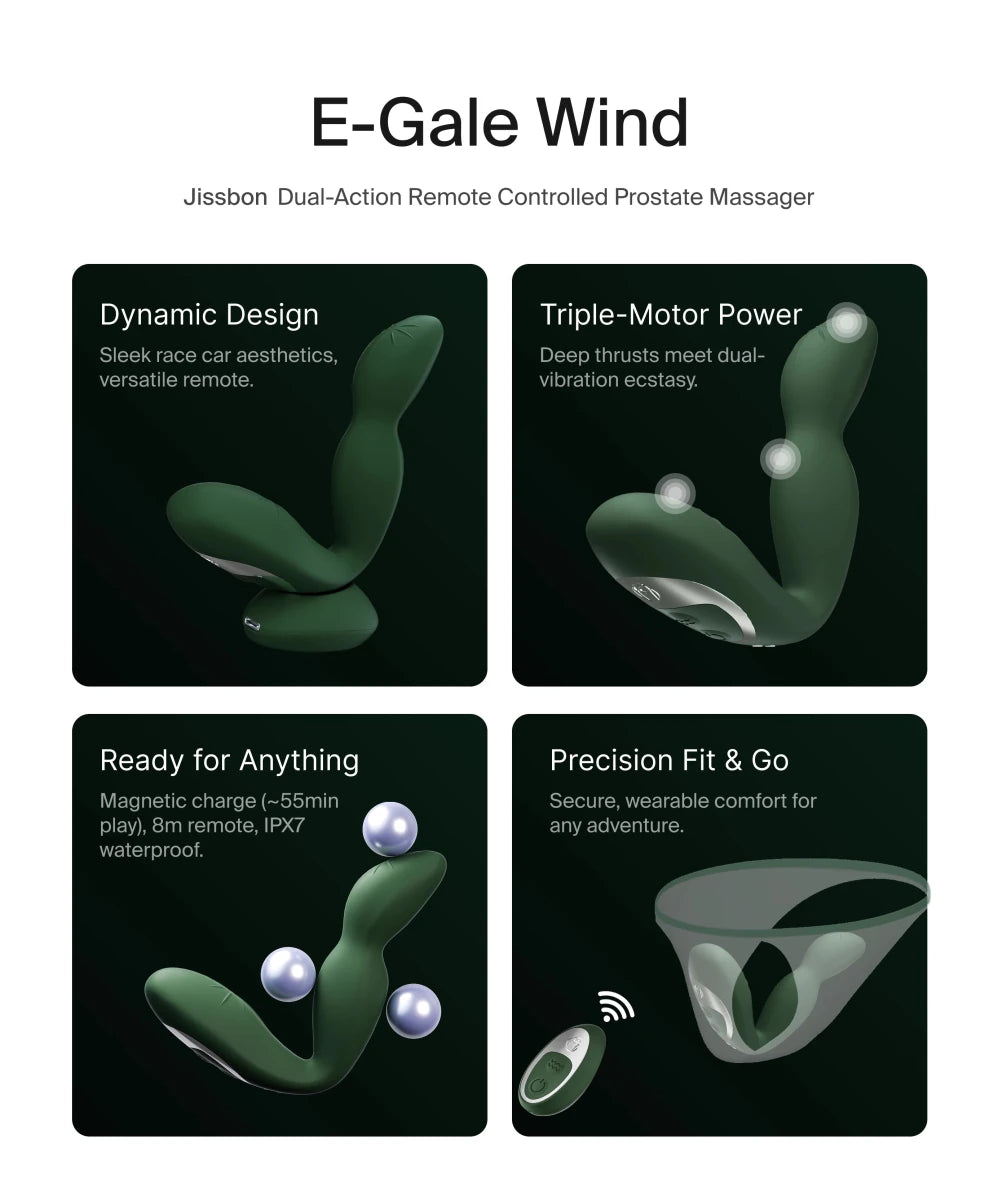
- Prostate massagers for anal preparation
Timeline: This might take weeks or even months. That's completely normal.

Step-by-Step Technique
Step 1: Build Arousal First
The receiver must be relaxed and turned on. Arousal helps muscles relax naturally.
Ways to build arousal:
- Extended kissing and touching
- Sensual massage with oil
- Oral sex
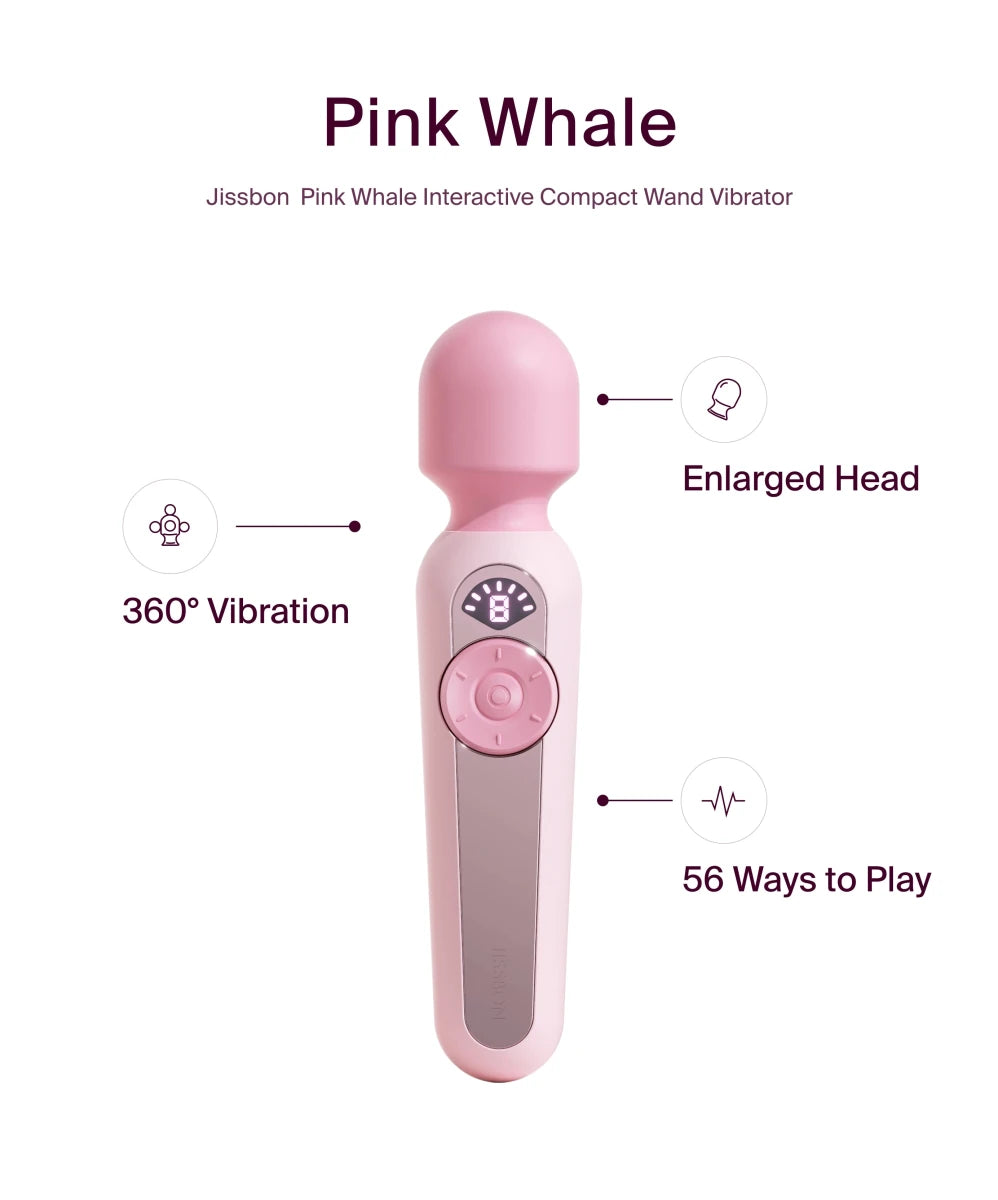
- Using vibrators on sensitive areas
- Dirty talk about what's coming next
For vaginal fisting: Having an orgasm first relaxes the pelvic floor muscles. This makes insertion much easier and more comfortable.
For anal fisting: Relaxation is even more important. Take extra time here.
Step 2: Start With One Finger
Never start with your whole hand. Always begin small.
Progression guide:
- One finger — Insert slowly with lots of lube
- Two fingers — Add when comfortable (usually after a few minutes)
- Three fingers — Keep adding lube; check in verbally
- Four fingers — This might take 10-15 minutes of gradual work
- Add thumb — Form a cone shape with all five digits together
Between each step:
- Apply more lube generously
- Ask "Does this feel okay?"
- Wait for their body to relax and adjust
- Never rush or force
Step 3: Form the Right Hand Shape
When all fingers are ready to enter, shape matters.
Proper hand position:
- Bring all your fingertips together
- Form a cone or duck-bill shape
- Keep fingers extended (not curled into a fist)
- Tuck your thumb alongside your fingers or palm
- Point your hand forward like you're reaching into a narrow jar
As you go deeper:
- Your hand might naturally curl into a fist shape
- Let the receiver's body guide this
- Don't force a closed fist position
- The goal is comfort, not a specific shape
Step 4: Communicate Throughout
Communication is the most important safety tool.
The receiver should say:
- "That feels good, keep going"
- "Slow down a little"
- "Add more lube"
- "Stop" (at any time, for any reason)
- "A little to the left/right"
The person fisting should:
- Watch their partner's face for signs of discomfort
- Listen to breathing patterns
- Ask "How does this feel?" regularly
- Stop immediately if asked
- Apply lube constantly without being asked
Good phrases to use:
- "Tell me if you need me to stop"
- "Is this pressure okay?"
- "Should I add more lube?"
- "You're doing great"
Step 5: Move Very Carefully
Once your hand is inside, be extremely gentle with movement.
Safe movements:
- Very small rotations (side to side)
- Tiny in-and-out motions (1-2 inches maximum)
- Gentle flexing or curling of fingers
- Staying completely still during their orgasm
Unsafe movements to avoid:
- Large thrusting motions
- Punching or jabbing
- Quick in-and-out
- Sudden position changes
- Twisting your wrist sharply
During orgasm: Hold completely still. Their muscles will contract, and movement during this can cause injury.
Step 6: Exit Slowly and Carefully
Removing your hand too fast can be painful or cause injury.
Safe exit technique:
- Relax your hand completely—uncurl fingers if they're curled
- Pull back very slowly—take at least 30 seconds
- If you feel stuck, don't panic—slide one finger alongside your wrist to break the suction
- Exit with the same cone shape you entered with
- Apply extra lube if you feel any resistance

Troubleshooting Common Issues
"We can't get past three fingers"
Try this:
- Use way more lube than you think you need
- Spend more time on arousal (20-30 minutes)
- Have the receiver orgasm first
- Try a different angle or position
- Take a break and try again another day
- Consider using training toys between sessions
Remember: Three fingers might be your comfortable limit right now. That's okay.
"It feels uncomfortable but not painful"
This is normal. There's a difference between:
- Uncomfortable = New sensation, fullness, pressure (usually okay to continue slowly)
- Painful = Sharp, burning, or hurting (stop immediately)
If uncomfortable: Go slower, add more lube, and keep communicating.
"We're both too nervous"
Nervousness is normal. Try:
- Start with extensive foreplay to relax
- Use vibrators for pleasure first
- Talk through the process before starting
- Agree on a safe word or signal
- Remember you can stop anytime
Don't rush. Wait until you both feel ready and excited.
"It worked once but not the next time"
Also normal. Your body is different every day.
Factors that affect this:
- Stress levels
- Hormonal changes
- How aroused you are
- Time of day
- What you ate
- How relaxed you feel
Don't force it. If it's not working today, try another day.
Essential Supplies Checklist
Before you begin any fisting session, gather these items:
Must-have items:
- Latex or nitrile gloves (have extras)
- Large bottle of water-based lube (pump-top recommended)
- Towels for cleanup
- Wet wipes or warm washcloth
- Water to drink
Optional but helpful:
- Training toys like butt plugs
- Vibrators for extra stimulation
- Massage oil for foreplay
- Pillow for positioning
- Mood lighting or candles
For safety:
- Phone nearby (in case you need help)
- First aid kit
- Know where the nearest urgent care is
Different Positions to Try
Position affects comfort and ease of penetration.
Receiver Lying on Back
Good for:
- Eye contact and communication
- Easy access for the person fisting
- Receiver can see what's happening
- Adding a vibrator for clitoral stimulation
Tip: Put a pillow under their hips to improve the angle.
Receiver on Hands and Knees
Good for:
- Deeper penetration
- Natural relaxation of pelvic muscles
- The receiver feeling more in control of depth
- Anal fisting (best angle)
Tip: The receiver can rock back and forth to control pace.
Receiver Squatting or Standing
Good for:
- Using gravity to help
- Receiver having maximum control
- Shallow, exploratory fisting
Tip: This position can be tiring—have a bed or chair nearby.
Experiment to find what works best for your bodies.
Tips for First-Timers
Start With Education
Before trying fisting:
- Read guides like this
- Watch educational content where legal
- Understand anatomy
- Know the risks and how to prevent them
- Talk extensively with your partner
Knowledge reduces anxiety and makes the experience better.
Set Aside Plenty of Time
Don't rush your first attempt.
Plan for:
- At least 1-2 hours of uninterrupted time
- No pressure or deadlines
- Privacy and comfort
- Time for aftercare and cuddling
First attempts often don't result in full penetration—and that's expected and okay.
Manage Expectations
Realistic first-time goals:
- Getting comfortable with the sensation
- Successfully inserting 3-4 fingers
- Learning what feels good
- Building trust and communication
Unrealistic expectations:
- Getting your whole hand in on the first try
- It feeling amazing immediately
- No awkwardness or learning curve
Create the Right Environment
Set the mood:
- Clean, comfortable space
- Privacy (lock doors, no interruptions)
- Comfortable temperature
- Soft lighting
- Relaxing music if desired
A relaxed environment helps bodies relax too.
For Experienced Fisting Enthusiasts
Taking It Further
Once you're comfortable with basic fisting:
Try:
- Double fisting (two hands, very advanced)
- Fisting in different positions
- Adding toys while fisting
- Longer sessions with more exploration
- Fisting combined with other activities
Always: Keep prioritizing safety, lube, and communication even as you advance.
Maintaining Your Practice
Like any skill, fisting improves with practice.
Regular practice helps:
- Your body become more receptive
- You learn your limits better
- You discover new techniques
- You build deeper trust with partners
But also: Take breaks when needed. Your body needs recovery time.
Frequently Asked Questions
How long does fisting take?
There's no set time. First attempts may take 30-60 minutes of gradual preparation. Some people never achieve full insertion—and that's fine. Focus on pleasure, not goals.
Can we use silicone lube?
Yes, but not with silicone gloves or toys—it damages the material. Water-based lube is safer and easier to clean.
Is anal fisting different from vaginal fisting?
Yes. The anus doesn't self-lubricate and requires even more lube. Anal fisting also needs more gradual preparation and carries higher STI transmission risk without barriers.
What if I'm scared to try?
Don't try if you're scared. Fisting requires relaxation. Start with education—read articles, watch professional demonstrations (where legal), and talk with your partner. Only try when you feel ready and curious.
Final Thoughts
Fisting is an intimate practice that requires patience, trust, and respect for your body's signals.
Core principles:
- Start with education and communication
- Use more lube than you think you need
- Go slow—very slow
- Listen to your body and stop if it hurts
- Practice good hygiene and aftercare
- Never force anything
Remember: Full-hand penetration isn't required for this to be pleasurable and intimate. Whatever feels good for you and your partner is the right amount.
Ready to Explore?
Browse Jissbon's collection for training tools, quality lube, and toys designed for comfortable exploration:
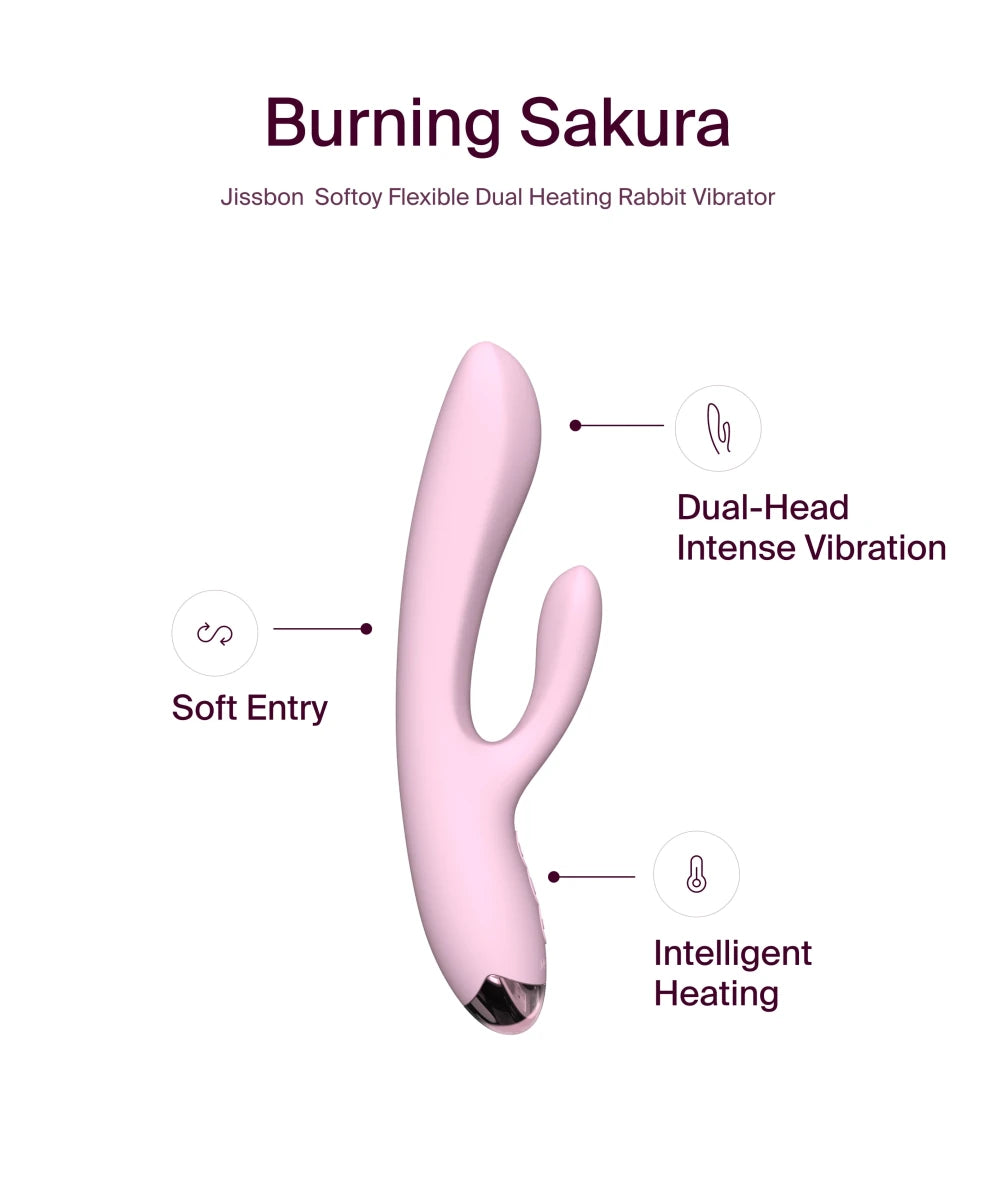
- Anal vibrators for gradual training
- Prostate massagers for preparation
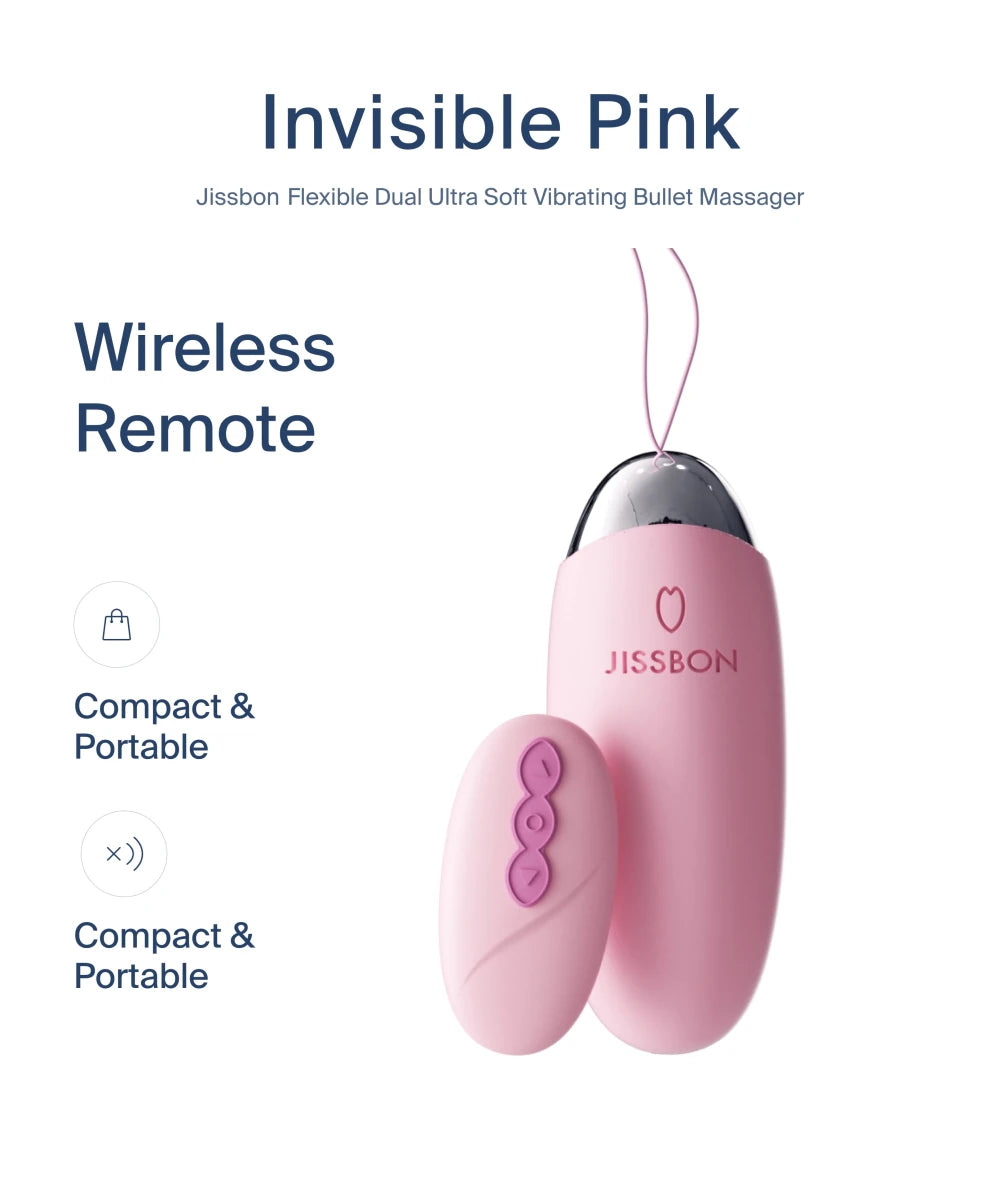
- Remote-controlled toys for hands-free fun
Start slow, stay safe, and enjoy the journey.


Looking for something else?

What Is Flogging in Sex? Complete BDSM Flogging Guide
LEARN MORE
What Does Overstimulated Mean Sexually? Causes & Solutions
LEARN MORE
Can You Get a Tattoo on Your Vagina? Safety, Pain & What to Expect
LEARN MORE
Public Sex Kink: Understanding Exhibitionism & Safe Exploration
LEARN MORELooking for something else?

A-Spot Orgasm: Best Positions & How to Find It
LEARN MORE
Bondage Play: Complete Beginner's Guide to Rope BDSM
LEARN MORE
Vibrator Stories: Real Experiences, Tips & What to Expect
LEARN MOREYou may also like
20% off

20% off

20% off

20% off

20% off

20% off

Further reading

How to Clean an Automatic Blowjob Machine Without Damaging the Motor

Remote-Controlled Automatic Masturbators for Couples and Solo Play
Best Automatic Strokers for Edging and Stamina Training