























































How to Tie Someone Up During Sex: Safe Bondage Guide for Beginners
Stack & Save: Extra 15% with Jissbon15
Jissbon15
Learning how to tie someone up during sex opens exciting possibilities for power exchange, trust-building, and heightened sensation. Whether you're exploring light restraint for the first time or looking to refine your technique, understanding proper methods, safety protocols, and communication strategies ensures that bondage remains pleasurable and risk-free for both partners.
This guide covers everything from choosing the right materials to tying techniques that look impressive while prioritizing circulation and comfort. Let's explore how to tie up your partner safely, consensually, and in ways that enhance intimacy rather than compromise it.
Who This Guide Helps & Why Bondage Appeals
Bondage and restraint play appeal to couples across experience levels for various reasons. This guide serves:
- Curious beginners wanting to explore power dynamics safely without expensive equipment
- Couples seeking novelty who want to add excitement to their intimate routine
- People interested in control exchange where one partner surrenders decision-making temporarily
- Those drawn to sensory focus since restraint heightens awareness of touch and anticipation
- Partners building trust through vulnerable experiences that require clear communication
- Anyone prioritizing safety who wants to avoid common bondage mistakes that cause injury
Bondage works psychologically by creating anticipation, vulnerability, and focused attention. The restrained partner experiences heightened sensation when they can't predict or control what happens next, while the active partner enjoys the responsibility and creativity of providing pleasure.
Essential Principles Before You Start

Consent Is Non-Negotiable
Before learning how to tie up your wife, girlfriend, boyfriend, or any partner, establish explicit, enthusiastic consent. This means:
- Discussing desires, boundaries, and concerns before anyone touches a rope
- Agreeing on what types of restraint are acceptable (wrists only, full-body, specific positions)
- Understanding that consent can be withdrawn at any moment without explanation
- Revisiting consent conversations regularly as comfort levels change
According to Planned Parenthood's guidance on consent, ongoing communication throughout intimate activities is essential, not just one-time permission.
Safety Words & Check-In Signals
Establish clear communication systems before bondage begins:
Traffic light system:
- Green = everything feels good, continue
- Yellow = approaching discomfort, adjust something
- Red = stop immediately and release restraints
Physical signals: When gags or positions limit speech, agree on non-verbal cues like dropping a held object, specific hand gestures, or a pattern of grunts.
Regular check-ins: The active partner should ask "How are you feeling?" or "What's your color?" every few minutes, especially during longer sessions.
Physical Safety Fundamentals
Understanding basic safety prevents the most common bondage injuries:
- Never tie around the neck under any circumstancesthis is life-threatening
- Avoid joints like elbows, knees, and ankles where nerves run close to the surface
- Keep safety scissors nearby for emergency release (EMT shears work best)
- Monitor circulation by checking that fingers/toes remain warm and normally colored
- Limit session duration to 15-20 minutes for beginners, longer only with experience
- Never leave someone alone while restrained, even briefly
Research on bondage safety practices emphasizes that proper technique and monitoring prevent virtually all serious injuries.
Choosing the Right Materials for Tying Up Your Partner
Rope Types Comparison
|
Material |
Pros |
Cons |
Best For |
|
Soft Cotton |
Gentle on skin, affordable, washable |
Can tighten unexpectedly, harder to untie |
Beginners, sensitive skin |
|
Silk Scarves |
Very soft, luxurious feel, versatile |
Expensive, can slip, difficult knots |
Light restraint, visual appeal |
|
Nylon Rope |
Strong, holds knots well, durable |
Can cause rope burn, less forgiving |
Experienced users, decorative ties |
|
Hemp Rope |
Traditional, good grip, natural |
Rough texture, requires conditioning |
Shibari practitioners, aesthetic |
|
Bondage Tape |
Sticks to itself only, no knots needed, quick release |
Single-use often, less secure |
Absolute beginners, travel |
Recommended Starting Materials
For your first experiences:
Soft cotton rope (6-8mm diameter, 25-30 feet length) provides the best balance of safety, ease of use, and comfort. Purchase specifically designated bondage rope rather than hardware store rope, which may contain chemicals or rough fibers.
Avoid these materials:
- Wire, chain, or metal restraints (too rigid, dangerous)
- Thin string or twine (cuts into skin)
- Elastic materials (unpredictable tension)
- Zip ties or handcuffs without quick-release (emergency removal too difficult)
Where to Position Restraints
Safe areas for bondage:
- Wrists (leaving 1-2 finger widths of space)
- Upper arms (above the elbow)
- Ankles (with padding or over socks)
- Thighs (mid-thigh, away from knee)
- Torso (chest harnesses that distribute pressure)
Dangerous areas to avoid:
- Neck or throat
- Directly over joints
- Areas with visible veins or arteries
- Around the stomach after eating
Step-by-Step: How to Tie Someone Up for Sex

Preparation Phase
Set up your environment
Choose a comfortable location where the restrained partner can lie, sit, or kneel safely. Have pillows for support, blankets if temperature is a concern, and water nearby. Ensure your phone is accessible for emergencies but silenced for focus.
Gather all materials before starting
Layout your rope, safety scissors, any toys or accessories you plan to use, and lubricant if applicable. Once restraint begins, you won't want to leave to find something, and the restrained partner can't help retrieve items.
Conduct a final consent check
Ask explicitly: "Are you ready to be tied up? What are our safewords? How are you feeling emotionally right now?" This creates a clear transition into the scene and ensures everyone feels prepared.
Start with clothing considerations
Decide whether restraint happens over or under clothing. For beginners, keeping some clothing on can provide padding and reduce skin sensitivity. Remove watches, bracelets, and jewelry that might interfere.
Basic Wrist Restraint (Safest Starting Technique)
Create the initial loop
Fold your rope in half to find the midpoint. Create a loop large enough to slip over your partner's wrist with 1-2 inches of extra space. This prevents circulation restriction.
Position on the wrist properly
Place the loop around the wrist above the wrist bone, never directly over it. The rope should sit on the softer tissue of the forearm, not where bone is prominent.
Wrap with appropriate tension
Wrap the rope around the wrist 2-3 times, maintaining consistent tension. You should be able to easily slip two fingers between the rope and skinthis is the "two-finger rule" that prevents circulation problems.
Secure with a quick-release knot
Use a simple square knot or bow that you can release quickly if needed. Complicated knots look impressive but create danger during emergencies. For absolute beginners, even just tucking the ends under previous wraps works.
Test circulation immediately
Press on your partner's fingernail until it turns white, then release. The color should return within 2 seconds. If it takes longer, the restraint is too tight. Check this every 5 minutes during the session.
Connect to anchor point (optional)
If you're securing wrists to a bed frame or furniture, use another section of rope rather than pulling the wrist restraints tight to the anchor. This allows adjustment and creates safer tension distribution.
How to Tie Up a Woman (or Anyone) to a Bed Frame

Position comfortably first
Have your partner lie in the position they'll be restrained in and adjust until comfortable. Don't tie someone into position and then expect them to stay comfortable for extended periods.
Create four separate attachment points
Rather than one continuous rope, use separate pieces for each limb. This provides independent control and prevents one tight area from affecting others.
Tie limbs to sturdy frame sections
Secure to the bed frame itself (headboard posts, footboard), never to mattress edges or weak points. Test that furniture can handle pulling without breaking or tipping.
Allow movement range
Leave 6-12 inches of movement in the restraints rather than stretching limbs taut. This prevents muscle strain and allows the restrained partner to adjust for comfort.
Place pillows strategically
Support the neck, lower back, and knees with pillows. Lying flat without support becomes painful quickly, even without restraints adding tension.
Ways to Tie Up Your Partner: Position Variations
Hands in front vs. behind:
Hands tied in front feels less vulnerable and allows the restrained partner to participate more actively. Hands behind creates stronger power dynamic and more complete helplessness. Start with hands in front.
Spread eagle:
Limbs tied to four corners of the bed creates maximum exposure and vulnerability. Best for experienced partners who've confirmed they enjoy this level of restraint. Requires very sturdy bed frame.
Frog tie (legs):
Ankle tied to thigh on the same leg, folding the leg. This keeps legs bent and open without straining the knee. More comfortable for longer sessions than spread-eagle leg positioning.
Chest harness:
Rope wrapped around the torso in decorative patterns. This looks impressive but requires specific learning about pressure distribution. Not recommended for beginners without instruction.
Wrists to headboard only:
The simplest bed restraintjust wrists tied to the headboard while legs remain free. This provides psychological restraint without physical vulnerability, perfect for testing comfort levels.
Incorporating Bondage into Intimate Activities

Building Anticipation & Sensation Play
Once your partner is restrained, the experience has just begun. Restraint itself isn't the goalit's the framework for heightened sensation and attention.
Sensory exploration techniques:
- Use different textures (feathers, ice cubes, fabric, fingertips) on restrained partner's skin
- Create anticipation by moving slowly and unpredictably
- Alternate between intense and gentle sensations
- Add blindfolds to heighten other senses (only after mastering basic restraint)
- Verbally describe what you're going to do before doing it
Temperature play:
Introduce warm or cool sensations through ice, warm oils, or temperature-safe toys. For those exploring enhanced pleasure, incorporating sex toys for couples while one partner is restrained creates memorable experiences where sensations feel more intense than usual.
Power Exchange Dynamics
Bondage creates natural power dynamics. The restrained partner surrenders control, while the active partner accepts responsibility for both partners' pleasure and safety.
For the restrained partner:
Focus on sensation rather than controlling outcomes. Many people find that giving up control allows them to experience pleasure more fully without performance pressure or decision-making fatigue.
For the active partner:
Take your time and check in frequently. Your role involves creativity, attentiveness, and caretaking. This isn't about selfish gratification but about crafting an experience your partner will find memorable.
Safety Monitoring During Sessions
Physical Warning Signs
Watch for these indicators that restraints need immediate adjustment or removal:
- Color changes: Pale, white, blue, or purple skin tone in hands/feet
- Temperature differences: Cold fingers or toes compared to the rest of the body
- Numbness or tingling: Beyond brief initial adjustment period
- Swelling: Visible puffiness around restraints
- Complaints of pain: Sharp, shooting, or burning sensations rather than mild pressure
The two-finger test: Regularly verify you can slip two fingers under all restraints. If you can't, loosen immediately.
Emotional & Psychological Check-Ins
Physical safety isn't the only concern during bondage:
- Ask about emotional state, not just physical comfort
- Watch body language for tension, freezing, or distress
- Remember that some people experience emotional releases during vulnerable activities
- Be prepared to stop completely if your partner becomes upset or dissociated
- Never guilt or pressure someone to continue if they want to stop
Resources on sexual health and emotional wellbeing emphasize that physical and emotional safety are equally important.
Time Limits & Position Changes
Even comfortable restraints cause strain over time:
- Beginners: 10-15 minutes maximum for first few sessions
- Intermediate: 20-30 minutes with position adjustments
- Experienced: Up to an hour with breaks and circulation checks
Set a timer on your phone to prompt check-ins rather than relying on memory during distraction.
Aftercare: The Essential Final Step

Immediate Physical Care
Release restraints slowly and gently
Don't rush the untying process. Sudden releases can cause discomfort as blood flow returns to compressed areas. Untie one restraint at a time.
Massage and circulation restoration
Gently massage wrists, ankles, and any other restrained areas to help blood flow return normally. This prevents the "pins and needles" sensation from becoming too intense.
Allow gradual repositioning
Don't expect your partner to jump up immediately. Muscles held in one position need time to stretch and readjust. Support them as they move slowly into new positions.
Provide water and warmth
Offer water and a blanket or warm embrace. Body temperature often drops after intense experiences, and rehydration helps overall recovery.
Emotional Aftercare
Physical connection:
Cuddling, holding hands, or gentle touch helps both partners transition from power exchange back to equal partnership. This reconnection is vital for maintaining healthy relationship dynamics.
Verbal processing:
Discuss what felt good, what could improve, and how everyone feels emotionally. Frame feedback positively: "I loved when you did X" rather than "You should have done Y."
Affirmation and appreciation:
Thank your partner for trusting you (if you were the active partner) or for creating the experience (if you were restrained). Acknowledge the vulnerability and care involved.
Monitor for emotional drops:
Some people experience temporary sadness or emotional vulnerability in the hours or days after intense scenes. Stay connected and supportive if this occurs.
Common Mistakes & How to Avoid Them
Mistake 1: Tying Too Tight
Why it happens: Nervousness about restraints coming loose, or underestimating how swelling occurs during activity.
Solution: Always use the two-finger rule. Practice tying yourself first to understand appropriate tension. Remember that slight movement in restraints is normal and safe.
Mistake 2: Complex Knots Without Training
Why it happens: Online photos and videos make elaborate rope work look achievable without explaining the years of practice involved.
Solution: Start with simple wraps and basic knots. Even just wrapping rope several times and tucking the end under creates effective restraint. Save complex knots for after you've taken workshops or spent significant time practicing.
Mistake 3: Not Having Safety Scissors Accessible
Why it happens: People forget or don't think they'll need them since they can untie knots.
Solution: Keep EMT shears within arm's reach during every session. Knots tighten unexpectedly, fingers fumble during stress, and emergencies require instant release. Your safety scissors should be closer than your phone.
Mistake 4: Inadequate Safeword Discussion
Why it happens: Couples assume they understand each other well enough without formal signals, or they discuss safewords but don't practice using them.
Solution: Before bondage begins, make your partner practice saying the safeword out loud. Discuss scenarios where they'd use yellow vs. red. Normalize using safewords rather than treating them as scene-killing.
Mistake 5: Leaving Restrained Partner Alone
Why it happens: Brief bathroom breaks, answering the door, checking on something in another roomall seem quick and harmless.
Solution: Never leave. If you must interrupt the scene, untie your partner first. No exception justifies leaving someone helpless, even for 30 seconds. Circulation problems, panic attacks, or household emergencies can occur in moments.
Building Skills Progressively
Session 1-3: Basic Wrist Restraints Only
Focus exclusively on tying wrists comfortably, monitoring circulation, and maintaining communication. Don't add complexity just because the basic version feels easy. Use these sessions to build trust and establish your check-in rhythm.
Session 4-8: Adding Ankle Restraints
Once wrist restraints feel natural and communication flows smoothly, add ankle restraints. Continue focusing on circulation, comfort, and duration. Combine restraint with sensory play you already enjoy.
Session 9-15: Exploring Position Variations
Experiment with different positionshands in front vs. behind, sitting vs. lying, partial vs. full restraint. Learn what positions your partner finds most comfortable and appealing. Some people prefer light restraint that's more symbolic, while others enjoy more complete immobilization.
Ongoing: Specialized Learning
If bondage becomes a regular part of your intimate life, consider:
- Taking workshops from certified rope instructors
- Joining online communities focused on safety and technique
- Reading comprehensive books on specific bondage styles (Shibari, Western bondage, etc.)
- Practicing on yourself to understand sensation and tension
- Exploring whether this interest connects to broader BDSM practices
Alternatives & Enhancements to Rope Bondage
No-Rope Restraint Options
Under-bed restraint systems: Straps that slide under the mattress with cuffs at the ends. These eliminate knot-tying entirely while providing secure restraint.
Velcro or snap cuffs: Quick-release restraints that work like watch bands. Very beginner-friendly though less customizable than rope.
Holding hands in place: The active partner simply holds the restrained partner's wrists. This provides psychological restraint without physical restriction, perfect for testing interest.
Verbal restraint: Commanding your partner not to move their hands without physical restraint. This creates power dynamic without any physical risk.
Combining Bondage with Other Activities
Restraint enhances many activities by adding anticipation and vulnerability:
- Sensory exploration becomes more intense when the receiver can't predict touches
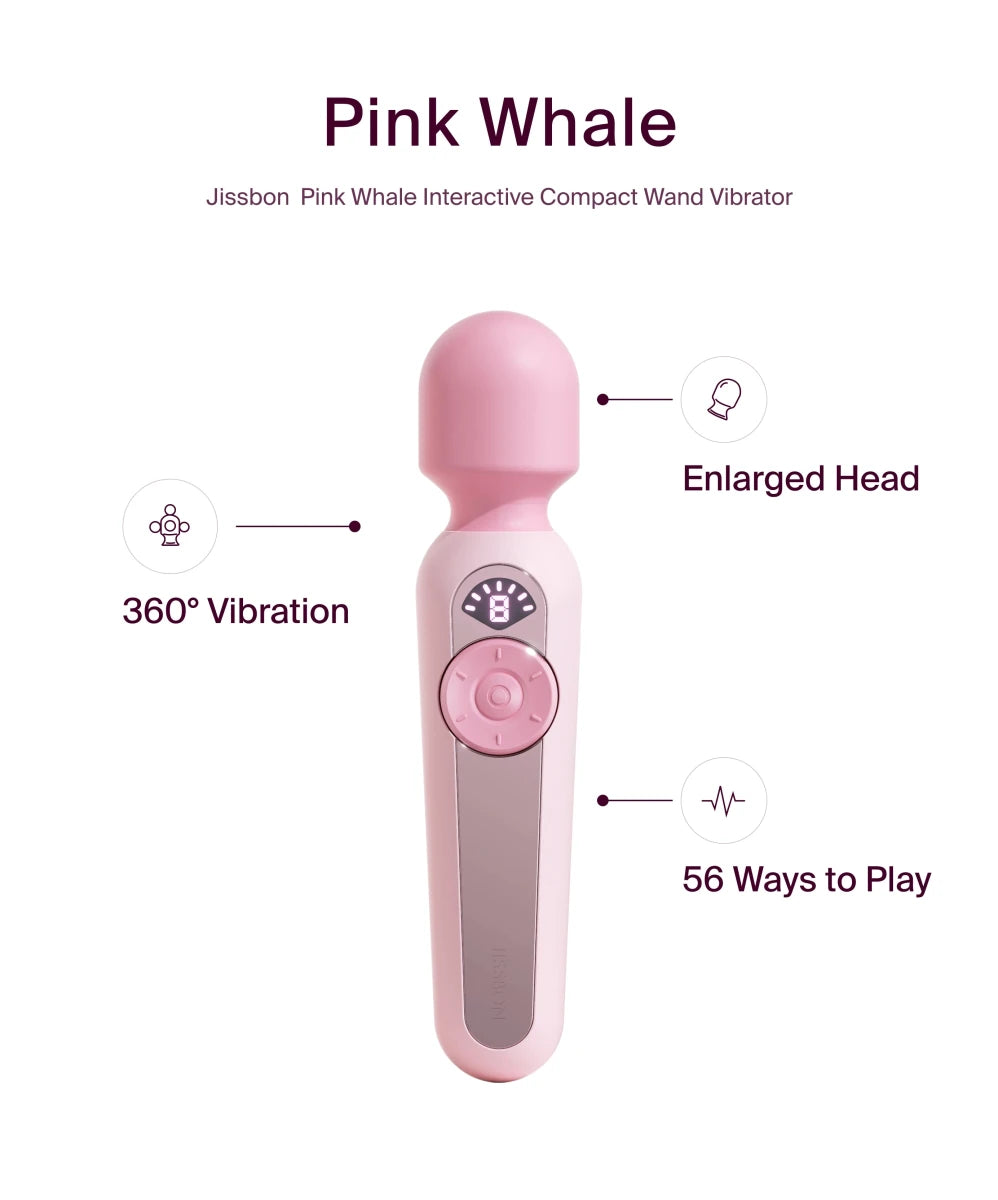
- For those exploring toy play, having one partner restrained while incorporating wand vibrators or remote controlled vibrators creates experiences where pleasure feels overwhelming in the best way
- Extended foreplay takes on new dimensions when one partner must wait patiently
- Photography or mirrors become more interesting with artistic rope positioning
Frequently Asked Questions
Is it safe to tie someone up during sex if we're beginners?
Yes, bondage can be very safe for beginners when you follow basic guidelines: use soft materials, tie wrists only at first, maintain the two-finger rule, keep safety scissors nearby, establish clear safewords, and check circulation every few minutes. Start with sessions under 15 minutes and gradually increase only after multiple successful experiences.
What's the safest way to tie up your partner for the first time?
The safest first bondage experience involves simple wrist restraints with hands in front of the body while your partner lies comfortably. Use soft cotton rope, maintain loose tension where you can fit two fingers under the restraint, and limit the experience to 10 minutes.
How tight should restraints be when tying someone up?
Restraints should be snug enough that the restrained partner can't easily slip free but loose enough that you can comfortably slide two fingers between the rope and skin. This "two-finger rule" is the universal safety standard in bondage communities. If your partner pulls or twists, restraints may tighten slightly, which is why you start with extra space.
What do I do if my partner panics while tied up?
Stop everything immediately, speak calmly and reassuringly, and begin releasing restraints right away. Don't try to calm them down before untying release them first while maintaining verbal contact. Keep safety scissors nearby specifically for this situation so you can cut through restraints in seconds if knots won't cooperate.
an you leave someone tied up alone briefly?
No, absolutely never leave someone restrained alone even for seconds. Circulation problems can develop rapidly, panic attacks can occur unexpectedly, and household emergencies (fire alarms, someone at the door, phone emergencies) require immediate response. If you must interrupt the scene for any reason, untie your partner completely first.
How do you tie up a woman differently than a man?
Anatomical differences don't significantly change basic bondage safety techniques. Both men and women have the same circulation concerns, joint vulnerabilities, and nerve placement. The wrist two-finger rule, circulation monitoring, and safeword practices apply universally. Individual body size, flexibility, and comfort preferences matter far more than gender.
Conclusion
Learning how to tie someone up during sex safely enhances intimacy through trust, vulnerability, and focused attention. Start simple, communicate constantly, and prioritize safety over complexity. With practice, patience, and mutual respect, bondage becomes a valuable tool for deepening connection and exploring new dimensions of pleasure together.
Ready to explore more ways to enhance intimate experiences? Discover thoughtfully designed options at Jissbon that prioritize both pleasure and comfort.


Looking for something else?

Sex Positions from Behind: 8 Beyond Doggy Style
LEARN MORE
What Does a Vulva Taste Like? Facts & Myths Explained
LEARN MORE
Straddle Sex Position: 7 Variations & Tips
LEARN MORE
Mistress Slave Relationship in BDSM: Complete Guide
LEARN MORELooking for something else?

Sensual Domination: Guide to Affectionate Power Play
LEARN MORE
Best Prostate Massager for Beginners: Complete Guide
LEARN MORE
Dominant Sex Positions: 8 Power Positions & Tips
LEARN MOREYou may also like
20% off

20% off

20% off

20% off

20% off

20% off

Further reading
Automatic Male Masturbator vs Manual Stroker: Which Should You Buy?
11 Best Automatic Blowjob Machines for Men in 2026

Understanding Smoking Fetish: The Erotic Appeal of Cigarettes