








































































How to Talk Dirty: Your Complete Beginner's Guide to Sexy Communication
Stack & Save: Extra 15% with Jissbon15
Jissbon15
Dirty talk—using explicit, arousing language during intimate moments—enhances psychological arousal, builds anticipation, and deepens connection between partners. Despite its appeal in theory, many people struggle with confidence, word choice, or fear of sounding awkward.
This guide provides practical starting points, example phrases organized by intensity level, confidence-building strategies, and communication frameworks that make dirty talk feel natural rather than forced or uncomfortable.
Tone, Voice & Delivery: How to Sound Sexy (Not Cringey)
SERP repeatedly emphasizes that tone matters more than the words.
Key Elements of Sexy Delivery
1. Pace
Slow speech > fast speech.
- Pause between phrases
- Let silence build tension
- Stretch vowels slightly (“you look…so good right now”)
2. Volume
Whispers are more intimate than normal speaking.
- Whisper into ear
- Lower your voice one register
- Allow breathiness on the exhale
3. Rhythm
Match your words to the physical rhythm:
- Faster talk = builds urgency
- Slower talk = builds sensuality
4. Emotion
Say it like you mean it, not like you're reading a script.
Confidence > vocabulary.
Practice Exercise
Read one line (alone) with:
- slow pace
- lower tone
- slight whisper
- breath on the microphone/air
This replicates what sex educators in SERP videos highlight.
Dirty Talk Styles: Choosing Your Personality Type
Many SERP guides explain that dirty talk becomes easier once you know your style.
Here are 5 distinct styles based on Quinn, MindBodyGreen, Men’s Health:
1. The Narrator
Describes what’s happening:
- “I love the way you’re touching me right now.”
- “Your breathing is getting faster.”
Low risk, great for beginners.
2. The Complimenter
Focuses on appreciation:
- “God, you look incredible.”
- “I love your body.”
3. The Tease
Builds anticipation:
- “I’m not touching you yet… I want you to beg for it.”
- “You’re not ready for what I’m going to do next.”
4. The Commanding Type (Dominant)
Only with consent:
- “Open your legs.”
- “Look at me.”
5. The Submissive Voice
Also consent-dependent:
- “Tell me what you want.”
- “I love pleasing you.”
Knowing your style removes pressure to “be someone else.”
Understanding Dirty Talk's Purpose & Benefits
Why Dirty Talk Works
Psychological arousal: Sexual response involves both physical and mental components. Words stimulate imagination, activate fantasy, and create cognitive arousal that amplifies physical sensation.
Neurological impact: Hearing explicit language triggers brain regions associated with reward, anticipation, and pleasure—similar to physical touch but through auditory pathways.
Specific benefits:
Enhances presence:
- Keeps both partners mentally engaged
- Prevents mind wandering or distraction
- Anchors attention to current experience
Builds anticipation:
- Describing upcoming activities creates expectation
- Extends arousal timeline beyond physical touch
- Adds psychological "foreplay"
Provides feedback:
- Communicates what feels good in real-time
- Encourages specific actions through verbal reinforcement
- Reduces guesswork about partner preferences
Deepens intimacy:
- Requires vulnerability and trust
- Creates shared private language
- Demonstrates desire and attraction explicitly
Understanding sexual communication as part of overall intimacy helps frame dirty talk as natural extension of connection.
Common Barriers
Why people hesitate:
Self-consciousness:
- Worry about sounding silly or awkward
- Concern about "doing it wrong"
- Fear of partner's judgment or laughter
Cultural conditioning:
- Upbringing emphasizing sexual silence
- Religious or cultural messages about sexual shame
- Lack of exposure to healthy sexual communication
Vocabulary limitations:
- Unsure which words to use (clinical vs slang vs crude)
- No mental library of phrases
- Blank mind during arousal
Partner uncertainty:
- Don't know partner's preferences or boundaries
- Haven't discussed whether they enjoy dirty talk
- Fear of crossing unspoken lines
Solution framework: Start conservatively, communicate boundaries explicitly, build confidence gradually, and accept initial awkwardness as part of learning.
Foundational Steps: Before You Begin

Step 1: Discuss Outside the Bedroom
Why pre-conversation matters: Negotiating boundaries, preferences, and comfort levels works better during neutral moments than mid-intimacy.
Conversation starters:
- "I've been curious about incorporating more verbal communication during sex. How do you feel about that?"
- "What kinds of things would you find arousing to hear?"
- "Are there any words or phrases that would make you uncomfortable?"
Key questions to address:
|
Topic |
Questions to Ask |
|
Language preferences |
"Do you prefer romantic language, explicit slang, or somewhere in between?" |
|
Intensity comfort |
"On a scale from sweet compliments to very explicit, where's your comfort zone?" |
|
Off-limits words |
"Are there specific terms that feel degrading or uncomfortable?" |
|
Fantasy topics |
"What scenarios or themes arouse you mentally?" |
|
Feedback method |
"How should I know if something doesn't land well—safe word, direct feedback?" |
Setting boundaries: Establish clear "yes" list (encouraged phrases/themes) and "no" list (avoid these completely). Examples:
Yes list: "I love when you call me beautiful/handsome," "Describing sensations feels hot," "Commands like 'don't stop' work well"
No list: "Don't use degrading terms," "No references to past partners," "Avoid baby talk"
Step 2: Start with Internal Practice
Mental rehearsal:
- Think arousing phrases to yourself during solo time
- Practice saying words aloud when alone (desensitizes awkwardness)
- Read erotica or listen to audio content modeling language styles
- Identify phrases that resonate personally
Mirror practice (optional): Some people find saying potential phrases to their reflection helps normalize hearing their voice saying explicit content.
Step 3: Establish Safe Words
Purpose: Allows experimentation while maintaining safety net if something crosses boundaries.
Traffic light system:
- Green: "Continue, this is working"
- Yellow: "Approaching my limit, proceed cautiously"
- Red: "Stop immediately, this crossed a line"
Alternative: Single safe word (unrelated to sex context) that immediately pauses activity for check-in.
Beginner-Friendly Dirty Talk Frameworks
Level 1: Compliments & Affirmations (Safest Starting Point)
Why this works: Low risk of discomfort while building confidence. Focuses on appreciation rather than explicit content.
Example phrases:
Visual compliments:
- "You look so beautiful/sexy right now"
- "I love seeing you like this"
- "Your body is incredible"
- "You're so attractive when you..."
Sensation feedback:
- "That feels amazing"
- "I love how you touch me"
- "This is so good"
- "You make me feel incredible"
Desire expression:
- "I've been thinking about this all day"
- "I want you so much"
- "You turn me on"
- "I need to be close to you"
Technique: State simple, genuine reactions. Don't overthink—if something feels good, say so.
Level 2: Descriptive Narration (Moderate Intensity)
Concept: Describe what you're experiencing, feeling, or observing in real-time.
Example phrases:
What you're doing:
- "I'm going to kiss your neck now"
- "I'm touching you here because I know you like it"
- "I want to take off your [clothing item]"
What you're feeling:
- "I can feel how much you want this"
- "You're so warm/wet/hard"
- "My heart is racing"
- "I love feeling you against me"
What you observe:
- "I can tell you're enjoying this"
- "Your breathing is getting faster"
- "I see you responding to my touch"
Building anticipation:
- "I'm going to make you feel so good"
- "Wait until you feel what I do next"
- "I have plans for you"
Technique: Simply narrate reality. You're not fabricating—just verbalizing what's happening.
Level 3: Direct Requests & Commands (Assertive)
Framework: Tell partner explicitly what you want them to do or what you plan to do.
Example phrases:
Requests:
- "Touch me [specific location]"
- "Kiss me harder"
- "Go slower/faster"
- "Don't stop doing that"
- "Use your [hand/mouth/body part]"
Commands (with prior consent for directive language):
- "Look at me"
- "Spread your legs"
- "Turn over"
- "Come here"
- "Stay still"
Seeking permission (inverse dynamic):
- "Can I [specific action]?"
- "May I touch you here?"
- "Do you want me to...?"
- "Should I keep going?"
Technique: Use clear, direct language. Avoid hedging ("maybe," "if you want"). Confidence enhances arousal even if words are simple.
Level 4: Explicit & Graphic Language (Advanced)

Warning: Only introduce after establishing partner's comfort with explicit terminology.
Anatomical explicitness:
- Using slang or direct terms for genitals
- Describing specific sexual acts explicitly
- Incorporating profanity or crude language
Example phrases (explicit):
- "I love your [explicit body part]"
- "I want to [explicit action]"
- "You feel so [explicit descriptor]"
- "I'm going to [explicit future action]"
Degradation or power language (requires extensive negotiation):
- Name-calling (within pre-agreed boundaries)
- Ownership language ("you're mine")
- Commanding or submissive language
Critical caveat: Never assume comfort with explicit language. Some people find crude terms degrading or uncomfortable. Always discuss beforehand.
Practical Dirty Talk Techniques
The Escalation Method
Start conservative, intensify gradually:
Session 1–3: Level 1 compliments only
Session 4–6: Add Level 2 descriptive narration
Session 7–10: Introduce Level 3 requests
Session 10+: Consider Level 4 if mutually desired
Why gradual works:
- Builds confidence incrementally
- Allows comfort assessment at each stage
- Reduces risk of overwhelming partner
- Creates sustainable practice rather than one-time experiment
The Question Technique
Framework: Pose questions that encourage partner's verbal participation.
Examples:
- "Do you like that?"
- "Should I keep going?"
- "What do you want me to do?"
- "Does this feel good?"
- "Tell me what you need"
- "Where do you want me to touch you?"
Benefits:
- Removes pressure from you to generate all content
- Engages partner actively
- Provides immediate feedback
- Creates dialogue rather than monologue
The "Yes" Reinforcement
Concept: Enthusiastically affirm partner's actions to encourage continuation.
Simple responses:
- "Yes"
- "Just like that"
- "Exactly"
- "Perfect"
- "More"
- "Don't stop"
Enhanced versions:
- "Yes, keep doing that"
- "That's exactly what I need"
- "You're so good at this"
- "I love when you [specific action]"
Why it's powerful: Positive reinforcement guides partner toward activities you enjoy while maintaining verbal engagement.
The Anticipation Builder
Technique: Verbally preview upcoming activities, creating psychological foreplay.
Examples:
- "I can't wait to [future action]"
- "Later, I'm going to [planned activity]"
- "I've been fantasizing about [scenario]"
- "After [current activity], I want to [next step]"
Timing: Use during foreplay, driving to location, or even hours before via text.
Benefit: Mental arousal builds before physical activity begins.
Overcoming Awkwardness & Building Confidence

Accepting Initial Discomfort
Realistic expectation: First attempts will likely feel awkward, forced, or uncomfortable. This is completely normal and doesn't indicate failure.
Reframing awkwardness:
- Laughing together creates intimacy
- Partner likely feels similarly nervous
- Vulnerability itself can be arousing
- Practice improves comfort rapidly
What to say if you freeze:
- "I'm nervous about this but I want to try"
- "This feels awkward but in a good way"
- "Bear with me while I figure this out"
- [Laugh] "That sounded better in my head"
Partner's supportive responses:
- "I appreciate you trying"
- "It's hot that you're stepping outside your comfort zone"
- "We'll figure this out together"
Starting Small & Building
The single phrase approach: Commit to saying just one thing per session initially.
Week 1 goal: Say one compliment ("You're so sexy")
Week 2 goal: Add one sensation description ("That feels incredible")
Week 3 goal: Include one request ("Touch me here")
Week 4+: Gradually increase frequency organically
Why this works: Removes pressure to maintain constant verbal stream while building habit.
Using Props & Tools
Technology assistance:
Text message warm-up:
- Send flirtatious or explicit texts during the day
- Practice written dirty talk before verbal
- Builds anticipation while developing vocabulary
Audio erotica:
- Listen together or separately
- Models language patterns and pacing
- Provides examples of tone and delivery
Reading aloud:
- Share erotic stories verbally
- Practices using voice for arousal
- Less pressure than generating original content
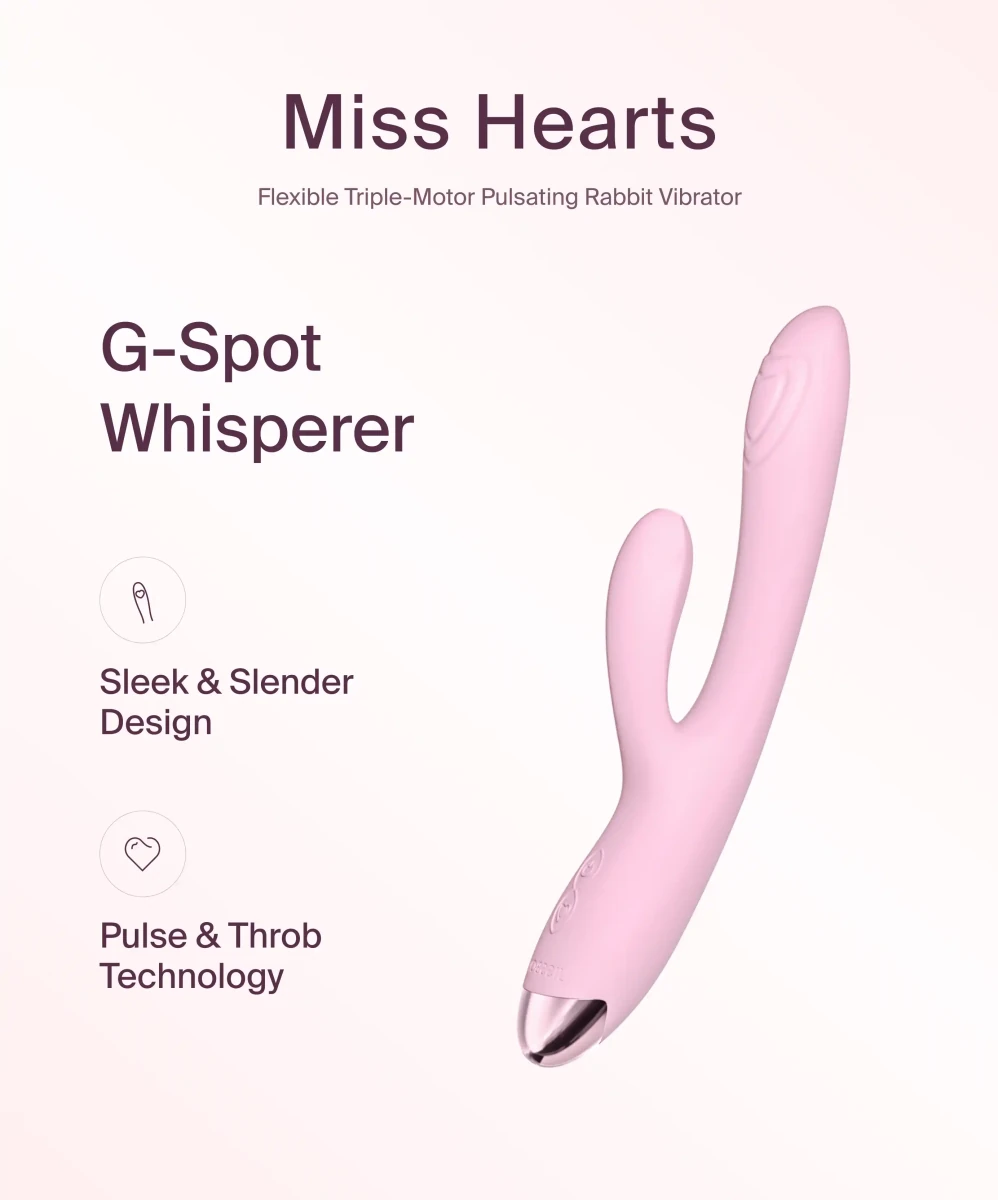
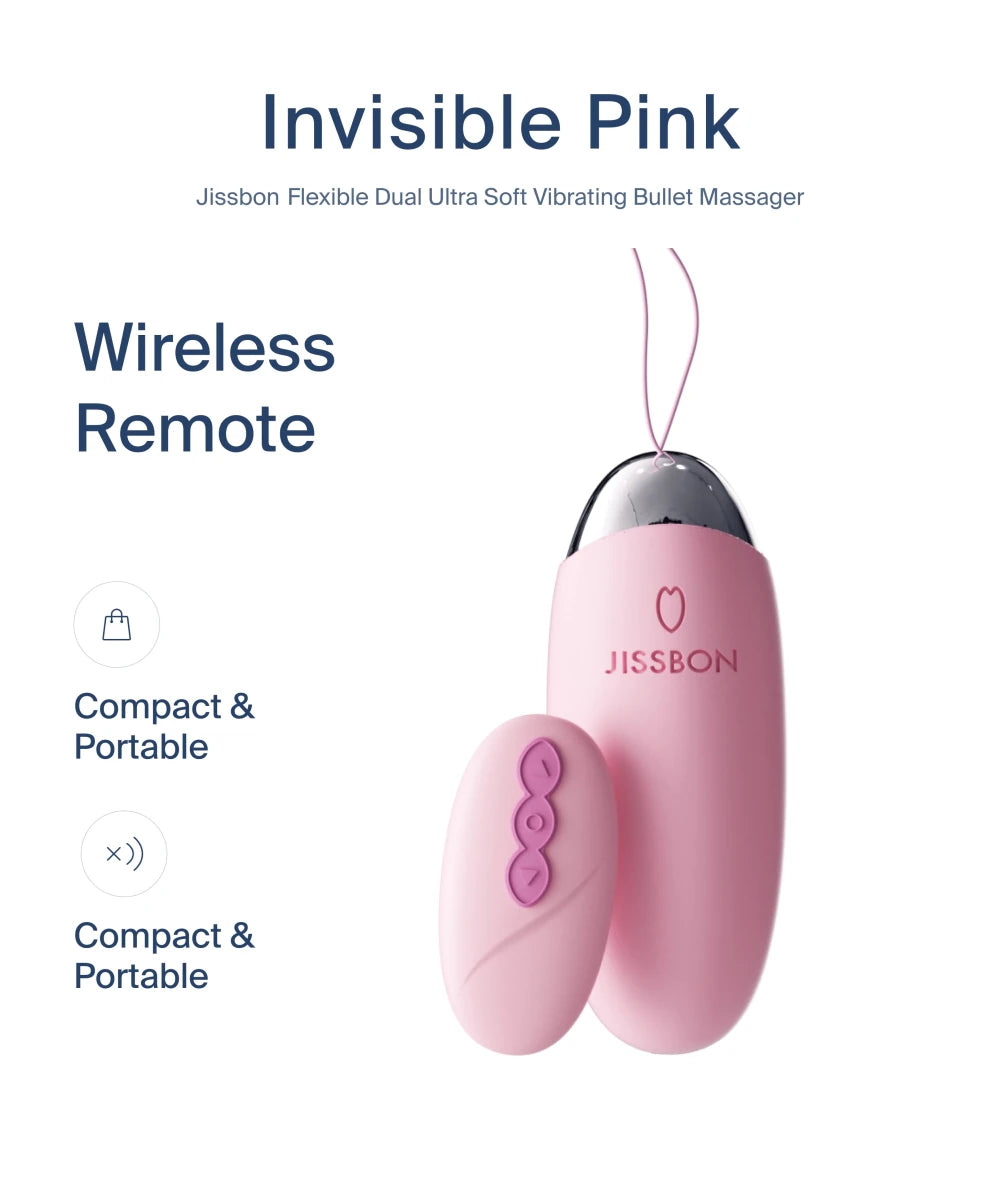
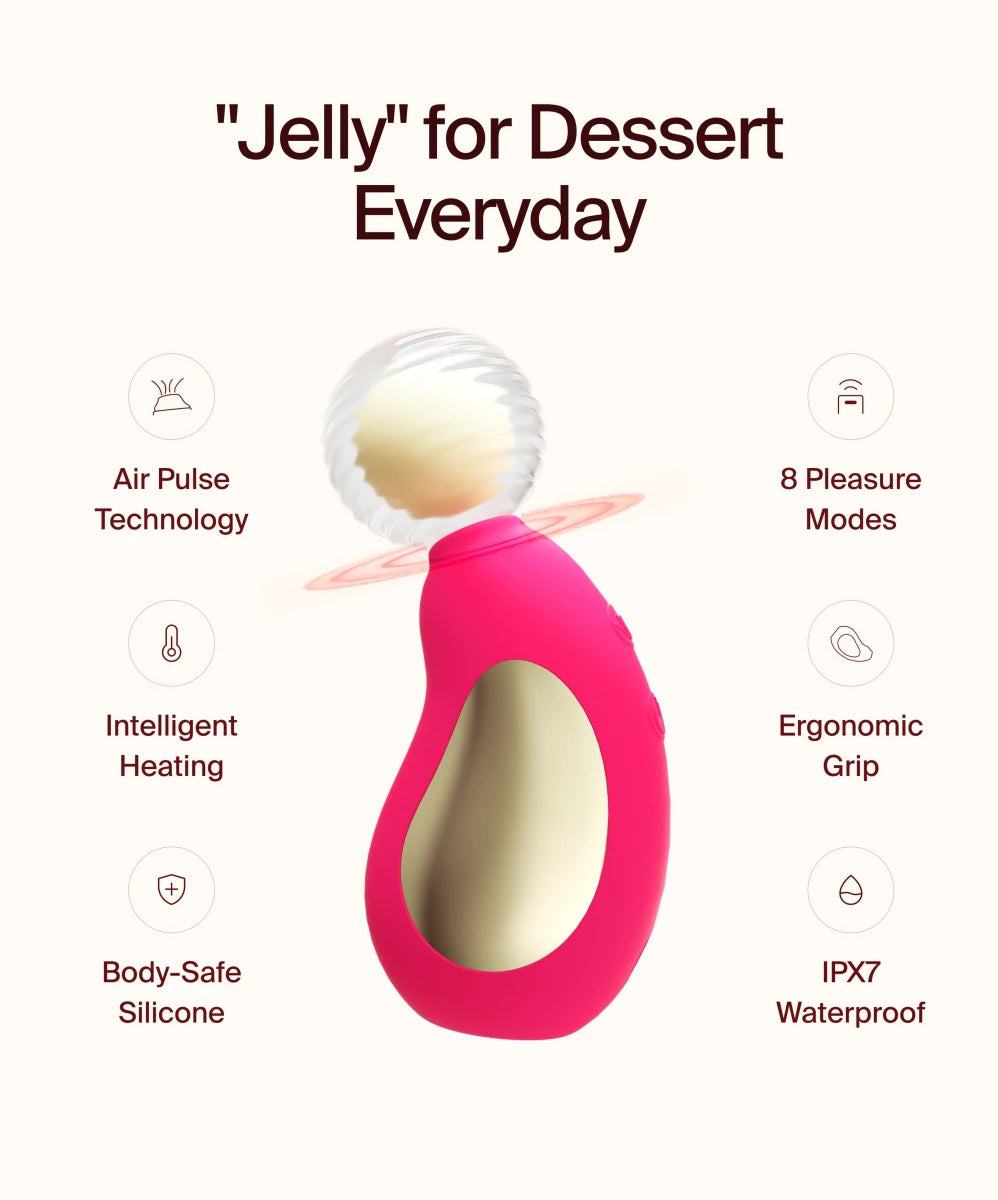
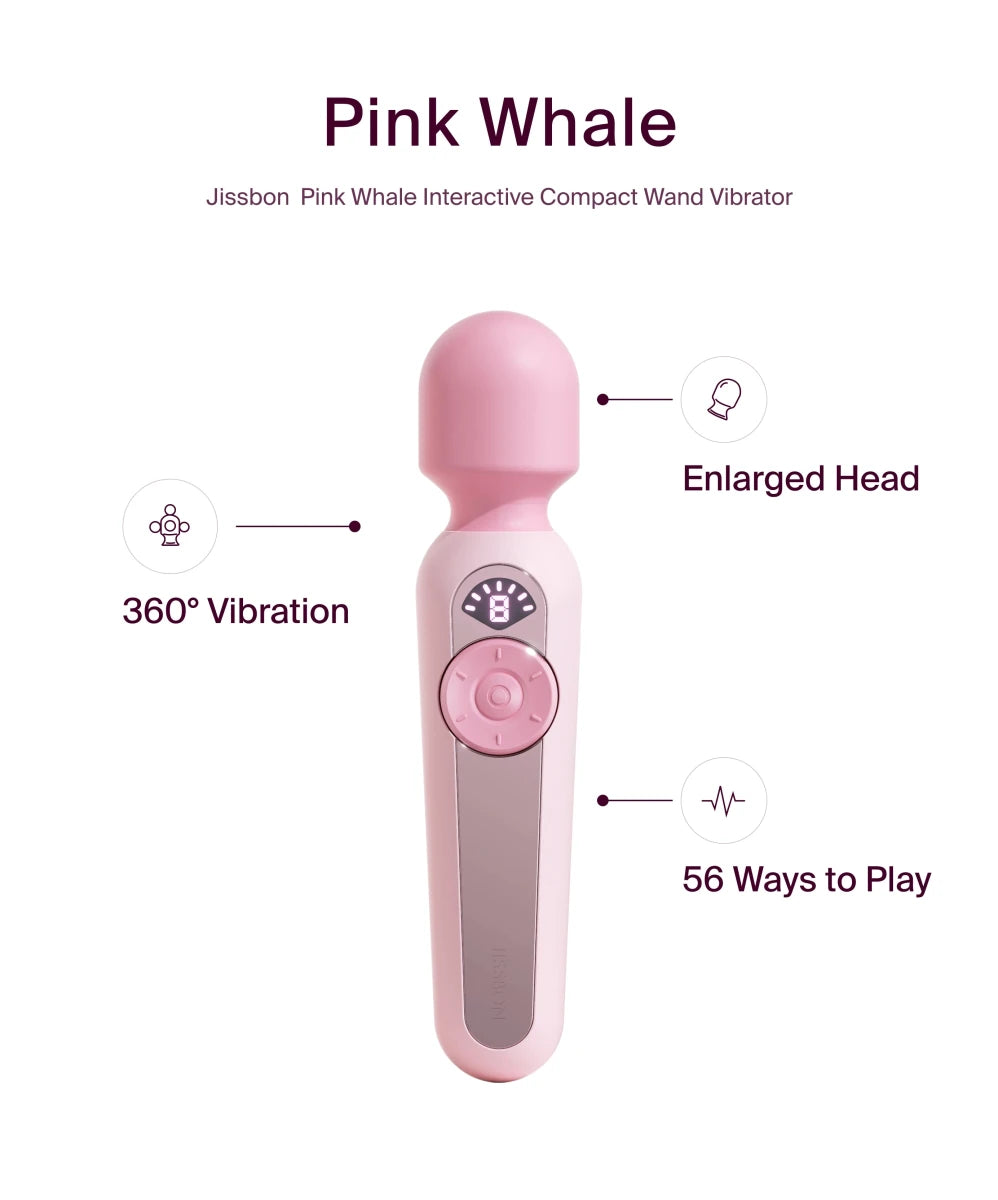
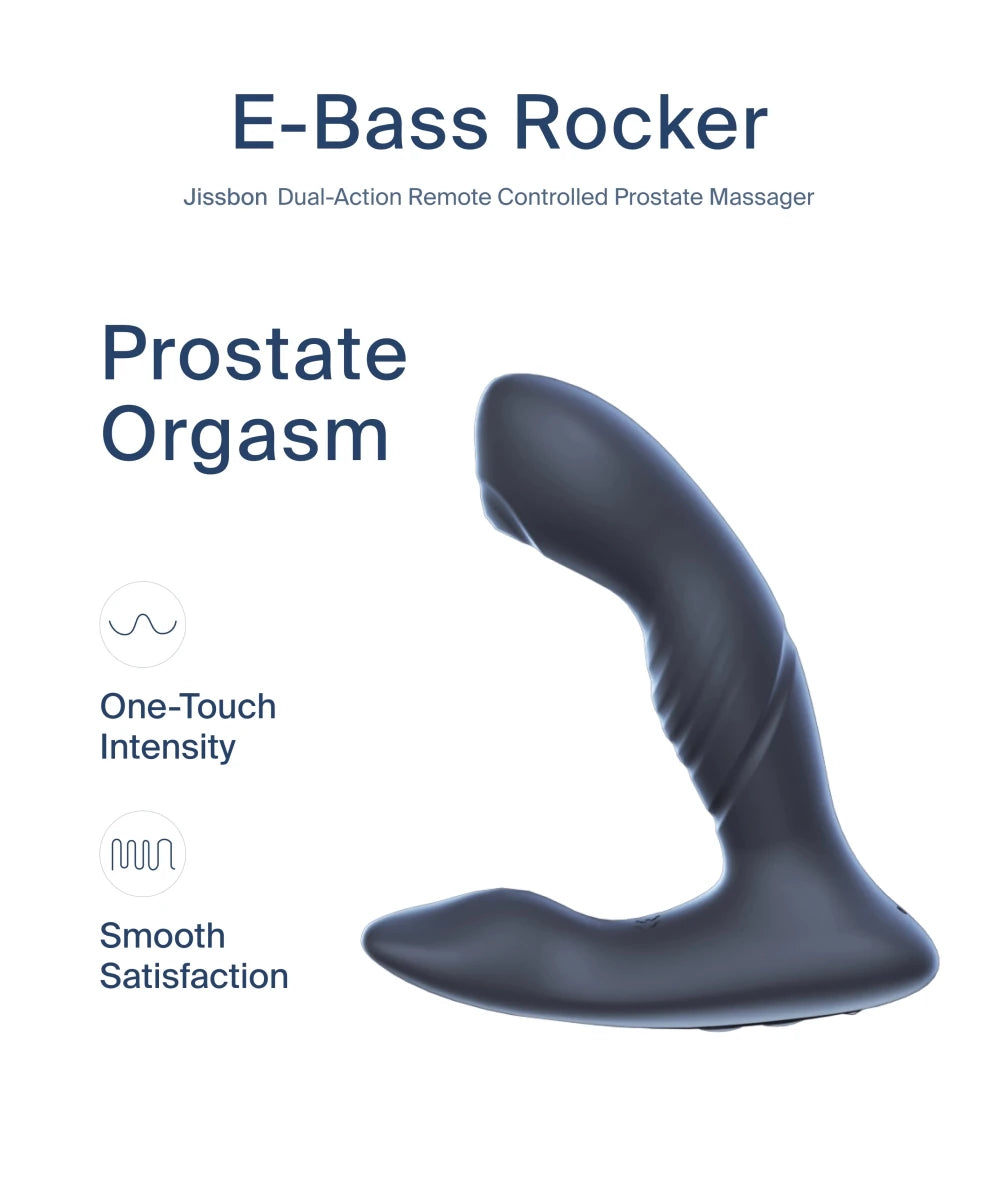
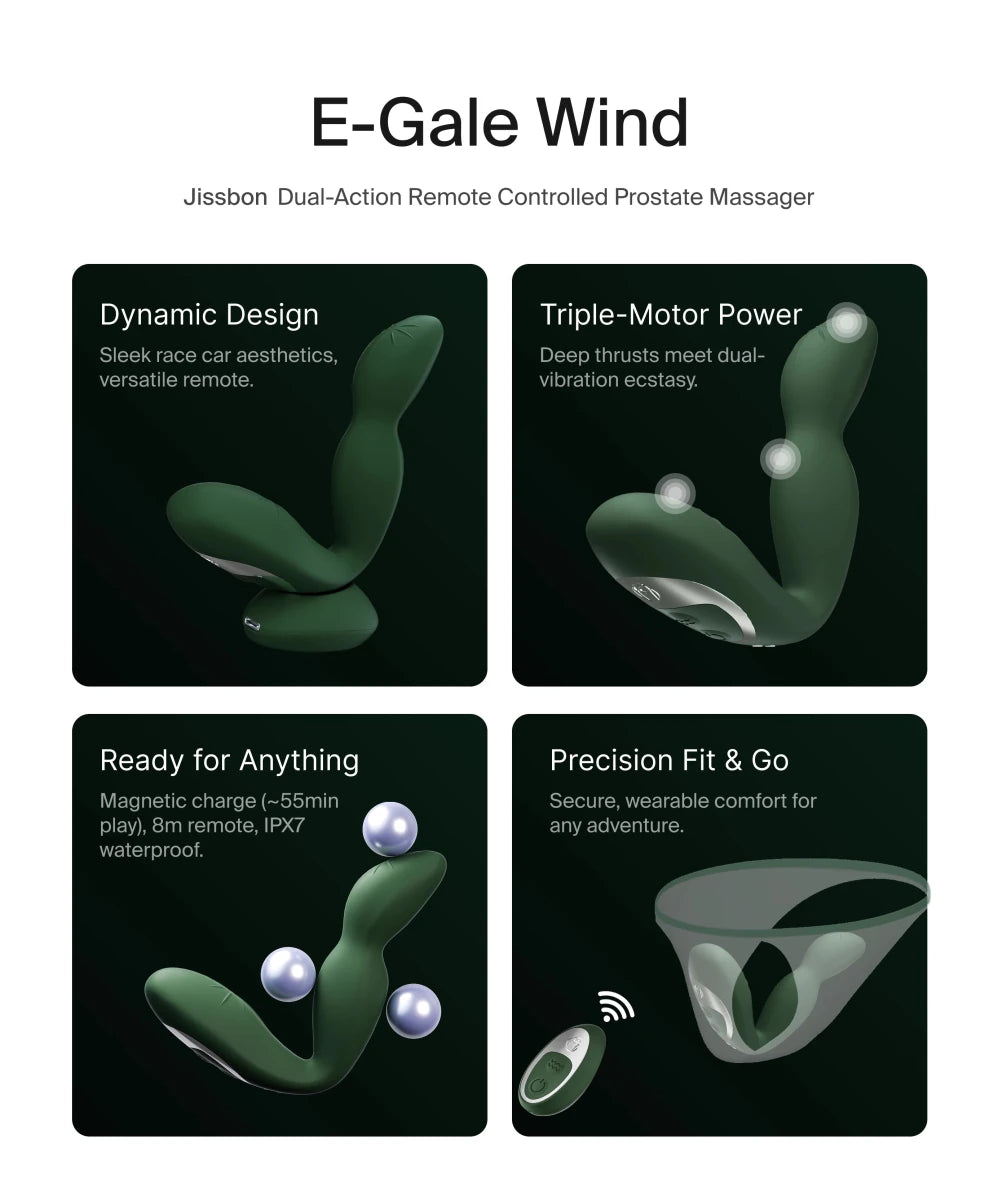
Products enhancing experience: Incorporating remote controlled vibrators allows combining dirty talk with controlled stimulation. Partner can verbally command intensity changes, integrating language naturally.
Customizing to Relationship Dynamics

For New Relationships
Conservative approach:
- Stick to Levels 1–2 initially
- Prioritize compliments and observation
- Ask permission frequently
- Gauge reactions carefully before intensifying
Building trust:
- Discuss preferences explicitly early
- Start with text-based communication
- Progress slowly based on mutual comfort
For Long-Term Relationships
Avoiding routine:
- Introduce new phrases or themes periodically
- Try different intensity levels than usual
- Incorporate fantasy scenarios
- Experiment with role reversal (submissive partner directs for a session)
Deepening connection:
- Reference shared experiences or inside jokes
- Incorporate specific knowledge of partner's preferences
- Build personalized vocabulary over time
For Different Power Dynamics
Dominant role dirty talk:
- Commands and directives
- Praise or (consensual) degradation
- Control statements ("You're mine," "I decide when")
- Permission granting or denial
Submissive role dirty talk:
- Requests and begging
- Grateful acknowledgment
- Seeking permission
- Complimenting dominant's actions
Equal dynamic:
- Collaborative language
- Mutual requests and affirmations
- Shared narration
- Questions inviting partnership
Common Mistakes & Solutions
Mistake 1: Trying to Sound Like Pornography
Problem: Imitating scripted, performative dialogue that feels inauthentic.
Solution:
- Use natural speech patterns
- Say what you genuinely feel
- Avoid phrases that don't resonate personally
- Authenticity matters more than sounding "professional"
Mistake 2: Talking Non-Stop
Problem: Verbal overload that becomes distracting rather than arousing.
Solution:
- Balance talking with silence
- Let physical sensation dominate sometimes
- Use dirty talk for punctuation and emphasis, not constant narration
- Read partner's engagement (if they seem overwhelmed, reduce frequency)
Mistake 3: Ignoring Partner's Feedback
Problem: Continuing phrases that don't resonate or miss partner's discomfort signals.
Solution:
- Watch body language and facial expressions
- Ask "Is this working for you?"
- Adjust based on verbal and non-verbal responses
- Create explicit check-in moments
Mistake 4: Forcing Specific Words Uncomfortably
Problem: Using language that feels wrong personally because you think you "should."
Solution:
- Honor your authentic voice
- If certain words feel degrading or uncomfortable, skip them
- Find alternative terms matching your values
- Remember: effective dirty talk varies individually
Review sexual wellness communication for broader relationship context.
Frequently Asked Questions
How do I talk dirty without sounding cringe?
Start with simple, genuine reactions instead of performing. Speak slowly, lower your tone, and use phrases rooted in reality (“I love your body,” “That feels so good”). Avoid overly scripted lines or porn-style wording until you’re confident.
What’s the easiest dirty talk phrase for beginners?
The simplest formula:
Say what you’re feeling + what they’re doing.
Examples:
- “That feels so good.”
- “You’re turning me on.”
These never sound forced.
How do I know if my partner likes dirty talk?
Look for cues:
- They breathe faster
- They moan or say “yes/keep going”
- Their body moves toward you
If they go quiet, tense, or pull away → scale back and check in.
Is dirty talk normal in healthy relationships?
Yes. Research cited in SERP shows verbal expression during sex increases orgasm likelihood and relationship satisfaction. It’s a communication skill — not a sign of promiscuity.
What if English isn’t my first language? Can I still talk dirty?
Absolutely. Many people find accents extremely sexy.
Use simple words you feel confident saying. Short, emotional phrases (“yes,” “more,” “right there,” “I want you”) transcend language proficiency.
Can I talk dirty if I’m not a naturally verbal person?
Yes — choose one-word or minimalist phrases:
- “More.”
- “Yes.”
- “Right there.”
- “Don’t stop.”
Dirty talk does not require long monologues.
What if I try dirty talk and my partner laughs?
Context matters. Laughter from nervousness or shared awkwardness is normal and healthy—lean into it together. Mocking laughter indicates poor partner dynamics worth addressing.
How do I know which words my partner finds sexy vs offensive?
Ask directly outside intimate moments: "What language do you find arousing?" and "Are there words that feel degrading to you?" Create explicit "yes" and "no" lists. Start conservative (compliments, gentle descriptions) and intensify based on positive reactions.
Can dirty talk work if we're both shy about it?
Yes, through mutual patience and gradual progression. Start with text messages (less immediate pressure), progress to single phrases during intimacy, build confidence incrementally. Acknowledge shared nervousness: "We're both learning this together.
What if dirty talk kills my arousal because I'm too self-conscious?
Common initially. Solutions: (1) Practice during solo sessions first, (2) Use simpler phrases requiring less thought (single words like "yes" or "more"), (3) Accept silence is valid—not everyone benefits from dirty talk, (4) Try written communication (texts beforehand) instead of verbal. If persistent discomfort remains after multiple attempts, honor your preference for quiet intimacy.
Should I incorporate dirty talk if using toys?
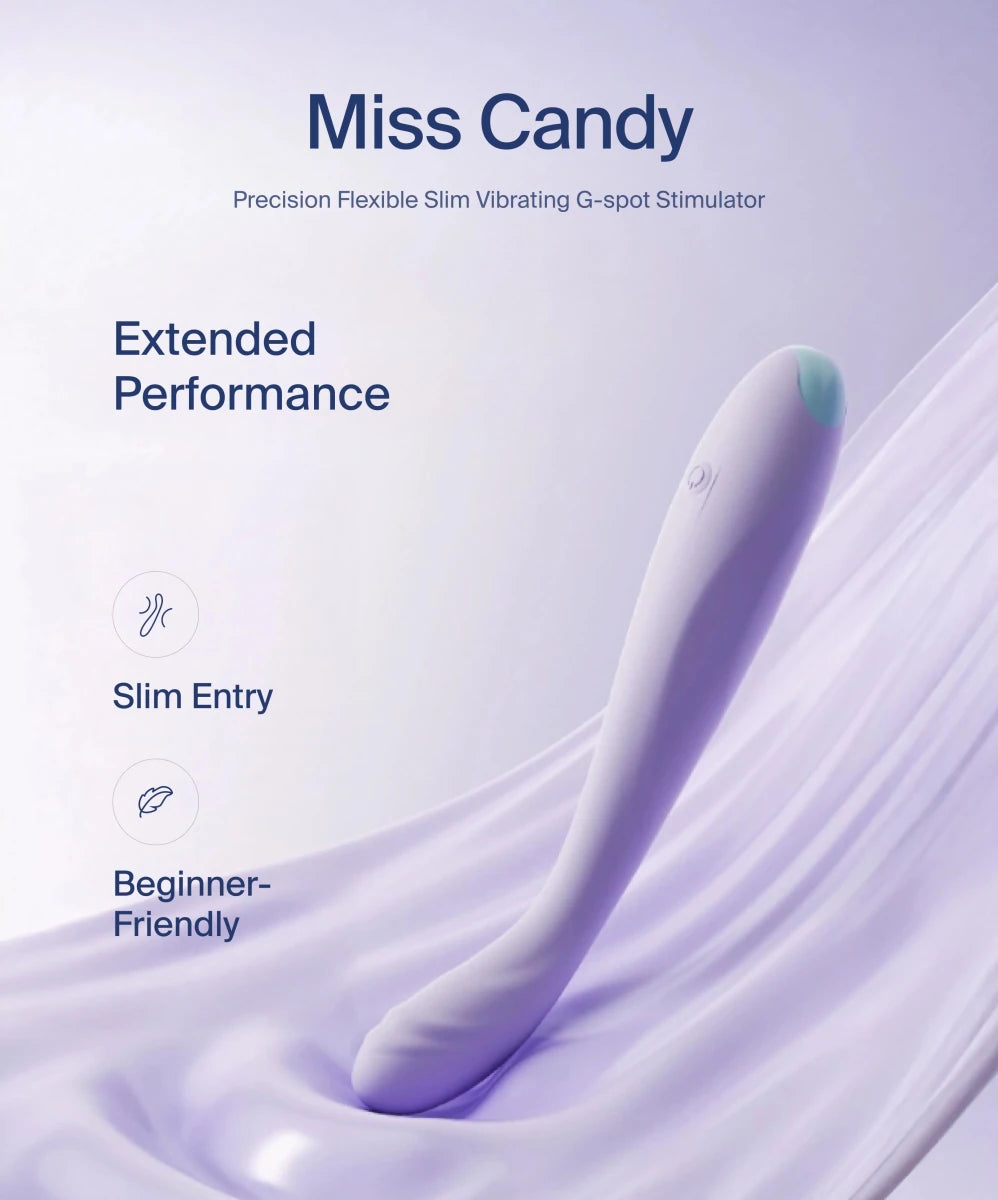
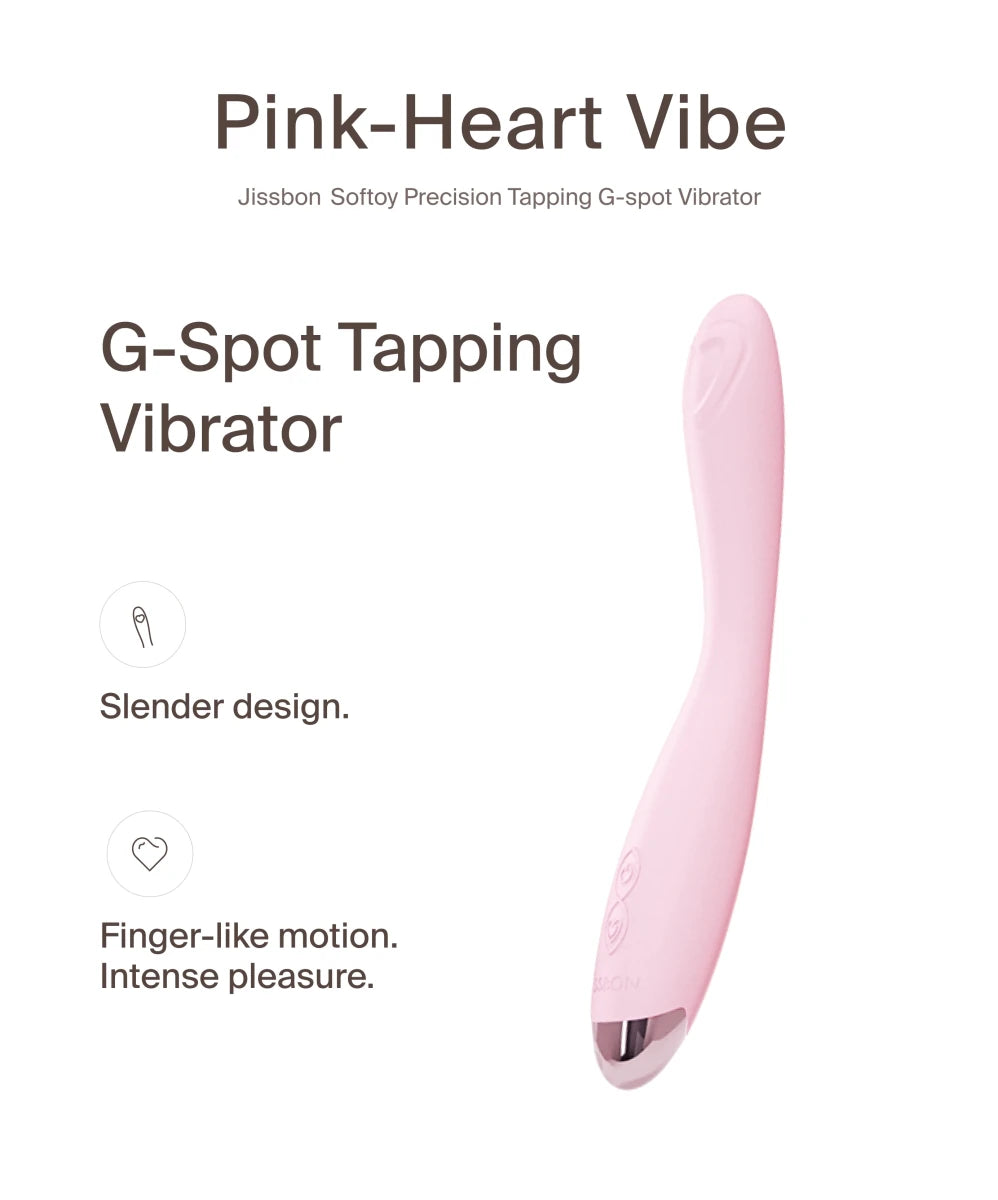
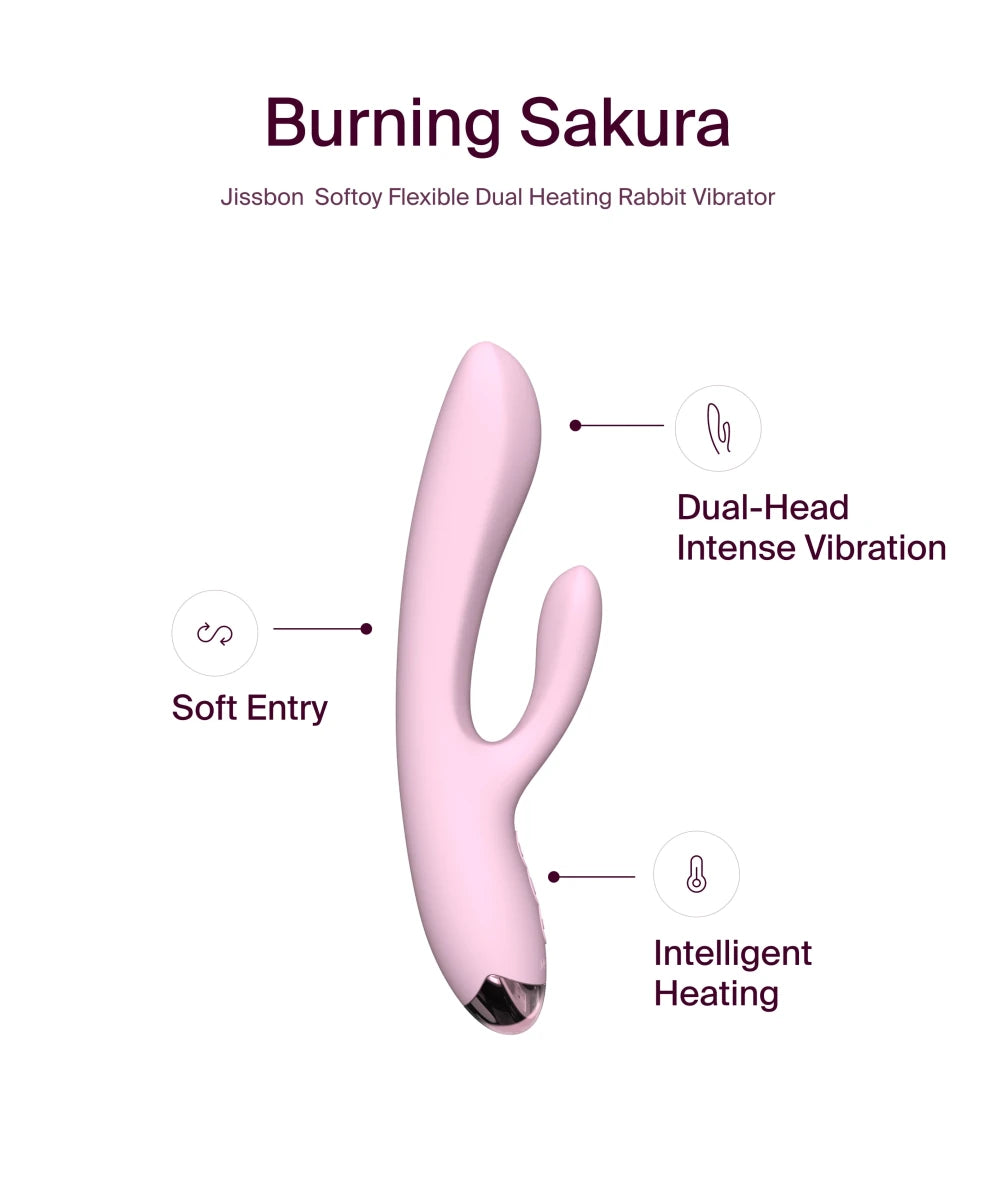
Absolutely. Dirty talk complements toy use effectively: "I love watching you use that," "Tell me how this feels," "Should I increase the intensity?" Toys like wand vibrators, rabbit vibrators, or G-spot vibrators provide physical stimulation while verbal communication maintains connection. Explore products through sex toys for couples designed for shared experiences.
Is dirty talk appropriate during casual relationships or only serious ones?
Appropriate for any consensual relationship dynamic with proper communication. Casual partners benefit from explicit discussion about boundaries and preferences just as serious relationships do.
Building Your Dirty Talk Practice
Dirty talk develops through experimentation, patience, and honest communication. Your first attempts won't sound like professional erotica—and that's completely fine. Authenticity and genuine desire resonate far more than polished delivery.
Start conservatively with compliments and simple descriptions. Gradually introduce more explicit language as confidence builds and partner feedback confirms comfort. Remember that silence remains valid—dirty talk enhances intimacy for many but isn't universal requirement.
Focus on what feels natural to you while respecting partner's boundaries. The goal is enhanced connection and arousal, not performance perfection. Give yourself permission to laugh, stumble, and learn together.
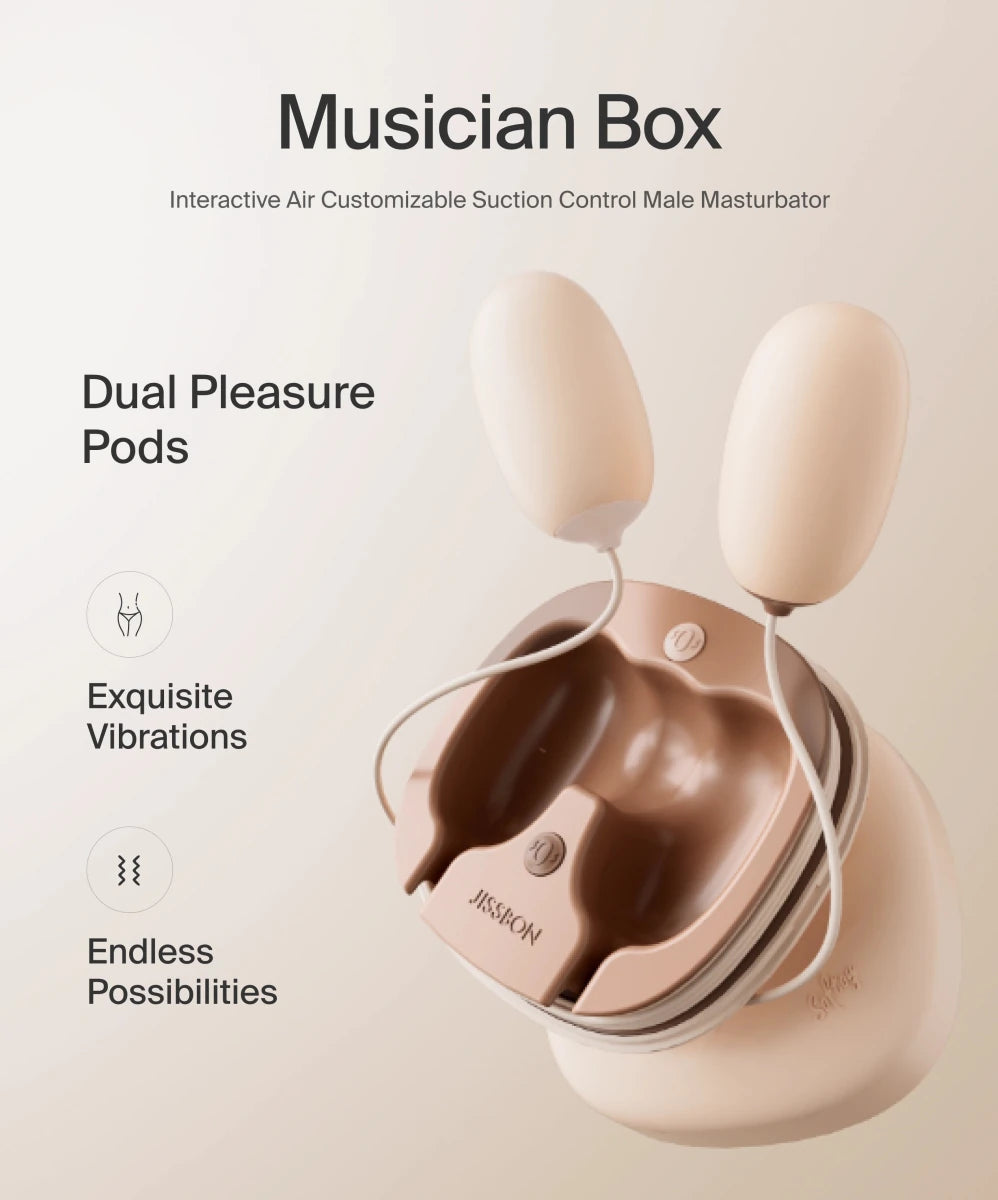
Ready to explore products enhancing verbal and physical intimacy? Discover options through sex toys for women and sex toys for men designed for shared pleasure.


Looking for something else?

Sex Positions from Behind: 8 Beyond Doggy Style
LEARN MORE
What Does a Vulva Taste Like? Facts & Myths Explained
LEARN MORE
Straddle Sex Position: 7 Variations & Tips
LEARN MORE
Mistress Slave Relationship in BDSM: Complete Guide
LEARN MORELooking for something else?

Sensual Domination: Guide to Affectionate Power Play
LEARN MORE
Best Prostate Massager for Beginners: Complete Guide
LEARN MORE
Dominant Sex Positions: 8 Power Positions & Tips
LEARN MOREYou may also like
20% off

20% off

20% off

20% off

20% off

20% off

Further reading
Automatic Male Masturbator vs Manual Stroker: Which Should You Buy?
11 Best Automatic Blowjob Machines for Men in 2026

Understanding Smoking Fetish: The Erotic Appeal of Cigarettes