























































How to Store Sex Toys: Complete Guide to Proper Storage and Organization
Stack & Save: Extra 15% with Jissbon15
Jissbon15
Proper sex toy storage extends product lifespan, maintains hygiene between uses, prevents material degradation, and protects your privacy in shared living spaces. Many people unknowingly damage expensive toys through incorrect storage methods—silicone toys touching each other can chemically react, moisture trapped in sealed containers breeds bacteria, and improper positioning warps flexible materials over time.
Understanding material-specific requirements, environmental factors affecting toy integrity, discreet storage solutions for various living situations, and organizational systems that make your collection accessible yet protected transforms toy ownership from chaotic clutter into a well-maintained wellness investment.
This comprehensive guide covers everything from immediate post-cleaning storage protocols to long-term organization strategies, material compatibility concerns, privacy solutions, and troubleshooting common storage mistakes that compromise toy safety and functionality.
How to Store Sex Toys With Batteries or Electronics
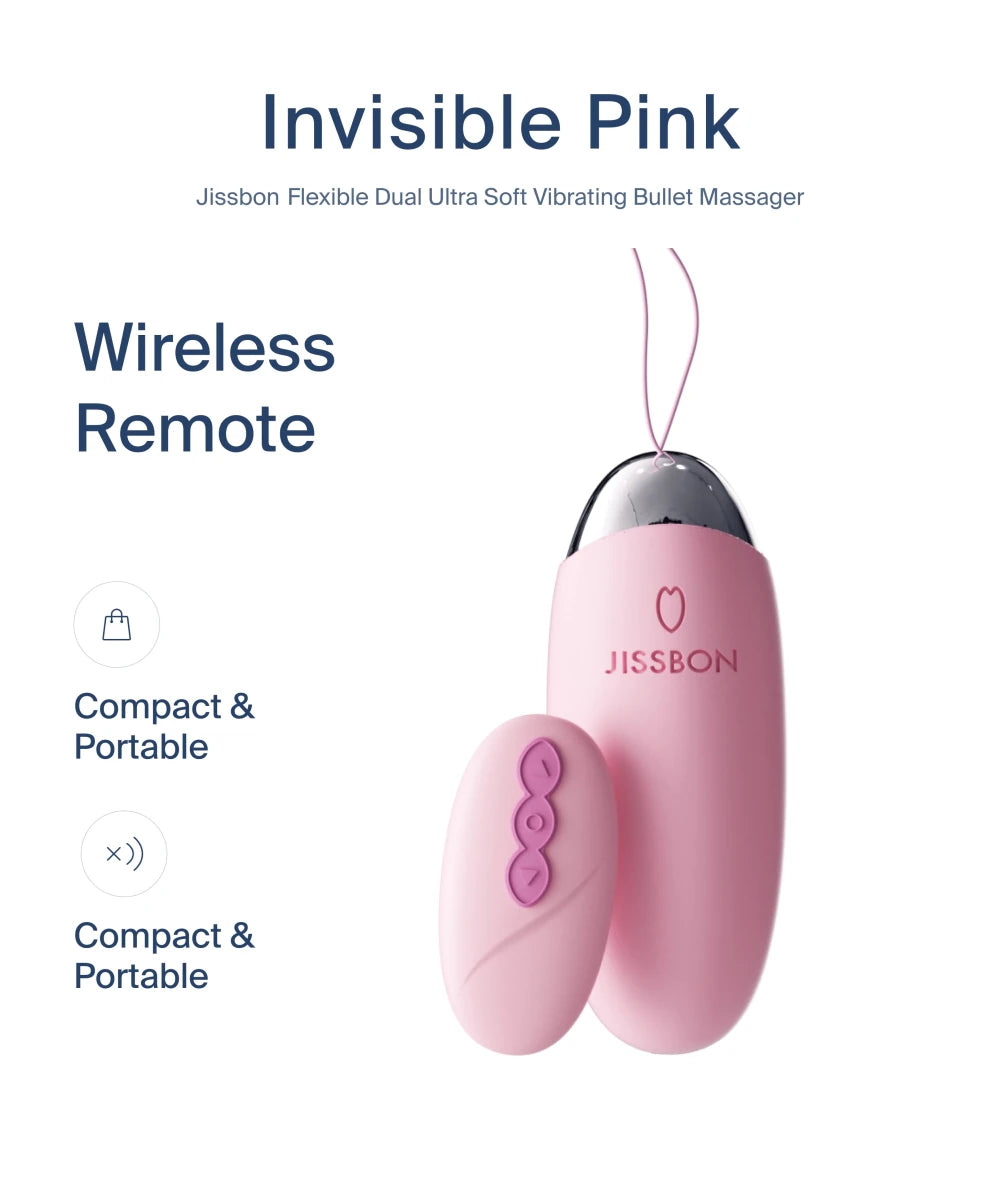
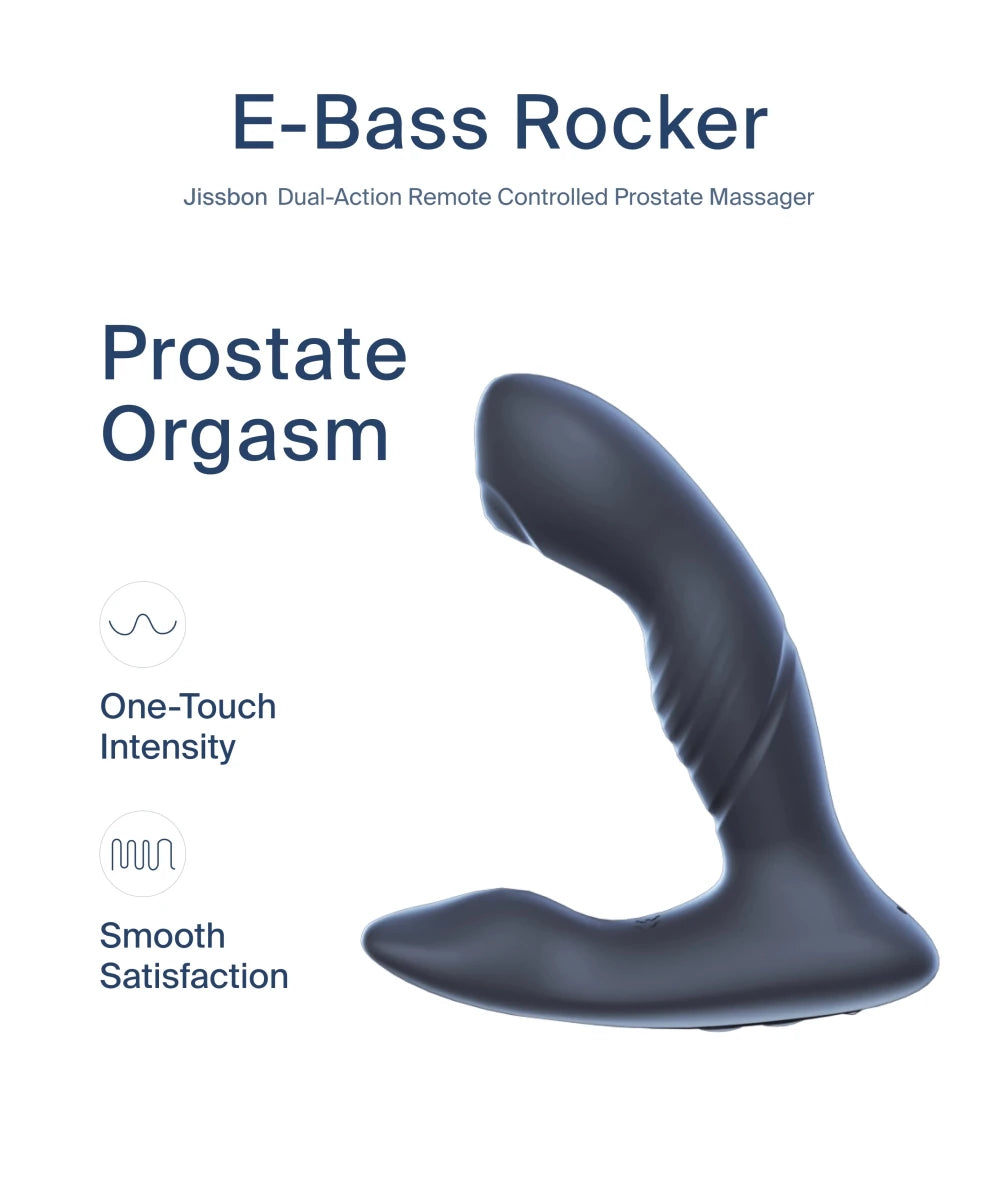
Electronic toys require extra care because moisture, dust, and temperature fluctuations affect performance more dramatically than non-electronic materials.
Key rules for storing toys with electronics:
- Remove batteries before storing. This prevents corrosion—one of the most common causes of electronic failure.
- Store fully dry and fully charged. Moisture and low battery levels stress internal circuits.
- Keep charging ports uncovered and clean. Use a dry cotton swab to clear lint or dust before storing.
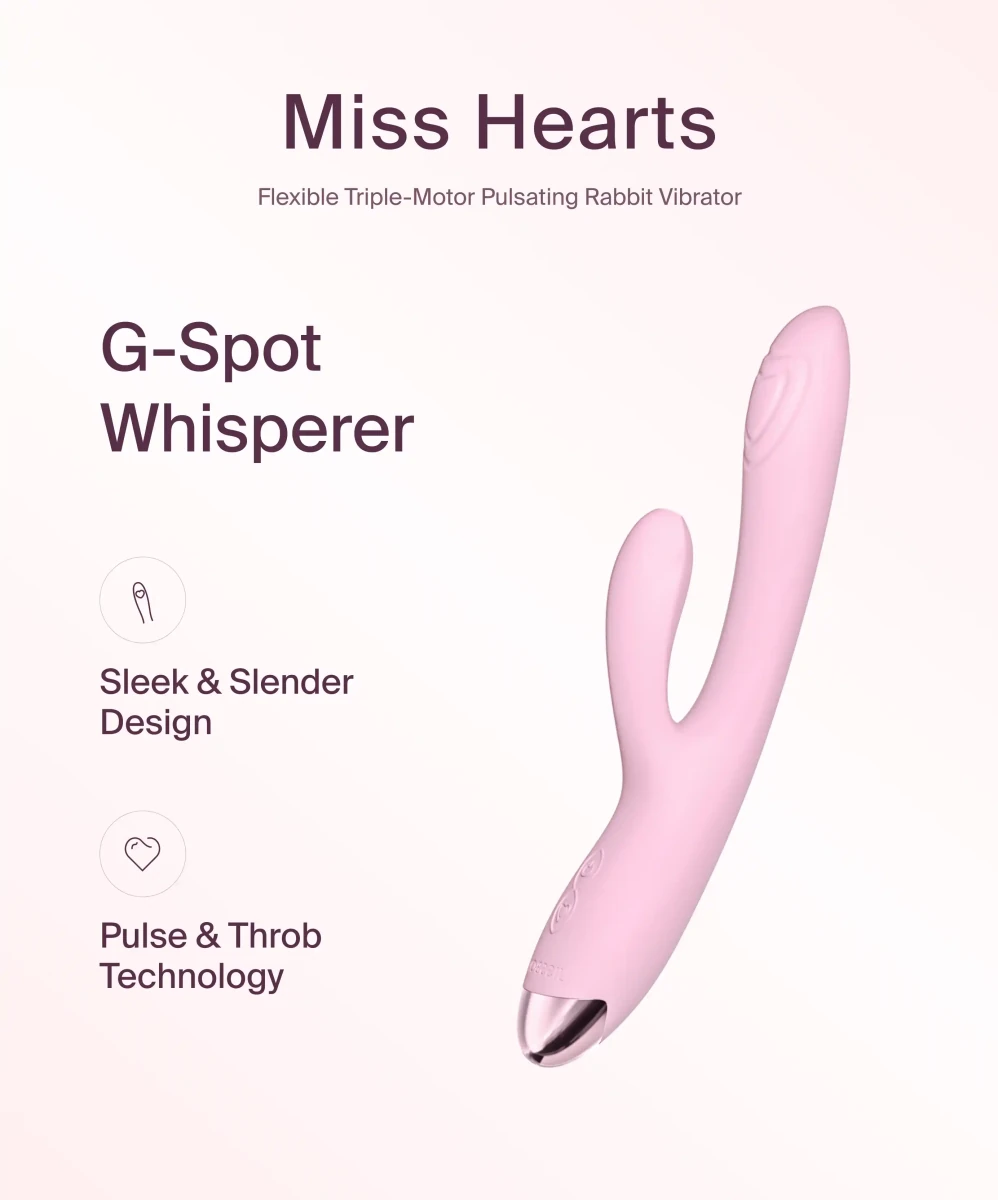
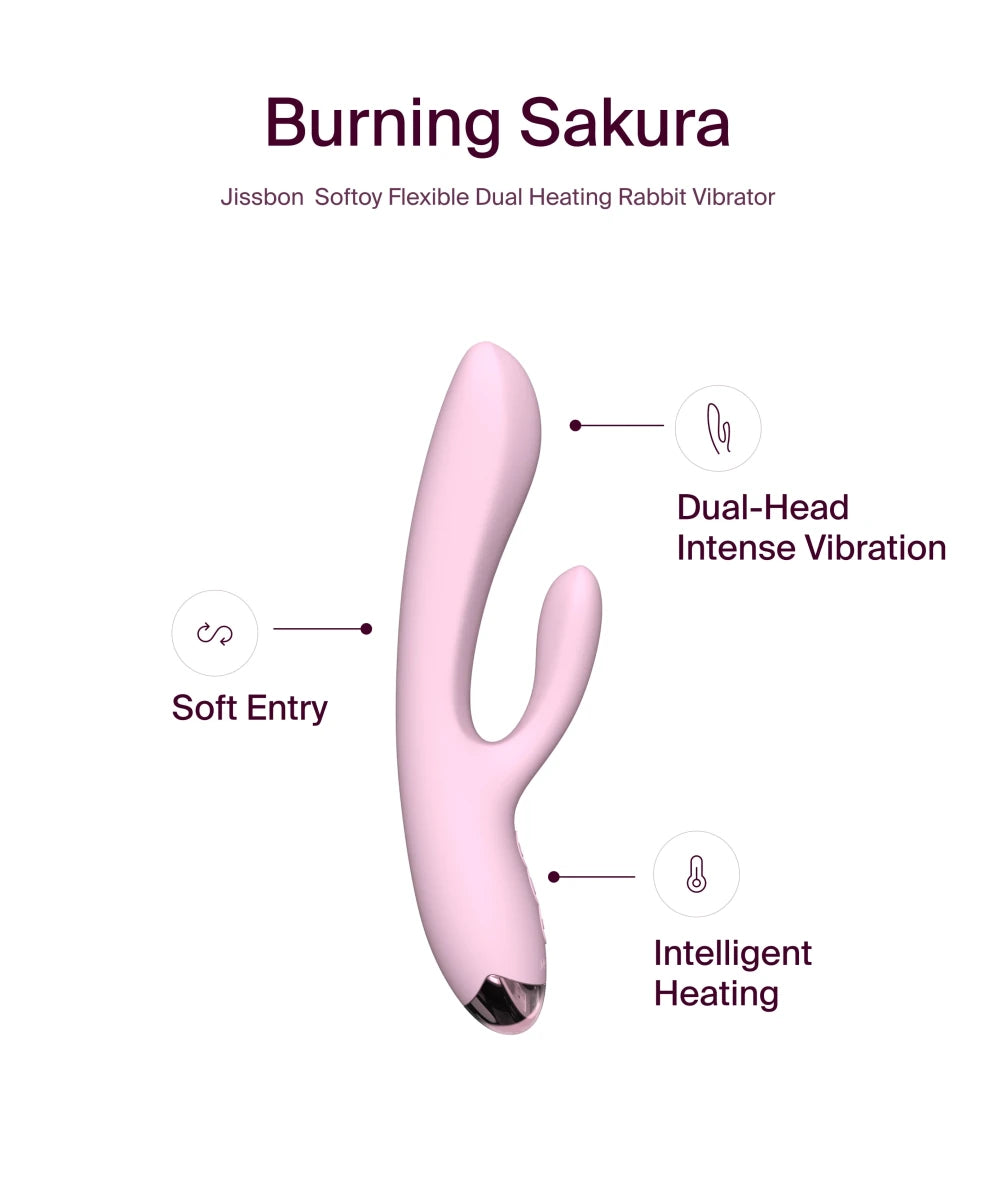
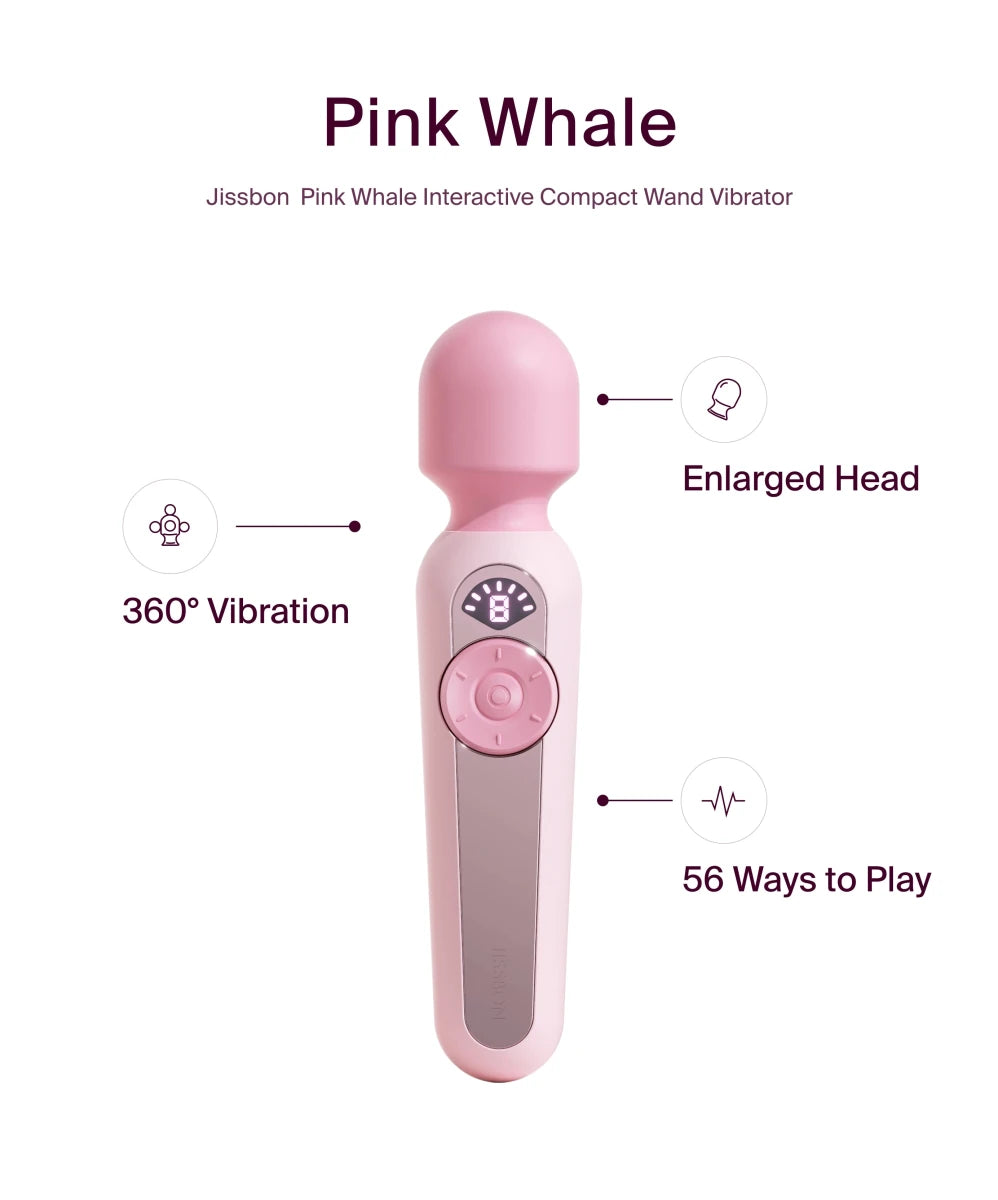
- Avoid tight bends or pressure on flexible necks (like rabbit vibrator arms or wand heads).
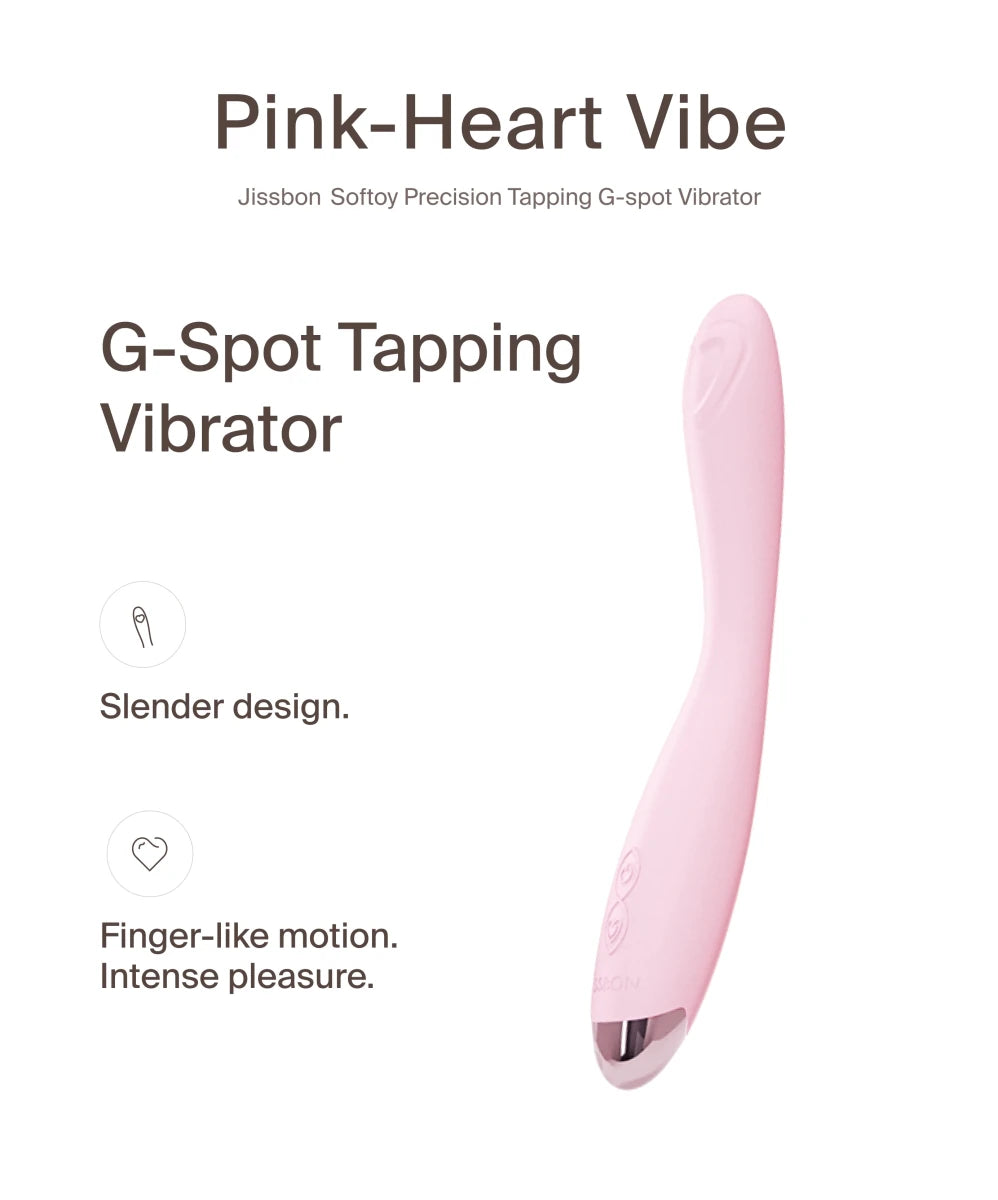
- Store upright or flat, never compressed, to prevent permanent bending of flexible silicone.
Electronics last significantly longer when stored in controlled conditions rather than crowded drawers or humid bathrooms.
Discreet Storage Ideas for Different Privacy Needs
Discretion is an important part of sex toy storage, especially if you live with family, children, roommates, or frequent guests.
For high privacy needs:
- Lockable storage boxes disguised as makeup or skincare organizers
- False-bottom drawers created with inexpensive wooden inserts
- Fireproof document safes that double as secure toy vaults
- Fabric storage cubes placed inside closets (looks like clothing storage)
For moderate privacy needs:
- Nightstand organizers with hidden compartments
- Stacked decorative boxes labeled with innocuous names (e.g., “Seasonal scarves”)
- Opaque toiletry bags stored inside duffel bags or gym totes
For minimal privacy needs:
- Under-bed rolling containers
- Open shelving with individual toy pouches
- Clear organizers inside a closed wardrobe
Why Proper Storage Matters More Than You Think

Storage affects toy safety, longevity, and your health in ways that aren't immediately obvious.
Material Integrity Preservation
Chemical reactions: Certain materials—especially different types of silicone—react when touching, causing melting, bonding, or surface deterioration that ruins both toys.
Dust and contamination: Uncovered toys accumulate dust, pet hair, lint, and airborne particles that transfer directly to your body during next use.
Physical damage: Toys stored loose in drawers knock against each other, causing chips in glass, tears in silicone, or scratches on hard plastics.
Warping and deformation: Flexible toys bent or compressed in tight spaces develop permanent shape changes that affect function and comfort.
Hygiene and Health Protection
Bacterial growth: Even cleaned toys can develop bacterial colonies if stored while damp or in humid environments.
Mold and mildew: Moisture trapped in storage containers or porous materials creates perfect conditions for fungal growth.
Cross-contamination: Storing anal and vaginal toys touching transfers bacteria between items designed for different body areas.
Material degradation breeding grounds: As materials break down, they become more porous and harbor more bacteria—improper storage accelerates this process.
Privacy and Discretion
Shared living spaces: Roommates, family members, or children accessing storage areas requires thoughtful concealment.
Professional situations: Maintenance workers, housekeepers, or movers may access your home—discrete storage prevents awkward encounters.
Personal comfort: Even living alone, many people prefer keeping intimate items organized and out-of-sight rather than visible.
Material-Specific Storage Requirements
Different toy materials have unique vulnerabilities requiring tailored approaches.
|
Material |
Storage Method |
Avoid |
Special Considerations |
|
Silicone |
Individual fabric pouches |
Contact with other silicone; sealed plastic bags |
Can react with other silicone types |
|
Glass |
Padded pouches or original boxes |
Hard surfaces; potential drop hazards |
Inspect for chips before each use |
|
Metal (stainless steel) |
Soft cloths or pouches |
Moisture without drying |
Can be stored together |
|
TPE/TPR |
Individual bags with renewal powder |
Moisture; direct contact with other toys |
Apply cornstarch after cleaning |
|
Hard plastic (ABS) |
Any dry container |
Extended moisture |
Most durable; least restrictive |
|
Jelly/rubber |
Individual bags; best replaced |
Touching any other material |
Highly reactive; short lifespan |
|
Cyberskin/realistic materials |
Original packaging with renewal powder |
Heat; moisture; contact with other toys |
Extremely delicate |
Silicone Storage: The Critical Issue
Why separation matters: Different silicone formulations use various curing agents and additives. When two incompatible silicones touch for extended periods, they can:
- Melt together partially
- Develop tacky, sticky surfaces
- Transfer color between toys
- Break down chemically, reducing lifespan
Prevention methods:
- Wrap each silicone toy individually in fabric (satin, microfiber, or cotton pouches)
- Use original packaging if it includes individual compartments
- Store in separate small boxes or bins
- NEVER store silicone toys touching each other or loose in a drawer
Exception: Toys from the same manufacturer using identical silicone formulations may be safe touching—but why risk expensive toys?
Porous Material Challenges
TPE, TPR, jelly rubber, and cyberskin:
These materials absorb moisture and fluids even after cleaning, requiring extra care:
Renewal powder application: After washing and drying completely, dust with cornstarch or specialized renewal powder. This maintains texture and creates a barrier against moisture.
Individual bagging: Each toy needs its own breathable bag or pouch. Never store porous toys touching each other—they transfer bacteria.
Replacement timeline: Even with perfect storage, porous materials last 3–12 months with regular use. Monitor for stickiness, strong odors, or discoloration indicating replacement time.
Environmental Factors Affecting Storage

Where and how you store toys matters as much as what you store them in.
Temperature Considerations
Ideal range: 60–75°F (15–24°C)
Avoid:
- Attics (extreme heat in summer)
- Unheated garages or basements (extreme cold)
- Direct sunlight (UV degrades materials, especially TPE and colored silicone)
- Near heating vents or radiators
- In cars (temperature extremes accelerate breakdown)
Effects of extremes: Heat causes warping, melting, or chemical leaching. Cold makes materials brittle and can crack rigid toys like glass.
Humidity and Moisture
Target humidity: 30–50% relative humidity
Problem areas:
- Bathrooms (steam from showers increases humidity)
- Basements (often naturally damp)
- Near kitchens (cooking creates moisture)
Solutions:
- Store in bedrooms or closets with stable climate
- Use silica gel packets in storage containers
- Ensure toys are 100% dry before storage
- Choose breathable storage over sealed plastic
Mold prevention: Never seal damp toys in airtight containers. Air circulation prevents fungal growth.
Light Exposure
UV damage: Sunlight and even bright indoor lighting degrades materials over time, particularly:
- Colored silicone (fading, weakening)
- TPE and rubber (accelerated breakdown)
- Clear materials (yellowing)
Storage locations: Choose dark spaces—drawers, closets, or opaque containers.
Storage Solutions for Different Living Situations
Your living arrangement determines optimal storage approaches.
Solo Living: Maximum Convenience
Advantages: Privacy allows visible storage if desired; no need for locks or extreme concealment.
Recommended solutions:
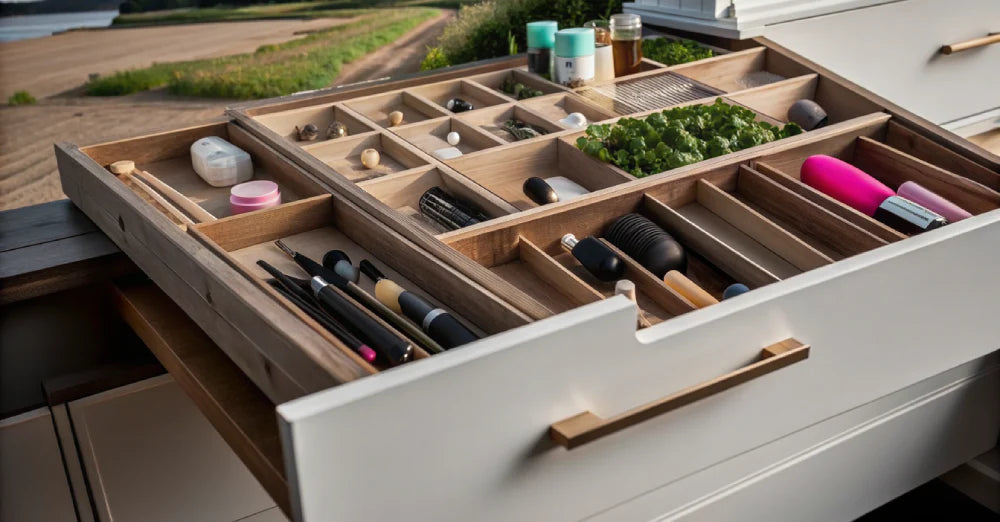
Bedside drawer or cabinet: Most accessible for frequent use. Line with fabric or use divided organizers to prevent toys from touching.
Under-bed storage: Flat boxes or rolling bins maximize unused space. Choose solid-sided containers (not mesh) for dust protection.
Closet shelving: Dedicated shelf or stackable boxes organized by toy type.
Decorative boxes: Aesthetically pleasing containers blend into bedroom decor while protecting contents.
Shared Living with Roommates
Challenges: Balancing accessibility with privacy; preventing accidental discovery.
Solutions:
Locking bedside cabinet: Small furniture piece with key or combination lock. Fits beside bed for convenience without advertising contents.
Lockable storage box: Portable containers with built-in locks. Can be placed in closet, under bed, or on shelves.
Suitcase or travel bag: Store inside a locked suitcase kept in your closet—disguises purpose while securing contents.
False-bottom drawer: DIY solution using a drawer organizer that creates hidden compartment beneath visible items.
Communication option: Some roommate relationships allow open communication about boundaries. A simple "please don't go through this drawer" may suffice.
Living with Family or Children
Critical requirement: Lockable storage is non-negotiable for child safety.
Solutions:
High shelf storage: Above children's reach in closet, but consider earthquake safety in relevant regions.
Locked cabinet or safe: Small locking cabinets designed for documents or valuables work perfectly.
Disguised containers: Boxes labeled "office supplies," "craft materials," or other mundane contents.
Master bedroom lock: Installing a lock on your bedroom door provides an additional security layer.
Vehicle storage: Some people store collections in locked car trunk or glove box—only viable in climate-controlled parking situations.
Temporary or Travel Storage
Hotels and travel:
Travel-specific cases: Discreet, lockable bags marketed for toiletries or electronics work well.
TSA considerations: If flying, understand that luggage may be inspected. Place toys in checked bags, not carry-ons, to avoid public security inspections.
Cleaning while traveling: Bring toy cleaner spray or wipes. Store used toys separately from clean ones in sealed bags.
Hostel or shared accommodations: Use lockable bags kept inside your main luggage lock. Never leave toys visible.
For information on safe sexual practices while traveling, see CDC's health recommendations.
Organization Systems: From Chaos to Clarity
Thoughtful organization makes collections functional rather than overwhelming.
Categorization Methods
By function:
- Insertables (dildos, plugs)
- External vibrators (bullets, wands)
- Couples toys (cock rings, remote-controlled)
- Accessories (lubes, cleaners, toy storage bags)
By material:
- Silicone section
- Glass and metal
- Porous materials (with replacement dates noted)
- Electronics
By frequency of use:
- Daily/weekly favorites in most accessible spots
- Occasional toys in secondary storage
- Experimental or rarely-used items in deep storage
By body area (if applicable):
- Vaginal toys
- Anal toys (NEVER mix storage between these without thorough separation)
- External/all-purpose toys
Storage Container Options
Fabric pouches:
Pros: Breathable; prevent toy-to-toy contact; washable
Cons: Offer no structure or crush protection
Best for: Soft materials like silicone; organizing within larger containers
Rigid boxes:
Pros: Protect fragile items; stackable; available in many sizes
Cons: Take up more space than soft storage
Best for: Glass, large collections, permanent storage locations
Divided organizers:
Pros: Keep toys separated within single container; maximize drawer space
Cons: Not always discrete if opened by others
Best for: Organized drawers; people living alone
Zippered bags:
Pros: Dust protection; easy labeling; various sizes
Cons: Can trap moisture if toys aren't completely dry
Best for: Individual toy storage; travel
Labeling and Tracking
Discreet labeling: Use codes only you understand—letters, numbers, or symbols rather than explicit descriptions.
Inventory tracking: For large collections, maintain a list (digital or written) noting:
- Toy name/description
- Purchase date
- Material type
- Recommended replacement date (for porous materials)
- Cleaning schedule
Rotation reminders: Set phone calendar alerts for deep-cleaning schedules or material replacement timelines.
Cleaning Before Storage: The Essential Step

Storage begins with proper cleaning. Never store toys without thorough washing.
Immediate Post-Use Protocol
Step 1: Rinse under warm running water immediately after use while fluids are still wet.
Step 2: Apply mild antibacterial soap or specialized toy cleaner to all surfaces.
Step 3: Scrub thoroughly with fingers or soft brush, focusing on textured areas, seams, and crevices.
Step 4: Rinse completely until no soap residue remains.
Step 5: Dry thoroughly with clean towel or allow to air-dry completely—this step is critical.
Material-Specific Considerations
Silicone (without electronics): Can be boiled for 3–5 minutes monthly for deep sterilization before storage.
Glass and metal: Can be washed with very hot water; some are dishwasher-safe (top rack only).
Electronics: Wipe carefully with damp cloth; never submerge unless explicitly waterproof (IPX7 rated).
Porous materials: Wash gently with mild soap; dry completely; apply renewal powder before storage.
The Dryness Requirement
Why it matters: Moisture breeds bacteria and mold. Even small amounts of water trapped in crevices cause problems over days or weeks in storage.
Verification methods:
- Pat with clean towel until no moisture transfers
- Allow to air-dry for 30+ minutes
- For textured or complex toys, use cotton swabs to check crevices
- Never store immediately after washing—always allow drying time
For detailed cleaning instructions, see comprehensive guides on proper sex toy hygiene and maintenance.
Common Storage Mistakes and How to Fix Them
Storing Toys While Damp
Problem: Moisture breeds bacteria, mold, and mildew even in "clean" toys.
Solution: Implement mandatory 30-minute air-drying period after washing. Pat with clean towels first, then leave on clean surface until completely dry.
Tossing Everything in a Drawer Together
Problem: Materials react with each other; toys get damaged from knocking together; silicone degradation from contact.
Solution: Individual pouches or bags for each toy. Divided organizers within drawers. Separate compartments for different materials.
Using Sealed Plastic Bags
Problem: Traps moisture; prevents air circulation; creates perfect mold-growing environment.
Solution: Switch to breathable fabric bags, mesh pouches, or boxes with ventilation holes. If using bags, leave partially open or use bags with breathable panels.
Storing in Bathrooms
Problem: High humidity from showers; temperature fluctuations; moisture exposure.
Solution: Move collection to bedroom drawer, closet, or under bed. If bathroom storage is unavoidable, use dehumidifier and ensure airtight containers with silica gel packets.
Ignoring Material Reactions
Problem: Different silicones melting together; jelly toys degrading other materials they touch.
Solution: Learn your toys' materials. Create physical separation between all toys, especially silicone and jelly rubber items.
Forgetting About Long-Term Storage
Problem: Toys stored months or years without inspection develop unnoticed issues (battery corrosion, material breakdown, mold growth).
Solution: Inspect stored toys quarterly. Check batteries; look for material changes; ensure pouches remain clean; verify no moisture accumulation.
Special Storage Situations
Large or Bulky Toys
Challenge: Oversized dildos, full-body harnesses, or machines don't fit standard storage.
Solutions:
- Under-bed storage boxes with height clearance
- Dedicated closet shelves
- Large fabric bags hung on hooks
- Original packaging if sufficiently discreet
Collections with Many Items
Organization strategies:
- Multi-drawer rolling carts (label drawers discretely)
- Stackable storage boxes with inventory lists
- Rotating active collection (keep 3–5 favorites accessible; store rest separately)
- Photographing contents of sealed boxes for quick reference
Shared Toys with Partner(s)
Hygiene considerations:
- Barrier methods (condoms) for shared use
- Sterilization between partners (boiling for appropriate materials)
- Clear labeling of dedicated vs. shared items
- Agreement on storage protocols both partners follow
Frequently Asked Questions
Can I store sex toys in the refrigerator or freezer?
No. Extreme cold affects material elasticity, causes micro-cracking in silicone, and weakens internal components in electronic toys. Refrigerators also produce condensation, which introduces moisture that encourages bacterial growth once the toy warms. Always store sex toys at stable room temperature.
Is it safe to store sex toys in their original packaging?
Yes—if the original box is breathable, padded, and free of moisture. Many high-end brands include protective inserts ideal for long-term storage. However, inexpensive cardboard boxes can trap humidity or deteriorate over time. If packaging isn't durable, replace it with fabric pouches or structured containers.
How do I prevent silicone toys from getting sticky in storage?
Stickiness often indicates silicone interacting with incompatible materials or degrading due to humidity. Store silicone toys in individual breathable pouches, away from direct sunlight, and in moderate temperature. If a toy becomes slightly tacky, wash and dry thoroughly—then dust lightly with cornstarch before storing.
Should I store sex toys vertically or horizontally?
Either is safe depending on toy shape and flexibility. Rigid toys (glass, stainless steel, ABS plastic) can be stored vertically without issue. Flexible toys (silicone, dual-motor vibrators, strokers) are best stored horizontally to avoid bending that can warp their shape over time.
What’s the safest way to store toys used for anal and vaginal play?
Store them in separate pouches or compartments to prevent bacterial cross-contamination. Labeling or color-coding bags helps you identify which toys are dedicated to each type of play. Even with proper cleaning, separation ensures an additional hygiene buffer.
How should you store sex toys to prevent damage?
Store each toy individually in breathable fabric pouches or bags to prevent material reactions and dust accumulation. Keep in cool (60–75°F), dry locations away from direct sunlight. Never store silicone toys touching each other or other materials. Ensure toys are completely dry before storage. Avoid sealed plastic containers that trap moisture—use breathable fabric, divided boxes, or pouches instead.
Can you store sex toys in plastic bags?
Not ideal. Sealed plastic bags trap moisture and prevent air circulation, creating environments for bacterial and mold growth. If you must use plastic, leave bags partially open or use bags with ventilation. Breathable fabric pouches are superior—they protect toys from dust while allowing air circulation that prevents moisture buildup and maintains material integrity.
What's the best way to store silicone dildos?
Wrap each silicone dildo individually in a soft fabric pouch (satin, microfiber, or cotton) to prevent different silicone formulations from reacting chemically. Never store silicone toys touching each other or loose in drawers. Keep in cool, dark, dry locations. For long-term storage, original packaging often works well. Inspect quarterly for tackiness or surface changes indicating material degradation.
How do you organize a large sex toy collection?
Use categorization systems: group by material type, function, or frequency of use. Store in divided drawer organizers, stackable boxes, or multi-drawer rolling carts. Label containers discretely using codes or symbols. Maintain an inventory list noting purchase dates and replacement timelines for porous materials. Keep frequently-used favorites most accessible while storing occasional-use items in secondary locations.
Should sex toys be stored in the bathroom?
No. Bathrooms have high humidity from showers, temperature fluctuations, and moisture exposure—all harmful to toy materials and breeding grounds for bacteria and mold. Store in bedroom drawers, closets, or under-bed containers instead. If bathroom storage is unavoidable, use completely airtight containers with silica gel packets and place dehumidifiers in the room.
How often should you replace stored sex toys?
Depends on material. Porous materials (TPE, jelly rubber, cyberskin) require replacement every 3–12 months even with perfect storage. Medical-grade silicone lasts 5–10+ years. Glass and stainless steel last indefinitely if undamaged. Inspect all stored toys quarterly for tears, cracks, discoloration, strong odors, or tackiness—replace immediately if any appear regardless of age.
Can you store anal and vaginal toys together?
Only if individually wrapped and separated to prevent bacterial transfer. Never store toys that contact different body areas touching each other. Use different colored pouches or labeled bags to distinguish anal from vaginal toys. Better practice: store in completely separate containers or drawer sections. Always verify you're grabbing the correct toy before use.
Maintain Your Investment Through Proper Care
Proper sex toy storage protects your health, extends product longevity, and maintains privacy across various living situations.
By understanding material-specific requirements, implementing organizational systems that keep toys separated and accessible, choosing storage locations with appropriate environmental conditions, and establishing cleaning protocols before storage, you transform toy ownership from a potential hygiene concern into a well-maintained aspect of sexual wellness.
The minimal time investment—individual pouching, designated storage locations, and quarterly inspections—delivers substantial returns through infection prevention, financial savings from extended toy lifespans, and peace of mind that your intimate products remain safe, clean, and ready for use whenever desired.


Looking for something else?

What Is Flogging in Sex? Complete BDSM Flogging Guide
LEARN MORE
What Does Overstimulated Mean Sexually? Causes & Solutions
LEARN MORE
Can You Get a Tattoo on Your Vagina? Safety, Pain & What to Expect
LEARN MORE
Public Sex Kink: Understanding Exhibitionism & Safe Exploration
LEARN MORELooking for something else?

A-Spot Orgasm: Best Positions & How to Find It
LEARN MORE
Bondage Play: Complete Beginner's Guide to Rope BDSM
LEARN MORE
Vibrator Stories: Real Experiences, Tips & What to Expect
LEARN MOREYou may also like
20% off

20% off

20% off

20% off

20% off

20% off

Further reading

How to Clean an Automatic Blowjob Machine Without Damaging the Motor

Remote-Controlled Automatic Masturbators for Couples and Solo Play
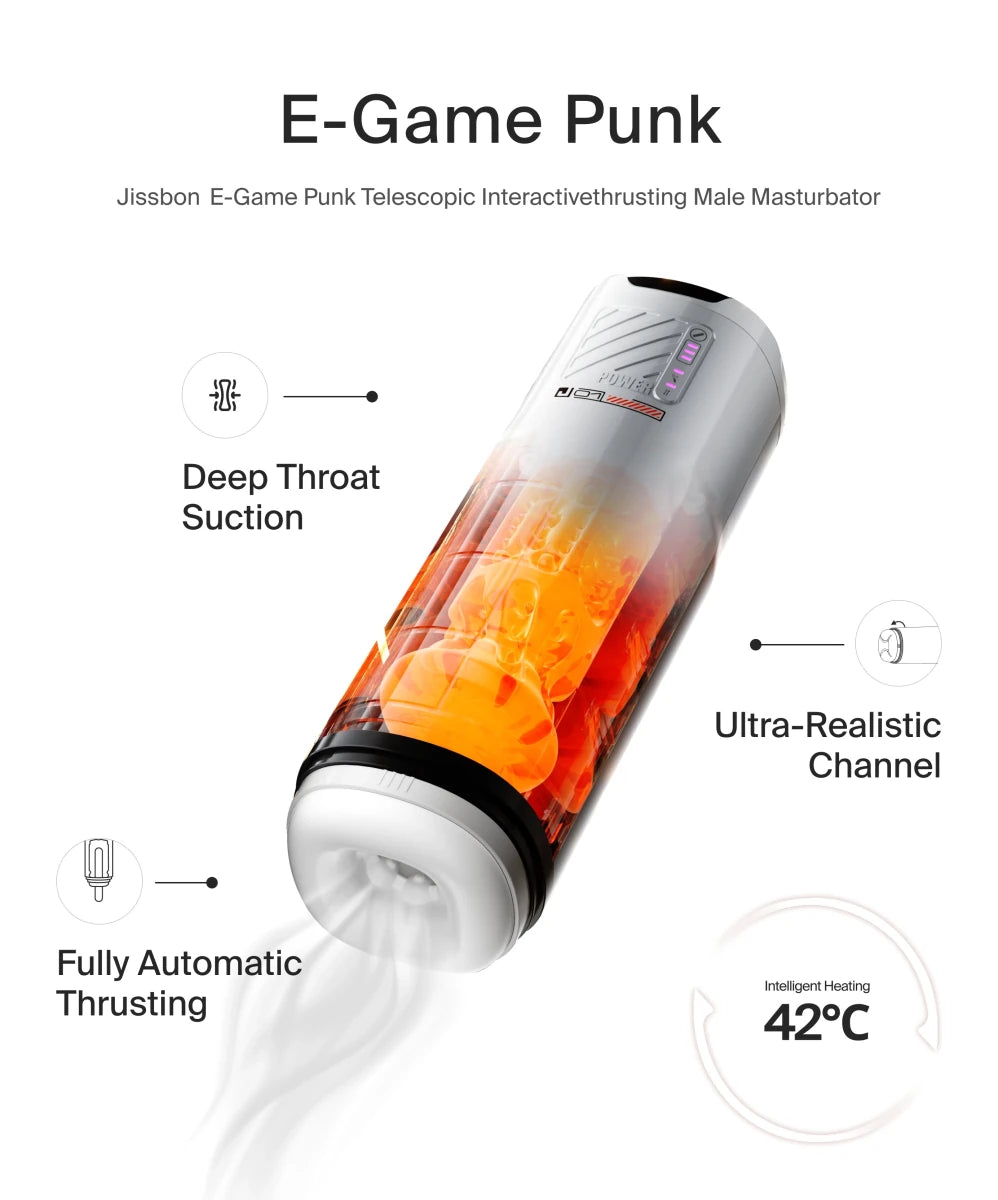
Best Automatic Strokers for Edging and Stamina Training