































































































How to Plan a BDSM Scene: Complete Guide
Stack & Save: Extra 15% with Jissbon15
Jissbon15
Planning a BDSM scene might feel overwhelming at first, but proper preparation is what separates incredible experiences from disappointing or unsafe ones. Whether you're writing your first BDSM script or refining your approach, understanding scene structure, negotiation, and safety protocols is essential.
This guide walks you through everything you need to know about BDSM scene planning—from initial negotiation and creating BDSM scripts to execution and aftercare. You'll learn how to map out satisfying sessions that prioritize consent, communication, and mutual pleasure for both dominants and submissives.
Who Should Plan BDSM Scenes?
BDSM scene planning benefits everyone involved in power exchange dynamics. Here's who should invest time in proper planning:
- New BDSM practitioners – Beginners need structure to explore safely and build confidence.
- Established D/s partnerships – Regular planning prevents scenes from becoming repetitive or predictable.
- People exploring new kinks – Testing unfamiliar activities requires careful preparation and risk assessment.
- Long-distance couples – Planned scenes work well for scheduled video sessions or when reuniting.
- Professional dominants – Clear scripts ensure client satisfaction and safety.
- Anyone prioritizing safety – Planning identifies potential risks before they become problems.
Even experienced practitioners benefit from scene planning. It creates anticipation, ensures everyone's needs are met, and provides a safety framework.
What Is a BDSM Scene? Understanding the Basics

A BDSM scene is a planned period of kinky play with defined boundaries, activities, and roles. It has a clear beginning, middle, and end—much like a theatrical performance.
Key Elements of a BDSM Scene
- Negotiation – Discussing desires, limits, and boundaries before play begins.
- Roles – Identifying who takes dominant, submissive, or switch positions.
- Activities – Specific kinks, positions, or sensations you'll explore.
- Safety protocols – Safewords, check-ins, and emergency procedures.
- Aftercare – Physical and emotional care after the scene ends.
Scenes can last anywhere from 15 minutes to several hours, depending on complexity and energy levels.
Why Plan Instead of Improvising?
While spontaneous play has its place, planned scenes offer:
- Better communication – Everyone knows what to expect and can voice concerns beforehand.
- Reduced anxiety – Submissives can relax into the experience instead of worrying about unexpected activities.
- Increased satisfaction – Planning ensures everyone's desires are addressed.
- Enhanced safety – Risk assessment happens before anyone is vulnerable.
Step 1: Pre-Scene Negotiation & Consent

Negotiation is the foundation of ethical BDSM. This is where you discuss desires, boundaries, and logistics before any play begins.
What to Discuss During Negotiation
Create a safe space for honest conversation. Cover these topics:
- Desires and fantasies – What does each person want to experience?
- Hard limits – Activities that are absolutely off-limits (e.g., no blood play, no name-calling).
- Soft limits – Activities that might be okay under certain conditions (e.g., anal play only with specific lube).
- Physical or mental health concerns – Injuries, triggers, medications, or conditions that affect play.
- Safewords – Agree on words or signals to pause or stop immediately.
- Aftercare needs – What does each person need emotionally and physically after the scene?
Safeword System
The traffic light system is popular and easy to remember:
|
Safeword |
Meaning |
|
Green |
"I'm good, keep going" |
|
Yellow |
"Slow down, check in with me" |
|
Red |
"Stop immediately" |
For non-verbal situations (e.g., gags), use hand signals: dropping an object, snapping fingers twice, or tapping repeatedly.
Consent Is Ongoing
Consent given during negotiation isn't permanent. Anyone can change their mind at any point during the scene. Check in regularly and respect all safeword usage without judgment.
Step 2: Writing a BDSM Script (Scene Outline)
A BDSM script is a roadmap for your scene. It doesn't need to be rigid—think of it as a flexible framework that allows for spontaneity.
Basic Scene Structure (3-Act Format)
Most successful BDSM scenes follow a three-act structure:
|
Act |
Phase |
Activities |
Duration |
|
Act 1 |
Warm-up |
Light touch, teasing, establishing roles |
10–20% |
|
Act 2 |
Intensity |
Main activities, peak sensations |
60–70% |
|
Act 3 |
Cool-down |
Gentler touch, reconnection, transition to aftercare |
10–20% |
Example BDSM Script Template
Scene Goal: Sensory deprivation and edging for the submissive.
Act 1: Warm-Up (15 minutes)
- Submissive kneels and recites their desires.
- Dominant applies blindfold and restraints.
- Light touching with feathers and hands to build anticipation.
Act 2: Intensity (30 minutes)
- Introduce ice cubes and warm wax for temperature play.
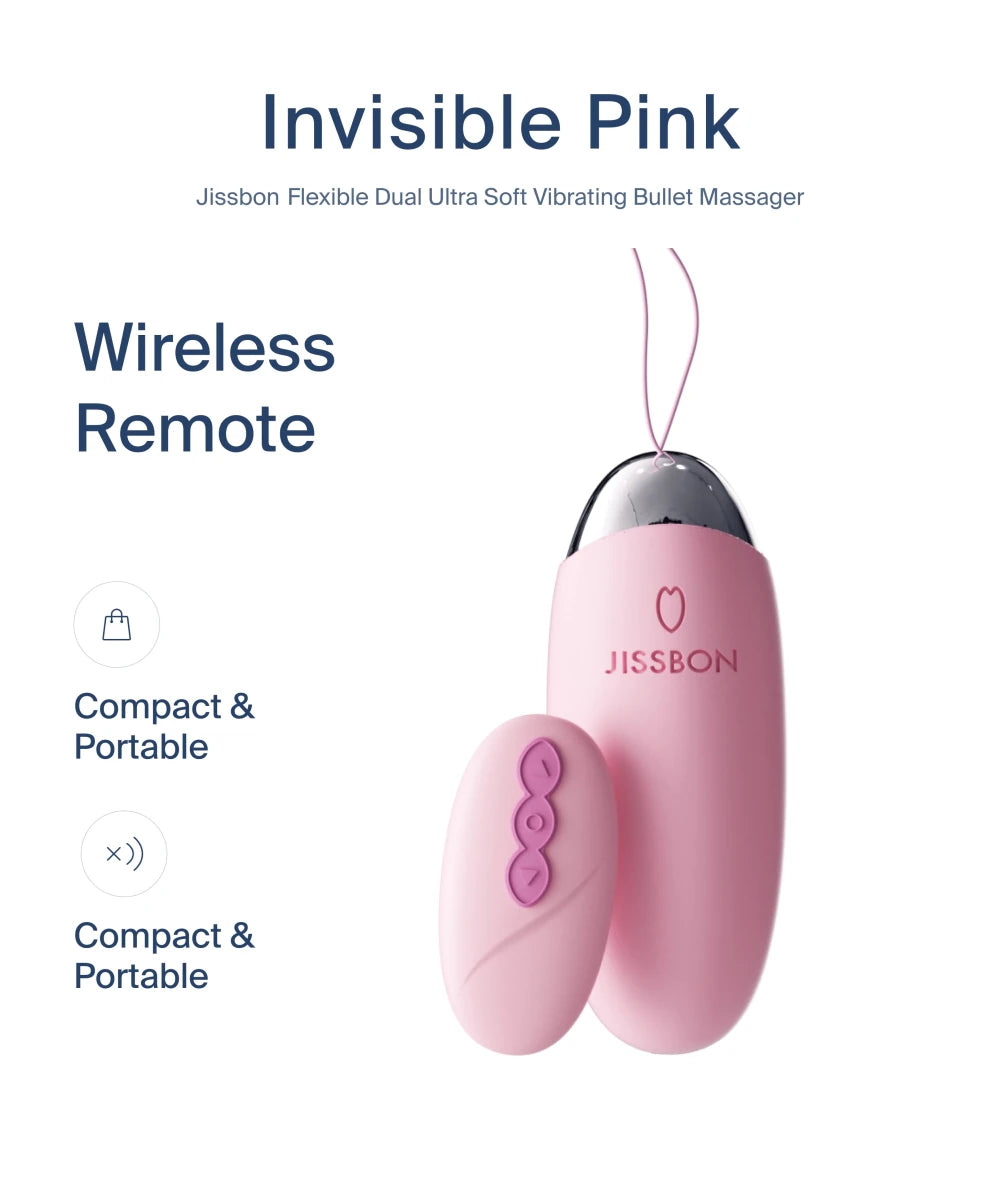
- Use a remote controlled vibrator for edging (bring close to orgasm, then stop).
- Alternate between pleasure and mild impact play (spanking with hand or paddle).
- Verbally tease and deny orgasm 3–4 times.
Act 3: Cool-Down (15 minutes)
- Remove blindfold gradually, allowing eyes to adjust.
- Gentle massage and praise.
- Allow orgasm as a reward.
- Transition to aftercare (cuddles, water, blanket).
Scripting Tips
- Be specific but flexible – Outline key moments but allow room for improvisation.
- Include sensory variety – Mix pain/pleasure, hot/cold, soft/hard to keep the submissive engaged.
- Plan check-in points – Mark moments to verbally confirm consent and comfort.
- Prepare props in advance – Have all toys, restraints, and supplies within reach before starting.
Step 3: Gathering Supplies & Setting the Scene
Physical preparation prevents interruptions and keeps everyone in the moment.
Essential BDSM Scene Supplies
|
Category |
Items |
|
Safety |
Safeword cards, safety scissors (for cutting rope), first aid kit |
|
Restraints |
Cuffs, rope, bondage tape, under-bed restraints |
|
Impact Play |
Paddles, floggers, crops, hands |
|
Sensation Play |
Feathers, ice, wax candles, pinwheels |
|
Sex Toys |
Vibrators, dildos, anal toys, cock rings |
|
Aftercare |
Water, snacks, blankets, massage oil, tissues |
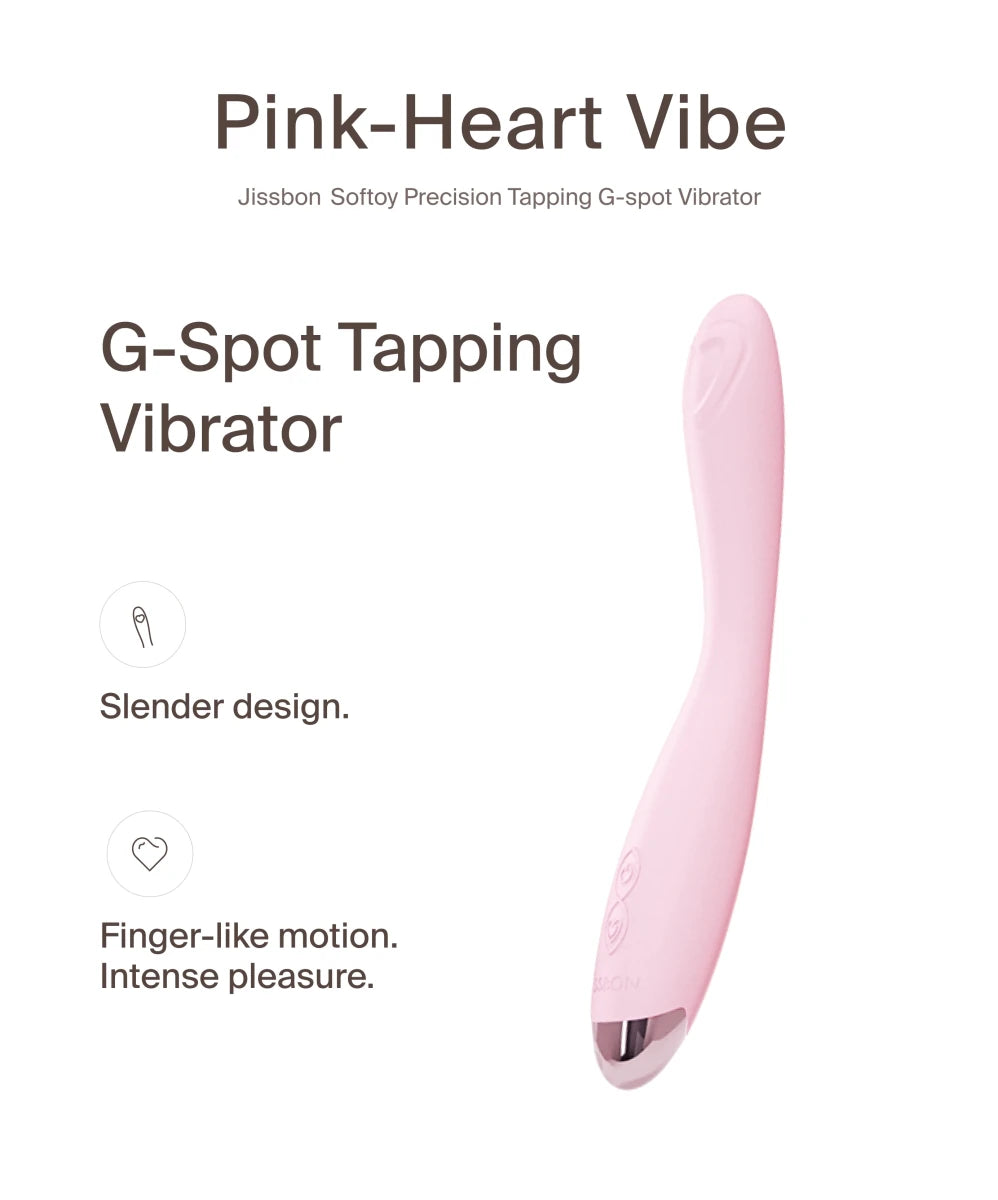
Explore body-safe toys at Jissbon for all your scene planning needs.
Preparing the Physical Space
- Clean and declutter – Remove distractions and ensure adequate space for movement.
- Set the mood – Dim lights, play background music, light candles (if not using wax play).
- Have supplies within reach – Use a bedside table or tray to hold everything you need.
- Ensure privacy – Lock doors, silence phones, and minimize interruptions.
Pre-Scene Physical Prep
- Hygiene – Both partners should shower and use the bathroom beforehand.
- Warmup – Light stretching prevents muscle cramps during bondage or stress positions.
- Hydration – Drink water before starting; intense scenes can be physically demanding.
Step 4: Executing Your BDSM Scene
Now it's time to bring your BDSM script to life. Here's how to execute smoothly and safely.
Starting the Scene
- Set the tone – Begin with a ritual (kneeling, reciting rules, putting on a collar) to signal the scene has started.
- Establish roles – Use honorifics (Sir, Mistress, Master) or pet names to reinforce power dynamics.
- Start slow – Begin with Act 1 activities to build arousal and comfort.
During the Scene
- Follow your script loosely – Use it as a guide, but stay responsive to your partner's reactions.
- Check in regularly – Ask "What color are you at?" (green/yellow/red) or "How are you feeling?"
- Watch body language – Trembling, excessive sweating, or going limp may signal distress even without a safeword.
- Adjust as needed – If something isn't working, pivot to a different activity without breaking the mood.
Reading Your Partner's Signals
Pay attention to non-verbal cues:
- Positive signs – Moaning, arching into touch, relaxed breathing, engaged eyes.
- Warning signs – Shallow breathing, tension, silence, avoiding eye contact, numbness.
If you notice warning signs, slow down or check in verbally.
Ending the Scene
Mark the scene's end clearly:
- Verbal announcement – Say "Scene is over" or "You did so well."
- Remove restraints/blindfolds – Do this slowly and gently.
- Physical reconnection – Hug, hold hands, or cuddle to transition out of roles.
Step 5: Aftercare Is Non-Negotiable
Aftercare is the emotional and physical care provided after a BDSM scene ends. It's essential for both dominants and submissives.
Why Aftercare Matters
BDSM scenes trigger intense physical and emotional responses. Aftercare helps:
- Process emotions – Prevent subdrop (emotional crash) or topdrop (dominant's version).
- Reconnect as equals – Transition out of power roles back to partnership.
- Ensure physical safety – Check for injuries, bruising, or circulation issues.
Aftercare Activities
For Submissives:
- Wrap in a warm blanket.
- Offer water and a light snack (chocolate, fruit).
- Provide physical comfort (cuddling, gentle massage).
- Praise and reassurance ("You were amazing," "I'm so proud of you").
- Give them space if they need to cry or process emotions.
For Dominants:
- Submissives should check in: "How are you feeling?" "Did anything concern you?"
- Offer reassurance that they didn't hurt or cross boundaries.
- Physical comfort (cuddling, holding hands).
- Space to decompress if needed.
Follow-Up Aftercare (Next Day)
- Send a text: "How are you feeling today?"
- Debrief the scene: What worked? What didn't?
- Discuss any physical marks, soreness, or emotional responses.
- Plan adjustments for future scenes.
Common BDSM Scene Mistakes (And How to Avoid Them)

Even experienced practitioners make errors. Here's what to watch for:
Skipping Negotiation
Assuming you know what your partner wants leads to violated boundaries and hurt feelings. Always negotiate, even with long-term partners.
Overly Rigid Scripts
Sticking too strictly to a BDSM script kills spontaneity and prevents responding to your partner's needs. Use scripts as guides, not gospel.
Ignoring Safewords
Dismissing a safeword—even once—destroys trust and can cause trauma. Respect all safewords immediately and without judgment.
Forgetting Dominant Aftercare
Dominants need care too. Topdrop is real and can cause guilt, anxiety, or emotional withdrawal. Make sure both partners receive aftercare.
Not Having Safety Tools
Forgetting safety scissors (for rope) or first aid supplies can turn minor issues into emergencies. Always have safety tools within reach.
BDSM Scene Ideas for Different Experience Levels
Beginner Scene Ideas
- Sensory exploration – Blindfold your partner and use different textures (silk, ice, feathers).
- Light bondage – Wrist cuffs or under-bed restraints paired with teasing.
- Spanking – Use hands or a soft paddle for impact play.
Intermediate Scene Ideas
- Orgasm control – Use a remote controlled vibrator to edge your partner.
- Role-play – Teacher/student, boss/employee, or doctor/patient scenarios.
- Temperature play – Alternate ice cubes and warm wax.
Advanced Scene Ideas
- Rope bondage (Shibari) – Intricate ties that create beautiful patterns and intense sensations.
- Multiple sensation scenes – Combine impact, temperature, and electrical stimulation.
- Extended power exchange – 24/7 protocols or weekend-long scenes.
Explore sex toys for couples to enhance any scene.
Safety Considerations for BDSM Scenes

Physical Safety
- Avoid neck/throat pressure – Choking and breathplay carry high risks. Only attempt with extensive training.
- Monitor circulation – Check restraints every 10–15 minutes. Tingling or numbness means circulation is compromised.
- Use body-safe materials – Avoid porous toys, rusty metal, or rough materials that can cause injury.
Emotional Safety
- Respect triggers – If your partner has trauma, avoid triggering scenarios without explicit consent.
- Allow processing time – Some people need hours or days to process intense scenes.
- Never pressure – If someone says no or uses their safeword, accept it gracefully.
Frequently Asked Questions
What is a BDSM scene and how long does it last?
A BDSM scene is a planned period of kinky play with defined roles, activities, and boundaries. Scenes typically last 30 minutes to 2 hours, though some extended scenes can last an entire day or weekend. Duration depends on energy levels, intensity, and agreed-upon limits.
Do I need a BDSM script for every scene?
No, but scripting helps beginners build confidence and ensures safety. Experienced partners might improvise more, but even they benefit from discussing goals and boundaries beforehand. Scripts create structure while allowing flexibility.
What if my partner ignores our safeword?
Ignoring a safeword is a serious violation of consent. Stop all BDSM activity with that partner immediately. Discuss the violation when safe and calm. If the behavior continues, end the relationship—this is abuse, not BDSM.
How do I handle subdrop or topdrop after a scene?
Subdrop (emotional crash after being submissive) and topdrop (dominant's version) are common. Combat them with aftercare: cuddling, water, snacks, reassurance, and rest. If symptoms persist beyond 48 hours, consider speaking with a kink-aware therapist.
Can I plan a BDSM scene for long-distance play?
Yes! Use video calls, app-controlled toys, and detailed scripts sent in advance. Agree on safewords and check-in methods. Schedule scenes when both partners have privacy and time. Long-distance scenes require extra communication but can be very satisfying.
What toys are best for beginner BDSM scenes?
Start with soft cuffs, blindfolds, and gentle impact toys like paddles or hands. Add vibrators for pleasure, and consider remote controlled toys for power exchange. Avoid intense toys (heavy floggers, electrostimulation) until you build experience.
Conclusion
Learning how to plan a BDSM scene transforms your kink experiences from chaotic to intentional, safe, and deeply satisfying. By creating clear BDSM scripts, negotiating thoroughly, and prioritizing aftercare, you'll build trust and explore your desires confidently.
Ready to enhance your scenes? Explore our curated collection of sex toys for couples and discover tools designed for every level of play.


Looking for something else?

What Is Flogging in Sex? Complete BDSM Flogging Guide
LEARN MORE
What Does Overstimulated Mean Sexually? Causes & Solutions
LEARN MORE
Can You Get a Tattoo on Your Vagina? Safety, Pain & What to Expect
LEARN MORE
Public Sex Kink: Understanding Exhibitionism & Safe Exploration
LEARN MORELooking for something else?

A-Spot Orgasm: Best Positions & How to Find It
LEARN MORE
Bondage Play: Complete Beginner's Guide to Rope BDSM
LEARN MORE
Vibrator Stories: Real Experiences, Tips & What to Expect
LEARN MOREYou may also like
20% off

20% off

20% off

20% off

20% off

20% off

Further reading

How to Clean an Automatic Blowjob Machine Without Damaging the Motor

Remote-Controlled Automatic Masturbators for Couples and Solo Play

Best Automatic Strokers for Edging and Stamina Training