























































How to Masturbate in College: Navigating Privacy in Shared Spaces
Stack & Save: Extra 15% with Jissbon15
Jissbon15
College life often means sharing tight quarters with roommates, thin walls, and unpredictable schedules. Masturbation is a normal, healthy part of self-care and sexual wellness, but finding privacy in a dorm requires planning, communication, and creativity.
This guide covers practical strategies for maintaining your intimate routine while respecting shared living arrangements and building mutual understanding with roommates.
Whether you're adjusting to dorm life for the first time or looking for better solutions mid-semester, these approaches help you balance personal needs with communal respect.
Why Privacy Matters in College Living

Masturbation offers physical and mental health benefits that are especially valuable during stressful academic periods:
- Stress relief during exams, assignments, and social pressures
- Better sleep quality when dealing with irregular schedules or anxiety
- Mood regulation through endorphin release and hormone balance
- Body awareness and understanding your own pleasure without external pressure
- Self-sufficiency in meeting your sexual needs independent of relationship status
- Tension release from physical discomfort or pent-up energy
Respecting your need for privacy while honoring your roommate's comfort creates a foundation for healthy cohabitation throughout your college experience.
Understanding Your Living Situation
Different housing arrangements require tailored approaches.
|
Housing Type |
Privacy Level |
Key Challenges |
Best Strategies |
|
Traditional dorm (shared room) |
Low |
Roommate always present; thin walls |
Schedule coordination; bathroom options; late-night timing |
|
Suite-style (shared common area) |
Medium |
Private bedroom but shared bathroom |
Room lock; noise awareness; timing around suite schedules |
|
Apartment-style |
Medium-High |
Separate bedrooms; shared living space |
Bedroom privacy; communicate boundaries; use headphones |
|
Single dorm room |
High |
Thin walls; hallway noise carries |
Soundproofing; music or white noise; considerate timing |
Understanding your specific setup helps you develop realistic strategies rather than attempting solutions that don't fit your environment.
How to Talk to Your Roommate About Privacy
Open communication prevents awkwardness and establishes mutual respect.
Start the Conversation Early
Address privacy needs during initial roommate discussions, ideally within the first week. Frame it as general alone time rather than explicitly sexual—most people understand the need for personal space without detailed explanations.
Use Neutral Language
"I'd like to establish some privacy signals so we both get alone time when needed. How about we use a sock on the door handle or text each other?"
Avoid graphic details. Keep the conversation practical and respectful.
Establish Clear Signals
Common systems include:
- Door sock or tie: Traditional but obvious indicator
- Text message: "Need the room for an hour—okay to come back at 3?"
- Shared calendar: Block personal time without specifying activities
- Closed door policy: Agree that a closed door means knock and wait
- Headphones rule: Wearing headphones signals "do not disturb"
Set Boundaries Both Ways
Your roommate needs privacy too. Agree on fair time allocation and respect their signals as you expect them to respect yours. Reciprocity builds trust.
Address Issues Promptly
If someone violates agreements, address it calmly: "Hey, remember our privacy signal? I'd appreciate you checking before entering next time." Most conflicts resolve with gentle reminders rather than confrontation.
For additional guidance on healthy communication in shared spaces, see resources on setting boundaries in relationships and living situations.
Practical Strategies for Finding Privacy in Dorms

When sharing a room, timing and location become critical.
Learn Your Roommate's Schedule
Track their class times, club meetings, study sessions, and social patterns. Identify regular gaps when you have the room alone—even 30-minute windows work.
Use Shower Time
Private bathroom stalls or shower curtains offer quick solutions. Bring a discreet toy that's waterproof and quiet. Keep sessions brief and clean up thoroughly. Avoid monopolizing shared facilities during peak hours.
Late Night or Early Morning
Many people sleep heavily or leave for early classes. If your roommate is a sound sleeper, nighttime offers privacy. Use blankets for muffling sound and keep movements minimal. Alternatively, wake up before them and use morning solitude.
Take Advantage of Their Absences
When your roommate goes home for weekends, travels for breaks, or stays overnight elsewhere, you have extended privacy. Plan ahead rather than waiting for spontaneous opportunities.
Utilize Study Spaces Strategically
If your roommate studies in the library for long stretches, use that predictable time. Coordinate your schedule to maximize these windows.
Consider Single-Occupancy Bathrooms
Some dorms have private, lockable bathrooms on each floor. These offer more privacy than communal shower areas, though be mindful of others needing access.
Reducing Noise and Staying Discreet
Sound travels easily in dorm buildings, so discretion matters.
Manage Vocalization
Bite a pillow, cover your mouth with a blanket, or practice silence. If you tend to be vocal, work on quieter expressions or save louder sessions for when your roommate is genuinely away.
Choose Quiet Tools
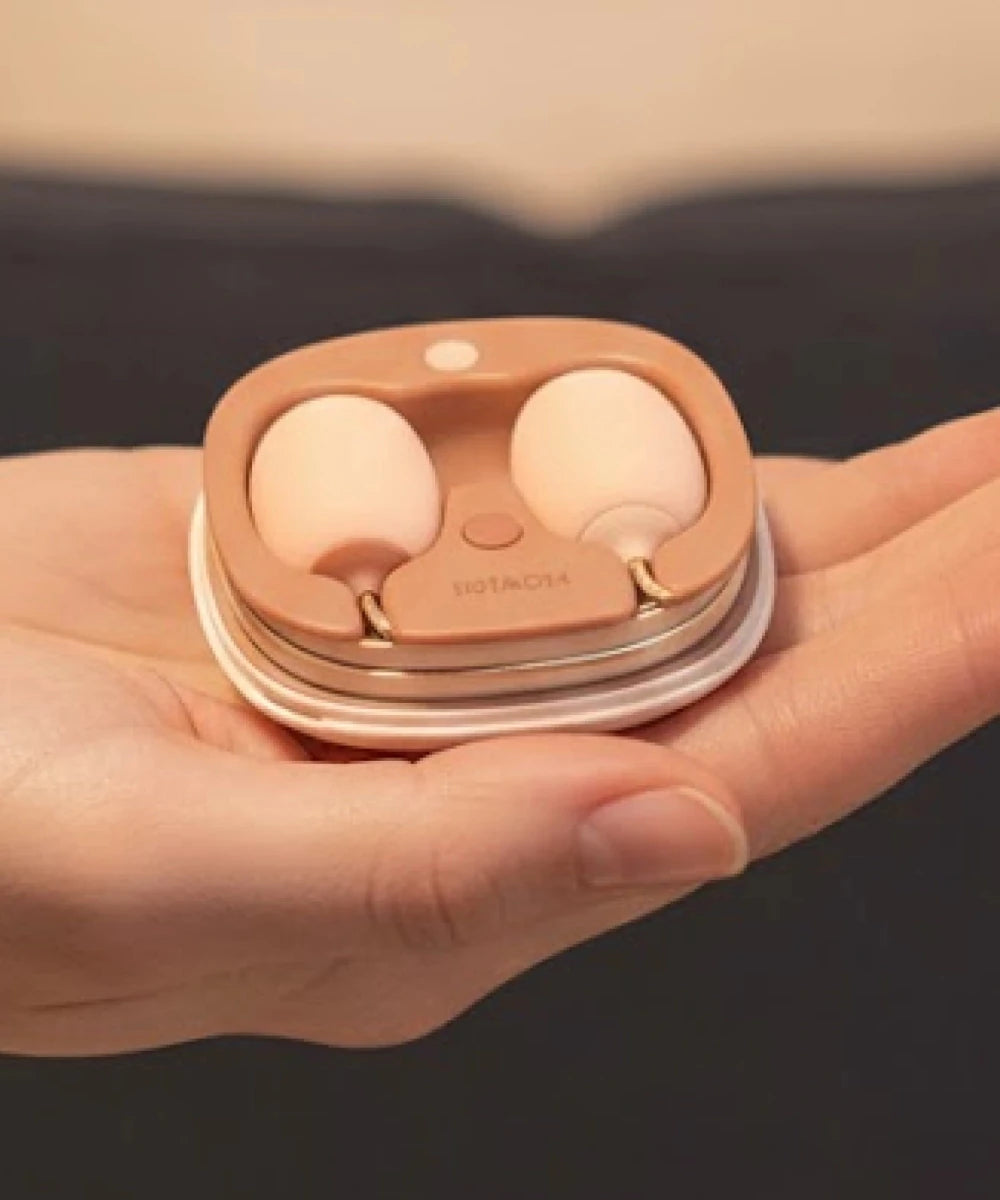
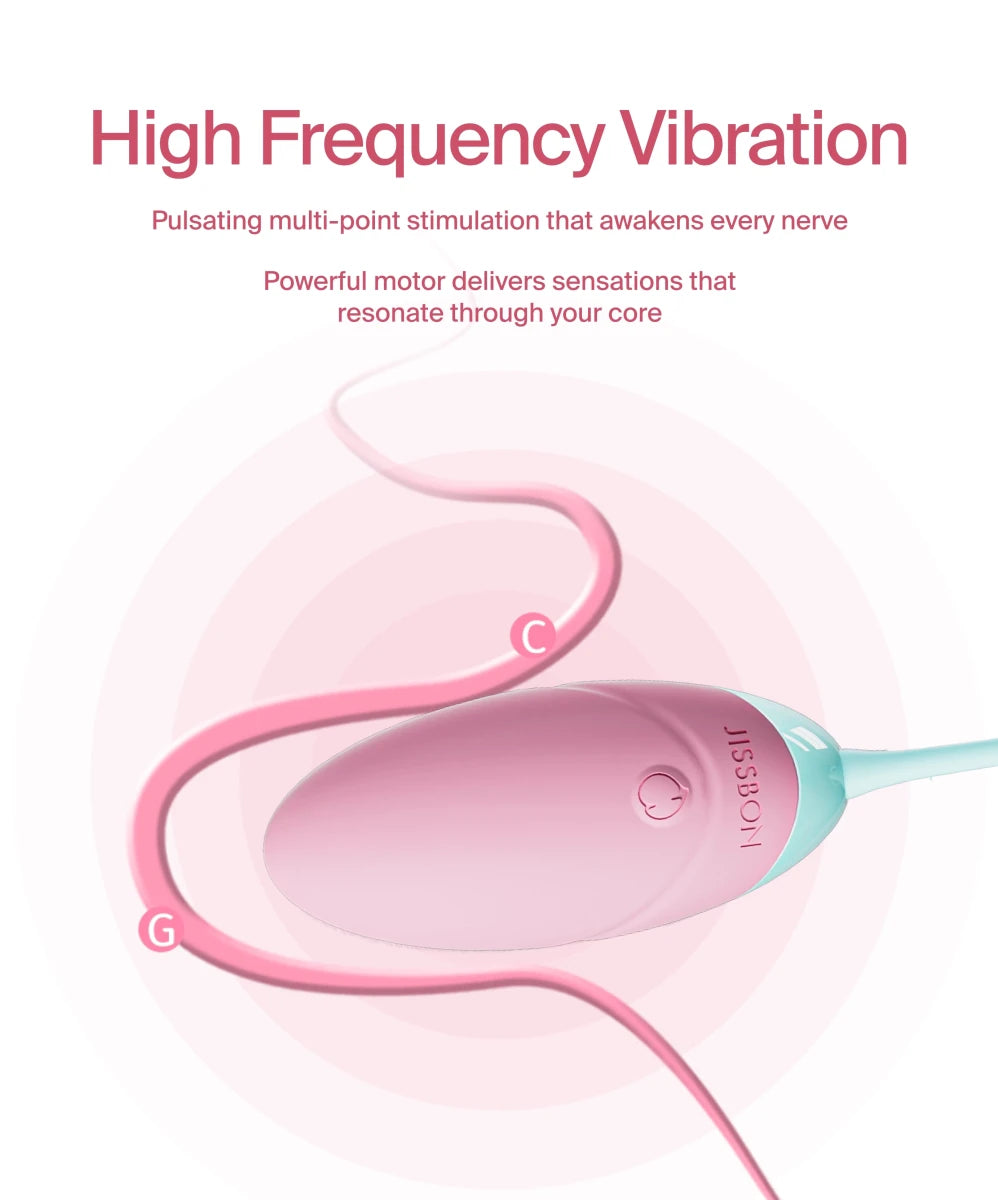
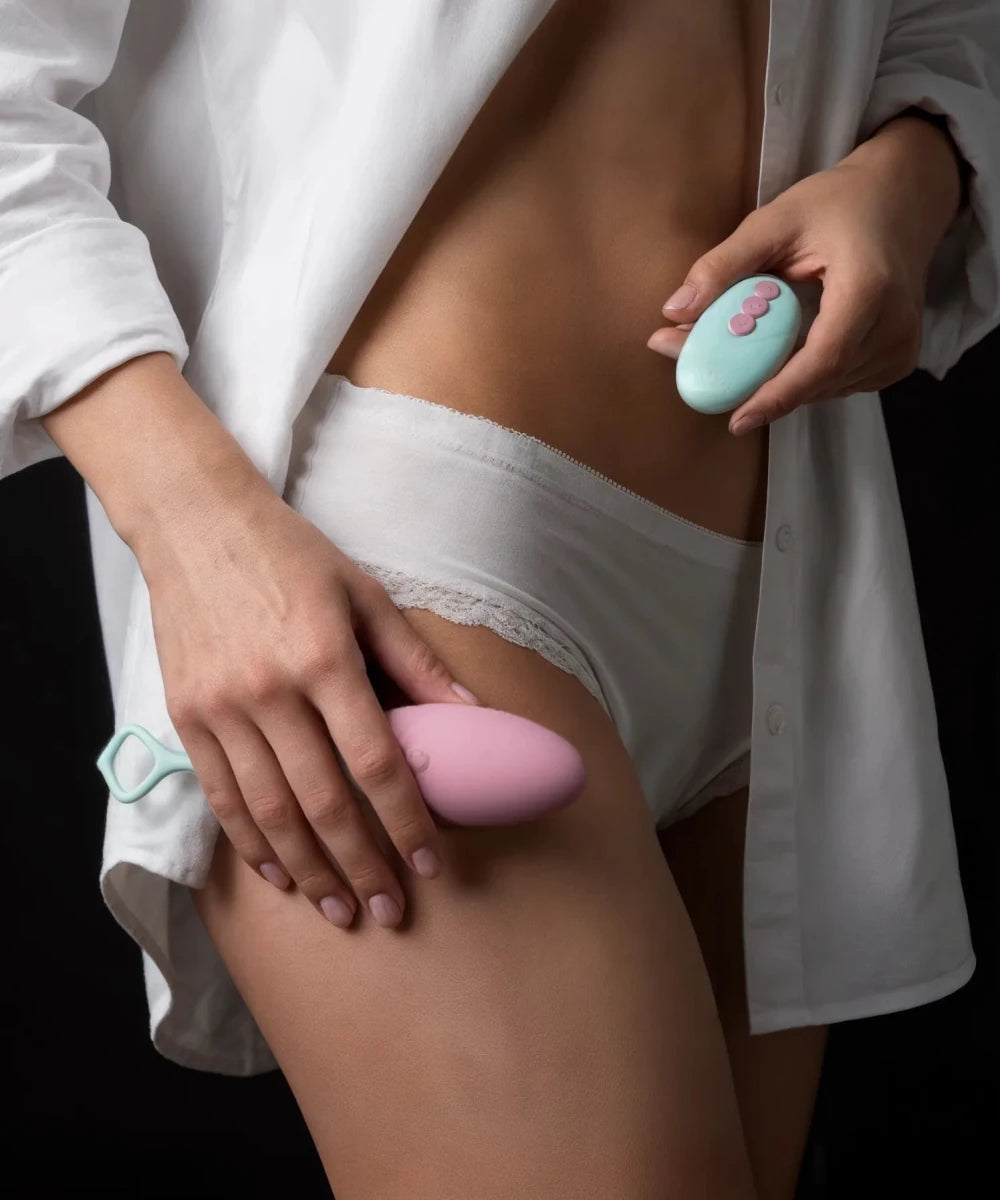
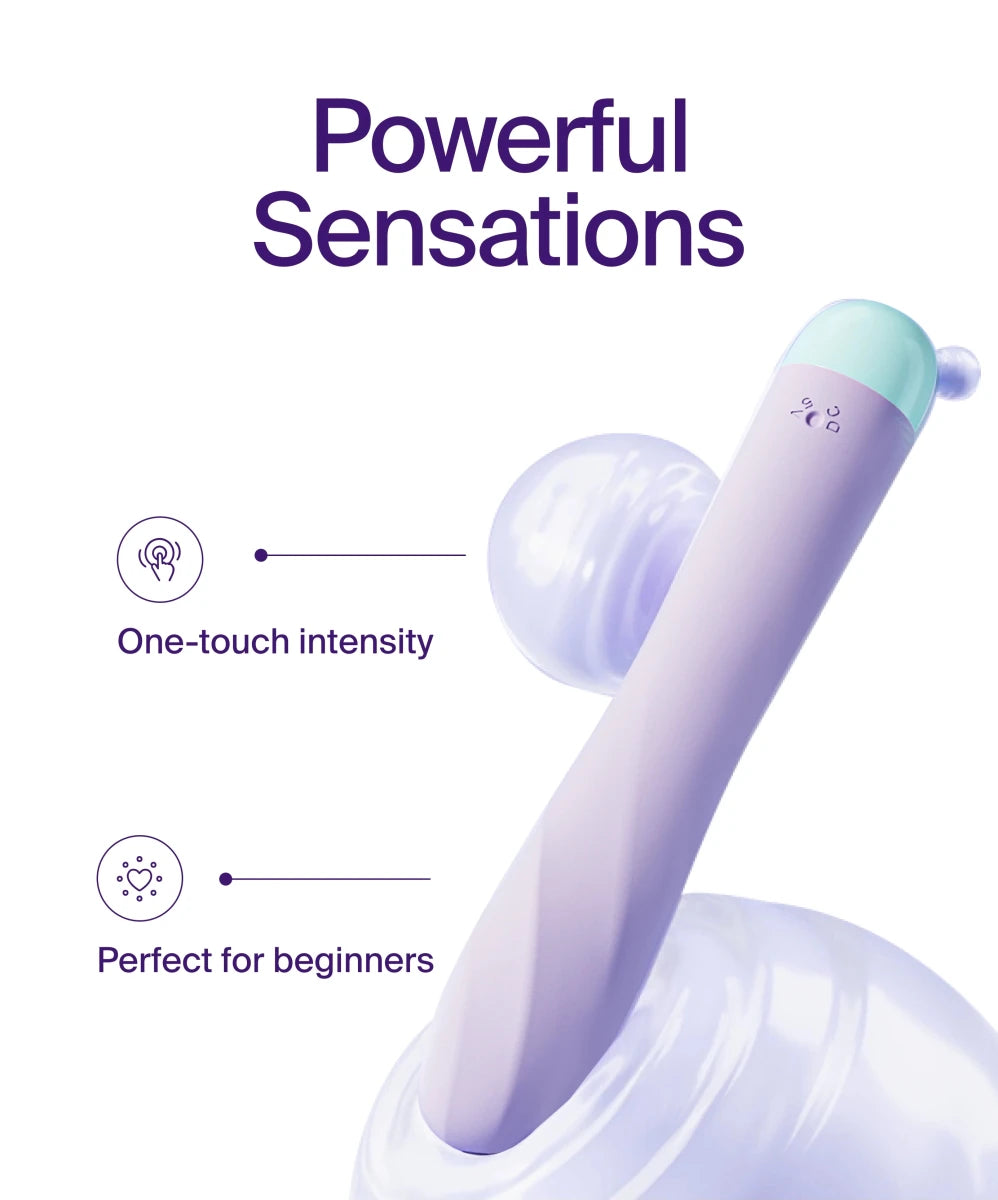
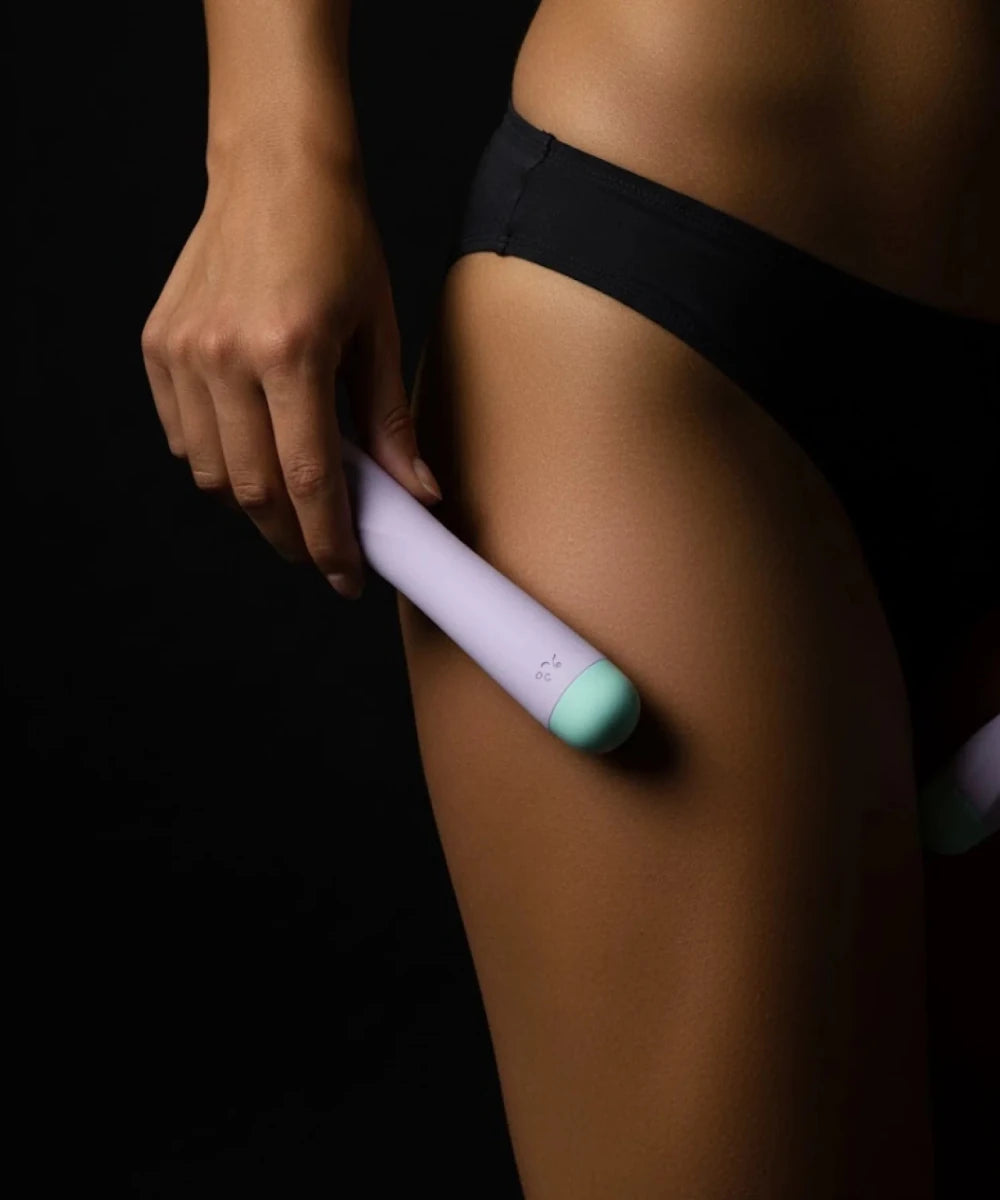
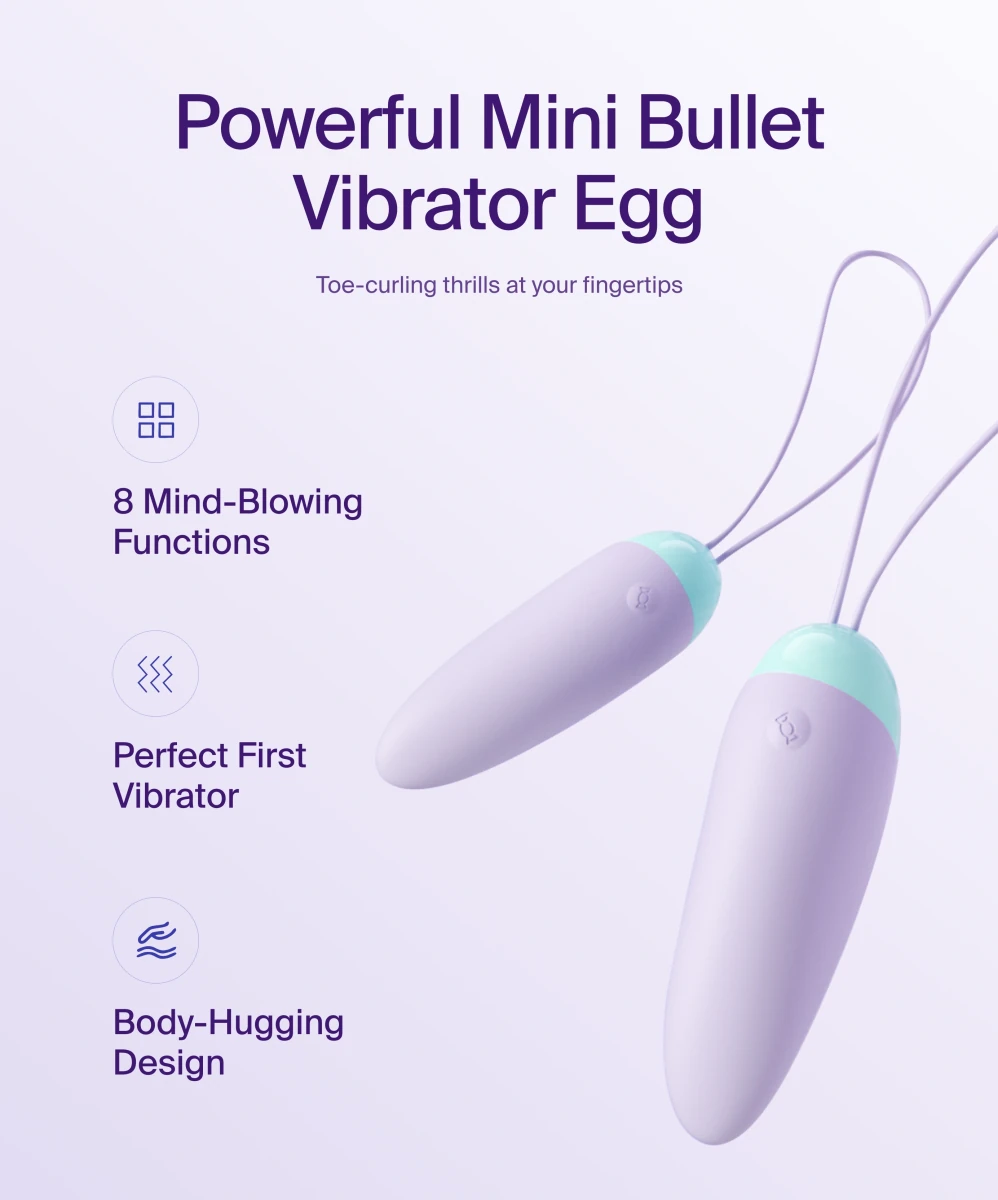
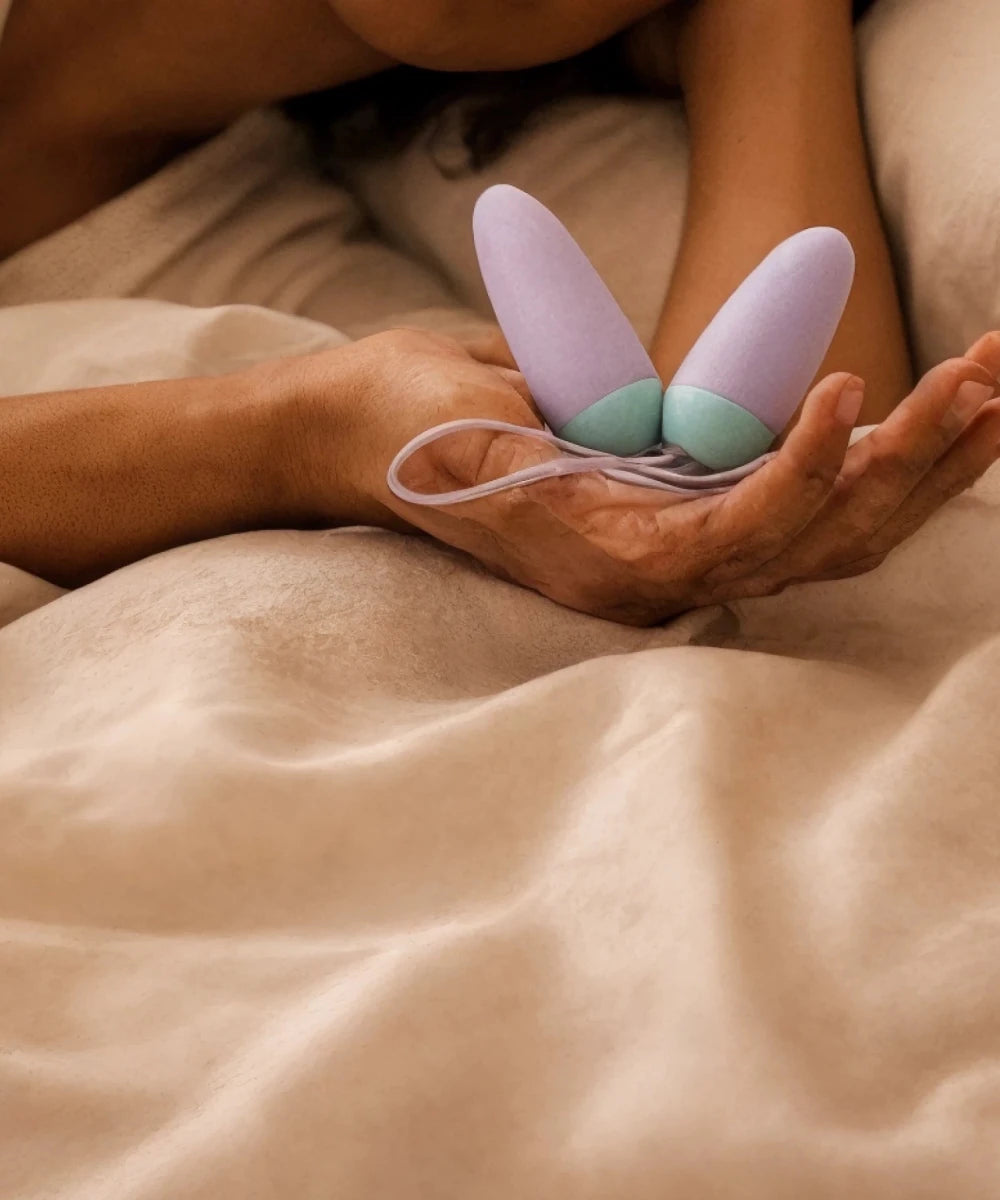
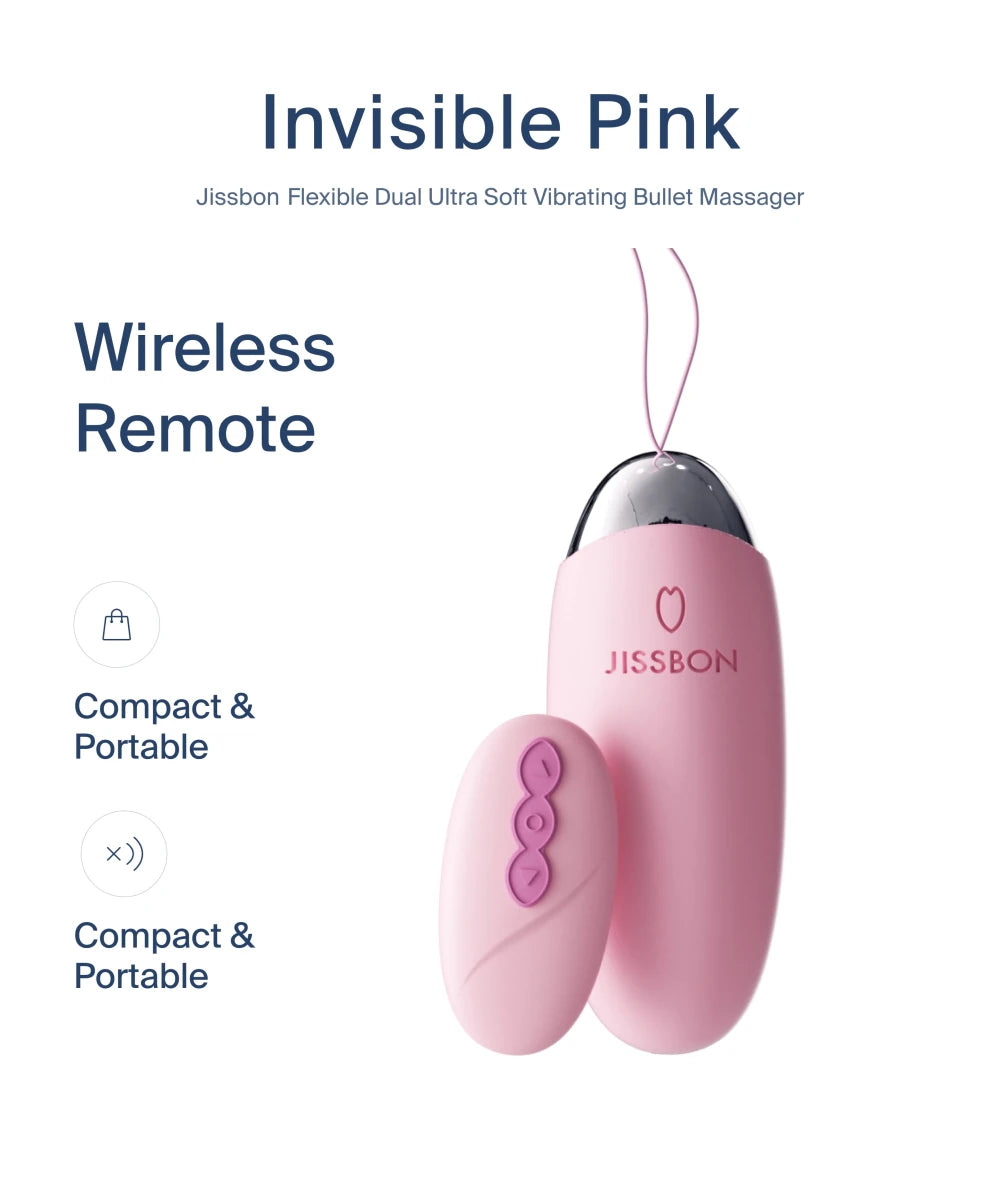
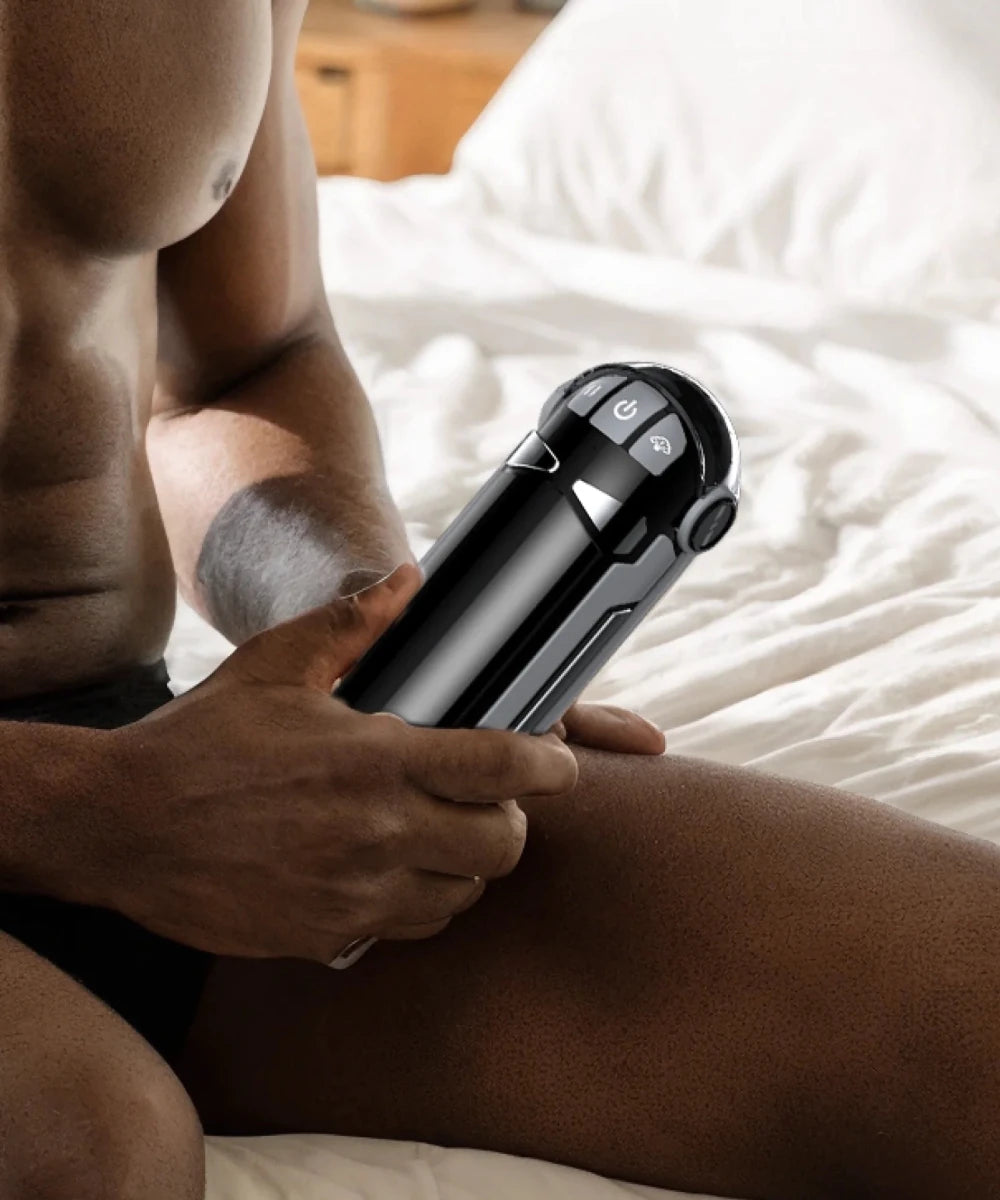
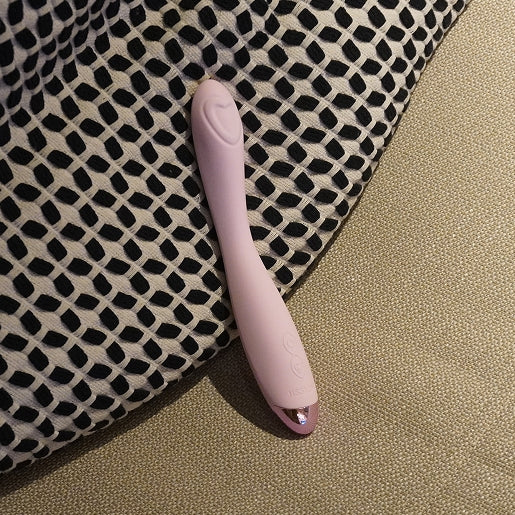
If using sex toys, prioritize models marketed as whisper-quiet. Bullet vibrators and non-motorized options make less noise than powerful wands or thrusting devices. Test volume before use in shared spaces.
Use Background Noise
Play music, turn on a fan, or stream white noise through speakers. This masks subtle sounds without drawing attention. Avoid obvious choices—a sudden loud playlist might signal exactly what you're trying to hide.
Minimize Bed Movement
Mattresses squeak and frames creak. Place a folded towel under your body, move slowly, or use the floor with a yoga mat if your bed is particularly noisy.
Time It Strategically
Coordinate with building noise—during active hours when hallways are loud, neighbors are less likely to notice. Avoid dead-silent 3 AM sessions when every sound echoes.
Alternative Locations and Timing Options

Sometimes the dorm room isn't the best choice.
Off-Campus Options
If you have access to a car, apartment, or friend's place, these offer better privacy. Some students with hometown nearby go home periodically for extended alone time.
Partner's Space
If you're in a relationship and your partner has better privacy, coordinate visits to their room or apartment. Reciprocate when possible.
Hotel Rooms for Breaks
During particularly stressful exam periods or when you desperately need privacy, an inexpensive hotel night provides mental relief and uninterrupted personal time.
Summer or Break Housing
Living alone or in less crowded housing during summer sessions or internships gives you extended privacy. Take advantage of these periods.
Respecting Boundaries and Shared Spaces
Your privacy needs don't override your roommate's comfort.
Never in Common Areas
Masturbating in shared bathrooms, living rooms, or communal study spaces violates others' boundaries and may violate housing codes. Keep activities confined to private areas with permission or clear alone time.
Clean Up Thoroughly
Use tissues, wipes, or towels. Dispose of waste properly in trash bins with liners. Wash your hands and any surfaces or fabrics. Store sex toys for women or sex toys for men in discreet, lockable containers.
Store Items Discreetly
Keep lubricants, toys, and related items in a locked drawer, zippered bag, or storage box. Don't leave them visible on desks or shelves where roommates or guests might see them.
Don't Assume Your Roommate Is Asleep
People fake sleep to avoid awkwardness. If you're uncertain whether they're awake, wait for clearer privacy. Respect uncertainty rather than risking their discomfort.
Address Complaints Seriously
If your roommate expresses discomfort, apologize and adjust your approach. Ignoring their feelings damages the living relationship and may escalate to mediation or housing reassignment.
When Privacy Isn't Possible: Managing Frustration
Sometimes circumstances prevent regular privacy. Here's how to cope.
Adjust Frequency Expectations
You may not be able to maintain your pre-college routine. That's normal and temporary. Adjust expectations rather than forcing situations that create conflict.
Focus on Quality Over Quantity
Make the most of genuine privacy when it occurs. A thorough session every few days may satisfy you more than rushed attempts daily.
Explore Non-Physical Outlets
Physical exercise, creative hobbies, or journaling can redirect sexual energy during periods with limited privacy. These aren't substitutes but can reduce urgency.
Seek Professional Support
If lack of privacy causes significant distress, anxiety, or impacts your wellbeing, campus counseling services offer confidential support. Sexual health is part of overall wellness—professionals can help you navigate these challenges.
Remember It's Temporary
College housing is short-term. Most students eventually move to apartments or situations with greater privacy. Viewing dorm constraints as temporary helps manage frustration.
Health and Safety Considerations

Maintaining hygiene and safety is essential in shared environments.
Hand Hygiene
Wash hands before and after. Shared spaces harbor more bacteria than private homes. Keep hand sanitizer nearby if soap isn't accessible.
Toy Maintenance
Clean sex toys after every use with toy cleaner or mild soap and water. Store them dry in breathable containers. For guidance on proper cleaning, see sexual health hygiene tips.
Lubricant Use
Water-based lubricants are easiest to clean and won't damage silicone toys. Keep a small bottle in your storage container rather than large, obvious packaging.
Avoid Risky Behaviors
Don't experiment with potentially dangerous practices (like breath play or extreme insertion) when alone in shared housing. Emergency help is harder to access discreetly, and risks increase without a partner present.
Respect Your Body's Signals
If something hurts or feels wrong, stop. Don't push through discomfort just because privacy opportunities are rare. Injuries or infections require medical attention that may involve awkward explanations.
Managing Different Roommate Dynamics
Not all roommate relationships are equal—adjust your approach accordingly.
Conservative or Religious Roommates
They may have strong discomfort with sexual topics. Use extra discretion, avoid explicit conversations, and lean toward alternative locations like private bathrooms. Respect their values even if you don't share them.
Open and Communicative Roommates
These relationships allow direct conversations about privacy needs. Establish clear boundaries and signals. Mutual respect and humor often make cohabitation easier.
Absent or Rarely Present Roommates
If your roommate spends most nights elsewhere, you have natural privacy. Don't abuse this by creating situations that make them uncomfortable returning to their own room.
Roommates Who Violate Boundaries
If someone repeatedly ignores privacy signals, enters without knocking, or makes inappropriate comments, involve your RA or housing coordinator. You have a right to reasonable privacy in your assigned space.
Frequently Asked Questions
Is masturbating in college dorms normal?
Yes, extremely common. Most college students maintain some form of intimate self-care routine despite shared housing. The challenge isn't the activity itself but navigating privacy logistics. Open communication and respectful timing make it manageable for the vast majority of students.
What if my roommate walks in?
Stay calm. Stop what you're doing, cover yourself, and say something like "Hey, I need a few more minutes—can you give me some privacy?" Most people will apologize and leave. Discuss privacy signals afterward to prevent future incidents. Accidental walk-ins happen—handle them with maturity rather than panic.
How do I bring up privacy needs without making it awkward?
Frame it as general alone time: "I think we should both have opportunities for private time in the room. Want to set up a system where we text each other when we need the space?" Most roommates appreciate the structure and reciprocity without needing explicit details.
Can I get in trouble with my college for masturbating in my dorm?
No, as long as you're in private space with the door closed and not exposing others. Masturbation in your assigned room is legal and expected. Violations occur if you do so in communal areas, expose yourself to others, or create disturbances that disrupt the community.
What are the quietest sex toys for dorm use?
Bullet vibrators, non-motorized options like dildos or strokers, and toys specifically marketed as whisper-quiet work best. Avoid powerful wands or thrusting devices that generate more noise. Read reviews mentioning sound levels before purchasing. Waterproof toys used in the shower offer additional sound insulation.
Should I masturbate less frequently in college?
Frequency is personal. Some students maintain their usual routine; others adjust based on privacy availability. Neither is wrong. Listen to your body and stress levels. If lack of privacy causes frustration, find creative solutions rather than forcing yourself to ignore your needs entirely.
Finding Balance in Shared Living
Navigating masturbation in college requires communication, creativity, and respect for shared spaces. By establishing clear boundaries with roommates, timing activities strategically, and maintaining discretion, you can honor your self-care needs without compromising your living relationships.
Remember that millions of students manage this same challenge successfully—you're not alone in figuring out these logistics, and with thoughtful planning, you'll find a rhythm that works for your situation.


Looking for something else?

What Is Flogging in Sex? Complete BDSM Flogging Guide
LEARN MORE
What Does Overstimulated Mean Sexually? Causes & Solutions
LEARN MORE
Can You Get a Tattoo on Your Vagina? Safety, Pain & What to Expect
LEARN MORE
Public Sex Kink: Understanding Exhibitionism & Safe Exploration
LEARN MORELooking for something else?

A-Spot Orgasm: Best Positions & How to Find It
LEARN MORE
Bondage Play: Complete Beginner's Guide to Rope BDSM
LEARN MORE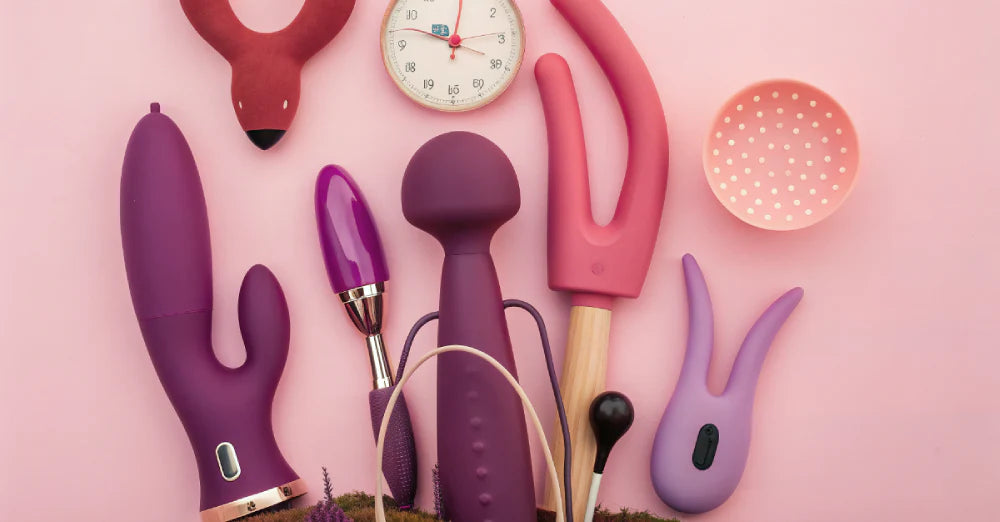
Vibrator Stories: Real Experiences, Tips & What to Expect
LEARN MOREYou may also like
20% off

20% off

20% off

20% off

20% off

20% off

Further reading

How to Clean an Automatic Blowjob Machine Without Damaging the Motor

Remote-Controlled Automatic Masturbators for Couples and Solo Play
Best Automatic Strokers for Edging and Stamina Training