




















































How to Make Lube at Home: Safe DIY Alternatives and Recipes
Stack & Save: Extra 15% with Jissbon15
Jissbon15
Running out of lubricant mid-session doesn't have to derail intimacy. Learning how to make lube at home using safe household ingredients provides emergency alternatives that work in a pinch.
While homemade sex lube can't fully replace commercial formulations designed specifically for intimate use, certain natural options like coconut oil, aloe vera, and cornstarch-based recipesoffer effective, body-safe solutions when you need them.
This guide covers how to make water-based lube from scratch, which household items work safely, and critical ingredients to avoid that can cause irritation or infections.
When Homemade Lube Makes Sense
DIY lubricant alternatives serve specific situations and needs:
- Emergency backup when you've run out of commercial lube unexpectedly
- Budget-conscious individuals seeking temporary solutions between purchases
- People with sensitivities to preservatives or additives in commercial products
- Couples exploring natural options who prefer minimal ingredient lists
- Eco-conscious users interested in zero-waste, biodegradable alternatives
Homemade lube works best as a temporary solution rather than a permanent replacement for quality commercial products.
Understanding Safe Lube Ingredients

Not all household items are safe for intimate use. Understanding which ingredients work and why protects your health.
What Makes a Good Lube Alternative
Safe lubricants share several characteristics:
- Non-toxic and free from irritants
- pH-balanced or neutral (around 4.5-7.0 for vaginal use)
- Free from sugars that feed harmful bacteria
- Compatible with condoms and sex toys if needed
- Easy to clean and won't stain fabrics
Ingredients to Prioritize
Water, plant-based oils (coconut, olive, almond), cornstarch, flaxseed, and pure aloe vera form the foundation of safe homemade lubes. These ingredients have established safety profiles for skin contact.
Critical Ingredients to Avoid
Never use products containing sugar (honey, syrup), petroleum (Vaseline, baby oil), alcohol, fragrances, or harsh chemicals. These disrupt natural pH balance, increase infection risk, or irritate delicate tissues.
How to Make Water-Based Lube with Cornstarch
Water-based lube is condom-safe and compatible with all toy materials, making it the most versatile option.
Cornstarch Lube Recipe
This simple recipe creates a gel-like lubricant that mimics commercial water-based products.
Ingredients:
- 1 cup water
- 2-4 teaspoons cornstarch (adjust for desired thickness)
Equipment:
- Small saucepan
- Whisk or spoon
- Clean glass jar or airtight container
Instructions:
- Combine Ingredients: Pour 1 cup of water into the saucepan. Add 2 teaspoons of cornstarch and whisk thoroughly to prevent lumps.
- Heat Gently: Place the pan over low to medium heat. Stir continuously as the mixture warms. Do not allow it to boil rapidly.
- Thicken the Mixture: Continue stirring for 3-5 minutes. The mixture will gradually thicken to a gel consistency. If it's too thin, add another teaspoon of cornstarch. If too thick, add a tablespoon of water.
- Cool Completely: Remove from heat once you reach desired thickness. Allow the mixture to cool to room temperatureit will thicken slightly more as it cools.
- Store Properly: Transfer to a clean, airtight container. Refrigerate for up to 5-7 days.
Usage Tips: Test a small amount on your inner wrist before intimate use. Reheat slightly if it becomes too thick after refrigeration. Discard if you notice any off smell or discoloration.
Flaxseed Gel Lube Recipe

Flaxseed creates a slippery, long-lasting gel that works well for extended sessions.
Ingredients:
- 1 cup whole flax seeds
- 3 cups water
Instructions:
- Boil Water: Bring 3 cups of water to a rolling boil in a saucepan.
- Add Flax Seeds: Pour in 1 cup of whole flax seeds. Reduce heat to medium.
- Simmer and Reduce: Let the mixture simmer for 20-30 minutes, stirring occasionally. The water will reduce and become thick and gel-like.
- Strain: Place a fine mesh strainer or cheesecloth over a heatproof container. Pour the mixture through to separate the gel from the seeds.
- Cool and Store: Allow the gel to cool completely. Store in the refrigerator for up to 2 weeks.
Advantages: Flaxseed gel is naturally slippery, condom-safe, and contains beneficial omega-3 fatty acids. The consistency is similar to commercial water-based lubes.
Disadvantages: Requires more time to prepare than cornstarch lube. Must be strained carefully to remove all seeds.
For more information on safe intimate practices, explore sexual wellness resources.
Safe Oil-Based Lube Alternatives
Oil-based lubes offer long-lasting glide but aren't compatible with latex condoms or certain toy materials.
Coconut Oil
Virgin coconut oil is one of the best household lube alternatives. It's antimicrobial, moisturizing, and safe for most skin types.
How to Use:
- Scoop a small amount (1/2 teaspoon) into a clean bowl
- Let it melt in your hands or warm slightly in the microwave (5-10 seconds)
- Apply as needed during intimacy
When to Avoid: Don't use coconut oil with latex condomsoil degrades latex and increases breakage risk. Also avoid if you're prone to yeast infections, as oils can disrupt vaginal flora for some individuals.
Olive Oil
Extra virgin olive oil provides smooth, long-lasting lubrication and is a kitchen staple in most homes.
Pros:
- Readily available
- Safe for skin contact
- Long-lasting glide
Cons:
- Not condom-safe
- Can stain fabrics
- May feel greasy for some users
Sweet Almond Oil
Food-grade sweet almond oil offers a lighter texture than coconut or olive oil while maintaining good slip.
Best For: Massage that transitions to intimacy, or solo sessions without condoms.
Important Reminder: All oil-based options damage latex condoms and may degrade certain silicone or rubber sex toys for couples. Use only with non-latex barriers or during barrier-free intimacy with fluid-bonded partners.
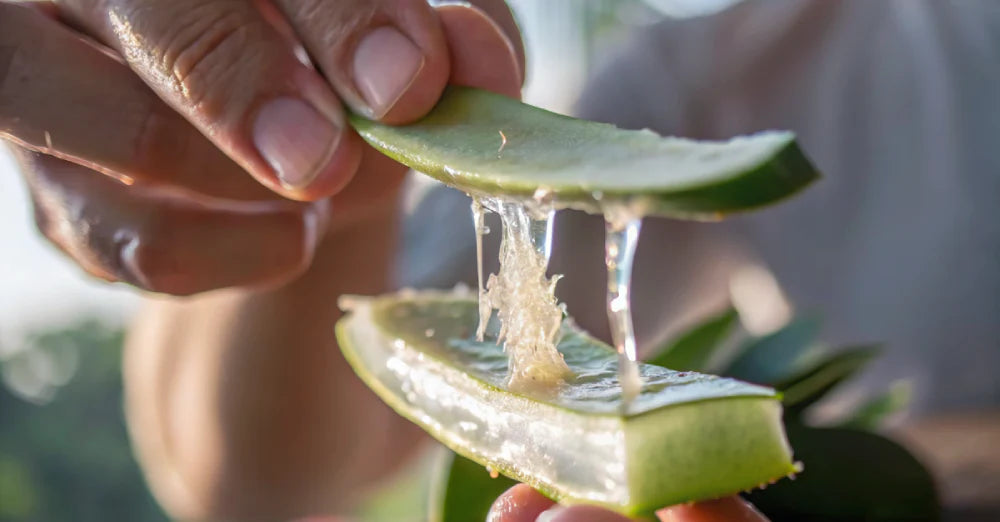
Pure Aloe Vera Gel as Lube
Pure aloe vera gel bridges the gap between water-based and oil-based options.
Choosing the Right Aloe
Select 100% pure aloe vera gel with no added alcohol, fragrances, or cooling agents. These additives irritate sensitive tissues. Check the ingredient list carefullymany commercial aloe gels contain additives for cosmetic use.
How to Use Aloe Vera Safely
Apply a small amount to external genitals or toys. Aloe absorbs quickly, so you may need to reapply more frequently than with oil-based alternatives.
Advantages:
- Natural, plant-based
- Soothing and moisturizing
- Condom-compatible
- Water-soluble for easy cleanup
Disadvantages:
- Less slippery than oils or commercial lubes
- Absorbs quickly, requiring reapplication
- Can dry out during extended sessions
When to Avoid: Skip aloe if you have a known allergy to the plant. Perform a patch test on your inner arm 24 hours before intimate use if you've never used aloe vaginally or anally.
Household Items to NEVER Use as Lube

Certain common products cause serious irritation, infections, or damage despite seeming like convenient options.
Vaseline and Petroleum Jelly
Petroleum-based products trap bacteria, disrupt pH balance, and are extremely difficult to wash out of the body. They also destroy latex condoms and damage silicone toys.
Baby Oil (Mineral Oil)
Mineral oil shares the same problems as petroleum jellyit's not designed for internal use, degrades condoms, and can trap bacteria leading to infections.
Lotion and Hand Cream
Body lotions contain fragrances, preservatives, and alcohols that irritate vaginal and anal tissues. They're formulated for external skin, not mucous membranes.
Shaving Cream
Shaving cream contains surfactants, fragrances, and chemicals designed to soften hair and create lathernot to reduce friction during sex. These ingredients cause burning, stinging, and irritation.
Butter, Margarine, or Other Dairy Products
Dairy products introduce bacteria and can cause yeast infections or bacterial vaginosis. They also smell unpleasant and stain fabrics.
Saliva
While natural and immediately available, saliva contains enzymes and bacteria that can introduce infections, especially during anal play. It also dries quickly and provides minimal lubrication.
Soap and Shower Gel
Soap disrupts natural pH balance, causes dryness, and stings intensely when it contacts sensitive tissues. Never use soap as lubricant.
Comparing Homemade vs Commercial Lubricants
Understanding the differences helps set realistic expectations for DIY options.
Homemade Lube Advantages:
- Immediate availability in emergencies
- Minimal, recognizable ingredients
- Often less expensive than specialty products
- Customizable consistency and texture
Homemade Lube Disadvantages:
- Shorter shelf life (days to weeks vs months to years)
- Lacks preservatives, increasing contamination risk
- May not provide optimal glide or longevity
- Requires preparation time
- Limited compatibility testing with condoms and toys
Commercial Lube Advantages:
- Formulated specifically for intimate use
- Tested for pH balance and safety
- Consistent quality and texture
- Longer shelf life with preservatives
- Specialized formulations (silicone, hybrid, warming, cooling)
When to Choose Commercial Products:
Invest in quality lubricants from Jissbon if you use lube regularly, have sensitive skin, require specific formulations, or want the reliability of professionally tested products. Homemade alternatives work for occasional emergencies but shouldn't replace purpose-made lubricants for frequent use.
Storage and Hygiene for Homemade Lube
Proper handling prevents contamination and extends usability.
Storage Guidelines
Store water-based homemade lubes in clean, airtight glass containers in the refrigerator. Label with the preparation date. Discard after 7 days for cornstarch lube or 14 days for flaxseed gel.
Oil-based alternatives (coconut, olive, almond oil) can remain at room temperature if kept in their original containers. Never dip dirty fingers into oil jarspour a small amount into a separate bowl before each use.
Hygiene Best Practices
Wash your hands thoroughly before handling homemade lube. Use clean utensils to scoop or pour. Never contaminate the main supply by dipping used applicators back into the container.
Signs of Spoilage
Discard homemade lube immediately if you notice:
- Off or sour smell
- Mold or discoloration
- Separation that doesn't remix with stirring
- Any unusual texture changes
Application Safety
Apply lube with clean hands or applicators. If using with wand vibrators or other toys, apply to the toy rather than inserting contaminated fingers into the supply.
Condom and Toy Compatibility
Different lube types interact differently with barriers and intimate products.
Water-Based Homemade Lubes (Cornstarch, Flaxseed, Aloe)
Safe for:
- Latex, polyisoprene, and polyurethane condoms
- All sex toy materials (silicone, glass, metal, hard plastic, TPE)
- Vaginal, anal, and oral use
Oil-Based Homemade Lubes (Coconut, Olive, Almond)
Safe for:
- Polyurethane and nitrile (non-latex) condoms only
- Glass, metal, and hard plastic toys
- External massage and manual stimulation
Unsafe for:
- Latex condoms (oil causes breakage)
- Silicone toys (may degrade material)
- Rubber or jelly toys
If using oil-based lube for partnered sex, confirm you and your partner are fluid-bonded and not relying on latex barriers for pregnancy or STI prevention.
Frequently Asked Questions
Can you make water-based lube at home?
Yes. Cornstarch and flaxseed recipes create effective water-based lubricants that are condom-safe and compatible with all toy materials. Mix cornstarch with water and heat gently until it thickens, or boil flaxseed in water and strain to create a slippery gel. Both require refrigeration and last only 1-2 weeks.
Is coconut oil safe to use as lube?
Coconut oil is safe for genital skin and provides excellent, long-lasting lubrication. However, it degrades latex condoms, increasing breakage risk, and may promote yeast infections in some individuals. Use coconut oil only with non-latex barriers or when not using condoms, and discontinue if you develop irritation or infections.
How long does homemade lube last?
Water-based homemade lubes last 5-7 days (cornstarch) to 2 weeks (flaxseed) when refrigerated in airtight containers. Oil-based alternatives like coconut or olive oil last months at room temperature if kept in their original containers and handled hygienically. Always discard homemade lube if it develops an off smell, discoloration, or mold.
Can you use aloe vera gel as sexual lubricant?
Pure aloe vera gel (100% aloe with no alcohol, fragrance, or additives) works as a mild lubricant for external use and light penetration. It's condom-safe but absorbs quickly, requiring frequent reapplication. Avoid commercial aloe gels with added ingredients that can irritate mucous membranes. Perform a patch test before first use.
What should you never use as homemade lube?
Never use petroleum jelly (Vaseline), baby oil, lotion, soap, shaving cream, butter, margarine, or saliva as lubricant. These products disrupt pH balance, introduce bacteria, damage condoms, irritate sensitive tissues, or provide inadequate lubrication. They're not formulated for intimate use and can cause infections, allergic reactions, or physical damage.
Is homemade lube as good as store-bought?
Homemade lube provides adequate lubrication in emergencies but lacks the consistency, longevity, and safety testing of commercial products. Store-bought lubricants are pH-balanced, preservative-stabilized, and formulated specifically for intimate use. For regular use, commercial options offer better performance, safety, and convenience.
Choose the Right Lubrication for Your Needs
Making lube at home offers practical emergency solutions using safe, natural ingredients you likely already own. While homemade sex lube can't fully replace the quality and reliability of professionally formulated products, understanding how to create effective alternatives empowers you to maintain comfort and pleasure even when you've run out of commercial options.
Remember that homemade solutions work best as temporary fixesfor regular intimate activities, invest in quality lubricants designed specifically for safety, performance, and long-term satisfaction.Ready to explore professionally formulated, body-safe intimate products? Discover our complete selection at Jissbon for lubricants and accessories designed with your wellness in mind.


Looking for something else?

Sex Positions from Behind: 8 Beyond Doggy Style
LEARN MORE
What Does a Vulva Taste Like? Facts & Myths Explained
LEARN MORE
Straddle Sex Position: 7 Variations & Tips
LEARN MORE
Mistress Slave Relationship in BDSM: Complete Guide
LEARN MORELooking for something else?

Sensual Domination: Guide to Affectionate Power Play
LEARN MORE
Best Prostate Massager for Beginners: Complete Guide
LEARN MORE
Dominant Sex Positions: 8 Power Positions & Tips
LEARN MOREYou may also like
20% off

20% off

20% off

20% off

20% off

20% off

Further reading
Automatic Male Masturbator vs Manual Stroker: Which Should You Buy?
11 Best Automatic Blowjob Machines for Men in 2026

Understanding Smoking Fetish: The Erotic Appeal of Cigarettes