
















































How to Cum for Beginners: Your Complete First Orgasm Guide
Stack & Save: Extra 15% with Jissbon15
Jissbon15
Reaching orgasm for the first time involves understanding your body, creating the right conditions, and exploring what feels pleasurable without pressure. Whether you're just starting to explore self-pleasure or have tried without success, this guide provides practical, judgment-free techniques.
You'll learn about arousal, anatomy, mental preparation, and step-by-step methods that work for beginners seeking their first climax experience.
Understanding What Orgasm Actually Is
The Basics of Climax
An orgasm is a series of rhythmic muscle contractions releasing built-up sexual tension. It typically lasts 3–15 seconds and involves:
- Pelvic floor muscle contractions occurring at 0.8-second intervals
- Increased heart rate and breathing reaching peak intensity
- Release of pleasure chemicals (dopamine, oxytocin, endorphins) in the brain
- Intense pleasurable sensations varying by individual and stimulation type
- Feeling of release or relief after building tension
Orgasms feel different for everyone—some experience full-body waves, others feel localized genital pulsing. There's no single "correct" sensation.
Common Misconceptions to Release
Myth 1: "Orgasms should happen easily and quickly"
Reality: First orgasms often require 20–45 minutes of focused exploration. This is completely normal.
Myth 2: "I should know exactly what to do"
Reality: Your body's responses are unique. Discovery requires experimentation without predetermined expectations.
Myth 3: "Orgasm is the only goal of sexual activity"
Reality: Pleasure exists across a spectrum. Many satisfying experiences don't include climax.
Myth 4: "Something is wrong if I haven't orgasmed yet"
Reality: Approximately 10–15% of people haven't experienced orgasm by age 20. With time and exploration, most discover what works.
Understanding how sexual pleasure works helps remove unnecessary pressure.
Creating the Right Foundation

Mental Preparation
Your psychological state matters as much as physical technique:
Release goal-oriented thinking:
- Replace "I must orgasm" with "I'm exploring what feels good"
- Remove timelines or expectations about when it should happen
- Accept that some sessions may not lead to climax—that's okay
Address anxiety sources:
- Body image concerns: Your body deserves pleasure exactly as it is
- Religious or cultural shame: Your sexuality is a natural, healthy part of being human
- Performance pressure: This is personal exploration, not a test to pass
Build arousal mentally:
- Use fantasy, imagination, or erotica if helpful
- Focus on sensations in your body rather than external distractions
- Practice deep breathing to stay present
Physical Environment Setup
Create a space where you feel completely safe and comfortable:
Privacy essentials:
- Lock doors or ensure uninterrupted time (45–60 minutes minimum)
- Turn off phone notifications and close devices creating distraction
- Choose times when you won't be rushed or worried about interruption
Comfort factors:
- Adjust room temperature to slightly warm (your body will heat up)
- Dim lighting or darkness if that feels more comfortable
- Have pillows, blankets, or cushions available for positioning
- Keep water, tissues, and towel within arm's reach
Mood enhancement (optional):
- Play music that relaxes or arouses you
- Use candles or pleasant scents if that helps you relax
- Consider warm bath beforehand to relax muscles
Understanding Your Anatomy
External Pleasure Points (for Vulva Owners)
The clitoris:
- Small, highly sensitive organ located above the vaginal opening
- Has 8,000+ nerve endings (more than any other body part)
- Extends internally in a wishbone shape (most isn't visible)
- The glans (visible tip) sits under the clitoral hood
The clitoral hood:
- Protective skin covering the clitoral glans
- Can be gently moved to expose the glans for direct stimulation
- Many people prefer stimulation through the hood rather than directly
The labia (inner and outer lips):
- Contain numerous nerve endings
- Respond to gentle touching, rubbing, or pulling
- Vary dramatically in appearance—all variations are normal
The urethral opening and perineum:
- Areas between clitoris and vaginal opening have sensitivity
- The perineum (between vaginal/penile base and anus) responds to pressure
Learn more about vulva anatomy to understand your unique structure.
External & Internal Points (for Penis Owners)
The glans (head):
- Most sensitive part of the penis
- Particularly responsive on the underside
The frenulum:
- V-shaped area where shaft meets glans on underside
- Exceptionally sensitive to touch, licking, or vibration
The shaft:
- Responds to stroking, squeezing, and varied pressure
- Sensitivity varies along the length
The perineum and prostate:
- Area between testicles and anus (external access to prostate)
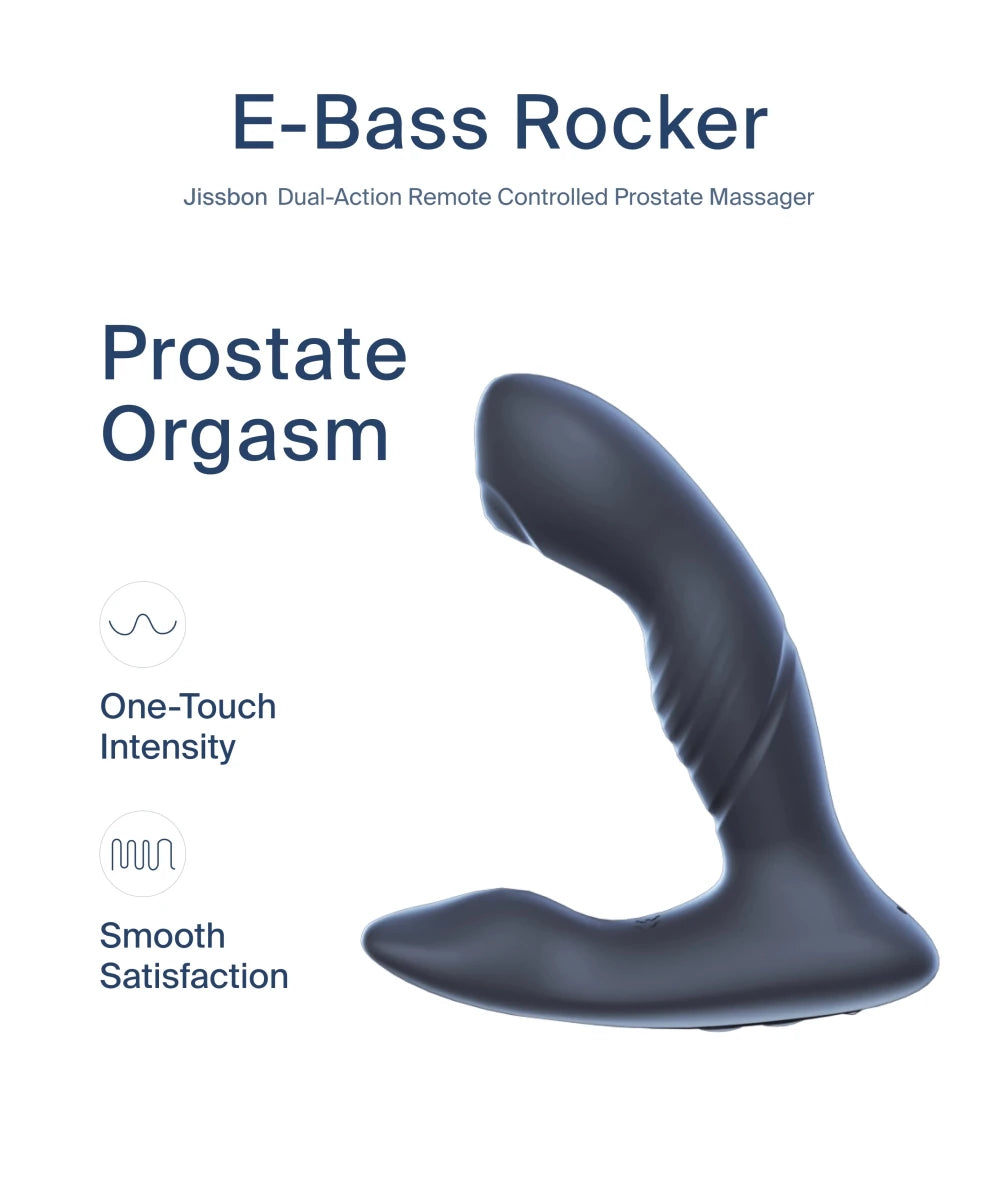
- Internal prostate stimulation through anal penetration
- Both create intense sensations for many people
Step-by-Step Techniques for First Orgasm

Phase 1: Body Exploration (10–15 Minutes)
Start by touching your entire body, not just genitals:
- Begin with non-sexual areas: Run hands over arms, legs, stomach, chest
- Notice what feels pleasant: Certain touches, pressures, or speeds feel better than others
- Move toward erogenous zones: Inner thighs, lower abdomen, chest, neck
- Touch breasts/chest: Experiment with nipple stimulation (some find this very arousing)
- Build anticipation gradually: Don't rush directly to genital contact
This phase increases overall arousal, making genital stimulation more effective.
Phase 2: Genital Exploration (10–20 Minutes)
For vulva owners:
- Apply water-based lubricant: Even if naturally lubricated, additional lube enhances comfort
- Start with outer labia: Gentle stroking, light pressure, circular motions
- Move to inner labia: Notice sensitivity differences between areas
- Approach the clitoris gradually:
-
- Begin touching through the hood, not directly on the glans
- Use 1–2 fingertips in gentle circular motions
- Try side-to-side movements across the clitoral shaft
- Experiment with light tapping or pulsing pressure
- Adjust pressure and speed: Start gently, increase gradually based on sensation
- Try different patterns: Circles, figure-eights, vertical strokes, horizontal motions
Common technique: the "circular method"
- Place 1–2 fingers on the clitoral hood
- Make small, consistent circles
- Maintain steady rhythm once you find what feels good
For penis owners:
- Apply lubricant generously: Reduces friction and enhances sensation
- Start with gentle touching: Run fingers along the shaft without stroking
- Explore the frenulum: Use fingertips or thumb to massage this sensitive area
- Begin stroking:
-
- Wrap hand around shaft (vary grip tightness)
- Move hand up and down at comfortable pace
- Experiment with speed (slower to start, increase gradually)
- Try twisting motion on upstroke, straight on downstroke
- Focus on the glans: Use palm or fingers to stimulate the head specifically
- Find your rhythm: Pay attention to what creates building sensation
Phase 3: Building Toward Climax (10–20 Minutes)
As arousal increases, you'll notice:
- Breathing becomes faster and deeper
- Heart rate increases noticeably
- Muscles throughout body tense involuntarily
- Genital area becomes more engorged and sensitive
- Mental focus narrows to the physical sensations
- Strong desire to continue the stimulation
Key technique adjustments:
Consistency matters: Once you find a motion that feels especially good, maintain that exact pattern without changing. Switching techniques right before climax often delays or prevents orgasm.
Increase pressure or speed gradually: As sensation builds, you may need slightly more intensity—but make changes slowly.
Use fantasy or mental imagery: Let your mind enhance arousal through thoughts, scenarios, or memories that excite you.
Breathe deeply: Holding breath restricts orgasm. Take deep breaths through your mouth.
Phase 4: Reaching Climax
Signs you're very close:
- Overwhelming urge to continue stimulation
- Feeling like something is about to happen or release
- Pelvic area feels intensely full or pressurized
- Desire to move hips or thrust involuntarily
- Brief moment where everything intensifies sharply
What to do:
- Keep doing exactly what you're doing—don't change technique
- Breathe through the intensity—inhale deeply, exhale fully
- Let your body move naturally—don't fight involuntary motions
- Stay mentally focused on sensation—don't analyze or judge
The orgasm moment:
You'll feel rhythmic pulsing or contracting in your pelvic area, waves of intense pleasure, and a release of the built-up tension. This lasts several seconds, then sensation gradually decreases.
Using Tools & Toys for Assistance

Why Beginners Benefit from Vibrators
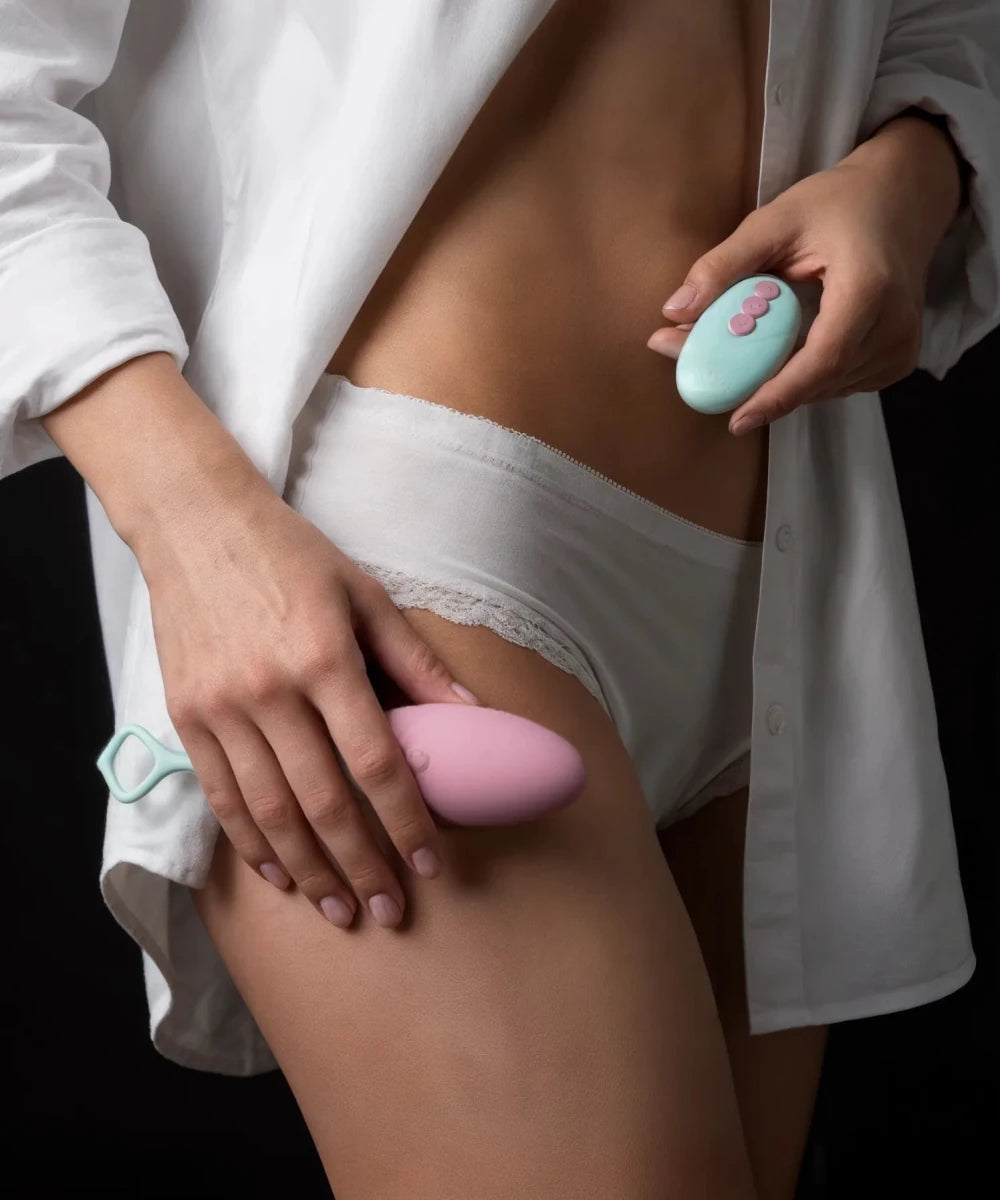
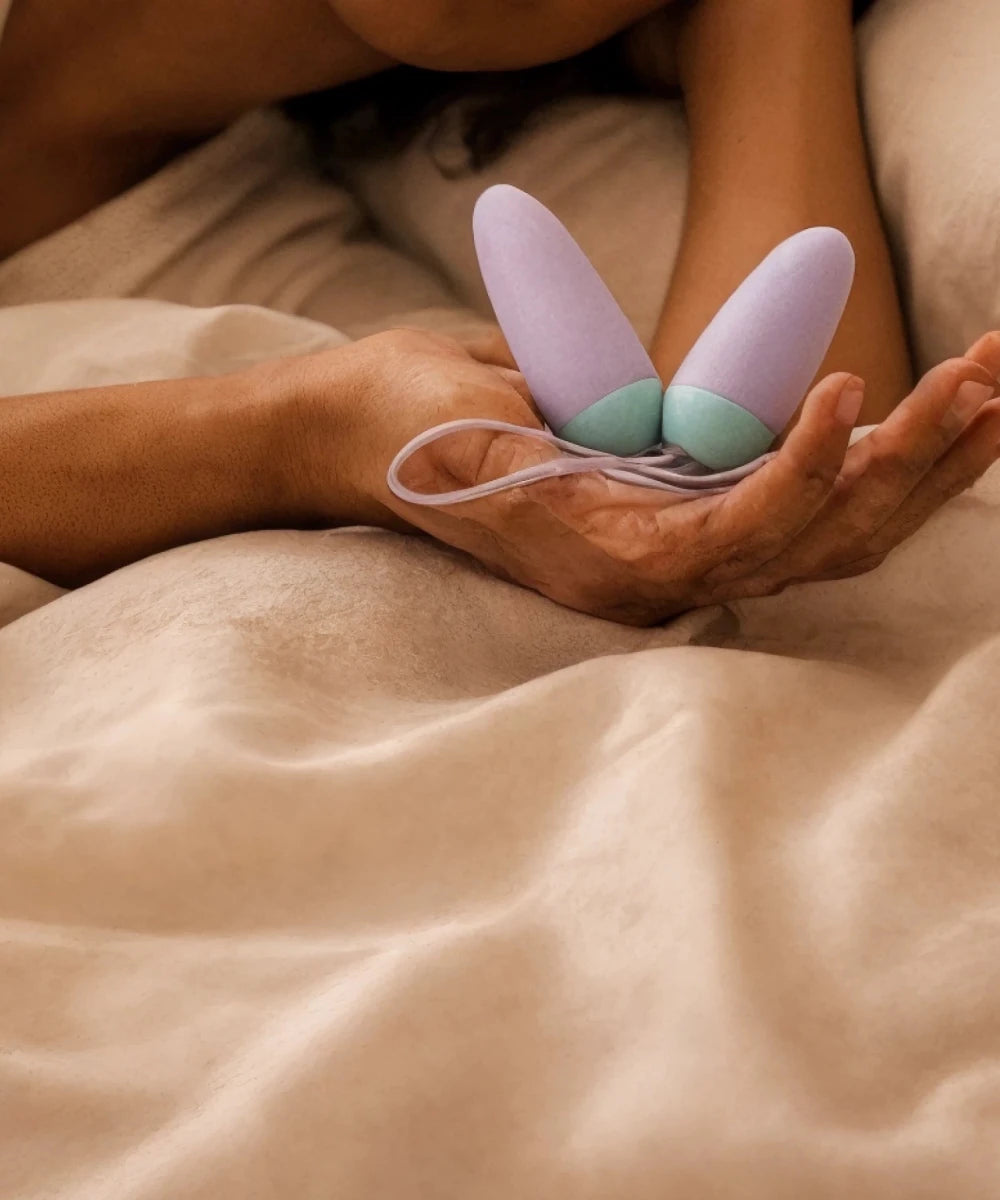
Vibrators provide consistent, intense stimulation that hands can't replicate:
- No hand fatigue: Allows extended exploration without tired muscles
- Adjustable intensity: Multiple speeds help you find the right level
- Focused stimulation: Targets specific pleasure points precisely
- Faster results: Many first-time orgasms happen with vibrator assistance
Recommended Beginner-Friendly Options
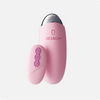
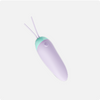
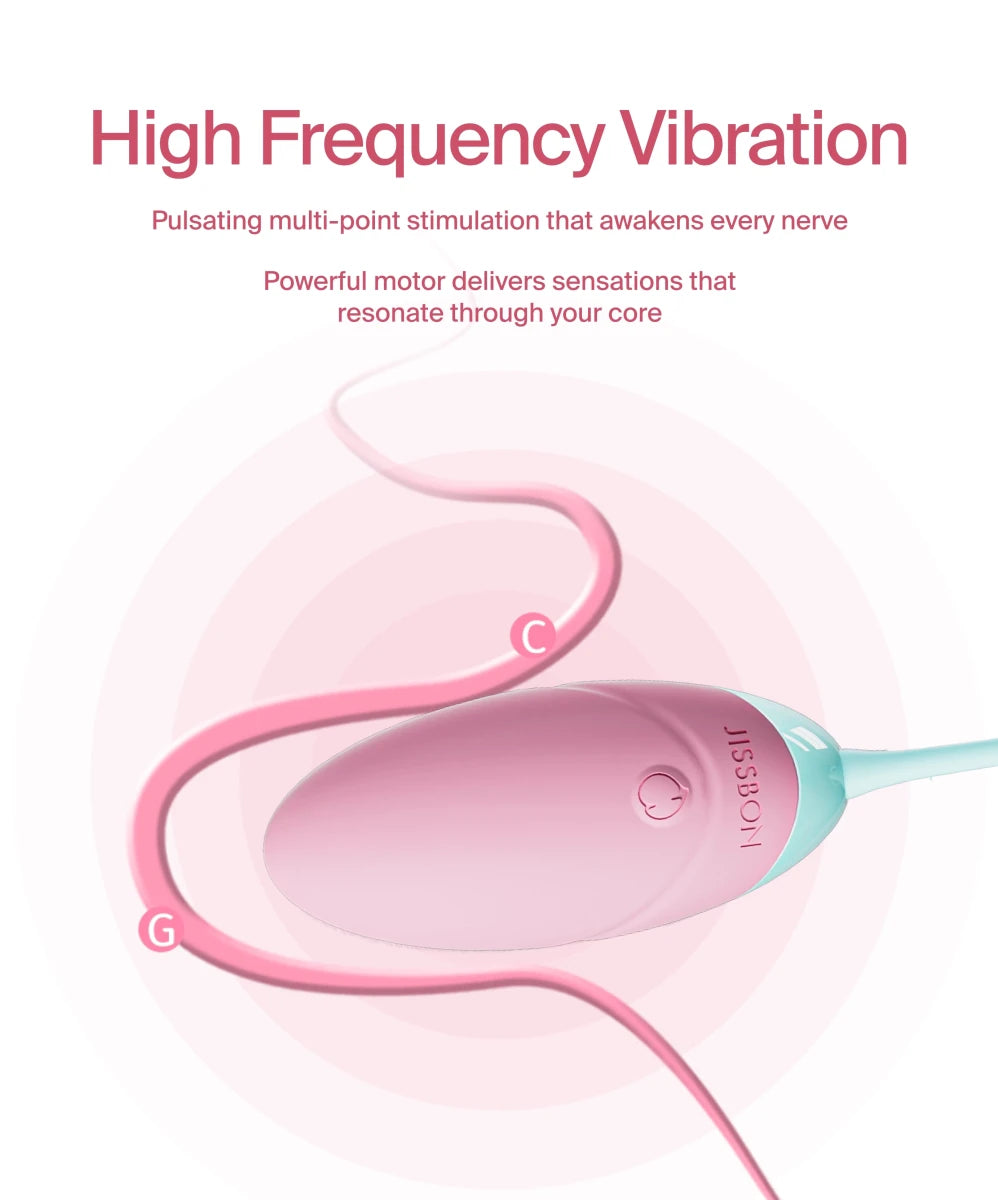
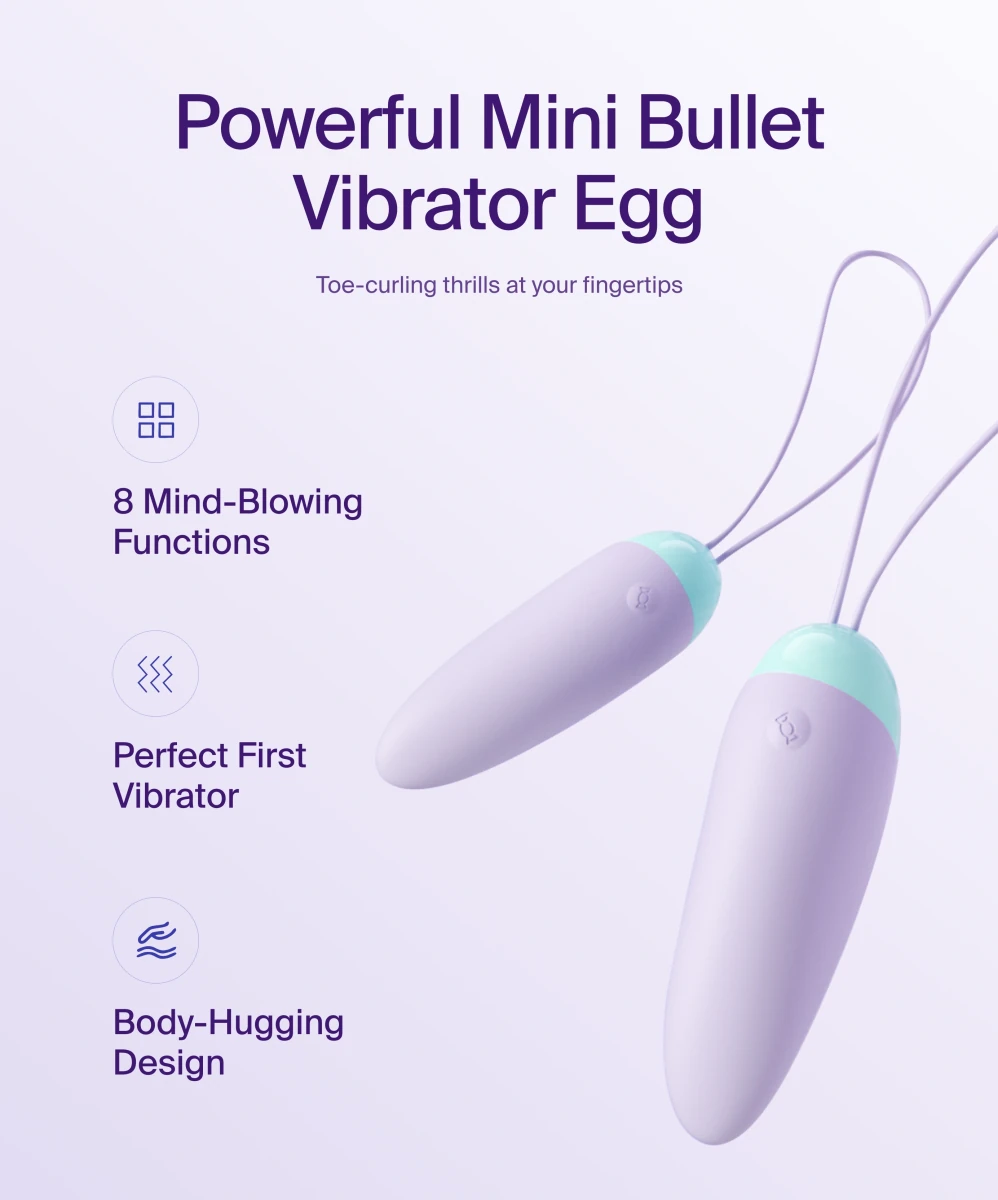
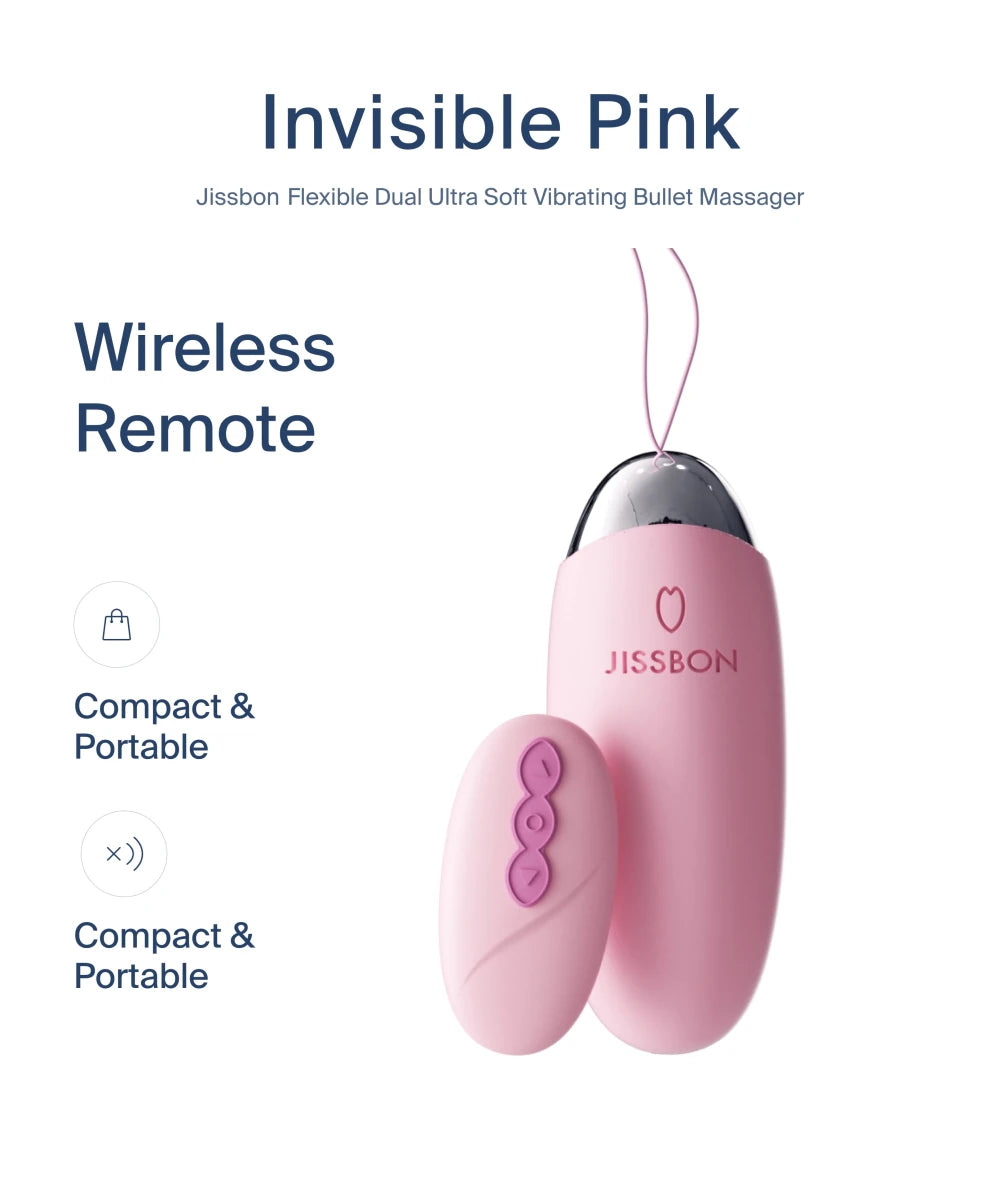
Bullet vibrators:
- Small, discreet, easy to maneuver
- Perfect for clitoral stimulation
- Affordable entry point ($15–$30)
- Explore options through bullet vibrators
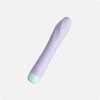
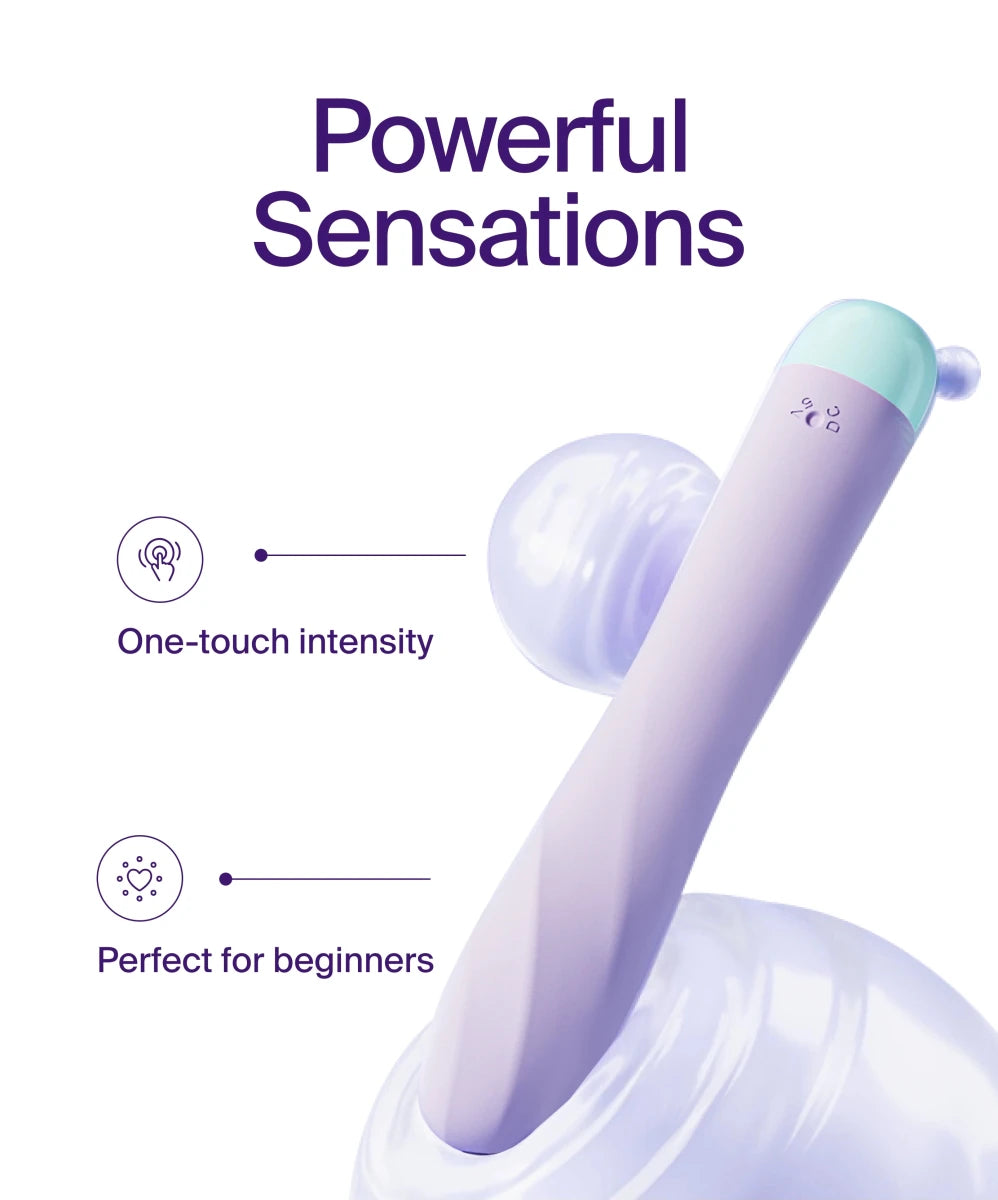
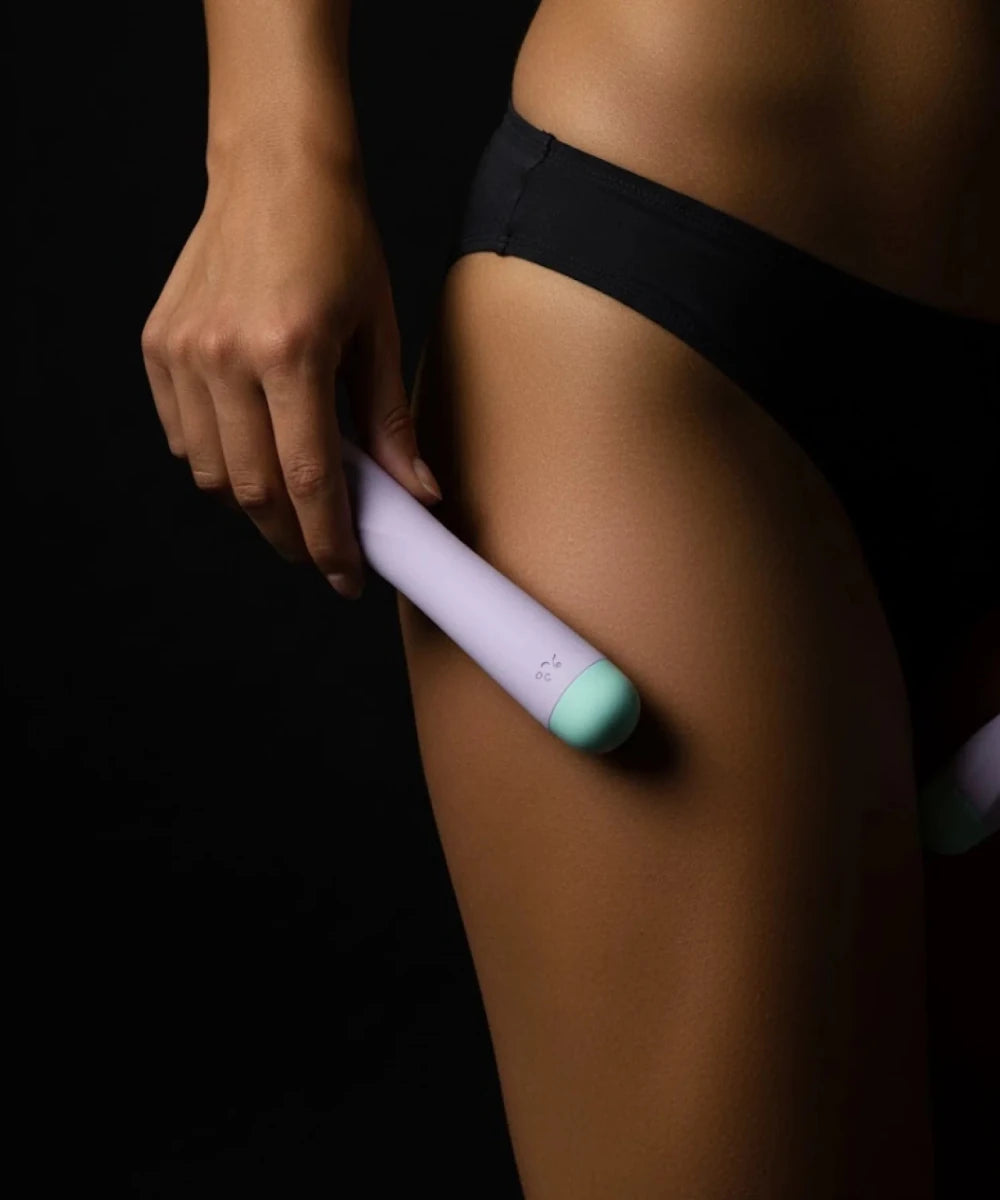
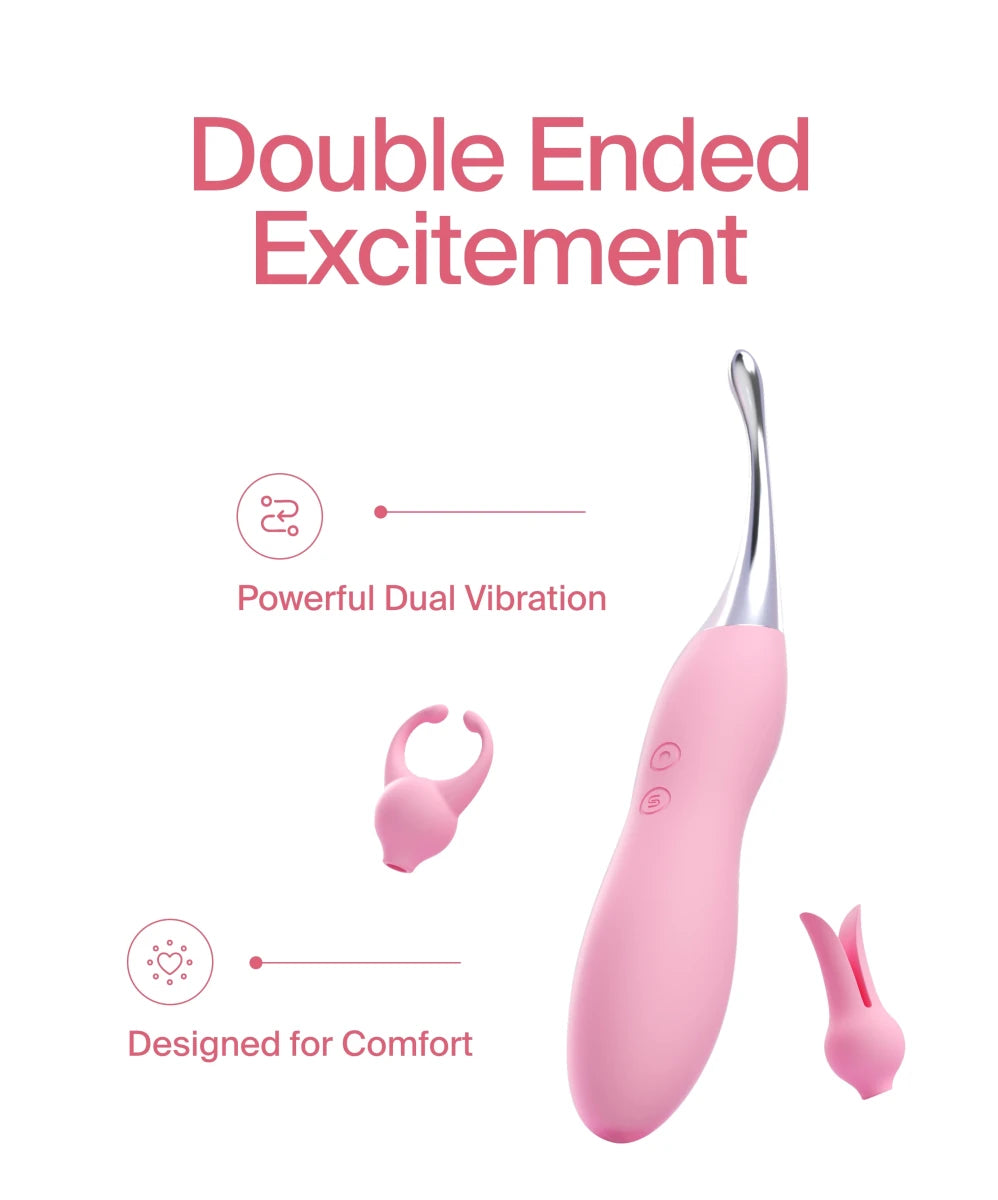
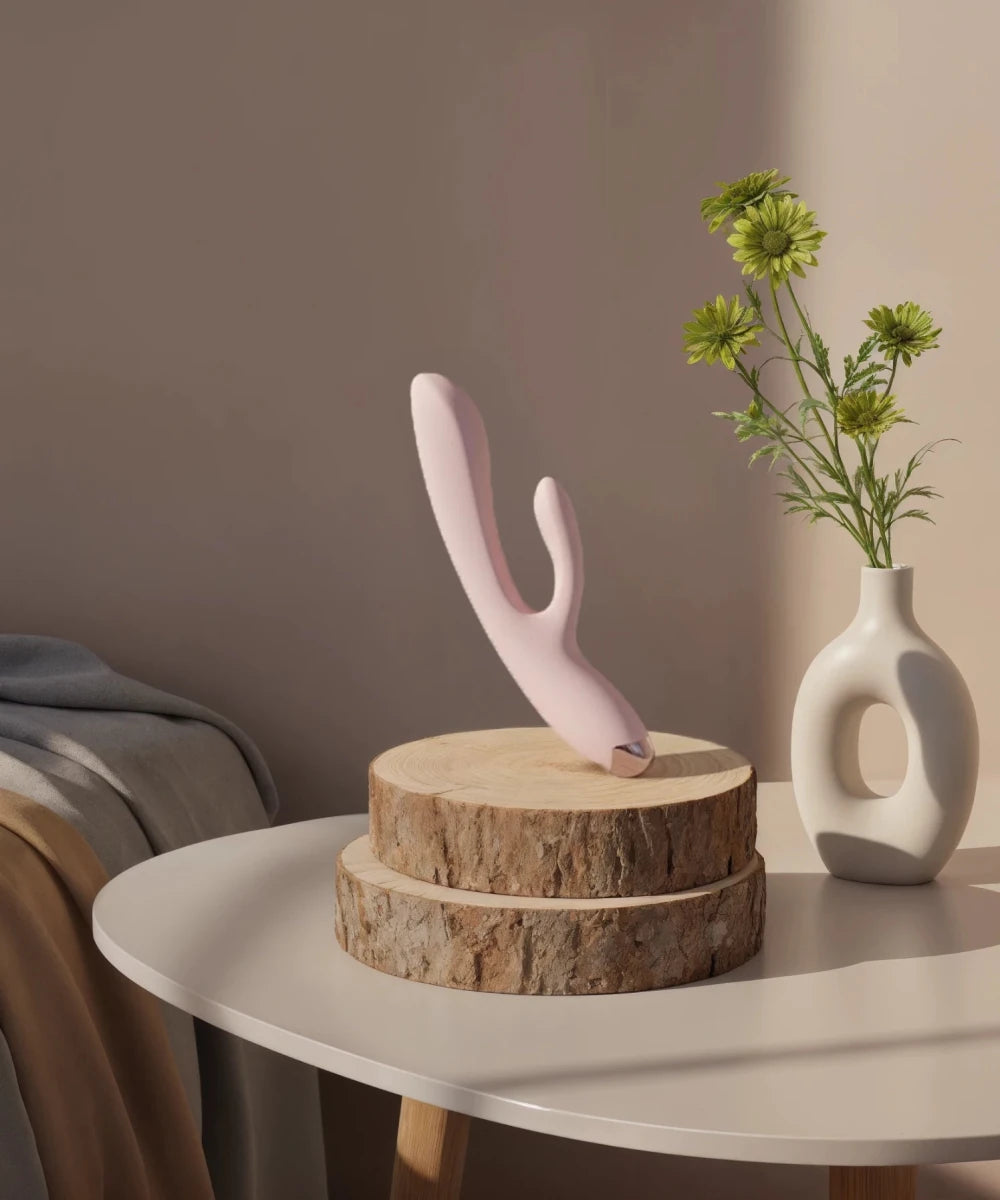
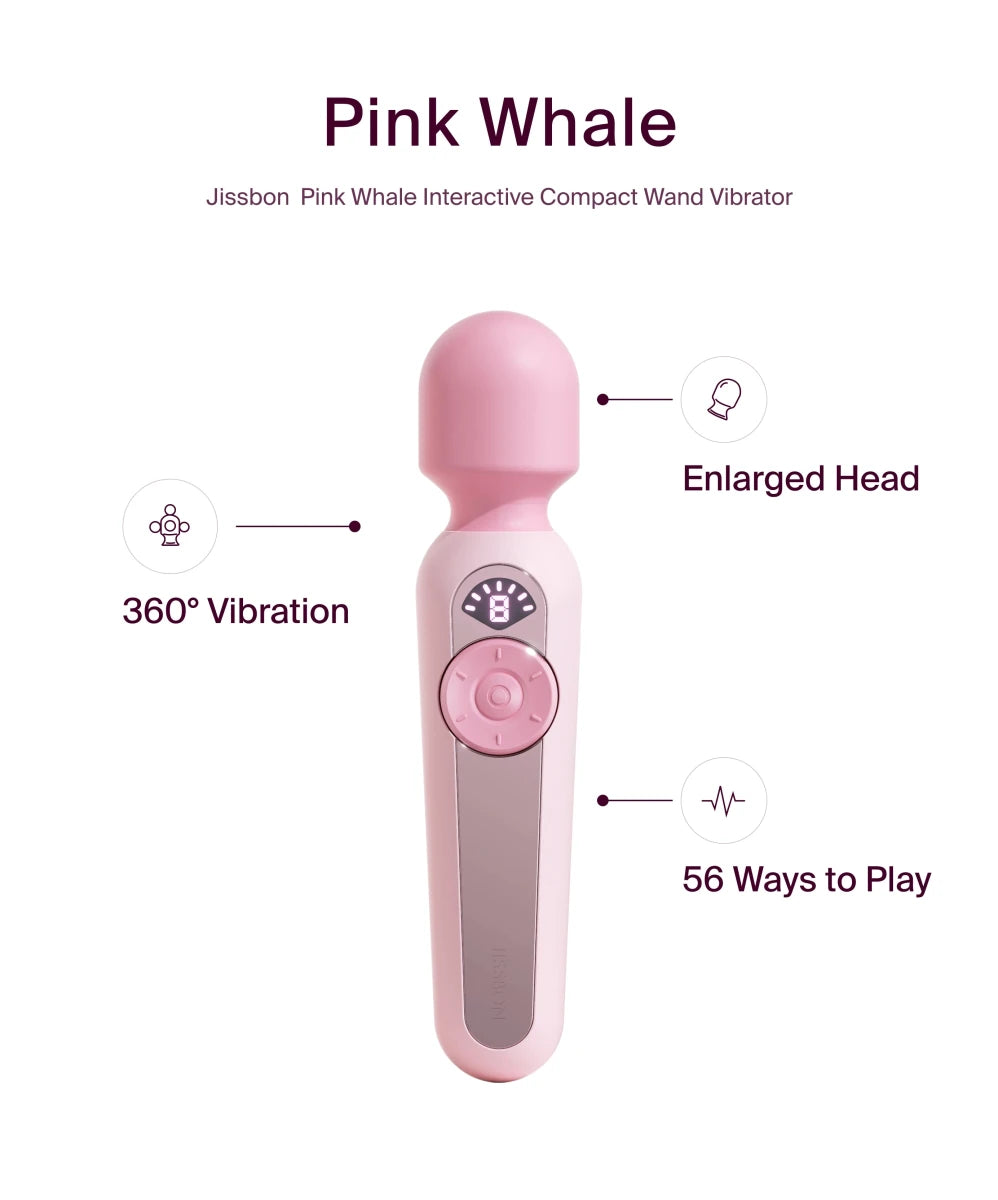
Wand vibrators:
- Broader stimulation area
- Very powerful (great for those requiring strong sensation)
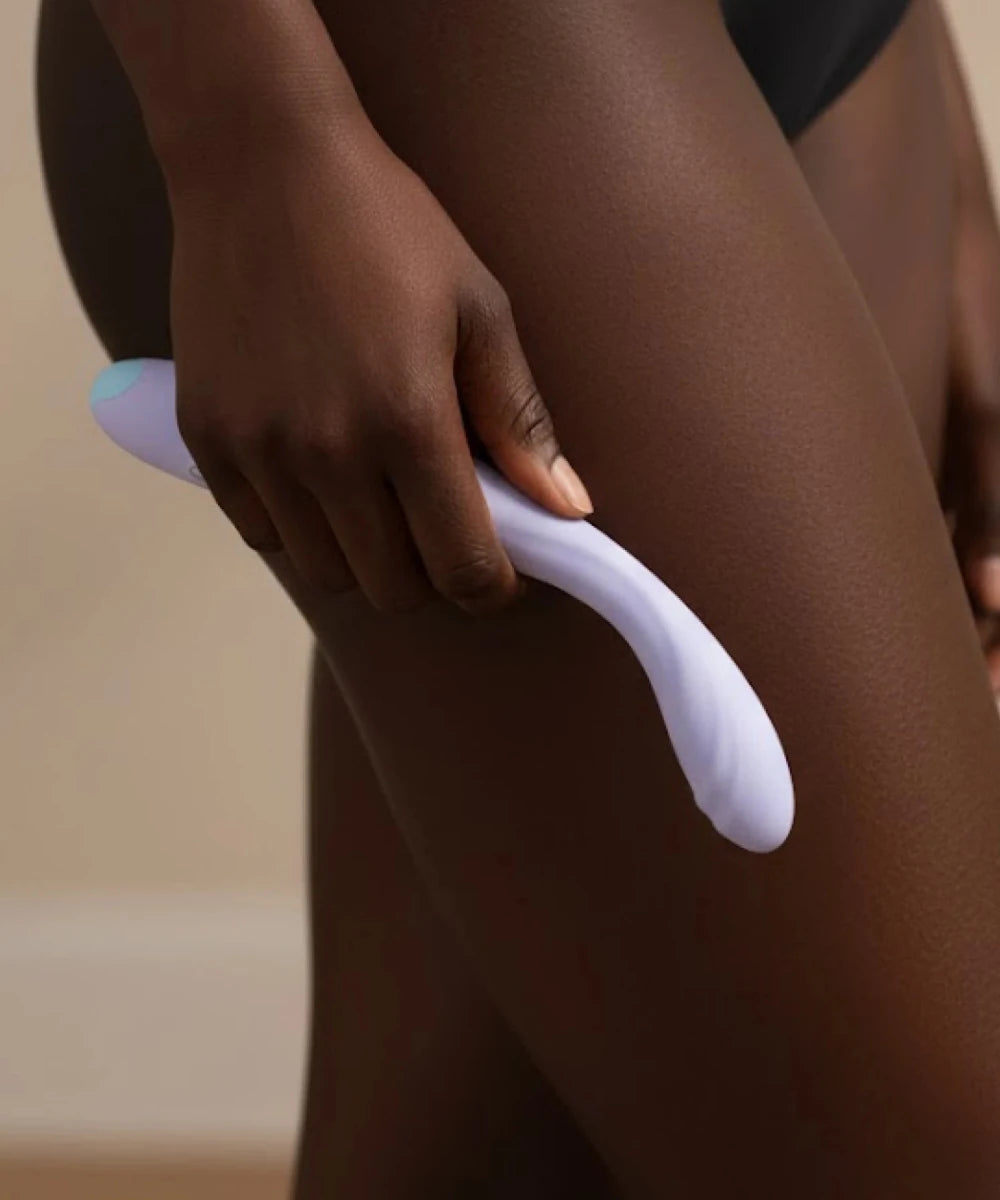
- Ergonomic handle reduces hand strain
- See selections at wand vibrators
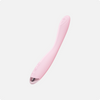
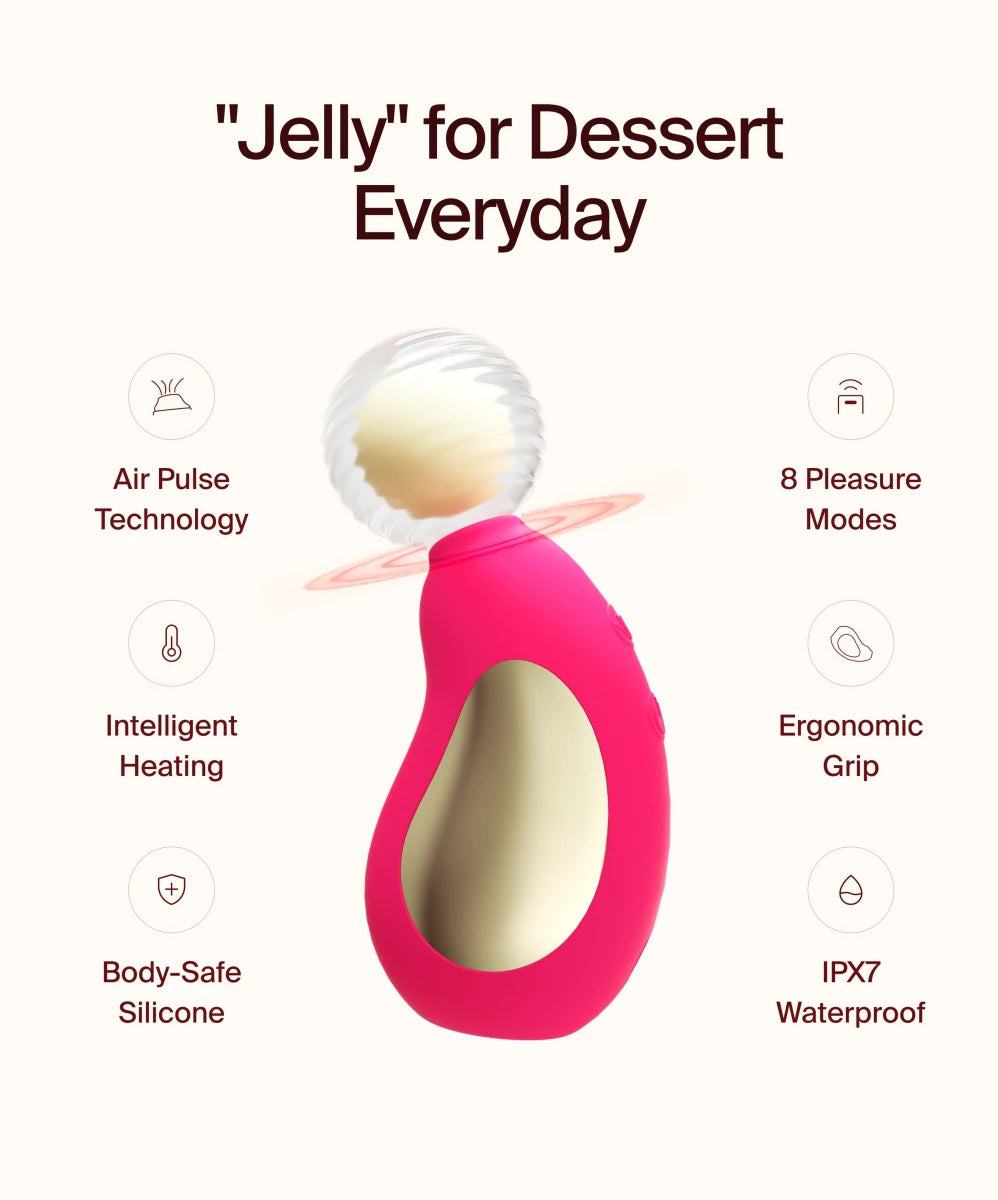
Clitoral suction toys:
- Use air-pulse technology rather than direct vibration
- Gentler sensation some find more pleasurable
- Increasingly popular for first orgasms
- Browse clitoral vibrators
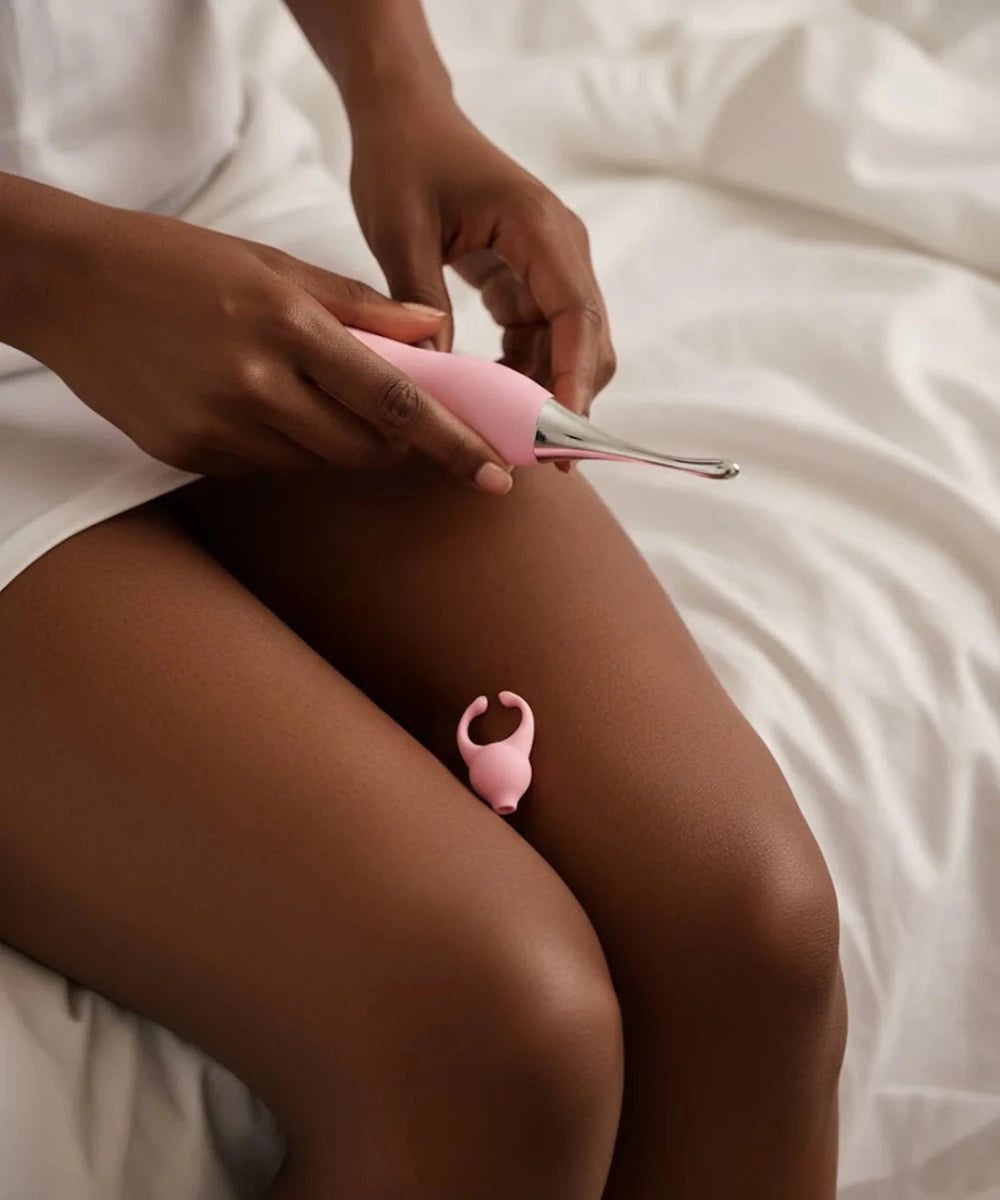
How to Use Vibrators Effectively
- Start on the lowest setting: High intensity can numb sensation
- Apply through underwear first: Indirect contact prevents overwhelming sensation
- Move the toy around: Don't hold in one spot continuously
- Increase intensity gradually: Work up to higher settings over 10–15 minutes
- Combine with manual touch: Use free hand for breast or body stimulation
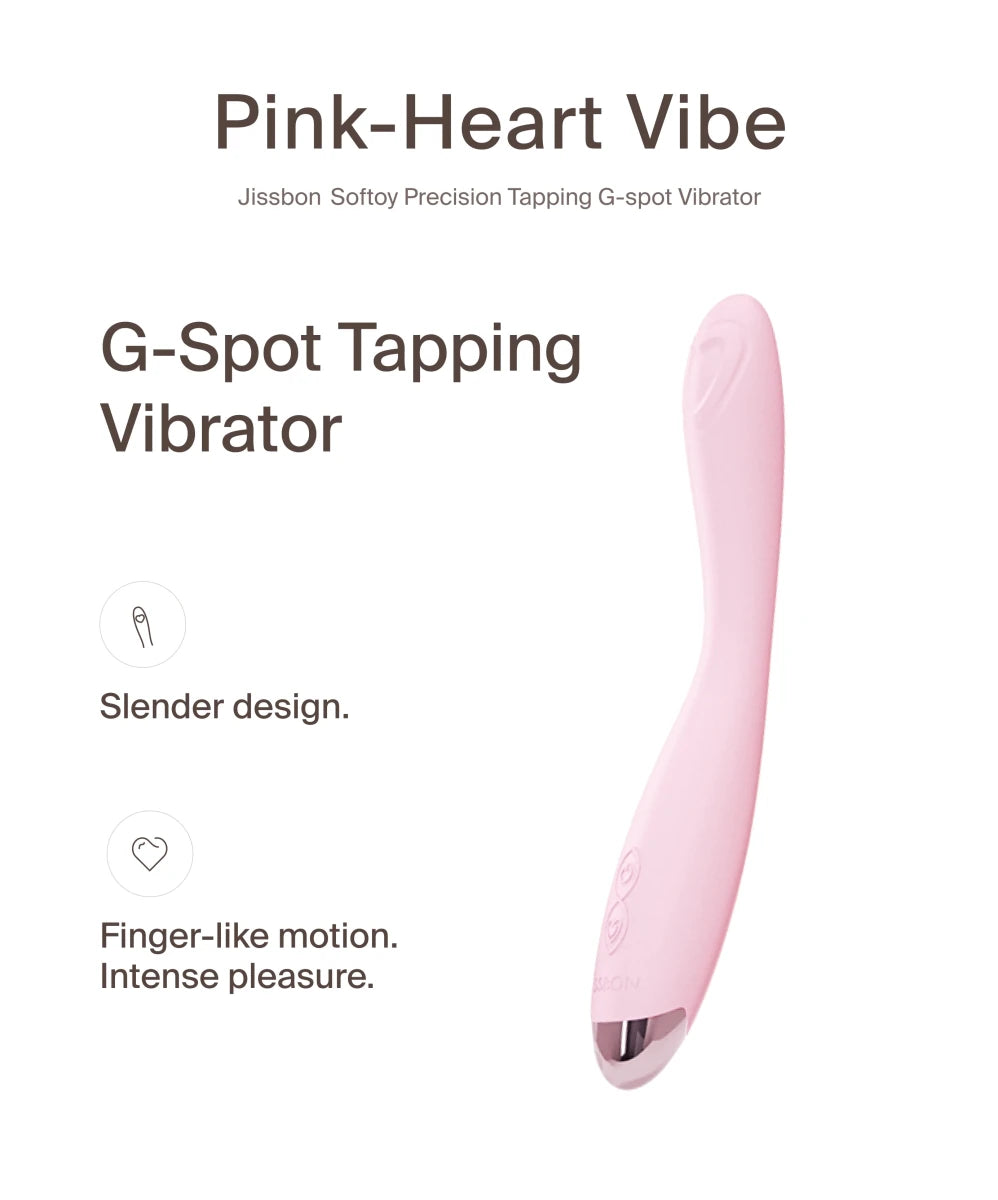
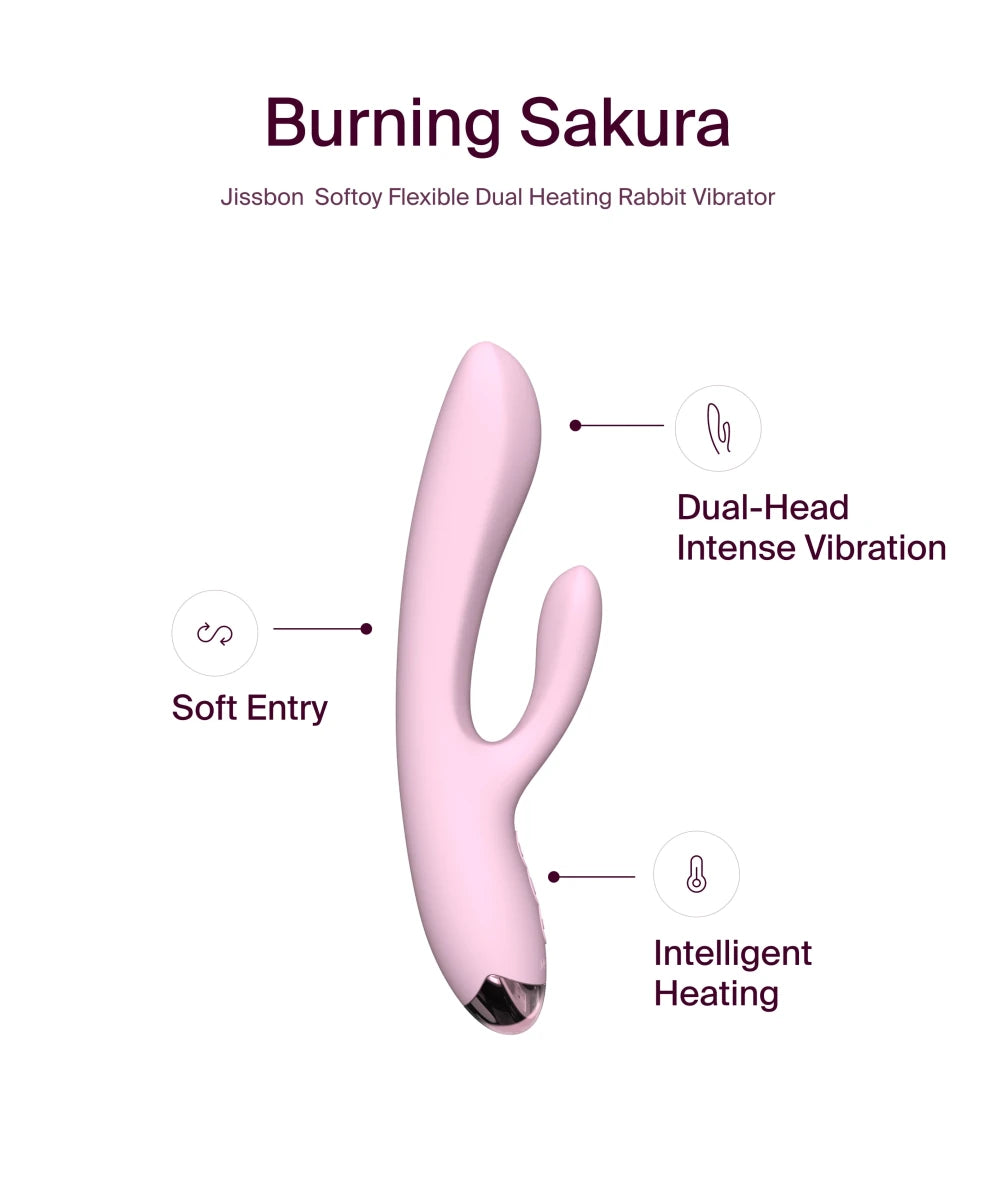
Discover beginner-friendly options at Jissbon designed for comfortable first experiences.
Common Challenges & Solutions
"I Feel Close But Can't Get There"
What's happening: You're reaching the plateau phase but not crossing into orgasm.
Solutions:
- Maintain exact technique: Don't change what you're doing when you feel close
- Increase intensity slightly: Add a bit more pressure or speed
- Breathe deeply: Holding breath restricts orgasm
- Release mental control: Stop trying to "make it happen" and just feel
- Try a vibrator: Provides consistent stimulation hands can't match
"I Don't Feel Much Sensation"
What's happening: Genital sensitivity varies; some people require more intense stimulation.
Solutions:
- Ensure adequate arousal: Spend more time on body exploration before genital touch
- Use more pressure: Some bodies need firm touch to feel stimulation
- Try vibration: Mechanical stimulation activates nerve endings differently
- Check lubrication: Too much friction reduces pleasant sensation
- Consider hormonal factors: Birth control or medications can affect sensitivity
"My Mind Wanders or I Feel Anxious"
What's happening: Mental engagement is as important as physical stimulation.
Solutions:
- Use fantasy or erotica: Engage your mind in arousal
- Practice mindfulness: When mind wanders, gently return focus to body sensations
- Address underlying anxiety: If anxiety is significant, consider discussing with a therapist
- Remove time pressure: Don't worry about how long it takes
- Try different times of day: Some people find morning or late night easier to focus
"It Feels Like I Need to Urinate"
What's happening: Pressure on the bladder or urethral sponge creates this sensation.
Solutions:
- Empty bladder before starting: Eliminates concern about actual urination
- Recognize this is normal: The feeling often precedes orgasm for many people
- Continue through the sensation: Often the orgasm happens immediately after this feeling
- Place towel underneath: Reduces anxiety about potential fluid release
After Your First Orgasm
What to Expect Immediately After
- Physical sensitivity: Genital area may feel very sensitive or even uncomfortable to touch
- Muscle relaxation: Body tension releases, creating relaxed or drowsy feeling
- Emotional responses: Some people cry, laugh, or feel euphoric—all normal
- Desire to stop or continue: Some want to rest; others want multiple orgasms
Building on Your Discovery
Remember what worked:
- Mental state: What were you thinking about?
- Physical technique: Exact motion, pressure, speed
- Environmental factors: Time of day, privacy level, tools used
Continue exploring:
- Try different positions (lying on back, side, stomach, standing)
- Experiment with combining techniques
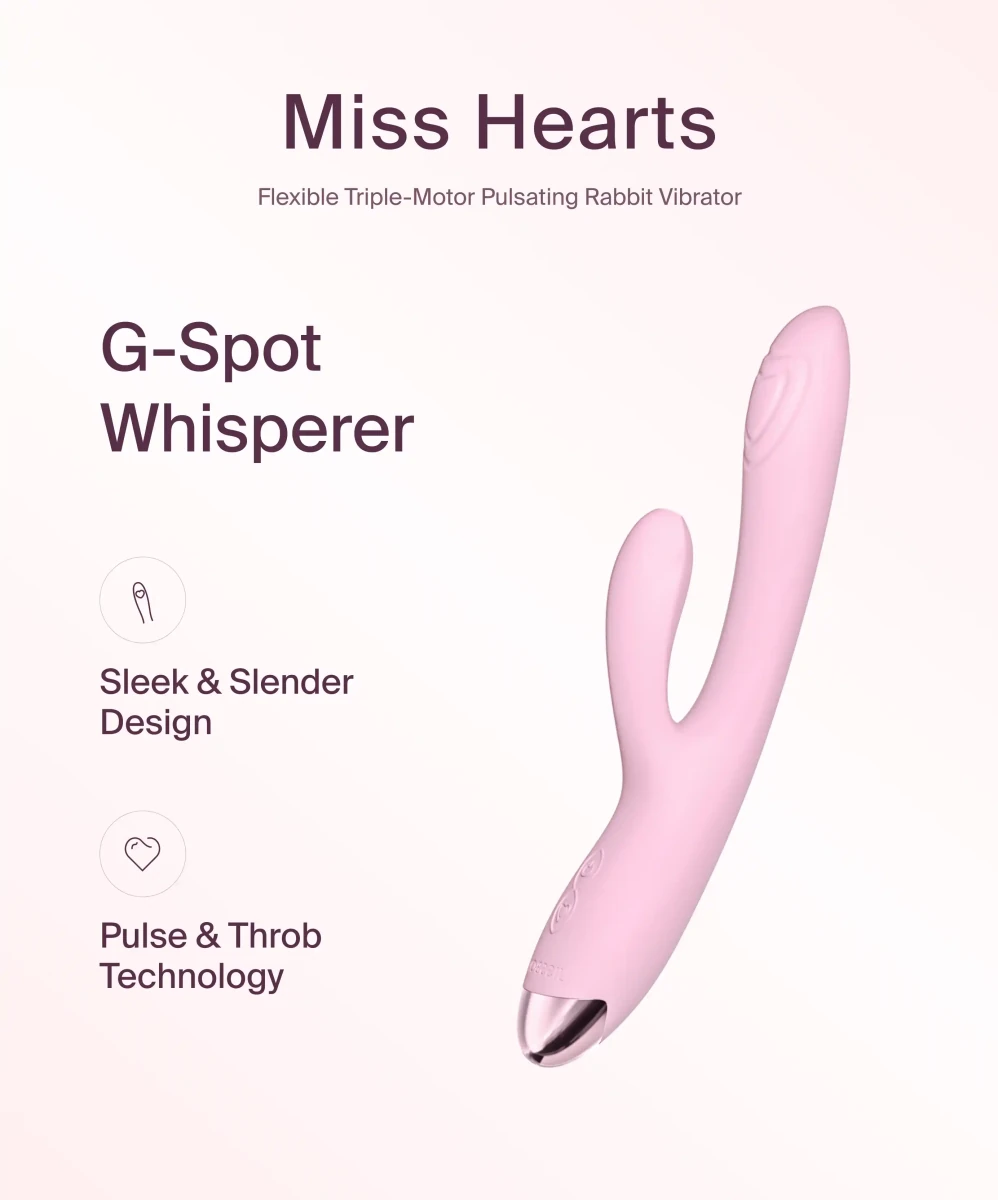
- Explore internal stimulation (G-spot) alongside external
- Consider trying during different parts of menstrual cycle (hormones affect sensitivity)
Be patient with variation:
- Not every session will result in orgasm—this is normal
- What works once may not work every time
- Your body's responses change based on stress, hormones, and energy levels
Frequently Asked Questions
How long should it take to reach orgasm?
There's no "should"—average solo orgasm time ranges from 5 to 45 minutes, with beginners often at the longer end. First-time orgasms may take multiple sessions before successfully reaching climax. Focus on pleasure rather than speed. Each body responds uniquely to stimulation.
Is it normal to not have orgasmed by my age?
Yes, completely normal. Age at first orgasm varies dramatically—some people experience it in adolescence, others in their 20s, 30s, or later. Approximately 10–15% of people haven't experienced orgasm by age 25. Social and cultural factors, body awareness, and opportunity all influence timing.
Can I orgasm from penetration alone?
Only about 20–30% of people with vulvas can orgasm from penetration without additional clitoral stimulation. This is anatomical—not a failure or inadequacy. Most people require direct clitoral contact. If you're interested in exploring internal pleasure, try G-spot vibrators designed to target the anterior vaginal wall.
Will using vibrators make me unable to orgasm other ways?
No, this is a myth. Vibrators don't cause permanent desensitization or "ruin" your ability to orgasm through other methods. Some temporary sensitivity reduction occurs immediately after vibrator use (lasting 10–30 minutes), but this resolves quickly. You can enjoy vibrators and manual stimulation interchangeably.
What if I feel shame or guilt about self-pleasure?
These feelings often stem from cultural, religious, or family messages about sexuality. Recognize that self-pleasure is a normal, healthy part of human sexuality. Consider: speaking with a sex-positive therapist, reading educational materials about sexual health, or connecting with online communities supporting sexual wellness. Your body and pleasure are not shameful. Review sexual health information from medical sources for perspective.
Should I watch or read explicit content to help?
Some people find erotica, erotic stories, or educational sexual content helpful for arousal and learning what appeals to them. Others don't find it necessary or enjoyable. There's no requirement—use what works for you. If you choose to explore, focus on content depicting realistic, consensual scenarios rather than mainstream material that often portrays unrealistic expectations.
Moving Forward with Confidence
Your first orgasm is a significant milestone in understanding your body. Remember that exploration is ongoing—preferences change, new techniques emerge, and arousal patterns shift over time. Give yourself permission to experiment without judgment.
Some people reach orgasm on their first focused attempt; others require weeks or months of exploration. Neither timeline indicates anything about your body or desirability. Trust your unique process and celebrate small discoveries along the way.
Ready to explore tools designed for comfortable first experiences? Discover beginner-friendly products through sex toys for women suitable for those just beginning their pleasure journey.


Looking for something else?

What Is Flogging in Sex? Complete BDSM Flogging Guide
LEARN MORE
What Does Overstimulated Mean Sexually? Causes & Solutions
LEARN MORE
Can You Get a Tattoo on Your Vagina? Safety, Pain & What to Expect
LEARN MORE
Public Sex Kink: Understanding Exhibitionism & Safe Exploration
LEARN MORELooking for something else?

A-Spot Orgasm: Best Positions & How to Find It
LEARN MORE
Bondage Play: Complete Beginner's Guide to Rope BDSM
LEARN MORE
Vibrator Stories: Real Experiences, Tips & What to Expect
LEARN MOREYou may also like
20% off

20% off

20% off

20% off

20% off

20% off

Further reading

How to Clean an Automatic Blowjob Machine Without Damaging the Motor

Remote-Controlled Automatic Masturbators for Couples and Solo Play
Best Automatic Strokers for Edging and Stamina Training