












































How to Properly Clean Sex Toys: Essential Hygiene and Maintenance Guide
Stack & Save: Extra 15% with Jissbon15
Jissbon15
Proper sex toy cleaning prevents bacterial infections, extends product lifespan, and ensures safe, pleasurable experiences every time you use your collection. Many people unknowingly compromise their health through inadequate cleaning protocols, improper storage, or continuing to use toys past their safe usability period.
Understanding material-specific cleaning requirements, establishing post-use routines, recognizing when replacement becomes necessary, and storing toys correctly transforms toy ownership from a potential health risk into a safe, long-term investment in personal wellness.
This comprehensive guide covers everything from immediate post-use cleaning techniques for different materials to deep-cleaning schedules, storage best practices, and clear indicators that it's time to retire a toy regardless of sentimental attachment or financial investment.
How to Clean Internal vs. External Toys
Cleaning requirements vary depending on whether the toy is used internally or externally. Understanding this distinction helps you remove hidden residue and keep the toy truly sanitary.
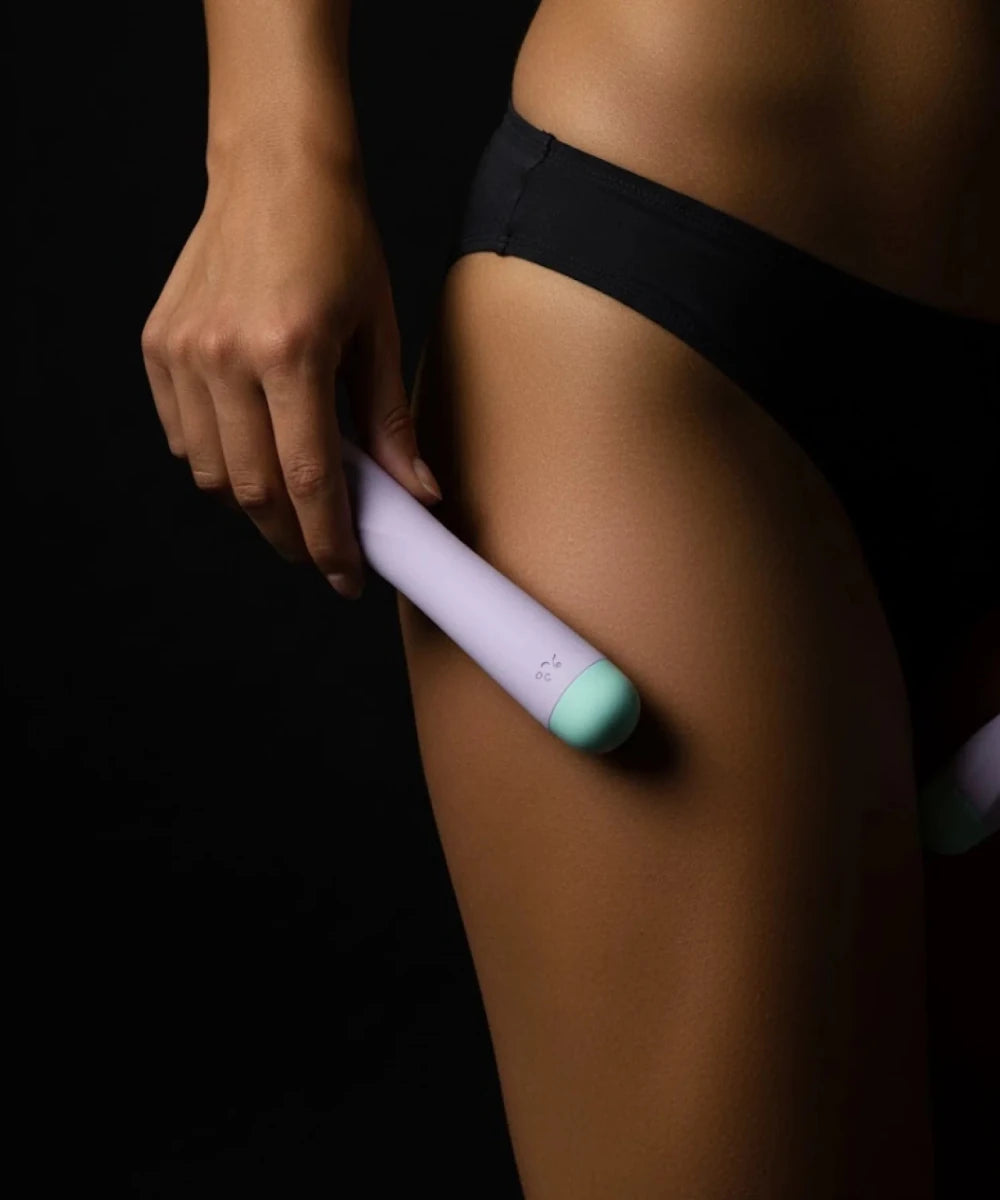
External-Use Toys (wands, bullets, massagers)
- Focus on surface cleaning, especially around seams and buttons.
- Wipe with a damp soapy cloth or toy cleaner if not waterproof.
- Rinse only the portions rated safe for water exposure.
Internal-Use Toys (dildos, insertable vibrators, plugs)
- Must be cleaned immediately after every use, as bodily fluids dry quickly.
- Pay special attention to textured areas—ridges, spirals, and indentations trap fluids.
- For anal toys, clean twice: once with mild soap, again with antibacterial cleaner.
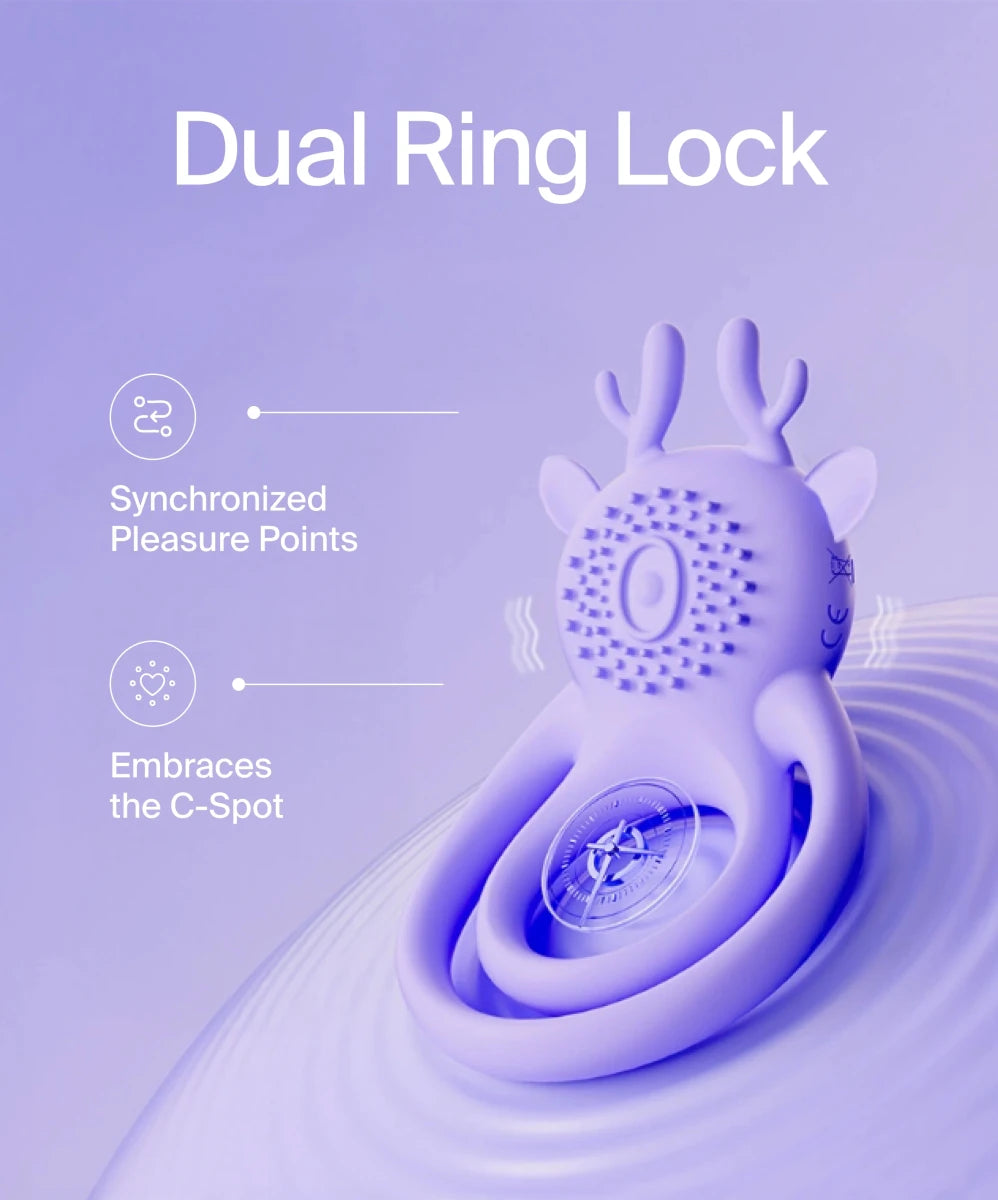
Hybrid Toys (dual-use or couples toys)
Clean according to the most sensitive part.
If one part contains motors and the other is insertable silicone, treat it as an internal toy but keep water away from electronics.
Special Cleaning Methods for Textured & Hollow Toys
Internal textures and hollow cavities need more attention because fluids and lube can hide inside.
For Textured Toys
- Use a soft dedicated brush (like a clean soft-bristle toothbrush).
- Scrub gently inside grooves while lathered with mild soap.
- Rinse from different angles to fully flush out debris.
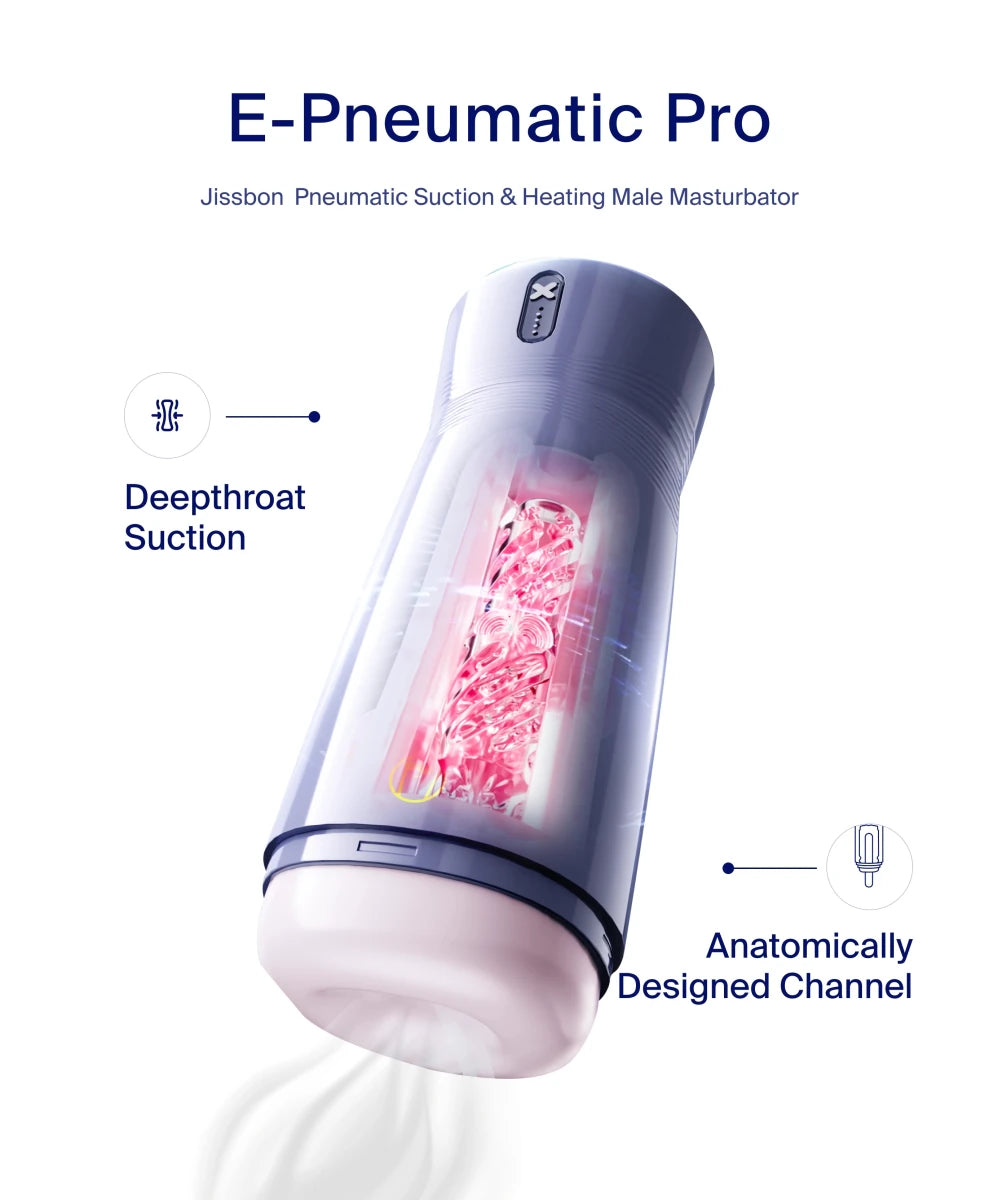
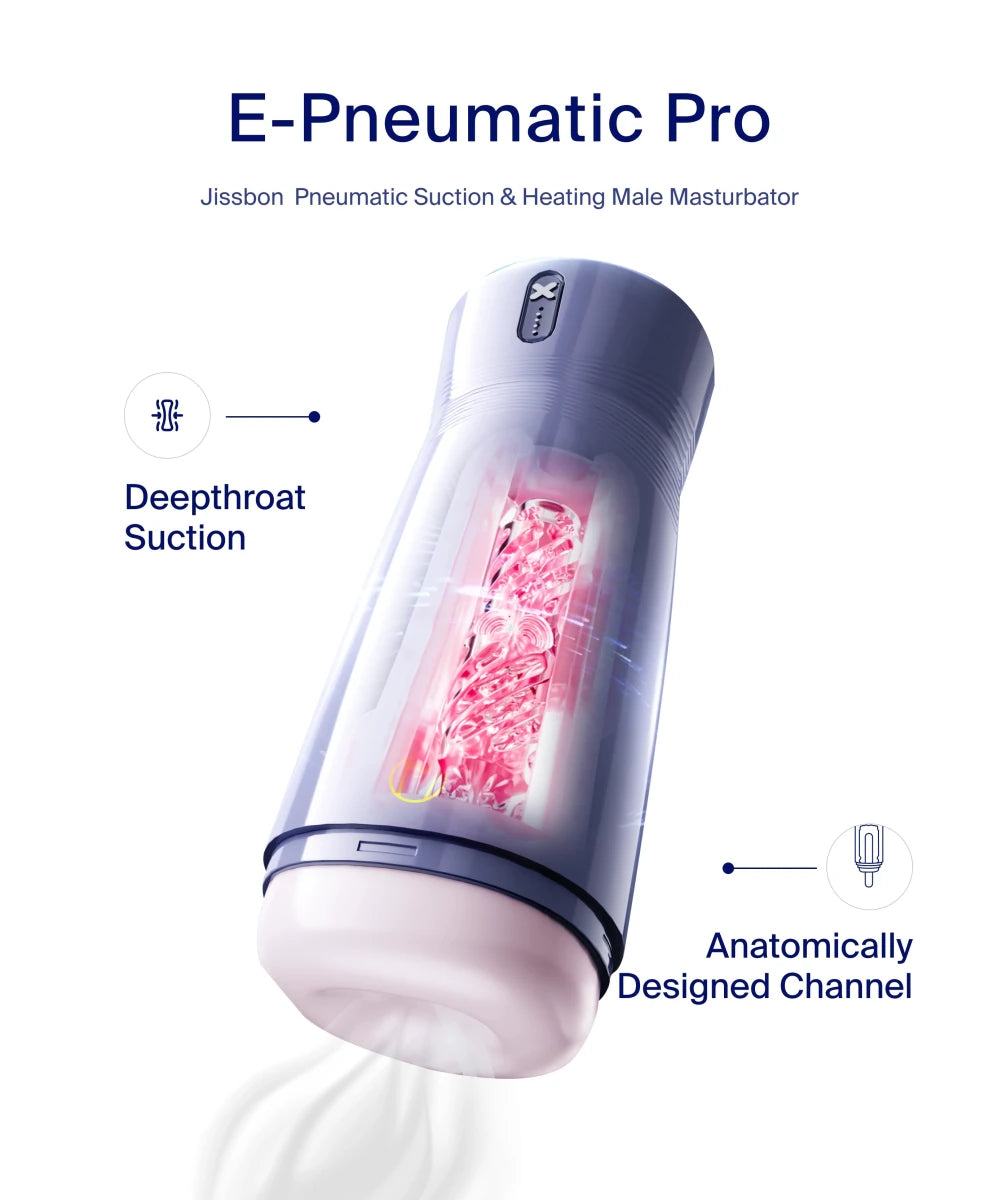
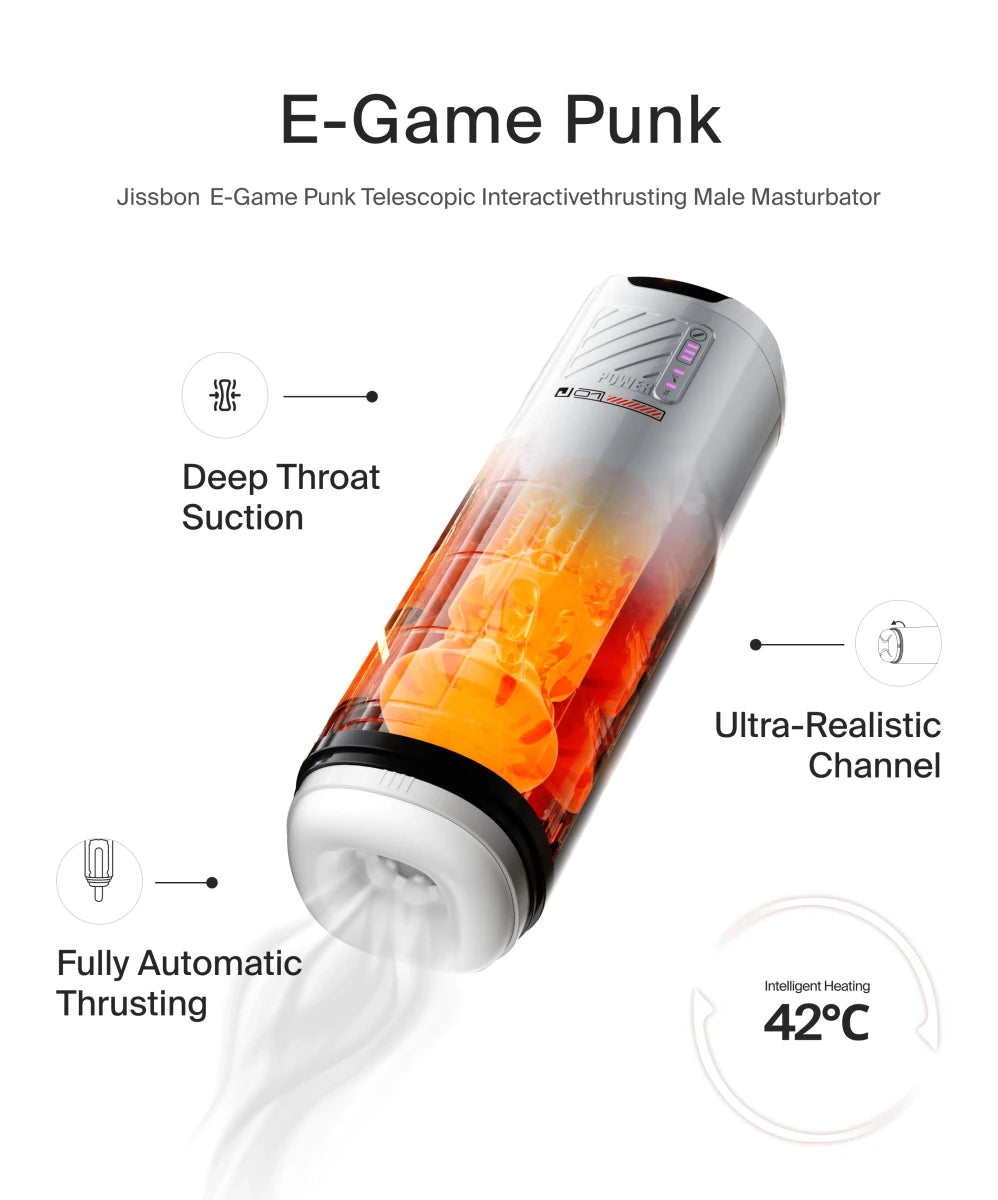
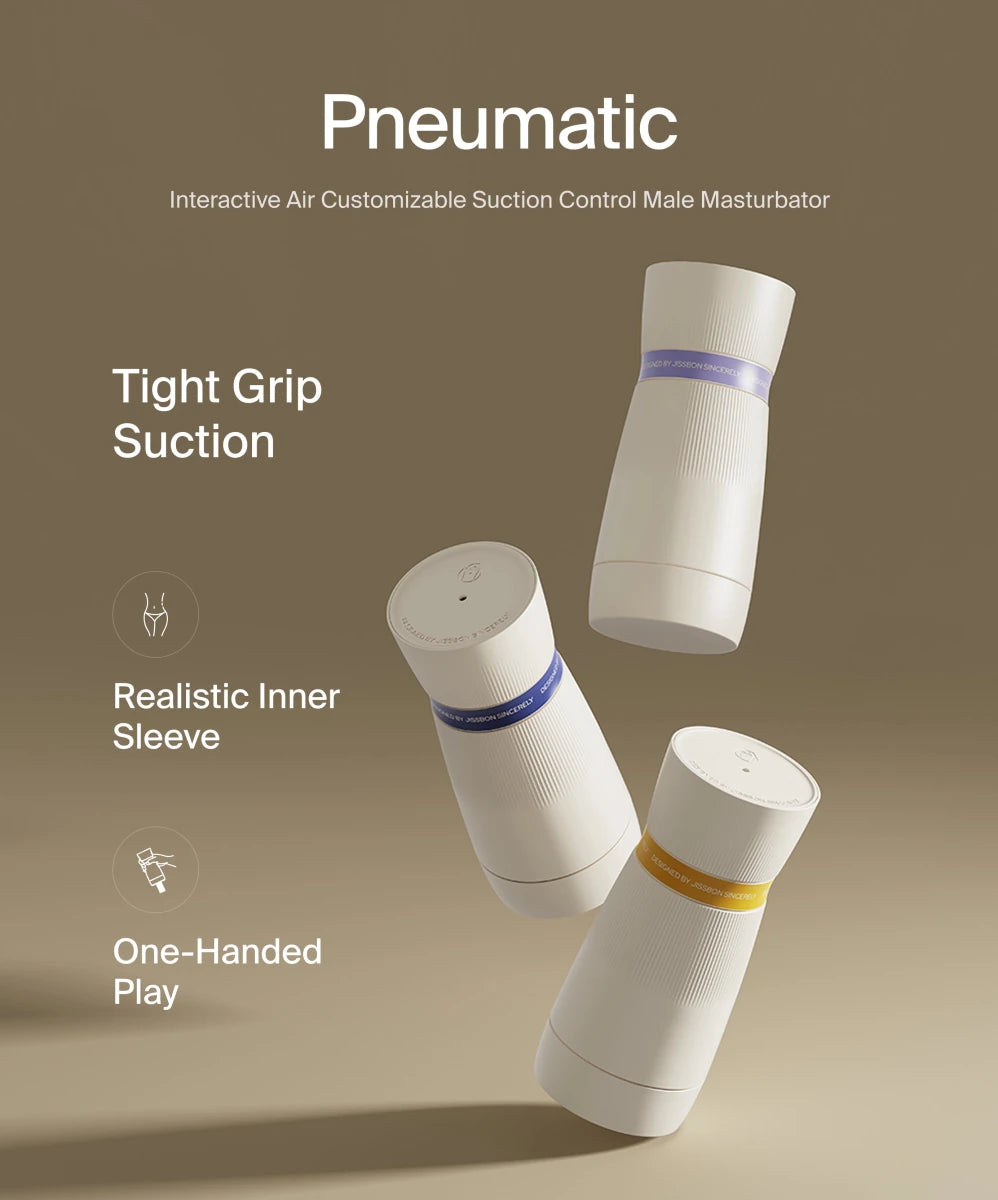
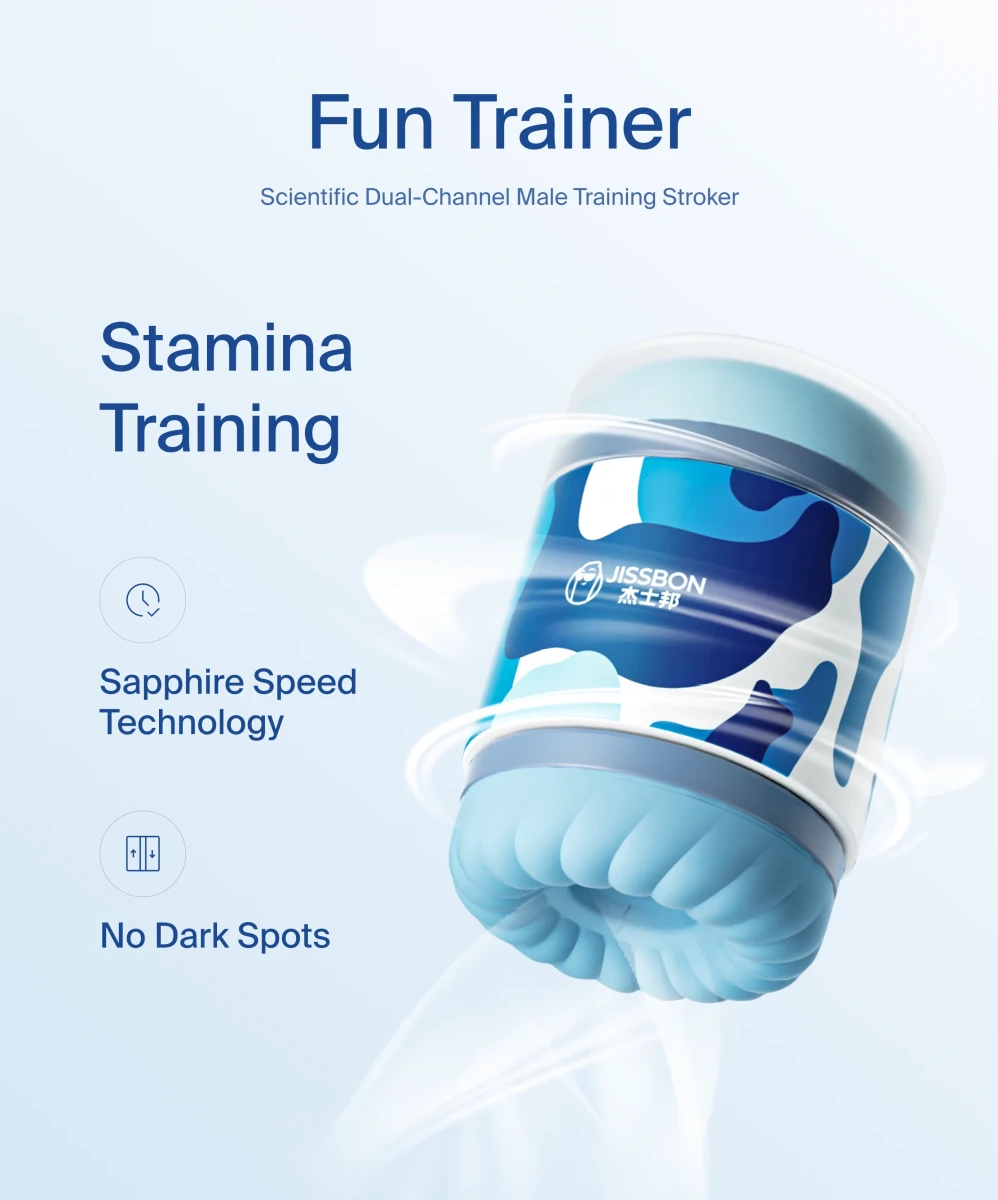
For Strokers & Masturbation Sleeves
- Turn the sleeve inside out if the design allows.
- If the sleeve cannot be inverted, fill with warm soapy water, shake gently, and rinse repeatedly.
- Air-dry upright so water drains fully.
- Apply renewal powder to prevent stickiness and material breakdown.
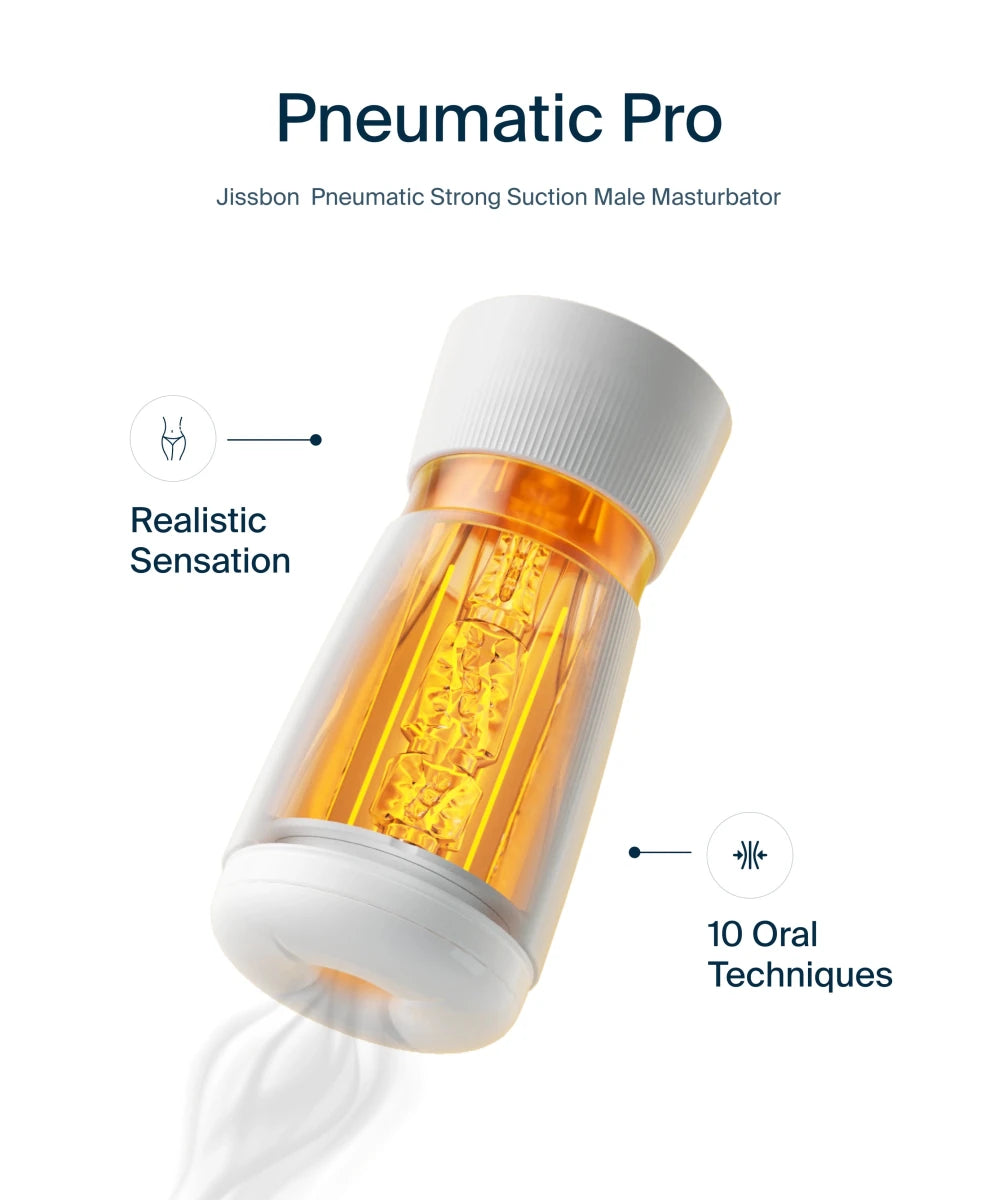
For Suction Toys / Air-Pulse Toys
- Do not submerge unless waterproof.
- Clean the silicone nozzle separately (many brands allow detaching).
- Use cotton swabs for the inner rim where fluids often accumulate.
Why Proper Sex Toy Cleaning Matters

Beyond the obvious "ick" factor, inadequate cleaning carries real health consequences.
Infection Prevention
Bacterial growth: Body fluids, lubricant residue, and natural skin oils create perfect environments for bacteria to multiply rapidly—within hours, not days.
Yeast infections: Candida thrives on toys that aren't properly cleaned and dried, transferring back to your body during subsequent use.
UTIs (urinary tract infections): Using contaminated toys near the urethra introduces bacteria directly into the urinary system.
STI transmission: Sharing toys between partners without proper cleaning between uses can transmit sexually transmitted infections.
Bacterial vaginosis: Disruption of natural vaginal flora from introducing contaminated toys causes this common infection.
Material Degradation Prevention
Porosity concerns: Materials like TPE, rubber, or "jelly" absorb fluids and harbor bacteria internally—even after surface cleaning. These require more aggressive maintenance.
Chemical breakdown: Product residue from improper cleaners degrades materials, creating rough patches, tears, or toxic leaching.
Silicone deterioration: Silicone-to-silicone contact (storing silicone toys touching) can cause material reactions. Proper storage prevents this.
Financial Investment Protection
Quality toys represent significant investment. Proper care extends their functional lifespan from months to years, maximizing value and reducing waste.
For general health information on preventing infections, see Mayo Clinic's guidance on bacterial vaginosis.
Material Identification: Know Before You Clean
Different materials require different approaches. Identify your toy's material before selecting cleaning methods.
|
Material |
Porosity |
Sterilization |
Lifespan |
Care Difficulty |
|
Medical-grade silicone |
Non-porous |
Can boil/bleach |
5–10+ years |
Easy |
|
ABS plastic (hard) |
Non-porous |
Soap and water |
5+ years |
Very easy |
|
Glass (borosilicate) |
Non-porous |
Can boil/dishwasher |
Indefinite |
Very easy |
|
Stainless steel |
Non-porous |
Can boil/bleach |
Indefinite |
Very easy |
|
TPE/TPR |
Porous |
Cannot sterilize |
3–12 months |
Moderate |
|
Jelly rubber/PVC |
Very porous |
Cannot sterilize |
1–6 months |
Difficult |
|
Cyberskin/UR3 |
Extremely porous |
Cannot sterilize |
3–6 months |
Very difficult |
How to identify: Check product packaging, manufacturer websites, or original documentation. If unknown and porous-feeling/smelling (especially chemical odors), assume it requires the most cautious cleaning approach.
Immediate Post-Use Cleaning: The Essential Routine

This should happen every single time, without exception.
Universal Steps (All Materials)
Step 1: Rinse immediately
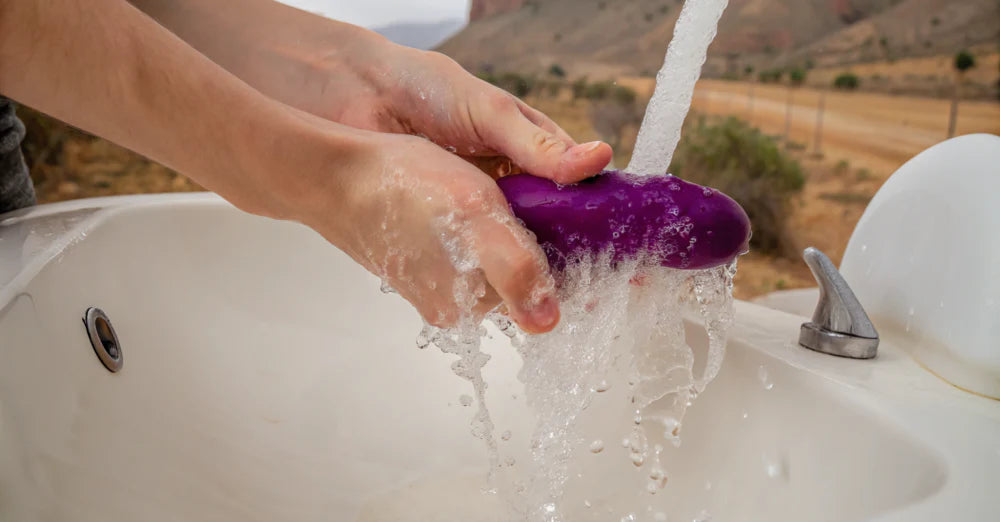
Don't wait. Fluids and lubricants harden as they dry, making removal exponentially harder. Rinse under warm running water immediately after use.
Step 2: Apply cleaning agent
Use one of these options:
- Specialized sex toy cleaner (antibacterial formulas designed for body-safe materials)
- Mild, unscented antibacterial soap
- Gentle dish soap (unscented, no harsh degreasers)
Avoid: Harsh soaps, alcohol-based cleaners (damage materials), bleach solutions (except for sterilization), or anything with strong fragrances.
Step 3: Scrub thoroughly
Use your fingers or a very soft brush to scrub all surfaces, paying special attention to:
- Textured areas (ribs, nubs, seams)
- Crevices where fluids accumulate
- Control buttons or battery compartments (avoid soaking)
- Suction cup bases
- Any indentations or raised patterns
Step 4: Rinse completely
Rinse under running water until no soap residue remains. Soap residue causes irritation during next use.
Step 5: Dry thoroughly
Pat dry with a clean, lint-free cloth or paper towel. Air-dry completely before storage—moisture encourages bacterial and mold growth.
Material-Specific Considerations
Silicone (without electronics):
- Can use slightly hotter water
- Scrub more vigorously without damage concerns
- Occasional deep cleaning via boiling (see below)
Electronics (vibrators, automatic toys):
- Avoid submerging unless explicitly waterproof (IPX7 rated)
- Clean carefully around charging ports and buttons
- Wipe with damp cloth rather than running under water if non-waterproof
Glass and metal:
- Can handle hot water and vigorous scrubbing
- Check for chips or cracks before each use (discard if damaged)
TPE/TPR/Jelly materials:
- Use lukewarm (not hot) water—heat can warp these materials
- Apply renewal powder (cornstarch or specialized powder) after drying to maintain texture
- Clean more frequently as these harbor bacteria more easily
Deep Cleaning Schedules: Beyond Basic Washing
Regular deep cleaning sterilizes toys and removes buildup basic washing misses.
Boiling Method (Non-Electronic Toys Only)
Appropriate for: 100% silicone (verify no electronic components), glass, stainless steel
Frequency: Monthly with regular use, or before sharing between partners
Process:
- Ensure toy is completely free of electronics, batteries, or motors
- Fill large pot with water and bring to rolling boil
- Submerge toy completely for 3–5 minutes
- Remove carefully with tongs (toys will be extremely hot)
- Allow to cool and dry completely
Caution: Never boil TPE, TPR, jelly, cyberskin, or materials containing electronics.
Bleach Solution Sterilization
Appropriate for: Non-porous materials only (silicone, glass, steel, hard plastic)
Frequency: Every 2–3 months or after suspected contamination
Process:
- Mix solution: 1 part household bleach to 10 parts water
- Submerge toy completely for 5–10 minutes
- Rinse thoroughly under running water for at least 2 minutes
- Wash with soap and water to remove all bleach traces
- Rinse again and dry completely
Caution: Never use bleach on porous materials—they absorb it and cannot be rinsed adequately.
Dishwasher Method
Appropriate for: Waterproof silicone, glass, and steel toys without batteries or motors
Frequency: Monthly
Process:
- Place toys on top rack only
- Run without dishes or detergent (or use small amount of mild detergent)
- Skip heated dry cycle—remove immediately after wash completes
- Hand-dry thoroughly
Not recommended for: Any toy with electronics, porous materials, or items not explicitly labeled dishwasher-safe.
UV Sanitizer Devices
Function: Specialized boxes that use UV-C light to kill surface bacteria
Appropriate for: All materials, especially electronics and porous items that can't be boiled
Limitations: Only sterilizes surfaces UV light reaches—doesn't penetrate porous materials' interiors
Frequency: After each use as supplement to washing, not replacement
Storage Best Practices: Keeping Toys Clean Between Uses
Proper storage prevents contamination, material degradation, and accidental damage.
Individual Storage
Why it matters: Silicone toys touching each other can cause material reactions (melting or bonding). All toys benefit from protected storage that prevents dust, pet hair, or other contamination.
Storage options:
Individual fabric pouches: Breathable bags that come with many toys or can be purchased separately
Satin or silk bags: Gentle, breathable, and washable
Plastic zip bags (temporary only): Convenient but not ideal long-term—trapped moisture encourages bacterial growth
Original packaging: Suitable if it's clean and designed for storage (hard cases, clamshells)
Avoid: Storing toys loose in a drawer where they touch each other or collect dust.
Environmental Conditions
Temperature: Store in cool, dry locations. Avoid extreme heat (attics, cars) or cold (unheated garages).
Sunlight: Direct sun degrades materials—especially TPE, rubber, and colored silicone.
Humidity: Bathrooms seem convenient but humidity encourages mold. Choose bedroom storage instead.
Accessibility vs. privacy: Balance easy access for regular use with discretion based on living situation.
Lockable Storage Options
For shared living spaces or households with children:
Lockable boxes or cabinets: Small lockboxes (marketed for documents/valuables) work perfectly
Bedside tables with locks: Furniture designed with locking drawers
Combination safes: Overkill for most, but provides maximum security
Travel cases: Many discreet storage solutions double as portable options
When to Replace Sex Toys: Recognizing End-of-Life Signs

Even with perfect care, toys don't last forever. Safety requires recognizing when replacement becomes necessary.
Physical Damage Indicators
Tears or rips: Any break in material integrity allows bacteria to colonize internally. Discard immediately.
Cracks (glass, hard plastic): Sharp edges cause injury. No exceptions—throw away.
Discoloration: Permanent staining, especially dark patches, may indicate bacterial colonization or material breakdown.
Sticky or tacky texture: When renewal powder no longer restores smoothness in TPE/rubber toys, material has degraded. Replace.
Strong, persistent odors: Chemical smells that won't wash out indicate material breakdown or bacterial colonization.
Warping or melting: Indicates exposure to incompatible substances or temperatures. Structural integrity is compromised.
Functional Failures
Motor/vibration issues: Weakening vibrations, intermittent function, or complete failure. While technically usable, diminished function means it's time to upgrade.
Battery corrosion: Visible corrosion in battery compartments can't be fully cleaned and poses contamination risks.
Charging problems: Rechargeable toys that won't hold charges or charge inconsistently near end-of-life.
Control failures: Buttons that stick, don't respond, or activate randomly.
Timeline Guidelines by Material
Porous materials (TPE, jelly, cyberskin):
- Replace every 3–12 months with regular use (2–3 times weekly)
- Every 6–18 months with occasional use (monthly or less)
- Immediately if any damage appears
Silicone (medical-grade):
- 5–10+ years with proper care
- Replace if tears, discoloration, or tackiness develops
Glass and metal:
- Indefinite lifespan if undamaged
- Inspect carefully before each use for chips or cracks
Electronics:
- Motor lifespan: typically 1–3 years with regular use
- Battery degradation: rechargeable batteries lose capacity after 300–500 cycles
For consumer product safety information, see FDA guidance on medical device maintenance.
Sharing Toys Safely: Partner and Multi-Person Considerations
Using toys with multiple partners requires additional protocols.
Barrier Methods
Condoms over toys: Place a fresh condom on toys before each partner uses them. Change condoms between partners or between uses (anal to vaginal, for example).
Material: Non-latex (polyurethane or polyisoprene) condoms work with all lubricants and toys.
Application: Ensure condom covers the entire insertable portion. Check for tears after use.
Sterilization Between Partners
Minimum requirement: Thorough washing with antibacterial soap
Better practice: Boiling (if material allows) or bleach solution sterilization between partners
Best practice: Dedicated toys per partner, or barrier methods plus sterilization
Communication and Consent
Disclosure: Partners have the right to know if toys are shared and how they're cleaned
Boundaries: Some people are comfortable with shared toys; others prefer dedicated items
STI status: Sharing toys creates STI transmission risk—testing and disclosure are essential
Common Cleaning Mistakes and How to Avoid Them
Skipping Immediate Cleaning
Mistake: Thinking "I'll clean it tomorrow" or leaving toys in bedside drawers unwashed
Reality: Bacteria multiply rapidly. Dried fluids become exponentially harder to remove.
Solution: Build cleaning into your post-intimacy routine. It takes 2 minutes and prevents hours of scrubbing later.
Using Inappropriate Cleaners
Mistake: Grabbing whatever's handy—hand sanitizer, harsh soaps, Windex
Reality: Alcohol, ammonia, and harsh chemicals damage materials and leave residues that cause burning or irritation on next use
Solution: Keep specialized toy cleaner or mild soap specifically designated for this purpose
Insufficient Drying
Mistake: Storing toys while still damp
Reality: Moisture breeds bacteria, mold, and mildew—especially in porous materials
Solution: Pat thoroughly with clean towels and allow to air-dry completely before storage
Ignoring Manufacturer Instructions
Mistake: Assuming all toys clean the same way
Reality: Manufacturer guidelines specify safe cleaning methods for their specific materials and construction
Solution: Save original packaging or check manufacturer websites for care instructions
Over-Sharing Without Protection
Mistake: Sharing toys between partners without cleaning or barriers
Reality: Direct transmission route for STIs and infections
Solution: Always use condoms on shared toys, changing between partners, or dedicate separate toys per person
Eco-Friendly and Sustainable Toy Care
Reducing Waste
Choose durable materials: Investing in body-safe silicone, glass, or metal toys reduces replacement frequency compared to porous materials
Proper maintenance: Extending lifespan through good care reduces waste
Responsible disposal: Don't throw toys in regular trash where they might be found. Wrap in opaque materials before discarding
Sustainable Cleaning Products
DIY solutions: Simple soap and water works perfectly—no need for harsh commercial cleaners
Refillable toy cleaner: Some companies offer refill options reducing plastic waste
Natural alternatives: Castile soap or other plant-based gentle soaps function well for routine cleaning
Frequently Asked Questions
How do I clean the inside of a sex toy?
For hollow toys like strokers, fill the interior with warm soapy water, shake gently, and rinse until the water runs clear. If the design allows, turn the sleeve inside out for more thorough cleaning. Use a soft brush to clean textured areas, then air-dry completely before storing.
Do I have to clean sex toys before the first use?
Yes. New toys may contain manufacturing residues, dust, or packaging particles. A quick wash with warm water and mild soap ensures the surface is safe before contact with sensitive areas.
Can I use antibacterial wipes to clean my toys?
You can use alcohol-free, fragrance-free wipes only for quick cleanings on non-porous toys, but they do not replace full washing. Avoid wipes with alcohol, strong scents, or harsh chemicals—they may irritate skin or degrade materials.
Why does my toy feel sticky even after washing?
Stickiness indicates material breakdown, especially in porous materials like TPE, jelly rubber, or cyberskin. Apply renewal powder to restore texture. If the stickiness persists or worsens, the toy has degraded and should be replaced.
How do I clean toys that aren’t waterproof?
Use a damp cloth with mild soap to wipe the surface, avoiding seams, charging ports, and battery compartments. Never submerge or run non-waterproof toys under water. Cleaning sprays specifically for toys are especially helpful for electronics.
How should I clean sex toys after every use?
Rinse immediately under warm water, apply mild antibacterial soap or toy cleaner, scrub all surfaces thoroughly (including textured areas), rinse completely to remove all soap residue, and dry thoroughly with a clean towel or let air-dry. Never skip this process—bacteria multiply rapidly on unwashed toys. For electronics, wipe carefully with a damp cloth instead of submerging unless the toy is waterproof.
Can I use hand soap or dish soap to clean sex toys?
Yes, mild, unscented antibacterial hand soap or gentle dish soap works perfectly for routine cleaning. Avoid soaps with harsh degreasers, strong fragrances, or antibacterial agents like triclosan that may irritate sensitive tissue. Specialized toy cleaners offer convenience but aren't necessary—simple soap and water is sufficient for most materials when used properly and rinsed thoroughly.
How often should you replace sex toys?
Replace porous materials (TPE, jelly, rubber, cyberskin) every 3–12 months with regular use. Medical-grade silicone lasts 5–10+ years with proper care. Glass and stainless steel last indefinitely if undamaged. Replace any toy immediately if you notice tears, cracks, persistent discoloration, tacky texture that won't restore, strong odors, or functional failures in electronics. Inspect toys carefully before each use.
Can you boil sex toys to sterilize them?
Only 100% silicone (without electronics), glass, and stainless steel toys can be safely boiled. Submerge completely in boiling water for 3–5 minutes monthly or before sharing between partners. Never boil toys containing electronics, batteries, TPE, jelly rubber, or cyberskin—these materials warp, melt, or are damaged by high heat. Always verify your toy's material before attempting boiling.
Is it safe to put sex toys in the dishwasher?
Waterproof silicone, glass, and stainless steel toys without electronics can go on the top rack of dishwashers. Skip heated dry cycles and remove immediately after washing. Use no detergent or very mild detergent. Never dishwasher-clean toys with batteries, motors, porous materials, or items not explicitly labeled dishwasher-safe by the manufacturer. Hand-washing is always the safest option.
How do you clean porous sex toys properly?
Wash porous materials (TPE, jelly, rubber) with mild soap and lukewarm water immediately after every use. Pat dry and apply renewal powder (cornstarch) to maintain texture. These materials cannot be sterilized—bacteria penetrate internally. Always use condoms over porous toys, especially when sharing. Replace every 3–12 months as bacteria colonization is inevitable despite careful cleaning.
What's the best way to store sex toys?
Store each toy individually in breathable fabric pouches or bags to prevent dust contamination and material reactions (especially silicone-to-silicone contact). Keep in cool, dry, dark locations—avoid bathrooms (humidity), direct sunlight, and extreme temperatures. Ensure toys are completely dry before storage. Consider lockable boxes if privacy or child safety is a concern. Never store toys touching each other or loose in drawers.
Prioritize Health Through Proper Toy Hygiene
Proper sex toy cleaning, storage, and timely replacement form essential components of sexual wellness, preventing infections while maximizing your investment in pleasure products.
By establishing immediate post-use cleaning routines, performing regular deep sterilization appropriate to each material, storing toys individually in proper conditions, and recognizing clear replacement indicators, you ensure every intimate experience prioritizes safety alongside satisfaction.
These practices require minimal time investment—typically just 2–5 minutes after use—but deliver substantial returns through infection prevention, extended toy lifespan, and peace of mind that your pleasure products support rather than compromise your health.


Looking for something else?

What Is Flogging in Sex? Complete BDSM Flogging Guide
LEARN MORE
What Does Overstimulated Mean Sexually? Causes & Solutions
LEARN MORE
Can You Get a Tattoo on Your Vagina? Safety, Pain & What to Expect
LEARN MORE
Public Sex Kink: Understanding Exhibitionism & Safe Exploration
LEARN MORELooking for something else?

A-Spot Orgasm: Best Positions & How to Find It
LEARN MORE
Bondage Play: Complete Beginner's Guide to Rope BDSM
LEARN MORE
Vibrator Stories: Real Experiences, Tips & What to Expect
LEARN MOREYou may also like
20% off

20% off

20% off

20% off

20% off

20% off

Further reading

How to Clean an Automatic Blowjob Machine Without Damaging the Motor

Remote-Controlled Automatic Masturbators for Couples and Solo Play
Best Automatic Strokers for Edging and Stamina Training