






























































































10 Ways to Be More Sex Positive: Building Healthier Attitudes Toward Sexuality
Stack & Save: Extra 15% with Jissbon15
Jissbon15
Sex positivity represents an attitude that affirms sexual expression as a healthy, normal part of human experience when practiced consensually, safely, and with respect for diverse preferences and identities. This framework rejects shame, judgment, and rigid prescriptions about "correct" sexuality while simultaneously prioritizing consent, communication, and harm reduction.
Embracing sex-positive principles doesn't require specific sexual behaviors or preferences—it's about approaching sexuality with openness, education, and respect rather than fear or moral condemnation.
Whether you're examining personal beliefs, supporting loved ones, or creating more inclusive communities, understanding what sex positivity actually means and practicing its core principles transforms how you relate to your own sexuality and that of others.
This guide presents ten concrete, actionable ways to cultivate sex-positive attitudes in your personal life, relationships, and broader interactions while addressing common misconceptions about what this philosophy does and doesn't advocate.
Sex Positivity in Everyday Life
Sex positivity isn’t just a philosophy you think about—it’s something you actively practice through small, everyday behaviors that shape your relationship with sexuality.
Normalize Neutral Language Around Sex
The words you use influence how you feel. Instead of calling sexual desires “weird,” “dirty,” or “naughty,” try using neutral or curious language like:
- “I’m interested in…”
- “I’m not comfortable with that.”
- “I’d like to learn more about this.”
Language that reduces shame creates space for honesty and exploration.
Treat Sexual Health Like Any Other Health Topic
Picking up condoms, booking STI tests, or buying lubricant should feel no different than buying skincare or vitamins. Reframing these activities as routine wellness decisions reduces stigma and encourages responsibility.
Approach Curiosity Without Judgment
If you find yourself thinking, “Why would someone enjoy that?”, shift to:
“That’s not for me, but for them it may be meaningful or pleasurable.”
Curiosity fosters empathy—even when preferences differ from your own.
Make Room for Growth
Your attitudes about sex may evolve as you learn more about your body, culture, relationships, and values. Sex positivity welcomes change rather than rigid definitions of who you “should” be.
How to Talk About Sex Positively With Partners
Communication is one of the most practical expressions of sex positivity, and many people never learned how to talk about sex without embarrassment or conflict. These approaches make conversations easier and healthier.
Start Conversations Outside the Bedroom
Neutral moments—like during a walk or after dinner—reduce pressure. This helps partners feel safe expressing desires or boundaries without fearing immediate action.
Use the “Compliment → Curiosity → Invitation” Framework
This structure keeps conversations warm and respectful:
- Compliment: “I really enjoyed last time when…”
- Curiosity: “I’ve been wondering what you think about…”
- Invitation: “Would you want to try something like that together?”
It honors your partner’s autonomy while expressing your own desires.
Acknowledge Discomfort Without Shame
It’s okay to say:
- “This conversation feels a little awkward, but I want us to communicate openly.”
- “I’m learning how to talk about this better.”
Vulnerability models emotional safety.
Separate Wants from Expectations
You can express desires without implying pressure. Phrases like “I’d enjoy…” or “I’m curious about…” leave room for discussion rather than obligation.
Understanding Sex Positivity: What It Actually Means
The term gets misinterpreted frequently, so clarification matters.
Core Principles
Consent as foundation: All sexual activity must be freely chosen by all participants. Coercion, manipulation, or any form of non-consent represents harm, not sexuality.
Bodily autonomy: Individuals have the right to make decisions about their own bodies, sexual expression, and reproductive choices without external control.
Diversity affirmation: Sexual orientations, gender identities, relationship structures, and consensual preferences deserve respect rather than judgment or hierarchy.
Comprehensive education: Accurate, evidence-based information about bodies, pleasure, safety, and consent empowers better decisions than shame-based abstinence-only approaches.
Harm reduction focus: Rather than demanding perfection or abstinence, sex positivity prioritizes practical strategies that reduce risks while respecting autonomy.
Pleasure-positive: Acknowledges that sexual pleasure is a legitimate pursuit rather than something shameful or secondary to reproduction.
Common Misconceptions
Myth: Sex positivity means everyone should have lots of sex
Reality: It supports all consensual choices—including celibacy, low libido, asexuality, or choosing not to engage in certain activities. The "positive" refers to attitude, not behavior quantity.
Myth: Sex positivity ignores risks or dangers
Reality: It emphasizes comprehensive education about STIs, consent violations, emotional impacts, and safe practices. Knowledge enables better risk management than ignorance enforced by shame.
Myth: Sex positivity has no boundaries
Reality: Consent violations, exploitation, harm to children, and coercion are explicitly opposed. Freedom exists within ethical frameworks protecting all parties.
Myth: Sex positivity is only for sexually active people
Reality: These principles benefit everyone—including those not sexually active, those processing trauma, those in relationships without sex, and those exploring their identities.
Examine and Challenge Your Own Sexual Shame

Self-awareness precedes broader change.
Identifying Internalized Shame
Common manifestations:
- Discomfort discussing sexuality, even in appropriate contexts
- Feeling "dirty" or guilty after sexual experiences despite consent and safety
- Judging others for sexual choices that don't affect you
- Avoiding sexual health resources due to embarrassment
- Inability to communicate needs or boundaries to partners
Sources of shame:
- Religious or cultural teachings associating sexuality with sin
- Family messages that sex is dangerous or inappropriate
- Traumatic experiences creating negative associations
- Societal double standards (especially gendered expectations)
- Lack of comprehensive education creating knowledge gaps filled by misinformation
Shame Reduction Practices
Education as antidote: Read reputable sexual health information, anatomy guides, and pleasure-focused resources. Knowledge normalizes what shame makes taboo.
Therapy or counseling: Professional support helps process sources of shame and develop healthier frameworks.
Journaling: Write privately about sexual feelings, experiences, or questions without self-censorship. Naming shame diminishes its power.
Reframing language: Replace shame-based terms ("dirty," "naughty," "sinful") with neutral or positive language ("intimate," "pleasurable," "consensual").
Self-compassion: Recognize that shame stems from external messages, not inherent truth about sexuality or your worth.
Prioritize Consent in All Intimate Interactions
Consent forms the ethical foundation of sex positivity.
Understanding Enthusiastic Consent
Beyond "no means no": Sex-positive consent means "yes means yes"—affirmative, ongoing agreement rather than absence of refusal.
Characteristics of valid consent:
- Freely given (no coercion, pressure, or manipulation)
- Informed (aware of what's being consented to)
- Enthusiastic (genuine desire, not obligation)
- Specific (consenting to one activity doesn't mean all activities)
- Reversible (can be withdrawn at any time without consequences)
Ongoing process: Consent isn't one-time—check in throughout encounters, especially when escalating activities or if partner seems hesitant.
Practical Application
Verbal confirmation: "Is this okay?" "Do you want to continue?" "How does this feel?"
Reading non-verbal cues: Body language, facial expressions, and sounds communicate comfort or discomfort. When uncertain, ask verbally.
Respecting boundaries: When someone says no or seems uncomfortable, stop immediately without pressure to explain or continue.
Self-consent: Check in with your own desires and boundaries. You can decline activities that don't appeal to you without justification.
Educate Yourself Continuously
Ignorance perpetuates harm; knowledge empowers better choices.
Essential Knowledge Areas
Anatomy and physiology: Understand how bodies work—yours and others'. Comprehensive knowledge improves pleasure and reduces anxiety.
STI prevention and safer sex: Learn transmission routes, testing protocols, barrier methods, and PrEP for HIV prevention. Knowledge reduces fear while improving actual safety.
Contraception options: Familiarize yourself with various methods, effectiveness rates, and how to access them.
Pleasure anatomy: Where nerve endings concentrate, what creates arousal, how orgasms work across different bodies.
Communication skills: How to discuss desires, boundaries, and concerns with partners effectively.
Gender and sexuality diversity: Understanding LGBTQ+ identities, experiences, and terminology respects diverse realities.
Quality Information Sources
Medical organizations: Planned Parenthood, Mayo Clinic, CDC provide evidence-based information.
Sexual health educators: Certified sex educators offer accurate, shame-free education beyond what school curricula typically cover.
Academic research: Peer-reviewed studies on sexuality, relationships, and pleasure offer insights beyond anecdotes.
Books by experts: Authors with credentials in sexology, psychology, or medicine provide depth beyond internet articles.
Avoid: Mainstream pornography as education (entertainment ≠ instruction), unverified social media claims, or sources promoting shame or misinformation.
Respect Sexual Diversity and Preferences

Affirm that varied expressions and identities are equally valid.
What This Includes
Sexual orientations: Heterosexuality, homosexuality, bisexuality, pansexuality, asexuality, and more—all legitimate.
Gender identities: Cisgender, transgender, non-binary, genderfluid, and diverse experiences of gender.
Relationship structures: Monogamy, ethical non-monogamy, polyamory, relationship anarchy—consensual configurations deserve respect.
Consensual practices: BDSM, kink, roleplay, or vanilla preferences—no hierarchy of "better" or "worse" when practiced ethically.
Libido variation: High, low, fluctuating, or absent sexual desire—all normal rather than disorders requiring "fixing."
Practicing Respect
Use correct terminology: Ask people's preferred pronouns and relationship descriptors rather than assuming.
Avoid hierarchy language: Phrases like "normal sex" or "real relationships" imply others are lesser. Use neutral language: "different preferences" or "various relationship styles."
Challenge stereotypes: Push back against jokes or comments that demean specific orientations, identities, or practices.
Support rights: Advocate for policies protecting LGBTQ+ individuals, reproductive rights, and consensual adult sexuality from discrimination.
Listen and learn: When people share their experiences, listen without judgment or defensiveness.
Communicate Openly About Sex in Appropriate Contexts
Reducing taboo through honest conversation normalizes healthy sexuality.
Creating Safe Conversations
With partners:
- Discuss desires, boundaries, and fantasies outside bedroom pressure
- Use "I" statements: "I enjoy when..." vs. "You never..."
- Ask open-ended questions: "What feels good to you?" "What would you like to explore?"
- Debrief after intimate encounters: "I really enjoyed when..." "Next time, could we try..."
With friends (appropriate context):
- Share information or resources without explicit personal details
- Normalize discussing sexual health concerns
- Support friends through relationship or identity challenges
- Challenge harmful jokes or shame-based comments
With healthcare providers:
- Discuss sexual health concerns honestly
- Ask questions about symptoms, testing, or contraception
- Expect professional, non-judgmental care (seek different providers if shamed)
With children/adolescents (age-appropriate):
- Answer questions honestly using correct terminology
- Provide comprehensive education about bodies, consent, and safety
- Create environments where they can ask questions without shame
When Not to Discuss
Without consent: Don't force sexual conversations on people who haven't agreed to discuss the topic.
Workplace boundaries: Unless working in sexual health fields, explicit discussions typically violate professional norms.
With minors inappropriately: Sexual conversations with children must be educational, age-appropriate, and never sexualizing the child.
Support Comprehensive Sex Education

Advocate for evidence-based education replacing shame-based approaches.
Why It Matters
Research shows: Comprehensive sex education delays sexual debut, reduces STI rates, lowers teen pregnancy, and improves consent understanding compared to abstinence-only programs.
What it includes: Anatomy, reproduction, contraception, STI prevention, consent, healthy relationships, gender identity, sexual orientation, and pleasure.
What it's not: Encouraging early sexual activity (evidence refutes this fear) or replacing parental values (provides facts; families provide values).
Taking Action
Support school curricula: Attend school board meetings, advocate for comprehensive programs, oppose abstinence-only policies.
Provide resources: Share age-appropriate books, websites, or materials with young people in your life.
Fund organizations: Support Planned Parenthood, SIECUS, or local organizations providing education.
Model openness: Answer questions honestly when young people ask, creating environments where education happens naturally.
Challenge Harmful Gender Norms and Double Standards
Sex positivity requires examining how gender affects sexual experiences and expectations.
Common Double Standards
Sexual experience:
- Men praised for multiple partners; women shamed
- Women expected to be "pure"; men expected to be "experienced"
Pleasure prioritization:
- Male orgasm seen as essential; female orgasm as optional bonus
- Cultural focus on penetration (male pleasure) over clitoral stimulation
Relationship expectations:
- Women pressured into commitment; men praised for avoiding it
- Assumptions about who initiates, leads, or makes sexual decisions
Challenging Norms
Language awareness: Avoid terms like "slut," "prude," "easy," or gendered insults based on sexual behavior.
Equal standards: Apply the same judgments (or preferably, no judgment) to all genders' consensual choices.
Pleasure equity: Prioritize all partners' satisfaction rather than centering male orgasm as the "goal" of sex.
Reject stereotypes: Men aren't inherently hypersexual; women aren't naturally passive. Individuals vary regardless of gender.
Practice Safer Sex and Harm Reduction
Responsibility is central to sex positivity.
Core Practices
Barrier methods: Condoms, dental dams, and gloves prevent STI transmission during vaginal, anal, and oral activities.
Regular testing: Get tested for STIs annually (or more frequently with multiple partners). Test between partners if transitioning from protected to unprotected sex.
Honest communication: Disclose STI status to partners before sexual contact. This is ethical responsibility, not shameful confession.
PrEP and PEP: Pre-exposure prophylaxis prevents HIV acquisition; post-exposure prophylaxis offers emergency prevention after potential exposure.
Contraception: Use effective methods to prevent unintended pregnancy if that's a concern in your activities.
Harm Reduction Mindset
Reality over ideals: Rather than demanding perfect abstinence or consistent condom use, harm reduction acknowledges human behavior and seeks to minimize risks within realistic scenarios.
Non-judgmental support: Help people access resources (testing, treatment, contraception) without shaming their choices.
Education as prevention: Information empowers better decisions more effectively than fear or morality lectures.
Respect Boundaries—Including Your Own

Autonomy includes saying no.
Setting Personal Boundaries
Identify your limits:
- Activities you won't engage in under any circumstances
- Situations where you're comfortable vs. uncomfortable
- Timeframes, locations, or contexts that affect willingness
Communicate clearly:
- "I'm not interested in that."
- "I'm not comfortable when..."
- "I need more time before..."
- No justification or extensive explanation required
Enforce boundaries: Leave situations where boundaries aren't respected. Relationships that pressure or violate boundaries are unhealthy.
Respecting Others' Boundaries
Accept "no" gracefully: Without pouting, pressuring, or requesting explanations.
Don't negotiate boundaries: Trying to convince someone to change their limits is coercion.
Check in regularly: People's boundaries change—don't assume past consent means ongoing permission.
Respect comfort levels: Activities someone else enjoys might not appeal to your partner. That's valid.
Destigmatize Sexual Wellness Resources
Normalize using tools and information that support sexual health and pleasure.
What This Includes
Sex toys: Vibrators, dildos, strokers, and other pleasure products are wellness tools, not shameful secrets.
Lubricants: Enhance comfort and pleasure—using lube doesn't indicate inadequacy or dysfunction.
Erotica and ethical porn: Can be healthy parts of sexual expression when created ethically and consumed mindfully.
Sexual health services: STI testing, contraception consultations, pleasure-focused gynecology—all deserving of same respect as other healthcare.
Therapy and counseling: Sex therapy addresses concerns about desire, function, trauma, or relationship dynamics.
Taking Action
Shop without shame: Purchase sexual wellness products openly (online or in-store) recognizing them as legitimate health investments.
Recommend resources: Share helpful websites, books, or services with friends who might benefit.
Normalize conversations: Mention toys, lube, or sexual health appointments casually in appropriate contexts, modeling that these aren't taboo.
Challenge stigma: When others mock or shame sexual wellness resources, offer alternative perspectives about health and autonomy.
Frequently Asked Questions
Is sex positivity the same as being open to any sexual activity?
No. Sex positivity supports choice, not participation. You can be sex positive while choosing monogamy, celibacy, low libido lifestyles, or declining activities that don’t align with your comfort or values.
How can I be sex positive if I still feel uncomfortable talking about sex?
Start gradually—practice saying anatomical words out loud, journal your thoughts, consume educational content, or talk with trusted friends. Discomfort often comes from lack of exposure, not personal failure. Skill grows with practice.
Does sex positivity mean ignoring risks like STIs or emotional consequences?
Absolutely not. Sex positivity embraces harm reduction, which includes regular STI testing, barrier use, open communication, and thoughtful decision-making. It recognizes pleasure and safety as equally important.
How do I teach sex positivity to kids without being inappropriate?
Use age-appropriate facts: correct body terms, boundaries, consent (“your body, your choice”), and respectful attitudes. You’re not teaching sexual behavior—you’re teaching autonomy, safety, and shame-free understanding of bodies.
Can you be sex positive and still hold personal or cultural values about sex?
Yes. Sex positivity doesn’t require abandoning values. It asks that your values don’t infringe on others’ autonomy and that you avoid shame-based thinking. Many people blend personal, cultural, or religious beliefs with fully sex-positive principles.
What does sex positive actually mean?
Sex positivity is an attitude affirming that consensual sexual expression between adults is healthy and normal when practiced with respect for diverse preferences, identities, and boundaries. It prioritizes comprehensive education, consent, harm reduction, and bodily autonomy over shame, judgment, or rigid moral prescriptions. Importantly, it supports all consensual choices—including celibacy, monogamy, or choosing not to engage in certain activities.
Does being sex positive mean you have to be sexually active?
No. Sex positivity refers to attitudes about sexuality, not specific behaviors. Asexual individuals, people choosing celibacy, those with low libidos, or anyone not currently sexually active can embrace sex-positive principles. The framework supports your right to make autonomous choices about your body and sexuality—including choosing not to be sexually active.
Can you be sex positive and still have boundaries?
Absolutely. Sex positivity explicitly centers consent and boundaries as fundamental. Setting limits about what you will or won't do sexually is core to autonomy. Respecting others' boundaries and expecting yours to be respected defines healthy sexuality. Boundaries aren't sex-negative—they're essential to ethical sexual expression.
How do I become more sex positive if I was raised with shame?
Start with self-education through reputable sources (Planned Parenthood, sex-positive books, certified educators). Consider therapy to process shame sources. Practice self-compassion rather than judgment when examining your beliefs. Gradually challenge shame-based language and thoughts. Connect with sex-positive communities online or locally. Progress takes time—small consistent shifts in attitude matter more than immediate transformation.
Is sex positivity appropriate for children and teens?
Age-appropriate sex positivity benefits young people tremendously. This means honest answers to questions using correct terminology, comprehensive education about bodies and consent, creating environments where they can ask questions without shame, and providing information that keeps them safe rather than ignorant. It doesn't mean exposing children to adult content or sexualizing them—those violate core sex-positive principles around consent and harm prevention.
What's the difference between sex positive and sex liberal?
"Sex positive" focuses on attitude—affirming sexuality without shame while prioritizing consent and harm reduction. "Sex liberal" might refer to political positions on sexual freedom, rights, or policies. While overlap exists, sex positivity is more precisely about personal and interpersonal attitudes than political ideology. People across political spectrums can embrace sex-positive principles in their own lives.
Can religious people be sex positive?
Yes. Many religious individuals and communities interpret their faiths through sex-positive lenses, viewing sexuality as sacred gift rather than shameful burden. They prioritize consent, communication, and pleasure within their faith's ethical frameworks. While some religious traditions emphasize restrictions (sex within marriage only), individuals can approach those guidelines without shame while respecting diverse choices others make.
Building a Healthier Relationship with Sexuality
Embracing sex positivity doesn't require dramatic lifestyle changes or adopting specific sexual practices—it asks that you approach sexuality with openness, respect, education, and compassion rather than shame, judgment, or fear.
By examining personal beliefs, prioritizing consent and communication, educating yourself continuously, respecting diversity, and supporting comprehensive sexual health resources, you contribute to cultural shifts that improve individual wellbeing and collective understanding.
These principles benefit everyone regardless of their sexual activity levels, relationship status, or specific preferences, because they fundamentally affirm human dignity, autonomy, and the right to make informed decisions about our own bodies and intimate lives.


Looking for something else?

How to Use a Dildo for Beginners: Complete Guide
LEARN MORE
The Hanging Garden Sex Position: Complete Guide & Tips
LEARN MORE
What Is Breast Bondage? Safe Guide to Breast BDSM
LEARN MORE
Do Women Like Dildos? Preferences, Stats & What to Know
LEARN MORELooking for something else?

Oral Sex 101: How to Give Great Oral for Beginners
LEARN MORE
Prostate Milking Guide: How to Stimulate the P-Spot Safely
LEARN MORE
Breast Sex Positions: Complete Guide to Intimate Play
LEARN MOREYou may also like
20% off

20% off

20% off

20% off

20% off

20% off

Further reading

Wearable vs Handheld Vibrator: Comfort, Control and Real-World Use

Waterproof Vibrators: What IPX Ratings and “Water-Resistant” Really Mean
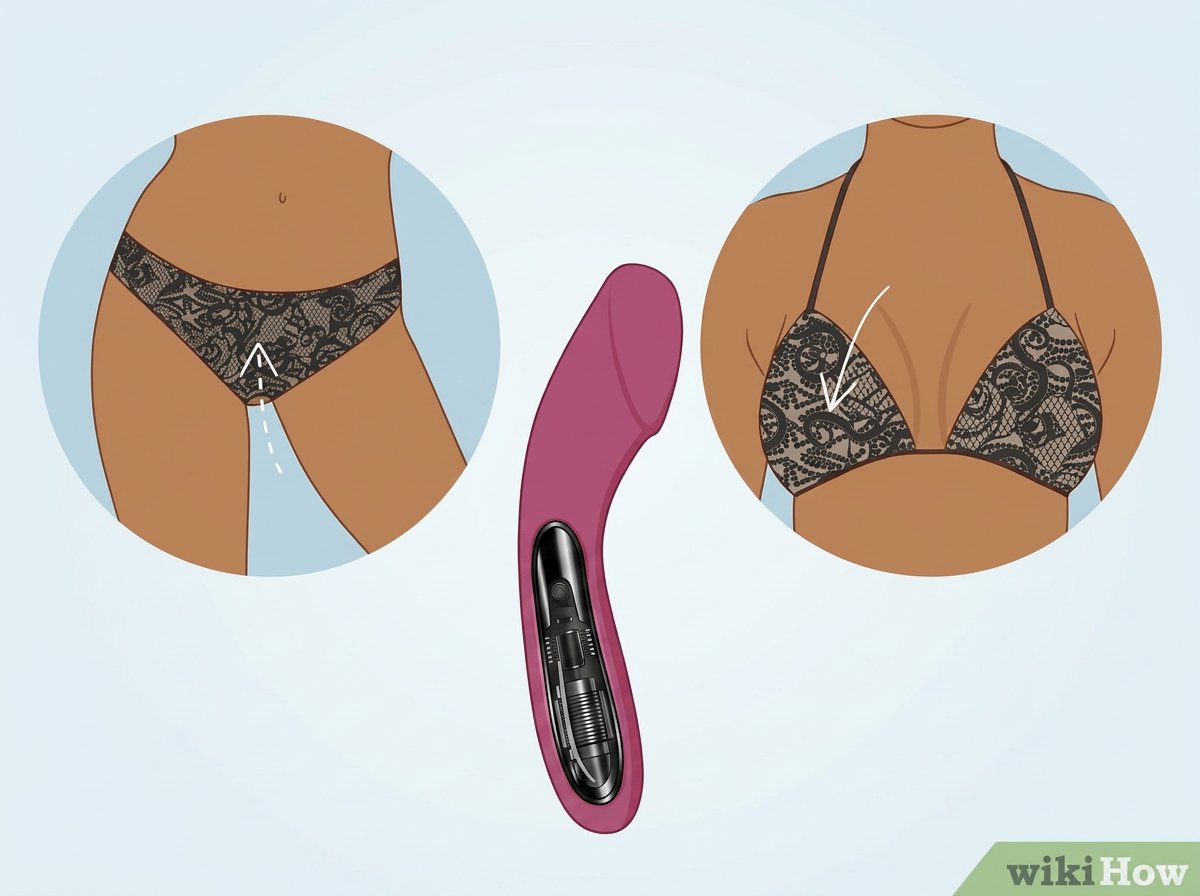
First Time Using a Vibrator: What to Choose and What to Expect