




















































How Long Can a Guy Go Without Sex? Physical & Emotional Effects
Stack & Save: Extra 15% with Jissbon15
Jissbon15
Many people wonder how long a man can go without sex or ejaculation without experiencing negative effects. The truth: there's no universal timelinemen can go weeks, months, or even years without sex and remain physically healthy. Individual factors like age, libido, relationship status, mental health, and personal values determine comfort levels with abstinence.
This guide explores the physical and psychological effects of prolonged abstinence, factors that influence sexual desire, how to maintain sexual wellness without partnered sex, and when lack of sex may signal deeper issues.
Who Asks This Question and Why
Curiosity about sexual abstinence comes from various situations:
- Men in dry spells wondering if prolonged periods without sex cause harm
- People in sexless relationships concerned about physical or emotional consequences
- Individuals choosing celibacy for personal, religious, or health reasons
- Men with low libido questioning if their lack of desire is problematic
- Partners wanting to understand their significant other's needs
- Anyone exploring sex toys for men as alternatives during abstinence periods
- People recovering from breakups navigating sudden changes in sexual frequency
Understanding the realities of abstinence helps separate facts from myths and supports informed decisions about sexual wellness.
The Physical Reality: No Harmful Timeline

From a purely biological standpoint, men can abstain from sex indefinitely without serious health consequences.
Sperm Production Continues Normally
Testicles produce sperm continuously regardless of ejaculation frequency. When sperm aren't ejaculated, the body reabsorbs them naturally through a process called sperm resorption. This happens constantly even in sexually active menthe body breaks down and recycles old sperm to make room for new cells.
There's no "buildup" that causes physical harm. The myth of dangerous sperm accumulation has no medical basis.
Testosterone Levels Remain Stable
While short-term abstinence (7–10 days) may cause a temporary testosterone spike, long-term abstinence doesn't significantly decrease testosterone levels in healthy men. Testosterone production primarily depends on testicular function, age, overall health, and geneticsnot sexual frequency.
Some studies suggest short periods of abstinence might slightly increase testosterone, but these changes are minimal and temporary.
"Blue Balls" Is Temporary Discomfort
Prolonged arousal without release can cause temporary testicular aching (epididymal hypertension, commonly called "blue balls"). This discomfort resolves on its own within hours and poses no health risk. Ejaculation through masturbation relieves the sensation if needed.
Prostate Health and Ejaculation
Some research suggests regular ejaculation (21+ times per month) may reduce prostate cancer risk, though the relationship isn't definitively proven. However, this doesn't mean abstinence causes cancerit means frequent ejaculation might offer protective benefits.
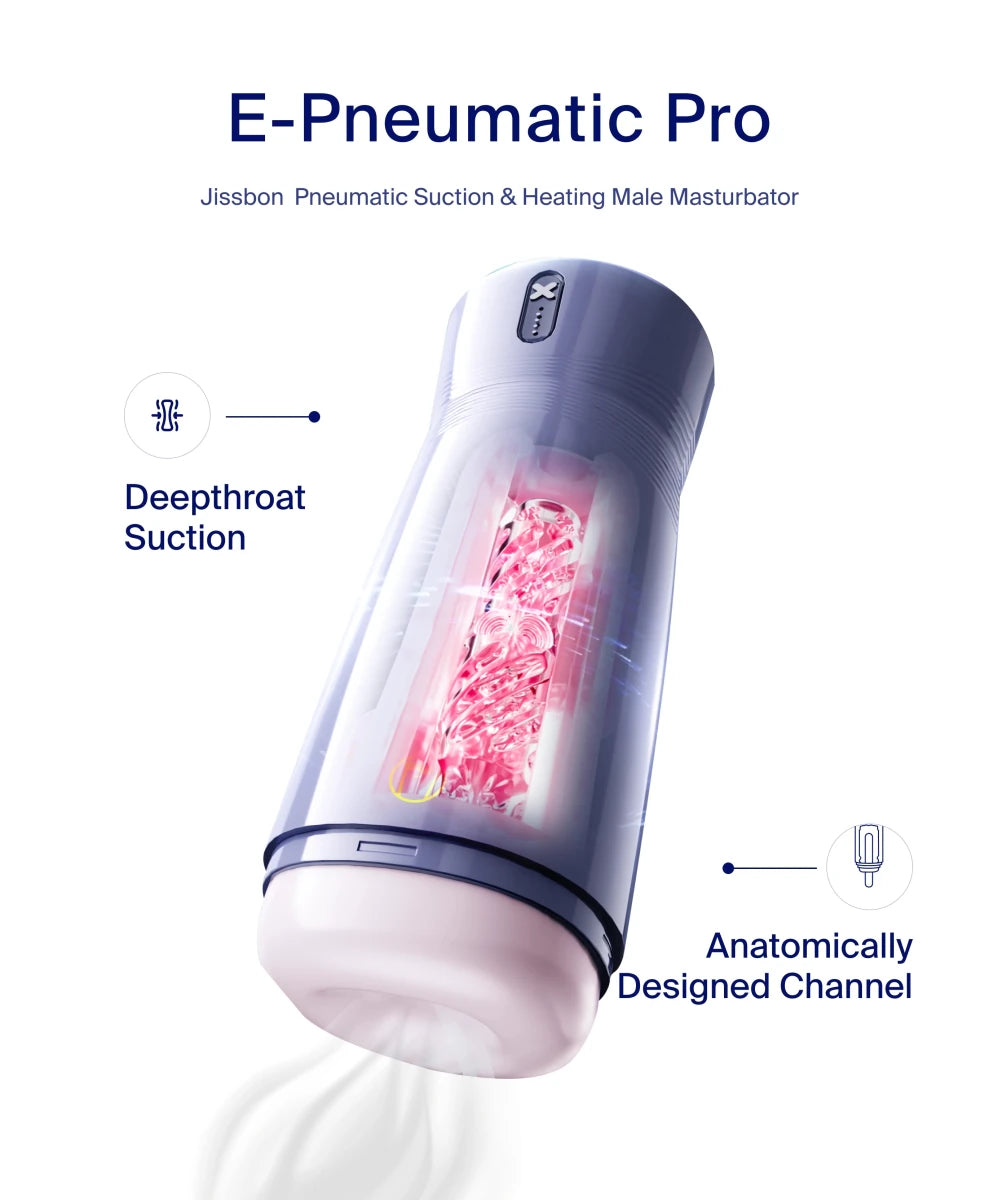
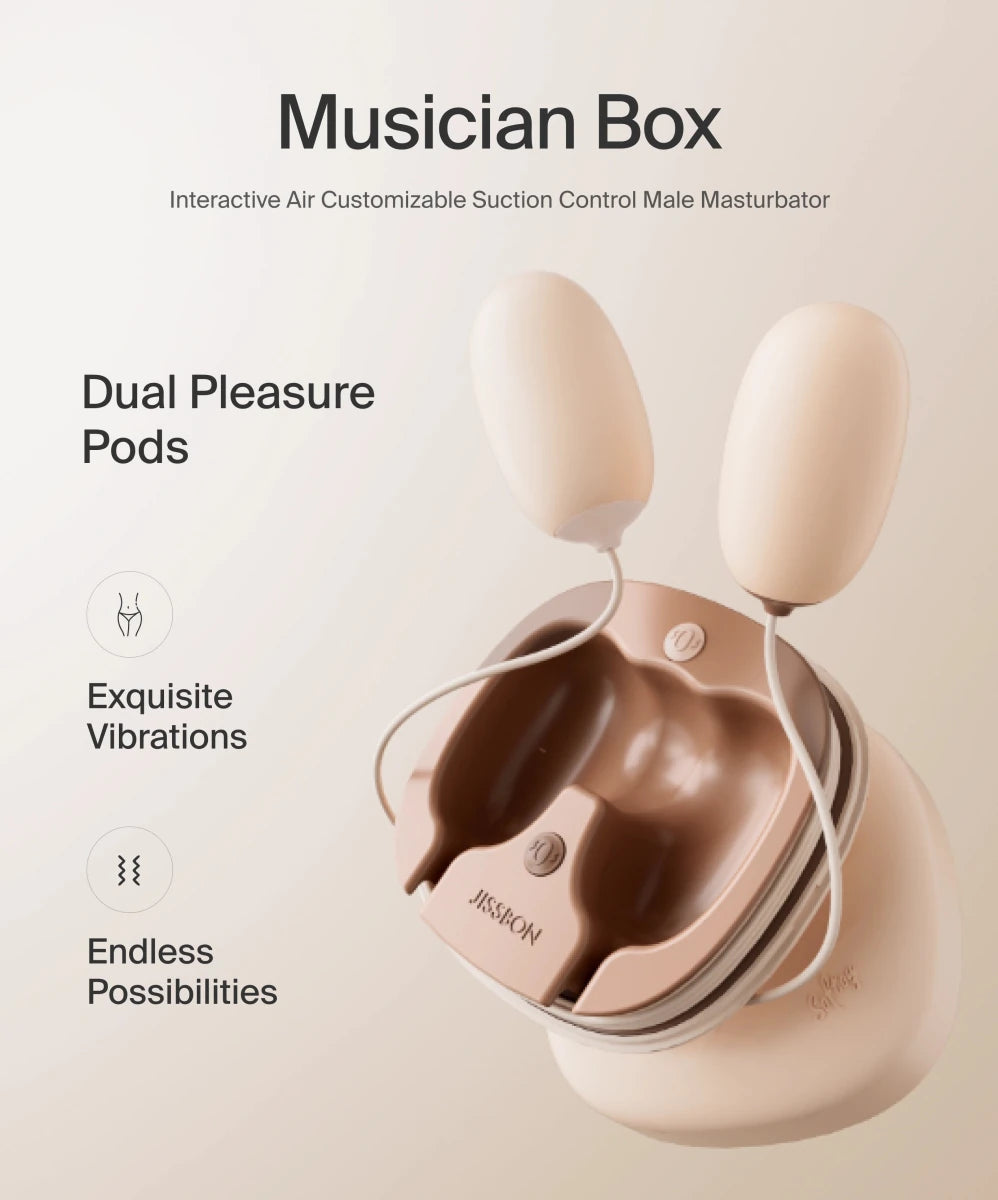
Men can achieve this frequency through masturbation, not just partnered sex. Tools like male masturbators support regular ejaculation even during periods without partners.
For scientific information on male sexual health, medical professionals provide evidence-based guidance.
Psychological and Emotional Effects
While physical health remains stable, prolonged abstinence can affect mental and emotional well-beingthough impacts vary dramatically by individual.
Potential Psychological Effects
Some men report:
- Increased irritability or mood swings
- Higher stress or anxiety levels
- Feelings of isolation or disconnection
- Lower self-confidence or sexual self-esteem
- Increased focus on sexual thoughts or fantasies
- Frustration or restlessness
Important: These effects depend heavily on context. Men who choose abstinence voluntarily (religious celibacy, personal goals) typically don't experience distress. Involuntary abstinence (relationship issues, inability to find partners) more often causes negative feelings.
The Role of Masturbation
Regular masturbation mitigates most psychological effects of abstinence from partnered sex. Orgasm releases endorphins, dopamine, and oxytocinthe same neurochemicals released during partnered sexproviding stress relief, mood improvement, and sexual tension release.
Men who masturbate regularly during abstinence periods generally report fewer negative psychological symptoms than those who avoid all sexual release.
Relationship Context Matters
Men in sexless relationships often experience more distress than single men without partners. The lack of intimacy combined with proximity to an unavailable partner creates unique emotional challenges including:
- Feelings of rejection or inadequacy
- Resentment toward partner
- Questioning of relationship value
- Anxiety about relationship future
These effects stem from relationship dynamics rather than abstinence itself.
For guidance on sexual health and relationships, trusted organizations provide resources for navigating intimacy challenges.
Factors That Influence How Long Men Can Comfortably Abstain

Individual tolerance for abstinence varies widely based on several factors.
Age and Life Stage
Younger men (teens–20s): Typically have higher testosterone and libido; may find extended abstinence more challenging
Middle-aged men (30s–50s): Libido varies widely; some maintain high sex drive while others experience natural decreases
Older men (60+): Often experience lower libido due to declining testosterone; many find abstinence easier
Baseline Libido
Natural sex drive varies enormously between individuals. Some men have high libido requiring frequent release; others have low libido and feel comfortable with infrequent or no sexual activity. Neither is abnormallibido exists on a spectrum.
Relationship Status
- Single by choice: Often comfortable with abstinence, especially if masturbation provides adequate release
- Single seeking partners: May experience frustration during dry spells but typically not physical distress
- In relationships: Satisfaction depends on both partners' needs aligning; mismatched libidos create tension
Mental Health
Depression, anxiety, and chronic stress significantly affect libido. Some people lose interest in sex entirely during mental health struggles; others use sexual activity for stress relief and miss it acutely during abstinence.
Physical Health and Medications
Chronic conditions (diabetes, heart disease) and medications (antidepressants, blood pressure drugs) can reduce libido, making abstinence easier. Conversely, good health and no medications often correlate with higher sex drive.
Personal Values and Beliefs
Men who choose abstinence for religious, philosophical, or personal reasons typically experience little to no distress. Values-aligned abstinence feels purposeful rather than deprivation.
Maintaining Sexual Wellness During Abstinence
Men can support sexual and overall wellness during periods without partnered sex.
Regular Masturbation
Solo pleasure provides most of the health benefits associated with sexual activity:
- Stress relief through endorphin release
- Prostate health through regular ejaculation
- Maintenance of sexual function and sensitivity
- Sleep improvement
- Mood regulation
There's no health reason to avoid masturbation during abstinence unless personal values dictate otherwise.
Physical Exercise
Regular physical activity boosts mood, reduces stress, manages testosterone levels, and provides healthy outlets for energy and tension. Exercise partially fulfills some of the physical and psychological benefits of sexual activity.
Social Connection
Intimacy needs extend beyond sex. Maintaining close friendships, family relationships, and social activities prevents the isolation that sometimes accompanies sexual abstinence.
Stress Management
Meditation, therapy, hobbies, and relaxation techniques help manage stress that sexual activity might otherwise relieve. Developing diverse coping mechanisms supports wellness regardless of sexual frequency.
Open Communication in Relationships
If abstinence occurs within a relationship, honest discussion about needs, expectations, and solutions prevents resentment buildup. Couples therapy can help navigate mismatched libidos or temporary dry spells.
For comprehensive information on sexual wellness practices, health organizations offer evidence-based strategies.
When Lack of Sex Indicates a Problem
While abstinence itself isn't harmful, sometimes it signals underlying issues requiring attention.
Relationship Red Flags
Prolonged lack of sex in committed relationships may indicate:
- Unresolved conflict or resentment
- Communication breakdown
- Emotional disconnection
- Infidelity or trust issues
- Significant libido mismatch
Solution: Couples therapy or sex therapy can address root causes and restore intimacy.
Medical Concerns
Sudden loss of libido or erectile dysfunction may signal:
- Low testosterone or hormone imbalances
- Depression or anxiety disorders
- Cardiovascular problems
- Medication side effects
- Chronic health conditions
Solution: Consult a healthcare provider for evaluation and treatment.
Psychological Distress
If involuntary abstinence causes persistent:
- Depression or hopelessness
- Severe anxiety or obsessive thoughts
- Social withdrawal
- Low self-worth
Solution: Mental health support through therapy addresses underlying issues contributing to distress.
Solo Tools That Support Wellness During Abstinence

Sexual wellness tools help maintain physical function and provide release during periods without partners.
Manual Masturbation
Hands remain the most accessible option. Varying technique prevents desensitization and maintains diverse arousal patterns.
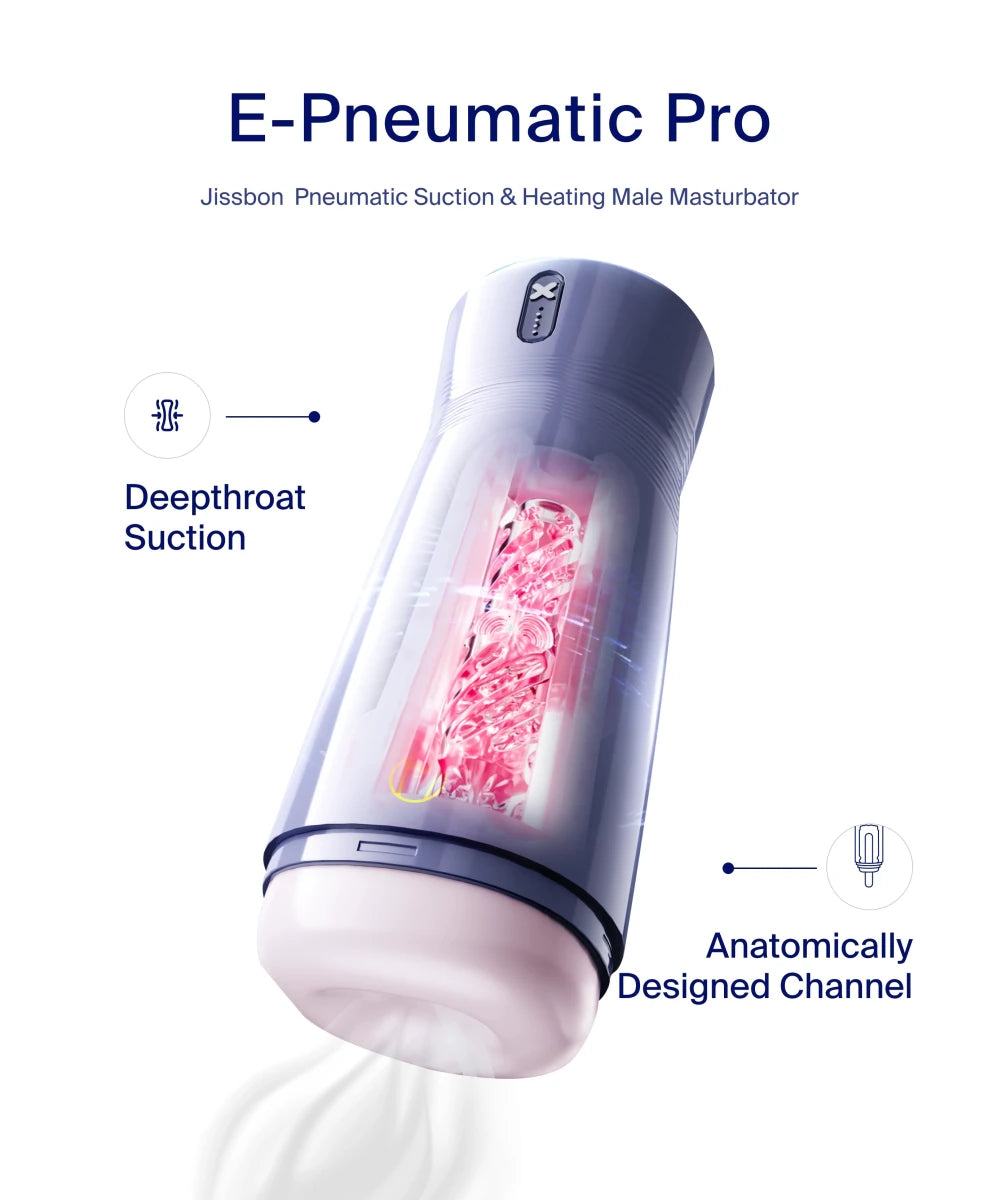
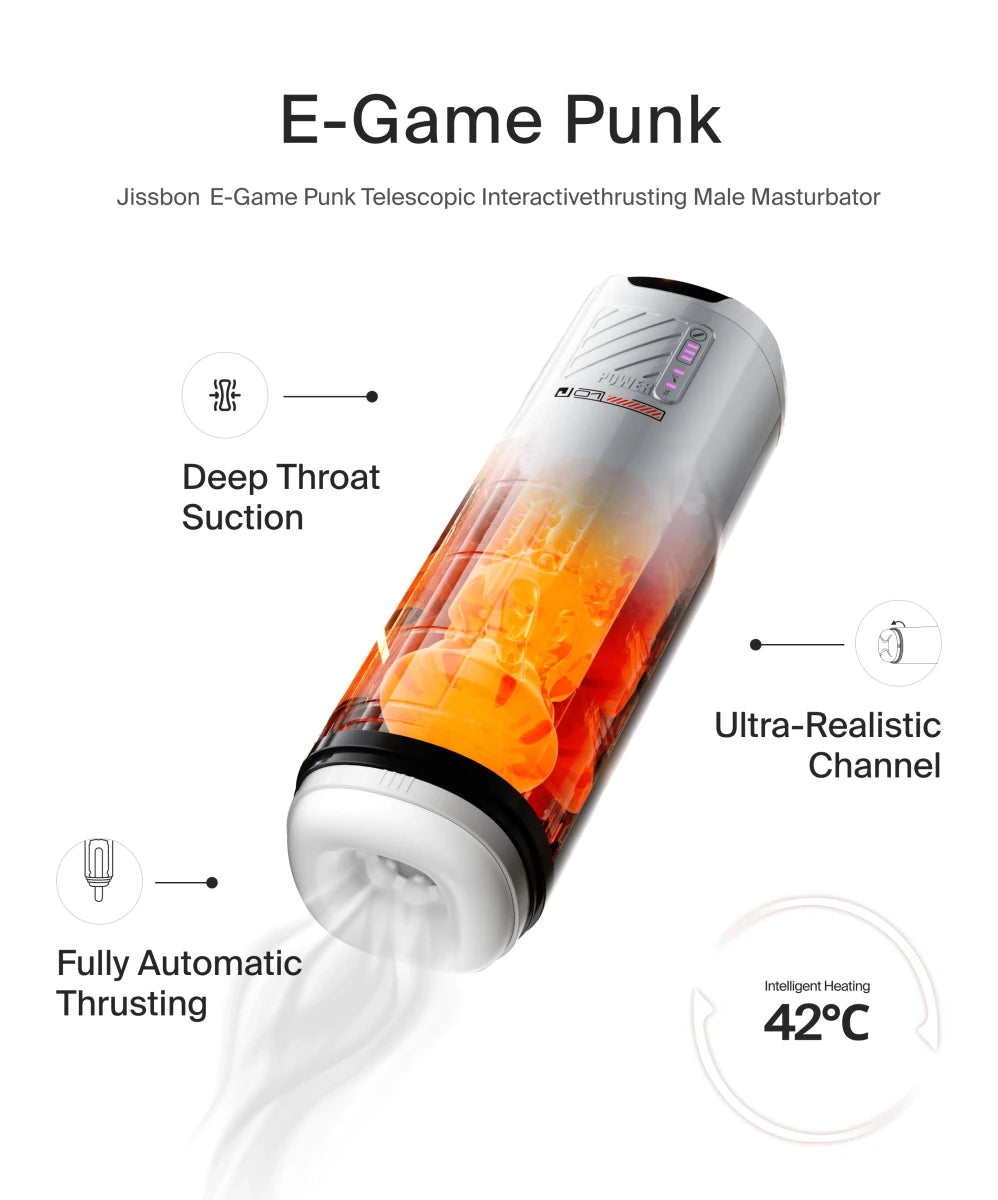
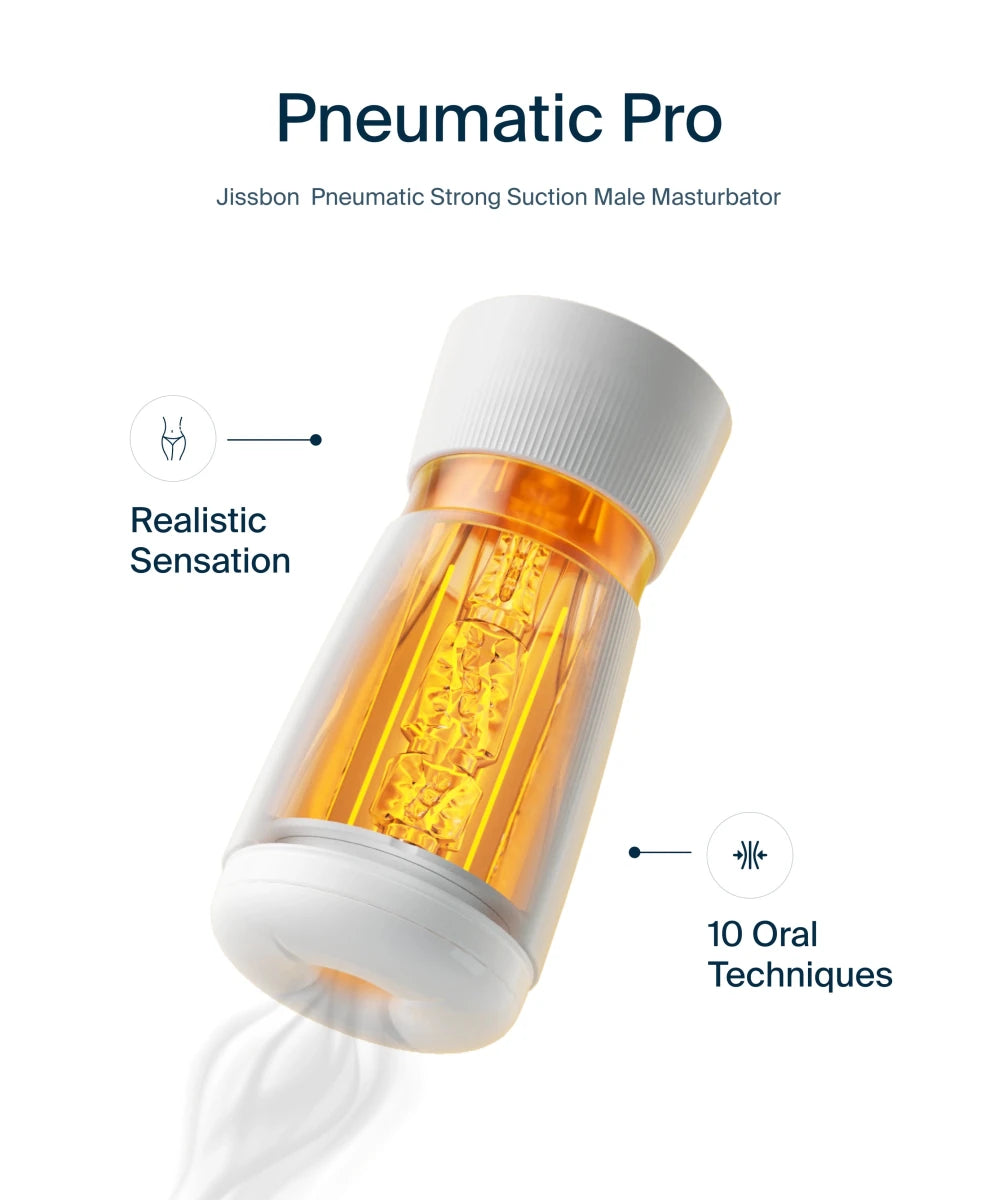
Strokers and Sleeves
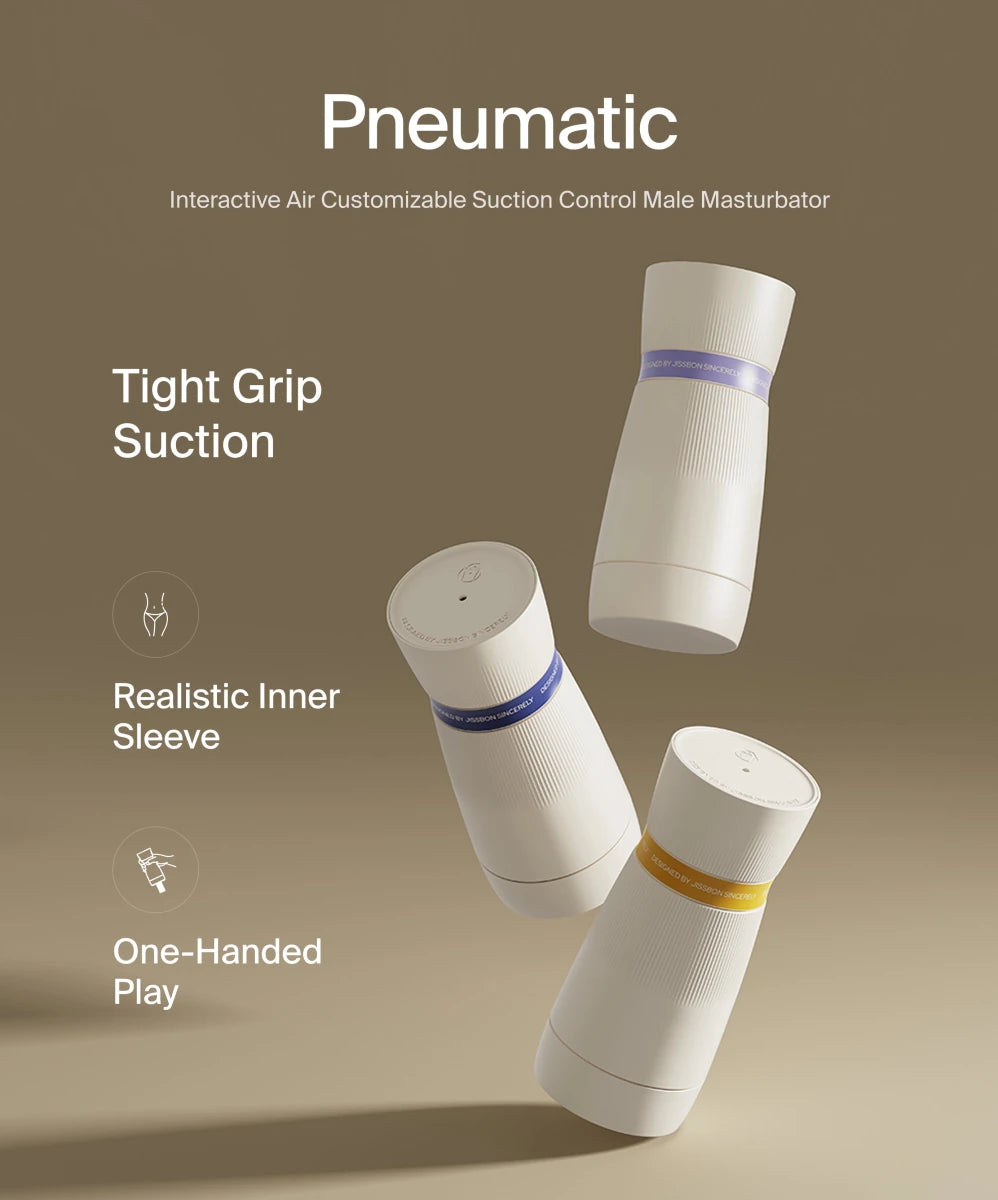
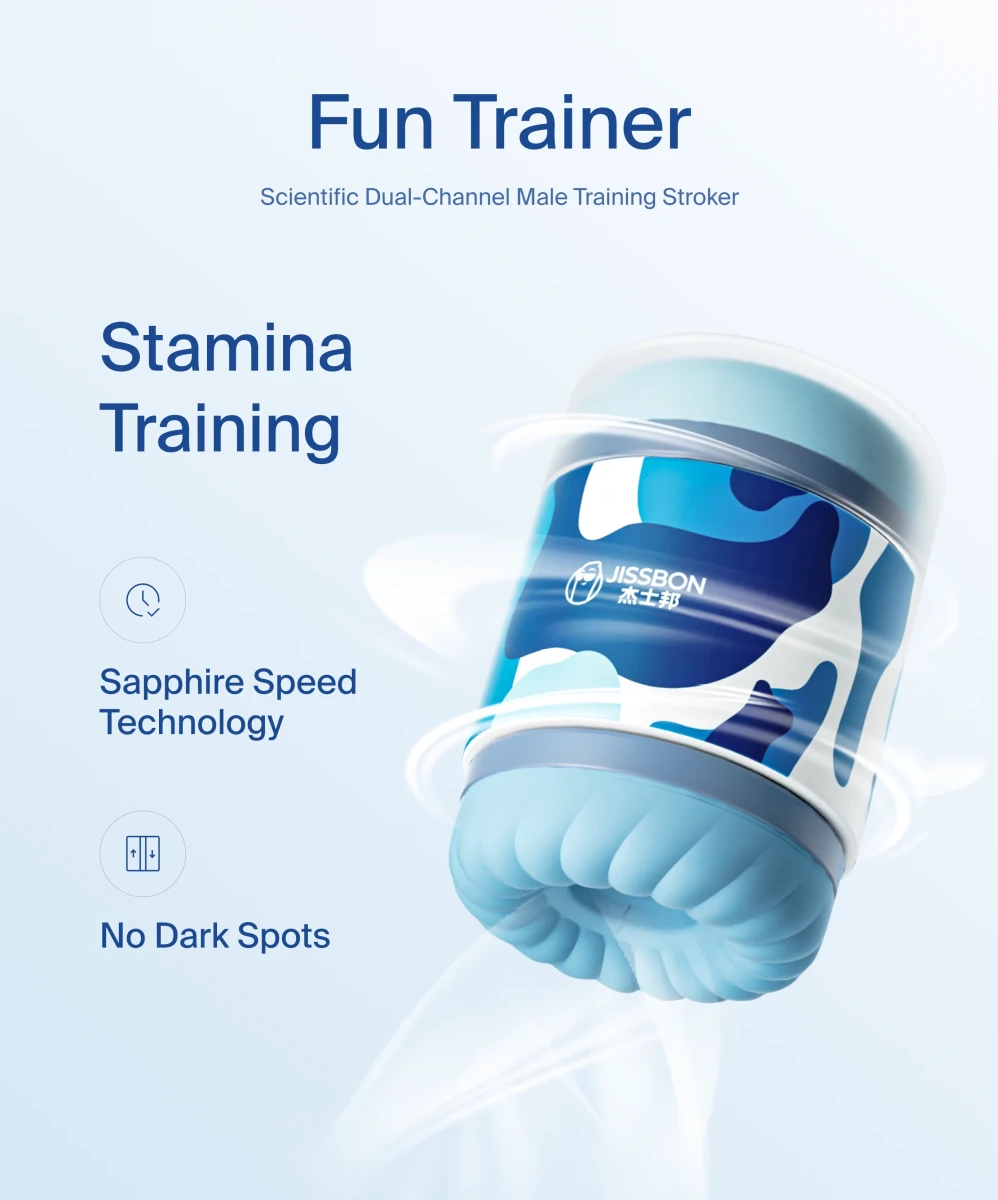
Textured toys provide varied sensations that keep solo experiences engaging. They reduce hand fatigue and offer sensations different from manual stimulation, preventing routine boredom.
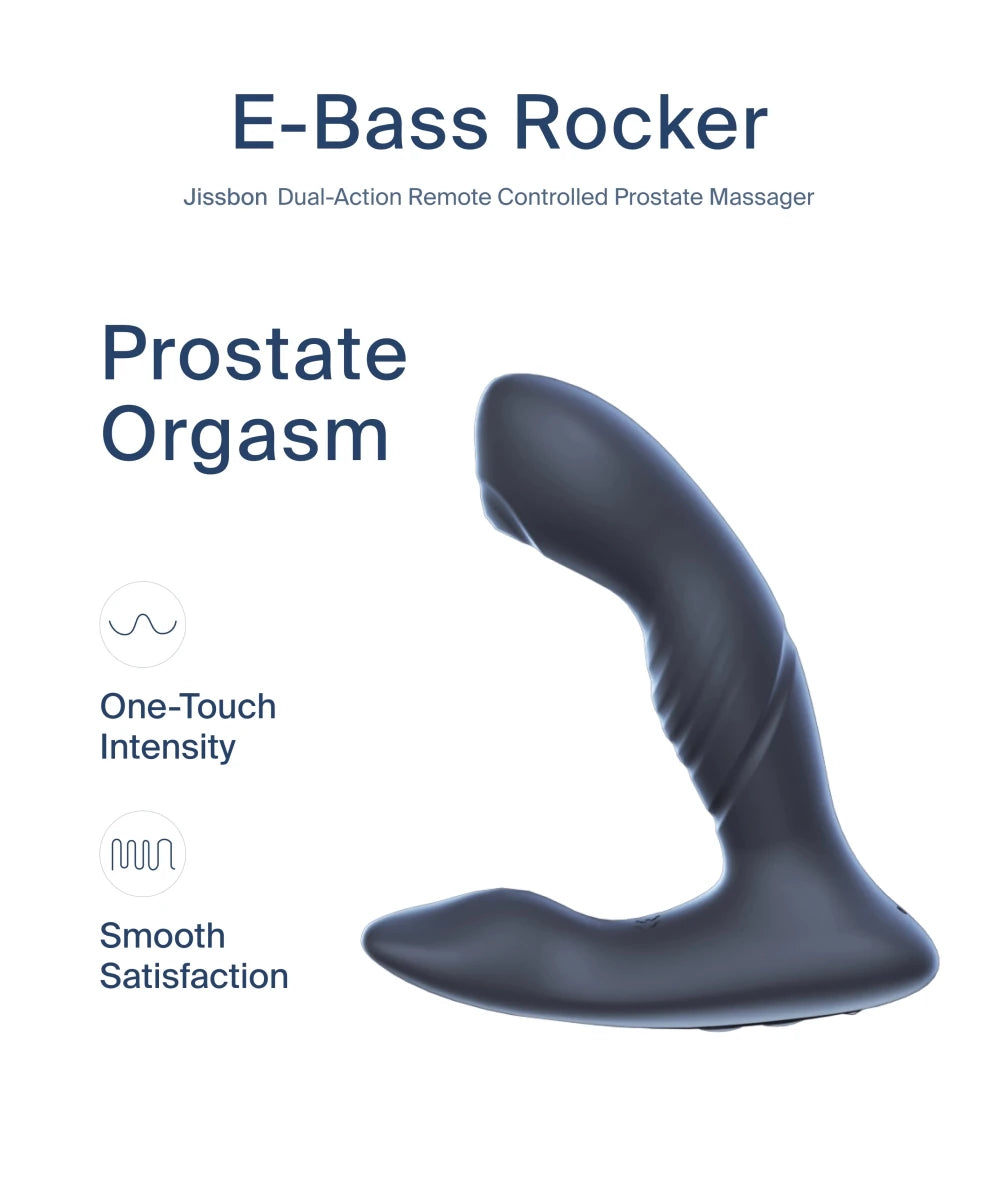
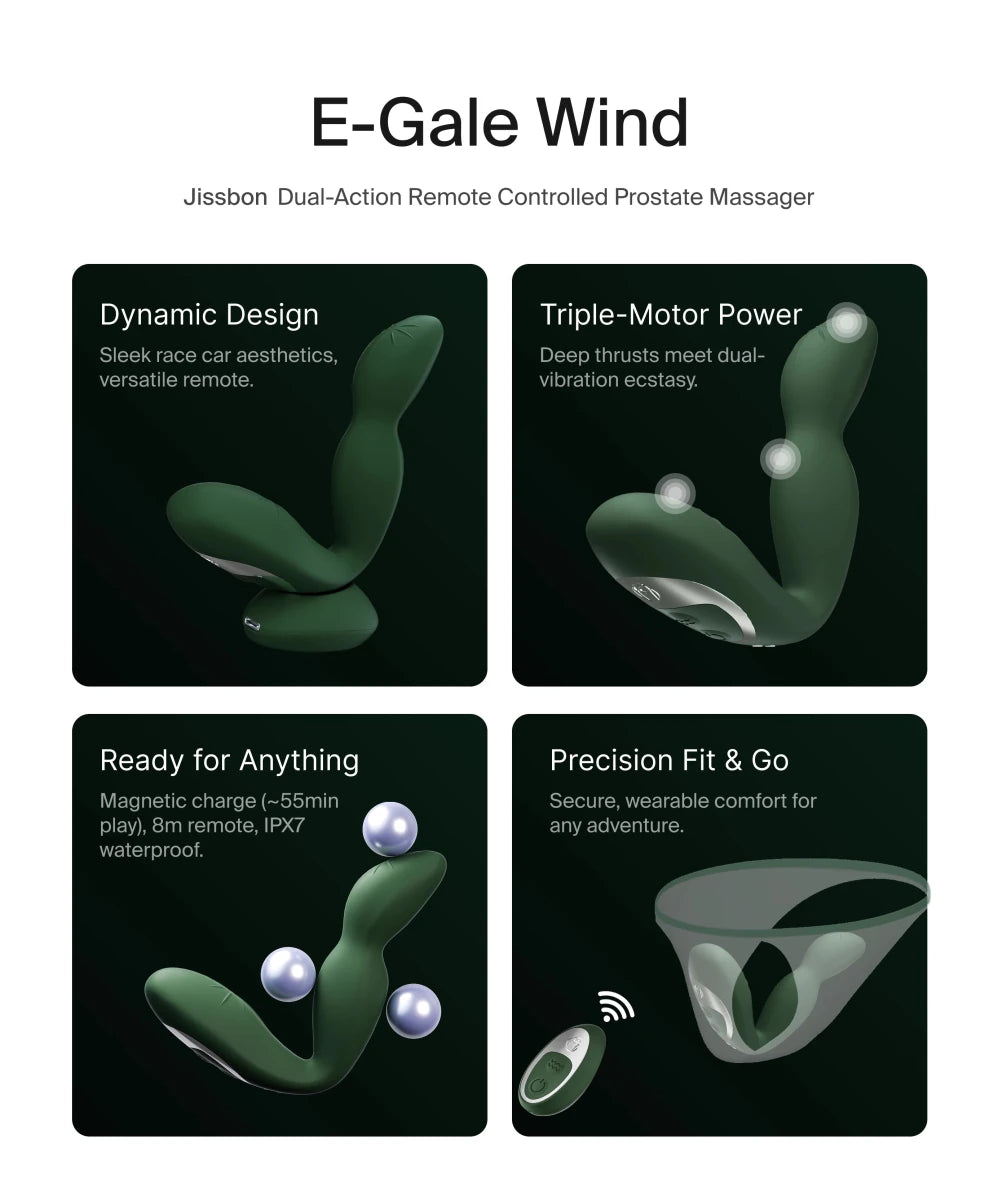
Prostate Massagers
For men interested in prostate stimulation, these toys offer unique full-body orgasms and may support prostate health through regular massage.
Vibrating Toys
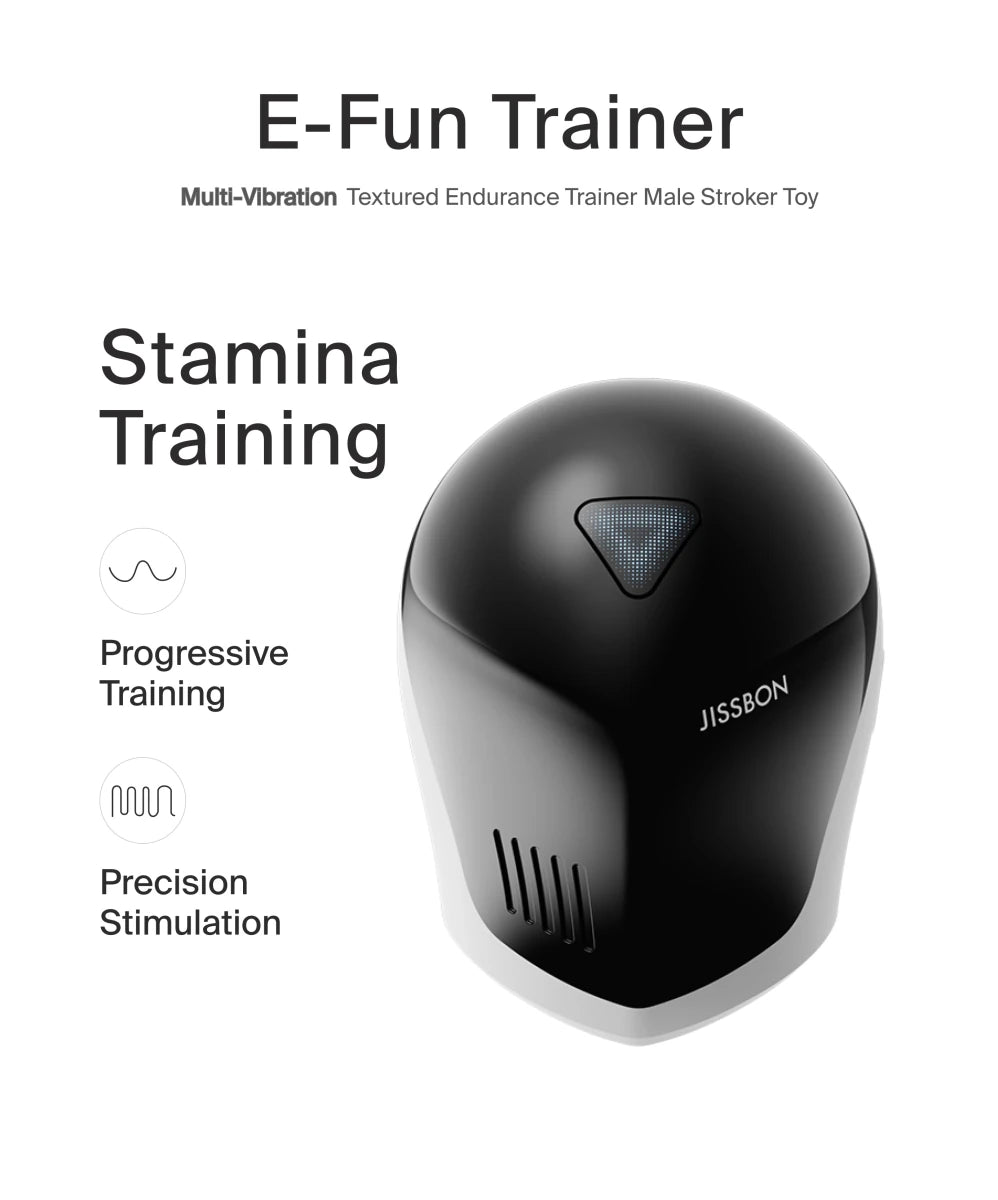
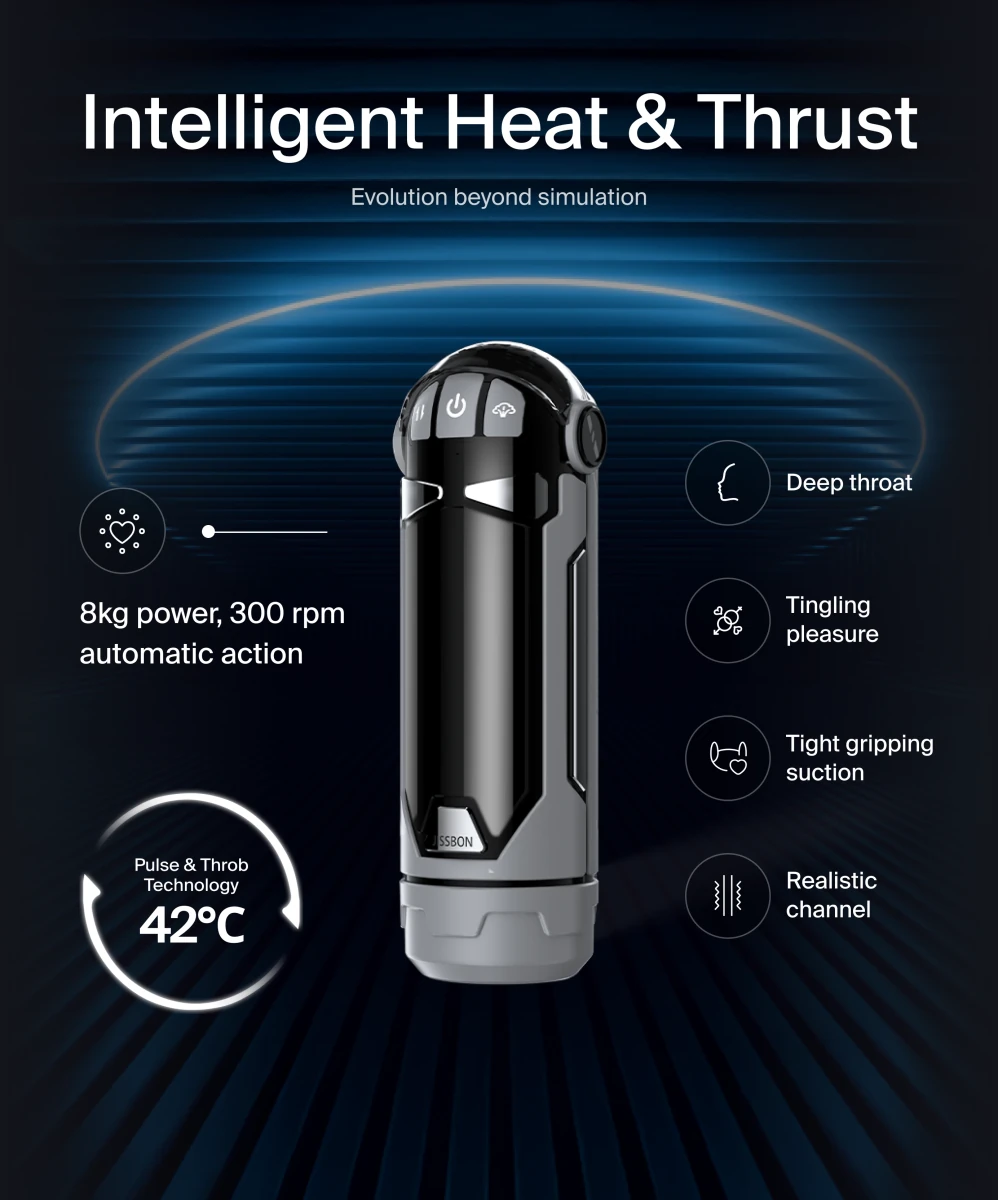
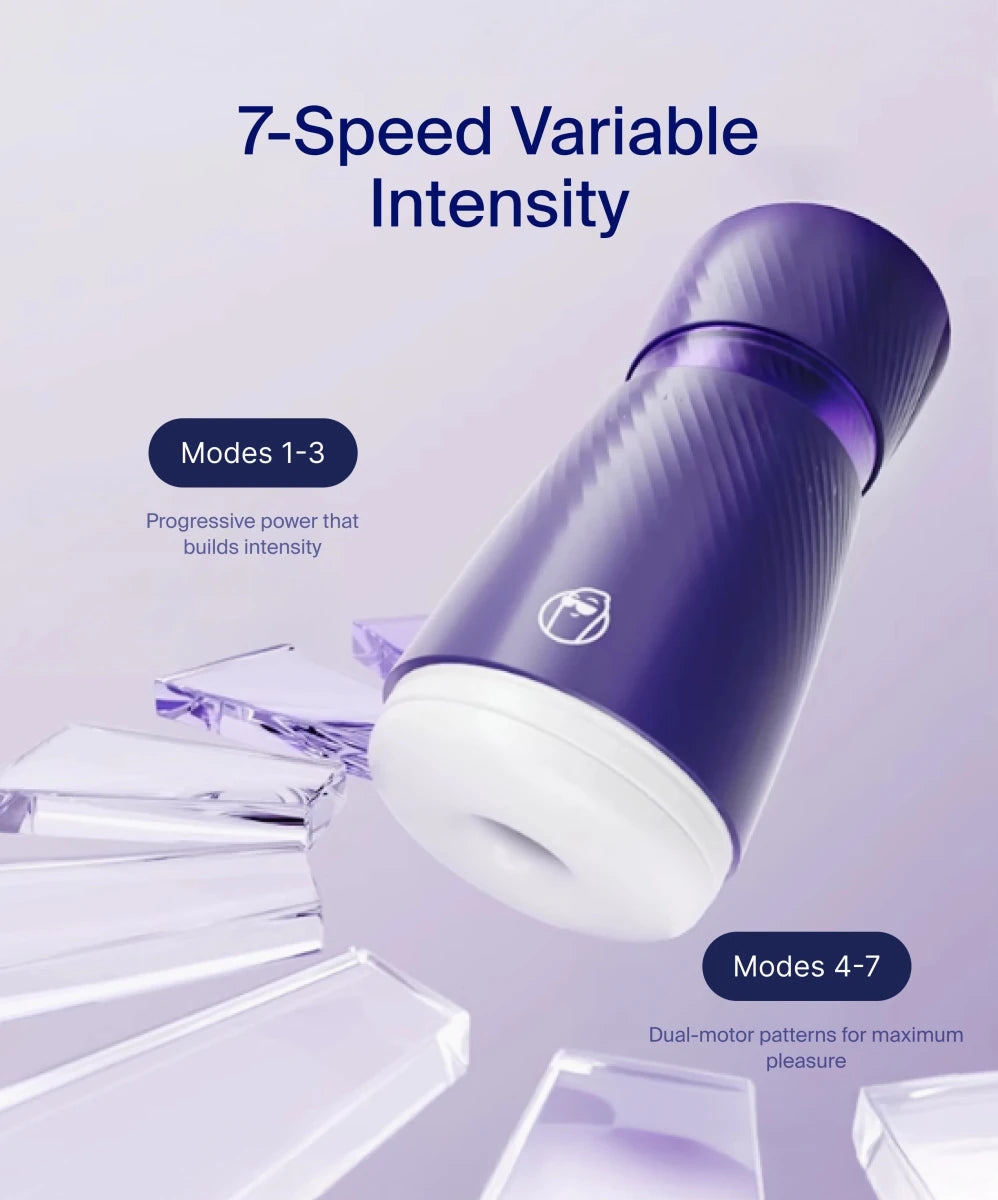
Male stroker toys with vibration features provide intense, consistent stimulation with minimal physical effortvaluable during periods when motivation or energy is low.
Quality Over Quantity
Investing in body-safe materials (medical-grade silicone, quality TPE) ensures comfort, hygiene, and longevity. These tools support ongoing wellness regardless of relationship status.
Explore options at Jissbon designed to complement sexual wellness during any life stage or circumstance.
Realistic Timelines: What Research and Experience Show
While there's no universal limit, patterns emerge from surveys and clinical observations.
Short-Term Abstinence (Days to Weeks)
Most men handle this easily, especially if masturbation continues. Physical effects are minimal; psychological effects depend on whether abstinence is voluntary.
Medium-Term Abstinence (1–6 Months)
Common during relationship dry spells, post-breakup periods, or busy life phases. Men who masturbate regularly typically report minimal distress. Those avoiding all sexual activity may notice increased focus on sexual thoughts.
Long-Term Abstinence (6 Months to Years)
Some men manage this without significant issues, especially if:
- Masturbation provides adequate release
- Abstinence aligns with personal values
- Mental health remains stable
- Life satisfaction comes from non-sexual sources
Others experience ongoing frustration, particularly in sexless relationships or when involuntary.
Indefinite Abstinence
Some menwhether due to low libido, asexuality, religious celibacy, or life circumstanceslive without sex indefinitely without distress. Human sexuality is diverse; not everyone requires partnered sex for fulfillment.
Frequently Asked Questions
How long can a man go without sex?
There's no medical limitmen can go weeks, months, or years without partnered sex and remain physically healthy. The body reabsorbs unused sperm naturally, and testosterone levels stay stable. Psychological effects vary: voluntary abstinence typically causes minimal distress, while involuntary abstinence (especially in relationships) may cause frustration.
How long can a man go without ejaculating?
Indefinitely, without physical harm. Sperm production continues, and the body reabsorbs unused sperm. Some research suggests frequent ejaculation (21+ times monthly) may reduce prostate cancer risk, but abstinence doesn't cause cancer. "Blue balls" (temporary testicular aching from prolonged arousal) resolves naturally within hours.
What happens if a man doesn't ejaculate for a long time?
Physically, nothing harmful occurs. The body reabsorbs sperm naturally through a continuous process. Some men experience nocturnal emissions (wet dreams) as the body's natural release mechanism. Psychologically, effects vary: men choosing abstinence typically feel fine, while those abstaining involuntarily may experience increased sexual frustration, irritability.
Can going without sex affect testosterone levels?
Long-term abstinence doesn't significantly reduce testosterone in healthy men. Short-term abstinence (7–10 days) may cause temporary testosterone spikes, but levels normalize afterward. Testosterone production depends primarily on age, testicular function, overall health, and geneticsnot sexual frequency.
Is it unhealthy for men to go months without sex?
No, extended abstinence isn't physically unhealthy. Men can go months or years without sex with no medical harm. The key distinction: abstinence from partnered sex differs from complete sexual abstinence. Regular masturbation during periods without partners provides stress relief, mood benefits, and potential prostate health advantages.
How do you know if lack of sex is a problem?
Lack of sex becomes problematic when it: causes persistent depression or anxiety, indicates relationship breakdown (unresolved conflict, emotional disconnection), signals medical issues (sudden erectile dysfunction, low libido from hormone problems), creates severe self-esteem issues, or results from avoiding intimacy due to trauma.
Final Thoughts
How long can a guy go without sex? As long as needed there's no physical danger from abstinence, whether it lasts weeks or years. The body reabsorbs sperm naturally, testosterone remains stable, and masturbation provides most health benefits associated with partnered sex. Psychological effects depend heavily on whether abstinence is voluntary and whether other life factors support overall wellness.
If lack of sex causes persistent distress, the issue likely stems from relationship dynamics, mental health, or medical conditions rather than abstinence itself. Focus on overall sexual wellness through masturbation, stress management, and open communication rather than worrying about arbitrary timelines.
Curious about tools that support sexual wellness during any life phase? Explore our collection of male masturbators designed for comfort, safety, and satisfying solo experiences.


Looking for something else?

What Is Flogging in Sex? Complete BDSM Flogging Guide
LEARN MORE
What Does Overstimulated Mean Sexually? Causes & Solutions
LEARN MORE
Can You Get a Tattoo on Your Vagina? Safety, Pain & What to Expect
LEARN MORE
Public Sex Kink: Understanding Exhibitionism & Safe Exploration
LEARN MORELooking for something else?

A-Spot Orgasm: Best Positions & How to Find It
LEARN MORE
Bondage Play: Complete Beginner's Guide to Rope BDSM
LEARN MORE
Vibrator Stories: Real Experiences, Tips & What to Expect
LEARN MOREYou may also like
20% off

20% off

20% off

20% off

20% off

20% off

Further reading

How to Clean an Automatic Blowjob Machine Without Damaging the Motor
Remote-Controlled Automatic Masturbators for Couples and Solo Play
Best Automatic Strokers for Edging and Stamina Training