




























































Glass Water Pipes & Smoking Accessories: Complete Buyer's Guide
Stack & Save: Extra 15% with Jissbon15
Jissbon15
Glass water pipes, herb grinders, and smoking accessories have become popular collectibles and functional art pieces. Understanding different styles, materials, maintenance requirements, and quality indicators helps you make informed purchasing decisions.
Whether you're exploring scientific glass, artistic pieces, or practical grinding tools, this guide covers everything from basic terminology to advanced care techniques—all within legal contexts where these products are permitted.
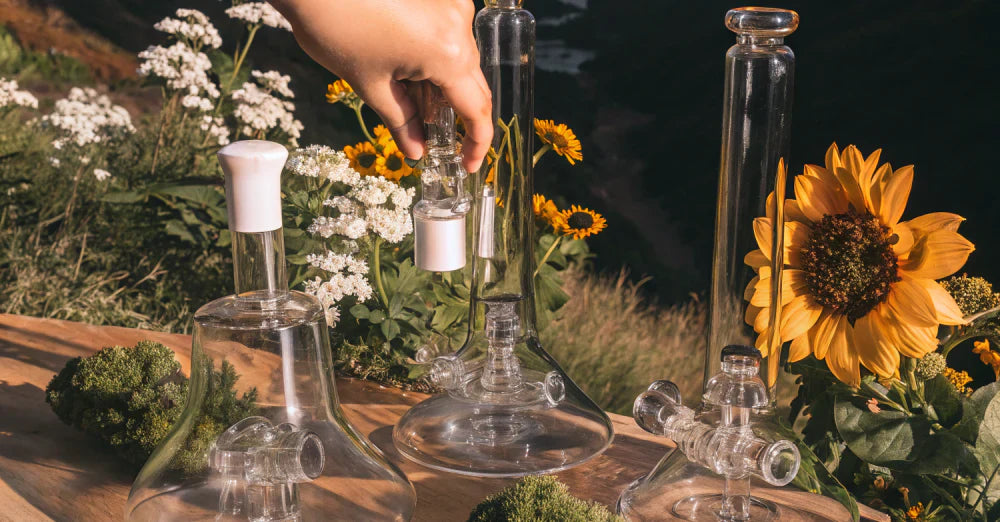
Soft Glass vs. Scientific Glass: Choosing the Right Build
Not all glass water pipes are made the same. Two major categories dominate the market: soft glass and scientific glass, each offering unique benefits.
Scientific glass is typically made from borosilicate, the same durable material used in laboratory beakers. It withstands temperature changes, resists cracking, and provides clean, precise cuts and joints that fit together smoothly. Scientific pieces are ideal for people who prioritize function and longevity.
Soft glass, by contrast, is often thicker, more colorful, and more decorative. While visually striking, soft glass is less heat-resistant and may have heavier weight and less standardized joint connections. Collectors often choose soft glass for its artistic value, while daily users tend to prefer scientific glass for its reliability.
Choosing between the two depends on your priorities—design flair, durability, or smoothness of function.
How Bong Shape Affects Cooling, Flavor & Airflow
Beyond aesthetics, the shape of a water pipe greatly affects the smoking experience. Straight tubes deliver fast, direct airflow, which creates powerful hits with minimal drag. Beakers, with their wide base, allow for increased water volume, making hits smoother and more stable.
Recyclers continuously loop water through multiple chambers, keeping smoke cool while preserving flavor—especially appealing to people who value smoothness over intensity. Bubblers sit in the middle ground, offering water filtration in a handheld format and are perfect for those seeking portability without sacrificing quality.
Each shape creates its own balance of airflow, filtration, and smoothness, similar to choosing different vibration patterns on wand vibrators—style affects sensation.
Understanding Glass Water Pipe Basics

What Are Glass Water Pipes?
Glass water pipes are filtration devices designed for smoking legal herbs and tobacco in jurisdictions where permitted. Water filtration cools smoke and removes some particulates before inhalation.
Key components:
- Base/chamber – Holds water for filtration
- Downstem – Connects bowl to water chamber
- Bowl/slide – Holds smoking material
- Neck/tube – Pathway from chamber to mouthpiece
- Mouthpiece – Where user inhales
Primary materials:
- Borosilicate glass (most common, heat-resistant)
- Ceramic
- Silicone (unbreakable alternative)
- Acrylic (budget option)
Legal Considerations
Important disclaimer: Cannabis and smoking accessory legality varies significantly by location. These products are:
- Legal for tobacco use in most jurisdictions
- Legal for cannabis where state/local laws permit
- Sold as "water pipes" or "tobacco accessories" in retail settings
- Subject to age restrictions (typically 18+ or 21+)
Always verify local laws before purchasing or using these products.
Types of Glass Water Pipes Available
|
Style |
Description |
Best For |
Typical Size |
|
Straight Tube |
Simple vertical design, direct airflow |
Beginners, easy cleaning |
10-18 inches |
|
Beaker Base |
Wide bottom, stable, larger water capacity |
Stability, bigger hits |
12-20 inches |
|
Bubbler |
Handheld, combines pipe portability with water filtration |
Travel, discretion |
4-8 inches |
|
Percolator |
Multiple filtration chambers for smoother hits |
Smooth experience, enthusiasts |
10-24 inches |
|
Recycler |
Continuous water circulation for cooling |
Advanced users, flavor preservation |
8-15 inches |
|
Mini/Travel |
Compact, portable designs |
Portability, discrete use |
3-7 inches |
|
Scientific Glass |
Laboratory-grade, precise percolator designs |
Function over form, collectors |
Varies |
|
Artistic Glass |
Hand-blown, decorative, collectible pieces |
Display, art collectors |
Varies |
Straight Tube Water Pipes
Characteristics:
- Cylindrical design from base to mouthpiece
- Direct, unrestricted airflow
- Easy to clean due to simple structure
- Less drag than complex designs
Advantages:
- Straightforward functionality
- Efficient smoke delivery
- Simple maintenance
- Affordable entry point
Considerations:
- Less stable than beaker bases
- Smaller water capacity
- Fewer filtration options
Beaker Base Designs
Characteristics:
- Wide triangular bottom for stability
- Larger water chamber capacity
- Accommodates more smoke volume
- Scientific flask aesthetic
Advantages:
- Very stable (hard to tip over)
- Smooth, cooled hits
- Ice pinches often included
- Classic, timeless design
Considerations:
- Bulkier for storage
- Requires more water
- Can be heavier
Percolator Water Pipes
What are percolators? Additional filtration chambers that diffuse smoke through water multiple times.
Common percolator types:
- Tree percs – Multiple arms with slits, looks like tree branches
- Honeycomb percs – Disc with many small holes
- Showerhead percs – Vertical tube with holes at bottom
- Matrix percs – Grid pattern of holes
- Inline percs – Horizontal tube with slits
- Turbine percs – Creates spinning water vortex
Benefits:
- Significantly smoother hits
- Better cooling
- Reduced harshness
- Impressive visual effect
Drawbacks:
- Harder to clean
- More delicate (more breakage points)
- Increased drag (requires more lung power)
- Higher prices
Similar to how wand vibrators offer different intensity patterns, percolators provide varying filtration experiences.
Herb Grinders: Essential Accessories

Why Use Grinders?
Herb grinders break down material into consistent, fine particles for:
- Even burning – Uniform particle size
- Better airflow – Properly ground material doesn't clump
- Efficiency – Maximizes surface area
- Convenience – Faster than hand-breaking
- Cleanliness – Keeps hands and material separate
Grinder Types and Materials
Material options:
|
Material |
Durability |
Weight |
Price Range |
Maintenance |
|
Aluminum |
Excellent |
Light |
Mid-range |
Easy |
|
Titanium |
Outstanding |
Light |
High |
Very easy |
|
Acrylic/Plastic |
Poor-Fair |
Very light |
Budget |
Difficult |
|
Wood |
Fair-Good |
Medium |
Varies |
Moderate |
|
Stainless Steel |
Excellent |
Heavy |
Mid-high |
Easy |
Number of chambers:
- 2-piece – Basic grinding chamber only
- 3-piece – Grinding chamber + collection chamber
- 4-piece – Grinding + collection + kief catcher (fine screen separates trichomes)
- 5-piece – Multiple screens for fine particle separation
Grinder Features to Consider
Teeth design:
- Diamond-shaped teeth (most common)
- Straight peg teeth
- Shredder teeth
- Number of teeth (more = finer grind)
Additional features:
- Magnetic lid (stays closed during transport)
- Clear viewing window
- Ergonomic grip
- Pollen scraper included
- Easy-turn mechanisms
Size considerations:
- Small (1.5-2 inches) – Portable, pocket-friendly, frequent grinding needed
- Medium (2-2.5 inches) – Balanced portability and capacity
- Large (2.5-4 inches) – Home use, batch grinding, less frequent emptying
Additional Smoking Accessories
Rolling Trays
Purpose: Contained surface for preparation, prevents material loss, keeps workspace clean.
Features to look for:
- Rolled edges to prevent spills
- Smooth surface for easy cleanup
- Magnetic or storage sections
- Appropriate size (typically 7-14 inches)
- Easy-to-clean materials (metal, wood, plastic)
Storage Solutions
Airtight containers:
Preserve freshness by controlling:
- Moisture levels
- Light exposure
- Air circulation
- Odor containment
Container types:
- Glass mason jars with rubber seals
- Specialty stash jars
- UV-protective glass containers
- Humidity-controlled storage
- Smell-proof bags
Size options:
- Small (1-4 oz capacity) – Personal use
- Medium (4-8 oz) – Regular storage
- Large (8+ oz) – Bulk storage
Cleaning Supplies
Essential cleaning items:
- Isopropyl alcohol (90%+ concentration)
- Coarse salt (abrasive scrubbing)
- Pipe cleaners and brushes
- Cotton swabs
- Specialized glass cleaning solutions
- Rubber gloves
- Resealable bags for soaking
Ashtrays
Material options:
- Glass (easy cleaning, shows buildup)
- Ceramic (heat-resistant, decorative)
- Metal (durable, outdoor use)
- Silicone (unbreakable)
Features:
- Deep bowl to prevent overflow
- Wind guards for outdoor use
- Multiple rests for group sessions
- Easy-to-empty design
Material Quality and Safety Considerations
Borosilicate Glass Standards
What makes quality glass:
- Borosilicate composition – Heat-resistant, thermal shock protection
- Thickness – Typically 3-9mm for durability
- Annealing process – Proper cooling prevents stress fractures
- Clear transparency – No bubbles, discoloration, or imperfections
Quality indicators:
- Smooth, even joints
- Uniform glass thickness
- Clean, straight cuts
- Properly flame-polished edges
- No visible seams or gaps
Red flags:
- Visible air bubbles (weak points)
- Uneven coloring
- Rough or sharp edges
- Loose-fitting parts
- Chemical smell
Avoiding Harmful Materials
Materials to avoid:
- Lead crystal – Contains toxic lead oxide
- Low-quality acrylics – May release fumes when heated
- Mystery metals – Unknown composition in metal parts
- Painted interiors – Paint can chip and be inhaled
- Unverified Chinese glass – Quality varies dramatically
Safe alternatives:
- Verified borosilicate glass from reputable manufacturers
- Medical-grade stainless steel
- Food-safe silicone
- Ceramic from trusted sources
Body-safe materials matter for smoking accessories just as they do for intimate products like those from Jissbon—both come into contact with your body and demand non-toxic, quality materials.
Cleaning and Maintenance Guide

Daily/After-Use Care
Quick rinse routine:
- Empty used water immediately after session
- Rinse with hot water to remove residue
- Shake out excess water
- Allow to air dry completely
- Store in safe location
Why daily care matters:
- Prevents resin buildup
- Maintains flavor quality
- Reduces deep cleaning frequency
- Extends product lifespan
Deep Cleaning Process
For glass water pipes:
Step-by-step:
- Disassemble – Remove all detachable parts (bowl, downstem, percolators if possible)
- Initial rinse – Hot water to remove loose debris
- Soak – Fill piece with isopropyl alcohol and coarse salt
- Seal – Cover openings with rubber stoppers or plastic wrap
- Shake – Vigorous shaking for 2-5 minutes (salt acts as abrasive)
- Scrub – Use pipe cleaners for hard-to-reach areas
- Rinse thoroughly – Multiple rinses with hot water to remove all alcohol
- Dry completely – Air dry or use compressed air for complex pieces
Cleaning frequency:
- Light use: Weekly deep clean
- Moderate use: Every 3-4 days
- Heavy use: Every 1-2 days
For grinders:
- Disassemble all chambers
- Use small brush to remove stuck particles
- Soak in isopropyl alcohol (15-30 minutes)
- Scrub with old toothbrush
- Rinse thoroughly with hot water
- Dry completely before reassembly
- Lubricate threads with food-grade oil if needed
Storage Best Practices
Protecting your glass:
- Store in padded cases or original packaging
- Keep away from edges where they might fall
- Separate pieces with soft materials
- Avoid temperature extremes
- Store horizontally if possible (reduces stress on joints)
Long-term storage:
- Clean thoroughly before storing
- Ensure completely dry (prevents mold/mildew)
- Wrap in bubble wrap or soft cloth
- Store in climate-controlled area
- Check periodically for any issues
Where These Products Are Sold
Retail Options
Specialty smoke shops:
- Widest selection
- Knowledgeable staff
- Can examine products in person
- Support local businesses
- Immediate availability
Online retailers:
- Broader selection
- Competitive pricing
- Convenient shopping
- Detailed product specifications
- Customer reviews available
- Discrete shipping
Head shops vs. convenience stores:
- Head shops: Higher quality, better selection
- Convenience stores: Limited selection, lower quality typically
What to Look for in Retailers
Reputable seller indicators:
- Clear return/exchange policies
- Detailed product descriptions
- Material specifications provided
- Age verification processes
- Secure payment processing
- Customer service availability
- Authentic product guarantees
Questions to ask:
- What is the glass thickness?
- Is this borosilicate glass?
- Who manufactured this piece?
- What is your return policy?
- Do you offer any warranty?
- Is this piece handmade or mass-produced?
Similar to researching quality sex toys for couples, investing time in finding reputable retailers ensures you receive authentic, safe products.
Building Your Accessory Collection
Starter Kit Essentials
Beginner recommendations:
- One versatile water pipe (beaker base or straight tube, 12-16 inches)
- Quality 4-piece grinder (medium size, aluminum)
- Airtight storage container (4-8 oz capacity)
- Rolling tray (medium size)
- Basic cleaning supplies (isopropyl alcohol, salt, brushes)
- Lighter or hemp wick
Total investment: Entry-level setup available across various budgets
Intermediate Additions
As you develop preferences:
- Percolator water pipe for smoother experience
- Backup/travel piece (bubbler or mini pipe)
- Multiple grinders (coarse and fine grind options)
- Specialty storage (humidity control)
- Advanced cleaning tools
- Backup parts (extra bowls, downstems)
Collector/Enthusiast Level
For serious enthusiasts:
- Multiple high-end water pipes (different percolator types)
- Artist-made, limited edition pieces
- Vintage or rare collectibles
- Electric/automated grinders
- Display cases
- Preservation and documentation systems
Collecting considerations:
- Authenticity verification
- Provenance documentation
- Proper insurance coverage
- Climate-controlled storage
- Regular maintenance schedules
Troubleshooting Common Issues
Glass Water Pipe Problems
Issue: Harsh hits
Solutions:
- Add more water
- Use colder water or add ice
- Clean piece (resin buildup increases harshness)
- Check for cracks allowing air leaks
- Upgrade to percolator model
Issue: Weak airflow/hard to pull
Solutions:
- Check for blockages in downstem or percolators
- Ensure water level isn't too high (blocking percs)
- Deep clean all components
- Verify all connections are secure
- Replace damaged parts
Issue: Water splashing into mouth
Solutions:
- Reduce water level
- Inhale more gently
- Add ice to create barrier
- Choose design with splash guard
- Angle piece differently during use
Grinder Issues
Issue: Sticky, hard to turn
Solutions:
- Clean thoroughly with isopropyl alcohol
- Remove stuck material with toothpick
- Lubricate threads sparingly with food-safe oil
- Don't overload chamber
- Replace worn grinder if teeth damaged
Issue: Inconsistent grind
Solutions:
- Replace dull teeth (if possible)
- Grind in shorter bursts
- Don't pack chamber too full
- Check for bent or damaged teeth
- Consider upgrading to higher-quality grinder
Frequently Asked Questions
How many types of bongs are there?
There are several major types, including straight tubes, beaker bases, bubblers, recyclers, percolator bongs, and mini/travel pieces. Each type offers different airflow and filtration effects, so choosing depends on whether you value smoothness, portability, or strong airflow.
What is a bongzilla?
A “bongzilla” is a novelty multi-hose bong designed for groups. It typically features a large central chamber with several detachable hoses, allowing multiple people to inhale at once. Its purpose is fun, social use rather than precision performance.
What is a beer funnel called?
A beer funnel—often used at parties—is commonly referred to as a “beer bong.” Although the word “bong” is used, it has no connection to smoking accessories. It simply describes a funnel with a tube used for rapid beverage consumption.
Are soft-glass bongs safe?
Yes, when made by reputable manufacturers, but they are more prone to cracking under heat compared to borosilicate scientific glass. Soft glass is better suited for gentle, occasional use or decorative purposes, while borosilicate is ideal for frequent, high-heat sessions.
How many percolators is too many?
Most people find one or two percs ideal. Adding too many increases drag, requiring more lung power and making hits less enjoyable. Extra percs also complicate cleaning. Quality percolators matter more than quantity.
Are glass water pipes legal to own and purchase?
Yes, when marketed and sold as tobacco accessories or water pipes in most jurisdictions. However, cannabis use remains illegal federally and in many states/countries. Always verify local laws. Age restrictions (18+ or 21+) apply for purchase. Products sold for legal purposes in legal contexts only.
How often should I clean my glass water pipe?
For optimal flavor and function, rinse with hot water after each use and perform deep alcohol cleaning weekly for light use, every 3-4 days for moderate use, or daily for heavy use. Buildup affects taste significantly and can harbor bacteria in stagnant water.
What's the difference between cheap and expensive grinders?
Quality grinders use better materials (aircraft-grade aluminum vs. soft metals), sharper teeth that stay effective longer, smoother threading, stronger magnets, and better screen durability. Cheap grinders often have teeth that bend, threads that strip, and screens that tear. Mid-range grinders offer best value.
Can I put my glass water pipe in the dishwasher?
Not recommended. Dishwasher heat can stress joints and cause cracks. Detergent residue can be difficult to remove and affects taste. Hand washing with isopropyl alcohol and salt provides better cleaning while protecting your investment. Only simple, sturdy pieces without intricate percolators might survive dishwasher use.
What size grinder should I buy?
Medium grinders (2-2.5 inches) balance portability and capacity for most users. Buy larger (3-4 inches) if primarily using at home and want to grind batches less frequently. Choose smaller (1.5-2 inches) only if pocket portability is essential and you don't mind grinding more often.
How do I prevent my glass water pipe from smelling?
Empty and rinse immediately after each use, never leave water sitting overnight, perform regular deep cleaning, store in well-ventilated area, and consider smell-proof storage bags or containers. Resin buildup is the primary odor source—prevention through cleaning is most effective.
Making Informed Choices
Understanding glass water pipes, grinders, and accessories helps you select quality products that meet your needs within legal contexts. Prioritize body-safe materials, proper maintenance, and reputable retailers for safe, satisfying experiences.
Ready to explore more premium, body-safe products? Browse sex toys for women or clitoral vibrators crafted with the same quality standards you should demand from all products designed for personal use.


Looking for something else?

What Is Flogging in Sex? Complete BDSM Flogging Guide
LEARN MORE
What Does Overstimulated Mean Sexually? Causes & Solutions
LEARN MORE
Can You Get a Tattoo on Your Vagina? Safety, Pain & What to Expect
LEARN MORE
Public Sex Kink: Understanding Exhibitionism & Safe Exploration
LEARN MORELooking for something else?

A-Spot Orgasm: Best Positions & How to Find It
LEARN MORE
Bondage Play: Complete Beginner's Guide to Rope BDSM
LEARN MORE
Vibrator Stories: Real Experiences, Tips & What to Expect
LEARN MOREYou may also like
20% off

20% off

20% off

20% off

20% off

20% off

Further reading

How to Clean an Automatic Blowjob Machine Without Damaging the Motor

Remote-Controlled Automatic Masturbators for Couples and Solo Play
Best Automatic Strokers for Edging and Stamina Training