































































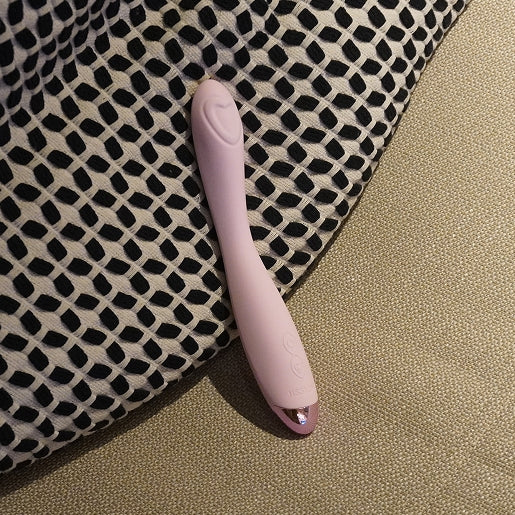

Farting During Sex: The Complete Guide to Normal Body Sounds
Stack & Save: Extra 15% with Jissbon15
Jissbon15
Farting during sex is a completely normal bodily function that happens to most people at some point. Your body doesn't distinguish between "appropriate" and "inappropriate" times to release gas—physical activity, position changes, and muscle relaxation during intimacy can all trigger gas release.
While it might feel mortifying in the moment, understanding why it happens, how to minimize occurrences, and how to handle situations gracefully transforms embarrassment into just another human moment. This guide covers intestinal gas, vaginal air release (queefing), anal sex considerations, and practical strategies for managing the inevitable.
When More Frequent Gas Release During Sex Has a Medical Cause
While occasional gas release is normal, frequent or sudden changes may relate to underlying conditions such as:
1. IBS (Irritable Bowel Syndrome)
Symptoms include:
- chronic bloating
- unpredictable gas
- abdominal cramping
During sex, abdominal pressure forces trapped IBS gas out easily.
2. Food Intolerances (Lactose, Gluten, FODMAPs)
Undigested foods ferment in the gut → high-volume gas.
If you fart often during sex and experience daily bloating, this might be the cause.
3. Pregnancy & Postpartum Changes
High-ranking Health.com and IrishTimes queries confirm this:
Pregnancy hormones + shifting organs cause:
- pressure on rectum → easier gas release
- increased bloating
- pelvic floor relaxation
Postpartum bodies may experience:
- weakened pelvic floor → less sphincter control
- increased queefing due to wider vaginal canal
This is extremely normal after childbirth.
4. Pelvic Floor Dysfunction
A weak or overly tight pelvic floor can trap or misdirect air.
This increases:
- queefing
- accidental gas release
- difficulty controlling sphincters during thrusting
Pelvic floor therapy can help dramatically (see later section).
5. Retroverted Uterus (tilted uterus)
Based on Kegel8 & CoreExerciseSolutions research:
- certain angles trap more vaginal air
- more queefing occurs during deep penetration
Rare Cases: When to See a Doctor
Most sex-related gas is harmless — but seek medical advice if you notice:
Foul-smelling discharge accompanied by gas
Could be:
- bacterial vaginosis
- infection
- unmanaged IBS
Gas or stool passing through the vagina
This may indicate a rectovaginal fistula — a rare abnormal connection between rectum and vagina. Common causes:
- childbirth complications
- Crohn’s disease
- pelvic surgery
Requires medical evaluation.
Severe abdominal pain + excessive gas
May signal:
- severe digestive disorder
- food intolerance
- intestinal inflammation
Why Bodies Make Sounds During Sex
Sexual activity creates conditions that naturally produce various noises—and that's completely okay.
Physical Factors
Sex involves vigorous movement, position changes, muscle contractions and relaxations, and pressure on the abdomen. All of these can trigger gas release that you'd normally suppress through conscious muscle control.
During arousal and intimacy, your conscious control over sphincter muscles decreases. You're focused on pleasure, not maintaining tight control over every muscle group. This natural relaxation means gas that's present in your digestive system may escape.
The Reality of Digestion
According to information on digestive function and gas, the average person produces 0.5 to 1.5 liters of gas daily as a normal byproduct of digestion. This gas needs to exit somehow. The physical exertion and positions of sex can accelerate this natural process.
Muscle Relaxation Paradox
Good sex requires relaxation—tense muscles interfere with pleasure. But relaxing your pelvic floor and anal sphincter (necessary for comfort during many sexual activities) means less control over gas retention. You literally cannot be fully relaxed and maintain perfect gas control simultaneously.
Intestinal Gas During Sex: Understanding the Basics

Regular flatulence happens when intestinal gas exits through the anus.
What Causes It
Swallowed air, digestive breakdown of foods (especially fiber, sugars, and starches), and gut bacteria producing gas as they break down food all contribute to intestinal gas accumulation.
Certain positions compress your abdomen, squeezing gas toward the exit. Deep penetration, positions where you're folded at the waist, or pressure on your stomach area can all trigger release.
Common Trigger Situations
- Vigorous thrusting that creates abdominal compression
- Position changes that shift internal gas pockets
- Deep penetration that presses against intestinal structures
- Muscle relaxation during orgasm (sphincters release)
- Belly-down positions that compress the abdomen
- Extended sessions where you'd normally have released gas but consciously held it
Is It Normal?
Absolutely. While not everyone experiences this regularly, it's a common occurrence that most sexually active people encounter at some point. Bodies don't cooperate with our desires for perfect, movie-like sex.
Vaginal Air Release (Queefing): A Different Phenomenon
Often confused with farting, queefing is the release of air from the vagina—not gas from the intestines.
What It Actually Is
Queefing (also called vaginal flatulence) occurs when air becomes trapped in the vaginal canal during penetration or certain movements, then releases audibly. It sounds similar to intestinal gas but comes from a completely different source and has no odor.
The vagina is a potential space—like a deflated balloon. During penetration, air can enter and become trapped, especially with thrusting that creates a vacuum effect. When position changes or the penis/toy withdraws partially, that air escapes.
When It Happens Most
- During or after penetrative sex with penis, fingers, or toys
- In positions where hips are elevated (legs over shoulders, doggy style)
- When switching positions mid-session
- After withdrawal following deep penetration
- During certain yoga poses or exercises (not just during sex)
- After childbirth when vaginal tissue has more space
Important Distinction
Queefing is NOT intestinal gas. It's simply air that entered the vaginal canal exiting. There's no smell, no digestive involvement, and no connection to diet or digestion. It's purely mechanical.
Medical Perspective
According to gynecological information on vaginal health, queefing is completely harmless and extremely common. It doesn't indicate any health problem or physical abnormality.
Anal Sex Considerations

Anal play introduces unique factors regarding air and gas.
Why Anal Sex Increases Likelihood
The rectum normally contains some air. Penetration can push this air around, and withdrawal can create vacuum effects that pull more air in. Additionally, anal penetration stimulates intestinal tissue and can trigger bowel reflexes.
Relaxation required for comfortable anal sex means relaxed sphincters—the same muscles that normally retain intestinal gas. This natural relaxation necessary for pleasure reduces gas control.
Preparation Reduces Incidents
Emptying bowels 1-2 hours before anal play significantly reduces likelihood of encountering fecal matter or excess gas. Many people use this timing specifically for this reason.
Light meals or avoiding heavy, gas-producing foods for several hours beforehand also helps. Your digestive system will be less active with less gas production.
Normal Sounds
Air moving in and out of the rectum during anal sex is completely normal. Similar to vaginal queefing, anal penetration pushes air in that must exit. These sounds occur even when bowels are completely empty.
Products That Help
Using generous amounts of high-quality lubricant creates smoother penetration with less air-trapping vacuum effects. Consider anal vibrators and toys with gradually increasing sizes that allow for gentle, controlled entry reducing sudden air displacement.
Prevention Strategies That Actually Work
While you can't guarantee zero incidents, these approaches significantly reduce frequency.
Dietary Adjustments (4-6 hours before)
|
Food Category |
Avoid |
Better Choices |
|
Vegetables |
Broccoli, cabbage, Brussels sprouts, beans |
Leafy greens, cucumber, zucchini |
|
Carbohydrates |
Whole wheat bread, bran, large pasta servings |
White rice, simple crackers, small portions |
|
Dairy |
Milk, ice cream (if lactose intolerant) |
Lactose-free alternatives, hard cheeses |
|
Fruits |
Apples, pears, stone fruits with sorbitol |
Bananas, berries, melons |
|
Beverages |
Carbonated drinks, beer |
Still water, wine, non-fizzy drinks |
Timing Your Meals
Eat your last substantial meal 3-4 hours before anticipated intimacy. This gives your digestive system time to process food and move gas through without mid-sex interruptions.
If you tend to have scheduled intimate time (before bed, weekend mornings), you can plan eating schedules accordingly.
Bathroom Protocol
Always use the bathroom before sex—both urination and attempting bowel movement. Even if you don't feel urgency, the attempt can release trapped gas before it becomes an issue.
Over-the-Counter Aids
Simethicone products (like Gas-X) help break up gas bubbles in the digestive tract. Digestive enzymes (like Beano) taken with meals reduce gas production from foods that typically cause it.
These aren't necessary for everyone but can help if you're particularly prone to gas or know you've eaten trigger foods.
Position Awareness
Certain positions compress the abdomen more than others. If you're concerned, avoid:
- Deep squatting or knees-to-chest positions
- Positions where weight presses on your stomach
- Positions requiring extreme bending at the waist
Choose positions that keep your torso relatively neutral and avoid abdominal compression.
How to Handle It When It Happens

Despite best efforts, bodies do what they do. Grace under pressure matters more than perfection.
Immediate Response Options
The Brief Acknowledgment: A quick "excuse me" or "oops" acknowledges it happened without dwelling. Most partners appreciate the honesty and will quickly move past it.
The Humor Approach: If it fits your dynamic, light laughter breaks tension immediately. "Well, that's one way to break the mood!" or similar acknowledges the human moment without shame.
The Ignore-and-Continue: Sometimes simply continuing without comment works best. If your partner doesn't react, they may not have noticed or are choosing to be gracious. Don't draw attention if they're offering that kindness.
The Pause-and-Regroup: If smell is involved (intestinal gas) or you need a moment to recover composure, it's fine to pause: "Give me a second" followed by adjusting position, opening a window, or taking a brief break.
What NOT to Do
Don't apologize profusely or make it a bigger deal than it is. Excessive apologies draw more attention and suggest something wrong happened when it's simply a body function.
Don't blame your partner ("You were pressing too hard" or similar). Even if true, deflecting creates awkwardness.
Don't let one incident ruin the entire experience. Bodies are unpredictable—move past it mentally and physically.
Partner Perspectives: The Other Side
How should someone respond if their partner has a body sound moment?
The Kind Partner Response
The best partners either don't react at all (pretending not to notice) or acknowledge briefly with humor or reassurance: "Totally normal" or "Happens to everyone."
Making a big deal, laughing AT someone (versus with them), or showing disgust are unkind responses that reveal more about the responder's maturity than the person's body.
Setting Relationship Tone
How you both handle awkward moments early in a relationship sets precedent. Kindness, humor, and matter-of-fact acknowledgment create safety for vulnerability—essential for good sexual connection.
Partners who shame or mock body functions during intimacy create anxiety that interferes with arousal and pleasure. That anxiety makes the problem worse since tension increases gas retention and makes queefing more likely.
Communication Value
These moments, handled well, actually strengthen relationships. They prove you can navigate awkwardness together, maintain humor, and accept each other's humanity. This builds intimacy beyond the physical.
Specific Position Modifications
Certain adjustments reduce likelihood of air entrapment and gas release.
For Vaginal Sex
Instead of positions with hips highly elevated (legs over shoulders), try side-by-side spooning where the vaginal canal stays more closed. This reduces air entry opportunities.
In doggy style, keeping your back relatively flat rather than extreme arching changes the angle and reduces the vacuum effect that pulls air in.
For Anal Sex
Start with the receiving partner lying flat on their stomach. This position naturally compresses the lower abdomen less than others and provides more control over sphincter relaxation.
When moving to other positions, withdraw slowly and mindfully. Rapid position changes with quick withdrawal-and-reinsertion cycles push air around more aggressively.
General Movement
Slower, more controlled thrusting reduces the piston-like effect that pushes air in and out. This doesn't mean boring sex—it means rhythmic, deliberate movement rather than frantically rapid.
Products That Help Minimize Issues
Strategic product use creates conditions less likely to produce awkward sounds.
For Vaginal Queefing
Products that create consistent contact between penis/toy and vaginal walls reduce air pockets. Wand vibrators and girthier toys tend to maintain better seal than very thin options.
Quality water-based lubricant ensures smooth entry without air-trapping friction. Adequate lubrication means less vacuum effect during penetration.
For Anal Play
Generous application of thick, long-lasting lubricant is non-negotiable. It enables smooth, slow entry that doesn't push air forcefully into the rectum.
Prostate massagers with gradually tapered designs allow gentle insertion with less sudden air displacement than products with abrupt size changes.
Environmental Management
Quality products from Jissbon designed with body-safe materials and thoughtful engineering reduce friction and enable the controlled, smooth movements that minimize air entrapment.
Beyond toys, having essentials nearby matters: tissues, baby wipes, a candle or spray for odor management (if needed), and perhaps a small fan for air circulation.
The Bigger Picture: Body Acceptance
Focusing too intensely on preventing normal body functions can interfere with the relaxation necessary for good sex.
Performance Anxiety Trap
Worrying obsessively about potential embarrassing sounds creates the muscle tension that paradoxically makes some issues worse. Anxiety tightens pelvic floor muscles irregularly, which can increase queefing likelihood.
Pleasure vs. Perfection
Sex portrayed in media shows impossibly perfect bodies moving silently through flawless encounters. Real sex involves sweat, weird noises, awkward adjustments, and occasional interruptions. Trading authenticity for an unrealistic standard robs you of actual pleasure.
Partner Selection
If someone makes you feel ashamed about normal body functions during intimacy, that's valuable information about their character and emotional maturity. Quality partners understand that bodies are unpredictable and don't weaponize normal functions.
Frequently Asked Questions
What is farting during sex called?
Intestinal gas = flatulence
Vaginal air release = queefing (vaginal gas)
Medical term: coital flatus
Why does farting happen right at orgasm?
During orgasm, pelvic floor muscles contract rhythmically and sphincters temporarily relax — making gas more likely to escape.
Does pregnancy cause farting during sex?
Yes. Pregnancy increases:
- progesterone → slows digestion
- bloating
- pelvic pressure
- less sphincter control
All contribute to more gas release.
Is it normal to queef every time I have sex?
Yes for some people — especially postpartum, with flexible pelvic floors, or certain anatomical shapes. It's not harmful.
Can pelvic floor weakness cause queefing?
Yes. Weak or uncoordinated pelvic floor muscles allow air to enter more easily.
Is farting during sex unhygienic?
No. Intestinal gas itself is sterile. Only fecal matter poses hygiene concerns.
Can anal sex cause farting even if I prepared?
Yes. Penetration pushes air in/out of the rectum. Sounds ≠ poor hygiene.
How can I prevent farting during sex?
- avoid carbonated/gassy foods 3–6 hours prior
- try spooning/missionary
- empty bowels before sex
- manage IBS or intolerances
- keep movement rhythmic, not frantic
Is farting during sex a sign of something medically wrong?
No. Occasional gas during sex is completely normal and doesn't indicate digestive problems. However, if you experience excessive gas throughout your day (not just during sex), chronic bloating, or pain, consult a healthcare provider about possible food intolerances or digestive conditions.
Can you prevent queefing entirely?
Not really, and you shouldn't try too hard. Queefing results from normal anatomy and the mechanics of penetration. Certain positions make it less likely, but attempting to eliminate it completely requires tension that interferes with pleasure. Acceptance works better than prevention obsession.
Does farting during anal sex mean you didn't prepare properly?
Not necessarily. Even with completely empty bowels, air movement during anal penetration is normal. If actual fecal matter is present, that indicates inadequate preparation timing. But air sounds alone don't indicate poor preparation—they're just mechanical reality.
What if my partner keeps bringing it up later?
A kind, mature partner might make one joke immediately then never mentions it again. Repeatedly bringing up something they know embarrassed you suggests lack of empathy. Consider having a direct conversation about how their comments make you feel and whether they can show more sensitivity.
Is there something wrong if I queef every single time we have sex?
No, some people's anatomy makes this more common, especially in certain positions. Vaginal shape, partner size, and position preferences all affect frequency. If it bothers you significantly, experiment with position modifications, but know that frequent queefing is within normal range for many people.
Should I avoid certain foods permanently if they cause gas?
That depends on your priorities. If broccoli causes you gas but you love it and only have sex spontaneously, you might choose to eat it anyway and accept occasional awkwardness. If you have scheduled intimate time and find certain foods consistently problematic, avoiding them on those days makes sense—but complete elimination isn't necessary.
Conclusion
Farting during sex, queefing, and other body sounds are normal occurrences that happen to most people. Understanding the mechanical reasons, implementing reasonable prevention strategies, and handling incidents with grace and humor creates better intimate experiences. Bodies aren't perfect, silent machines—they're wonderfully messy, unpredictable organisms.
Accepting this reality with your partner builds the trust and safety that genuine intimacy requires. Ready to explore products designed for comfortable, body-positive intimate experiences? Discover thoughtful designs at sex toys for couples created to enhance pleasure while respecting real bodies and their natural functions.


Looking for something else?

Sex Positions from Behind: 8 Beyond Doggy Style
LEARN MORE
What Does a Vulva Taste Like? Facts & Myths Explained
LEARN MORE
Straddle Sex Position: 7 Variations & Tips
LEARN MORE
Mistress Slave Relationship in BDSM: Complete Guide
LEARN MORELooking for something else?

Sensual Domination: Guide to Affectionate Power Play
LEARN MORE
Best Prostate Massager for Beginners: Complete Guide
LEARN MORE
Dominant Sex Positions: 8 Power Positions & Tips
LEARN MOREYou may also like
20% off

20% off

20% off

20% off

20% off

20% off

Further reading
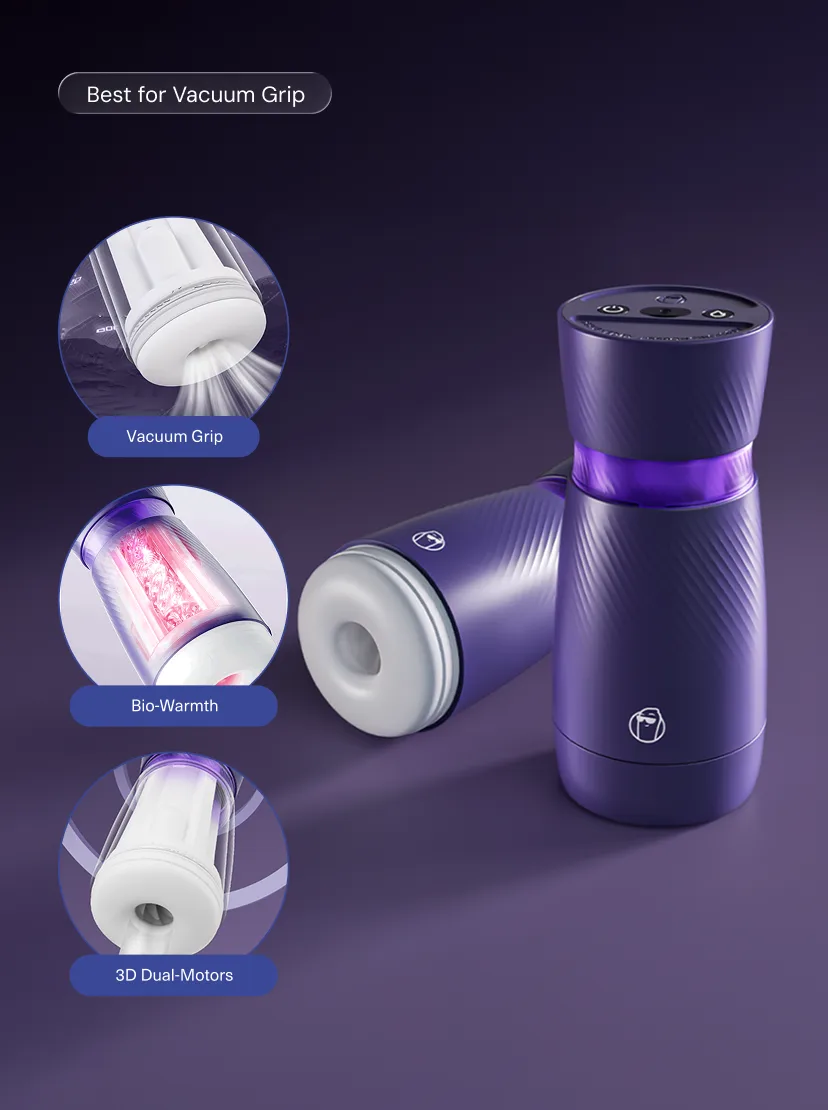
Automatic Male Masturbator vs Manual Stroker: Which Should You Buy?
11 Best Automatic Blowjob Machines for Men in 2026

Understanding Smoking Fetish: The Erotic Appeal of Cigarettes