








































































Edging for Beginners: Your Complete Guide to Orgasm Control & Intensification
Stack & Save: Extra 15% with Jissbon15
Jissbon15
Edging—also called orgasm control or peaking—involves bringing yourself or a partner to the brink of climax repeatedly, then reducing stimulation before orgasm occurs. This practice builds sexual tension, often resulting in more intense eventual orgasms and enhanced body awareness.
Whether exploring solo or with a partner, edging offers accessible techniques for deepening pleasure experiences. This guide covers the basics, step-by-step methods, variations, and practical tips for successful edging practice.
What are some beginner tips for edging?
For your first few sessions, keep it super simple:
- Start solo – it’s easier to learn your signals when you’re not also worrying about a partner.
- Use lube and a technique you already like – edging is about when you stop, not suddenly changing how you touch yourself.
- Aim for 2–3 edge cycles only – don’t try to be a porn marathoner on day one.
- Slow down earlier than you think – most beginners wait too long and accidentally orgasm; try stopping when you’re at a 7–8/10, not at 9.
- Breathe instead of clenching – deep, slow breathing helps you step back from the edge and keeps arousal high without tipping over.
The goal of early sessions isn’t “perfect control”; it’s learning what your own edge feels like.
What is the proper way to do edging?
Most sex-ed sources describe a basic edging loop like this:
- Build arousal
-
- Stimulate yourself the way you normally would — hands, toy, oral, etc.
- Notice you’re getting close
-
- Watch for signs like faster breathing, muscle tension, and “I’m about to cum” thoughts.
- Stop or slow down before orgasm
-
- Either remove stimulation completely or switch to very light touch.
- Let the peak subside
-
- Wait ~20–60 seconds while your arousal drops from a 9 back to a 5–6.
- Start again
-
- Resume stimulation and repeat the cycle a few times.
- Eventually allow orgasm
-
- On your final round, keep going past the edge and see how the climax feels compared to normal.
That’s it. You can customize intensity, duration, and techniques once you’re comfortable with the basics.
Understanding Edging: What It Is & Why People Practice It
Basic Definition
Edging follows a cyclical pattern:
- Build arousal through stimulation (manual, oral, toys, penetration)
- Approach the "edge" where orgasm feels imminent (point of no return)
- Stop or drastically reduce stimulation before climax occurs
- Allow arousal to decrease slightly (10–30 seconds)
- Resume stimulation and repeat the cycle
- Eventually allow orgasm after multiple edge cycles
The practice gets its name from repeatedly approaching the "edge" of climax without falling over.
Why People Edge
Physical benefits:
- More intense orgasms: Prolonged arousal often creates stronger, longer-lasting climaxes
- Multiple orgasms: Some people develop capacity for sequential orgasms through practice
- Improved stamina: Regular edging can extend sexual endurance
- Enhanced sensitivity: Heightened body awareness and responsiveness to touch
- Prostate health: For people with prostates, regular arousal without immediate release may support glandular health
Psychological benefits:
- Mindfulness practice: Requires present-moment focus and body awareness
- Self-control development: Builds discipline around delayed gratification
- Reduced performance pressure: Shifts focus from outcome to process
- Exploration of pleasure: Discovers nuances in arousal levels and sensations
Relational benefits (partnered edging):
- Extended intimacy: Longer sessions create more connection time
- Power exchange dynamics: Works well in dominant/submissive scenarios
- Communication practice: Requires clear, real-time feedback
- Shared novelty: Adds variety to intimate routines
Understanding the sexual arousal cycle helps you recognize the phases edging manipulates.
Identifying Your Edge: Recognizing the Point of No Return
The Arousal Scale
Think of arousal on a 1–10 scale:
|
Level |
Description |
Physical Signs |
|
1–3 |
Low arousal |
Minimal genital sensation, normal breathing |
|
4–6 |
Building arousal |
Increased blood flow, faster breathing, heightened sensitivity |
|
7–8 |
High arousal ("the edge") |
Intense pleasure, muscle tension, urgent feeling, rhythmic contractions beginning |
|
9 |
Point of no return |
Orgasm inevitable, first contractions starting |
|
10 |
Orgasm |
Full orgasmic release, rhythmic contractions, peak pleasure |
The edging zone is 7–8: High enough for intense pleasure but early enough to stop before the point of no return (level 9).
Physical Indicators You're Approaching the Edge

For people with vulvas:
- Clitoris becomes maximally engorged and extremely sensitive
- Vaginal walls contract rhythmically
- Breathing becomes rapid or momentarily stops
- Pelvic floor muscles tense involuntarily
- Strong urge to continue stimulation without changing anything
- Feeling of building pressure or impending release
For people with penises:
- Testicles fully retract toward body
- Penis reaches maximum hardness
- Pre-ejaculatory fluid appears
- Pelvic floor muscles begin subtle pulsing
- Overwhelming urge to thrust or increase speed
- Sensation of semen moving into position (emission phase beginning)
Universal signs:
- Heart rate significantly elevated
- Skin flushing or "sex flush" appearing
- Involuntary vocalizations or breath changes
- Mental focus narrowing intensely on genital sensations
- Time perception distortion
Learning Your Personal Edge
Practice recognition:
- Solo sessions work best initially (no partner pressure)
- Pay close attention as you approach orgasm
- Notice the 10–15 seconds before you'd normally climax
- Identify specific sensations marking your edge
- Practice stopping at various points to calibrate
This requires 3–5 sessions before accurate recognition develops.
Solo Edging Techniques
Basic Solo Edging Session (30–45 Minutes)
Preparation:
- Set aside uninterrupted time (45–60 minutes)
- Create comfortable environment (privacy, temperature, lighting)
- Gather supplies (lubricant, towel, water, toys if desired)
- Set intention ("I'm practicing body awareness, not rushing to climax")
The edging process:
Phase 1: Initial arousal (10–15 minutes)
- Begin with full-body touch, not just genitals
- Use fantasy, erotica, or mental imagery
- Build arousal gradually to level 5–6
- Notice how your body responds at different intensity levels
Phase 2: First edge approach (3–5 minutes)
- Increase stimulation focus on genitals
- Watch for physical signs you're approaching level 7–8
- When you notice urgency building, rate your arousal
- Continue until you feel you're 10–15 seconds from point of no return
Phase 3: Backing off (30–60 seconds)
- Stop all genital stimulation immediately
- Take 3–5 deep breaths
- Relax pelvic floor muscles consciously
- Let arousal decrease to level 5–6
- Maintain mental arousal (don't distract completely)
Phase 4: Resume and repeat (repeat 3–6 times)
- Resume stimulation once arousal decreases
- Build back to edge (usually faster each time)
- Stop again just before point of no return
- Each cycle: build to edge, back off, wait, resume
Phase 5: Final release
- After 3–6 edge cycles, allow yourself to climax
- Notice intensity compared to typical orgasms
- Many report significantly stronger sensations
Advanced Solo Variations
Extended edging (60–90 minutes):
- More edge cycles (8–12 repetitions)
- Longer backing-off periods (2–3 minutes)
- Requires significant self-control and time
Toy-assisted edging:
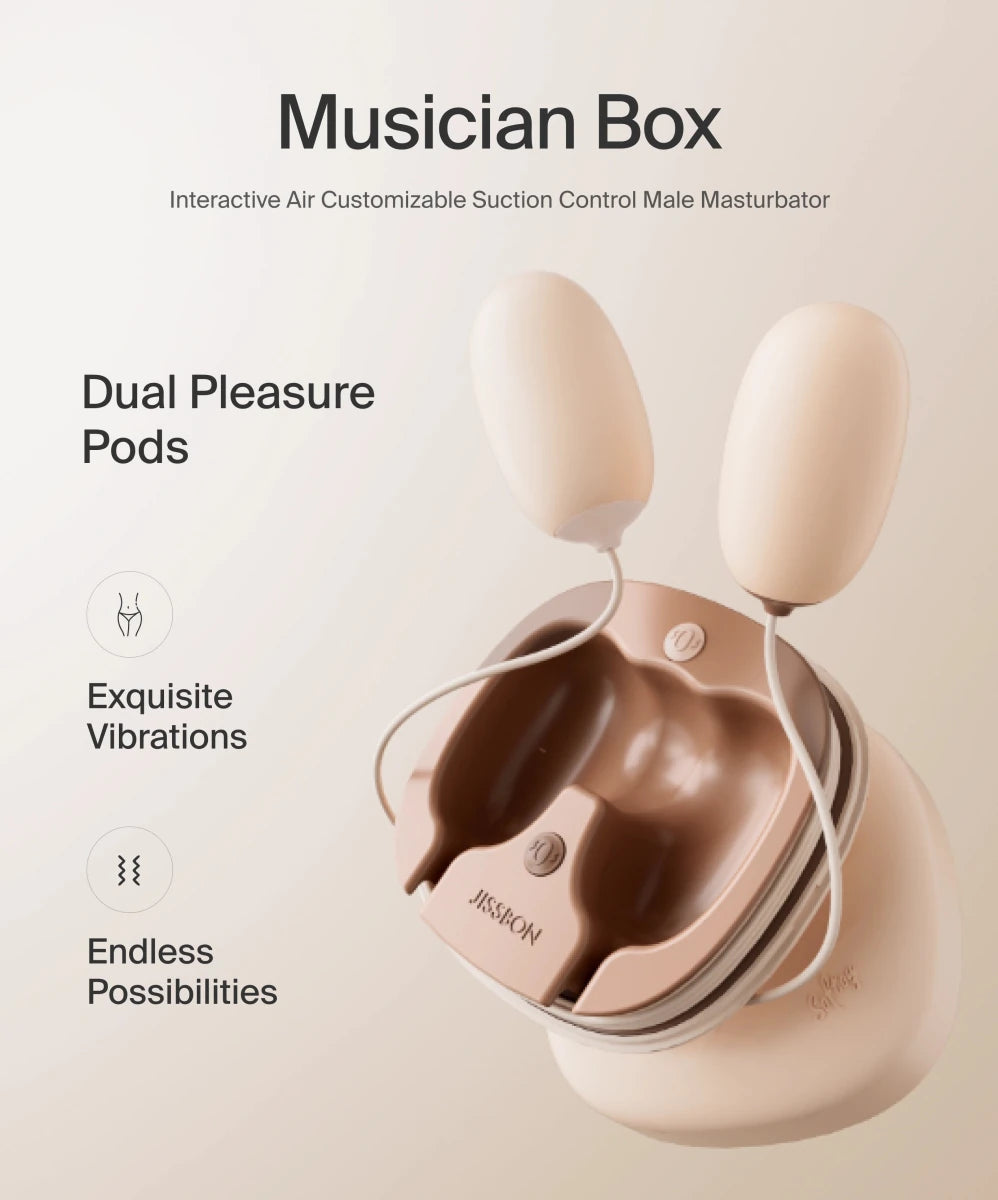
- Use vibrators or strokers for consistent stimulation
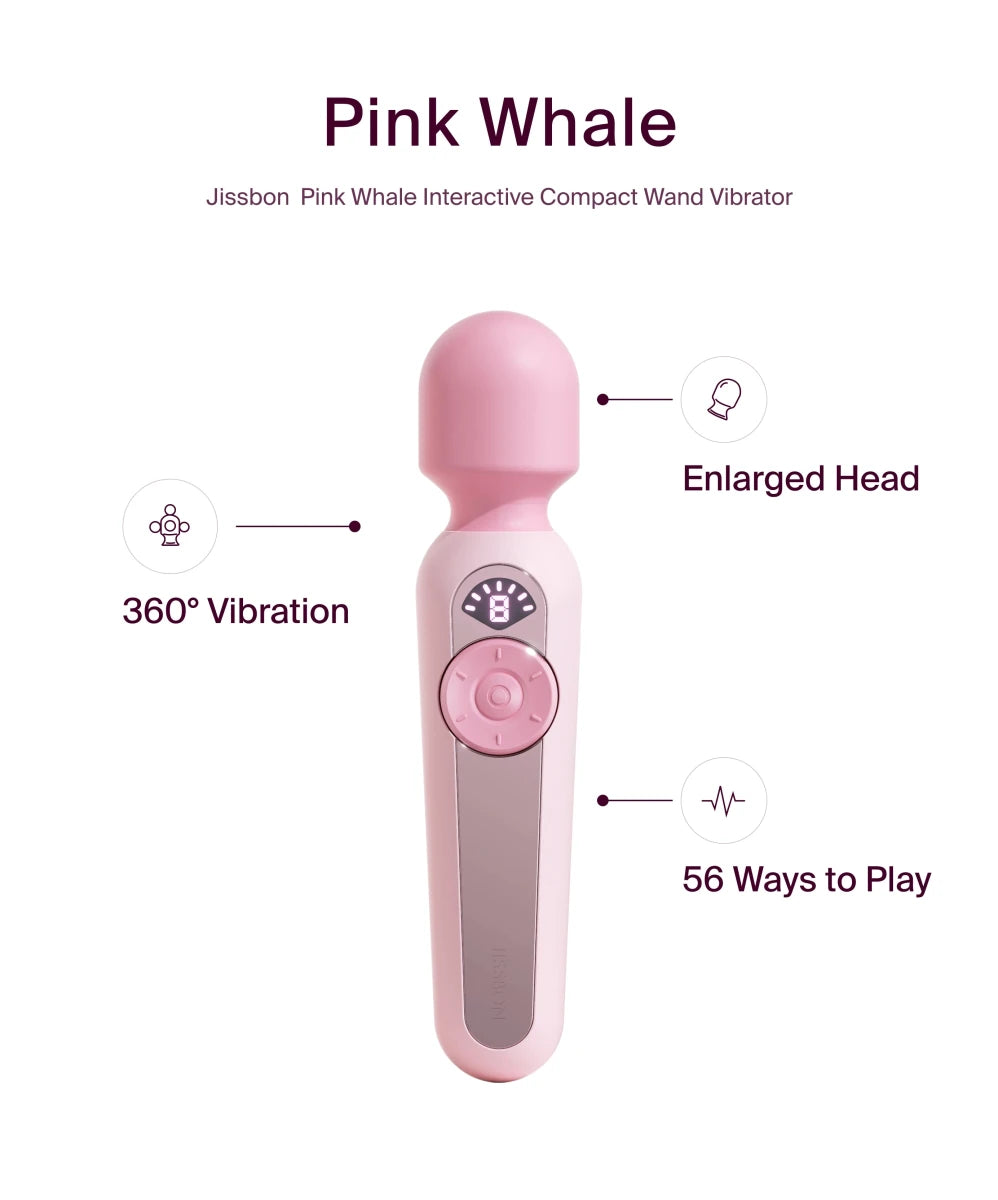
- Wand vibrators provide powerful, controllable intensity
- Clitoral vibrators offer precise external stimulation
- Turn toy off completely during backing-off phases
Multiple session edging:
- Edge to near-climax, then stop completely
- Wait hours or a full day before next session
- Build arousal again, edge multiple times, then release
- Creates extreme intensity but requires significant discipline
Anal edging:
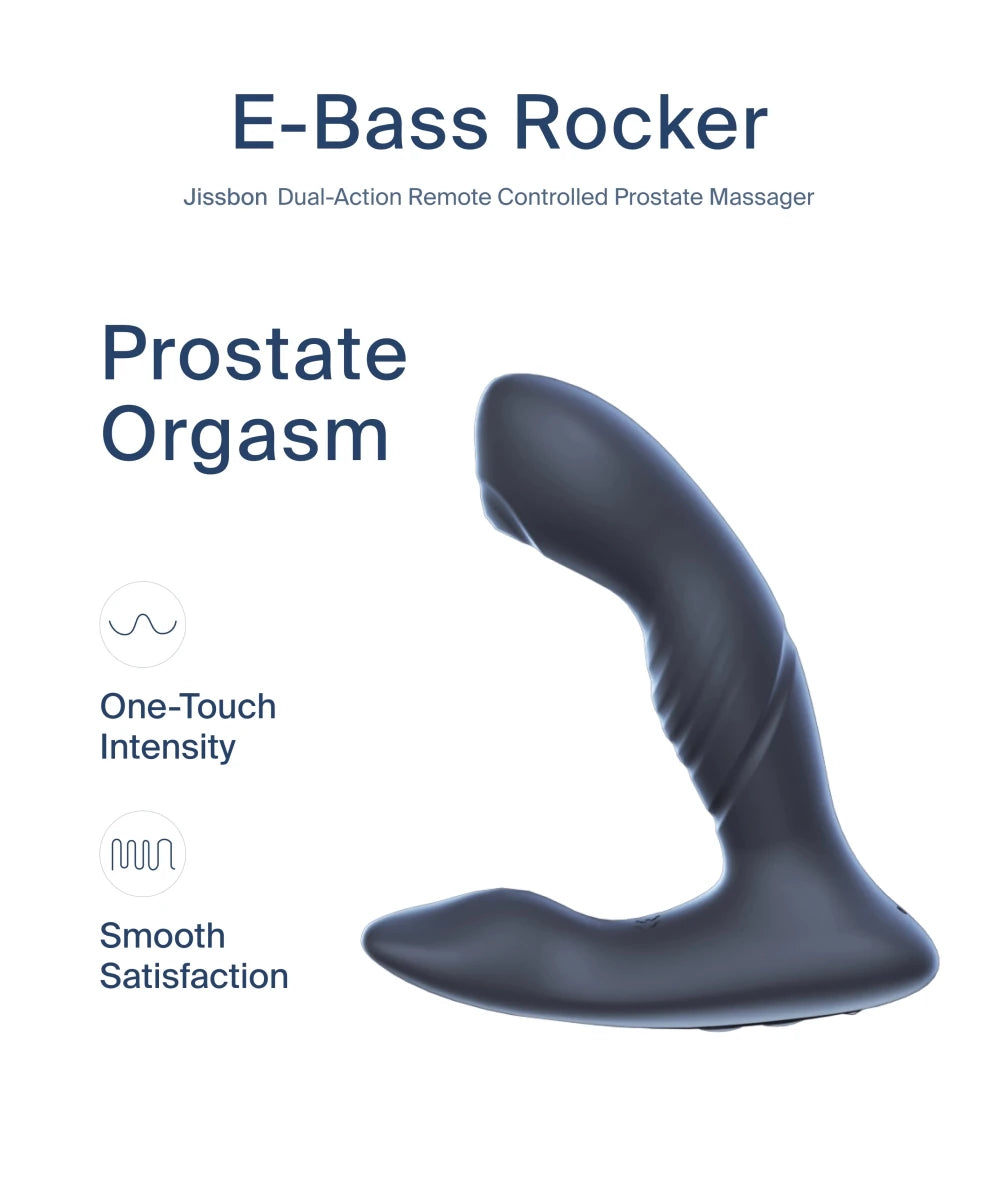
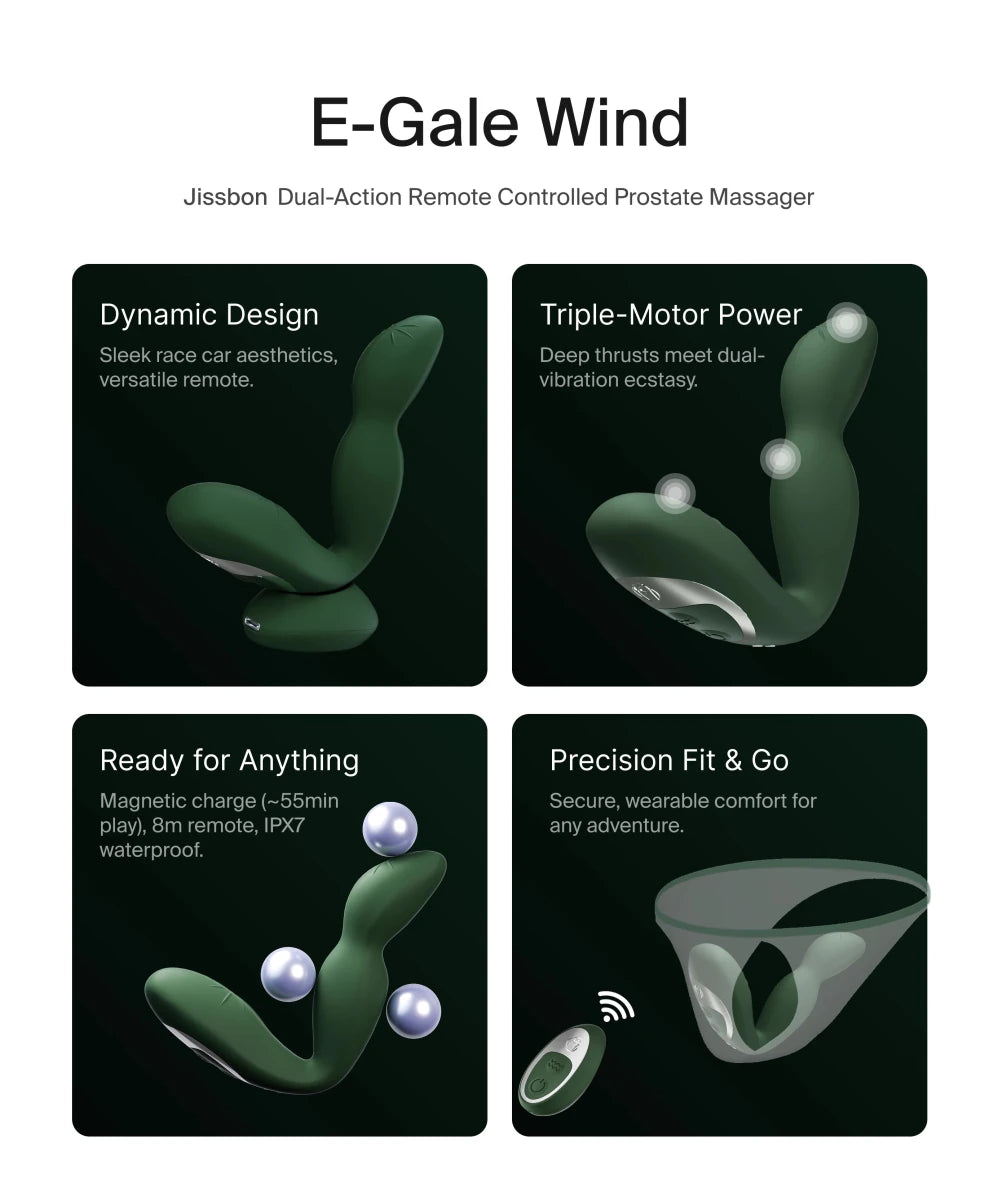
- Use prostate massagers or anal vibrators
- Focus on internal sensations and prostate response
- Often creates different edge sensations than genital stimulation
Partnered Edging Techniques

Communication Framework
Before beginning:
- Discuss interest and boundaries
- Establish clear signals:
-
- "Green" = continue, feels good
- "Yellow" = approaching edge, slow down
- "Red" = stop completely, too close or uncomfortable
- Agree on who controls the edging (receiving partner or giving partner)
- Set session duration and edge cycle goals
During the session:
- Receiving partner provides constant feedback: "I'm at a 6... now 7... yellow, approaching edge"
- Giving partner watches physical cues alongside verbal communication
- Check in frequently: "Where are you on the scale?"
Partnered Techniques
Manual stimulation edging:
- Giving partner uses hands for genital stimulation
- Receiving partner communicates arousal level in real-time
- When "yellow" signal comes, giving partner stops or drastically reduces touch
- Resume when receiving partner signals readiness (arousal dropped to 5–6)
Oral sex edging:
- Giving partner uses mouth and tongue
- Receiving partner indicates approach to edge
- Giving partner stops oral contact, may switch to light kisses on thighs or abdomen
- Creates psychological intensity from partner's control
Penetration edging:
- During penetrative sex, control rhythm and depth
- When receiving partner approaches edge, stop thrusting entirely
- Remain inserted but still, allowing arousal to decrease
- Resume movement once arousal subsides slightly
- Works in any penetrative position
Power dynamics edging:
- Dominant partner controls when stimulation starts and stops
- Submissive partner must ask permission to orgasm
- Dominant may deny permission multiple times (consensual control)
- Intensifies psychological arousal through power exchange
Products from Jissbon can be incorporated into partnered edging for varied sensations.
Common Partnered Challenges
Challenge: Receiving partner climaxes accidentally
- Not a failure—edging takes practice
- Restart next time with earlier stopping point
- Build self-awareness over multiple sessions
Challenge: Arousal drops too much during backing-off phase
- Shorten the waiting period
- Maintain light, non-genital touch during breaks
- Keep mental arousal engaged through talk or eye contact
Challenge: Giving partner can't read cues accurately
- Use numerical scale verbally (constant updates)
- Exaggerate physical signals (breathing, movements)
- Giving partner should err on side of stopping earlier
Edging Before Partnered Sex
Pre-Sex Solo Edging
Benefits:
- Arrives to partnered activity already highly aroused
- May experience more intense orgasms during sex
- Reduces pressure on partner to "get you there"
- Extends overall sexual experience timeline
Method:
- Edge yourself 2–3 times solo (20–30 minutes before partnered activity)
- Stop at final edge without climaxing
- Proceed to partnered sex while still highly aroused
- Allow partner to provide final stimulation to orgasm
Timing considerations:
- Don't wait too long between solo edging and partner (arousal decreases)
- 10–30 minutes between activities is ideal
- Communicate that you're already aroused and close
Mutual Pre-Sex Edging
Both partners edge separately, then come together:
- Creates matched arousal levels
- Shortens partnered session (both already close)
- Builds anticipation throughout the day
- Can incorporate sexting or photos during solo sessions
Benefits Beyond Orgasm Intensity

Premature Ejaculation Management
How edging helps:
- Teaches recognition of pre-orgasmic sensations
- Builds control over arousal progression
- Conditions body to sustain high arousal without immediate release
- Creates familiarity with "backing off" techniques
Practice protocol:
- Edge 3–5 times per solo session
- Focus on the exact moment ejaculation becomes inevitable
- Practice relaxation techniques during backing-off phases
- Gradually increase time spent at edge before backing off
Research supports edging as part of sexual health improvement strategies.
Anorgasmia Exploration
For people who struggle reaching orgasm:
- Edging builds arousal to higher levels than typical sessions
- Extended high arousal may overcome orgasm barriers
- Removes pressure ("I don't have to climax, just practice edging")
- Creates body awareness helping identify what works
Mindfulness & Body Awareness
Edging as meditation:
- Requires complete present-moment focus
- Trains attention on subtle body sensations
- Develops interoception (internal body awareness)
- Reduces mental distraction during sex
Safety & Considerations
Physical Safety
Edging is generally safe, but:
- Prolonged erection (90+ minutes) can cause temporary soreness
- Excessive sessions may lead to genital sensitivity or chafing
- Use adequate lubrication, especially during extended sessions
- Take breaks if discomfort develops
"Blue balls" (epididymal hypertension):
- Temporary aching from prolonged arousal without release
- Not dangerous, resolves within hours
- Reduce by climaxing or applying cold compress
- More common in people with testicles
Psychological Considerations
Healthy edging:
- Voluntary practice enhancing pleasure
- Can be skipped without distress
- Doesn't interfere with spontaneous sexual activities
- Both partners (if applicable) find it enjoyable
Problematic patterns:
- Feeling unable to climax without extensive edging
- Partner feeling controlled or manipulated through denial
- Hours-long sessions interfering with daily life
- Using edging to avoid intimacy or emotional connection
Common Questions & Troubleshooting

"I Keep Going Over the Edge Accidentally"
Solutions:
- Stop stimulation earlier than you think necessary
- Practice with less intense stimulation (slower, gentler)
- Use the arousal scale; stop at 7 instead of waiting for 8
- Accept that mastery takes 5–10 practice sessions
- Don't judge yourself—accidental orgasms aren't failures
"I Lose Arousal Completely When I Stop"
Solutions:
- Shorten backing-off period (15–20 seconds instead of 60)
- Maintain light, non-genital touch during breaks
- Keep mind engaged with fantasy or mental imagery
- Try only reducing stimulation (gentle touch) rather than stopping completely
"Edging Makes Me Too Frustrated"
Solutions:
- Reduce number of edge cycles (try 2–3 instead of 5–6)
- End sessions whenever frustration outweighs pleasure
- Accept edging may not suit your preference—that's valid
- Some people naturally prefer direct progression to climax
"My Partner Wants to Edge But I Don't Enjoy It"
Communicate clearly:
- Express that you support their solo exploration
- Explain your preference for partnered activities
- Compromise: they edge solo, you join for final release
- Remember: neither preference is wrong; compatibility matters
Are there any “rules” for edging to keep it safe and fun?
Think of these more as guidelines than strict rules:
- Rule 1: Stop before pain or numbness.
-
- If something hurts or starts to feel numb, take a longer break or end the session.
- Rule 2: Don’t ignore your body to “win.”
-
- Edging is not a challenge to torture yourself; it should still feel good overall.
- Rule 3: Keep communication open with partners.
-
- Use simple check-ins: “I’m close,” “Slow down,” or a color system (green/yellow/red).
- Rule 4: Hydrate and rest if sessions are long.
-
- Long edging sessions can be surprisingly tiring.
- Rule 5: Let yourself cum sometimes.
-
- Constant denial can lead to frustration instead of pleasure; balance edge play with fully satisfying orgasms.
If the “rules” start to feel like pressure or punishment rather than structure, it’s time to recalibrate.
How long should you edge for in one session?
There’s no official limit, but experts and educators suggest being mindful of duration:
- Beginner range: 20–45 minutes total, including warm-up, a few edge cycles, and final orgasm.
- Intermediate: 45–90 minutes if your body still feels good and you’re enjoying the process.
- Beyond that: multi-hour edging is a niche practice and should be done cautiously; watch for soreness, irritation, and emotional burnout.
A good rule of thumb: stop when pleasure and curiosity drop below frustration or fatigue. Longer is not automatically “better” if your body or mind isn’t enjoying it.
Is edging harmful if done a lot?
For most people, edging is not harmful when done in moderation and with attention to comfort. Health sources note that:
- Short-term effects can include:
-
- Temporary genital tenderness or “blue balls”/pelvic aching if you never let yourself climax
- Fatigue or chafing if you ignore your body’s signals
- Potential issues arise if:
-
- You edge so often or so long that you get persistent pain, numbness, or irritation
- You feel unable to orgasm without extremely long edging sessions
- It starts interfering with sleep, work, relationships, or partnered sex
If any of that shows up, take a break, shorten sessions, or talk to a sex-positive medical professional. Otherwise, edging is generally considered a safe exploration tool.
Frequently Asked Questions
How many edge cycles should a beginner attempt?
Start with 2–3 cycles during your first sessions. This provides the experience without overwhelming frustration or time commitment. As comfort develops over 3–5 sessions, gradually increase to 4–6 cycles. Some experienced practitioners edge 10+ times, but this isn't necessary for benefits. Quality matters more than quantity.
Can edging help me last longer during sex?
Often, yes. Edging teaches recognition of arousal levels and control techniques. Apply these skills during partnered sex: notice when approaching climax, slow down or stop movement, allow arousal to decrease slightly, then resume. This extends sexual encounters naturally. However, edging isn't a guaranteed solution for premature ejaculation—consider consulting healthcare providers about sexual function concerns.
Is edging the same as tantra or karezza?
Related but distinct. Tantric practices and karezza involve sustained arousal without orgasm, often for spiritual purposes and extended periods (hours or days). Edging specifically focuses on approaching orgasm repeatedly before eventual climax. Edging sessions typically last 30–90 minutes. The practices share arousal control principles but differ in goals and duration.
Can I edge every day?
Physically possible, but consider diminishing returns. Daily edging may lead to: genital sensitivity or irritation, reduced novelty (practice becomes routine), time consumption interfering with other activities. Most practitioners find 2–4 times weekly sustainable and enjoyable. Listen to your body and schedule.
What toys work best for edging practice?
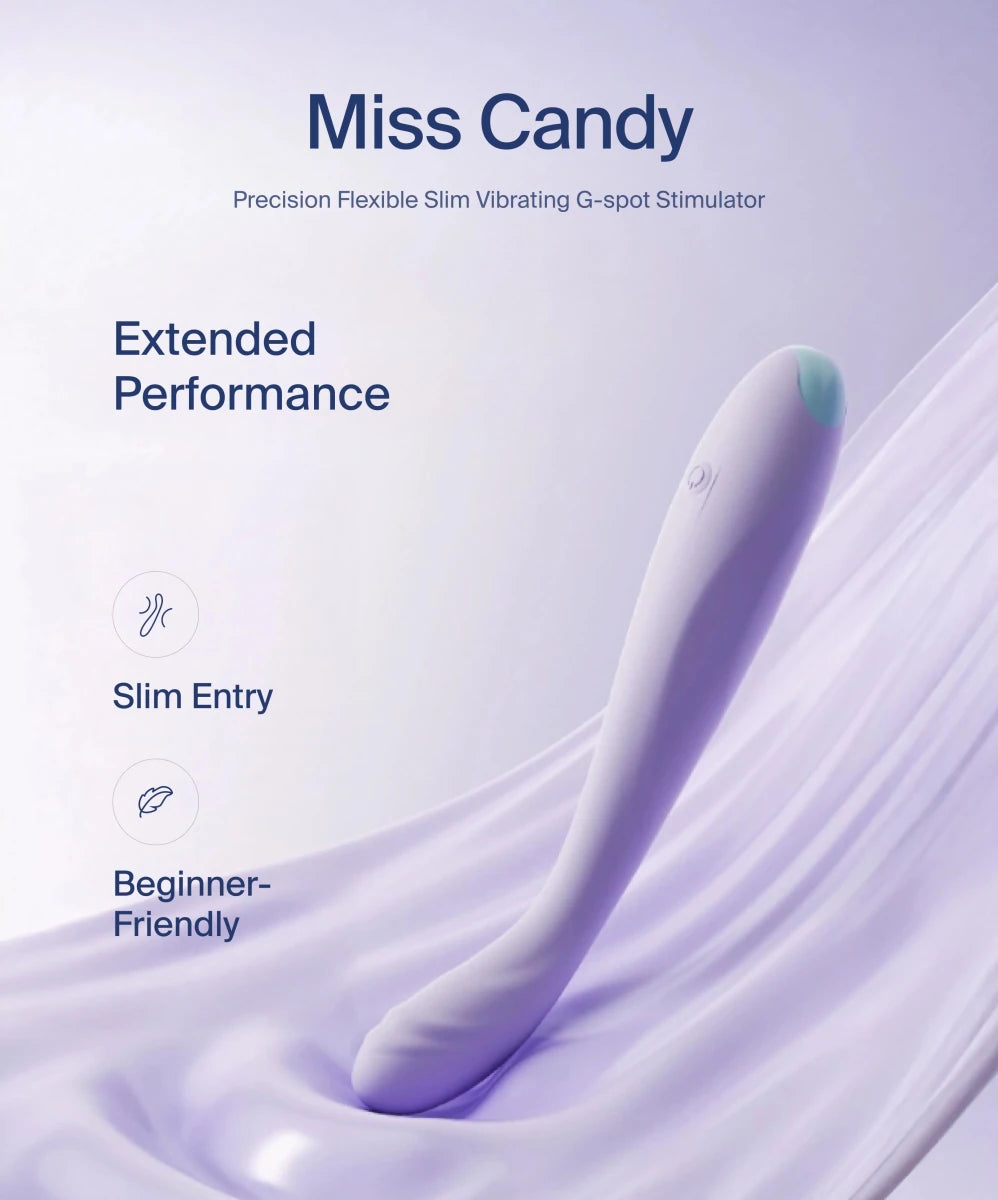
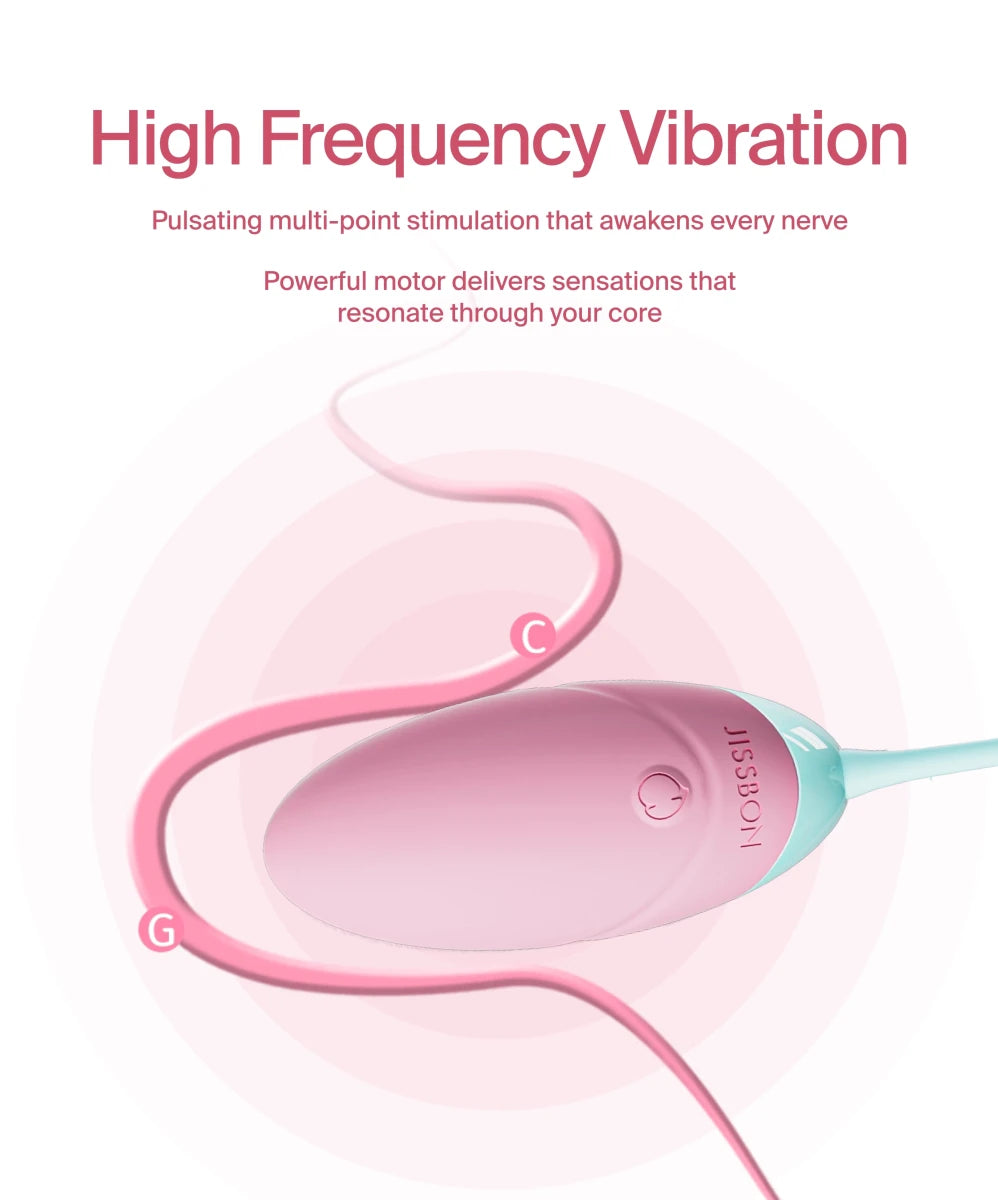
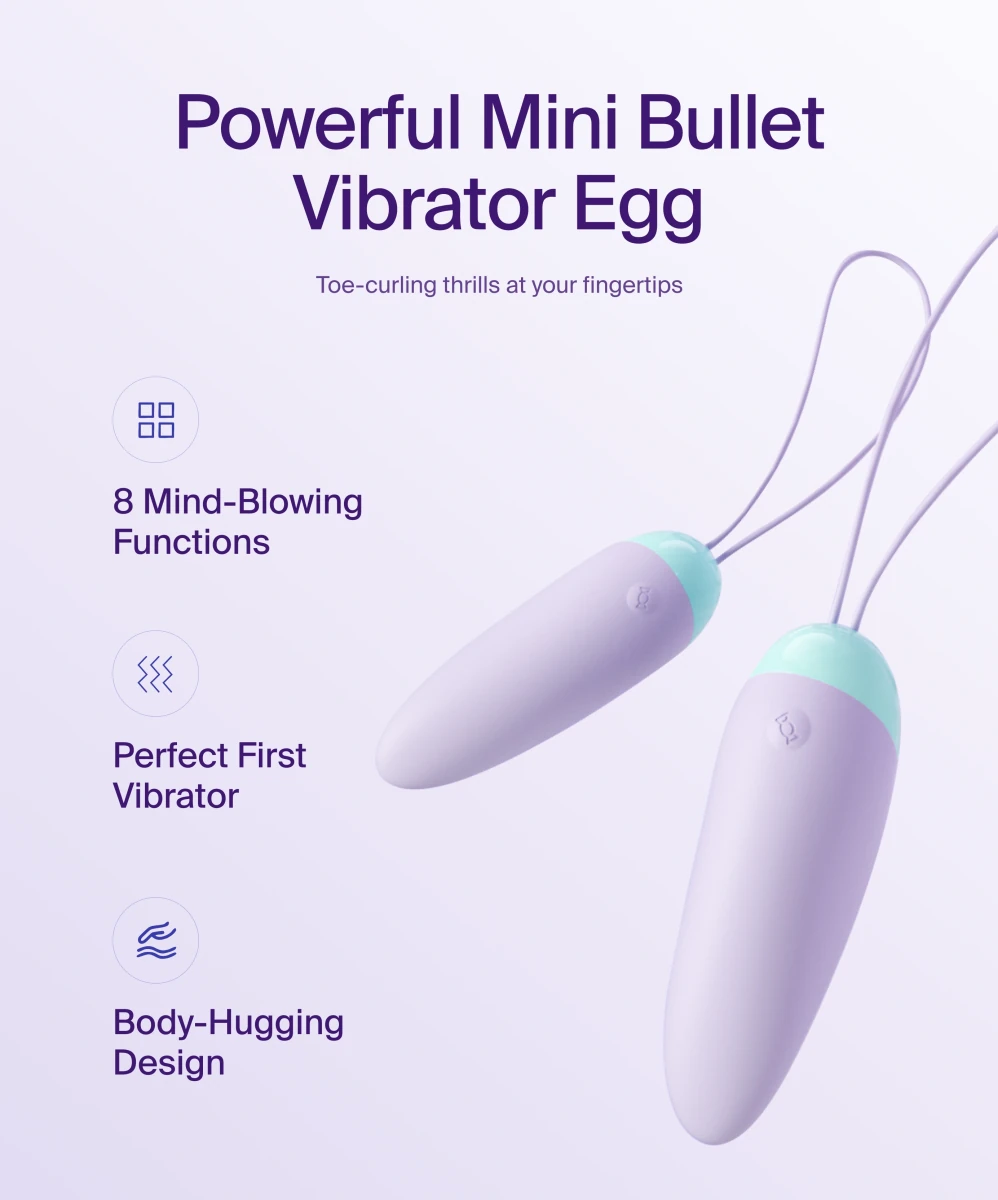
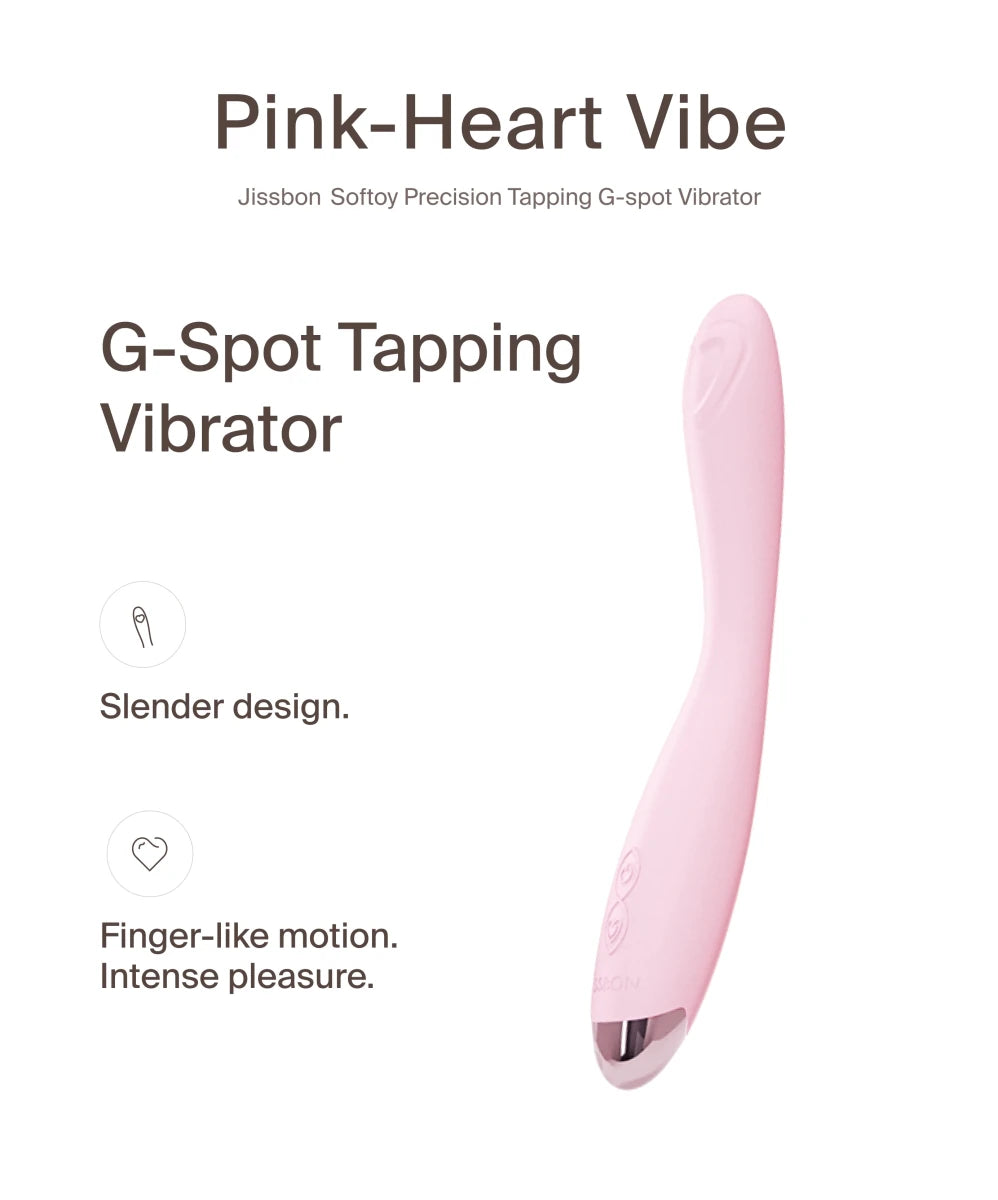
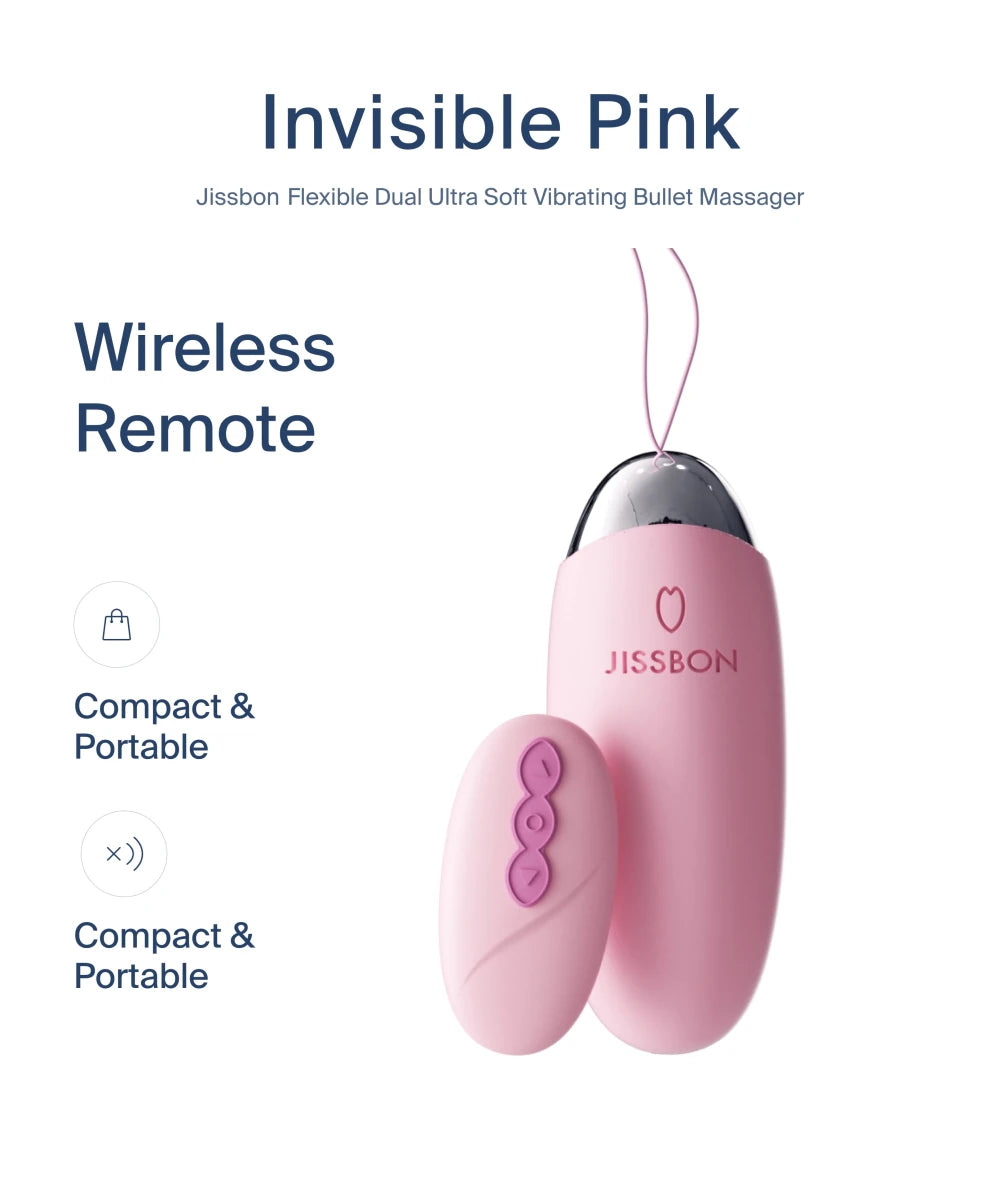
Toys with precise, controllable intensity excel for edging. Bullet vibrators offer adjustable power and easy on/off control. Remote controlled vibrators allow partners to control stimulation. G-spot vibrators provide internal stimulation for edging variety. Choose products with multiple intensity settings for gradual control. Explore options through sex toys for women or sex toys for men suitable for edging.
Should I edge before masturbation or before sex with partner?
Both work well for different purposes. Edging before solo masturbation: intensifies personal orgasms, practices self-control, explores your body without pressure. Edging before partnered sex: arrives highly aroused, may climax faster or more intensely, shares prolonged pleasure. Try both to discover your preference.
Getting Started with Your First Edging Session
Begin with solo exploration before introducing partners. Set aside 45 minutes without interruptions. Use the basic technique outlined earlier: build arousal, approach edge, back off, repeat 2–3 times, then climax.
Release expectations about perfect execution. Accidental orgasms during learning are normal and not failures. The practice develops gradually through repetition, not immediate mastery.
Pay attention to what your body teaches you. Some people discover they prefer 4–5 short edge cycles; others enjoy 2–3 extended approaches. Neither is correct—your preference guides your practice.
Ready to explore products that complement edging practice? Discover versatile options through sex toys for couples designed for controlled, adjustable stimulation.


Looking for something else?

What Is Flogging in Sex? Complete BDSM Flogging Guide
LEARN MORE
What Does Overstimulated Mean Sexually? Causes & Solutions
LEARN MORE
Can You Get a Tattoo on Your Vagina? Safety, Pain & What to Expect
LEARN MORE
Public Sex Kink: Understanding Exhibitionism & Safe Exploration
LEARN MORELooking for something else?

A-Spot Orgasm: Best Positions & How to Find It
LEARN MORE
Bondage Play: Complete Beginner's Guide to Rope BDSM
LEARN MORE
Vibrator Stories: Real Experiences, Tips & What to Expect
LEARN MOREYou may also like
20% off

20% off

20% off

20% off

20% off

20% off

Further reading

How to Clean an Automatic Blowjob Machine Without Damaging the Motor

Remote-Controlled Automatic Masturbators for Couples and Solo Play
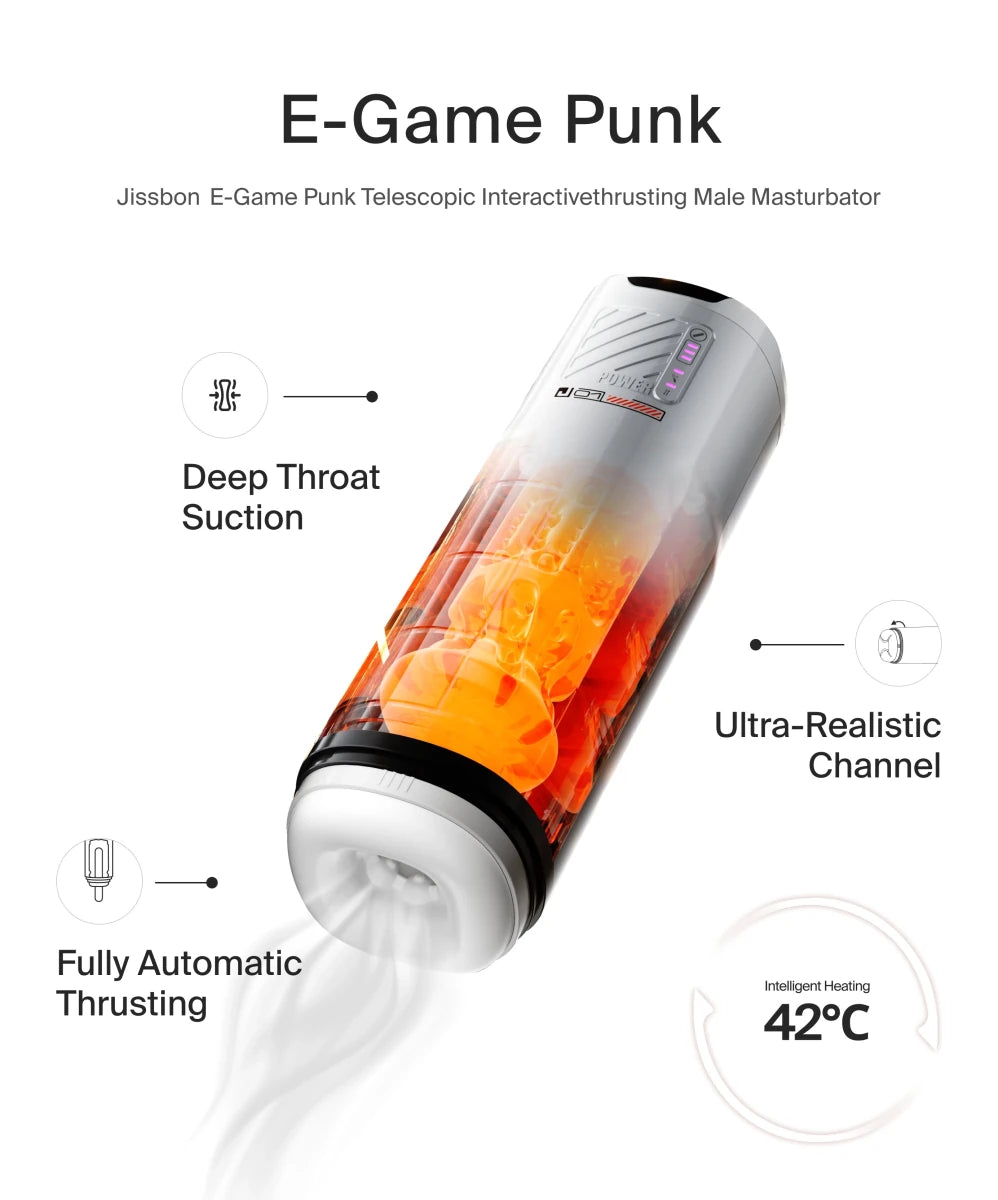
Best Automatic Strokers for Edging and Stamina Training