














































Ears Ringing After Sex: Understanding Post-Orgasm Hearing Changes
Stack & Save: Extra 15% with Jissbon15
Jissbon15
Experiencing temporary hearing changes after intense orgasm—including ringing, muffling, or brief hearing loss—surprises many people. While often harmless and related to cardiovascular responses, understanding why this happens and recognizing warning signs helps you distinguish normal physiology from concerning symptoms.
This guide explains the biological mechanisms behind post-orgasm hearing changes, explores common causes from blood pressure spikes to muscle tension, discusses prevention strategies, and clarifies when medical evaluation becomes necessary. Sexual experiences affect the entire body, and temporary sensory shifts are more common than most realize.
What Actually Happens: The Physiology
Your Body During Orgasm
Climax triggers system-wide physiological responses far beyond genital sensations:
Cardiovascular changes:
- Heart rate increases 50-100% above resting baseline
- Blood pressure rises significantly (systolic can increase 40-60 mmHg)
- Blood vessels dilate in some areas, constrict in others
- Circulation redirects toward core and genitals
- Blood flow to extremities and head fluctuates
Neurological activity:
- Neurotransmitter flood (dopamine, oxytocin, endorphins)
- Temporary reduction in cortical activity (the "mind goes blank" phenomenon)
- Heightened activity in pleasure centers
- Altered sensory processing across all senses
Muscular responses:
- Involuntary contractions throughout body
- Tension in neck, jaw, and facial muscles
- Pelvic floor contractions
- Possible breath-holding or hyperventilation
How this affects hearing:
The inner ear contains delicate structures highly sensitive to pressure changes, blood flow variations, and oxygen levels. When your cardiovascular system experiences dramatic shifts during orgasm, these structures respond, creating temporary auditory symptoms.
Common Causes of Post-Orgasm Hearing Changes

1. Blood Pressure Fluctuations
Mechanism:
During arousal and climax, systolic blood pressure can spike 40-80 points above normal. This sudden pressure increase affects the cochlea (hearing organ) and vestibular system (balance organ) in the inner ear.
What you might experience:
- High-pitched ringing (tinnitus)
- Sensation of fullness in ears
- Temporary muffled hearing
- Brief whooshing sound matching heartbeat
Duration: Typically resolves within 5-30 minutes as blood pressure normalizes.
Who's more susceptible:
- People with baseline high blood pressure
- Those taking medications affecting circulation
- Individuals with cardiovascular conditions
- Anyone experiencing particularly intense orgasm
2. Muscle Tension and TMJ Involvement
Mechanism:
The temporomandibular joint (TMJ) sits extremely close to the ear canal. During intense pleasure, many people clench their jaw, tense neck muscles, or tighten facial muscles unconsciously. This creates pressure that radiates to ear structures.
Related symptoms:
- Jaw soreness after sex
- Clicking or popping sounds when moving jaw
- Headache around temples
- Tension in neck and shoulders
Duration: Can persist 30 minutes to several hours depending on tension severity.
3. Hyperventilation and Altered Breathing
Mechanism:
Rapid, shallow breathing during arousal and climax changes blood oxygen and carbon dioxide levels. This affects inner ear fluid composition temporarily, altering hearing.
Characteristics:
- Often accompanied by lightheadedness
- May include tingling in fingers or face
- Hearing typically returns as breathing normalizes
- Can feel like "underwater" hearing
Duration: Usually resolves within 5-15 minutes of breathing regulation.
4. Valsalva Maneuver Effect
What happens:
Some people unconsciously bear down (similar to straining during bowel movement) during orgasm. This creates pressure in the Eustachian tubes connecting middle ear to throat.
Result:
- Feeling of blocked ears
- Pressure sensation
- Muffled sound perception
- Sometimes accompanied by popping when ears "clear"
Duration: Often resolves with yawning, swallowing, or gentle jaw movement.
Intensity-Related Factors
Why Stronger Orgasms Create More Symptoms
|
Orgasm Characteristic |
Physiological Impact |
Hearing Effect |
|
Multiple consecutive climaxes |
Prolonged elevated heart rate and BP |
Extended or repeated ringing |
|
Long buildup before release |
Greater pressure spike at climax |
More intense temporary symptoms |
|
Especially intense single orgasm |
Maximum cardiovascular response |
Pronounced but brief changes |
|
Sustained muscle tension |
Increased TMJ and neck pressure |
Longer-lasting muffled sensation |
Pattern recognition:
Most people notice correlation between subjective orgasm intensity and likelihood/severity of hearing changes. This suggests the phenomenon ties directly to physiological arousal levels rather than pathology.
Position-Related Considerations

How Physical Positioning Affects Blood Flow
Positions that may increase symptoms:
Head-down positions:
- Increases blood pressure in head and ears
- Examples: receiving partner bent forward, headstands (rare but happens)
- Gravity exacerbates pressure in upper body
Inverted or elevated leg positions:
- Affects venous return and overall circulation patterns
- Can intensify cardiovascular response
- Examples: legs over shoulders, elevated hips
Positions with neck strain:
- Looking up or back for extended periods
- Compresses blood vessels in neck
- May reduce blood flow to head temporarily
Positions typically causing fewer symptoms:
- Side-lying with neutral spine
- Seated with upright posture
- Standing positions with proper alignment
Prevention and Management Strategies
Before Intimacy
Cardiovascular preparation:
- Stay well-hydrated – Dehydration intensifies blood pressure swings
- Avoid excessive stimulants – Caffeine and energy drinks amplify cardiovascular response
- Manage baseline blood pressure – Follow prescribed medication schedules
- Time medications appropriately – Some drugs interact with sexual activity
Physical preparation:
- Gentle neck stretches to reduce muscle tension
- Jaw relaxation exercises if you tend toward clenching
- Adequate warm-up to prevent sudden exertion
During Activity
Breathing techniques:
- Maintain steady, deep breathing rather than breath-holding
- If you notice shallow breathing, consciously slow and deepen it
- Avoid hyperventilation even during peak arousal
- Exhale during moments of intense sensation
Muscle awareness:
- Periodically check jaw and consciously relax if clenched
- Release shoulder tension
- Avoid straining or bearing down excessively
- Keep neck in neutral position when possible
Pacing adjustments:
- Gradual buildup rather than rushed stimulation
- Brief pauses to regulate breathing and heart rate
- Communication with partner about intensity
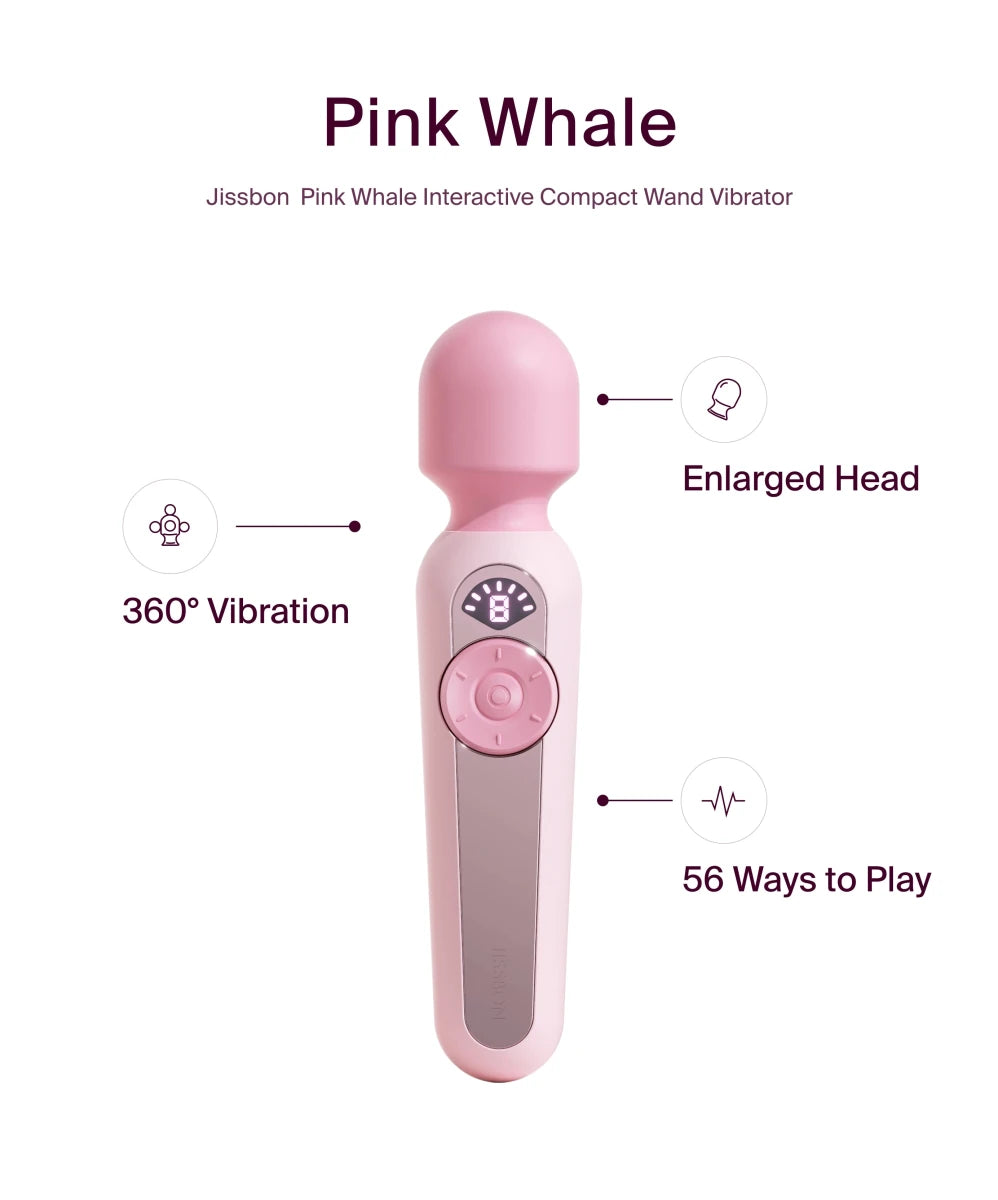
- Using toys like wand vibrators to control stimulation pace
After Orgasm
Immediate actions:
- Remain still briefly – Avoid sudden position changes
- Focus on breathing – Deep, slow breaths help normalize systems
- Gentle jaw movements – Yawning or stretching mouth helps equalize pressure
- Gradual return to activity – Don't jump up immediately
If symptoms persist:
- Lie down with head slightly elevated
- Apply warm compress to jaw if tension present
- Drink water to support circulation
- Try "popping" ears gently (swallow, yawn, gentle nose blow with mouth closed)
Normal vs. Concerning: When to Worry

Typical, Non-Concerning Symptoms
- Temporary ringing lasting under 30 minutes
- Muffled hearing that clears within an hour
- Sensation of ear fullness that resolves with yawning
- Hearing changes only after particularly intense orgasms
- No pain accompanying the symptoms
- Complete return to normal hearing between episodes
Warning Signs Requiring Medical Evaluation
- Hearing loss persisting beyond 24 hours
- Pain in ear, jaw, or head accompanying symptoms
- Dizziness or vertigo lasting more than brief moments
- Fluid or blood discharge from ear
- Progressively worsening symptoms with each occurrence
- One-sided hearing loss only
- Vision changes accompanying hearing symptoms
- Chest pain or difficulty breathing
Conditions That May Contribute
Pre-existing factors increasing risk:
|
Condition |
Why It Matters |
Management Approach |
|
Hypertension |
Already elevated baseline pressure |
Medication compliance, monitoring |
|
TMJ disorders |
Existing jaw joint dysfunction |
Physical therapy, bite guards |
|
Ménière's disease |
Inner ear fluid imbalance |
Specialist care, dietary modifications |
|
Migraine with aura |
Vascular changes affecting senses |
Preventive medication, trigger avoidance |
|
Cardiovascular disease |
Compromised circulation regulation |
Medical clearance for activity |
Medical research indicates that people with these conditions aren't prohibited from sexual activity but may need specialized management strategies.
Medical Explanations: What Doctors Say
Orgasm-Induced Tinnitus
Clinical perspective:
Temporary post-orgasm tinnitus falls under "pulsatile tinnitus"—hearing changes related to blood flow. Cardiologists and otolaryngologists (ear, nose, throat specialists) recognize this as generally benign when:
- It resolves completely between episodes
- No structural abnormalities exist
- Cardiovascular health is otherwise normal
- No progressive hearing loss occurs
When investigation warranted:
Persistent or worsening symptoms may prompt evaluation for:
- Arteriovenous malformations (abnormal blood vessel connections)
- Vascular tumors near ear structures
- Blood pressure regulation disorders
- Inner ear structural abnormalities
Sudden Sensorineural Hearing Loss (SSHL)
Rare but serious:
In extremely rare cases, intense orgasm could theoretically trigger SSHL—sudden hearing loss requiring immediate treatment. This differs from temporary changes:
SSHL characteristics:
- Profound loss, not just muffling
- Persists beyond 24-72 hours
- Often affects one ear only
- May include severe dizziness
- Requires emergency corticosteroid treatment
Risk factors:
- Extreme blood pressure spikes
- Pre-existing vascular fragility
- Bleeding disorders
- Severe cardiovascular disease
Healthcare providers emphasize this is extraordinarily rare and shouldn't create anxiety about normal sexual activity.
Partner Considerations and Communication

Discussing the Experience
If it happens to you:
Sample conversation: "Something interesting happened during sex—my ears rang afterward for about 20 minutes. I looked into it and apparently it's related to blood pressure changes during orgasm. Nothing to worry about, but wanted you to know in case you noticed me seeming distracted."
Benefits of transparency:
- Prevents partner from thinking they did something wrong
- Allows them to help (positioning adjustments, pacing)
- Creates opportunity for mutual learning about body responses
- Reduces anxiety if it happens again
Adjusting Intimacy When Needed
Collaborative approaches:
- Experiment with different positions noting which cause fewer symptoms
- Incorporate longer warmup periods
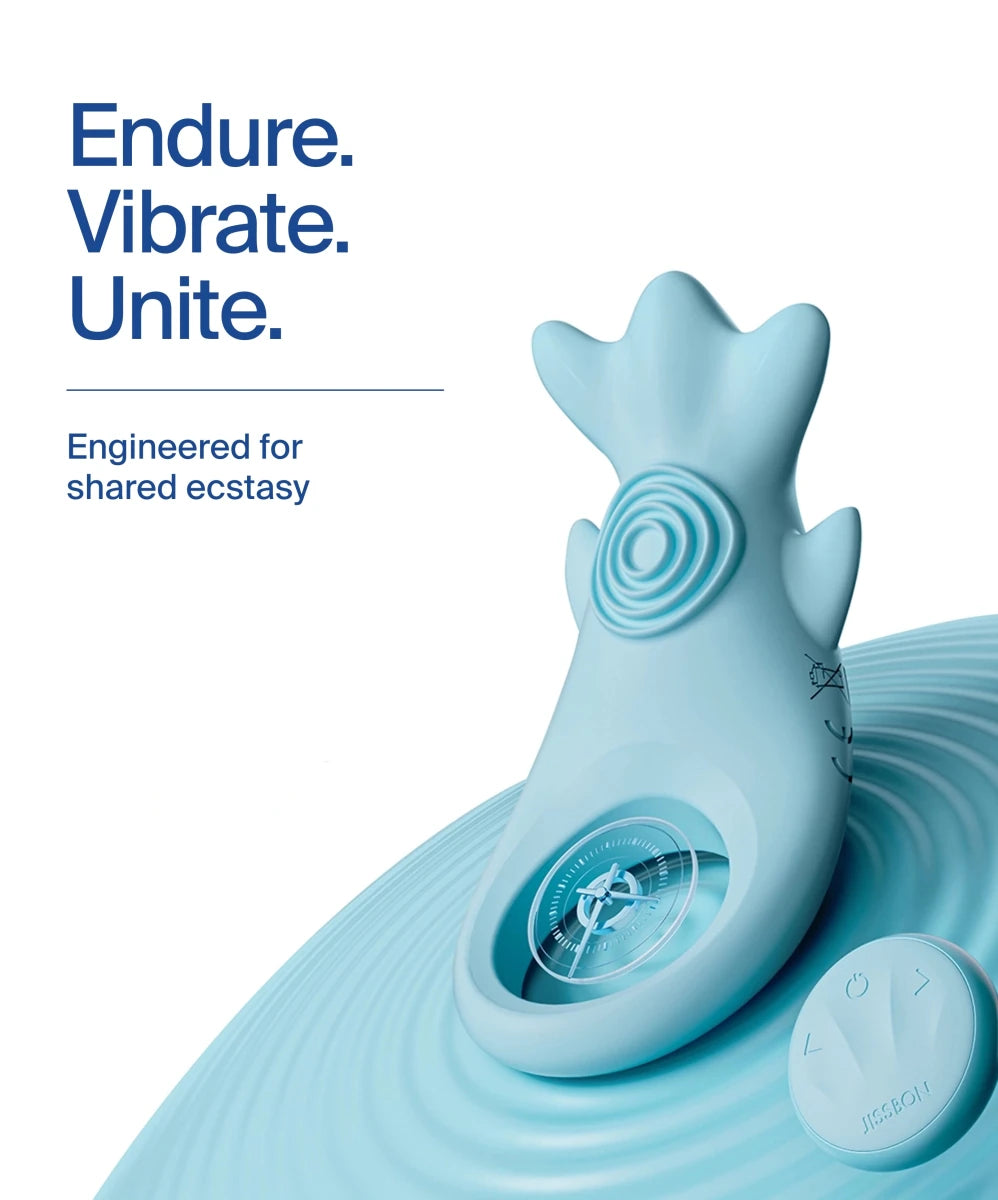
- Use sex toys for couples to vary stimulation intensity
- Take brief breaks during extended sessions
- Communicate about pacing throughout activity
Maintaining intimacy quality:
Addressing this issue doesn't mean sacrificing pleasure or spontaneity. Minor adjustments—better breathing, jaw relaxation, hydration—often resolve symptoms while preserving satisfying experiences.
Related Phenomena: Other Post-Orgasm Sensations
Temporary Sensory Changes Beyond Hearing
Vision alterations:
- Temporary blurred vision
- Seeing spots or stars
- Brief blackout of vision
- Light sensitivity
Mechanism: Similar blood pressure and oxygen fluctuation affecting visual cortex and optic structures.
Balance and spatial awareness:
- Feeling unsteady briefly
- Room spinning sensation
- Disorientation lasting seconds to minutes
Mechanism: Vestibular system (balance organ) in inner ear responds to same pressure changes affecting hearing.
Cognitive effects:
- Mental fog or confusion
- Difficulty forming coherent sentences
- Memory gaps around peak moment
Mechanism: Reduced activity in prefrontal cortex during orgasm creates temporary processing delays.
All typically resolve within 30 minutes and don't indicate pathology.
Specific Populations: Age and Gender Considerations
Age-Related Differences
Younger adults (18-35):
- Generally experience symptoms less frequently
- Faster recovery times
- More elastic blood vessels accommodate pressure changes
- Often related to especially intense experiences
Middle age (35-55):
- Increased symptom frequency if cardiovascular health declining
- May notice symptoms where none existed previously
- Often correlates with blood pressure changes during this life stage
Older adults (55+):
- Pre-existing conditions make symptoms more likely
- Medications may contribute or protect
- Generally less intense orgasms = fewer symptoms
- Require more attention to warning signs
Gender Patterns
People with prostates:
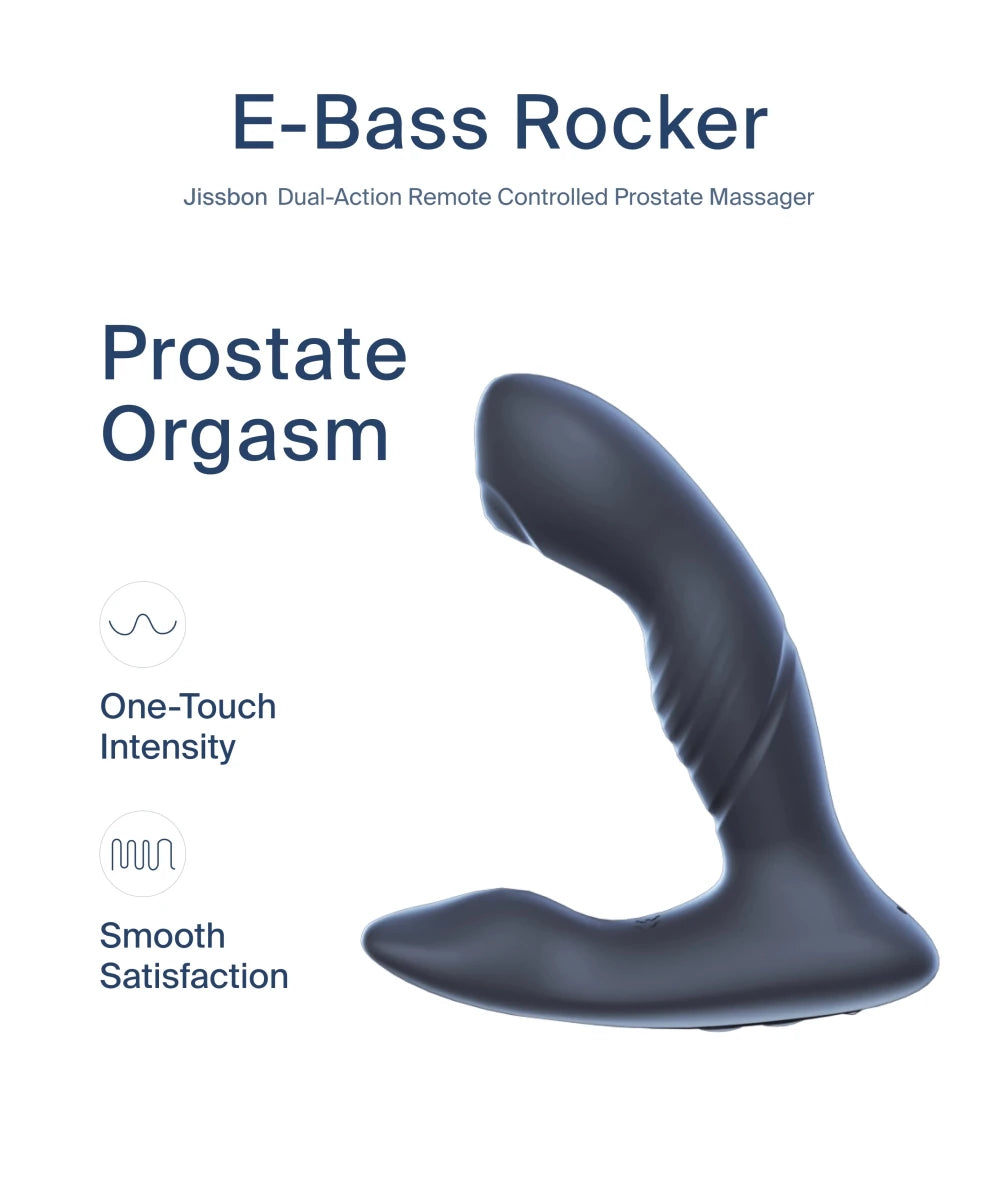
- Prostate orgasms can be particularly intense
- May involve more bearing down, increasing pressure effects
- Less research exists on this specific population
People without prostates:
- Slightly more documentation of phenomenon
- Multiple orgasm capacity may create repeated pressure spikes
- Hormonal cycle may influence susceptibility (higher during certain phases)
Research on this specific topic remains limited, and most evidence comes from anecdotal reports and general cardiovascular physiology rather than targeted studies.
Lifestyle Factors That Influence Occurrence
Modifiable Risk Factors
Cardiovascular health:
|
Factor |
Impact on Symptoms |
Improvement Strategy |
|
Regular exercise |
Improves vascular health, reduces symptoms |
150+ minutes moderate activity weekly |
|
Healthy diet |
Supports blood pressure regulation |
Reduce sodium, increase potassium |
|
Adequate sleep |
Improves cardiovascular regulation |
7-9 hours nightly |
|
Stress management |
Reduces baseline muscle tension |
Meditation, therapy, relaxation techniques |
|
Alcohol moderation |
Prevents blood pressure volatility |
Limit consumption before intimacy |
Substance considerations:
- Stimulants (caffeine, certain medications) intensify cardiovascular response
- Vasodilators (including some erectile dysfunction medications) affect blood pressure
- Cannabis may alter blood pressure regulation
- Alcohol causes dehydration and affects circulation
Frequently Asked Questions
Is losing my hearing during orgasm dangerous?
Brief hearing changes during or immediately after orgasm are typically harmless, resulting from normal cardiovascular responses to intense pleasure. However, hearing loss lasting beyond a few hours, accompanied by pain, or occurring only on one side warrants medical evaluation to rule out structural issues.
Can this symptom indicate a heart problem?
While post-orgasm hearing changes usually reflect normal blood pressure fluctuations, recurrent severe symptoms—especially with chest pain, extreme shortness of breath, or concerning cardiovascular history—should prompt cardiac evaluation. Sexual activity is generally safe for people cleared for moderate exercise.
Will this keep happening every time?
Not necessarily. Occurrence often relates to specific circumstances: intensity of orgasm, hydration status, position, breathing patterns, and current health status. Many people experience this occasionally rather than consistently, and implementing prevention strategies often reduces frequency.
Should I avoid intense orgasms to prevent this?
No medical reason exists to limit orgasm intensity if symptoms are temporary and benign. Instead, focus on breathing techniques, hydration, and gradual buildup. Sexual pleasure is important for wellbeing, and mild transient symptoms don't outweigh benefits for most people.
Could my blood pressure medication cause this?
Some blood pressure medications affect how your body responds to exertion and arousal. If symptoms began after starting new medication, consult your prescriber. Never discontinue medication without medical guidance—adjusting timing or formulation often resolves issues.
Does using sex toys make this more or less likely?
Toys don't inherently increase risk, but they may enable more intense or prolonged stimulation, which can intensify physiological responses. Using devices with adjustable intensity, like clitoral vibrators or G-spot vibrators, allows better control over arousal pacing.
When to See a Healthcare Provider
Preparing for Your Appointment
Information to provide:
- Frequency of occurrence
- Duration of symptoms
- Associated activities or positions
- Other symptoms (dizziness, pain, vision changes)
- Current medications and supplements
- Pre-existing conditions
- Whether symptoms are worsening over time
Which specialist:
- Primary care physician – Initial evaluation
- Cardiologist – If cardiovascular concerns exist
- Otolaryngologist (ENT) – For persistent ear symptoms
- Neurologist – If accompanied by other neurological symptoms
Typical Diagnostic Approach
Initial assessment:
- Blood pressure measurement
- Cardiovascular examination
- Ear examination (otoscopy)
- Hearing test if loss persists
Advanced testing (if indicated):
- Audiometry (comprehensive hearing evaluation)
- Tympanometry (middle ear pressure testing)
- Vascular imaging if structural abnormality suspected
- Cardiac stress testing if cardiovascular disease considered
Moving Forward: Balanced Perspective
Post-orgasm hearing changes surprise and occasionally concern people, but for the vast majority, these represent normal physiological responses to intense pleasure. Your body undergoes remarkable changes during sexual arousal and climax, and temporary sensory shifts reflect this complex process.
Understanding the mechanisms behind these symptoms, implementing simple prevention strategies, and knowing warning signs creates informed confidence. Sexual health includes recognizing what's normal for your body while remaining attentive to changes requiring evaluation.
Ready to explore pleasure at your own pace? Discover Jissbon's collection of adjustable-intensity, body-safe products designed for comfortable, controlled experiences.


Looking for something else?

What Is Flogging in Sex? Complete BDSM Flogging Guide
LEARN MORE
What Does Overstimulated Mean Sexually? Causes & Solutions
LEARN MORE
Can You Get a Tattoo on Your Vagina? Safety, Pain & What to Expect
LEARN MORE
Public Sex Kink: Understanding Exhibitionism & Safe Exploration
LEARN MORELooking for something else?

A-Spot Orgasm: Best Positions & How to Find It
LEARN MORE
Bondage Play: Complete Beginner's Guide to Rope BDSM
LEARN MORE
Vibrator Stories: Real Experiences, Tips & What to Expect
LEARN MOREYou may also like
20% off

20% off

20% off

20% off

20% off

20% off

Further reading

How to Clean an Automatic Blowjob Machine Without Damaging the Motor
Remote-Controlled Automatic Masturbators for Couples and Solo Play
Best Automatic Strokers for Edging and Stamina Training