














































Does Masturbation Kill Motivation? Separating Fact from Fiction
Stack & Save: Extra 15% with Jissbon15
Jissbon15
You've probably heard claims that masturbation drains your energy, kills motivation, or destroys focus. But does science back this up, or are these just myths?
The short answer: Masturbation doesn't inherently kill motivation. However, excessive frequency, timing, and individual context can affect how you feel afterward. This guide breaks down what research actually says about masturbation's impact on focus, drive, and mental health without the shame or pseudoscience.
Who Worries About Masturbation and Motivation?
Concerns about masturbation affecting performance show up across different groups:
- Students and professionals wondering if it impacts productivity or concentration
- Athletes questioning whether it affects physical performance or energy
- People experiencing low motivation trying to identify causes
- Individuals consuming excessive pornography noticing compulsive patterns
- Anyone feeling guilt or shame around their sexual habits
Understanding the real science helps you make informed decisions without unnecessary worry.
The Science: How Does Masturbation Affect Your Brain?

Dopamine and the Reward System
Masturbation triggers dopamine releasethe same neurotransmitter involved in motivation, pleasure, and focus. According to research on dopamine's role in motivation, this chemical creates feelings of reward and satisfaction.
The key distinction: Healthy dopamine release reinforces positive behaviors. Problems arise when any activity (masturbation, social media, gaming) hijacks this system through excessive frequency, creating a dependency loop.
Hormones Released During Orgasm
Masturbation releases several neurochemicals:
- Oxytocin: Promotes relaxation and bonding
- Endorphins: Natural pain relievers that improve mood
- Prolactin: Associated with sexual satisfaction and sleepiness
- Serotonin: Regulates mood and contributes to well-being
Medical research on masturbation's effects shows these hormones generally benefit mental health by reducing stress and improving sleep quality.
Does Masturbation Decrease Focus?
Short-term relaxation after orgasm may temporarily reduce alertnesssimilar to post-meal drowsiness. Studies on post-orgasmic effects indicate this typically lasts 15-30 minutes, not hours or days.
The reality: If you masturbate right before a task requiring intense concentration, you might feel slightly less sharp temporarily. But this doesn't equal long-term motivation loss.
When Does Masturbation Actually Impact Motivation?
Excessive Frequency as Avoidance
Using masturbation to procrastinate or escape difficult tasks creates behavioral problems not because of the act itself, but because it becomes a coping mechanism for stress or anxiety.
Warning signs:
- Choosing masturbation over responsibilities repeatedly
- Using it to avoid uncomfortable emotions
- Feeling unable to focus without it
- Multiple sessions daily that interfere with daily life
Pornography Dependency
Research shows excessive pornography consumptionnot masturbation alonecan affect motivation. Studies on pornography's neurological effects suggest heavy use may alter dopamine sensitivity, making everyday activities feel less rewarding.
This isn't about occasional viewing; it refers to compulsive patterns where pornography becomes the primary source of dopamine hits.
Guilt and Shame Cycles
Cultural or religious guilt surrounding masturbation often causes more psychological harm than the act itself. Shame triggers stress hormones (cortisol) that genuinely do impair focus and motivation.
If you feel intense guilt after masturbating, that emotional response not the masturbation may be affecting your mental state.
Poor Timing
Masturbating immediately before important tasks, workouts, or when you need peak alertness can temporarily reduce energy. This is biological (post-orgasm prolactin) and easily managed by timing.
Simple solution: Save it for times when relaxation benefits you, like before bed.
Does Masturbation Help Focus or Hurt It?
The answer depends on individual factors:
Potential Benefits:
- Stress reduction: Lower cortisol improves cognitive function
- Better sleep: Quality rest directly enhances next-day focus
- Mood stabilization: Emotional regulation supports sustained attention
- Tension release: Physical relaxation removes distraction
Potential Drawbacks:
- Immediate post-orgasm drowsiness: Temporary alertness dip
- Procrastination tool: When used to avoid work or difficult feelings
- Compulsive patterns: When frequency interferes with daily functioning
- Sleep disruption: If done late at night and delaying rest
According to sexual health experts at Planned Parenthood, masturbation is a normal, healthy practice for most people when balanced with other life activities.
Masturbation vs. Other Dopamine Activities

Consider how masturbation compares to other reward-system activities:
Masturbation
- Natural, free, private
- Releases multiple beneficial hormones
- Temporary relaxation effect
- Becomes problematic only when excessive or compulsive
Social Media Scrolling
- Designed for addictive engagement
- Intermittent dopamine spikes without satisfaction
- Studies link heavy use to depression and anxiety
- Harder to self-regulate due to algorithm design
Video Gaming
- Can become highly addictive
- Extended sessions directly replace productive time
- Often designed with reward loops to maximize playtime
- Associated with sedentary lifestyle effects
Junk Food
- Triggers dopamine but with negative health consequences
- Creates dependency through blood sugar crashes
- Physically harmful with long-term effects
- No inherent stress-relief benefits
Perspective matters: Masturbation isn't uniquely harmful to motivation. Any behavior that becomes compulsive or replaces important activities can create problems.
How to Maintain Healthy Masturbation Habits
Monitor Frequency
There's no universal "too much," but ask yourself:
- Does it interfere with work, relationships, or responsibilities?
- Do you feel compelled rather than choosing freely?
- Does it take up more time than you'd like?
Healthy range: Most research suggests anywhere from a few times per week to once daily falls within normal patterns, provided it doesn't cause distress.
Separate Masturbation from Pornography
If you're concerned about motivation, try masturbating without pornography. This helps identify whether issues stem from the act itself or from compulsive content consumption.
Many people find their relationship with masturbation improves when they reduce or eliminate pornography.
Time It Strategically
Better times:
- Before bed (promotes sleep)
- After workouts (aids relaxation)
- During leisure time when you don't need peak focus
Avoid:
- Right before important meetings or exams
- First thing in the morning if you need immediate alertness
- When using it to procrastinate on difficult tasks
Notice Your Emotional Patterns
Track how you feel before and after:
- Are you using it to cope with anxiety or boredom?
- Does guilt afterward affect your mood more than the act itself?
- Do you feel energized and relaxed, or drained and regretful?
This awareness helps you adjust habits to support your well-being.
Balance with Other Wellness Practices
Motivation comes from multiple sources:
- Regular exercise
- Quality sleep (7-9 hours)
- Balanced nutrition
- Social connection
- Meaningful work or hobbies
If masturbation is your only stress-relief tool, diversify your coping strategies.
When to Seek Professional Support
Consider talking to a therapist or sexual health professional if:
- Masturbation interferes with daily responsibilities consistently
- You feel unable to reduce frequency despite wanting to
- Guilt or shame significantly affects your mental health
- You're using it to cope with depression, anxiety, or trauma
- Pornography use feels compulsive or uncontrollable
- Physical discomfort or injury occurs from frequency or technique
The Cleveland Clinic notes that compulsive sexual behavior, while rare, is treatable through therapy and support.
Masturbation and Physical Performance: What Athletes Need to Know

Myths about masturbation "draining" athletic performance persist despite lack of evidence. Research shows:
- No testosterone depletion: Levels return to baseline within an hour
- No strength reduction: Studies find no measurable impact on lifting or endurance
- Minimal energy expenditure: Burns approximately 3-5 calories per minute
- No impact on muscle growth: Hormonal changes too brief to affect gains
What matters: Sleep quality, nutrition, and training consistency affect performance far more than masturbation habits.
If you feel tired after masturbating before a competition, it's likely psychological or timing-related, not physiological.
Tools for Healthy Solo Exploration
If you're looking to enhance your solo experience while maintaining balance, quality tools can improve satisfaction and reduce the urge for excessive sessions.
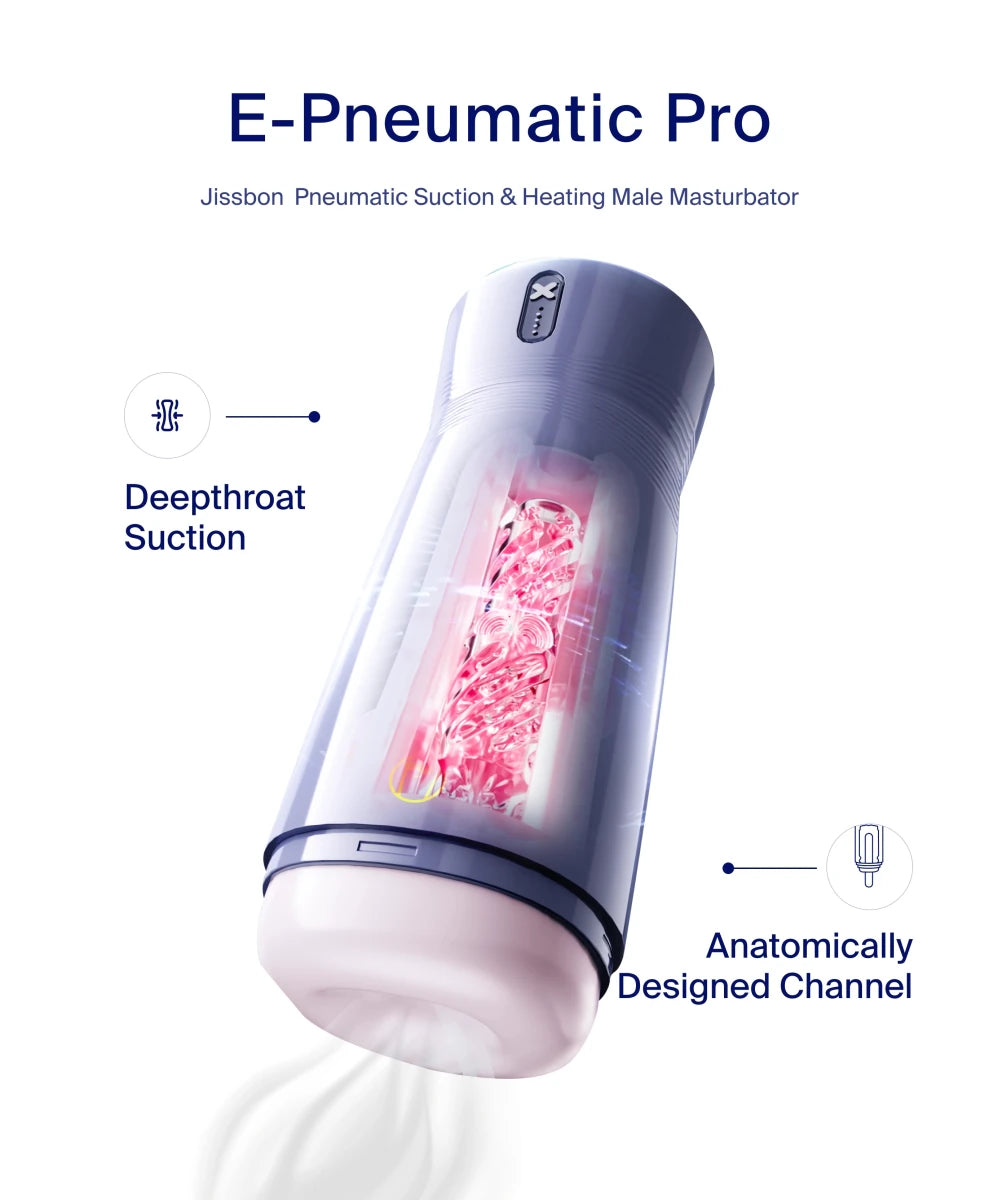
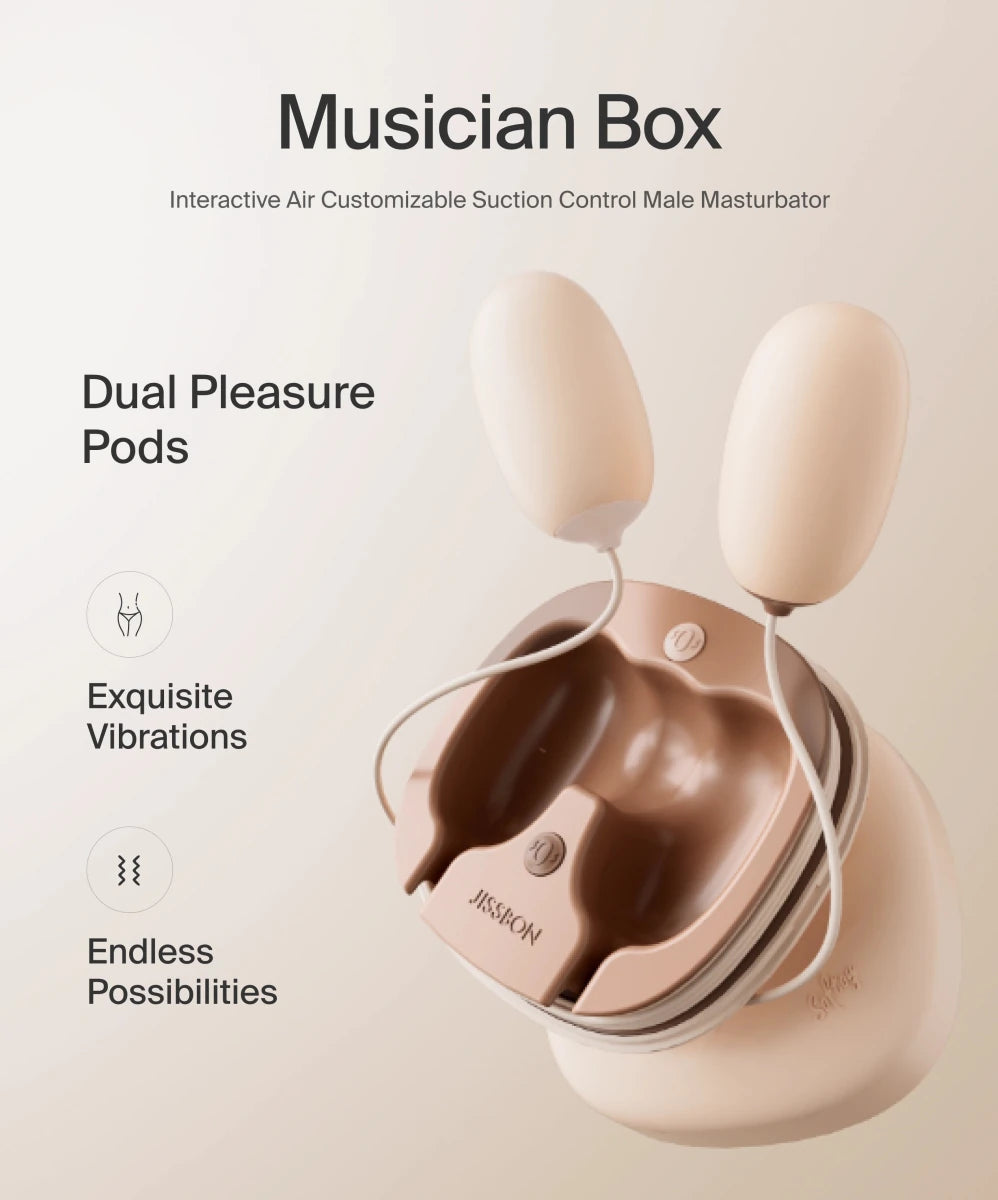
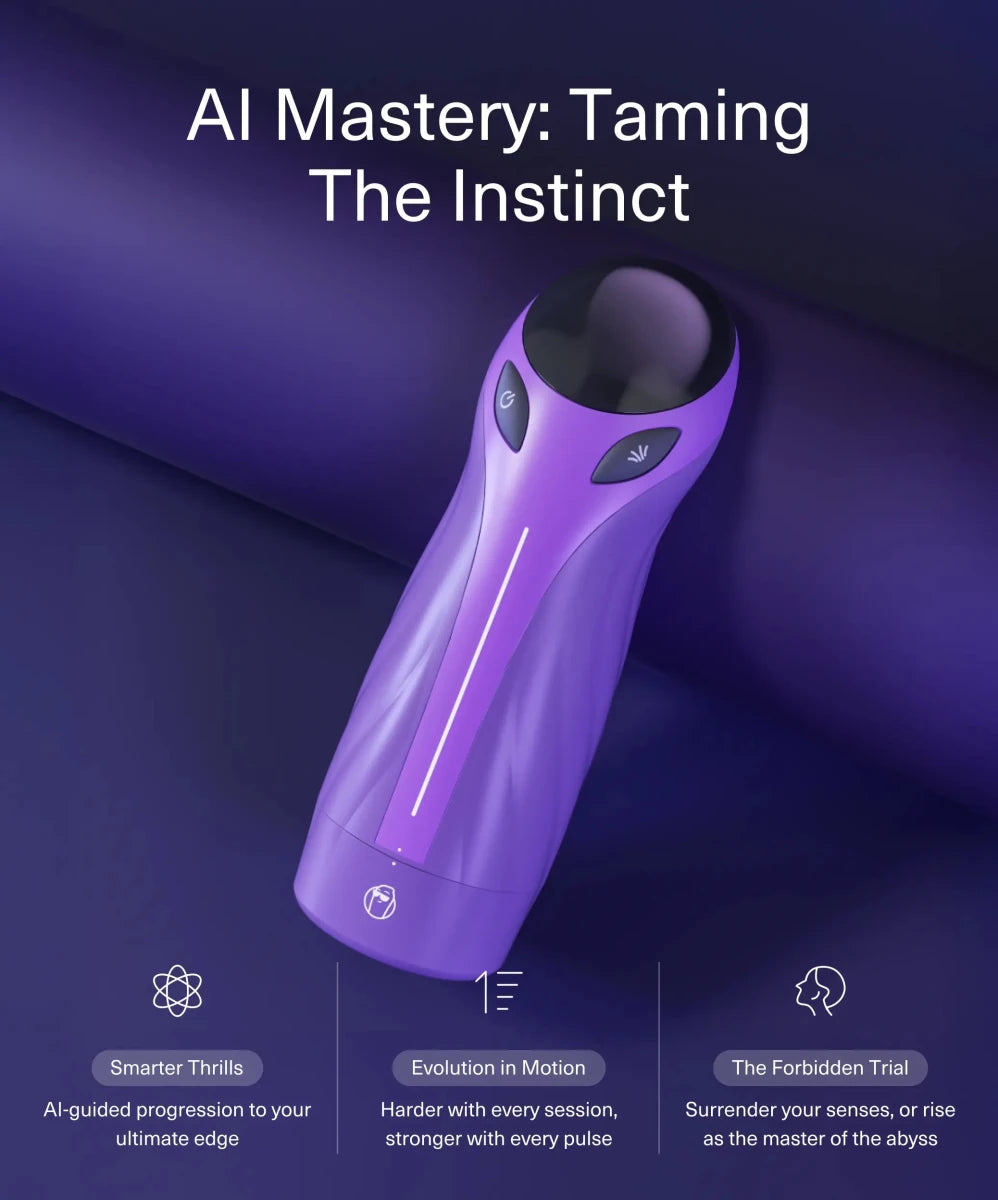
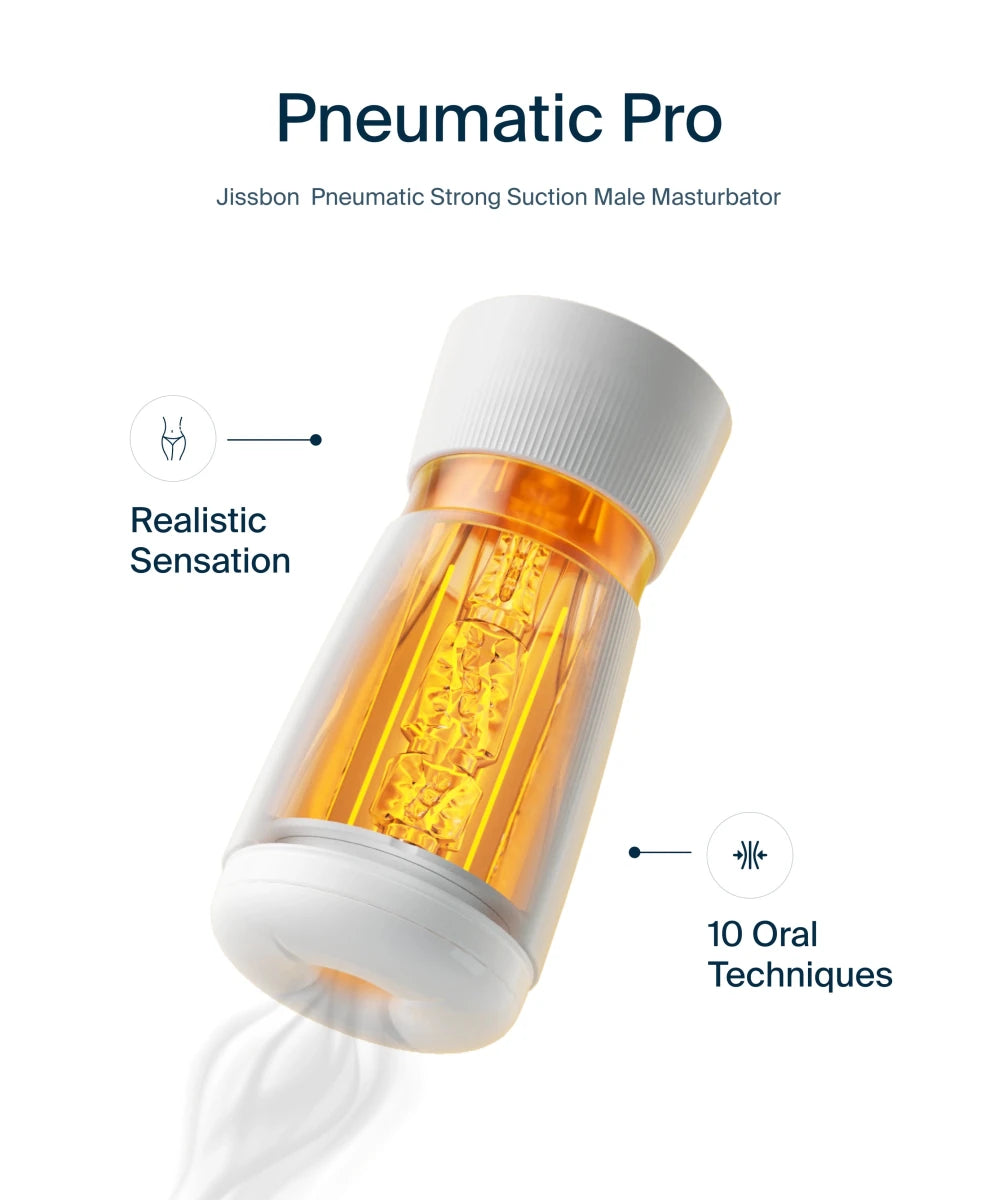
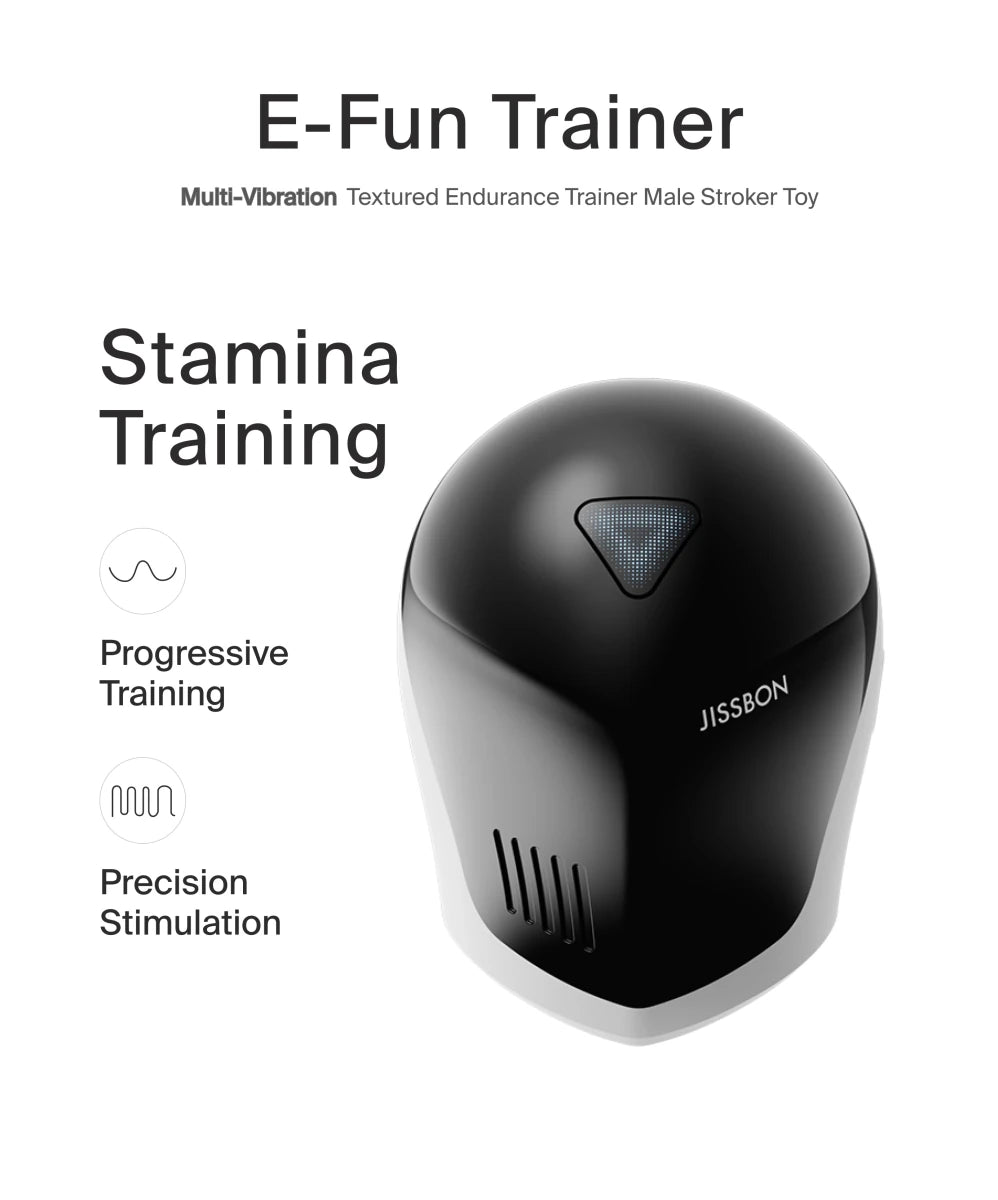
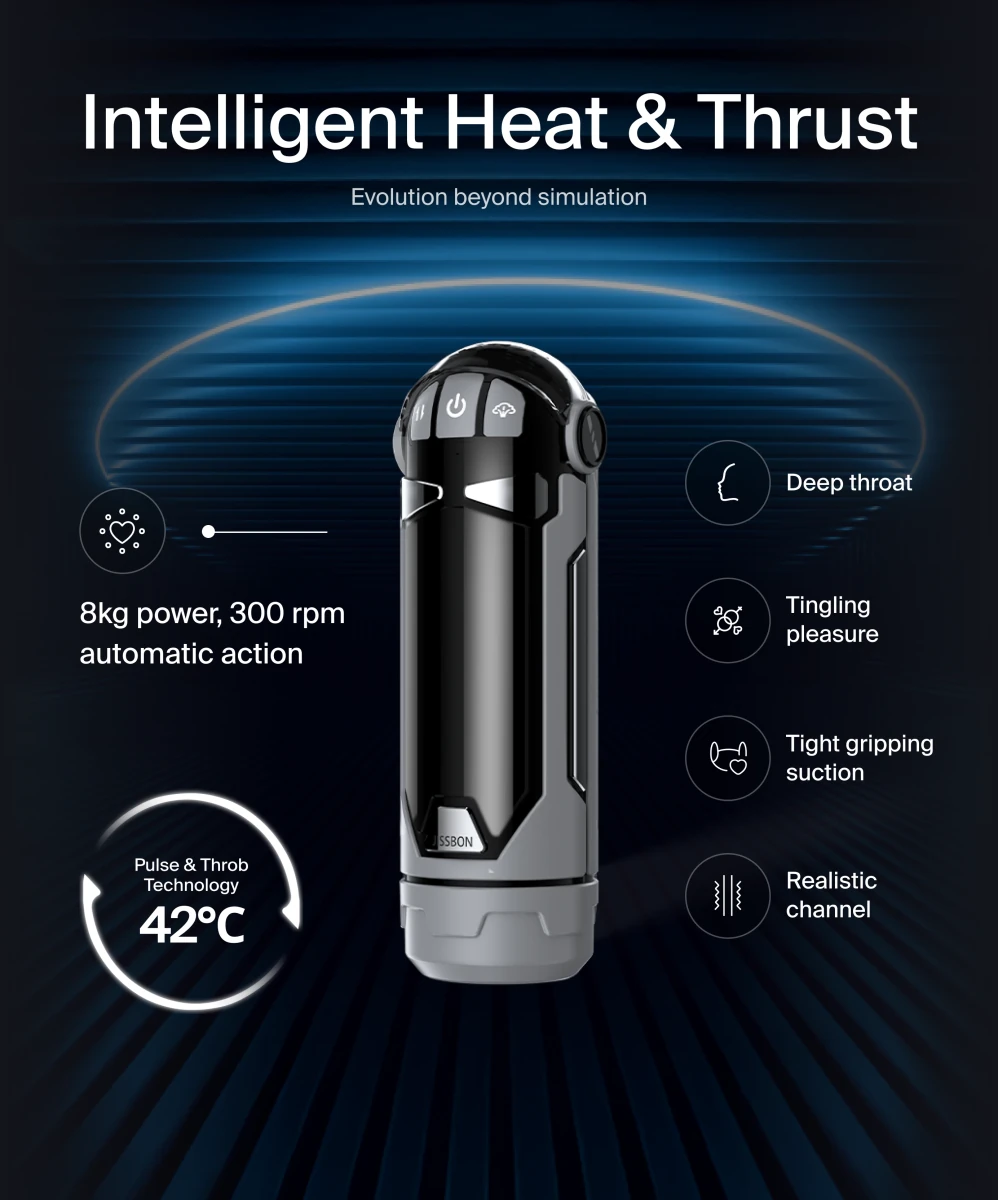
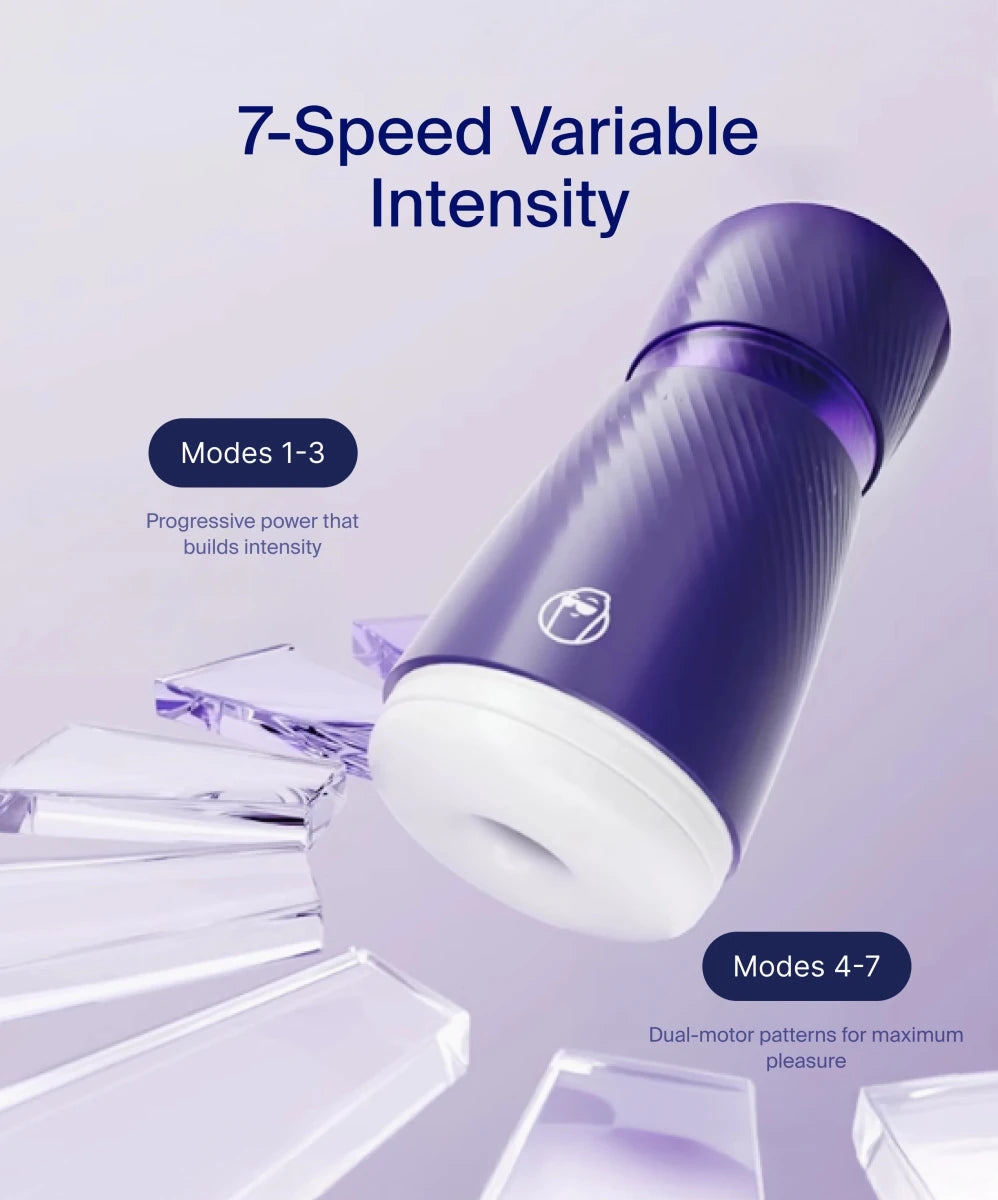
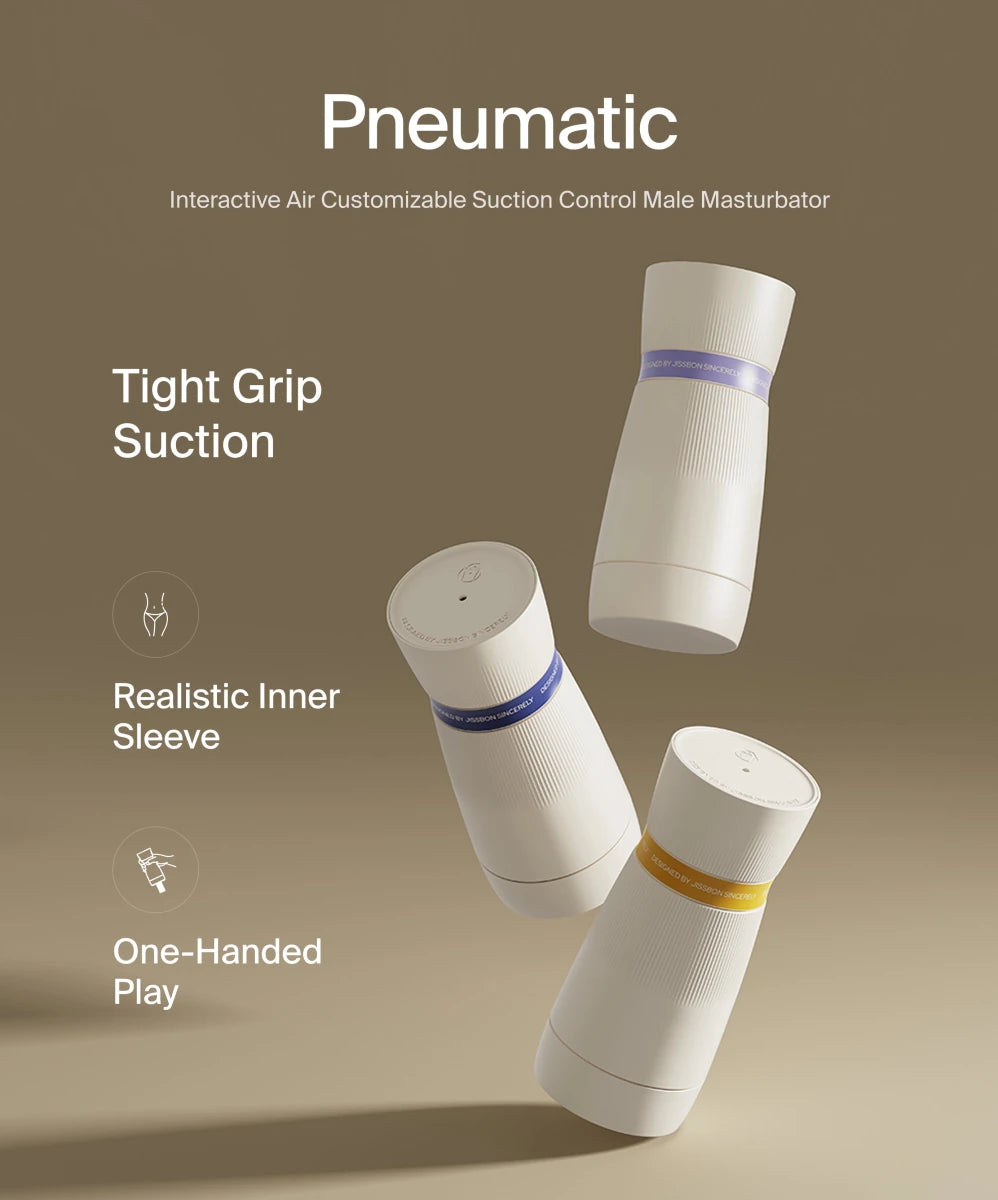
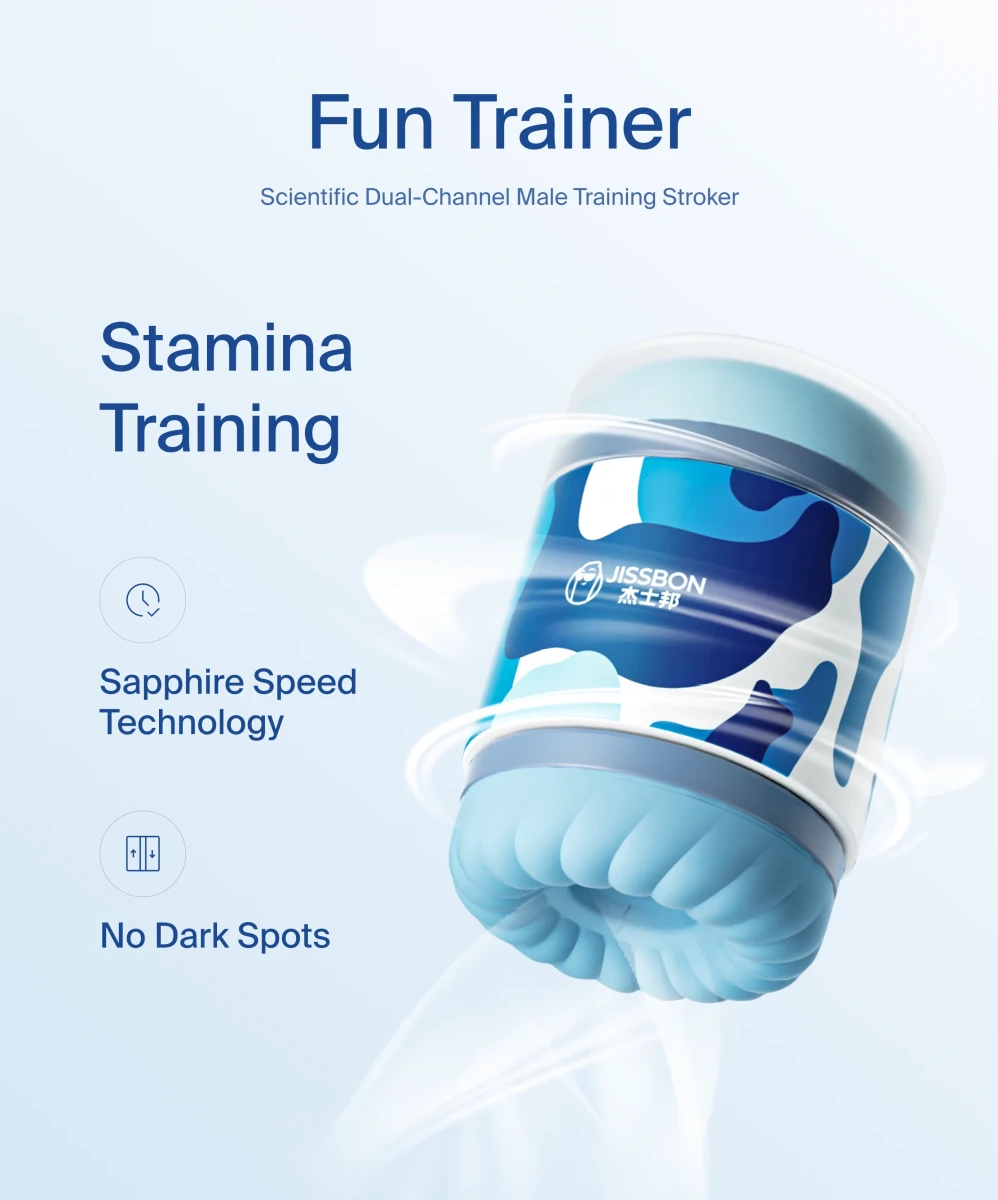
Male masturbators designed for comfort and realism can make solo time more fulfilling, potentially reducing frequency while increasing satisfaction. The key is intentional use rather than compulsive behavior.
For those interested in exploring beyond traditional methods, Jissbon offers body-safe options designed for pleasure and wellnessnot as replacements for human connection, but as tools for self-discovery.
A suction male stroker can provide varied sensations that keep solo experiences engaging without requiring extended sessions or heavy pornography use.
Frequently Asked Questions
Does masturbation kill motivation?
No, masturbation itself doesn't kill motivation. However, using it as a procrastination tool, masturbating excessively, or feeling intense guilt afterward can affect your drive. The act releases hormones that promote relaxation, which may temporarily reduce alertness but doesn't cause long-term motivation loss when practiced in moderation.
Does masturbation decrease focus?
Masturbation causes temporary relaxation lasting 15-30 minutes due to prolactin and oxytocin release. This might slightly decrease immediate alertness, similar to post-meal drowsiness. However, it doesn't impair long-term cognitive function. In fact, by reducing stress and improving sleep, it can enhance overall focus when timed appropriately.
Does masturbation help you focus?
For many people, yes. By reducing stress hormones, releasing tension, and improving sleep quality, masturbation can indirectly support better concentration. The key is timingdoing it when you need relaxation (like before bed) rather than right before tasks requiring peak mental performance.
How much masturbation is too much?
There's no universal number. It becomes "too much" when it interferes with daily responsibilities, causes physical discomfort, feels compulsive despite wanting to stop, or consistently replaces social activities and relationships. For most people, a few times per week to once daily falls within healthy ranges.
Can quitting masturbation increase motivation?
For some individuals, especially those with compulsive pornography habits or using masturbation as an avoidance mechanism, reducing frequency may improve motivation. However, research on abstinence motivation shows results vary widely based on personal beliefs, context, and underlying issues. Simply stopping doesn't guarantee motivation increases.
Is masturbation bad for mental health?
No, masturbation is generally beneficial for mental health. It reduces stress, improves mood, and promotes better sleep. Problems arise from excessive frequency, pornography dependency, or cultural shamenot from the act itself. If guilt or compulsive behavior accompanies masturbation, addressing those psychological factors matters more than the physical act.
The Bottom Line on Masturbation and Motivation
Masturbation doesn't inherently destroy motivation or focus. For most people, it's a healthy stress-relief practice with minor, temporary effects on alertness.
Problems emerge when frequency becomes compulsive, when it replaces responsibilities, or when guilt creates psychological distress. The solution isn't abstinence for everyone it's finding a balanced approach that supports your overall well-being.
Pay attention to your patterns, time it strategically, and consider separating it from pornography if motivation concerns persist. If you're struggling with compulsive behavior or significant guilt, professional support can help.


Looking for something else?

What Is Flogging in Sex? Complete BDSM Flogging Guide
LEARN MORE
What Does Overstimulated Mean Sexually? Causes & Solutions
LEARN MORE
Can You Get a Tattoo on Your Vagina? Safety, Pain & What to Expect
LEARN MORE
Public Sex Kink: Understanding Exhibitionism & Safe Exploration
LEARN MORELooking for something else?

A-Spot Orgasm: Best Positions & How to Find It
LEARN MORE
Bondage Play: Complete Beginner's Guide to Rope BDSM
LEARN MORE
Vibrator Stories: Real Experiences, Tips & What to Expect
LEARN MOREYou may also like
20% off

20% off

20% off

20% off

20% off

20% off

Further reading

How to Clean an Automatic Blowjob Machine Without Damaging the Motor
Remote-Controlled Automatic Masturbators for Couples and Solo Play
Best Automatic Strokers for Edging and Stamina Training