




































Does Masturbation Help You Sleep? The Science Explained
Stack & Save: Extra 15% with Jissbon15
Jissbon15
If you've ever wondered "does masturbation help you sleep," the short answer is yesfor many people. Masturbating to fall asleep can improve sleep quality by releasing relaxing hormones, reducing stress, and creating a calming bedtime routine.
But does masturbating help you sleep for everyone, and what's the science behind masturbation and sleep? This guide explores how and why does masturbation help sleep, who benefits most, and practical tips for using it as part of healthy sleep hygiene.
Who Benefits from Masturbation for Sleep
Using masturbation as a sleep aid can help various people experiencing different sleep challenges:
- Those with stress-related insomnia who struggle to quiet racing thoughts
- People with difficulty falling asleep who need help relaxing
- Anyone experiencing occasional sleeplessness from anxiety or tension
- Individuals looking to replace screen time with healthier bedtime habits
- Those who wake during the night and struggle to fall back asleep
- People seeking natural sleep aids without medications
- Anyone interested in improving sleep quality alongside other good sleep habits
According to Cleveland Clinic's research on masturbation, the relaxation and hormonal effects of orgasm can genuinely promote better sleep for many people.
The Science: How Masturbation Promotes Sleep

Understanding the biological mechanisms explains why masturbation can be an effective sleep aid:
Prolactin Release Creates Drowsiness
What happens: Orgasm triggers a surge of prolactin, a hormone strongly associated with sexual satisfaction and sleepiness.
How it works:
- Prolactin levels spike immediately after orgasm
- This hormone creates feelings of relaxation and fatigue
- The effect is particularly pronounced after orgasm compared to sexual arousal alone
- Prolactin contributes to the "refractory period" and post-orgasm drowsiness
The result: You feel naturally tired and ready for sleep within minutes of orgasm.
Oxytocin Reduces Stress and Anxiety
What happens: Orgasm releases oxytocin, often called the "bonding" or "cuddle" hormone.
Benefits for sleep:
- Reduces cortisol (the primary stress hormone)
- Creates feelings of calm and emotional wellbeing
- Lowers anxiety that might keep you awake
- Promotes sense of safety and relaxation
Why this matters: High cortisol and anxiety are major barriers to falling asleep. Oxytocin directly counteracts these sleep disruptors.
Endorphin Release Provides Natural Pain Relief
What happens: Sexual activity and orgasm trigger endorphin releaseyour body's natural painkillers.
Sleep benefits:
- Reduces physical discomfort that might interfere with sleep
- Creates mild euphoria that eases into drowsiness
- Helps manage headaches, muscle tension, or menstrual cramps
- Contributes to overall relaxation
Additional effect: Endorphins also improve mood, which supports better sleep quality.
Lowered Stress Hormones
What happens: Masturbation and orgasm decrease cortisol and adrenaline levels.
The impact:
- Cortisol keeps you alert and prevents deep sleep
- Reducing it creates physiological conditions for sleep
- The body shifts from "alert" mode to "rest" mode
- Stress that might cause racing thoughts diminishes
Physical Relaxation and Muscle Tension Release
What happens: Sexual arousal and orgasm involve muscle contraction followed by deep relaxation.
How it helps sleep:
- Releases built-up physical tension throughout the body
- Creates a feeling of physical exhaustion that promotes sleep
- Triggers the parasympathetic nervous system ("rest and digest" mode)
- Reduces restlessness that might keep you tossing and turning
The Research: What Studies Show
While research specifically on masturbation and sleep is limited, studies on sexual activity and sleep provide strong evidence:
Key Research Findings
Study on sexual activity and sleep quality:
- Research published in 2024 found that sexual activity before bed improved objective sleep quality
- Participants fell asleep faster and experienced better sleep architecture
- Effects were observed whether activity was partnered or solo
Survey data:
- Multiple surveys show that over 50% of people report better sleep after orgasm
- Both men and women experience sleep improvements, though responses vary individually
- People with insomnia report particularly strong benefits
Hormonal studies:
- Research confirms prolactin levels surge post-orgasm
- Oxytocin and endorphin releases are well-documented
- Cortisol reduction after sexual activity has been measured in multiple studies
Important note: Most formal research focuses on partnered sex rather than masturbation specifically, but the biological mechanisms are identical.
Does Masturbation Help You Sleep Differently Than Sex?

Both masturbation and partnered sex can improve sleep, but there are some differences:
Similarities
Hormonal effects:
- Both trigger prolactin, oxytocin, and endorphin release
- Both reduce cortisol and promote relaxation
- Orgasm is the key factor, regardless of how it's achieved
Sleep benefits:
- Faster sleep onset
- Improved sleep quality
- Reduced nighttime waking
Potential Differences
Masturbation advantages for sleep:
- Complete control over timing and duration
- No need to consider a partner's schedule or preferences
- Can be done quietly without disturbing a sleeping partner
- Less physically demanding for those with low energy
- Privacy and lack of performance pressure
Partnered sex considerations:
- May involve more physical exertion (affecting fatigue)
- Additional oxytocin from physical intimacy and touch
- Potential for conversation or activity afterward that delays sleep
- Emotional connection may enhance relaxation for some
Bottom line: For sleep purposes specifically, masturbation offers practical advantages in terms of convenience, control, and simplicity.
How to Use Masturbation as a Sleep Aid
To maximize sleep benefits, incorporate masturbation thoughtfully into your bedtime routine:
Creating an Effective Bedtime Routine
Timing:
- Schedule masturbation 30-60 minutes before your target sleep time
- Allow time for post-orgasm relaxation before actually trying to sleep
- Establish consistent timing to train your body's sleep-wake cycle
Environment:
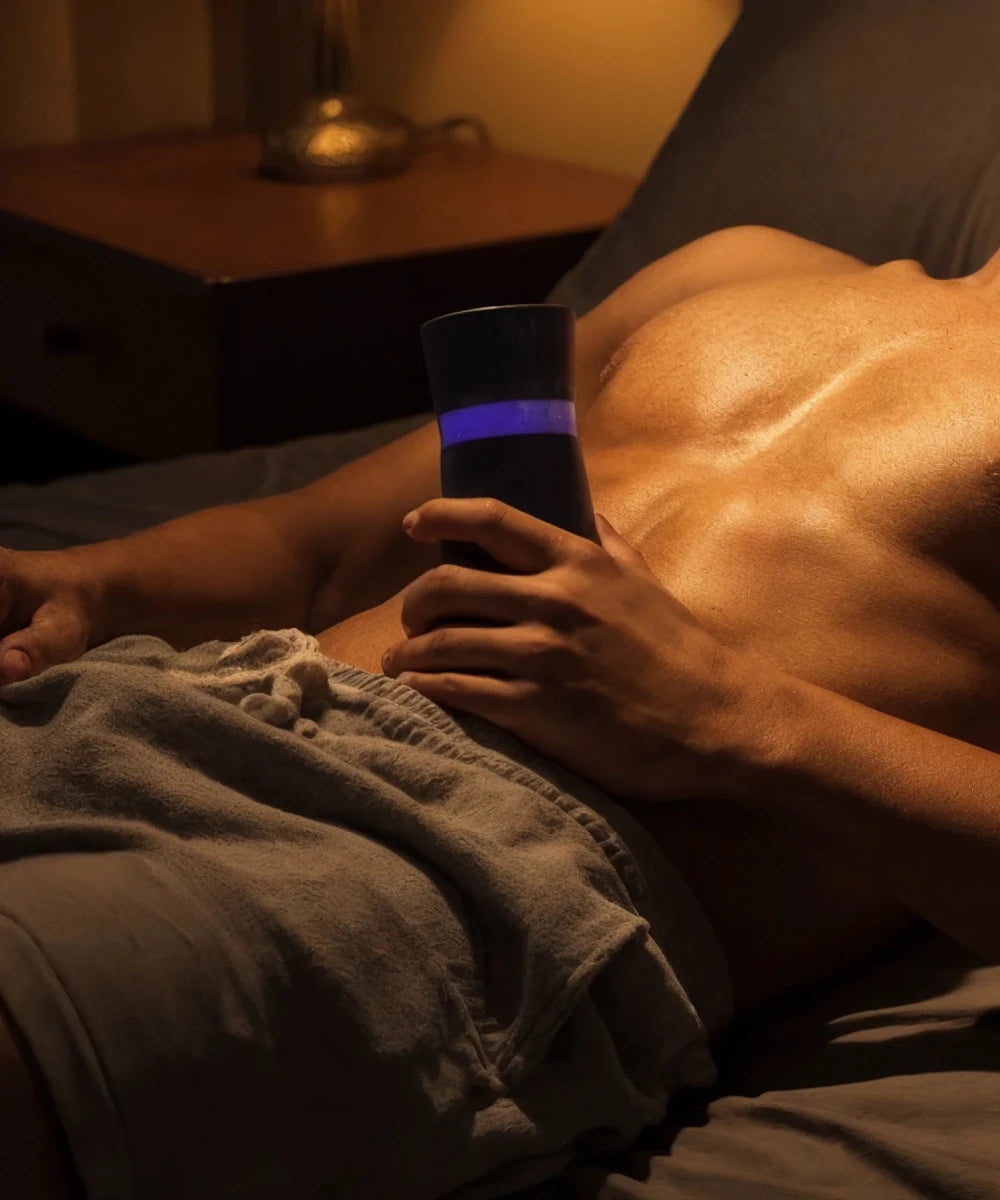
- Dim lights to support natural melatonin production
- Ensure comfortable temperature (slightly cool is ideal)
- Have comfortable bedding and pillows ready
- Minimize noise or use white noise if helpful
Approach:
- Focus on relaxation rather than intense arousal
- Take your timerushing reduces relaxation benefits
- Stay present and mindful rather than distracted
- Use the experience to release the day's stress
What to Do After
Immediate post-orgasm:
- Allow yourself to simply rest and enjoy the relaxation
- Practice deep breathing to enhance the calming effect
- Avoid immediately checking your phone or turning on bright lights
- Let the drowsiness naturally deepen
Transition to sleep:
- Use the bathroom if needed (better than waking later)
- Ensure room temperature is comfortable
- Get into sleeping position
- Practice sleep-focused thoughts rather than mentally planning tomorrow
Tools That Can Help
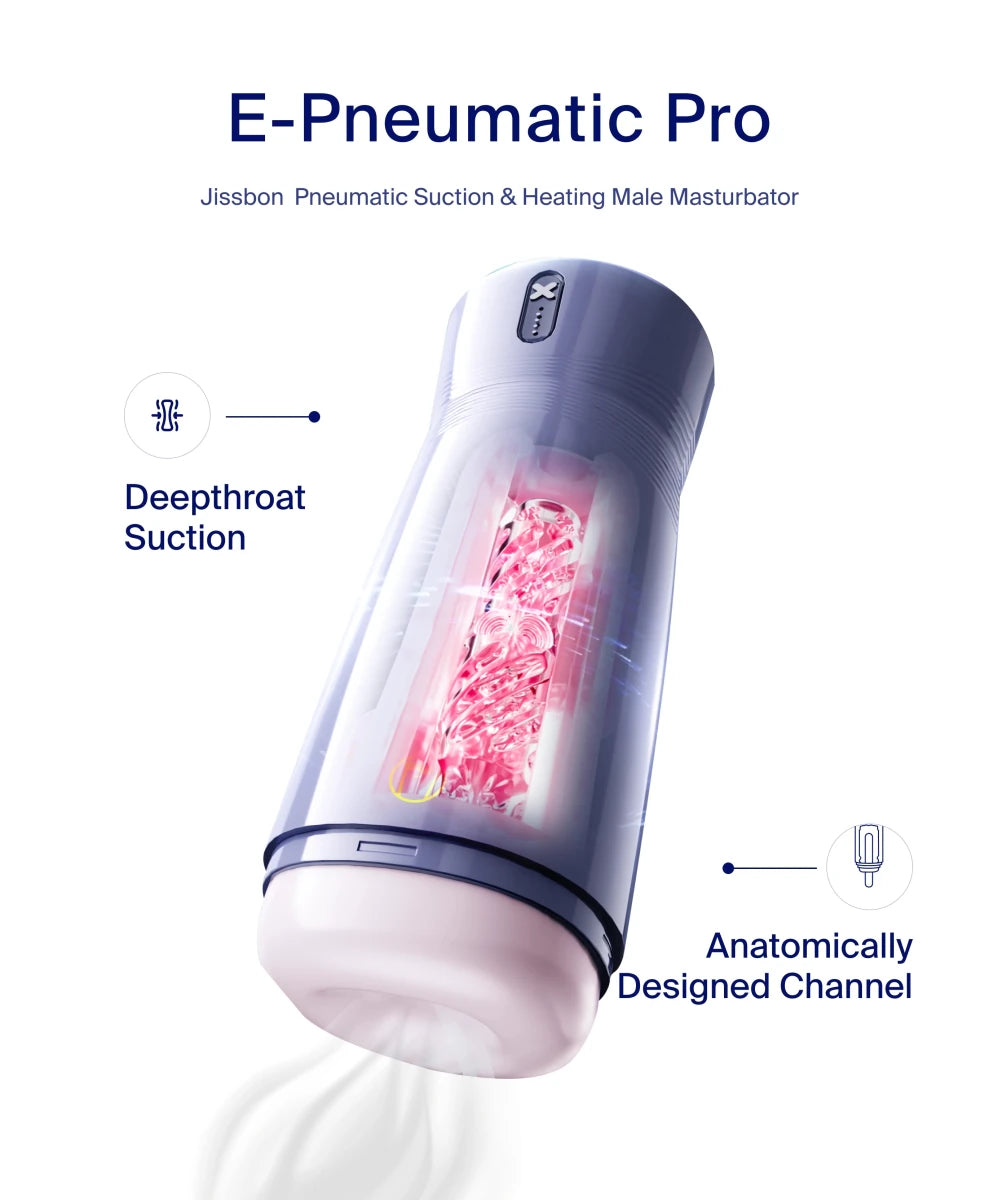
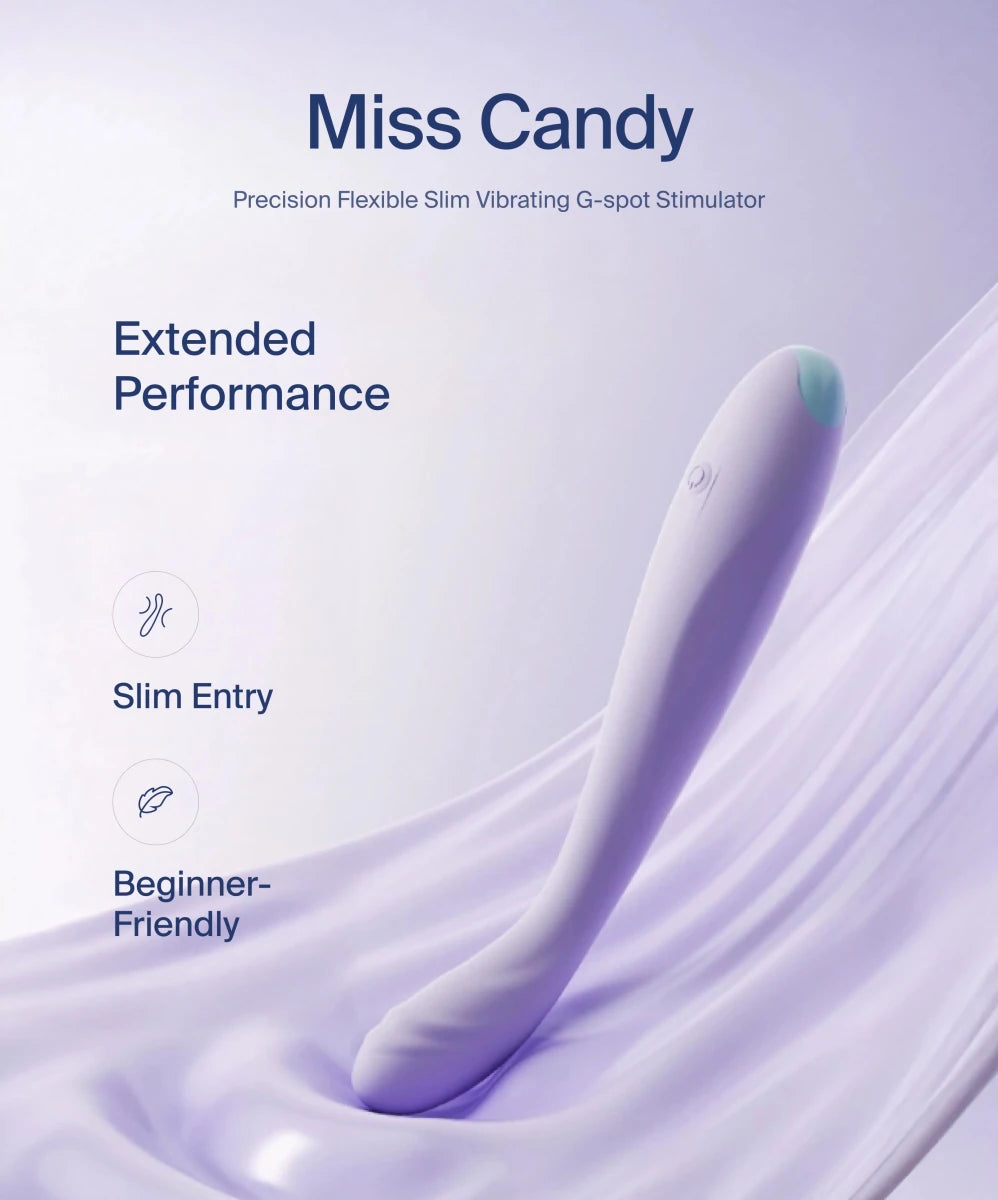
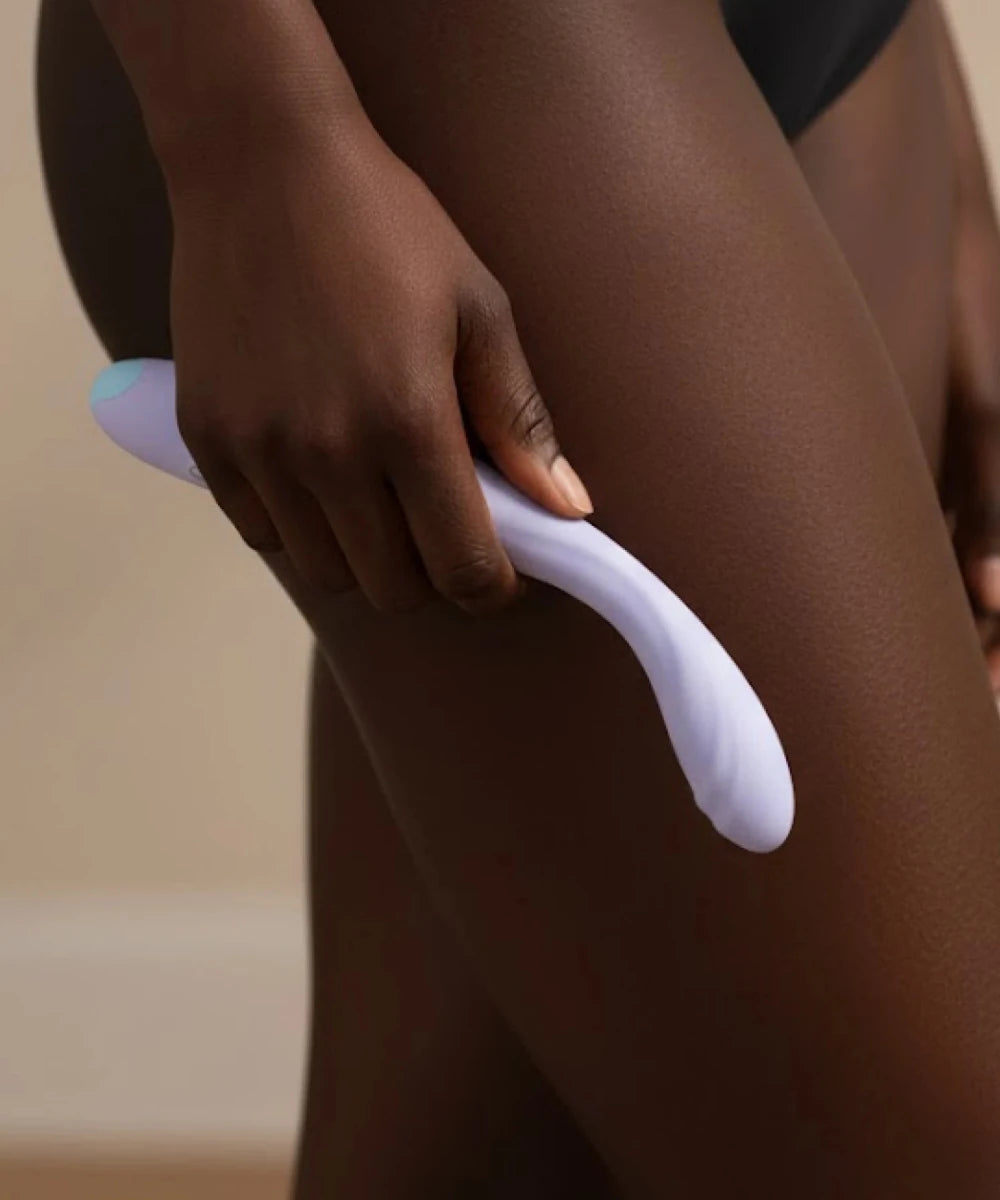
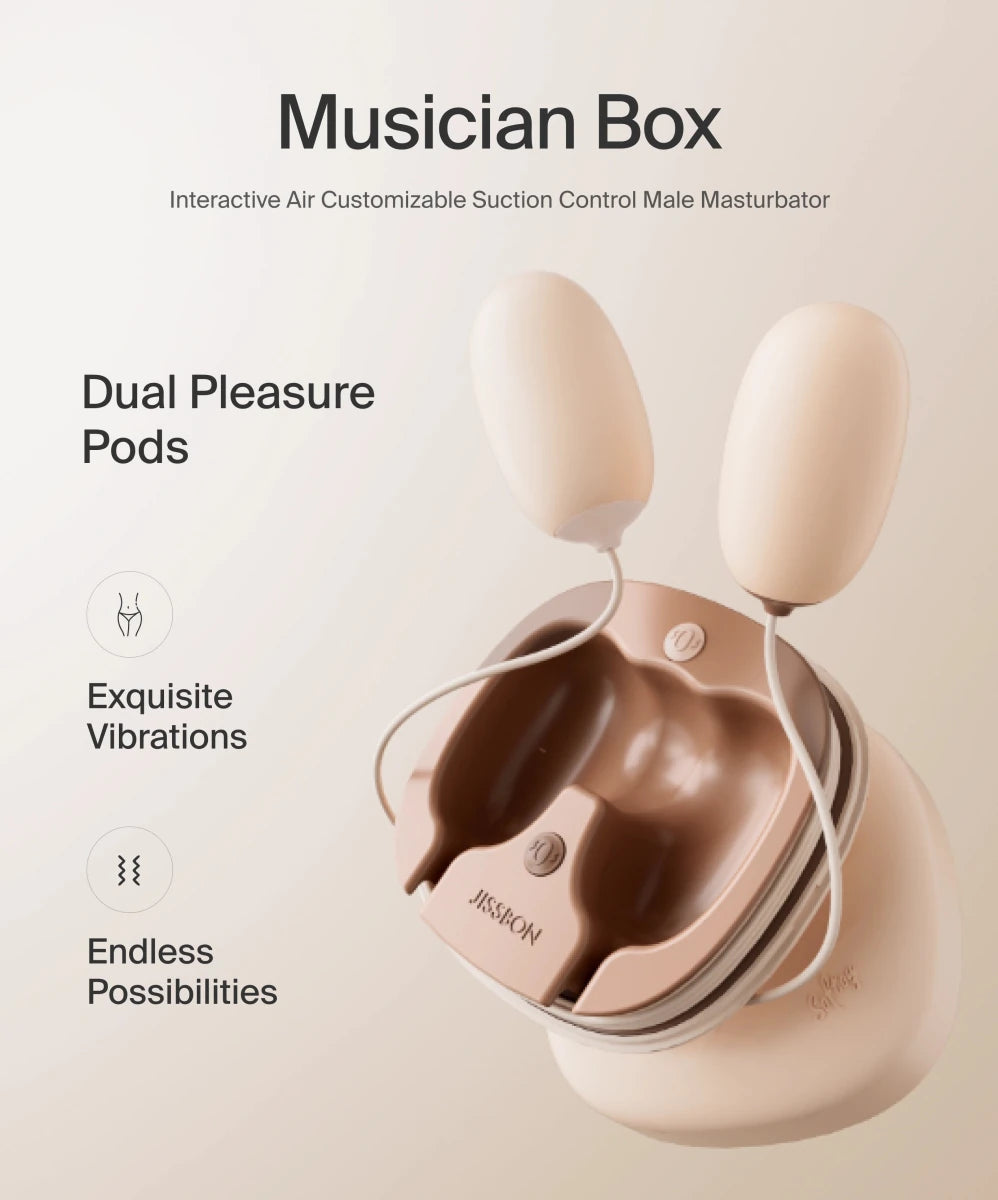
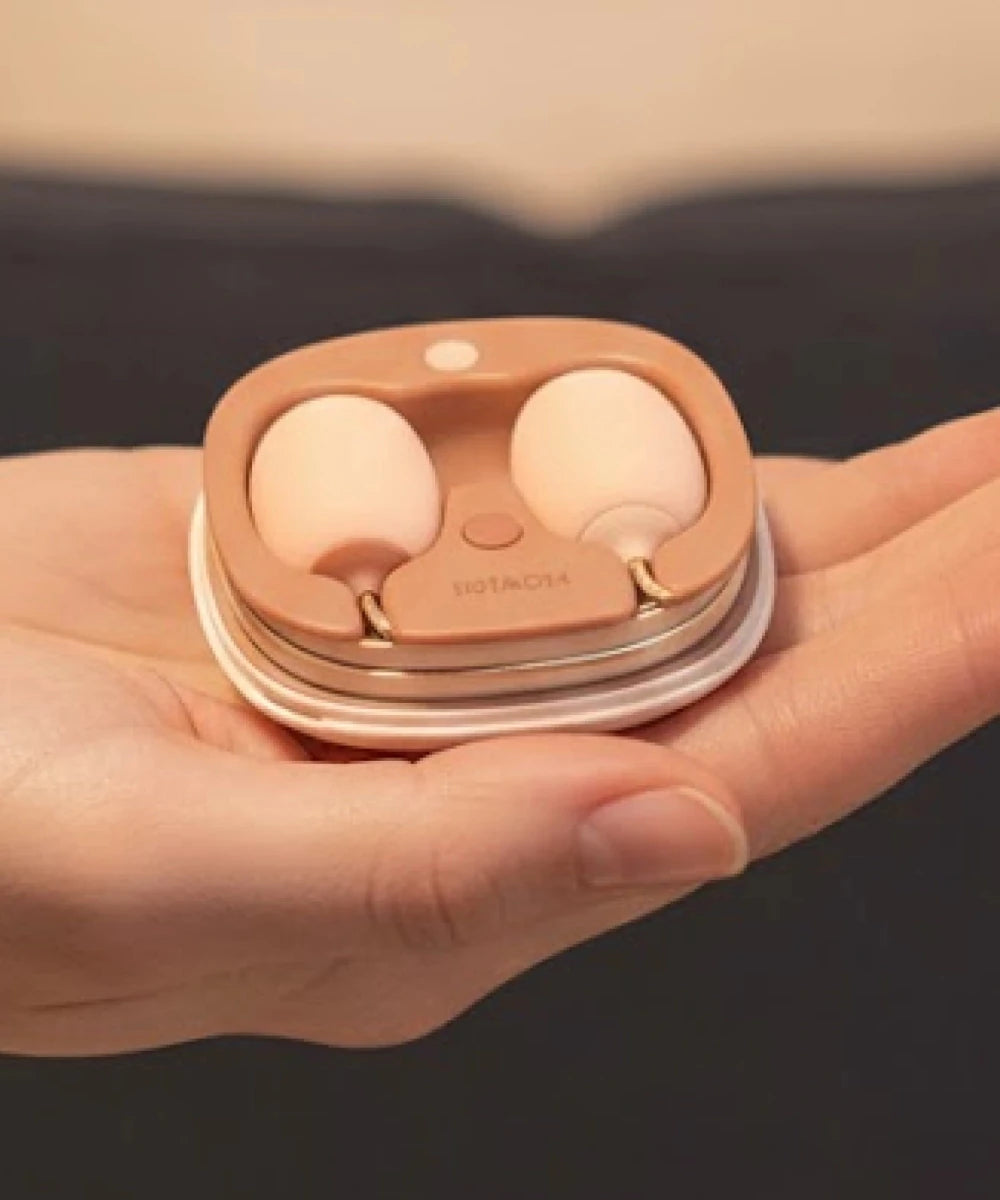
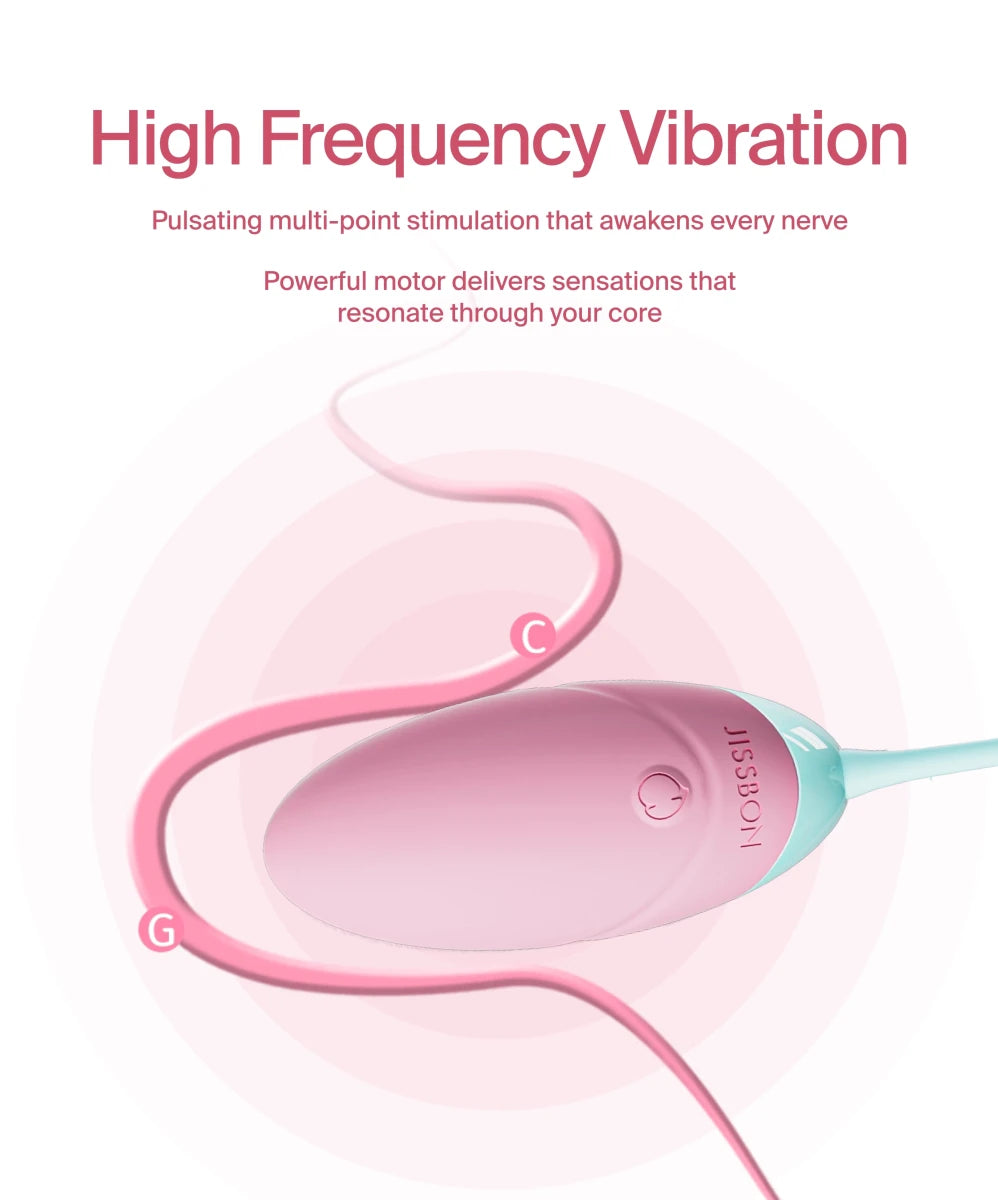
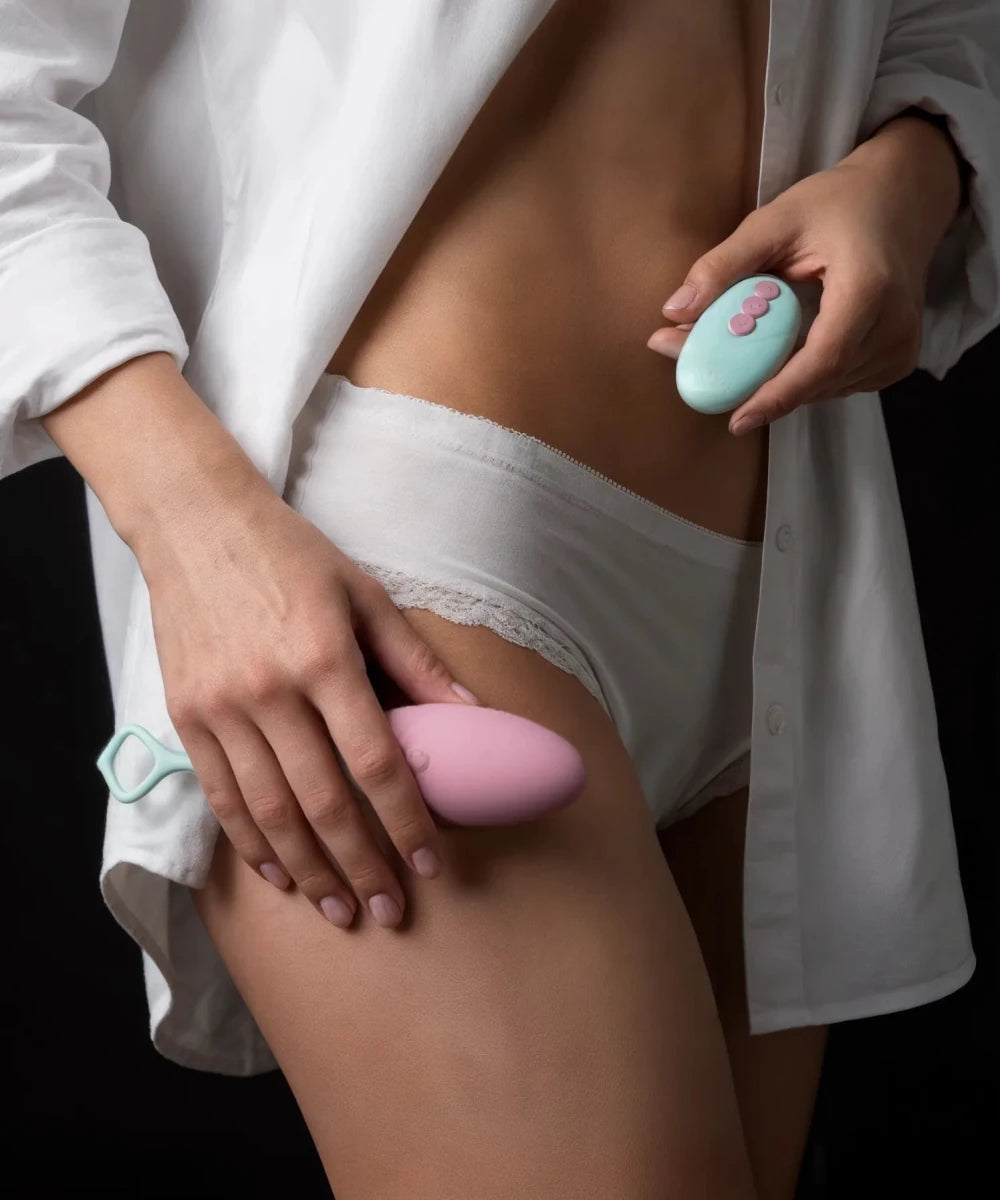
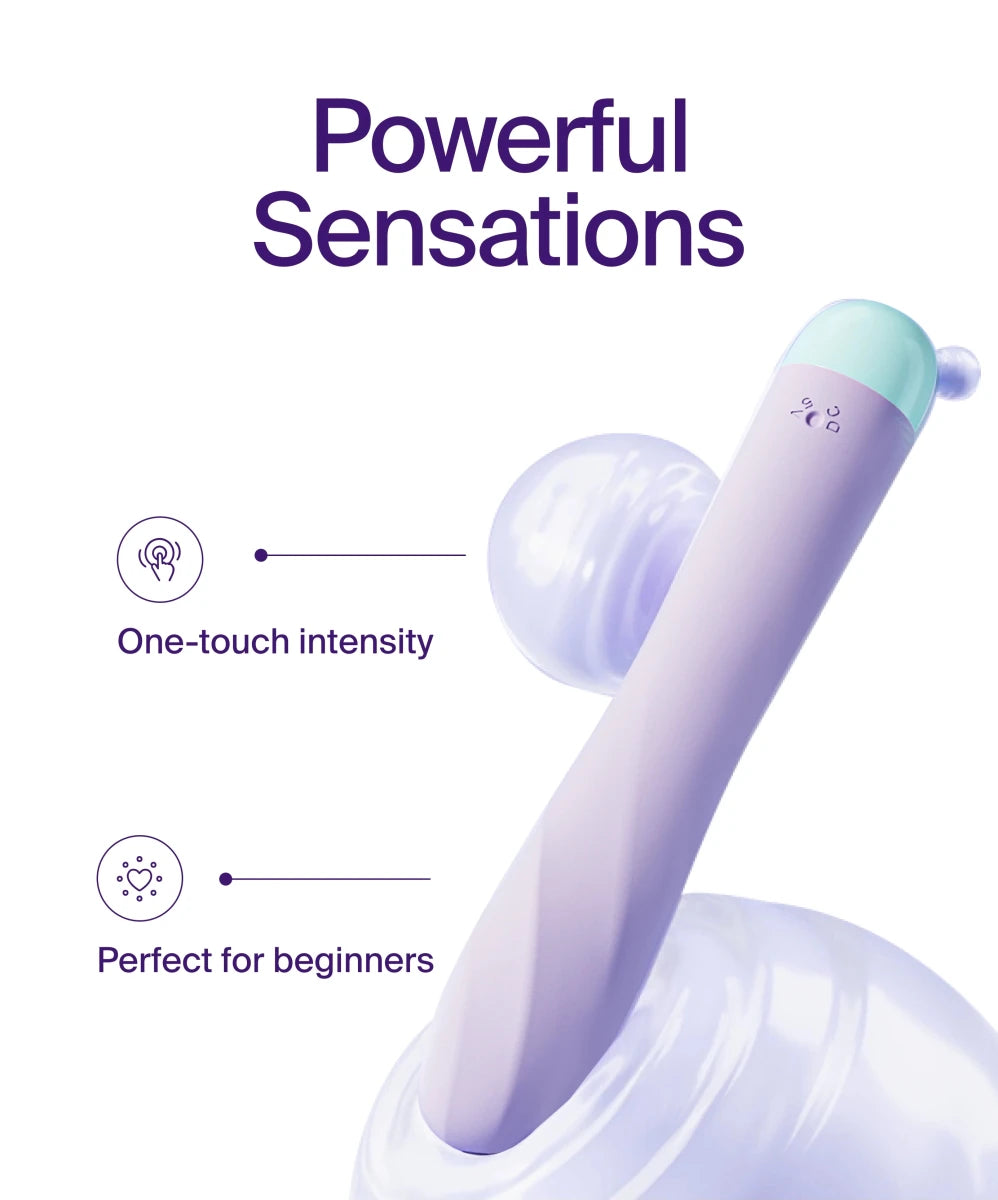
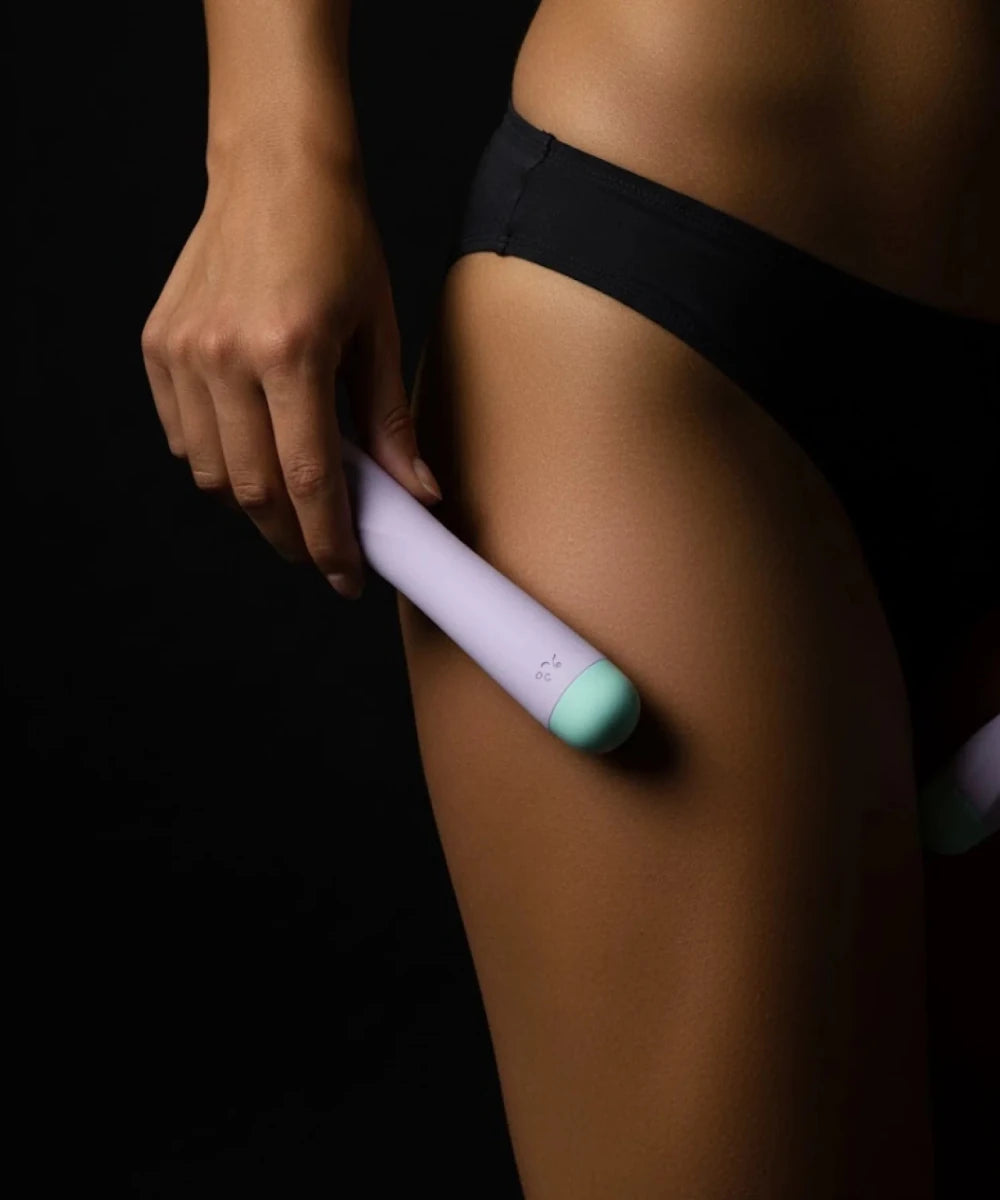
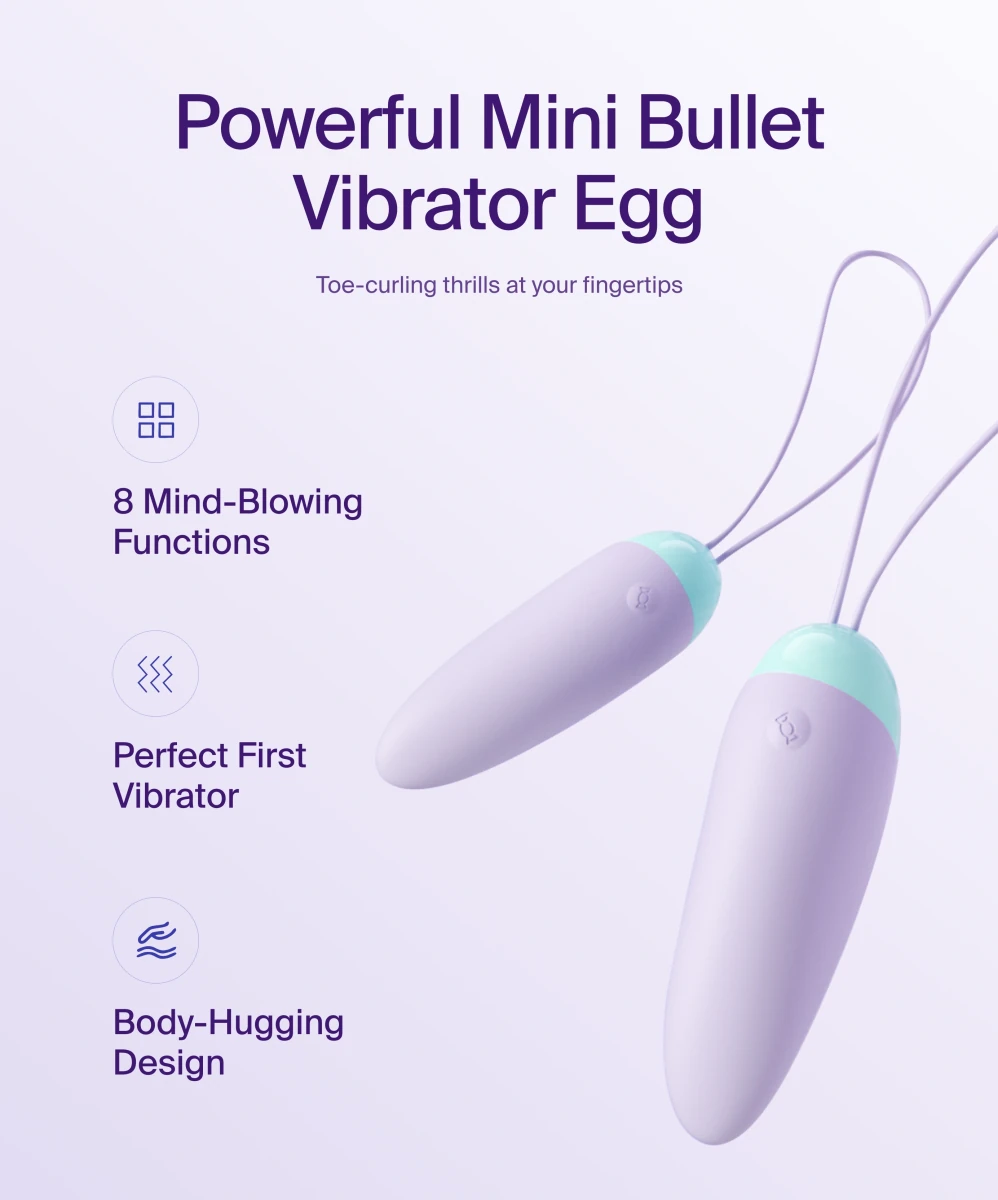
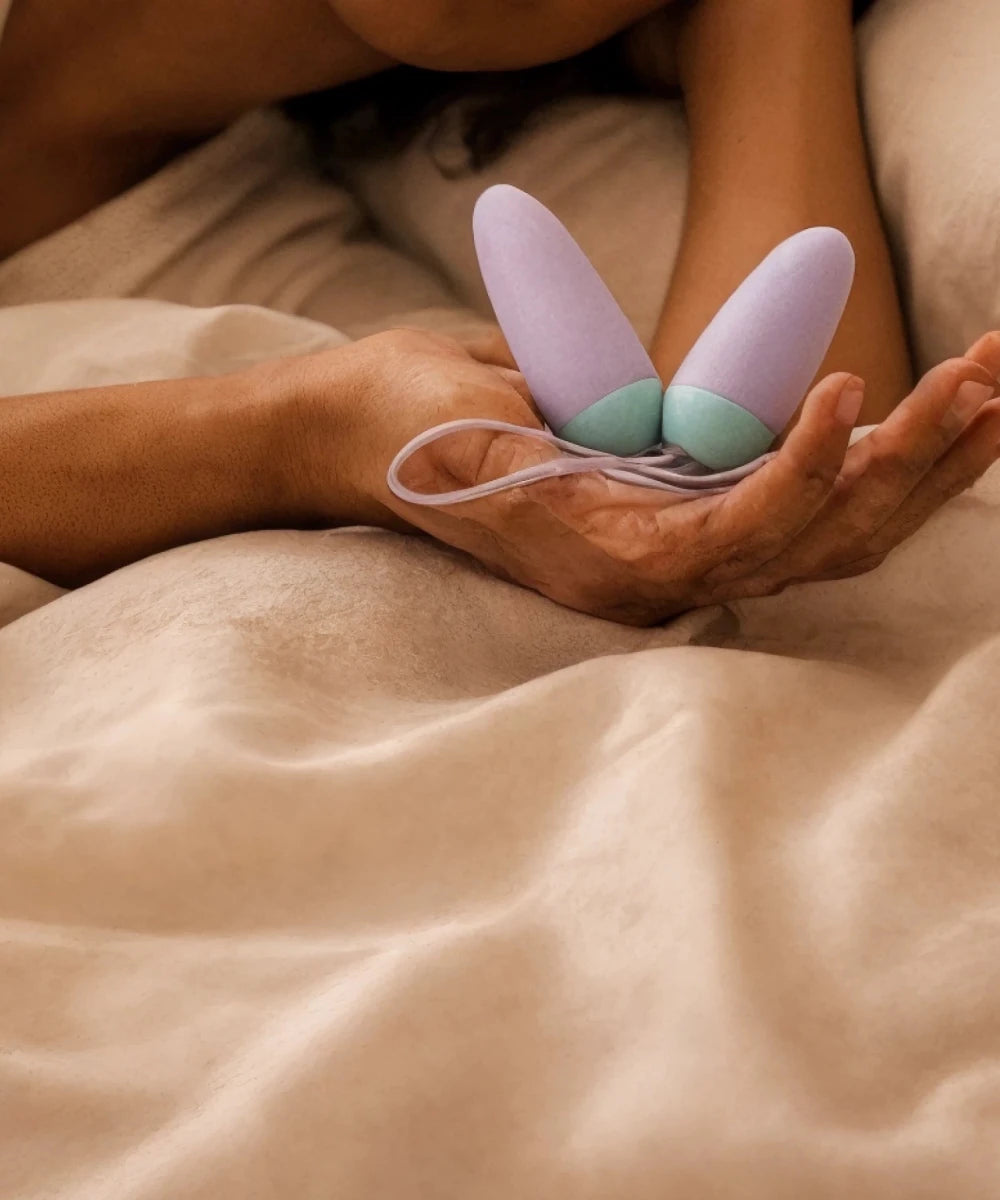
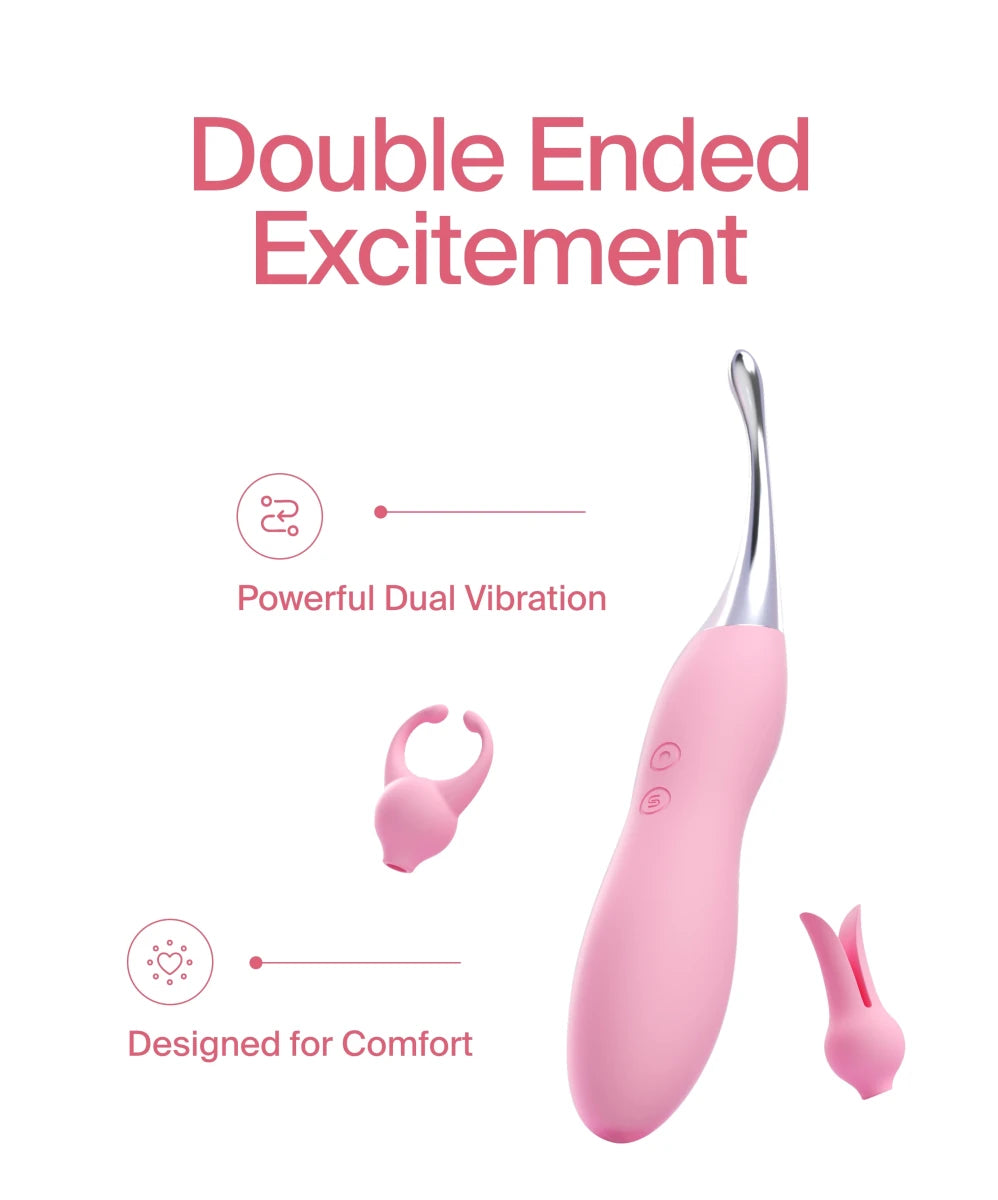
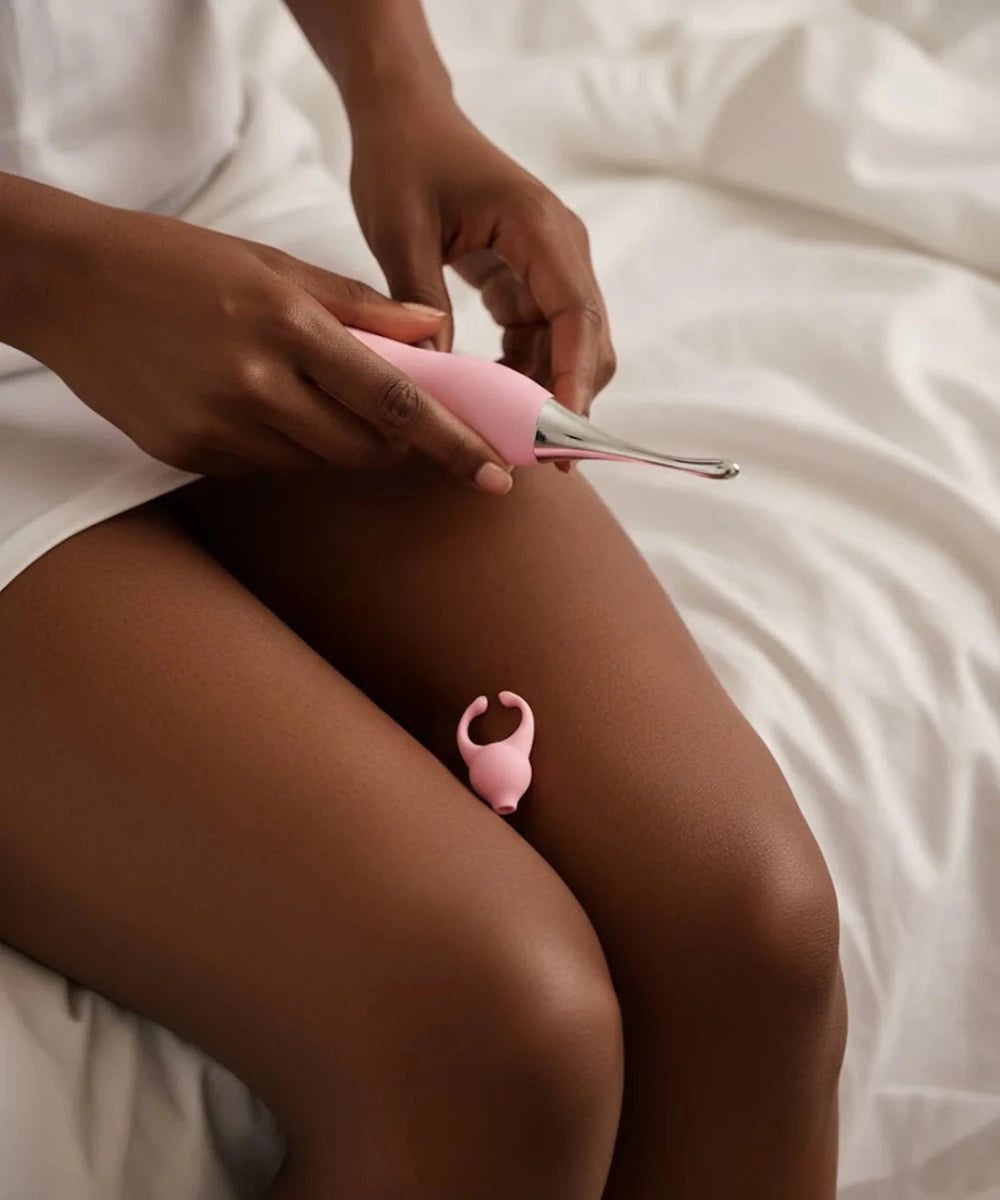
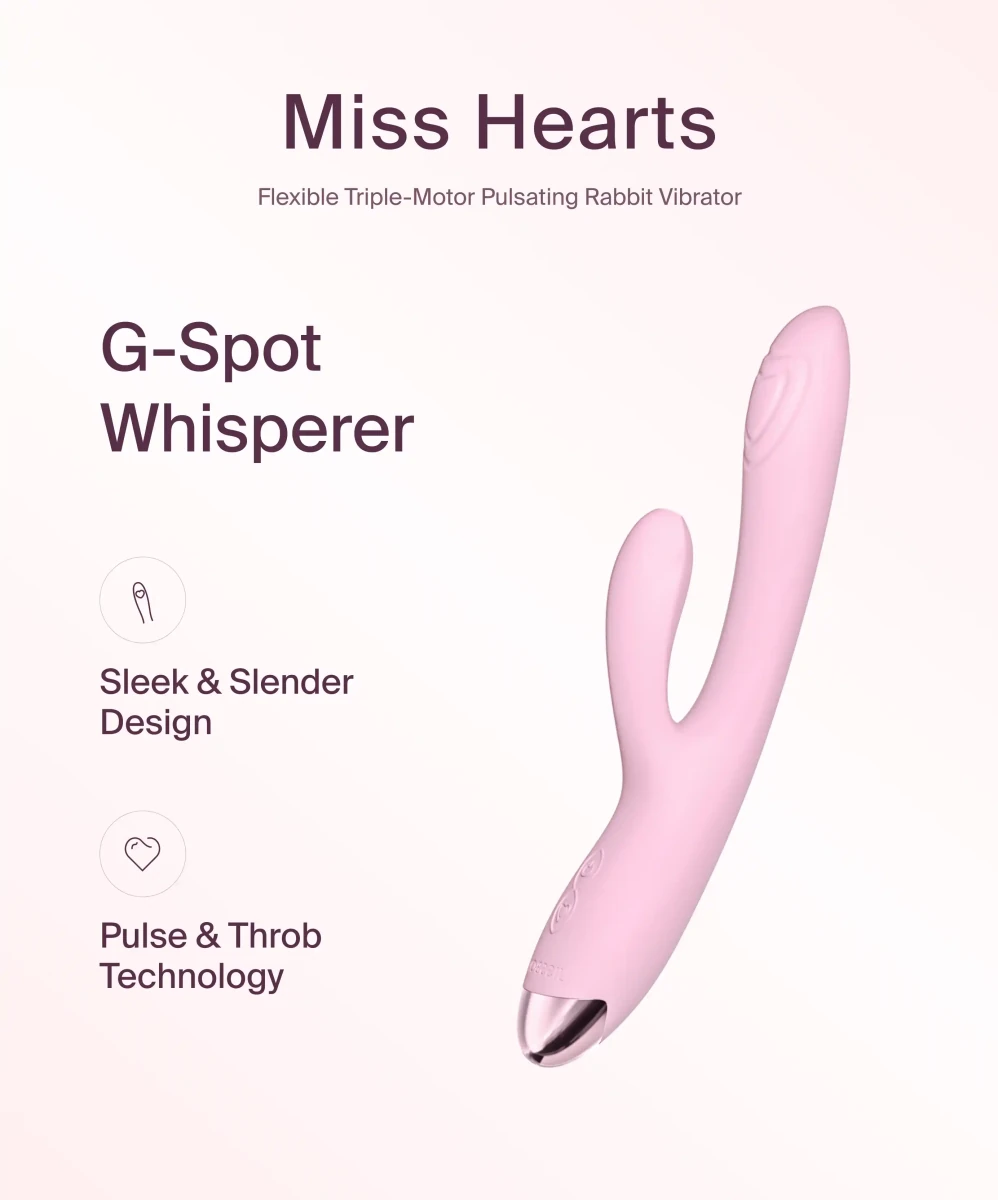
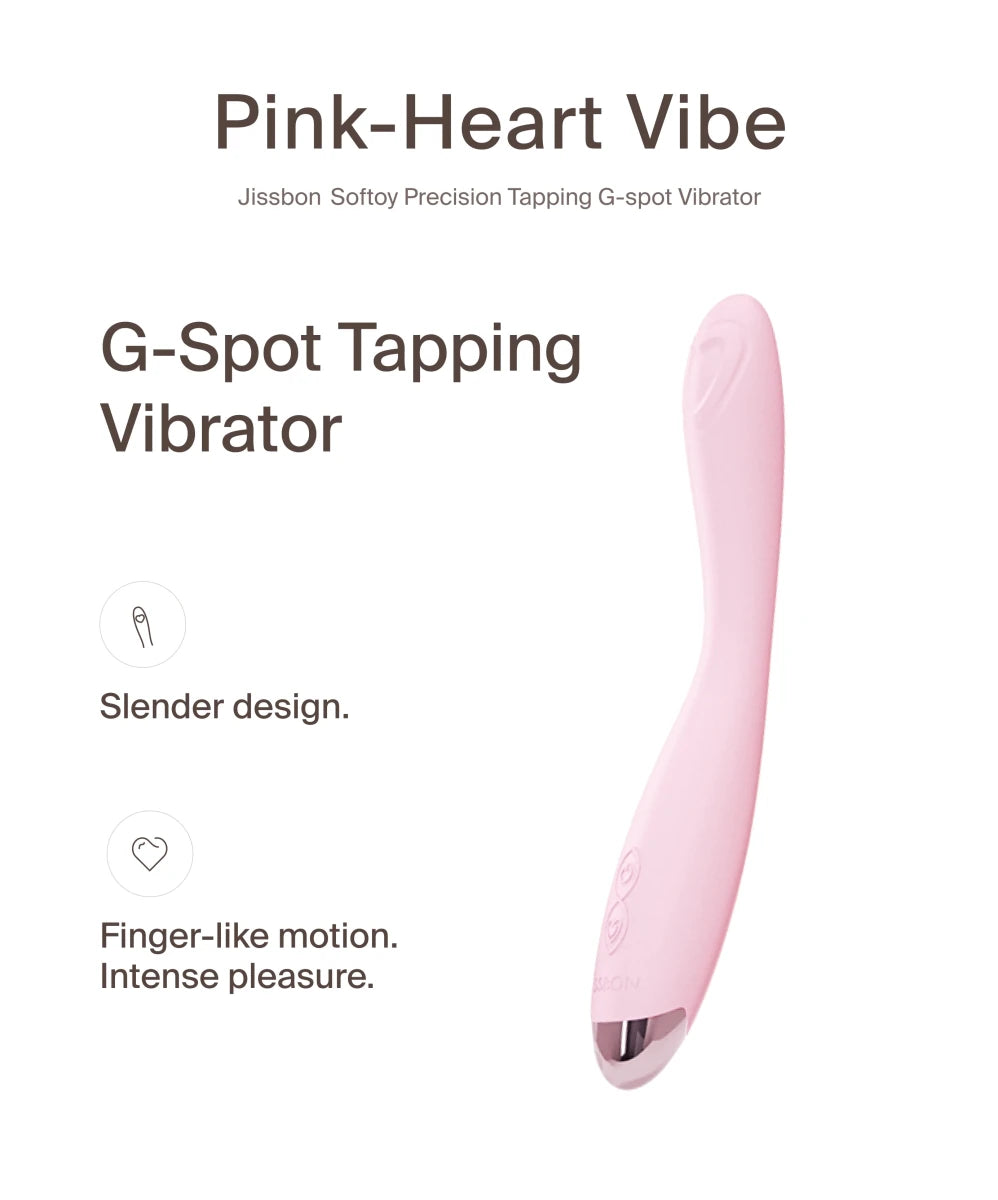
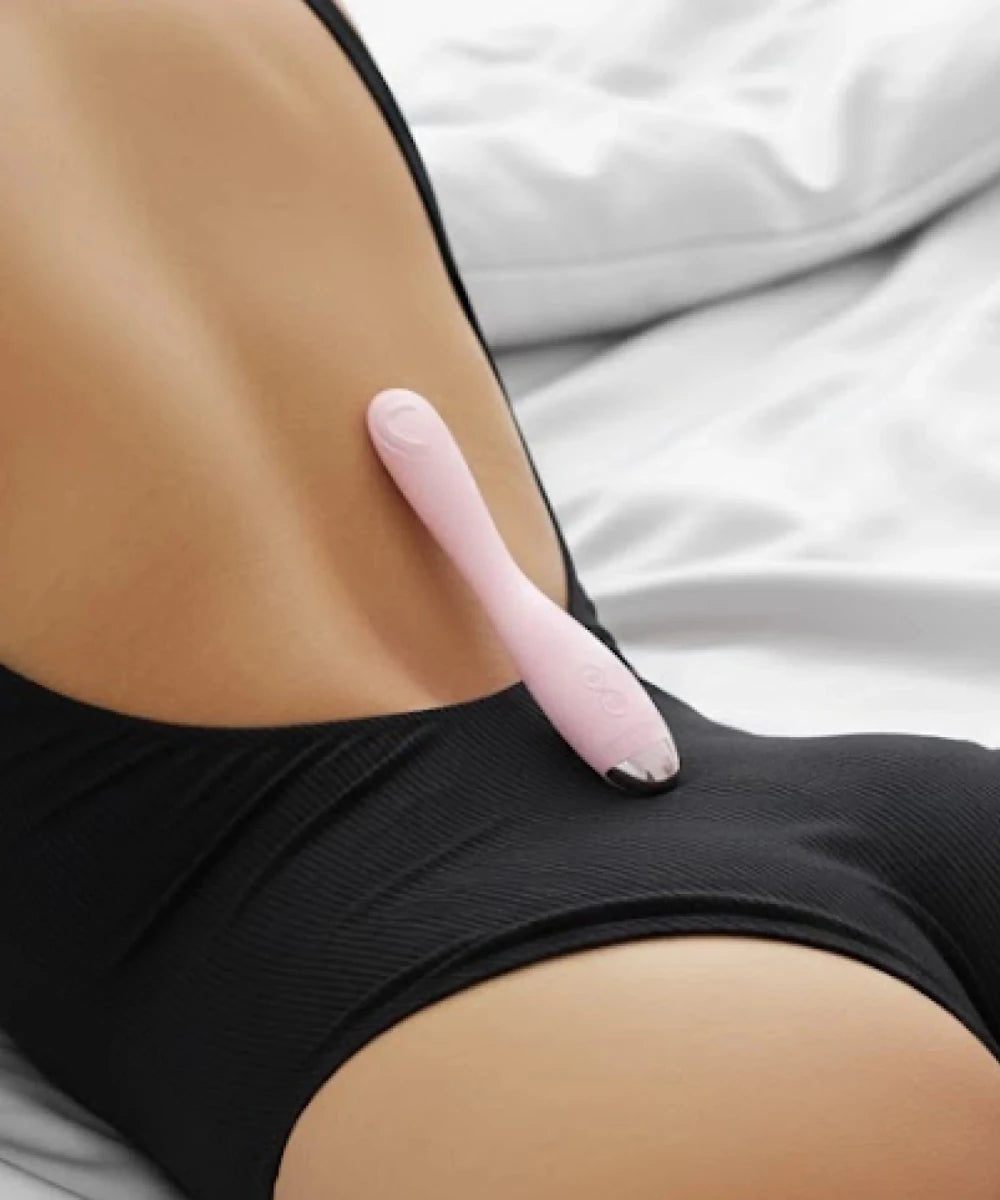
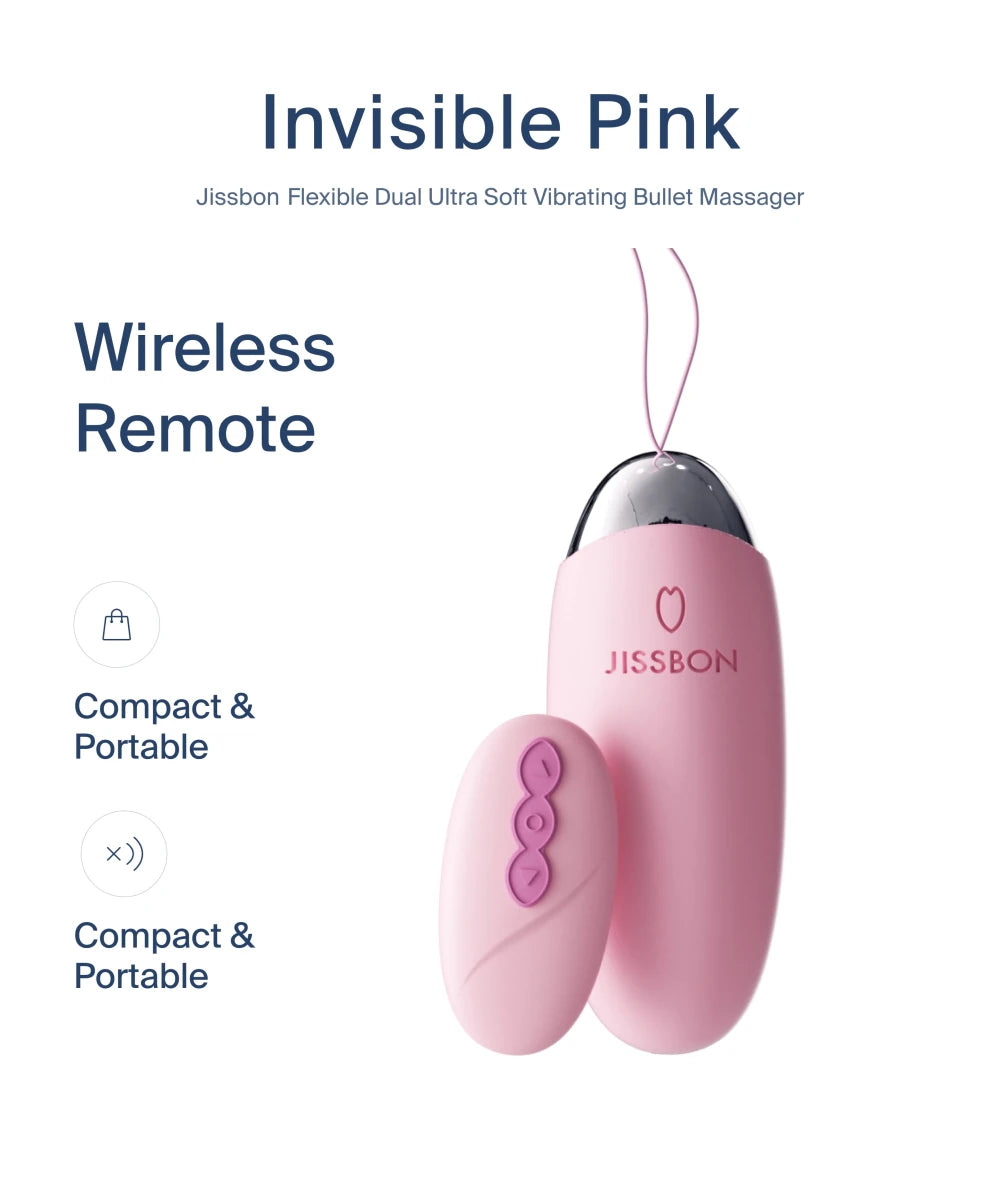
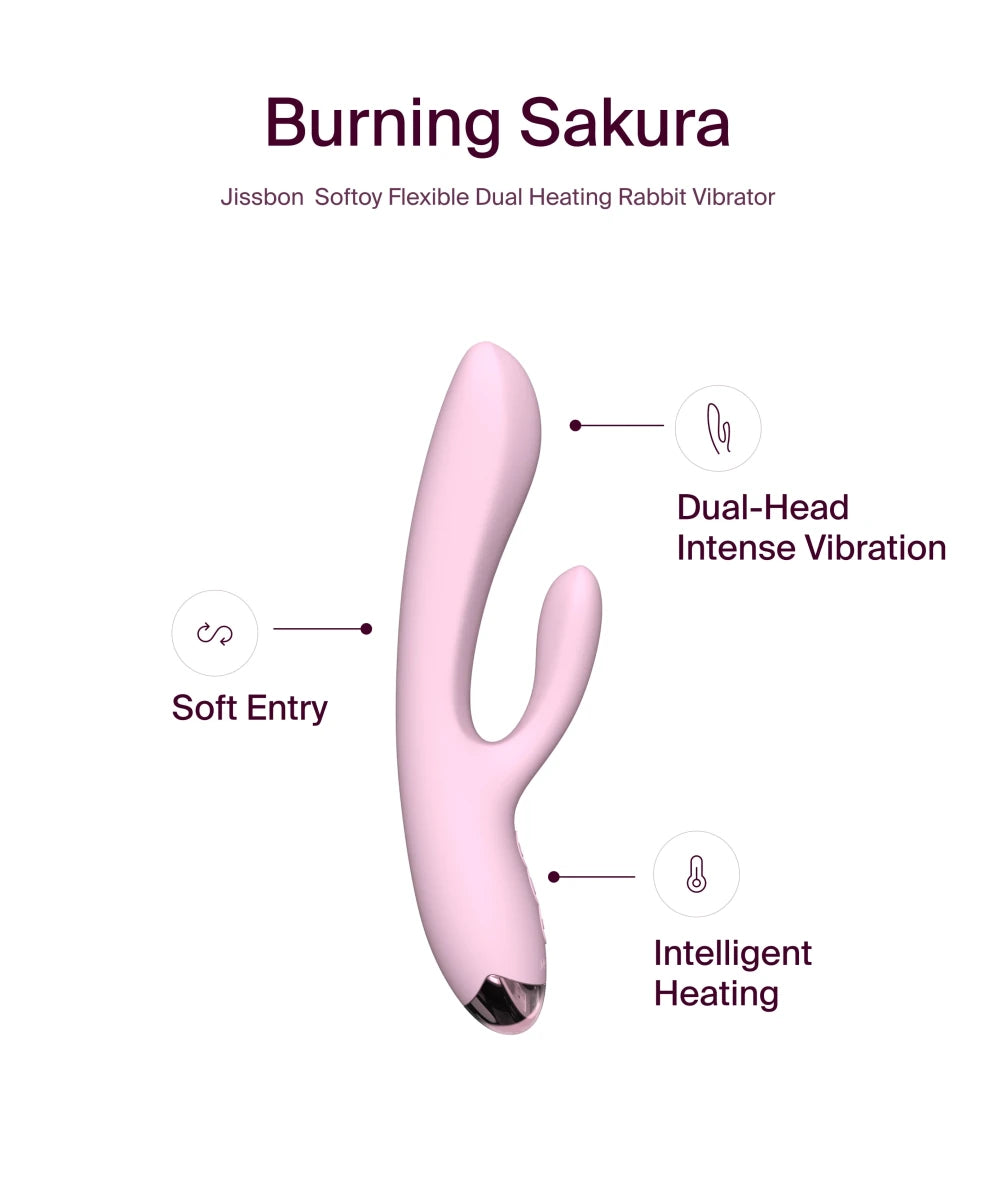
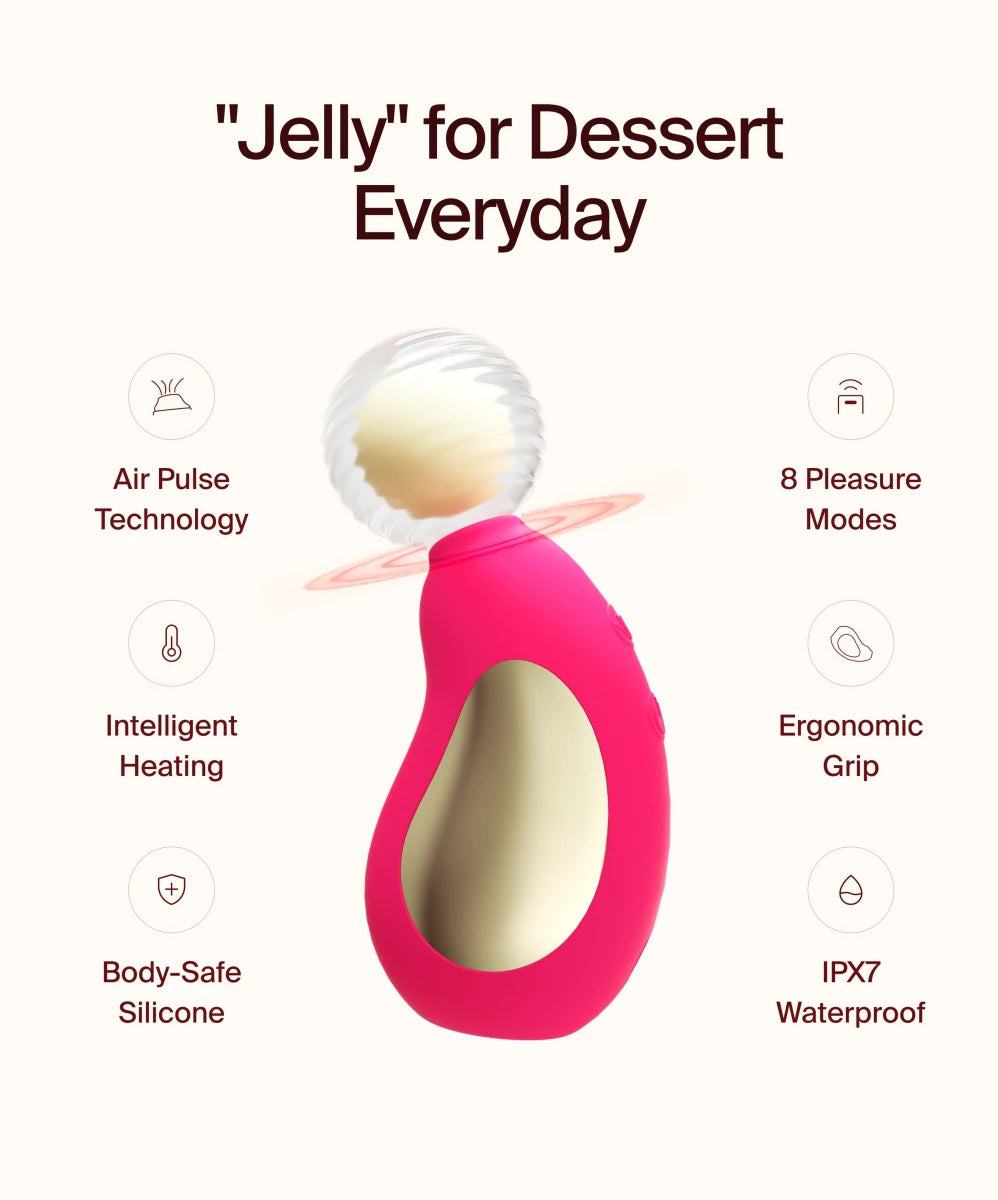
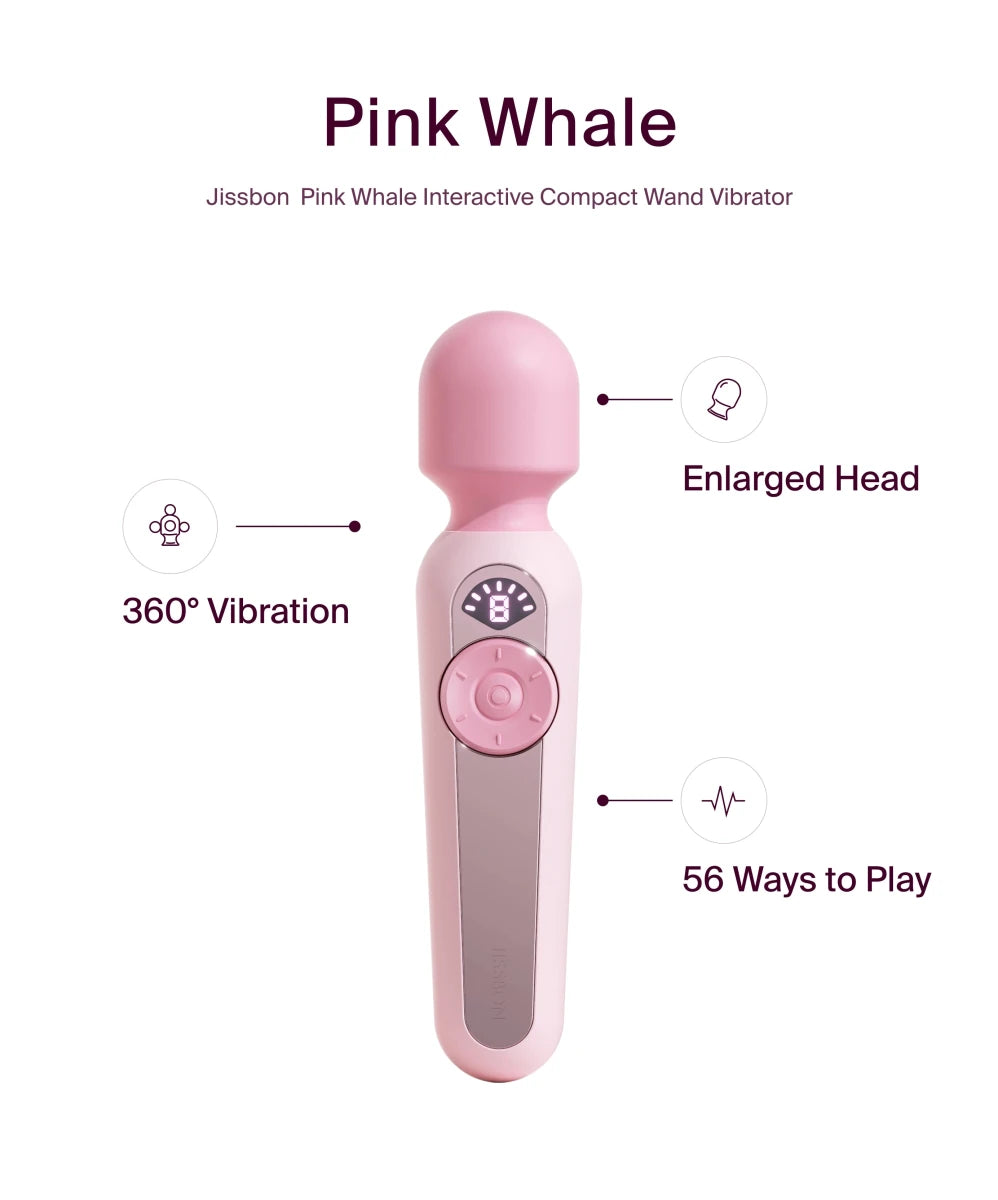
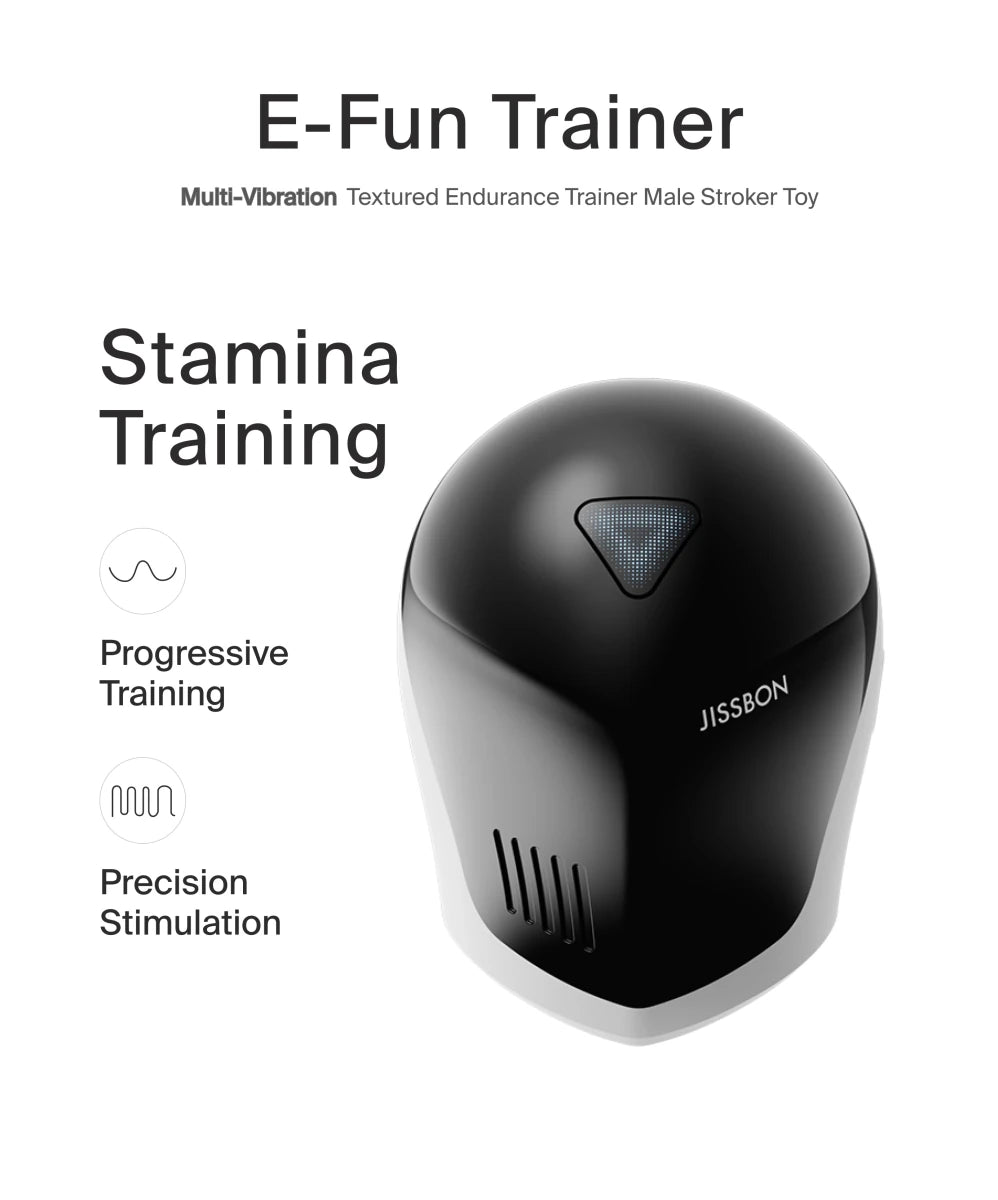
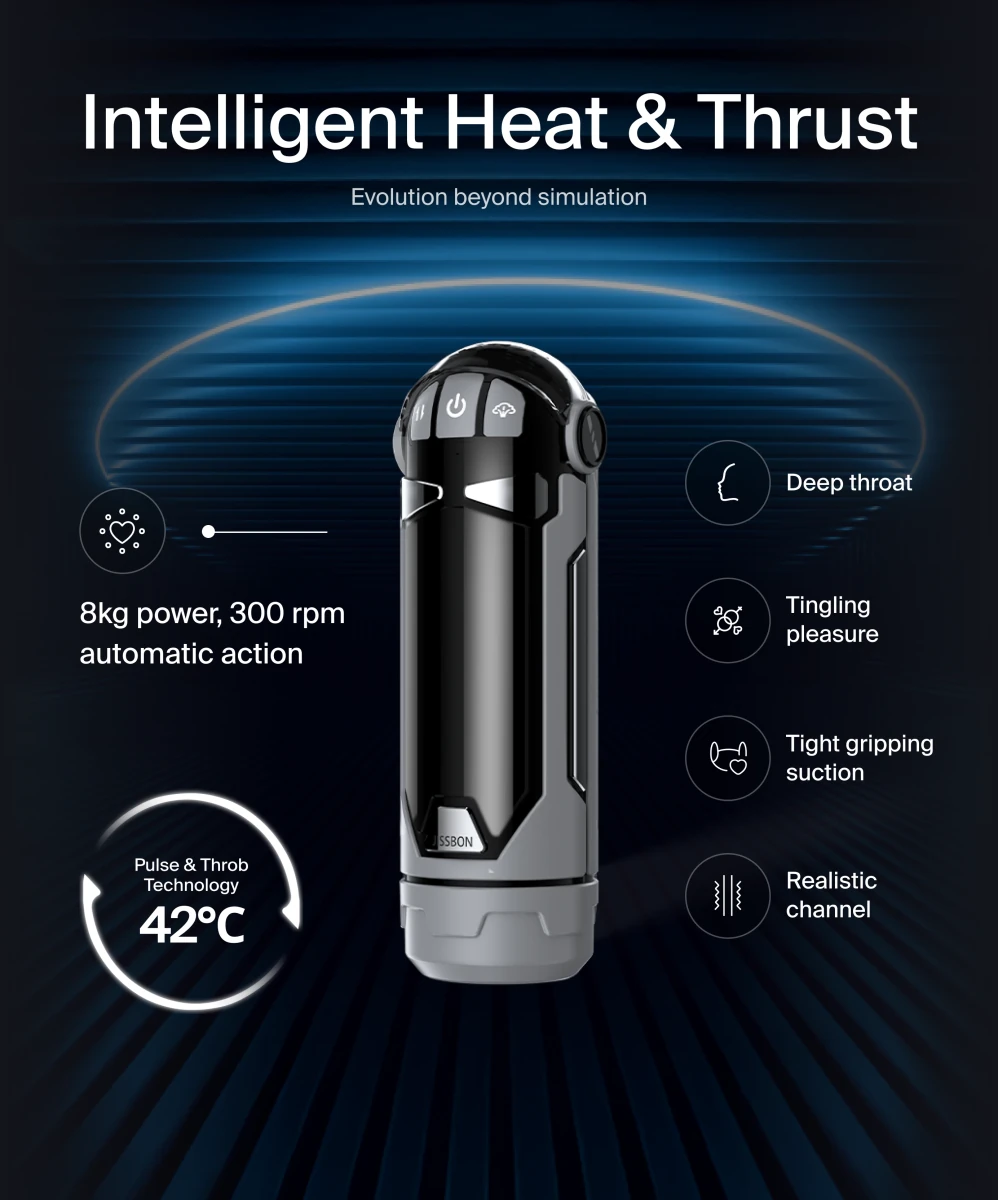
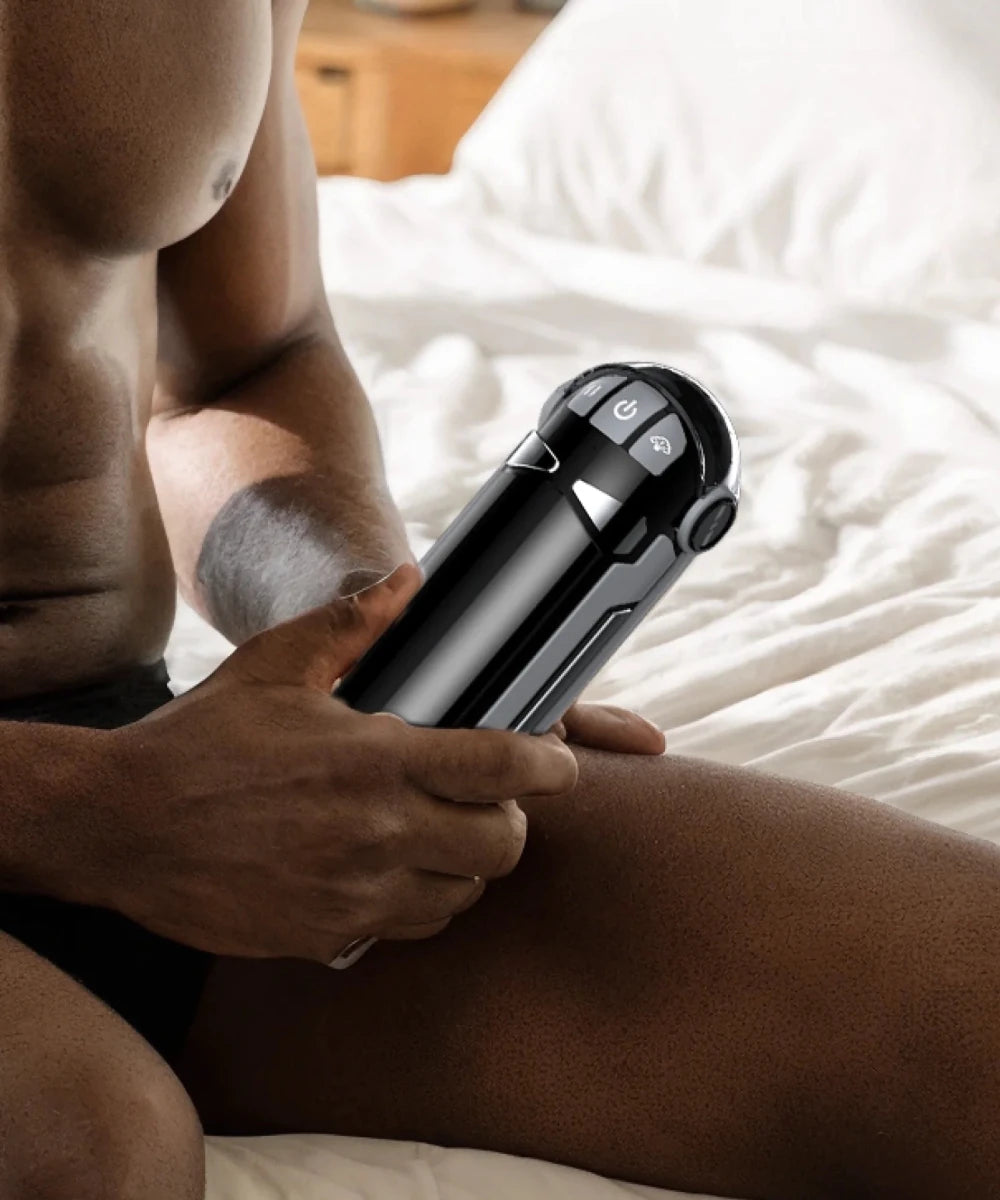
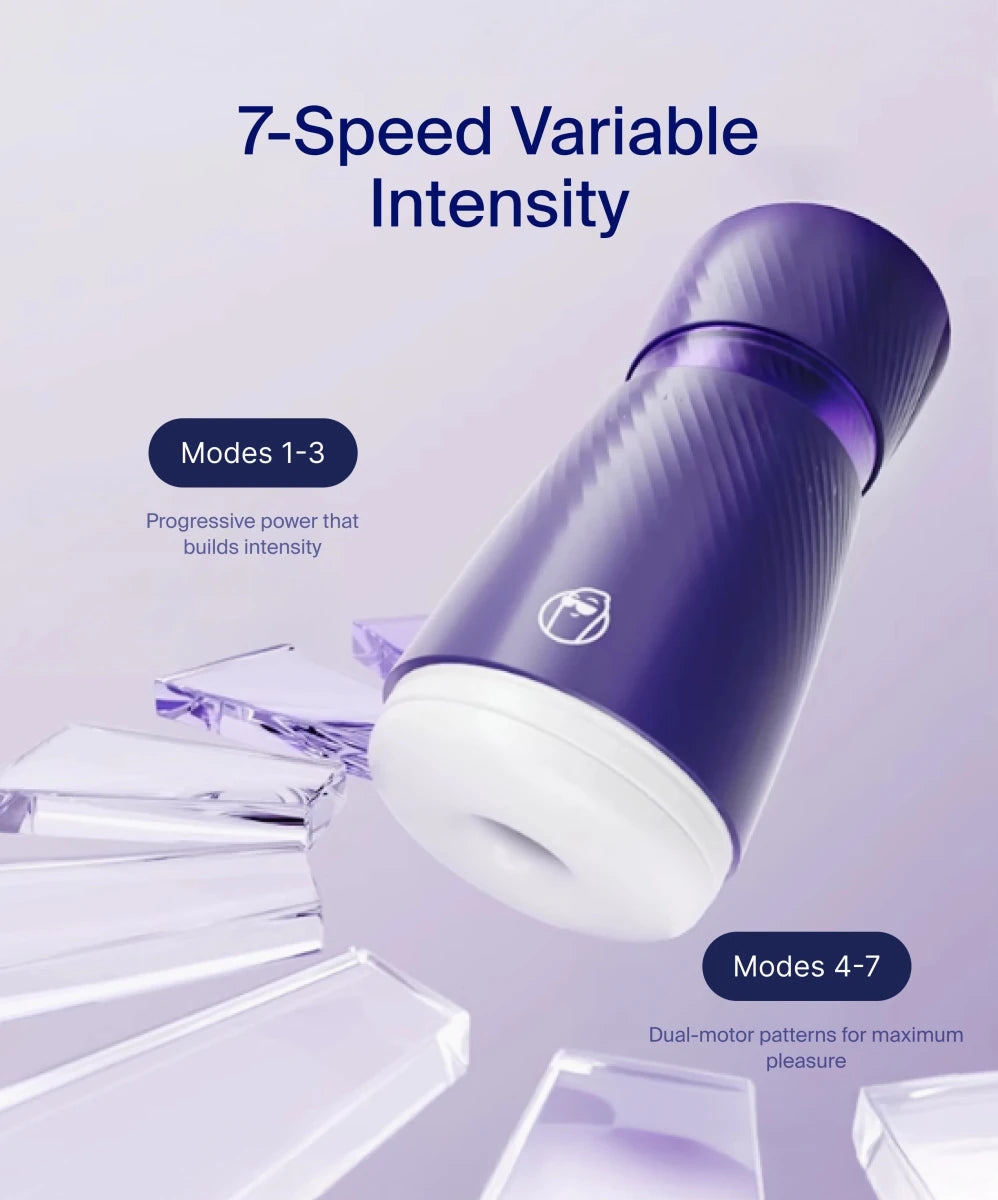
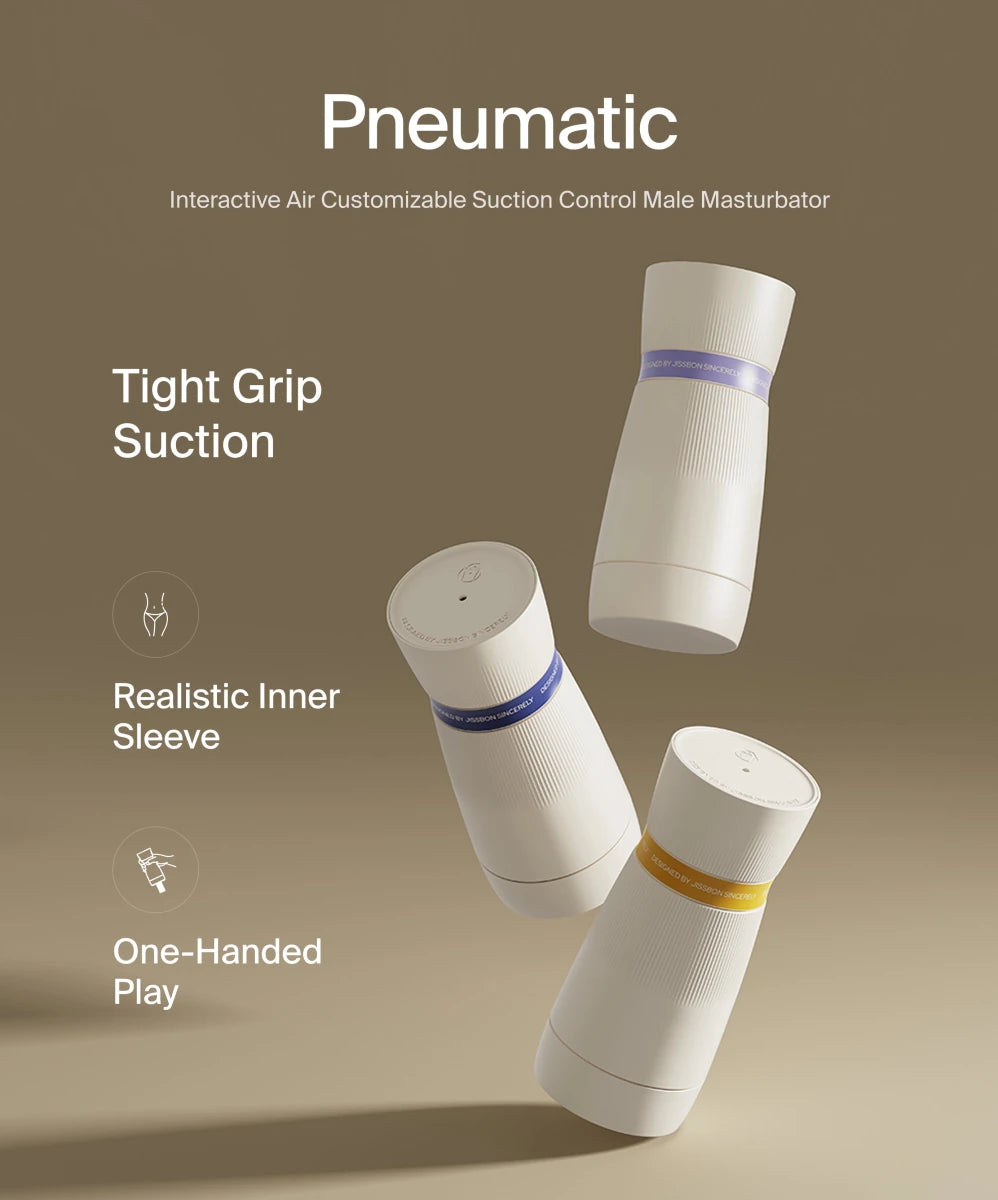
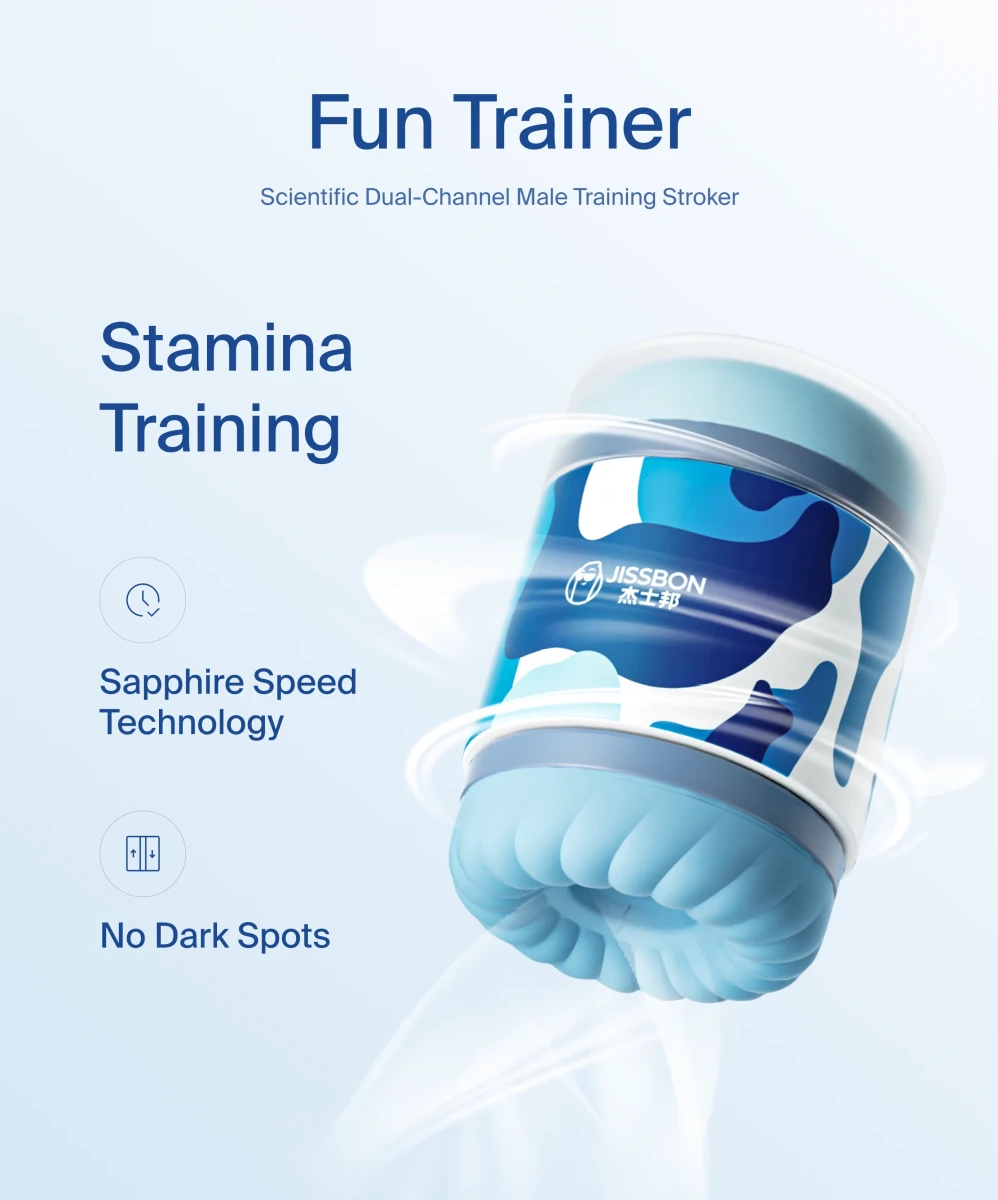
Some people find that quality products enhance the relaxation experience. Options from Jissbon include body-safe clitoral vibrators or male stroker toys designed for comfort and effectiveness.
Advantages of using sleep-friendly products:
- Reduces physical effort needed
- Provides consistent, reliable stimulation
- Quieter than manual methods
- Can be gentler on sensitive areas
Additional Sleep Benefits of Masturbation
Beyond the direct hormonal effects, masturbation supports sleep in other ways:
Replaces Sleep-Disrupting Habits
Instead of scrolling:
- Blue light from screens suppresses melatonin production
- Social media and news increase alertness and stress
- Digital stimulation makes it harder to wind down
Masturbation alternative:
- No screen exposure
- Actively promotes drowsiness
- Creates positive association between bed and relaxation
Manages Sexual Tension
The connection:
- Built-up sexual energy can create physical restlessness
- Unresolved arousal may keep you awake
- Sexual frustration increases overall stress levels
How masturbation helps:
- Releases sexual tension naturally
- Satisfies physical needs preventing sleep disruption
- Reduces frustration that might manifest as insomnia
Addresses Nighttime Waking
Middle-of-the-night insomnia:
- Many people wake at 2-4 AM unable to fall back asleep
- Stress and racing thoughts often contribute
- Traditional advice (getting up, reading) may not help everyone
Masturbation as a solution:
- Can be done quietly without leaving bed
- Quickly induces drowsiness through hormonal changes
- Particularly effective for stress-related waking
When Masturbation Might Not Help Sleep

While effective for many, masturbation isn't a universal sleep solution:
Individual Variation
Some people experience:
- Increased alertness after orgasm instead of drowsiness
- Energizing rather than relaxing effects
- Difficulty falling asleep post-orgasm
Why this happens:
- Individual hormonal responses vary
- Some people have stronger dopamine (alertness) responses
- Timing within circadian rhythm affects response
What to do: If masturbation energizes rather than relaxes you, it may not work as a sleep aid. Experiment with timing or try other relaxation techniques.
When Underlying Sleep Disorders Exist
Masturbation won't fix:
- Sleep apnea (breathing disruptions during sleep)
- Restless leg syndrome
- Chronic insomnia from medical or psychological conditions
- Circadian rhythm disorders
Important: If you have persistent sleep problems despite good sleep hygiene (including masturbation), consult a healthcare provider. Underlying sleep disorders require proper diagnosis and treatment.
Timing Issues
Too early: Masturbating several hours before bed may not provide sleep benefits when you actually want to sleep.
Too late: Waiting until you're already extremely tired may just delay sleep.
Optimal window: Most people benefit from masturbation 30-60 minutes before target sleep time.
Combining Masturbation with Other Sleep Hygiene Practices
For best results, use masturbation as one component of comprehensive sleep hygiene:
Core Sleep Hygiene Practices
Consistent schedule:
- Go to bed and wake at the same time daily
- Include weekends to maintain rhythm
- Gradually adjust timing if needed
Environment optimization:
- Keep bedroom cool (60-67°F ideal)
- Ensure darkness (blackout curtains or eye mask)
- Reduce noise (earplugs or white noise)
- Reserve bed for sleep and sex only
Daytime habits:
- Get regular exercise (but not close to bedtime)
- Expose yourself to bright light in the morning
- Limit caffeine after 2 PM
- Avoid heavy meals within 3 hours of sleep
Evening routine:
- Dim lights 2 hours before bed
- Avoid screens 1 hour before sleep
- Practice relaxation techniques (meditation, gentle stretching)
- Consider masturbation as final step before sleep
What to Avoid
Sleep disruptors:
- Alcohol (disrupts sleep architecture despite initial drowsiness)
- Nicotine close to bedtime
- Stressful activities or conversations
- Vigorous exercise within 3 hours of bed
- Large amounts of liquid (causes nighttime waking)
Addressing Common Concerns
Is It Unhealthy to Masturbate Every Night for Sleep?"
Short answer: No, nightly masturbation for sleep is not inherently unhealthy.
Considerations:
- Frequency itself isn't problematic if it's not causing distress or physical issues
- If you can't sleep without masturbating, that might indicate underlying sleep issues worth addressing
- Physical discomfort (soreness, irritation) suggests adjusting frequency or technique
- Using adequate lubrication prevents friction-related problems
Healthy balance: Many people masturbate nightly without issues. The key is that it feels like a choice, not a compulsion.
"Will I Become Dependent on Masturbation to Sleep?"
The concern: You might worry that using masturbation as a sleep aid will make it impossible to sleep without it.
The reality:
- Masturbation doesn't create physical dependency
- It may become a preferred part of your routine
- If unavailable (travel, living situations), you can sleep through other means
- It's similar to other sleep associations (reading, music, tea)
If concerned: Occasionally skip masturbation to demonstrate to yourself that you can sleep without it.
"What If I Share a Bed with a Partner?"
Practical considerations:
- Communicate openly about using masturbation for sleep
- Use quieter methods or products if noise is a concern
- Consider timing when partner isn't in bed (different schedules)
- Masturbation doesn't replace intimacyit's personal self-care
Healthy relationships: Most partners understand and support practices that improve sleep and wellbeing.
Frequently Asked Questions
Does masturbation help you sleep better?
Yes, for many people. Masturbation releases sleep-promoting hormones including prolactin (which causes drowsiness), oxytocin (which reduces stress), and endorphins (which create relaxation). These hormones work together to make falling asleep easier and can improve overall sleep quality by reducing cortisol levels and physical tension.
Why does masturbating help you fall asleep?
Orgasm triggers a surge of prolactin, the primary hormone responsible for post-orgasm sleepiness. Simultaneously, oxytocin reduces anxiety and cortisol, while endorphins create physical relaxation. This hormonal combination shifts your body from an alert state to a rest state, making it easier to fall asleep naturally within 15-30 minutes.
Does masturbating to fall asleep work for everyone?
No. While many people experience drowsiness after orgasm, individual responses vary. Some people feel energized rather than tired post-orgasm due to stronger dopamine responses. Effectiveness also depends on timing, stress levels, and whether underlying sleep disorders are present. If it doesn't help you sleep, other relaxation techniques may work better.
Can you use masturbation as a sleep aid every night?
Yes, nightly masturbation for sleep is generally fine if it works for you and doesn't cause physical discomfort or emotional distress. It's similar to other sleep routine components like reading or taking a warm bath. However, if you feel you can't sleep without it, consider whether underlying sleep issues need addressing with a healthcare provider.
Is masturbation better than sleep medication?
Masturbation is a natural, side-effect-free option that works well for many people with occasional sleep difficulties. However, it's not a replacement for medical treatment of chronic insomnia or sleep disorders. For persistent sleep problems, consult a healthcare provider. Masturbation can complement other treatments but shouldn't replace necessary medical care.
How long after masturbating should I try to sleep?
Most people benefit from masturbating 30-60 minutes before their target sleep time. This allows the initial relaxation to settle while prolactin-induced drowsiness peaks. Some people fall asleep within minutes, while others need 20-30 minutes. Experiment to find your optimal timing, and use the post-orgasm period for relaxation rather than stimulating activities.
Final Thoughts
Does masturbation help you sleep? For many people, yes the combination of sleep-promoting hormones, stress reduction, and physical relaxation makes masturbating to fall asleep an effective, natural sleep aid. While individual responses vary, incorporating masturbation into a comprehensive sleep hygiene routine can improve both sleep onset and quality for those who find it helpful.
If you're interested in exploring products that support relaxation and comfort as part of your bedtime routine, sex toys for women and other intimate wellness options offer body-safe, effective choices designed with your wellbeing in mind.


Looking for something else?
What Is Flogging in Sex? Complete BDSM Flogging Guide
LEARN MORE
What Does Overstimulated Mean Sexually? Causes & Solutions
LEARN MORE
Can You Get a Tattoo on Your Vagina? Safety, Pain & What to Expect
LEARN MORE
Public Sex Kink: Understanding Exhibitionism & Safe Exploration
LEARN MORELooking for something else?

A-Spot Orgasm: Best Positions & How to Find It
LEARN MORE
Bondage Play: Complete Beginner's Guide to Rope BDSM
LEARN MORE
Vibrator Stories: Real Experiences, Tips & What to Expect
LEARN MOREYou may also like
20% off

20% off

20% off

20% off

20% off

20% off

Further reading
How to Clean an Automatic Blowjob Machine Without Damaging the Motor
Remote-Controlled Automatic Masturbators for Couples and Solo Play
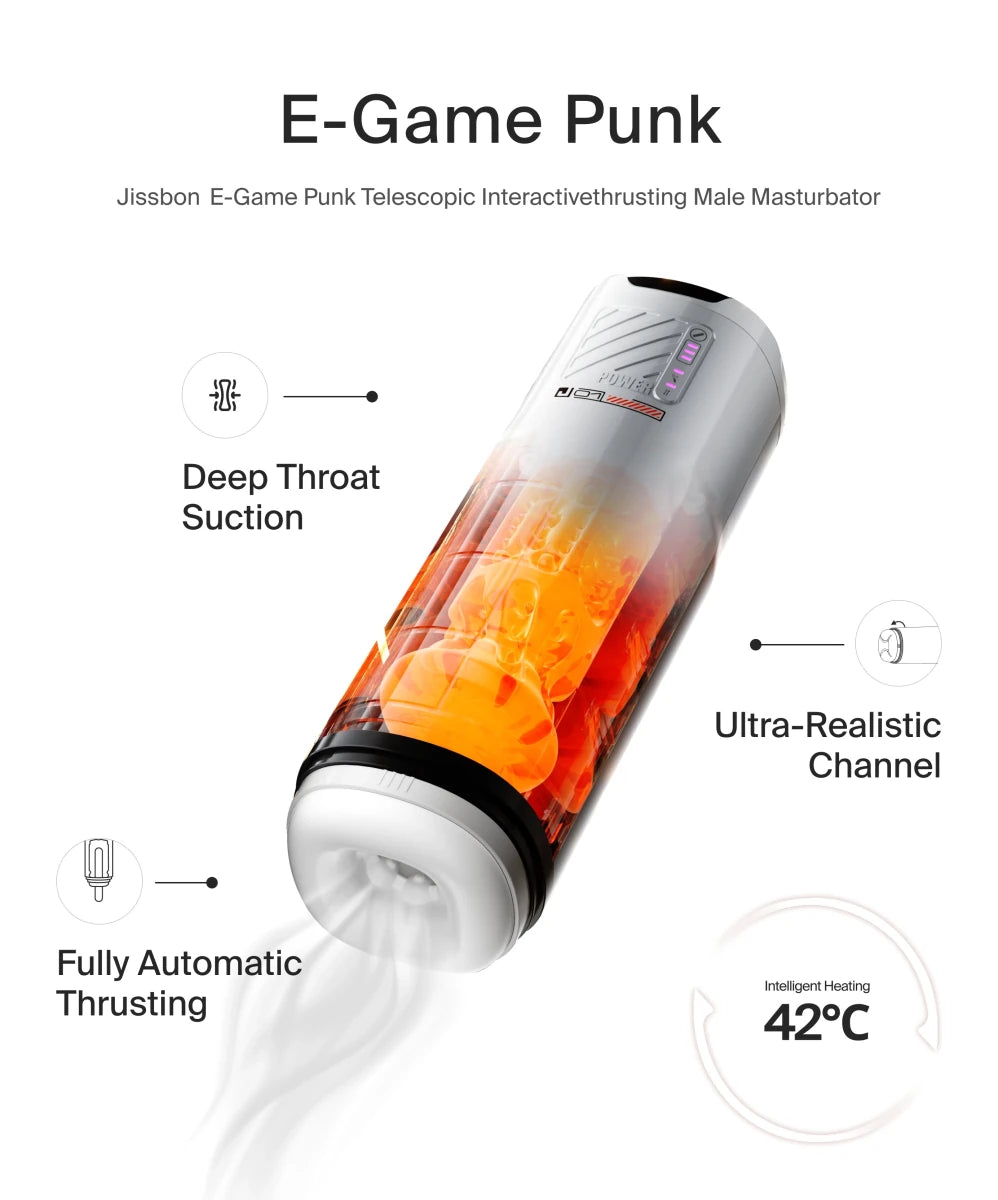
Best Automatic Strokers for Edging and Stamina Training