

















































DIY Towel Pocket Pussy: Safe Homemade Stroker Guide
Stack & Save: Extra 15% with Jissbon15
Jissbon15
Creating a towel pocket pussy is one of the most common DIY male pleasure solutions when commercial options aren't accessible. This homemade pocket pussy approach uses everyday household items towels, gloves, and basic suppliesto create a temporary stroker. While we'll explain how to make these safely, we'll also discuss why purpose-built alternatives offer better hygiene, durability, and sensation.
This guide covers materials, step-by-step assembly, safety considerations, and when to invest in body-safe manufactured options instead.
Who Uses DIY Towel Strokers?
Homemade strokers appeal to specific situations and audiences:
- Budget-conscious individuals experimenting with self-pleasure before investing in commercial products
- People living in shared spaces who need discreet, disposable options
- Curious beginners wanting to understand what stroker sensations feel like
- Those in areas with limited access to adult products due to shipping restrictions or local availability
- Creative explorers interested in DIY projects across all aspects of life
- Individuals seeking temporary solutions during travel or between purchases
It's important to note that while DIY solutions can work temporarily, they come with hygiene challenges and limited sensation compared to products specifically designed for intimate use.
Materials Needed for a Basic Towel Pocket Pussy

Before starting, gather these common household items:
Essential materials:
- One hand towel (approximately 16×24 inches, clean and dry)
- One latex or nitrile glove (powder-free to avoid irritation)
- 2-3 rubber bands or hair ties (strong enough to secure fabric)
- Water-based lubricant (never skip thisdry materials cause friction injuries)
Optional enhancements:
- Two kitchen sponges to add cushioning and texture
- A sturdy cylindrical container (empty Pringles can, plastic bottle) for structure
- Warm water to pre-heat the glove for temperature play
- Extra towel or cloth for cleanup
What to avoid:
- Dirty or previously used towels (bacteria risk)
- Powdered gloves (powder causes irritation)
- Oil-based lubricants that degrade latex
- Sharp objects during assembly that could tear materials
- Any materials you're allergic to (latex alternatives exist)
For comprehensive information on safe sex toy materials, Planned Parenthood offers evidence-based guidance.
Step-by-Step: Making a Towel Pocket Pussy
Follow these instructions carefully to create the safest possible DIY version:
Method 1: Basic towel roll
- Lay towel flat on a clean surface, oriented horizontally.
- Place the glove in the center of the towel with the wrist opening hanging off one short edge about 2 inches.
- Fold towel sides inward over the glove, creating a channel down the middle. The glove opening should remain exposed.
- Roll the towel tightly from the opposite short edge toward the glove opening, keeping tension consistent.
- Secure with rubber bands at both ends and the middle. The glove opening should remain accessible.
- Fold the glove cuff back over the towel edge to create a cleaner opening and secure it with another rubber band.
- Apply generous lubricant inside the glove before use.
Method 2: Sponge-enhanced version
- Place two kitchen sponges side by side on the towel.
- Insert the glove between the sponges, with the opening extending past the edge.
- Wrap the towel around the sponges and glove assembly.
- Secure tightly with multiple rubber bands.
- Lubricate thoroughly before each use.
The sponge method provides more consistent pressure and texture variation compared to towel-only designs.
Method 3: Container-supported stroker
- Cut the bottom off a Pringles can or large plastic bottle to create a tube.
- Place the glove inside with the wrist opening extending out one end.
- Fold the glove cuff over the container edge to secure it.
- Stuff small towels or sponges around the glove inside the container for cushioning.
- Apply lubricant and use the container as a handle.
This method offers the most structural integrity and closest approximation to commercial strokers.
Safety & Hygiene Considerations

DIY strokers present unique risks that manufactured products address through material science and design. Here's how to minimize hazards:
Before each use:
- Inspect all materials for tears, holes, or contamination
- Wash your hands thoroughly with antibacterial soap
- Clean the glove (if reusing) with warm water and mild soap, then air dry completely
- Replace towels regularlyuse clean ones each time if possible
- Check for allergies to latex; use nitrile gloves if necessary
During use:
- Apply generous lubricantmore than you think you need. Friction from dry fabric can cause skin tears, irritation, or abrasions.
- Stop immediately if you feel pain, burning, or unusual sensations
- Never force penetrationif the opening is too tight, disassemble and adjust tension
After use:
- Dispose of gloves after single use (they're not effectively reusable for intimate purposes)
- Wash the towel immediately in hot water with detergent, separate from other laundry
- Clean any containers with antibacterial soap and hot water, then dry completely
- Discard sponges after 2-3 uses maximumthey harbor bacteria
Critical safety notes:
Homemade strokers cannot be fully sterilized like body-safe silicone or TPE products. Even with washing, fabric and porous materials retain bacteria, potentially leading to infections. The Mayo Clinic notes that introducing bacteria to the urethra during masturbation is a common cause of UTIs in men.
If you develop redness, swelling, discharge, painful urination, or irritation after using a DIY stroker, discontinue immediately and consult a healthcare provider.
Towel Pocket Pussy vs. Commercial Alternatives
How do homemade options compare to purpose-built products? Here's an honest assessment:
Cost
- DIY: $0-5 (using household items)
- Budget commercial strokers: $15-30
- Mid-range strokers: $40-80
- Premium strokers: $80-150+
Winner: DIY for upfront cost, but consider per-use cost when factoring in disposability and replacement frequency.
Sensation quality
- DIY: Basic pressure and warmth; limited texture; inconsistent tightness
- Commercial: Engineered internal textures (ribs, nubs, chambers); adjustable tightness; realistic materials
Winner: Commercial strokers by a significant margin. Male stroker toys use materials specifically formulated for friction, heat retention, and sensation.
Hygiene & safety
- DIY: Cannot be fully sanitized; single-use or limited reuse; risk of material degradation
- Commercial: Made from body-safe, non-porous silicone or TPE; fully washable; tested for skin safety
Winner: Commercial products overwhelmingly. They meet regulatory standards for body contact and can be properly cleaned between uses.
Durability
- DIY: Single-use or 2-3 uses before materials degrade
- Commercial: Months to years with proper care
Winner: Commercial products offer vastly better value over time.
Convenience
- DIY: Requires assembly, cleanup, and material replacement
- Commercial: Ready to use; includes storage cases; designed for easy cleaning
Winner: Commercial options save significant time and hassle.
Discretion
- DIY: Can be disassembled and components look innocent
- Commercial: Requires dedicated storage; clearly identifiable as adult products
Winner: DIY for ultra-discreet situations, though many commercial strokers now come in discreet packaging.
Bottom line: DIY towel strokers serve as emergency or experimental options, but anyone able to invest $20-50 will experience dramatically better results with an entry-level male masturbator.
Other Homemade Stroker Methods (Brief Overview)

Beyond towel designs, several other DIY approaches exist. We don't recommend these due to safety concerns, but they're worth mentioning for education:
Sock pocket pussy
Involves filling a sock with soft materials and inserting a glove. Similar to towel method but typically too narrow and less stable. Higher risk of the glove tearing.
Latex glove pocket pussy
Uses multiple gloves layered together without external support. Extremely difficult to create functional design; gloves tear easily without cushioning.
Toilet paper roll stroker
Wraps gloves around toilet paper tubes. Dangerously rigid; cardboard can cause abrasions; tubes often collapse during use.
Pool noodle stroker
Cuts a channel into foam pool noodles and lines it with gloves. Better cushioning but foam is porous and impossible to clean properly. High bacteria risk.
Fruit-based strokers
Uses hollowed melons, papayas, or other soft fruits. Extremely unsanitary; fruit sugars can cause yeast infections or UTIs; mess is substantial.
Each of these carries significantly higher risks than the basic towel method. If you're considering DIY alternatives, the towel approach is the safestbut commercial options are always preferable.
For context on male sexual health, Wikipedia provides well-cited information on safe practices.
When to Upgrade to Commercial Strokers
Certain situations clearly call for manufactured products instead of DIY:
You're using it regularly
If you're making a new towel stroker more than once a week, the time, materials, and hygiene concerns make a $30 commercial product a better investment.
You have sensitive skin
People prone to irritation, allergies, or skin conditions should never use improvised materials that haven't been tested for body safety. Medical-grade silicone and TPE are formulated to minimize reactions.
You want better sensations
DIY designs can't replicate the internal textures, varied tightness zones, and realistic feels of engineered strokers. If sensation quality matters, commercial wins every time.
You need reliable cleaning
If you live with others or share spaces, being able to thoroughly clean your toy is crucial. Fabric-based DIY options never fully sanitize.
You're exploring advanced features
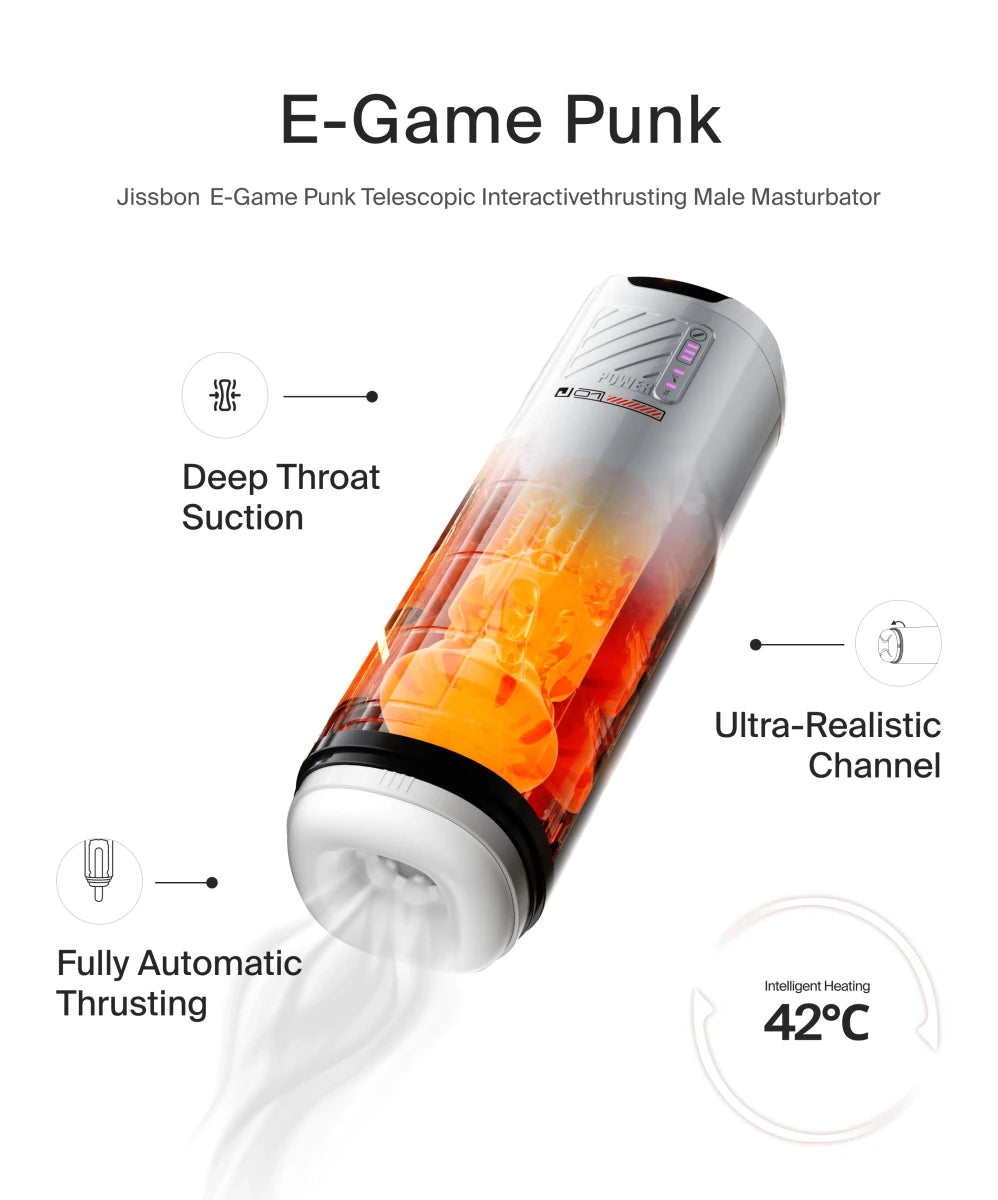
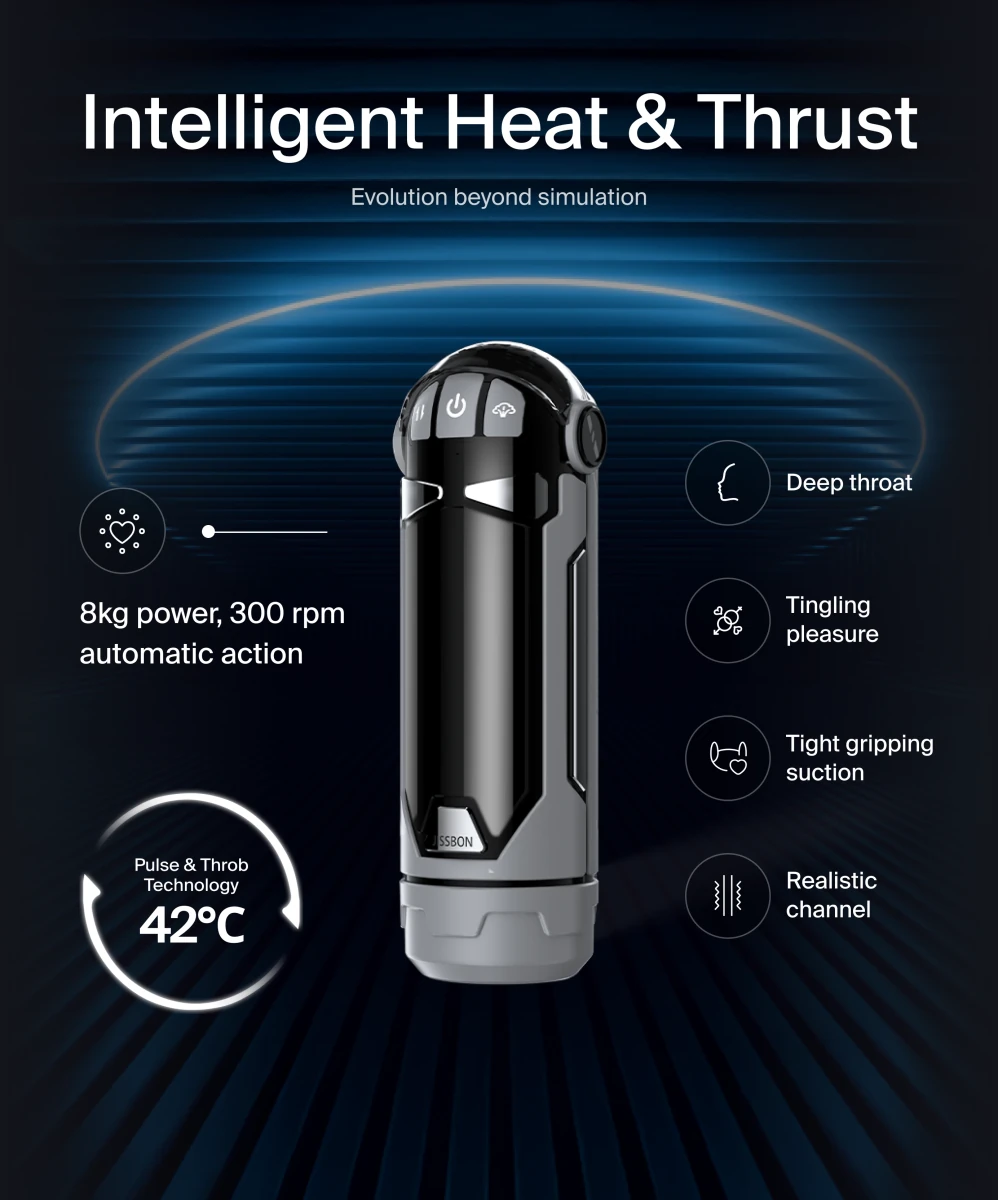
Heating elements, vibration, suction, and remote control aren't possible with household materials. These features dramatically enhance solo experiences.
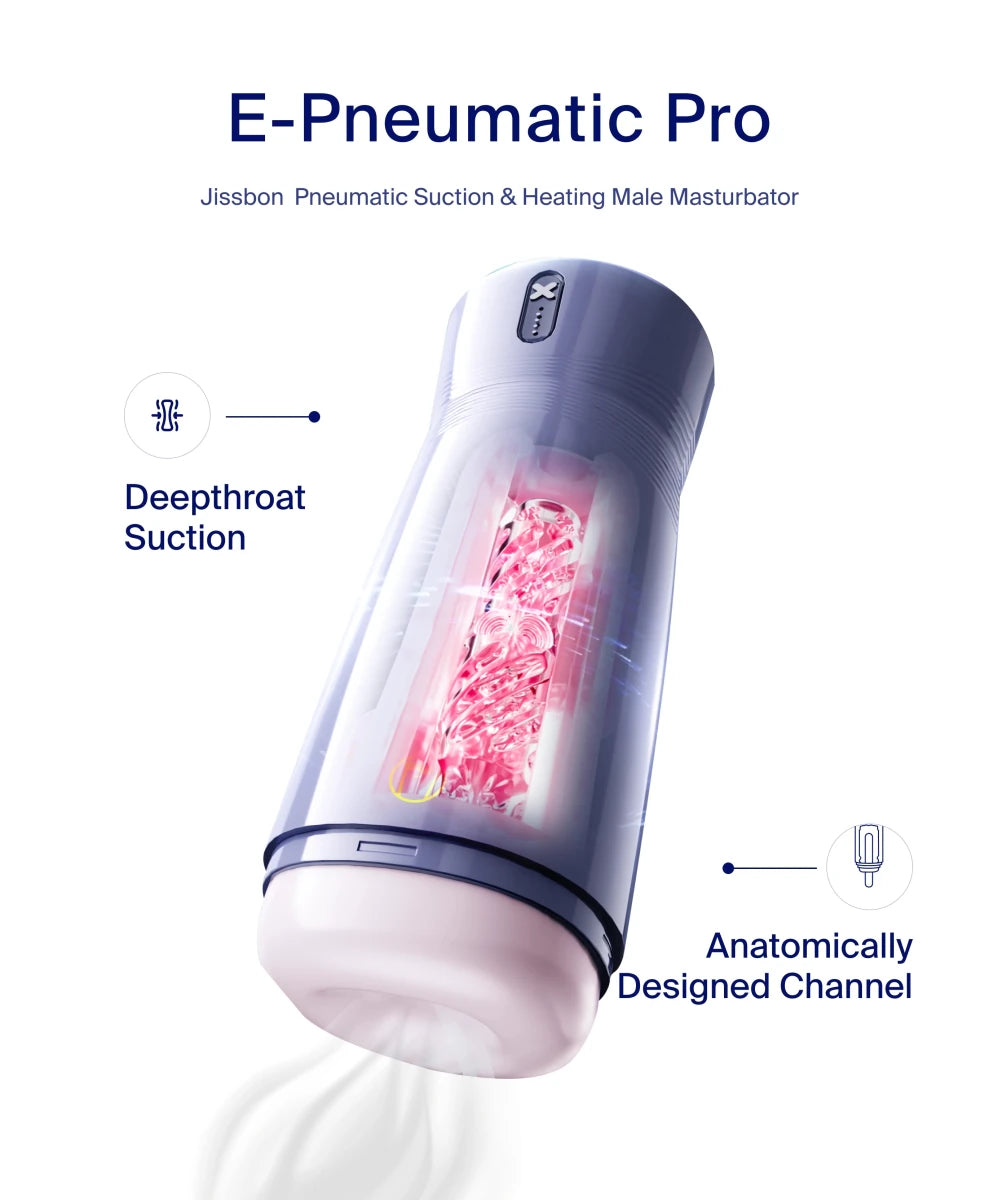
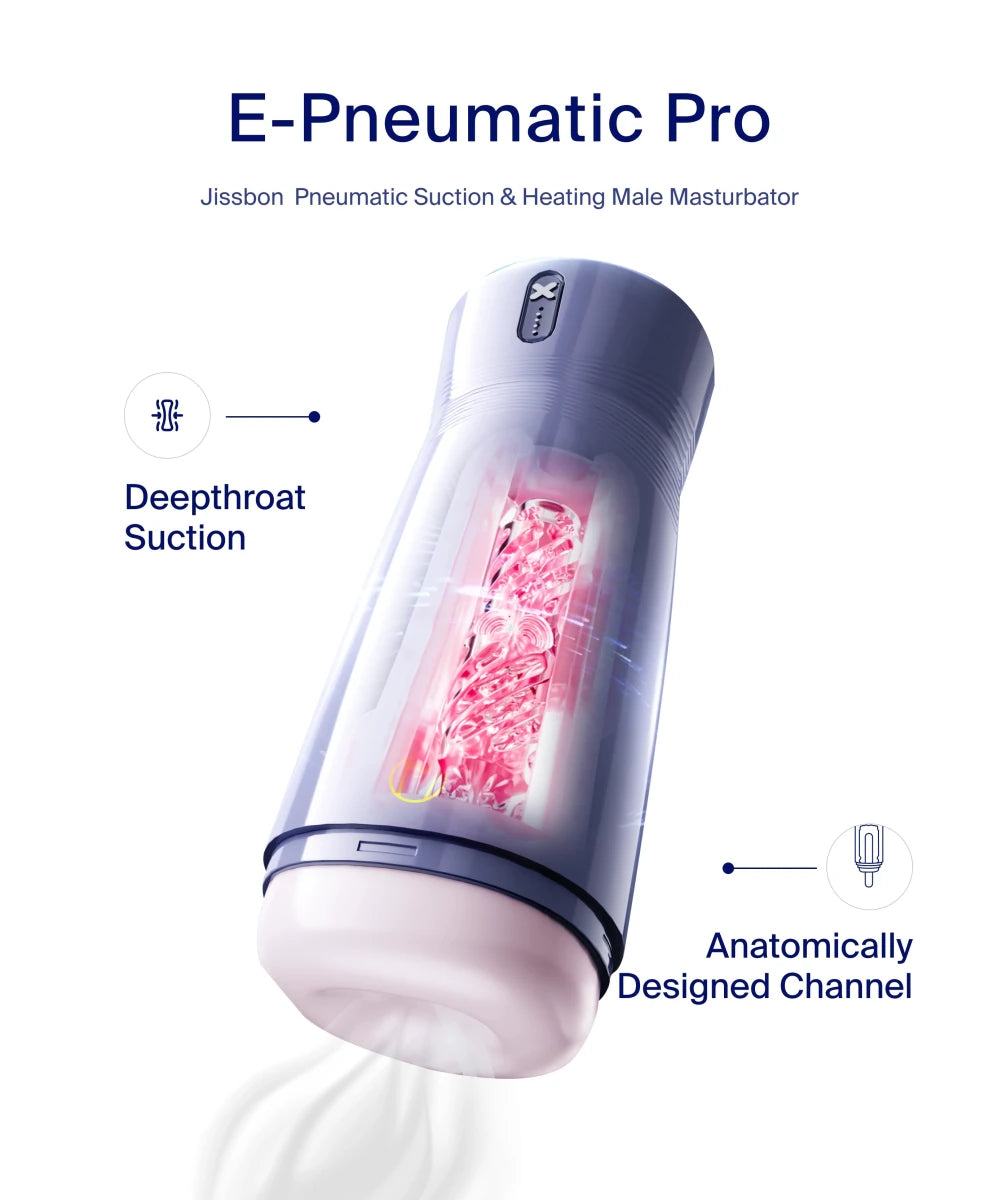
Quality entry-level options like the heating male stroker offer suction and warmth that no DIY version can match, at accessible price points.
Lubrication Essentials for DIY Strokers
Lubricant isn't optionalit's the difference between pleasure and injury when using homemade strokers.
Water-based lubricants
- Pros: Safe with latex gloves; easy cleanup; widely available; generally hypoallergenic
- Cons: Dries relatively quickly, requiring frequent reapplication
- Best for: Any DIY stroker using latex or nitrile gloves
Silicone-based lubricants
- Pros: Long-lasting; doesn't dry out; silky texture
- Cons: Can degrade latex gloves; difficult to wash out of fabric
- Best for: DIY strokers using non-latex materials (polyurethane gloves)
Hybrid lubricants
Blend water and silicone for middle-ground performance. Check compatibility with your glove material.
Application tips:
- Apply 1-2 teaspoons inside the glove before first use
- Reapply every 5-10 minutes or when you notice increased friction
- Never use substitutes like shampoo, conditioner, lotion, or soapthese cause irritation and damage sensitive tissue
- Avoid oil-based products (petroleum jelly, coconut oil) with latexthey degrade the material and create infection risk
For detailed guidance on lubricant safety, Planned Parenthood offers comprehensive resources.
Cleanup & Disposal Best Practices

Proper cleanup protects your health and maintains privacy.
Immediate post-use:
- Remove and dispose of the glove in a sealed bag or wrapped in tissue before discarding in the trash
- Disassemble the towel/sponge/container setup immediately
- Wash your genitals with warm water and mild soap to remove lubricant residue
- Clean your hands thoroughly
Towel & fabric care:
- Launder towels and washcloths separately from other clothing in hot water (140°F+) with detergent
- Add 1/2 cup white vinegar to the wash cycle for additional disinfection
- Dry completely in a hot dryer or in direct sunlight
- Never reuse unwashed towels for intimate purposes
Container & tool care:
- Wash plastic containers, rubber bands, and any reusable components with hot, soapy water
- Rinse thoroughly to remove all soap residue
- Dry completely before storing
- Inspect regularly for cracks, warping, or damage
Disposal considerations:
If you live with roommates or family, wrap disposable components (gloves, used tissues) in opaque material before trashing them. Consider taking trash out yourself on disposal days for privacy.
Storage:
If you're keeping clean components for future DIY sessions, store them in a dedicated sealed container away from shared spaces. Label it innocuously ("gym towels," "craft supplies") if privacy is a concern.
Health Risks & Red Flags
While DIY strokers can be made relatively safely, certain warning signs require immediate attention:
Stop immediately if you experience:
- Sharp pain during or after use (possible abrasion or tear)
- Burning sensation (irritation from materials or insufficient lubrication)
- Bleeding from the penis or urethra (tissue damage)
- Numbness that persists beyond a few minutes (nerve compression)
- Redness, swelling, or rash on the penis, scrotum, or surrounding areas
Seek medical care if you develop:
- Painful urination or difficulty urinating (potential UTI or urethral injury)
- Unusual discharge from the penis (infection)
- Fever or chills accompanied by genital symptoms (systemic infection)
- Persistent pain that doesn't improve with rest
- Visible cuts, abrasions, or lesions
These symptoms can result from insufficient lubrication, contaminated materials, allergic reactions, or excessive friction. Healthcare providers have seen it alldon't let embarrassment prevent you from getting necessary treatment.
The Cleveland Clinic offers detailed information on recognizing and addressing penis injuries and infections.
Why Purpose-Built Products Win
After exploring DIY options, it's worth understanding what makes commercial strokers superior:
Engineered materials
Body-safe silicone and TPE are hypoallergenic, non-porous, and tested for skin contact. They maintain ideal softness while providing realistic texture.
Optimized internal design
Commercial strokers feature chambers, ribs, and varied tightness zones created through extensive user testing. These details dramatically enhance sensation.
Ease of cleaning
Most strokers have removable sleeves that can be turned inside-out, washed with toy cleaner, rinsed thoroughly, and air-dried. Some are even dishwasher-safe.
Durability
Quality strokers last months or years with proper care. At $40-60, that's pennies per use compared to constantly replacing DIY materials.
Advanced features
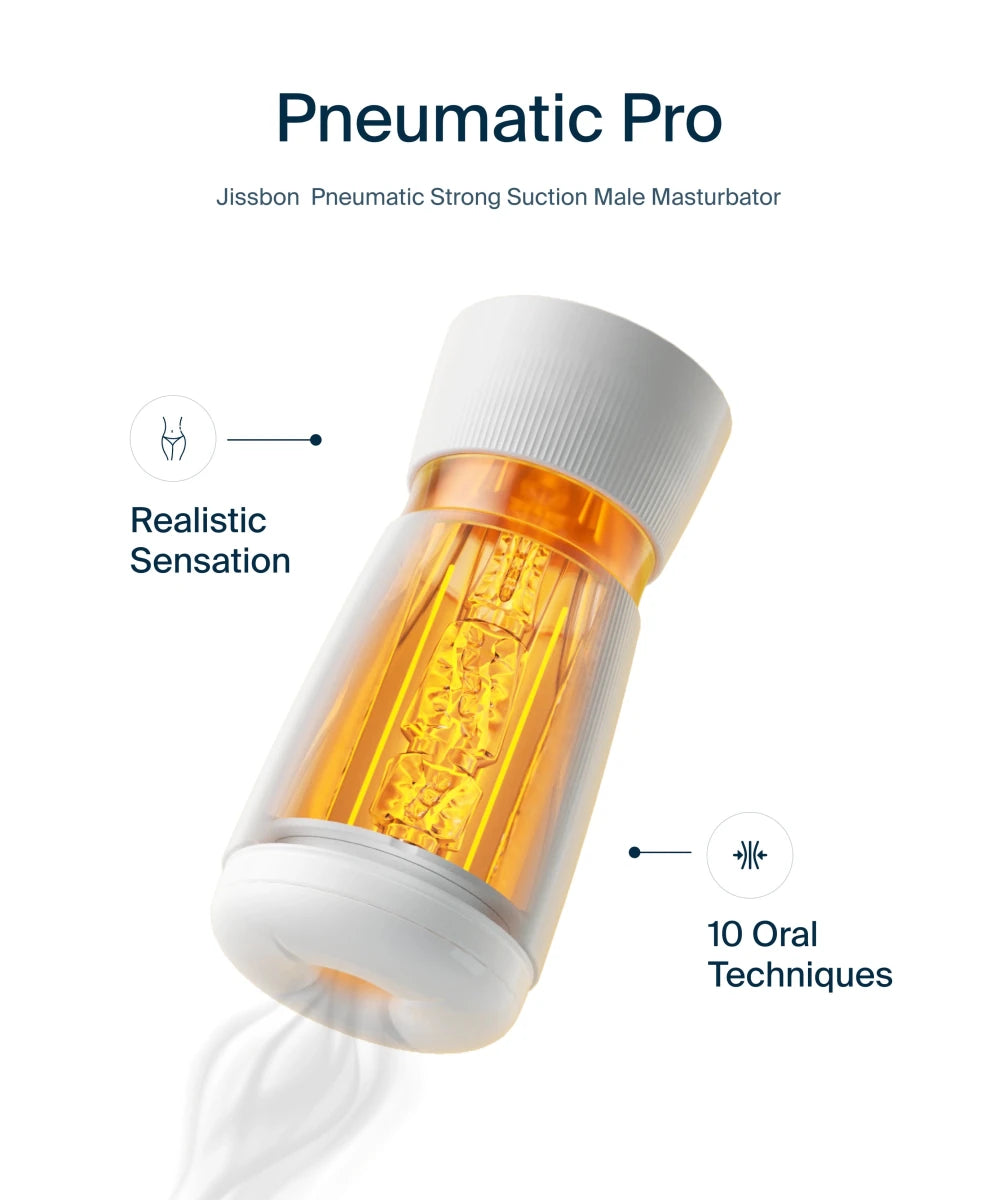
Vibration, suction, heating, automatic stroking, and app connectivity aren't available in homemade versions. These features transform solo experiences.
Privacy & storage
Many strokers come in discreet cases that look like water bottles, flashlights, or other innocent objects. They're designed for real-world storage challenges.
If budget is the only barrier, consider that a $30 investment in a basic commercial stroker eliminates ongoing material costs, dramatically improves sensation, and protects your health far better than any DIY option.
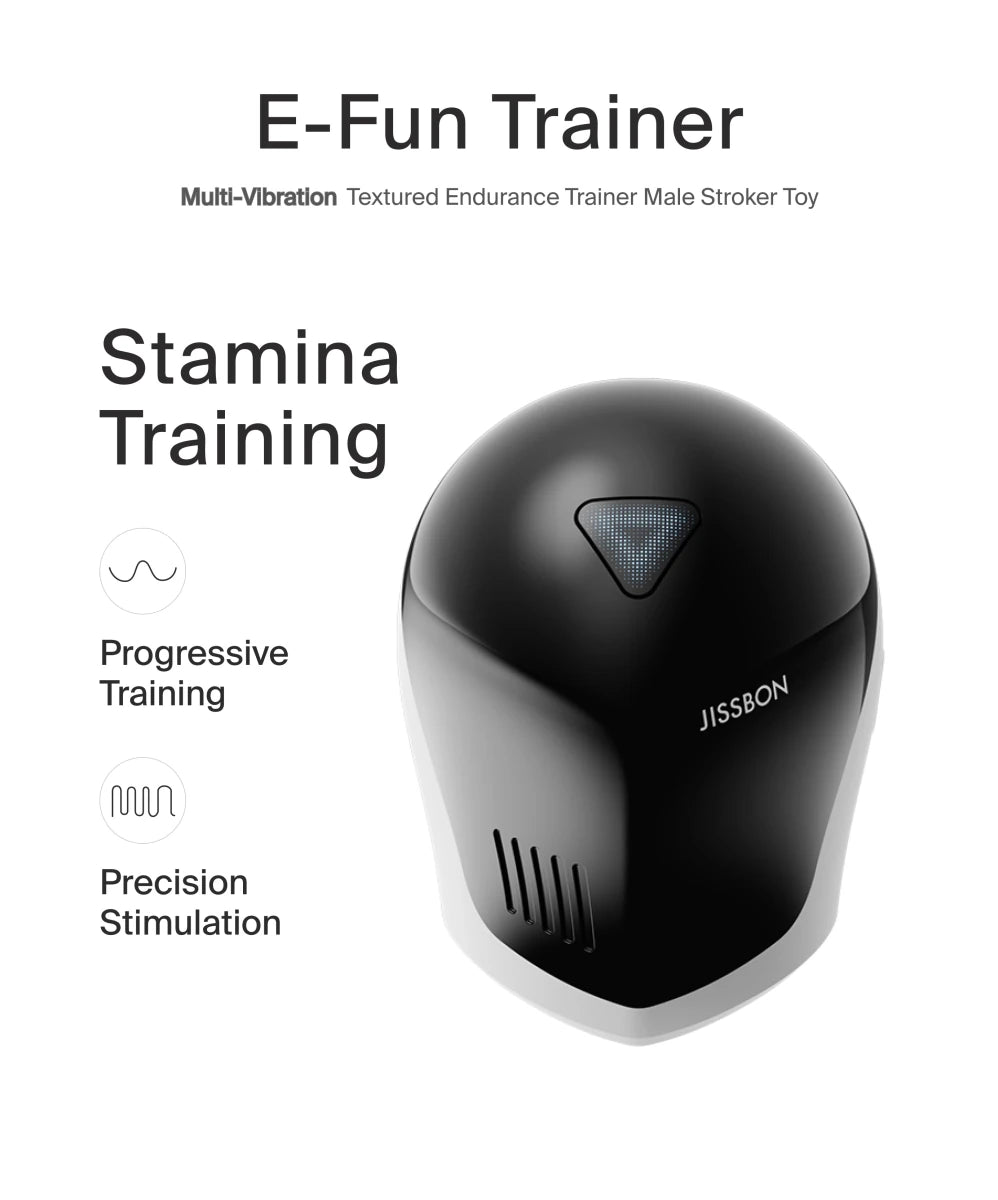
Explore male masturbators at Jissbon to see the difference quality design makes.
Frequently Asked Questions
Is a homemade pocket pussy safe to use?
A homemade pocket pussy can be relatively safe if you follow proper hygiene protocols, use clean materials, apply generous water-based lubricant, and dispose of or wash components immediately after use. However, DIY versions cannot match the safety standards of commercial products.
How many times can I reuse a towel stroker?
The latex or nitrile glove component should be single-use onlyattempting to clean and reuse it creates significant infection risk. The towel can be laundered and reused multiple times, but you should replace it after 3-5 uses maximum, as fabric degrades and develops micro-tears that harbor bacteria.
What's the best lubricant for a DIY pocket pussy?
Water-based lubricant is the best choice for DIY strokers using latex or nitrile gloves. It's compatible with all materials, doesn't degrade latex, washes out of fabric easily, and is gentle on sensitive skin. Apply generously1-2 teaspoons inside the glove before useand reapply every 5-10 minutes as it dries.
Can I add vibration to a homemade stroker?
You can place a small bullet vibrator against the outside of the towel or container for mild vibration transmission. However, results are underwhelming compared to strokers with integrated motors. The vibrations dampen significantly through fabric layers, and there's risk of the vibrator slipping or getting caught in the assembly.
Why does my DIY stroker feel uncomfortable?
Discomfort usually stems from insufficient lubrication, excessive tightness from over-securing rubber bands, rough towel texture against sensitive skin, or torn glove material creating friction. To troubleshoot: apply more lube generously, loosen rubber bands by one level, switch to softer towel material, and inspect the glove for tears before each use.
Is it better to make a DIY stroker or buy one?
If you're using a stroker more than once or twice total, buying a commercial product is objectively better. A $20-30 entry-level stroker offers superior sensation, better hygiene (full washability), longer lifespan (months to years), and eliminates ongoing material replacement costs.
Conclusion
While towel pocket pussy designs and other homemade pocket pussy methods can provide temporary solutions, they come with significant limitations in safety, hygiene, sensation, and durability. If you're exploring DIY strokers due to budget constraints or curiosity, follow the safety protocols outlined here carefullybut plan to upgrade to a purpose-built product as soon as feasible.
Commercial male stroker toys offer engineered internal textures, body-safe materials, easy cleaning, and features impossible to replicate at home. Ready to experience the difference? Discover quality options at Jissbon designed for comfort, safety, and satisfaction.


Looking for something else?

What Is Flogging in Sex? Complete BDSM Flogging Guide
LEARN MORE
What Does Overstimulated Mean Sexually? Causes & Solutions
LEARN MORE
Can You Get a Tattoo on Your Vagina? Safety, Pain & What to Expect
LEARN MORE
Public Sex Kink: Understanding Exhibitionism & Safe Exploration
LEARN MORELooking for something else?

A-Spot Orgasm: Best Positions & How to Find It
LEARN MORE
Bondage Play: Complete Beginner's Guide to Rope BDSM
LEARN MORE
Vibrator Stories: Real Experiences, Tips & What to Expect
LEARN MOREYou may also like
20% off

20% off

20% off

20% off

20% off

20% off

Further reading

How to Clean an Automatic Blowjob Machine Without Damaging the Motor

Remote-Controlled Automatic Masturbators for Couples and Solo Play
Best Automatic Strokers for Edging and Stamina Training