

































































Couples Kink Guide: Safe Exploration & Communication
Stack & Save: Extra 15% with Jissbon15
Jissbon15
Couples kink exploration involves partners discovering and engaging with alternative sexual interests, power dynamics, sensation play, or BDSM activities together. When approached with open communication, clear boundaries, and mutual consent, exploring kink strengthens intimacy, builds trust, and expands pleasure possibilities beyond conventional sexual scripts.
Whether you're curious beginners wondering where to start, established partners seeking new dimensions, or couples with mismatched interests finding middle ground, this guide covers compatibility assessment, communication frameworks, beginner activities, safety protocols, and resources to navigate kink exploration confidently together.
How to Discuss Results Without Shame or Pressure
Many couples take quizzes but freeze when it's time to talk about answers. Here’s a guided script to keep the conversation safe, validating, and zero-pressure.
Start with reassurance
“I’m glad we’re doing this together. There’s no right or wrong answer.”
Compare only the “overlaps” first
Just like MojoUpgrade’s shared-results system, begin with the fun part:
- What we both said “Yes” to
- Which “Maybe” items match
This keeps emotional safety high.
Save mismatches for later
If one partner marked something as a strong yes and the other a hard no:
→ simply acknowledge without discussion.
“No pressure — your ‘no’ is valid. Let’s focus on other areas.”
Create a shared “Kink Map”
A simple map structure couples therapists often suggest:
|
Category |
Interest Level |
Notes |
|
Power dynamics |
High / Medium / Low |
Preferred role, intensity |
|
Sensation |
High / Low |
Which sensations excite/avoid |
|
Bondage |
Curious / Not curious |
Soft ties vs rope |
|
Emotional tone |
Playful / Strict / Romantic |
Helps align scene style |
Scene Styles to Help Couples Define Their Dynamic
1. Playful / Flirty Domination
Teasing, giggling, light commands.
Best for shy beginners.
2. Romantic Power Exchange
Soft voice, praise, slow tempo.
Makes kink feel emotionally intimate.
3. Disciplinary Dynamic
More structure:
- Rules
- Corrections
- Formal language
Great for couples who enjoy role consistency.
4. Sensory-Driven Scenes
Focus on touch, temperature, fabrics. Ideal for couples not ready for psychological intensity.
5. Fantasy Roleplay Scenes
Teacher/student, strangers meeting, massage therapist, etc.
Popular on TikTok & Reddit roleplay threads.
Understanding Couples Kink Basics
Kink encompasses a broad spectrum of interests, not a single activity or identity.
What Counts as Kink
Any sexual interest outside mainstream vanilla activity can be considered kink. This includes:
- Power exchange (dominance/submission dynamics)
- Sensation play (impact, temperature, tickling, wax)
- Restraint and bondage
- Role-playing and fantasy scenarios
- Fetishes for specific objects, materials, or body parts
- Exhibitionism or voyeurism within consensual contexts
- Sensory deprivation (blindfolds, earplugs)
Why Couples Explore Kink
Research on sexual satisfaction and novelty indicates that trying new experiences together can increase relationship satisfaction, improve communication skills, and deepen emotional intimacy beyond just the physical realm.
Partners often find that kink exploration reveals aspects of themselves they didn't know existed—discovering you enjoy surrendering control or taking charge can be transformative for self-understanding and confidence.
Common Misconceptions
Kink doesn't mean extreme, dangerous, or emotionally unhealthy practices. Most couples engage in mild-to-moderate activities focusing on playfulness, trust-building, and enhanced sensation.
You don't need expensive equipment, elaborate setups, or special skills to begin. Simple activities like blindfolding, light spanking, or introducing dominant/submissive language cost nothing and require minimal preparation.
Assessing Compatibility: The Kink Quiz Approach

Before diving into activities, understanding each partner's interests, limits, and curiosities prevents mismatched expectations.
What Kink Quizzes Measure
Compatibility assessments typically evaluate:
- Interest level in various activities (from "hard no" to "very interested")
- Preferred roles (dominant, submissive, switch, or none)
- Comfort with intensity levels
- Specific fetishes or turn-ons
- Absolute boundaries and limits
Popular Online Tools
Several websites offer couples kink quizzes that compare partner responses privately, showing only overlapping interests:
- BDSMTest.org: Comprehensive assessment revealing percentage alignments across multiple kink categories
- MojoUpgrade: Shows matching interests only (if one partner marks "no" and the other "yes," neither sees the other's answer)
- We-Connect: App-based compatibility questionnaires with privacy settings
Communication Framework for Safe Exploration
How you talk about kink matters as much as what you try.
Creating Safe Discussion Space
Choose timing carefully—not during arguments, not immediately after sex when vulnerability is high, not when rushed or distracted. Neutral, relaxed settings work best.
Frame exploration as collaborative discovery: "I'm curious about trying..." rather than demanding or surprising your partner with new requests.
The "Yes, No, Maybe" List Exercise
Create three columns and categorize activities:
- Yes: Definitely interested, eager to try
- No: Absolute boundary, not open to discussion
- Maybe: Curious but uncertain, might try with right conditions
Both partners complete their lists independently, then compare. Focus conversation on "Yes" and "Maybe" overlaps first—these offer starting points. Respect all "No" responses without pressure.
Establishing Boundaries Before You Begin
Discuss these specifics:
- Physical limits (where on body is okay/off-limits for impact, restraint, etc.)
- Emotional limits (degrading language okay? romantic dynamics maintained?)
- Time boundaries (how long sessions last, when to stop)
- Privacy expectations (photos/videos okay? telling friends?)
Safe Words and Check-In Systems
According to guidance on BDSM safety practices, establishing clear stop signals is essential. The traffic light system works well:
- Green: Everything's great, continue or escalate
- Yellow: Approaching limits, slow down or check in
- Red: Stop immediately
Some couples prefer a single safe word (something unusual you wouldn't say during sex normally—"pineapple," "mercy," "timeout").
Beginner-Friendly Activities to Start
You don't need to jump into elaborate scenarios. Simple experiments build comfort gradually.
Blindfolding & Sensory Play
What It Involves: Removing sight heightens other senses. The receiving partner wears a blindfold while the giving partner provides varied sensations—soft feathers, ice cubes, warm massage oil, gentle scratching.
Why It's Good for Beginners: Low intensity, easily reversible (just remove blindfold), allows focus on sensation without visual self-consciousness, builds anticipation and trust.
How to Start: Use a sleep mask, soft scarf, or dedicated blindfold. Begin with just 5-10 minutes. The person wearing the blindfold maintains control—they can remove it anytime.
Light Restraint Play
What It Involves: Gently restricting movement using soft restraints, ties, or simply holding wrists. This creates vulnerability and power exchange without pain or extreme restriction.
Why It's Good for Beginners: Clear visual of power dynamic shift, easily released if uncomfortable, creates anticipation and heightened arousal, minimal equipment needed.
Starting Safely: Use soft materials that don't tighten (avoid rope initially). Under-bed restraint systems from quality retailers like Jissbon offer secure but easily-released options. Never leave a restrained partner alone.
Spanking & Light Impact
What It Involves: Using hands or paddles to create stinging sensations on fleshy areas (buttocks, thighs). Intensity ranges from playful pats to firmer strikes.
Why It's Good for Beginners: Intuitive (most people have playfully swatted partners before), intensity easily controlled, combines pain with pleasure in manageable ways.
Technique Tips: Start with open hand on buttocks only. Warm up with lighter strikes before increasing intensity. Avoid bony areas (spine, tailbone). Check in frequently about intensity level.
Dominant/Submissive Language
What It Involves: Using words to establish power dynamics—commands, titles (sir/miss), requests for permission, praise, or (consensual) degradation.
Why It's Good for Beginners: Costs nothing, requires no equipment, establishes psychological power exchange, can be as mild or intense as comfortable.
Examples:
- Dominant: "Ask me nicely" / "You're not allowed to come yet"
- Submissive: "Please may I..." / "Yes, sir/miss"
- Praise: "Good girl/boy" / "You're doing so well"
Role-Playing Scenarios
What It Involves: Adopting characters or scenarios—teacher/student, doctor/patient, strangers meeting, boss/employee. This creates psychological distance that some find freeing.
Why It's Good for Beginners: Playful, allows exploration of dynamics without attaching them to your real relationship, easy to stop by "breaking character."
Simple Scenarios: Meeting as strangers at a bar, strict teacher addressing misbehaving student, massage therapist with client. Keep it light initially.
Advancing Your Exploration Gradually

Once comfortable with basics, progression happens naturally through communication and experimentation.
Reading Your Partner's Responses
Non-verbal cues reveal enjoyment or discomfort. Look for:
- Positive: Increased arousal signs (breathing, vocalizations), leaning into touch, enthusiastic responses
- Concerning: Tensing, pulling away, silence when usually vocal, lack of engagement
Always verbally confirm: "You seem really into this—is that accurate?" gives them opening to clarify.
Introducing New Elements
Add one new element at a time. Don't combine restraints + blindfold + impact + new language all at once. Layer gradually so both partners can process each addition.
Kink-Specific Products
As interests clarify, quality tools enhance experiences:
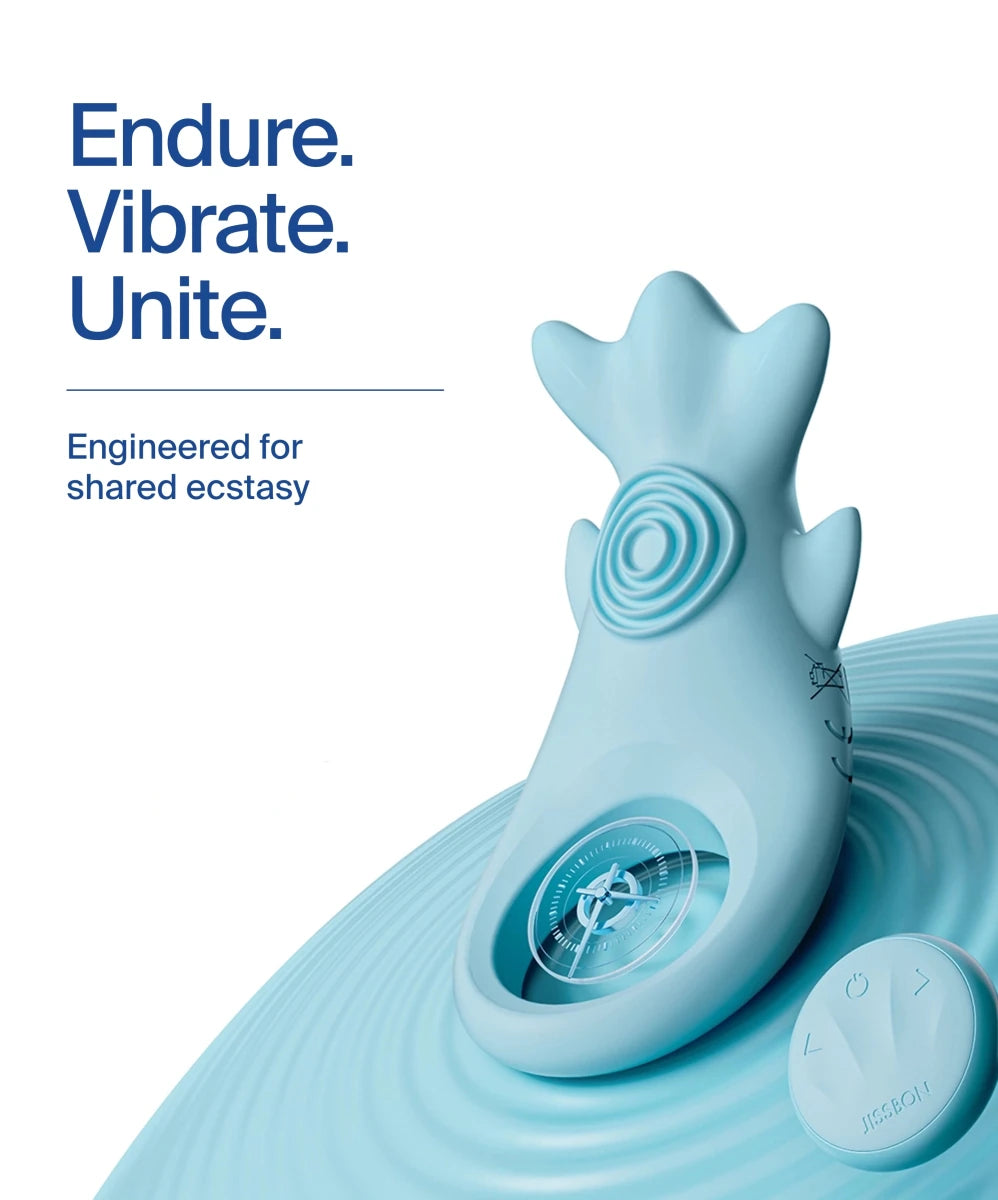
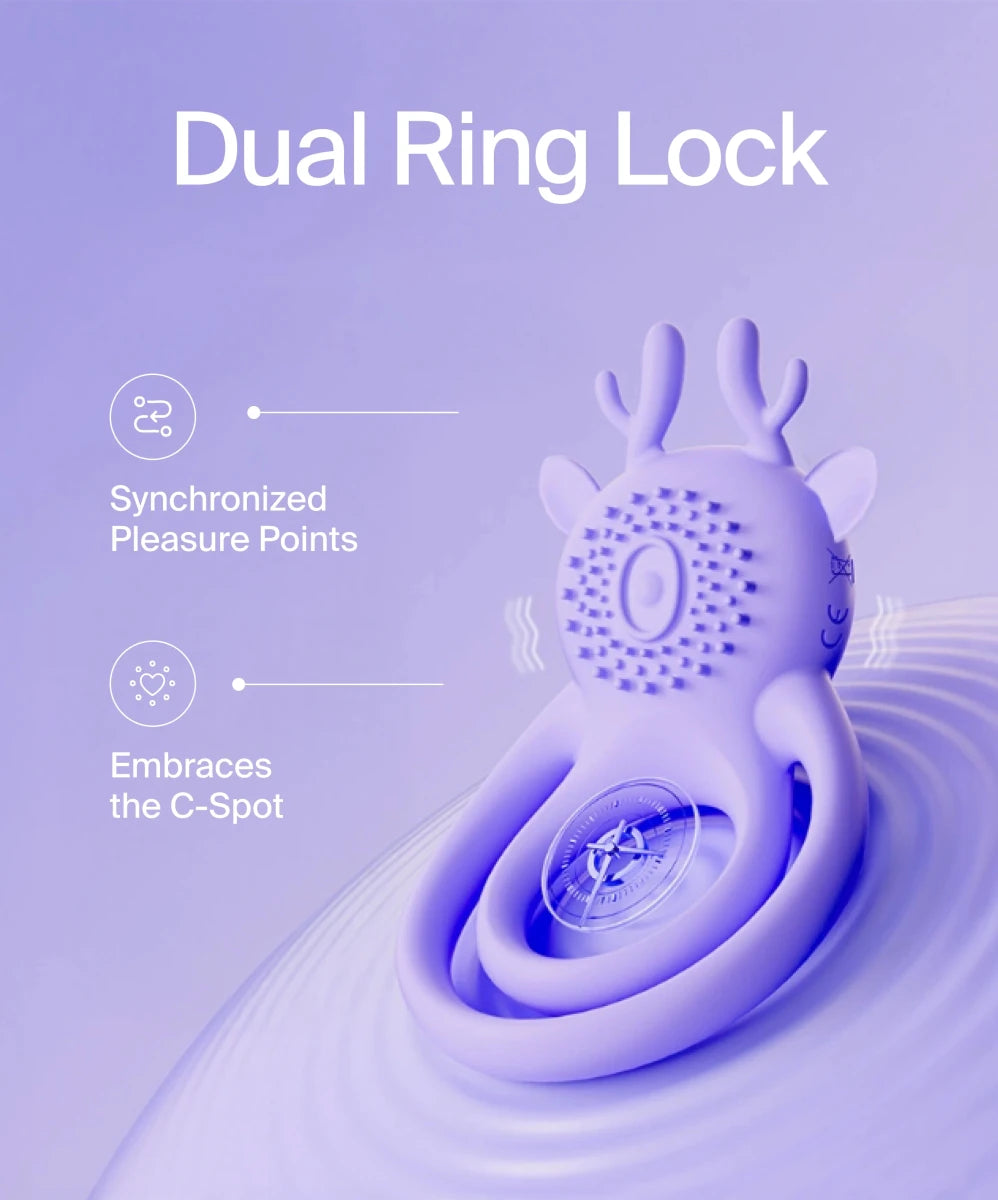
- Cock rings with vibration for shared sensation during power play
- Impact toys (paddles, crops) offering varied sensations
- Restraint systems providing security and ease of use
- Sensation tools (wartenberg wheels, feathers, temperature toys)
Power Exchange Dynamics
What It Means: One partner assumes decision-making control during scenes—directing activities, giving permission, setting pace. The other surrenders control within agreed boundaries.
Why Some Couples Love It: Releases pressure of decision-making for the submissive partner, allows dominant partners to express leadership, creates clear structure reducing ambiguity.
Starting Points: Begin with short scenes (15-30 minutes) where one partner directs bedroom activities. Keep it simple: "Tonight, I'm in charge. You'll do what I ask. Safe word is [word]."
Addressing Mismatched Interests
Not all couples perfectly align in kink desires—this is common and navigable.
Finding Compromise
If one partner is more kinky than the other:
- Agree on frequency (kinky sessions once weekly, vanilla other times)
- Identify overlapping interests even if enthusiasm differs
- The less interested partner finds something they mildly enjoy that satisfies the more kinky partner
The "Gift" Mindset
Sometimes partners engage in activities primarily to please each other, not because they personally crave it. This is healthy if:
- Both people freely choose this arrangement
- The "gifting" partner has genuine willingness, not resentment
- It happens reciprocally in the relationship
- Clear boundaries remain respected
When Gaps Are Too Large
If one partner needs kink and the other has zero interest or finds it distressing, professional guidance from sex-positive therapists helps navigate options: accepting incompatibility, exploring ethical non-monogamy, or finding creative compromises.
Safety Considerations & Risk Awareness
Informed consent requires understanding actual risks, not just theoretical ones.
Physical Safety
Different activities carry different risk profiles:
- Low risk: Blindfolding, light spanking, soft restraints easily removed
- Moderate risk: Firmer impact (bruising possible), restraints requiring keys/releases
- Higher risk: Breath play, suspension, intense pain play
Start with low-risk activities. Research proper techniques before trying moderate or higher-risk activities—improper rope bondage can cause nerve damage, for instance.
Emotional Safety
Kink can trigger unexpected emotional responses—past trauma surfacing, surprising vulnerability, or emotional drops after intense scenes. According to mental health perspectives on BDSM, aftercare (comforting, reconnecting after scenes) prevents negative psychological effects.
Aftercare Practices
Following intense scenes:
- Physical comfort (blankets, water, snacks)
- Emotional connection (cuddling, affirmation, debriefing)
- Time to transition back to everyday roles
- Checking in over following days
Both dominant and submissive partners may need aftercare—giving can be emotionally intense too.
Resources for Continued Learning
Education improves both safety and pleasure as exploration deepens.
Books Worth Reading
- The New Topping Book and The New Bottoming Book by Dossie Easton and Janet Hardy
- SM 101 by Jay Wiseman (comprehensive safety manual)
- The Ultimate Guide to Kink edited by Tristan Taormino
Online Communities
Forums like Reddit's r/BDSMcommunity offer advice, though always verify safety information with multiple sources. FetLife functions as a social network for kinky people, with local event listings.
Workshops & Classes
Many cities offer in-person or virtual classes on rope bondage, impact play, or power exchange. These provide hands-on instruction in safe techniques.
Finding Quality Products
Sex toys for couples designed for kink exploration prioritize body-safe materials, thoughtful engineering, and ease of use for beginners. Quality matters for safety and enjoyment.
Frequently Asked Questions
What is the 2-2-2 rule for couples, and does it apply to kink?
The 2-2-2 rule suggests:
- A date every 2 weeks
- A weekend away every 2 months
- A longer trip every 2 years
For kinky couples, a variation might be:
- A kink conversation every 2 weeks
- A dedicated kink scene every 2 months
- A kink workshop or retreat every 2 years
It ensures connection and growth.
How do we explore kink without making it weird?
Use structured tools:
- yes/no/maybe list
- kink quizzes
- pre-scene negotiation
Keep tone playful. “Weirdness” disappears when both partners express curiosity rather than pressure.
How do we communicate kink safely if one partner is shy?
Start indirectly using:
- shared quizzes
- TikTok-style “point to your kink” games
- anonymous text-based lists
Shy partners often express themselves more easily in writing.
Can exploring kink strengthen our relationship?
Yes — studies on novelty and relationship satisfaction show that shared exploration increases:
- trust
- vulnerability
- communication
- erotic connection
As long as consent and pacing are respected.
What’s the safest beginner kink for couples?
Most educators recommend:
- blindfolds
- sensation play
- light power dynamics
- soft restraints
These offer intensity without complex risks.
How do we start the conversation about trying kink?
Frame it as curiosity and shared exploration: "I've been curious about trying [activity]. What do you think about experimenting with it together?" Emphasize partnership—you're exploring together, not making demands. Share articles or take compatibility quizzes together to ease into discussion.
Is wanting kink normal and healthy?
Yes. Research consistently shows that interest in consensual kink activities is common and not associated with psychological problems. Studies indicate kinky individuals often show higher levels of communication skills and relationship satisfaction compared to exclusively vanilla practitioners.
What if my partner isn't interested in my kink?
First, ensure you've communicated openly without pressure. If they remain uninterested after honest discussion, you have options: accept this difference and focus on shared interests, explore the kink solo (through fantasy, literature, media), or if the need is strong enough, consider whether this incompatibility is relationship-ending.
How do we know if we're going too far?
Continuous check-ins, safe word use, and emotional processing after scenes help gauge appropriate intensity. If either partner experiences lasting distress, recurring negative feelings, or physical injury beyond expected temporary marks, you've likely exceeded healthy boundaries. Slow down and reassess.
Can kink help fix a struggling relationship?
Kink requires strong communication and trust—foundations a struggling relationship may lack. It can deepen existing healthy relationships but isn't a band-aid for fundamental problems. Address communication, trust, and emotional connection issues first, potentially with professional help, before adding kink complexity.
Should we tell friends or family about our kink interests?
This is entirely personal. Many couples keep kink private, sharing only with other kinky friends or communities. There's no obligation to disclose your sex life to anyone. If you do share, choose trusted individuals who respect boundaries and won't shame or judge.
Conclusion
Couples kink exploration opens new dimensions of intimacy, pleasure, and self-discovery when approached with clear communication, informed consent, and mutual respect. Starting with compatibility assessment, establishing boundaries, trying beginner activities, and gradually advancing as comfort grows creates positive experiences that strengthen relationships.
Whether your interests lean toward mild sensation play or more elaborate power exchange, the foundation remains constant: trust, honesty, and prioritizing both partners' wellbeing. Ready to explore kink-friendly products designed for couples? Discover restraints, impact tools, and sensation play items at Jissbon crafted for safe, satisfying exploration together.


Looking for something else?

Sex Positions from Behind: 8 Beyond Doggy Style
LEARN MORE
What Does a Vulva Taste Like? Facts & Myths Explained
LEARN MORE
Straddle Sex Position: 7 Variations & Tips
LEARN MORE
Mistress Slave Relationship in BDSM: Complete Guide
LEARN MORELooking for something else?

Sensual Domination: Guide to Affectionate Power Play
LEARN MORE
Best Prostate Massager for Beginners: Complete Guide
LEARN MORE
Dominant Sex Positions: 8 Power Positions & Tips
LEARN MOREYou may also like
20% off

20% off

20% off

20% off

20% off

20% off

Further reading
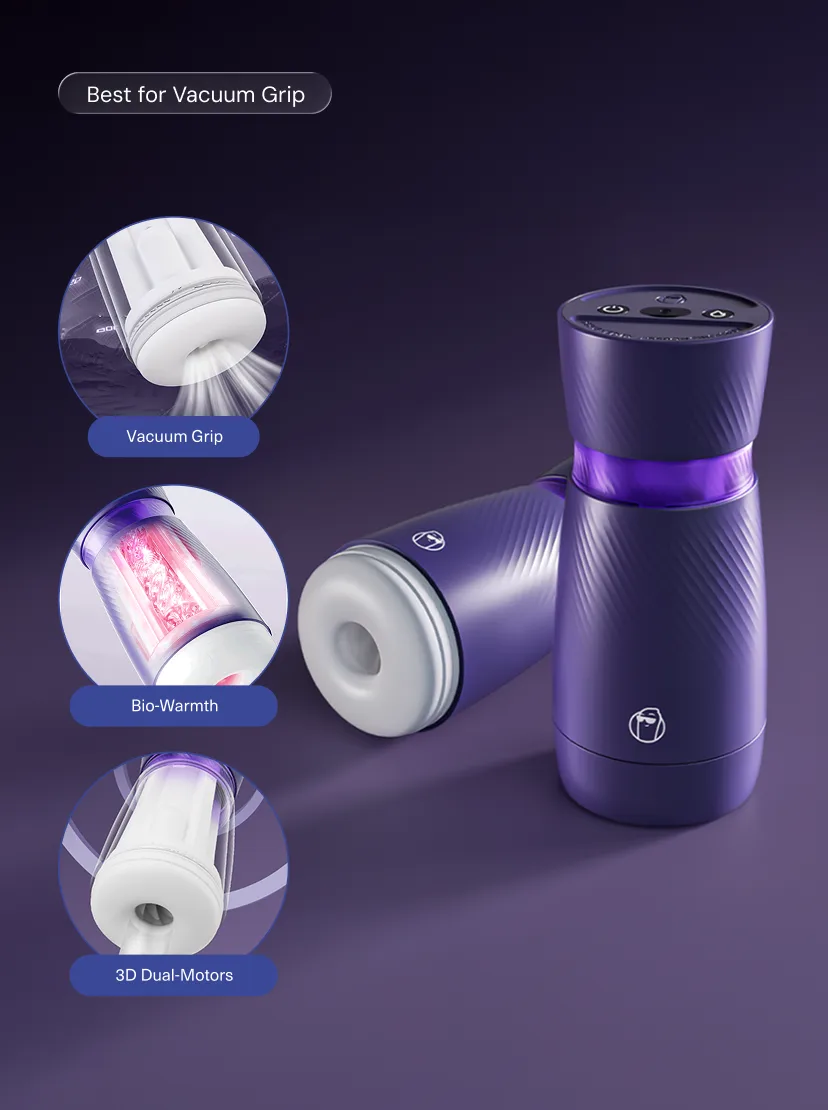
Automatic Male Masturbator vs Manual Stroker: Which Should You Buy?

11 Best Automatic Blowjob Machines for Men in 2026

Understanding Smoking Fetish: The Erotic Appeal of Cigarettes