




































Constellation Piercing: Your Guide to Curated Ear Styling
Stack & Save: Extra 15% with Jissbon15
Jissbon15
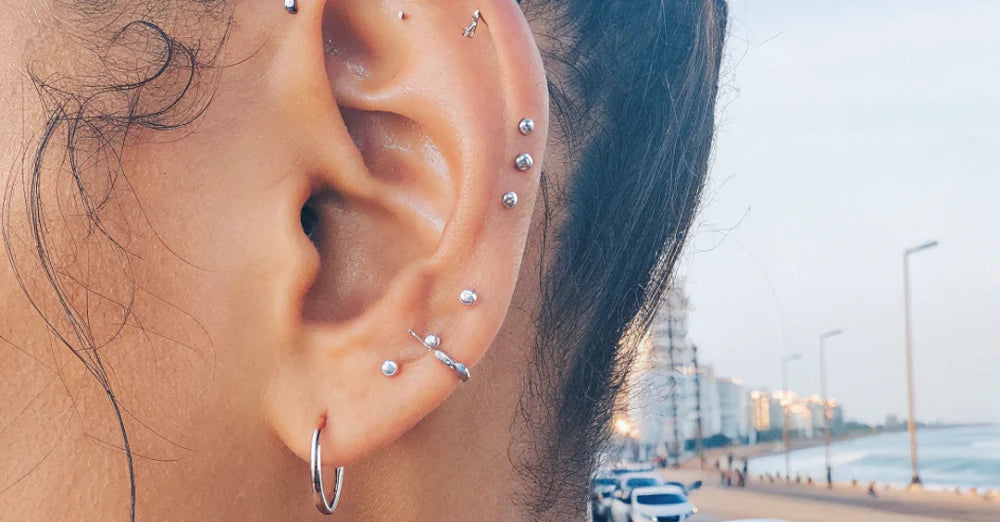
Constellation piercings transform your ears into personalized art through strategic placement of multiple studs, hoops, and decorative jewelry. Unlike single piercings, this approach creates visual patterns inspired by star clusters—balancing symmetry, asymmetry, and intentional spacing.
This guide covers planning your ear constellation, choosing compatible placements, understanding healing timelines, selecting quality jewelry, and maintaining long-term ear health. Whether you're adding to existing piercings or starting fresh, you'll learn how to design a cohesive look that suits your style.
Zodiac-Inspired Constellation Piercings
Some people design their ear constellations to echo their zodiac sign or favorite star patterns:
- Literal constellations
-
- Use 3–7 piercings to loosely mimic the shape of Leo, Sagittarius, Orion, Cassiopeia, etc.
- Larger “anchor” studs mark the brightest stars; tiny studs or micro hoops connect the “lines.”
- Element-based designs
-
- Fire signs (Aries, Leo, Sagittarius): sharp shapes, spikes, sun or flame motifs, warm yellow gold.
- Water signs (Cancer, Scorpio, Pisces): teardrop stones, shell motifs, opals, cool silver or white gold.
- Air signs (Gemini, Libra, Aquarius): minimalist bars, floating dots, negative space.
- Earth signs (Taurus, Virgo, Capricorn): green stones, nature motifs, textured metal.
- Birthstone mapping
-
- Use your birthstone (or that of a loved one) as the main conch/daith piece, with tiny coordinating stones scattered around the ear.
Lobe-Only Constellations for Low-Pain, Low-Risk Styling
You don’t have to commit to heavy cartilage work to get a constellation look. Lobe-only constellations are:
- Lower pain / faster healing – lobes usually heal in 6–8 weeks vs. 6–12 months for cartilage.
- Office- and headphone-friendly – less interference with headbands, helmets, or masks.
- Flexible for styling – you can switch between minimalist studs and bolder hoops anytime.
Popular lobe-only layouts:
- Triple or quad lobe stack: 3–4 piercings in a gentle diagonal or curve.
- “Star cluster” lobe: 2–3 close-set piercings in a triangle or arc instead of one straight line.
-
Mismatched lobes: one side with a neat vertical row, the other with a scattered mini-cluster.
Lobe-only constellations are perfect if you want the curated aesthetic with minimal healing drama.
What Makes a Constellation Piercing Different?
The term refers to curated groupings rather than a specific piercing type. Key characteristics include:
- Intentional spacing that creates visual flow across the ear
- Mixed jewelry styles (studs, hoops, chains) working as a unified set
- Gradual building over months or years as new piercings heal
- Personalized patterns reflecting individual aesthetic rather than trends
- Balance between ears (matching, mirrored, or deliberately asymmetrical)
Think of it as designing a composition where each element contributes to the overall effect. Random piercings become intentional when planned with the final vision in mind.
Popular Constellation Styles and Placements

Different ear anatomies support different arrangements. Here are proven combinations:
The Classic Cluster (3-5 Piercings)
Best for: First-time curators wanting subtle enhancement
Placement options:
- Three lobe piercings (graduated sizes from large to small moving upward)
- Two lobe + one helix (diagonal line following ear curve)
- Two lobe + tragus (balances front and outer ear)
Jewelry approach:
- Match metal tones (all gold or all silver)
- Vary sizes but keep styles cohesive (all studs or mix one hoop)
- Use gemstones in the same color family
The Ascending Arc (5-7 Piercings)
Best for: Creating vertical movement along the outer ear
Placement options:
- Standard lobe + mid lobe + upper lobe + helix + forward helix
- Lobe trio + flat + helix double
Jewelry approach:
- Graduate from larger pieces at bottom to delicate at top
- Create rhythm with alternating styles (stud-hoop-stud-hoop)
- Connect two piercings with a delicate chain for cohesion
The Scattered Star Field (7-10 Piercings)
Best for: Maximalist aesthetic across full ear landscape
Placement options:
- Full lobe trio + tragus + daith + multiple helix + conch + forward helix
- Utilizes both inner and outer ear real estate
Jewelry approach:
- Establish anchor pieces (statement daith hoop, bold conch stud)
- Fill surrounding space with smaller complementary pieces
- Allow negative space—not every available spot needs jewelry
The Asymmetrical Statement
Best for: Bold, editorial looks with visual tension
Placement options:
- Heavy piercing on one ear (8+ piercings), minimal on other (1-3)
- Different styles per ear (geometric on left, organic on right)
- Matching placement but opposite jewelry (hoops left, studs right)
Jewelry approach:
- Intentional contrast creates impact
- Ensure "minimal" ear still feels complete, not forgotten
- This style requires confidence—own the imbalance
Anatomy-Based Planning: What Works for Your Ears
Not all ears support all piercings. Assess these factors before committing:
Cartilage Thickness and Shape
|
Ear Feature |
Best Piercings |
Challenging Piercings |
|
Prominent helix rim |
Helix, forward helix, industrial |
Flat (insufficient space) |
|
Deep conch bowl |
Conch, orbital |
Rook (may be too shallow) |
|
Pronounced tragus |
Tragus, anti-tragus |
Daith (limited access) |
|
Flat inner cartilage |
Flat, rook, daith |
Forward helix (may lack structure) |
|
Large lobe |
Multiple lobe stack, stretched piercings |
N/A (very versatile) |
A professional piercer can map your unique anatomy during consultation. They'll identify ideal spots and flag areas where piercings might migrate or reject.
Consider Your Daily Activities

Certain lifestyles impact piercing feasibility:
- Athletes/active individuals: Avoid daith and rook initially (helmets, headbands cause irritation)
- Phone-heavy jobs: Forward helix and tragus may press uncomfortably during calls
- Over-ear headphone users: Multiple helix piercings can conflict with headband pressure
- Hair stylists/medical professionals: Minimize dangling jewelry that catches in hair or equipment
Plan around your reality rather than forcing incompatible aesthetics.
The Strategic Timeline: Building Your Constellation
Cartilage heals slowly—attempting too many piercings simultaneously invites complications.
Recommended Pacing
Phase 1 (Months 0-3):
- Get 1-2 cartilage piercings maximum (or 2-3 lobe piercings)
- Focus on opposite sides of the ear if getting two
- Allow body to allocate healing resources without overload
Phase 2 (Months 4-9):
- Add 1-2 more once initial piercings show signs of healing (no pain, minimal crusties)
- Can add lobe piercings more liberally (heal faster than cartilage)
Phase 3 (Months 10-18):
- Continue gradual additions
- Reassess overall balance as collection grows
- Some people pause here; others continue building for years
Maintenance Phase (18+ months):
- All piercings fully healed
- Can safely experiment with jewelry changes
- Consider whether you've achieved desired aesthetic or want further additions
Why Patience Matters
Each cartilage piercing requires 6-12 months to fully heal internally, even if it looks healed externally. Overloading your system leads to:
- Prolonged inflammation across all piercings
- Increased risk of keloids or hypertrophic scarring
- Migration or rejection as body struggles to heal multiple wounds
- Infection spread between adjacent fresh piercings
Slow building ensures each piercing heals optimally before adding stress.
Jewelry Selection: Materials and Styles
Quality jewelry prevents irritation, speeds healing, and elevates your aesthetic.
Healing-Phase Materials (First 6-12 Months)
Only these materials should touch fresh piercings:
|
Material |
Advantages |
Considerations |
|
Implant-grade titanium (Ti6Al4V ELI) |
Hypoallergenic, lightweight, affordable |
Limited color options (grey/black) |
|
14k+ solid gold |
Beautiful, body-safe when pure |
Expensive; verify karats (avoid plated) |
|
Niobium |
Anodizes to vibrant colors, hypoallergenic |
Less common, harder to source |
|
Platinum |
Premium, inert, hypoallergenic |
Very expensive |
Never use during healing:
- Surgical steel (contains nickel—common allergen)
- Plated jewelry (coating wears off, exposes base metals)
- Acrylic, wood, or porous materials (harbor bacteria)
Post-Healing Jewelry Expansion
Once fully healed, you can explore:
- Sterling silver (tarnishes; remove before water exposure)
- Fashion jewelry for occasional wear (watch for irritation)
- Gemstone studs, dangling charms, huggies, barbells
- Mixed metals within same ear (intentional contrast)
Sizing Guidelines
Stud post length:
- Healing phase: 6-8mm (allows swelling)
- Healed phase: 5-6mm (flush fit)
Hoop diameter:
- Daith: 8-10mm
- Helix: 6-8mm
- Tragus: 6-7mm
- Conch: 10-12mm
Too-small jewelry embeds; too-large jewelry catches and migrates. Professional measurement ensures proper fit.
Designing Visual Cohesion
Random piercings become constellations through intentional design choices.
Color and Metal Coordination
Monochromatic approach:
- All yellow gold creates warm, classic elegance
- All white gold/silver reads modern and cool
- All rose gold offers romantic, trendy vibe
Mixed metal strategy:
- Choose one dominant metal (70% of pieces)
- Accent with complementary metal (30%)
- Ensure mixing looks deliberate, not accidental
Gemstone integration:
- Limit to 2-3 coordinating colors across full ear
- Example: Clear CZ + turquoise + small gold accents
- Avoid rainbow effect unless intentionally maximalist
Balance and Negative Space
Not every piercing hole needs jewelry at all times:
- Leave some piercings empty to create breathing room
- Rotate statement pieces—wear bold conch hoop one day, simple stud the next
- Use smaller, simpler jewelry in piercings adjacent to statement pieces
- Negative space prevents visual clutter
Creating Focus Points
Guide the eye with intentional hierarchy:
- Primary anchor: Largest or most ornate piece (daith hoop, decorative conch)
- Secondary supports: Medium-sized pieces flanking the anchor
- Accent details: Delicate studs filling surrounding space
The anchor draws attention first; other elements support without competing.
Healing and Aftercare Essentials
Proper care prevents infection, minimizes scarring, and speeds recovery.
Daily Cleaning Protocol (Weeks 0-12)
Morning and evening routine:
- Wash hands thoroughly with antibacterial soap
- Spray piercing with sterile saline solution (0.9% sodium chloride—buy premade, don't DIY)
- Let solution sit for 30 seconds
- Pat dry with disposable paper towel (cloth harbors bacteria)
- Do not rotate jewelry or pick at crusties
What to avoid:
- Alcohol, hydrogen peroxide, tea tree oil (too harsh, delay healing)
- Ointments like Neosporin (trap bacteria)
- Cotton swabs (fibers catch on jewelry)
- Touching piercings with unwashed hands
Managing Normal Healing Symptoms
Expect these signs:
- Mild tenderness for 2-4 weeks
- Clear or light yellow discharge (lymph fluid—normal)
- Small crusties forming around jewelry (dried lymph)
- Slight warmth or pink coloring
These resolve as healing progresses.
Recognizing Infection Warning Signs
Seek medical attention if you notice:
- Hot, swollen tissue radiating beyond piercing site
- Green or dark yellow pus with foul odor
- Red streaking extending from piercing
- Fever or intense throbbing pain
- Jewelry embedding into swollen tissue
Do not remove jewelry if infected—trapping infection inside worsens outcomes. A doctor may prescribe antibiotics while keeping jewelry in place. Proper piercing aftercare prevents most complications.
Sleep Position Adjustments
Pressure causes irritation bumps and migration:
- Sleep on opposite ear from fresh piercing
- Use travel pillow with center cutout (ear suspends in open space)
- Avoid earbuds or over-ear headphones for 6-8 weeks
- Tie hair back to prevent tangling in jewelry
Small adjustments significantly impact healing success.
Troubleshooting Common Issues

Irritation Bumps (Hypertrophic Scarring)
Small raised bumps around piercing indicate irritation, not infection.
Causes:
- Bumping or snagging jewelry
- Sleeping on piercing
- Using harsh cleaning products
- Changing jewelry too soon
Solutions:
- Return to strict saline-only cleaning
- Ensure jewelry is implant-grade material
- Apply chamomile tea compress (cooled) 2× daily
- Increase vigilance about not touching
- Consult piercer for jewelry downsizing if post is too long
Most bumps resolve within 2-4 weeks with adjusted care.
Keloid Formation
True keloids (genetic overgrowth of scar tissue) are rare. Most "keloids" are irritation bumps.
If you have keloid history:
- Discuss with piercer before getting cartilage piercings
- Consider lobe-only constellation (lower keloid risk)
- Monitor closely and remove jewelry at first sign of abnormal growth
Migration and Rejection
Body pushes jewelry toward surface, eventually ejecting it.
Warning signs:
- Jewelry appears closer to skin surface than initially
- Increasing transparency of skin over jewelry
- Widening of piercing hole
Prevention:
- Choose experienced piercer who sets proper depth
- Avoid excessive jewelry weight
- Don't get piercings during illness or high stress (body prioritizes healing elsewhere)
If migration begins, consult your piercer. Sometimes jewelry change prevents full rejection.
Cost Considerations and Budgeting
Building a constellation is an investment. Typical pricing:
|
Service/Item |
Price Range |
Notes |
|
Single cartilage piercing |
$40-$80 |
Includes basic jewelry |
|
Lobe piercing |
$25-$50 |
Often cheaper than cartilage |
|
Premium starter jewelry |
$30-$150+ |
Titanium or gold pieces |
|
Healed jewelry upgrades |
$15-$500+ |
Wide range based on materials |
|
Consultation fee |
$0-$50 |
Sometimes waived with service |
Smart Budget Strategies
- Get 1-2 piercings per visit over months (spreads cost)
- Start with basic titanium, upgrade to gold post-healing
- Invest in quality starter jewelry (prevents complications that cost more to treat)
- Wait for jewelry sales at reputable brands
- Mix high-end statement pieces with affordable accent studs
Cheap jewelry causes problems that exceed initial savings.
The 2–3 Rule for Piercings (Pacing Your Constellation)
Many piercers reference a “2–3 rule” to keep your ears healthy while you build a constellation:
- 2–3 new piercings per session, max
-
- Usually this means 1–2 cartilage + maybe 1 lobe, or 2–3 lobes only.
- Keeps your immune system from being overloaded.
- 2–3 months between cartilage-heavy sessions
-
- Let sqme to see how jewelry sits and heals on your actual anatomy.
- 2–3 places of pressure avoidance
-
- Don’t pierce every area where you sleep, wear headphones, or press your phone at once.
- Stagger placements so you always have “safe sides” for daily life.
Using the 2–3 rule helps you pace your constellation so it stays cute and healthy instead of becoming a cluster of angry, overworked piercings.
Finding a Constellation Piercing Studio Near You
“Constellation piercing near me” searches usually surface both jewelry brands and studios — but not all studios are equal. When choosing where to get your curated ear:
- Look for professional portfolios
-
- Check Instagram or website galleries specifically tagged “constellation,” “curated ear,” or “ear curation.”
- You want someone who clearly understands composition, not just individual holes.
- Check hygiene and credentials
-
- Autoclave use, individually packaged sterile needles (not guns), and visible licenses or memberships in professional associations are all green flags.
- Book a consultation first
-
- A good piercer will map your anatomy, sketch ideas, and talk through healing timelines and cost before doing anything.
- Ask about jewelry quality
-
- Confirm they use implant-grade titanium or solid gold for fresh piercings, not mystery metals or plated fashion pieces.
Frequently Asked Questions
What is a constellation piercing?
A constellation piercing is not one specific piercing, but a curated group of multiple ear piercings arranged like a star cluster. They’re placed in a pattern that suits your ear shape and style, using coordinated jewelry so your whole ear looks like one intentional design instead of random separate holes.
What is the 2–3 rule for piercings?
The “2–3 rule” is a pacing guideline:
- Get no more than 2–3 piercings in one session, especially for cartilage.
- Wait around 2–3 months between big sessions with new cartilage piercings.
This gives each piercing enough healing time and reduces the risk of bumps, irritation, and rejection when you’re building a constellation.
Does a constellation piercing hurt more than a regular piercing?
Each individual piercing feels like a quick, sharp pinch, similar to any other ear piercing. What’s different is that you may have several done in one sitting, so you experience that pinch multiple times. Pain level depends more on location (lobes are milder, cartilage can be sharper) than on the “constellation” concept itself.
Which ear piercing is considered lucky?
“Lucky” piercings vary by culture and personal belief. Some people consider:
- A first lobe piercing a rite of passage or protection.
- A helix or daith piercing a symbolic shield or migraine talisman.
- Piercings with specific charms (stars, eyes, moons) as personal good-luck amulets.
How many piercings make a constellation?
There's no set number. Most constellations include 3-10 piercings per ear, but the defining factor is intentional design rather than quantity. Even three well-placed piercings can create a constellation if arranged thoughtfully.
Can I design my constellation with a piercer?
Absolutely. Bring inspiration photos showing styles you like, but let the piercer adapt to your unique ear anatomy. They'll mark proposed placements with surgical pen for your approval before piercing.
Do constellation piercings hurt more because there are multiple?
Each piercing hurts individually during the procedure (quick pinch), but getting multiple in one session doesn't compound pain—it just extends the appointment. Healing discomfort is similar whether you have one or several, though more piercings require more careful aftercare.
How long before I can sleep on my ear?
Wait until piercings no longer feel tender to touch—typically 6-8 weeks minimum, often 3-4 months for full comfort. Premature pressure causes irritation bumps and delays healing. Understanding healing timelines helps set realistic expectations.
Can I change jewelry before piercings are healed?
Only with piercer assistance. Changing jewelry yourself risks infection, tearing partially healed channels, or losing the hole if jewelry doesn't reinsert easily. Wait 6-12 months for cartilage, 6-8 weeks for lobes before DIY changes.
What if my constellation looks unbalanced?
Asymmetry can be intentional (see Asymmetrical Statement style), but if it feels accidental, consult your piercer about additions or jewelry swaps to restore balance. Sometimes removing a piece creates better proportion than adding more.
Final Thoughts: Your Ear, Your Canvas
Constellation piercings offer endless personalization—your choices in placement, jewelry, and composition create something entirely unique. The best constellations evolve gradually, reflecting your changing aesthetic while respecting your body's healing capacity.
Start with one or two piercings in strategic locations. Let them heal fully while observing how they interact with your ear's natural shape. Build from there with patience, choosing each addition deliberately rather than impulsively.
Remember: this is body modification you'll wear daily. Prioritize quality materials, skilled piercers, and diligent aftercare over rushing to complete your vision.
Ready to explore other ways to express your personal style? Visit Jissbon for curated products designed for self-expression and confidence.


Looking for something else?
What Is Flogging in Sex? Complete BDSM Flogging Guide
LEARN MORE
What Does Overstimulated Mean Sexually? Causes & Solutions
LEARN MORE
Can You Get a Tattoo on Your Vagina? Safety, Pain & What to Expect
LEARN MORE
Public Sex Kink: Understanding Exhibitionism & Safe Exploration
LEARN MORELooking for something else?

A-Spot Orgasm: Best Positions & How to Find It
LEARN MORE
Bondage Play: Complete Beginner's Guide to Rope BDSM
LEARN MORE
Vibrator Stories: Real Experiences, Tips & What to Expect
LEARN MOREYou may also like
20% off

20% off

20% off

20% off

20% off

20% off

Further reading

How to Clean an Automatic Blowjob Machine Without Damaging the Motor
Remote-Controlled Automatic Masturbators for Couples and Solo Play
Best Automatic Strokers for Edging and Stamina Training