






























































Consensual Forced Orgasms: A Guide to Safe, Consensual Intensity Play
Stack & Save: Extra 15% with Jissbon15
Jissbon15
Consensual forced orgasm play involves one partner stimulating the other beyond their usual stopping point, continuing through heightened sensitivity or multiple climaxes. This consensual power exchange requires explicit negotiation, clear boundaries, and sophisticated communication.
When approached with care, it can deepen trust and explore intense physical sensations. This guide covers negotiation frameworks, safe techniques, and aftercare essentials for this advanced intimate practice.
Why does an orgasm feel so good in this kind of play?
During any orgasm, your brain releases dopamine (reward/pleasure) and oxytocin (bonding/connection), while dampening the stress hormone cortisol. In consensual forced-orgasm scenes you’re usually:
- Very aroused for a long time (edging / build-up)
- Receiving focused stimulation (often vibrators or repetitive strokes)
- Emotionally keyed into power dynamics and anticipation
That combination of extended arousal + intense stimulation + psychological charge can make each climax feel sharper, heavier, or more overwhelming than a typical “one and done” orgasm. It’s the same basic neurochemistry—just turned up by context and duration.
Can everyone have multiple orgasms in consensual forced-orgasm play?

No, and that’s important to say out loud.
Research shows a huge range in orgasm response:
- Many people with vulvas do not climax reliably even in ordinary partnered sex; overall occurrence rates hover around 60–65% with familiar partners.
- Around 10–15% of women report never reaching orgasm under any circumstances.
So expecting someone to suddenly produce multiple orgasms on command in a scene is unrealistic and can be harmful.
In forced-orgasm play:
- Some bodies can stack 2–3 orgasms with breaks.
- Some can handle one very intense orgasm plus some extra stimulation.
- Some struggle to climax at all under pressure.
The goal should be exploring sensation and power exchange, not “proving” that someone can or should have multiples.
What percentage of people with vulvas actually “finish” during sex?
Understanding the orgasm gap helps keep this kink grounded in reality:
- In mixed-sex encounters, fewer than 30–35% of heterosexual women usually orgasm from intercourse alone.
- Most need direct clitoral stimulation (hands, mouth, toys) to orgasm reliably.
- Across partners, the average orgasm rate with a familiar partner is about 63% for women vs ~85%+ for men.
Why this matters for forced-orgasm scenes:
- If someone already struggles to orgasm, forcing “again, again, again” may simply mean prolonged overstimulation without release.
- Scenes should be negotiated around what that specific body can realistically do—not porn expectations.
Sometimes a forced-orgasm scene is really a forced-stimulation scene with or without climax, and that can still be valid if everyone agreed to that frame.
Can someone be “forced” to orgasm without their consent?
Physically, it is possible for a body to orgasm under stimulation even when the person does not want it—which is why non-consensual “forced orgasm” is absolutely not a kink, it’s assault.
Key distinctions:
- Consensual forced orgasms
- Negotiated in advance
- Safewords and exit options
- Scene ends immediately if consent is withdrawn
- Non-consensual orgasms (e.g., during assault)
- No true negotiation
- No ability to safely stop
- Body responses (including orgasm) do not mean someone wanted it
Because orgasm is a reflex involving nerves and hormones, bodies can respond even in distress. That’s why your guide (and any play) must be crystal clear that consent is the line—if consent isn’t present, it’s not “kink,” it’s harm.
Understanding Consensual Force: Definition & Context
"Forced orgasms" is a misnomer—authentic consent means nothing is truly forced. The term describes consensual scenarios where:
- The receiving partner agrees beforehand to continued stimulation past their usual limit
- The giving partner maintains control over pacing and intensity
- Both participants can stop immediately using pre-agreed safe words
- The experience involves consensual power exchange, not actual coercion
This practice falls under BDSM (Bondage, Discipline, Dominance, Submission, Sadism, Masochism) and specifically involves:
- Edging: Bringing someone close to climax repeatedly without allowing release
- Overstimulation: Continuing stimulation immediately after orgasm during the refractory/sensitive period
- Multiple orgasms: Pursuing consecutive climaxes despite exhaustion or heightened sensitivity
- Orgasm control: The dominant partner decides when, how many, and under what conditions
For fundamental information about sexual response and pleasure, consult trusted health resources.
Who This Practice Appeals To & Important Prerequisites

Consensual forced orgasm play works for certain dynamics and requires specific foundations:
Appeals to:
- Individuals interested in power exchange dynamics who enjoy consensual control surrender
- Couples exploring BDSM elements without physical pain or extensive equipment
- People seeking intense physical experiences beyond conventional intimacy
- Partners with established trust wanting to deepen vulnerability
- Those who've mastered basic communication around boundaries and consent
Critical prerequisites:
- Minimum 6+ months of sexual experience together (not for new relationships)
- Proven ability to communicate boundaries clearly during intimate moments
- Understanding of your body's responses and limits
- No history of sexual trauma without therapeutic processing and explicit mutual consent
- Complete emotional safety and trust between partners
This is advanced intimacy requiring maturity, self-awareness, and excellent communication skills.
The Non-Negotiable Foundation: Consent & Negotiation Framework
Pre-Scene Negotiation Checklist
Both partners must discuss and agree on these elements before any session:
1. Specific activities permitted:
- Which body parts can be stimulated (genitals, nipples, other erogenous zones)
- Allowed tools (hands, mouth, vibrators, other toys)
- Positions (restrained, free movement, specific arrangements)
- Duration limits (15 minutes, 30 minutes, until X number of orgasms)
2. Hard limits (absolute no's):
- Activities completely off-limits under any circumstance
- Body areas not to be touched
- Psychological triggers or phrases to avoid
- Scenarios that would cause distress
3. Safe words and signals:
|
Signal Type |
Meaning |
Example |
|
Green/Continue |
Everything feels good, maintain or increase |
"Green" or thumbs up |
|
Yellow/Caution |
Approaching limits, slow down but don't stop |
"Yellow" or flat hand |
|
Red/Stop |
Stop immediately, scene ends |
"Red" or three quick taps |
Non-verbal signals are essential since speech becomes difficult during intense sensation.
4. Aftercare requirements:
- What the receiving partner needs afterward (physical comfort, reassurance, hydration, quiet time)
- How long aftercare should last minimum
- Who provides what elements
5. Check-in protocol:
- How frequently the giving partner asks about status
- Whether receiving partner can request breaks
- How to communicate "more" versus "less" intensity
Ongoing Consent During the Scene
Negotiation before starting isn't sufficient—consent must be continuous:
- Ask "color?" (referring to green/yellow/red system) every 3–5 minutes
- Watch body language: tension, pulling away, distress expressions indicate problems
- Respond immediately to any yellow or red signals without question or complaint
- Accept that consent can be withdrawn at any moment for any reason
Ignoring safe words or pressuring someone to continue violates consent and constitutes abuse.
Physical & Psychological Safety Considerations

Medical Contraindications
Avoid this practice if either partner has:
- Cardiovascular conditions (heart issues, high blood pressure)
- Seizure disorders triggered by intense stimulation
- Chronic pain conditions that could worsen
- Recent genital surgery or injuries
- Active infections or irritation in stimulation areas
- Pregnancy complications (consult healthcare providers about appropriate activity)
Understanding safe sexual health practices helps identify when to avoid intense activities.
Psychological Considerations
This practice can trigger unexpected emotional responses:
- Tears or crying: Common even when experiencing pleasure—not necessarily distress
- Laughter or dissociation: Nervous system responses to intensity
- Sudden emotional shutdown: Overwhelm causing withdrawal
- Unexpected memories: Intense sensation can surface buried experiences
The giving partner must recognize these signs and respond appropriately—usually by stopping, providing comfort, and discussing what happened.
Physical Risks & Mitigation
Potential issues:
- Genital irritation: From friction or prolonged vibration
- Dehydration: Intense physical activity depletes fluids rapidly
- Muscle cramping: From tension or restrictive positions
- Numbness: From excessive vibration (temporary but requires breaks)
- Exhaustion: Physical and emotional energy depletion
Mitigation strategies:
- Use generous lubrication (water-based for toys, reapply frequently)
- Keep water nearby; hydrate before and during
- Change positions every 10–15 minutes
- Take mandatory 2–3 minute breaks between orgasms
- Set maximum session length (30–45 minutes recommended)
Techniques & Practical Application
Preparation Phase (Essential Setup)
Physical preparation:
- Empty bladder: Reduces discomfort from pelvic pressure
- Set up comfort station: Water bottles, towels, tissues within arm's reach
- Adjust temperature: Rooms slightly warmer than usual prevent chills during breaks
- Prepare tools: Charge vibrators fully, have backup batteries, gather lubricant
- Set timer: For maximum session duration and mandatory break intervals
Psychological preparation:
- Reconfirm consent: Brief verbal check that both partners still want to proceed
- Establish safe words: Quick reminder of signals
- Set intention: Discuss what each partner hopes to experience
- Create atmosphere: Lighting, music, or ambiance that feels safe and intimate
Technique 1: Manual Overstimulation
After initial orgasm:
- Pause for 10–15 seconds while maintaining light contact
- Resume gentle stimulation at 50% of pre-orgasm intensity
- Gradually increase based on receiving partner's responses
- Focus on external areas (clitoral hood, shaft, perineum) rather than direct nerve contact
- Use circular motions rather than repetitive linear strokes
The receiving partner will experience heightened sensitivity—this may feel intense, uncomfortable, or pleasurable depending on individual response patterns.
Communication during: Ask "color?" every 60–90 seconds initially.
Technique 2: Vibrator-Assisted Multiple Orgasms
Advantages: Consistent stimulation without giver's hand fatigue
Process:
- Start with lower intensity settings for initial orgasm
- Maintain position immediately after first climax
- Reduce intensity slightly for 20–30 seconds
- Gradually increase again toward second orgasm
- Watch for numbness signals: If receiving partner reports tingling or loss of sensation, take a 5-minute break
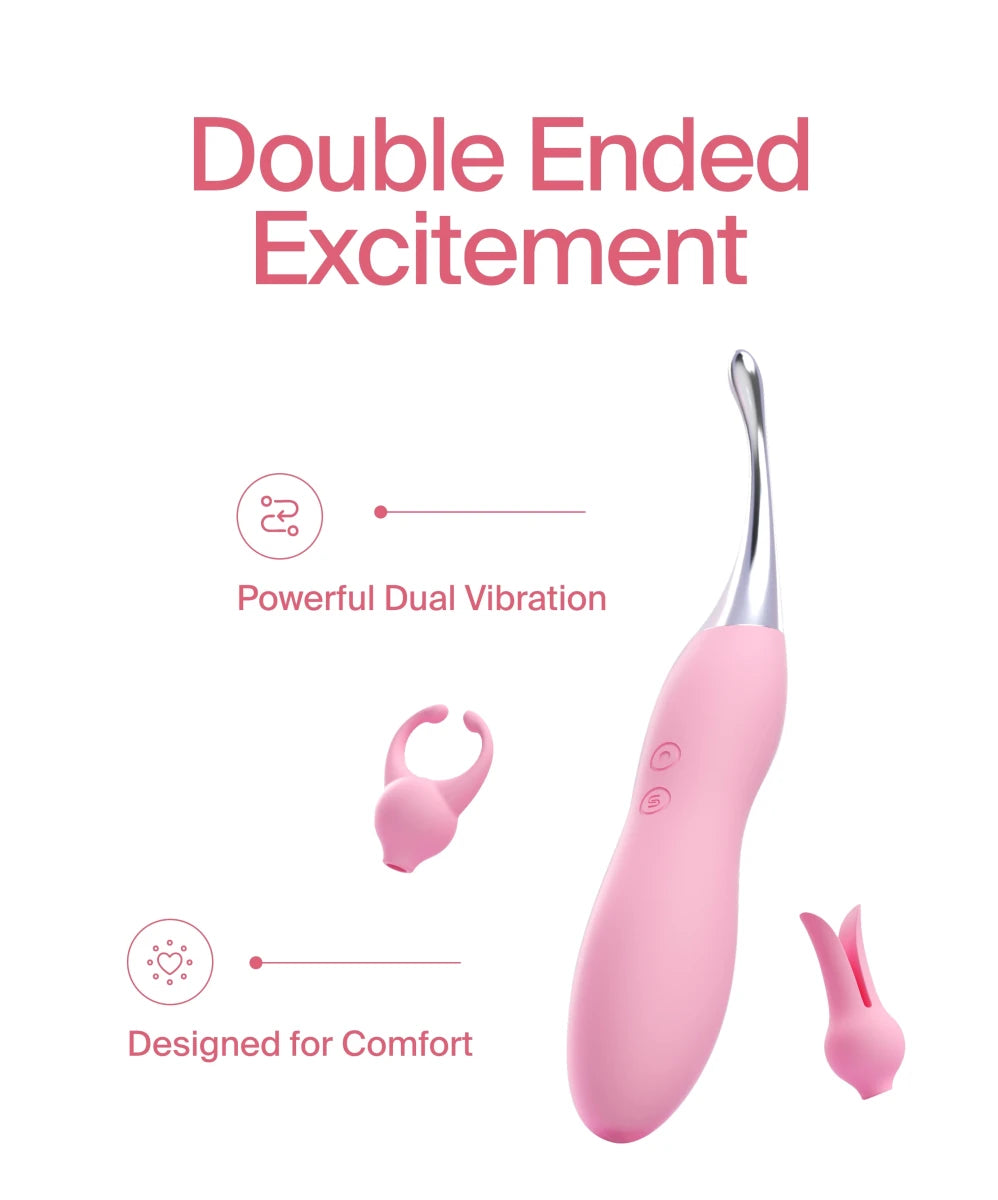
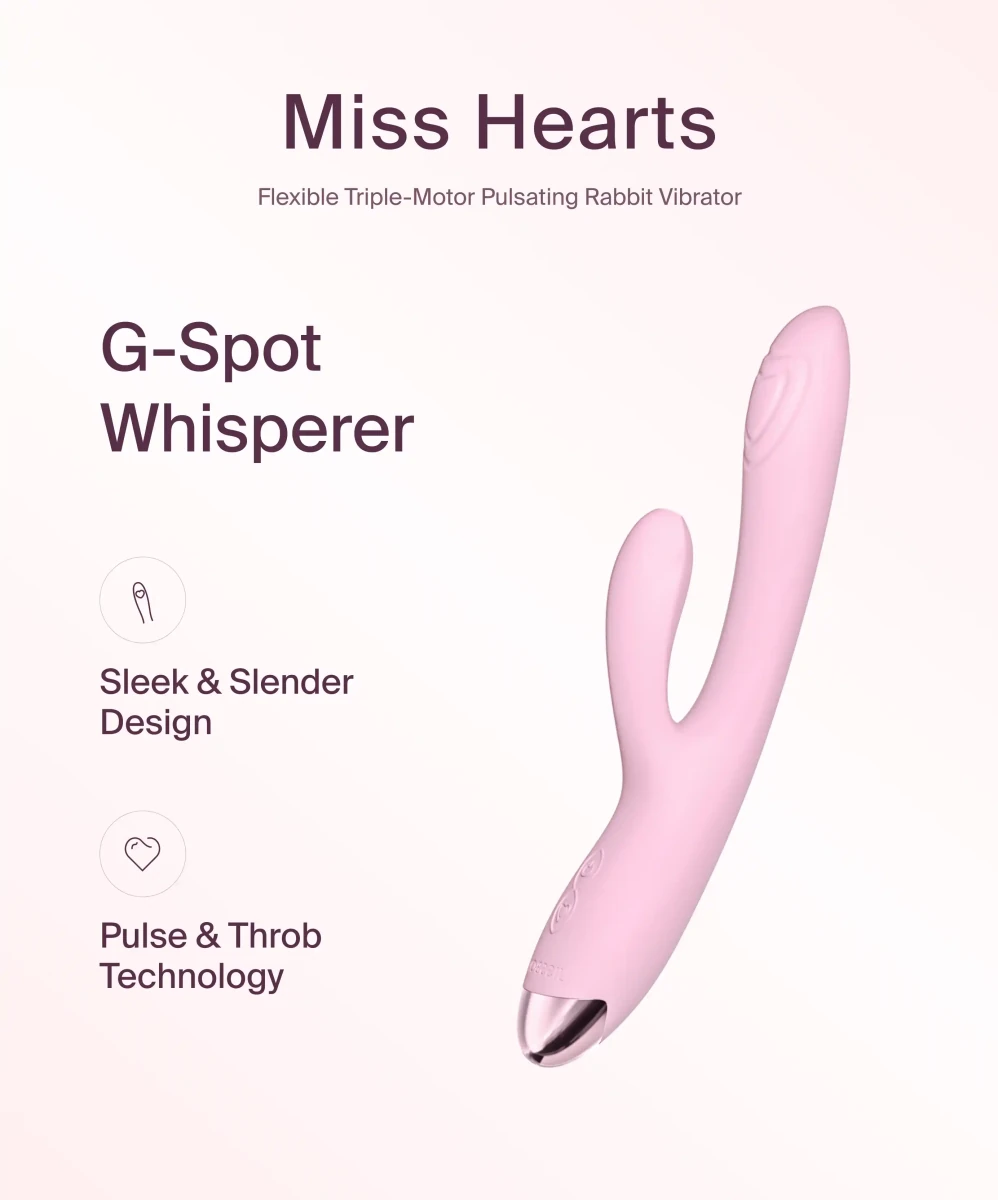
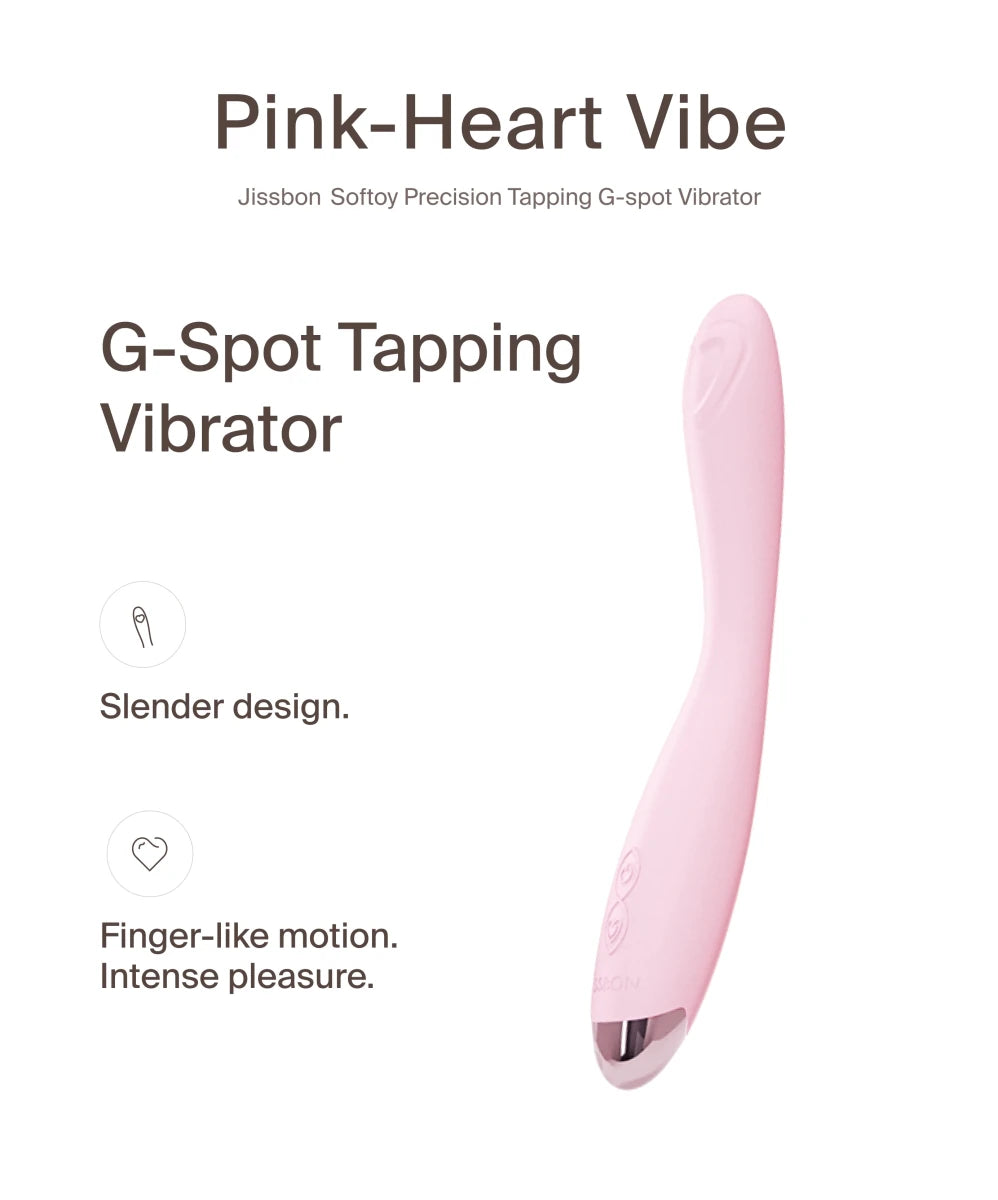
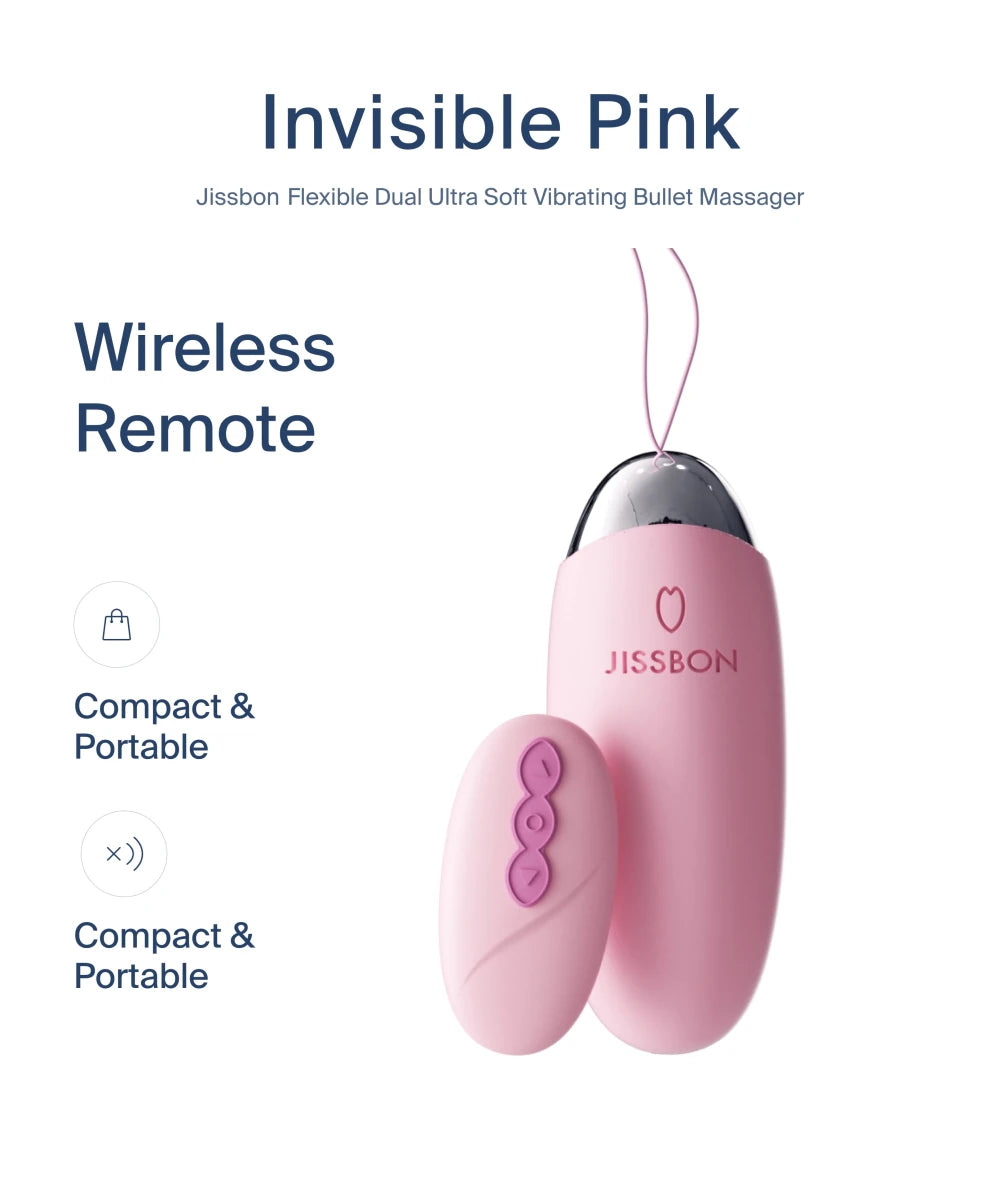
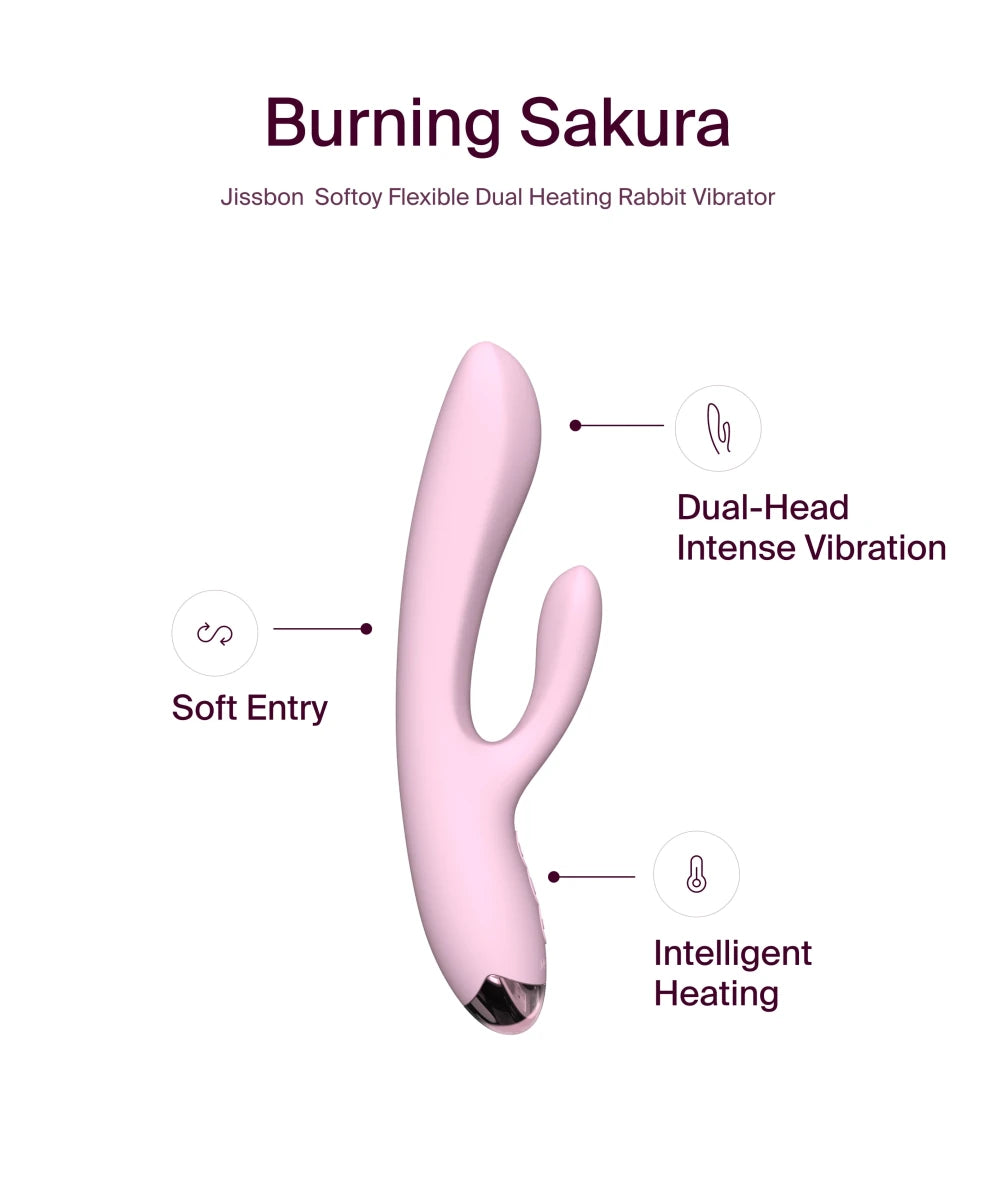
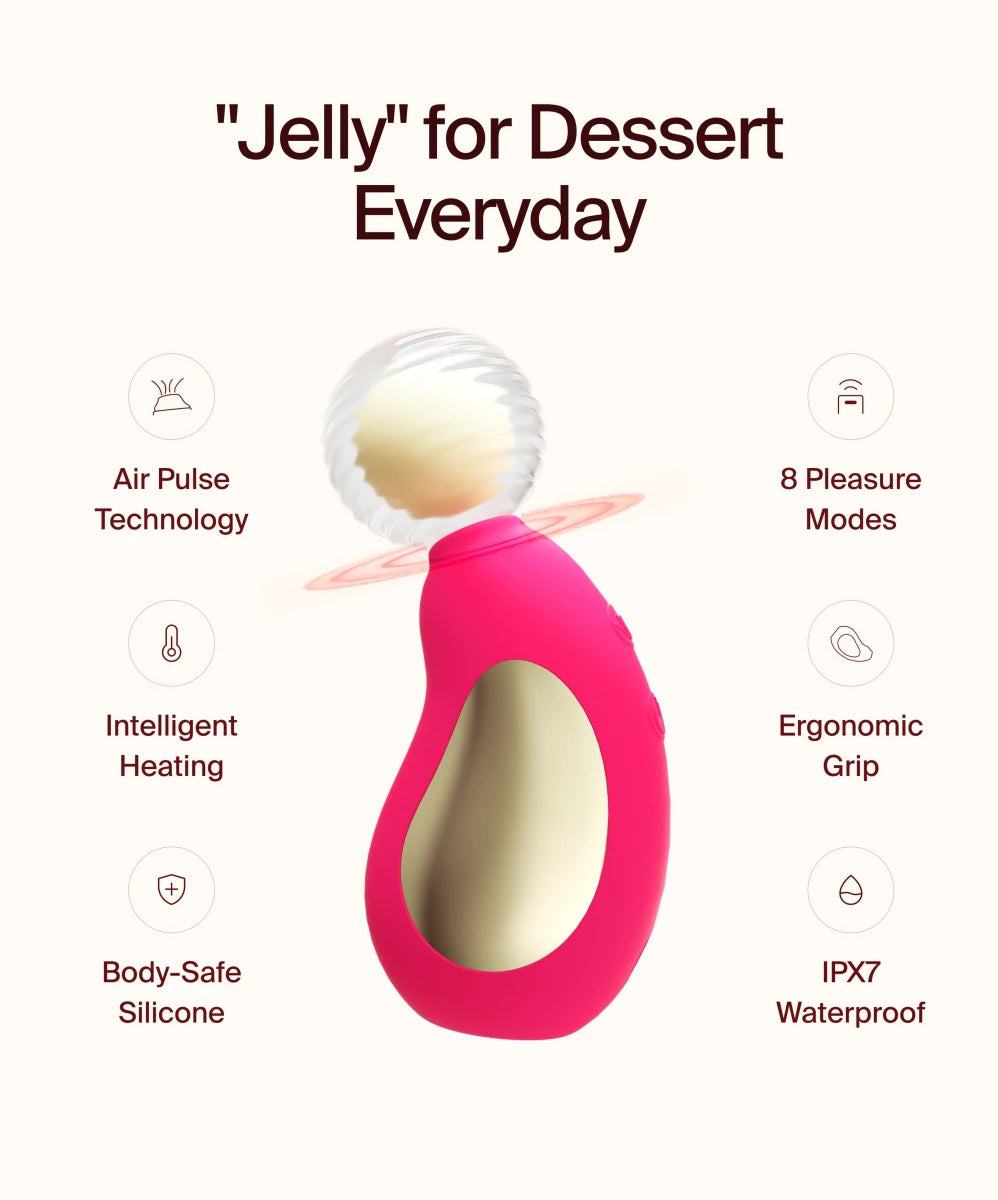
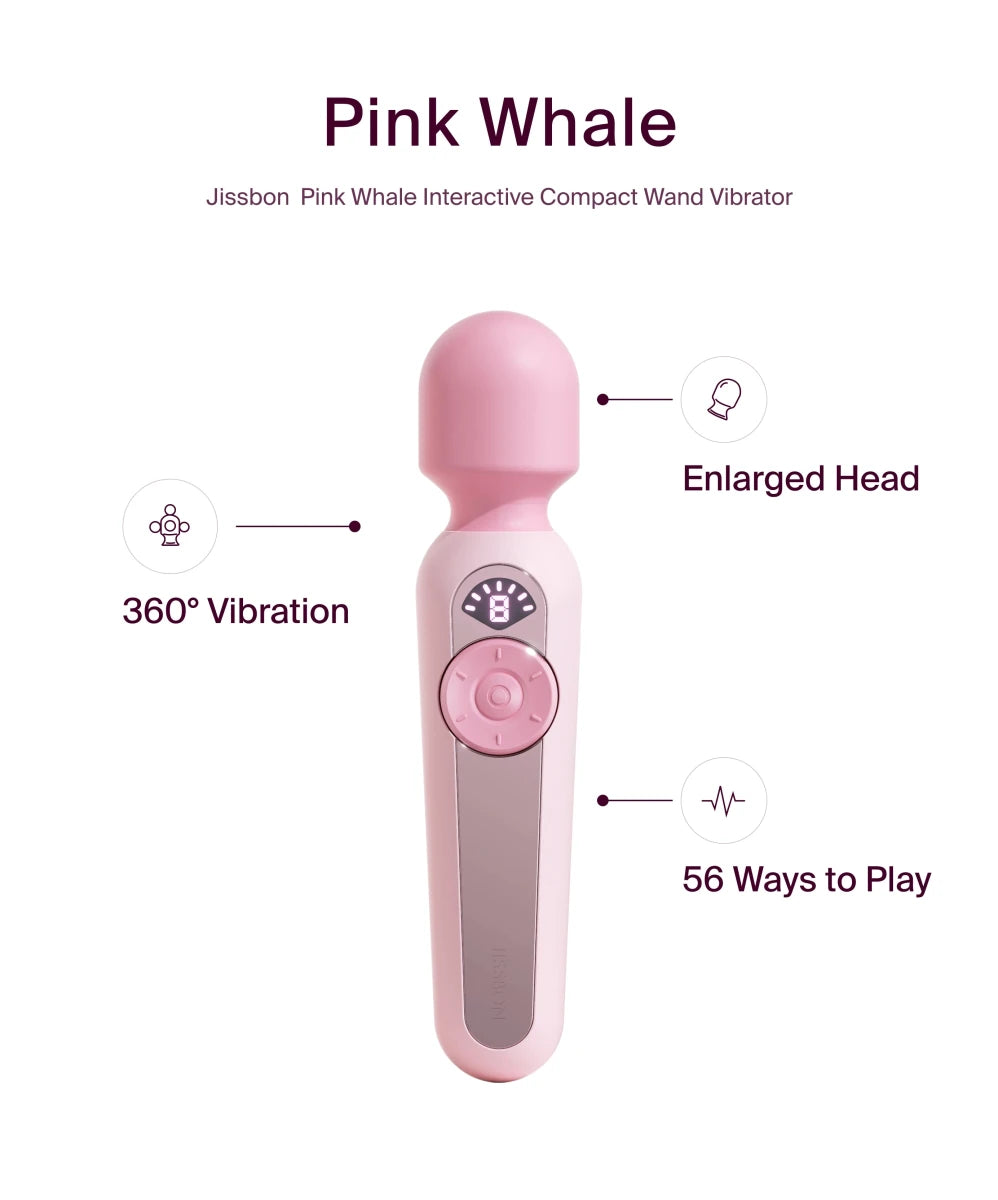
Use toys from collections like wand vibrators or clitoral vibrators designed for sustained use. Consider remote controlled vibrators that let the receiving partner adjust intensity through signals.
Important: Never use maximum intensity continuously—this causes numbing rather than pleasure.
Technique 3: Edging Before Release
Concept: Build anticipation through repeated denial before allowing orgasm
Implementation:
- Stimulate to 80–90% of climax threshold
- Stop or reduce stimulation abruptly
- Allow arousal to decrease to 50–60%
- Resume building toward climax
- Repeat cycle 3–5 times before allowing full release
This intensifies the eventual orgasm but requires excellent communication—the receiving partner must indicate proximity to climax clearly.
Technique 4: Positional Restraint (Optional)
Purpose: Removes receiving partner's ability to pull away from stimulation
Safe restraint principles:
- Use purpose-designed restraints with quick-release mechanisms
- Never restrain in ways that compress breathing or circulation
- Check restraint tightness every 5–7 minutes (should fit two fingers underneath)
- Position receiving partner comfortably—no joint strain
- Keep safety scissors immediately accessible for emergency release
Restraints are optional—many couples practice consensual forced orgasms without any bondage elements. Explore products from Jissbon if interested in beginner-friendly restraint options.
Reading Body Language & Response Signs
Positive Engagement Indicators
- Arching into touch rather than pulling away
- Rhythmic breathing or vocalizations
- Muscle tension that releases periodically
- Maintaining eye contact or engaged facial expressions
- Verbal encouragement ("yes," "more," "don't stop")
Distress Signals Requiring Check-In
- Sudden rigidity or freezing
- Pulling away or attempting to close legs
- Breath holding or hyperventilation
- Facial grimacing (pain versus pleasure expressions differ)
- Silence after previously being vocal
- Dissociative appearance (glazed eyes, no response to questions)
When you notice distress signals: Stop stimulation immediately, ask "Are you okay? What do you need?" Wait for clear verbal response before proceeding.
Aftercare: The Non-Optional Component
Aftercare addresses physical and emotional needs post-scene. Skipping aftercare can cause emotional distress, confusion, or relationship damage.
Immediate Physical Care (First 15 Minutes)
- Release any restraints immediately when scene ends
- Provide blanket or warm covering (body temperature often drops)
- Offer water or electrolyte drink (coconut water, sports drinks)
- Gentle physical contact: Holding, cuddling, or hand-holding based on preferences
- Check for physical discomfort: Cramping, soreness, numbness
Emotional Processing (15–45 Minutes)
- Create quiet, safe space without distractions
- Allow receiving partner to express feelings without judgment
- Validate experience: "You did so well," "Thank you for trusting me"
- Discuss what worked: "What felt best?" "What should we adjust?"
- Reassure connection: Physical and emotional closeness beyond the power dynamic
Extended Aftercare (Hours to Days)
Some people experience "sub drop"—delayed emotional crash 24–72 hours later:
Symptoms: Sadness, irritability, emotional sensitivity, withdrawal
Support strategies:
- Check in via text or call
- Provide reassurance of care and respect
- Avoid heavy discussions about the scene during drop period
- Offer low-key companionship (watching movies, quiet activities)
Both partners may need aftercare—giving partners sometimes experience "top drop" from responsibility intensity.
Common Concerns & Troubleshooting
"I Can't Have Multiple Orgasms"
Reality: Not everyone can, and that's physiologically normal. Approximately 40–50% of people with vulvas can experience multiple orgasms; many cannot. Similarly, most people with penises experience refractory periods preventing immediate additional orgasms.
Solution: Adapt the practice to your body. Focus on extended single orgasms, edging, or exploring intensity through overstimulation without requiring multiples.
"It Feels Too Intense/Uncomfortable"
Reality: Overstimulation walks a line between intense pleasure and discomfort. Individual tolerance varies dramatically.
Solution: This might not be the right practice for you—and that's completely acceptable. Try less intense variations (gentle continued touch rather than sustained stimulation) or acknowledge this particular activity doesn't align with your pleasure profile.
"I Feel Guilty Making My Partner Continue"
Reality: Consensual power exchange can trigger guilt about "causing discomfort."
Solution: Reframe understanding—your partner explicitly consented to explore these sensations. Honor their autonomy by following through on agreed boundaries while remaining attentive to their signals. Guilt often indicates need for more explicit pre-negotiation about motivations and desires.
"My Partner Used the Safe Word and I Feel Like I Failed"
Reality: Safe word use represents successful communication, not failure.
Solution: Thank your partner for communicating clearly. Discuss during aftercare what prompted the safe word and how to adjust for future sessions. Safe words protect both partners and strengthen trust.
Can a person always tell when they’ve actually orgasmed?
Most people can feel when they climax—typical signs include:
- Rhythmic pelvic muscle contractions
- Sudden surge and then release of tension
- Changes in breathing/vocalization
- A wave of pleasure or emotional release
But in high-intensity forced-orgasm scenes, things can blur:
- Orgasms may feel shorter, less distinct, or merge into each other.
- The receiver might lose count, or be unsure whether some peaks were “full” orgasms or just very strong build-ups.
- Fatigue or sensory overload can make later orgasms feel muted or confusing.
Rather than fixating on “Was that a real orgasm?” it’s often more helpful to talk afterward about:
- Which parts felt best or most intense
- When things started to tip from “wow” into “too much”
- What kind of build-up and pacing their body responds to
Why do repeated or “forced” orgasms sometimes feel too intense or even bad?
The same hormones that make orgasms feel good—dopamine, oxytocin, endorphins—also interact with:
- Nervous system overload (too much sensation, too fast)
- Physical fatigue (cramping, soreness, breathing changes)
- Emotional vulnerability (crying, laughing, feeling raw or exposed)
When stimulation continues without enough breaks:
- Nerves in the genitals can go from “this is amazing” to “this is burning / too sharp / numb”.
- The receiver may slide from pleasure into distress or shutdown, even if they wanted the scene overall.
- Hormone swings after a scene can contribute to sub-drop (sadness, emptiness, irritability 1–3 days later).
That’s why your guide already emphasizes:
- Time limits
- Built-in breaks
- Safewords
- Thorough aftercare
Frequently Asked Questions
Is consensual forced orgasm practice healthy?
When conducted with proper consent, communication, and safety measures, this practice is psychologically healthy exploration of consensual power dynamics. It becomes unhealthy when consent is violated, boundaries are ignored, or either partner feels pressured. The key differentiator is enthusiastic, ongoing consent versus coercion or obligation. Sexual health experts emphasize that consensual exploration within boundaries supports relationship intimacy when practiced ethically.
How do I bring this up with my partner?
Start by sharing educational resources (like this guide) rather than making direct requests. Frame it as mutual exploration: "I came across this concept and found it interesting. What do you think about exploring power dynamics?" Gauge their reaction before proposing specific activities. Emphasize that you want to explore only if they're genuinely interested, not obligated. Give them time to research and consider before expecting an answer.
Can this practice work with trauma history?
Potentially, but requires professional therapeutic guidance first. Survivors of sexual trauma may find consensual power exchange healing or may find it triggering—responses vary individually. Never attempt this practice without: (1) completed trauma therapy, (2) explicit discussion with therapist about whether this is advisable, (3) extremely detailed negotiation with partner about triggers and boundaries. Proceed only with enthusiastic consent and expect to stop immediately if unexpected triggers arise.
What if I realize mid-scene I want to stop but feel bad using the safe word?
Use the safe word immediately anyway. Your wellbeing takes absolute priority over "not disappointing" your partner. Any partner who responds negatively to safe word use is unsafe to practice BDSM activities with. Healthy dynamics celebrate safe word use as successful communication. Address feelings of guilt during aftercare and subsequent discussions—they may indicate need for clearer negotiation or suggest this practice isn't right for you.
Are there resources for learning more about ethical BDSM practices?
Yes, extensive communities and educational resources exist. Look for local BDSM education groups (munches), online forums focused on consent and safety, and books by respected educators in the kink community. Workshops on consent negotiation and BDSM fundamentals provide structured learning environments. Therapists specializing in alternative sexuality (AASECT-certified sex therapists) offer professional guidance for couples exploring power exchange dynamics.
How do I incorporate toys safely into this practice?
Start with familiar toys you've used successfully before. Avoid introducing new products during intense scenes—test them in regular intimate sessions first. Choose toys designed for extended use with ergonomic handles (like wand vibrators). Clean all toys thoroughly before and after use. Consider sex toys for couples specifically designed for partner play. Always have backup batteries or fully charged devices—interrupting a scene to search for batteries disrupts momentum and safety.
Final Considerations: Knowing When This Practice Isn't Right
Not every couple should explore consensual forced orgasms. This practice is inappropriate when:
- Either partner feels pressured or obligated rather than enthusiastic
- Communication about boundaries feels difficult or unclear
- Trust hasn't been firmly established through time and experience
- Either partner has unprocessed trauma related to control or consent
- The relationship has any elements of actual coercion or abuse
- Physical health conditions make intense stimulation risky
Choosing not to explore this dynamic doesn't indicate sexual inadequacy or close-mindedness—it represents self-awareness and healthy boundary-setting.
Ready to explore products designed for comfortable, extended intimate experiences? Discover body-safe options through sex toys for women suitable for various intensity levels and preferences.


Looking for something else?

What Is Flogging in Sex? Complete BDSM Flogging Guide
LEARN MORE
What Does Overstimulated Mean Sexually? Causes & Solutions
LEARN MORE
Can You Get a Tattoo on Your Vagina? Safety, Pain & What to Expect
LEARN MORE
Public Sex Kink: Understanding Exhibitionism & Safe Exploration
LEARN MORELooking for something else?

A-Spot Orgasm: Best Positions & How to Find It
LEARN MORE
Bondage Play: Complete Beginner's Guide to Rope BDSM
LEARN MORE
Vibrator Stories: Real Experiences, Tips & What to Expect
LEARN MOREYou may also like
20% off

20% off

20% off

20% off

20% off

20% off

Further reading

How to Clean an Automatic Blowjob Machine Without Damaging the Motor
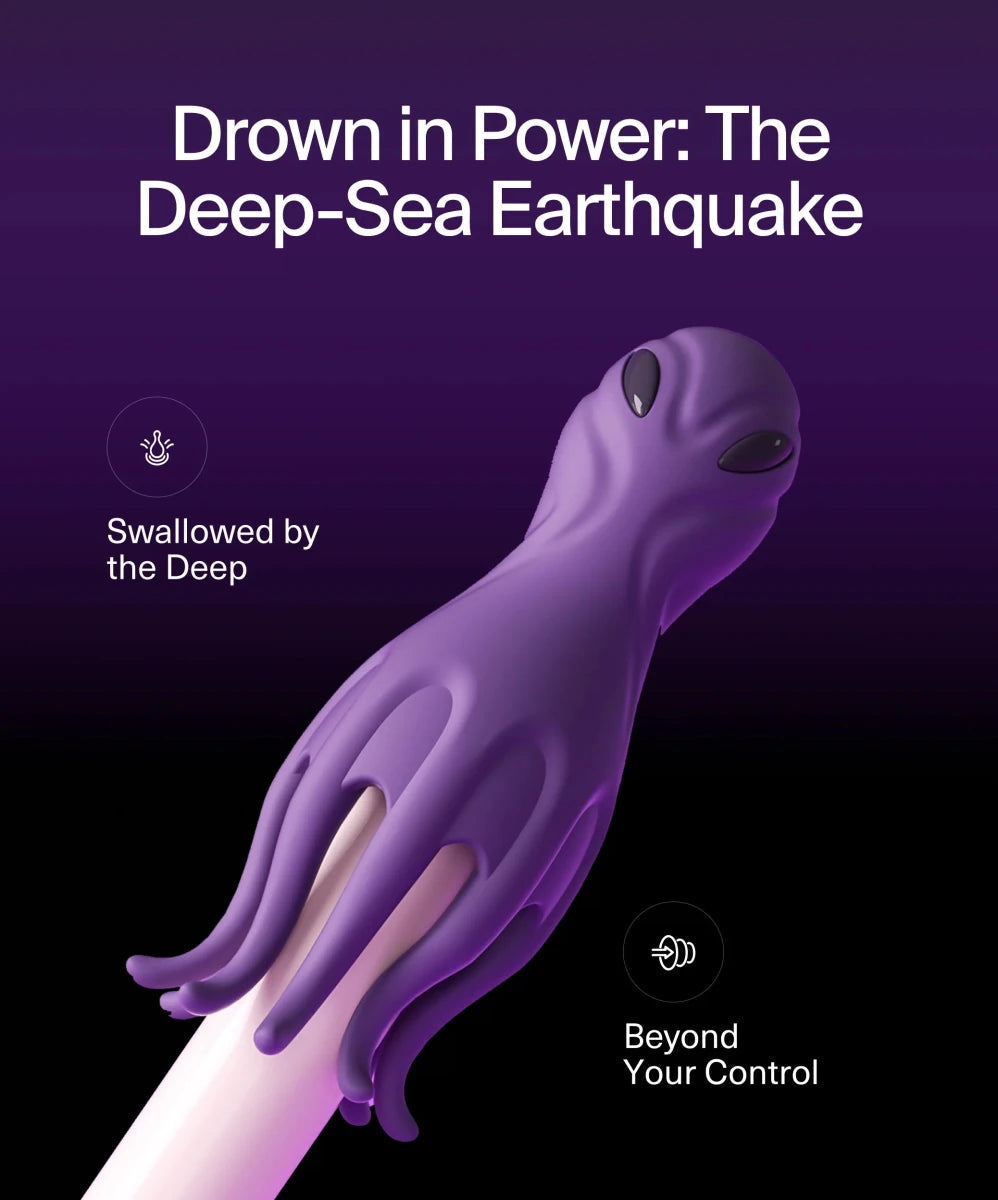
Remote-Controlled Automatic Masturbators for Couples and Solo Play
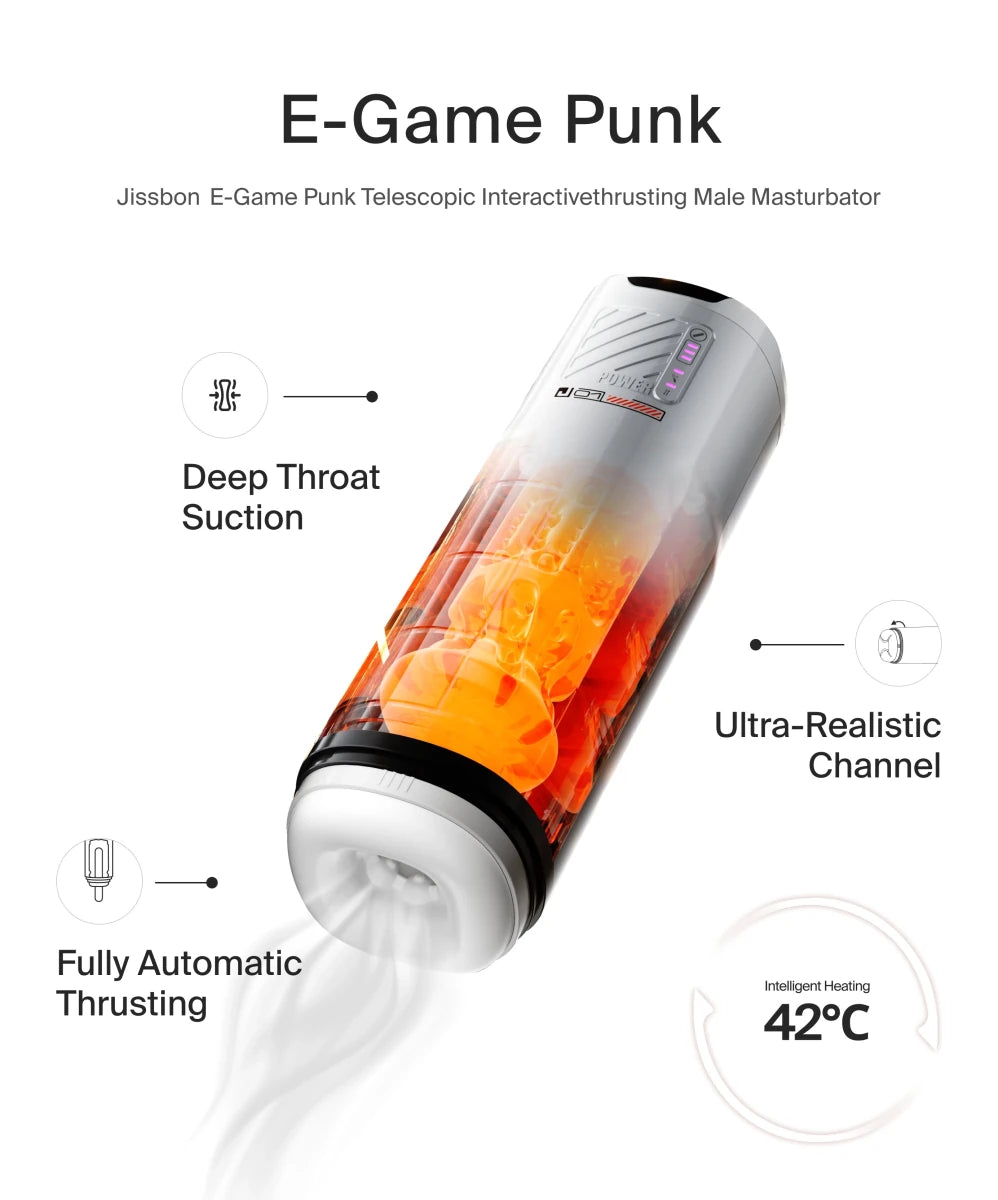
Best Automatic Strokers for Edging and Stamina Training