
































































































Coconut Method: Intimacy Technique for Better Connection
Stack & Save: Extra 15% with Jissbon15
Jissbon15
The coconut method is a communication framework designed to help couples discuss intimate topics, sexual preferences, and relationship concerns constructively. The acronym COCONUT provides a step-by-step structure for conversations that might otherwise feel awkward, confrontational, or overwhelming.
C - Context: Set the stage for the conversation O - Observation: Describe what you've noticed without judgment C - Concern: Express how this affects you emotionally O - Outcome: Share what you'd like to happen N - Next steps: Propose specific actions U - Understanding: Check that your partner comprehends your perspective T - Thanks: Appreciate your partner for listening
This structured approach transforms potentially difficult discussions into productive dialogues. Rather than blurting out complaints during heated moments or bottling feelings until resentment builds, the coconut method provides a roadmap for expressing needs clearly while maintaining respect and connection.
Understanding effective communication in relationships helps contextualize why structured frameworks improve intimate conversations.
Why Traditional Communication Often Fails

Common Conversation Pitfalls
Ambush conversations: Bringing up serious topics when your partner is unprepared, tired, or stressed leads to defensive reactions rather than productive dialogue.
Vague complaints: "Our sex life is boring" or "You never initiate" doesn't provide actionable information. Your partner doesn't know what specifically to change.
Blame language: Starting with "You always..." or "You never..." triggers defensiveness. The conversation becomes about defending oneself rather than understanding needs.
Timing issues: Discussing intimate concerns immediately after unsatisfying encounters, during arguments, or when emotions run high prevents rational problem-solving.
Assumption-based communication: "You should know what I want" or "If you loved me, you'd do this" places unfair burden on partners to read minds.
Avoidance: Not discussing issues at all because you fear conflict, worry about hurting feelings, or don't know how to start the conversation.
For perspectives on healthy relationship communication, psychology resources explain why structure improves difficult conversations.
Breaking Down Each Step
C - Context (Setting the Stage)
Purpose: Establish appropriate time, place, and emotional space for the conversation.
What this looks like:
- "I'd like to talk about something important to me. Can we set aside 30 minutes this evening?"
- "I have some thoughts about our intimate life I'd like to share. When would be a good time for you?"
- "There's something on my mind that I'd appreciate discussing when we're both relaxed and not rushed."
Key principles:
- Request permission and mutually agreeable timing
- Choose private, comfortable location without distractions
- Ensure neither person is tired, hungry, or stressed
- Avoid immediately before or after intimate activity
- Frame as collaborative conversation, not confrontation
Why context matters: Approaching conversations thoughtfully signals respect. Your partner enters the discussion feeling prepared rather than ambushed, increasing receptiveness.
O - Observation (Describing Without Judgment)
Purpose: State factual observations about patterns or behaviors without accusation.
What this looks like:
- "I've noticed we've been intimate about once a month for the past six months."
- "When we're together intimately, we typically follow a similar pattern."
- "I've observed that when I initiate, you often seem tired or not in the mood."
Key principles:
- Use neutral, factual language
- Avoid "always" and "never" absolutes
- Describe specific behaviors rather than character judgments
- Focus on patterns you've noticed, not assumptions about intentions
- Keep tone matter-of-fact rather than accusatory
Why observation matters: Facts are harder to dispute than feelings. Starting with neutral observations creates foundation for discussing emotional impact without immediate defensiveness.
C - Concern (Expressing Emotional Impact)

Purpose: Share how the observation affects you emotionally using "I" statements.
What this looks like:
- "I feel disconnected from you when we go long periods without physical intimacy."
- "I'm concerned that our routine might mean you're not fully satisfied."
- "I feel worried that I'm doing something wrong when my initiations are declined."
Key principles:
- Own your feelings with "I feel" rather than "You make me feel"
- Express genuine emotions (sad, worried, lonely, frustrated, confused)
- Connect feelings specifically to observations mentioned
- Avoid hidden accusations disguised as feelings
- Stay vulnerable rather than attacking
Why concern matters: Sharing emotional impact humanizes the issue. Partners typically want to address concerns once they understand the emotional toll, assuming they're expressed without blame.
O - Outcome (Describing Desired Change)
Purpose: Articulate what you'd like to be different, focusing on positive goals rather than just complaints.
What this looks like:
- "I'd love for us to prioritize intimate time together more regularly."
- "I'd like us to explore some variety in our intimate activities."
- "I'd appreciate feeling like we're both equally engaged in initiating connection."
Key principles:
- Focus on what you want, not just what you don't want
- Be specific enough to be actionable but flexible about how to achieve it
- Frame as shared goal benefiting both partners
- Distinguish between needs (essential) and preferences (nice to have)
- Express openness to solutions you haven't thought of
Why outcome matters: Clear desired outcomes give direction to the conversation. Your partner understands what success looks like rather than guessing what might satisfy you.
N - Next Steps (Proposing Concrete Actions)
Purpose: Suggest specific, actionable changes that move toward the desired outcome.
What this looks like:
- "Could we schedule one evening per week as our dedicated connection time?"
- "Would you be open to trying new positions or incorporating toys we choose together?"
- "I'd like to take turns initiating—maybe alternating weeks—so neither of us feels all the pressure."
Key principles:
- Offer specific, measurable suggestions
- Make proposals collaborative ("Could we..." rather than "You should...")
- Provide multiple options rather than single demands
- Be realistic about what's sustainable
- Invite your partner to suggest alternatives
Why next steps matter: General intentions rarely translate to change. Specific actions create accountability and clear path forward.
For guidance on setting relationship goals together, medical resources provide practical frameworks.
U - Understanding (Checking Comprehension)
Purpose: Confirm your partner understood your perspective and invite their thoughts.
What this looks like:
- "Does what I've shared make sense to you?"
- "Can you tell me what you heard, so I know I explained clearly?"
- "How does this land with you? What are your thoughts?"
Key principles:
- Ask open-ended questions that invite dialogue
- Listen actively to their response without interrupting
- Accept that they might need time to process
- Clarify any misunderstandings before moving forward
- Validate their perspective even if different from yours
Why understanding matters: Miscommunication often causes more problems than actual disagreements. Checking comprehension prevents future conflicts based on assumptions about what was discussed.
T - Thanks (Expressing Appreciation)
Purpose: Acknowledge your partner for engaging in a difficult conversation.
What this looks like:
- "Thank you for listening and taking this seriously."
- "I really appreciate you being open to discussing this with me."
- "I'm grateful we can talk about these things even when they're uncomfortable."
Key principles:
- Express genuine gratitude for their willingness to engage
- Appreciate the effort regardless of whether you've reached complete agreement
- Reinforce that you value the relationship and their participation in it
- End on positive note that strengthens connection
Why thanks matters: Difficult conversations take emotional energy. Expressing appreciation reinforces that having hard talks strengthens rather than threatens your relationship.
Applying the Method to Common Intimate Topics

Example 1: Mismatched Desire Levels
Context: "I'd like to talk about our intimate life when you have time this weekend. Can we find 30 minutes Saturday afternoon?"
Observation: "I've noticed that over the past few months, we've been intimate about once or twice a month, and it usually happens when you initiate."
Concern: "I feel a bit disconnected from you, and I worry that maybe I'm not being clear about wanting more physical connection."
Outcome: "I'd like us to find a frequency that works for both of us where we're both satisfied and no one feels pressured."
Next steps: "Could we talk about what feels like a comfortable rhythm for each of us? Maybe we could aim for weekly connection and see how that feels?"
Understanding: "What do you think about this? Do you have different thoughts about what would work?"
Thanks: "I really appreciate you being willing to talk about this openly with me."
Example 2: Wanting to Try Something New
Context: "I've been thinking about something I'd like to explore with you. Can we talk about it tonight after dinner?"
Observation: "I've noticed we tend to follow a similar pattern most times we're intimate, which feels comfortable and good."
Concern: "I'm excited about our connection and curious about whether we might enjoy adding some variety."
Outcome: "I'd love for us to experiment with some new activities or toys that could enhance what we already enjoy."
Next steps: "Would you be open to looking at options together? We could browse at Jissbon and see what interests both of us, or just try different positions first."
Understanding: "How does that idea feel to you? Are there things you've been curious about?"
Thanks: "Thanks for being open-minded and willing to explore with me."
Example 3: Addressing Performance Concerns
Context: "There's something I'd like to discuss about our intimate time together. Is now a good moment?"
Observation: "I've noticed that sometimes during intimacy, you seem focused on my orgasm and feel disappointed if it doesn't happen."
Concern: "I feel pressure to perform, which actually makes it harder for me to relax and enjoy the experience."
Outcome: "I'd like us to focus more on mutual pleasure and connection rather than specific outcomes."
Next steps: "Could we agree that intimacy is satisfying even without orgasm? I'd love to feel free to just enjoy sensations without the goal-oriented pressure."
Understanding: "Does that make sense? What's your perspective on this?"
Thanks: "I appreciate you hearing this—I know it might feel vulnerable to discuss."
Understanding sexual communication and pleasure provides additional context for these conversations.
When and How to Use This Method
Ideal Situations for the Coconut Framework
Recurring issues: Problems that keep surfacing but never get resolved benefit from structured discussion.
Mismatched expectations: When partners want different things (frequency, activities, initiation patterns), the framework helps navigate compromise.
Introducing new ideas: Proposing activities outside your current repertoire (toys from sex toys for couples, roleplay, different positions) works better with structure.
Addressing discomfort: If something in your intimate life causes physical or emotional discomfort, the method ensures you communicate clearly.
Check-ins: Regular relationship maintenance conversations benefit from this structure even when nothing is wrong.
Timing Considerations
Choose moments when:
- Both partners are rested and calm
- You have sufficient uninterrupted time
- Neither person is hungry or physically uncomfortable
- You're in private, comfortable space
- Neither of you needs to rush to other commitments
Avoid times when:
- Either person is angry, hurt, or emotionally reactive
- You're immediately before or after intimate activity
- One person is distracted by stress or obligations
- You're in public or semi-public spaces
- Either person is under influence of alcohol or substances
Adapting the Framework
You don't need to rigidly follow the acronym or explicitly announce each step. The structure provides guidance, not a script:
Formal approach: Some couples appreciate literally working through each letter, especially when learning the method or discussing particularly difficult topics.
Casual integration: Once familiar with the framework, you'll naturally incorporate elements without needing to name them.
Written communication: The method translates well to letters or emails, particularly for people who process better in writing or need distance to express feelings.
What Happens After the Conversation
Creating Accountability
Follow through on agreed next steps: If you proposed weekly intimate time or trying new activities, actually implement those changes. Conversations without action breed resentment.
Schedule check-ins: Agree to discuss how changes are working after a specific period (2 weeks, one month). This prevents assumptions and allows course correction.
Celebrate progress: Acknowledge improvements, even small ones. Positive reinforcement encourages continued effort.
Be patient: Behavioral change takes time. Don't expect overnight transformation just because you had one good conversation.
When Agreement Isn't Immediate
Respect processing time: Your partner might need hours or days to think through what you've shared before responding fully.
Seek compromise: If you want connection three times weekly and your partner prefers once, negotiate middle ground everyone can sustain.
Recognize incompatibility: Sometimes conversations reveal fundamental mismatches in needs, values, or desires. That's valuable information, even if painful.
Consider professional support: If repeated conversations using this framework don't create progress, couples therapy or sex therapy can help identify underlying blocks.
For finding qualified professionals, AASECT (American Association of Sexuality Educators, Counselors and Therapists) maintains directories of certified specialists.
Common Mistakes to Avoid
Using the structure as weapon: Following the format while maintaining accusatory tone or hostile body language defeats the purpose.
Expecting mind-reading: Even with clear communication, your partner might not immediately understand or agree. Repetition and patience are necessary.
Bringing up everything at once: Focus each conversation on one primary issue. Overwhelming your partner with multiple concerns prevents productive resolution.
Ignoring non-verbal cues: If your partner's body language shows distress, pause and address that before continuing with your agenda.
Forgetting to listen: The framework emphasizes your expression, but genuine dialogue requires hearing your partner's perspective with equal attention.
Treating it as one-way: Both partners should be able to use this method to express needs. It's not just for the dissatisfied person to air grievances.
Teaching Your Partner the Method
Introduce the concept: Share this article or explain the framework before using it. Surprise communication structures can feel manipulative.
Practice together on low-stakes topics: Use the method to discuss non-intimate topics first (household tasks, vacation planning) to build comfort.
Invite reciprocal use: "I'd love to hear if you have anything you'd like to discuss using this framework too."
Be patient with awkwardness: New communication patterns feel stilted initially. Stick with it through the learning phase.
Beyond the Coconut Method
Other Communication Tools
The coconut framework complements other relationship communication techniques:
Active listening: Reflecting back what you heard before responding with your own perspective.
"I feel" statements: Expressing emotions without blame (incorporated in the Concern step).
Gottman's five-to-one ratio: Ensuring five positive interactions for every negative/critical one maintains relationship health.
Regular check-ins: Scheduled conversations about relationship satisfaction prevent small issues from becoming major problems.
Appreciation practices: Daily or weekly sharing what you appreciate about your partner builds goodwill that cushions difficult conversations.
When Professional Help Is Needed
Consider therapy if:
- You've tried structured communication repeatedly without progress
- Conversations consistently escalate into fights
- One or both partners shut down or refuse to engage
- Underlying mental health issues interfere with intimacy
- Past trauma affects current intimate relationship
- Trust has been broken and needs professional guidance to rebuild
Frequently Asked Questions
How often should we have these structured conversations?
Frequency depends on your needs. Some couples benefit from monthly relationship check-ins using this framework. Others use it only when specific issues arise. Regular brief check-ins (even weekly) often prevent problems from building into conversation-requiring situations. The goal is addressing concerns before they become resentments.
What if my partner gets defensive despite using this method?
Defensiveness often stems from feeling attacked or inadequate. Ensure your tone and body language match your respectful words. Give your partner processing time rather than expecting immediate openness. If defensiveness persists, it might indicate deeper issues requiring therapy. Some people need to develop emotional skills for vulnerable conversations—that's not your fault or responsibility to fix alone.
Can I use this for non-sexual relationship topics?
Absolutely. The coconut method works for discussing household responsibilities, parenting approaches, financial decisions, time management, or any topic requiring clear, respectful dialogue. Some couples find it helpful for all significant conversations. The structure prevents many common communication pitfalls regardless of topic.
What if we both want different things and can't compromise?
Sometimes conversations reveal genuine incompatibility. If you need connection three times weekly to feel satisfied and your partner's maximum capacity is monthly, that's valuable information even if painful. Options include accepting the mismatch, seeking creative solutions (ethical non-monogamy if both truly consent), or acknowledging the relationship might not meet both people's needs long-term.
Should I write out my thoughts before having the conversation?
Many people find preparation helpful, especially when nervous or unsure how to articulate feelings. Write notes following the coconut structure, then use them as reference during conversation. However, avoid reading a prepared speech—maintain natural dialogue while hitting key points. Writing also helps clarify your own thoughts before involving your partner.
How do I handle it if my partner dismisses my concerns?
If your partner consistently dismisses or minimizes your concerns despite respectful communication, that's a significant relationship problem. Try once more: "When I share something important and it's dismissed, I feel [unimportant/unheard/hurt]. I need to know my concerns matter to you." If dismissal continues, couples therapy can address this dynamic. Persistent dismissal indicates lack of respect that threatens relationship health.
Building Lasting Communication Patterns
The coconut method provides structure, but genuine connection requires ongoing practice and mutual commitment. No single conversation fixes long-standing patterns or creates perfect understanding. Instead, view each discussion as investment in relational skills that compound over time.
Couples who successfully maintain intimacy across decades share key traits: they communicate openly about needs and desires, they approach each other with curiosity rather than judgment, they view challenges as team problems rather than individual failings, and they consistently choose connection even when conversations feel difficult.
Ready to explore tools that support the intimate connection you're building through better communication? Discover options at Jissbon designed to enhance couple's experiences.


Looking for something else?

What Is Flogging in Sex? Complete BDSM Flogging Guide
LEARN MORE
What Does Overstimulated Mean Sexually? Causes & Solutions
LEARN MORE
Can You Get a Tattoo on Your Vagina? Safety, Pain & What to Expect
LEARN MORE
Public Sex Kink: Understanding Exhibitionism & Safe Exploration
LEARN MORELooking for something else?

A-Spot Orgasm: Best Positions & How to Find It
LEARN MORE
Bondage Play: Complete Beginner's Guide to Rope BDSM
LEARN MORE
Vibrator Stories: Real Experiences, Tips & What to Expect
LEARN MOREYou may also like
20% off

20% off

20% off

20% off

20% off

20% off

Further reading

How to Clean an Automatic Blowjob Machine Without Damaging the Motor

Remote-Controlled Automatic Masturbators for Couples and Solo Play
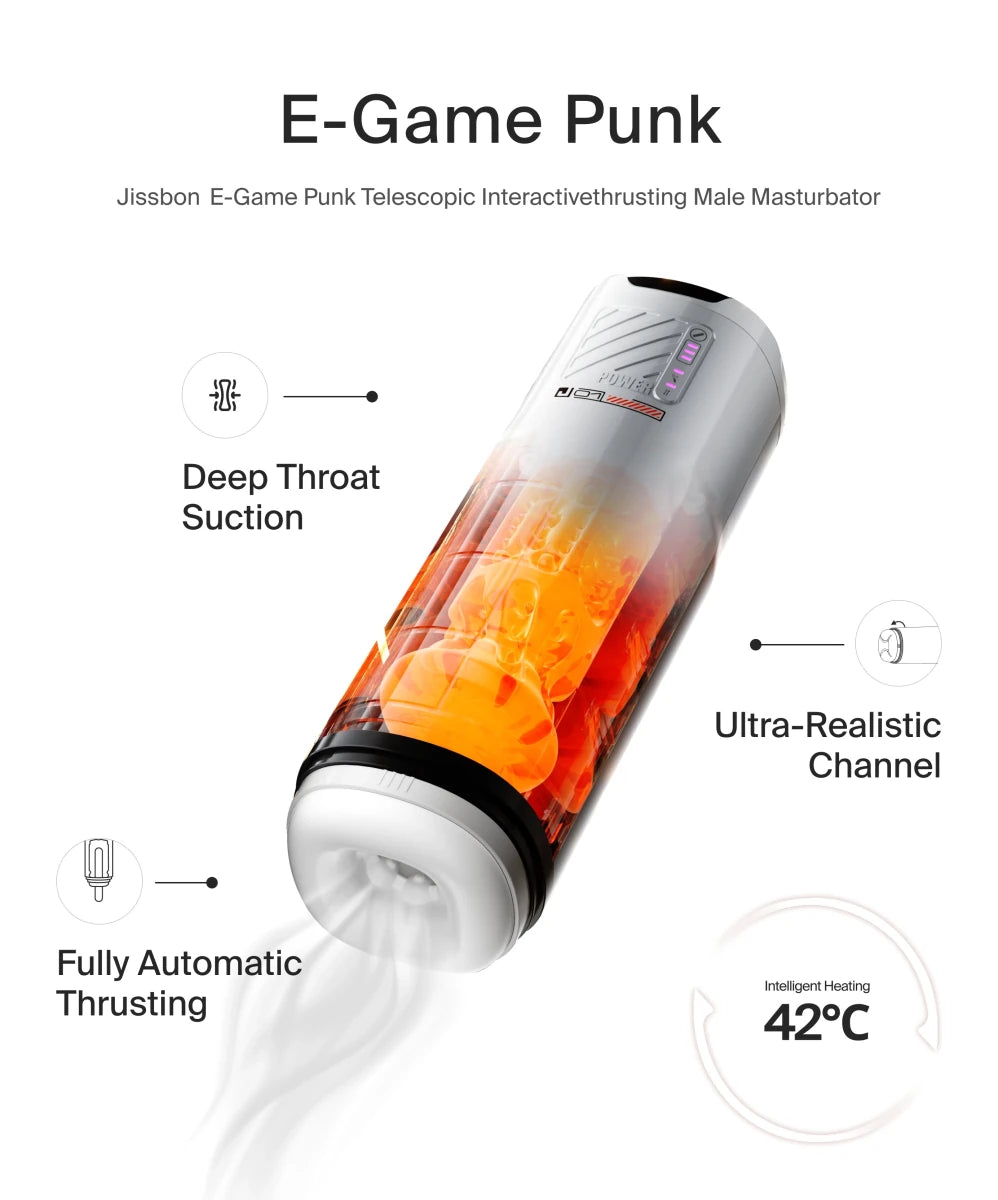
Best Automatic Strokers for Edging and Stamina Training