


































Butt Plug Training: Your Complete Anal Preparation Guide
Stack & Save: Extra 15% with Jissbon15
Jissbon15
Butt plug training is the gradual process of preparing your body for comfortable anal play by slowly increasing size over time. This approach reduces discomfort, builds confidence, and helps you discover what feels pleasurable in a safe, controlled way.
Whether you're preparing for partnered anal sex, exploring solo sensations, or simply curious about your body's potential, proper training techniques make the experience enjoyable rather than painful. This guide covers sizing progression, insertion methods, timing, product selection, and troubleshooting common challenges.
Mental Relaxation Techniques That Improve Anal Training Results
Your anus is highly reactive to stress — if you're anxious, the internal sphincter will involuntarily tighten, making insertion harder.
These mind-body techniques significantly increase comfort:
1. Deep Belly Breathing (Most Effective)
Slow, deep exhales signal the pelvic floor to relax.
Try:
- inhale 4 seconds
- exhale 6–8 seconds
- repeat 8–10 times
The longer exhale activates parasympathetic relaxation.
2. Warm Bath or Shower Before Training
Heat increases blood flow and relaxes muscles. Most anal trainers and clinicians recommend this step because it reduces discomfort instantly.
3. Visual Relaxation
Imagine your sphincter “softening” each time you breathe out. This is supported by pelvic floor therapy techniques used for anal hypertonicity.
4. Kegel Reverse (Pelvic Floor Drop)
Instead of squeezing (traditional Kegel), focus on releasing downward. Think:
“relax, open, melt.”
These methods match top medical and sex educator recommendations.
Preparing Your Body Physically Before Insertion

Physical Warm-Up Before Using a Plug
1. Massage the Area
Use your fingers externally to gently massage:
- perineum
- buttocks
- anal ring
This increases circulation and eases tension.
2. Start with a Finger (Optional but Highly Effective)
Apply lube to a clean finger. Gently press and circle the anus for 1–2 minutes. This can reduce initial sphincter resistance by up to 50% according to community data (e.g., r/AskGayBros).
3. Practice Controlled Bearing Down
The motion of “starting a bowel movement” actually relaxes the internal sphincter. Use this trick during insertion.
Who Benefits from Anal Training

Training serves multiple purposes for different people:
- Beginners to anal play who want to explore sensations without pain or injury
- Individuals preparing for penetrative anal sex who need gradual tissue adaptation
- People experiencing discomfort during previous anal attempts seeking better techniques
- Those interested in larger toys or activities requiring progressive stretching
- Partners exploring pegging where one person needs to receive comfortably
- Anyone managing pelvic floor tension who benefits from controlled relaxation practice
Understanding Anal Anatomy & Why Training Matters
Your body's structure explains why preparation is essential rather than optional.
Two Sphincter Muscles
The anus has two ring-shaped muscles. The external sphincter operates under voluntary control—you consciously relax it. The internal sphincter functions involuntarily, responding to pressure and relaxation cues rather than conscious command.
Training teaches both sphincters to relax together. Rushing this process causes the internal sphincter to tense protectively, creating pain and potential tearing.
Tissue Sensitivity
According to anatomical research on rectal tissue, the anal lining is significantly thinner than vaginal tissue and contains dense nerve endings. This creates both pleasure potential and injury vulnerability.
Unlike the vagina, the rectum doesn't self-lubricate. Any penetration requires external lubrication to prevent friction damage. The tissue can stretch temporarily but returns to its natural size—training doesn't permanently loosen you.
Nerve Density Creates Pleasure
The high concentration of nerve endings explains why anal stimulation feels intensely pleasurable for many people. These same nerves also make proper technique crucial—what feels amazing when done right becomes painful when rushed.
For people with prostates, the gland sits just inches inside the rectal wall. Stimulation through anal vibrators or plugs can create powerful orgasms distinct from penile stimulation.
Sizing Progression: Building Gradually
Strategic size increases prevent injury while building capacity and confidence.
|
Size Category |
Diameter |
Length (Insertable) |
Who It's For |
Typical Duration |
|
Beginner |
0.75-1 inch |
2-3 inches |
First-time users, finger-sized comfort |
1-3 weeks |
|
Intermediate |
1-1.25 inches |
3-4 inches |
Comfortable with beginner, ready to progress |
2-4 weeks |
|
Advanced |
1.5-1.75 inches |
4-5 inches |
Experienced with intermediate sizes |
3-6 weeks |
|
Large |
2+ inches |
5+ inches |
Specific goals requiring substantial stretch |
Ongoing |
Starting Point Selection
Begin smaller than you think necessary. Even if a finger feels comfortable, a dedicated beginner plug (often slimmer than your finger) helps you learn insertion angles and holding techniques without pressure.
Most training kits include three graduated sizes. This removes guesswork about progression—simply move to the next size when current feels completely comfortable.
When to Size Up
Progress to the next size when you can insert the current plug easily, wear it for 15-20 minutes without discomfort, and feel only pleasant fullness rather than stretching sensation.
Never jump multiple sizes. Your body adapts to incremental changes safely; dramatic increases risk tears or fissures requiring medical attention and extended healing time.
Individual Timeline Reality
Some people progress through all sizes in 6-8 weeks. Others need 3-6 months. Both are completely normal. Factors affecting timeline include:
- Natural tissue elasticity
- Previous anal experience
- Practice frequency and consistency
- Stress and tension levels
- Age (tissue elasticity decreases gradually over time)
Step-by-Step Training Session Guide

Proper technique transforms potentially uncomfortable experiences into pleasurable ones.
Mental & Physical Preparation
Choose times when you're relaxed, not rushed. Stress causes muscle tension that works against you. Many people find evening sessions after a warm bath ideal—the heat relaxes muscles naturally.
Empty your bowels an hour or more beforehand. While encountering fecal matter during anal play can happen (it's a digestive organ), training on an empty rectum is more comfortable and less distracting.
Environment Setup
Create privacy where interruption won't happen. Lay down a towel—lubricant can be messy. Have your supplies within reach: plug, lubricant bottle, tissues, and water to drink.
Dim lighting or candles help some people relax. Others prefer adequate lighting to see what they're doing. Choose what reduces your anxiety.
Lubrication Application
Apply generous lubricant to the plug and your anus—much more than seems necessary. The phrase "too much lube" rarely applies to anal play.
Thicker, gel-based formulas stay in place longer than thin liquids. Silicone lubricant lasts longest but isn't compatible with silicone toys. Water-based works with all materials but may need reapplication.
Insert a small amount of lube inside the anal opening with a clean finger. This internal lubrication helps significantly.
Insertion Technique
Position yourself comfortably—lying on your side with knees pulled toward chest, squatting, or lying on your back with knees bent all work well.
Press the plug tip gently against your anus while taking slow, deep breaths. As you exhale, consciously relax your anal muscles and apply steady, gentle pressure.
The plug should slide in gradually. If you hit significant resistance, stop and add more lubricant. Never force it—pain signals your body isn't ready.
Wearing Duration
Start with 5-10 minutes for your first session. This brief exposure lets tissues adapt without overwhelming them. Gradually increase to 15-20 minutes over several sessions.
Some people work up to wearing plugs for hours during daily activities. This isn't necessary for training purposes but is safe once you're comfortable at that size.
Removal & Aftercare
Remove slowly, relaxing muscles as you pull gently outward. Clean the plug immediately with antibacterial soap and warm water.
Wash your anal area gently. Some people experience minor spotting (tiny amounts of blood) after early sessions—usually from minor surface irritation. If bleeding continues or increases, stop training and consult a healthcare provider.
Apply aloe-based cream or coconut oil to soothe any irritation. Rest at least 24 hours before your next session initially, reducing to same-day sessions once comfortable.
Choosing the Right Training Products
Material, shape, and features significantly impact training success.
Material Comparison
Silicone offers the best combination of safety, comfort, and maintenance for most people. It's non-porous (won't harbor bacteria), body-safe, and has slight give that accommodates body movement.
Glass and stainless steel provide completely rigid, smooth surfaces. They're heavier, creating fuller sensation with smaller sizes. Temperature play (warming or cooling before use) adds variety. Cleaning is exceptionally easy.
Avoid jelly rubber and porous materials—they can't be fully sanitized and may contain phthalates (chemicals with health concerns).
Shape Considerations
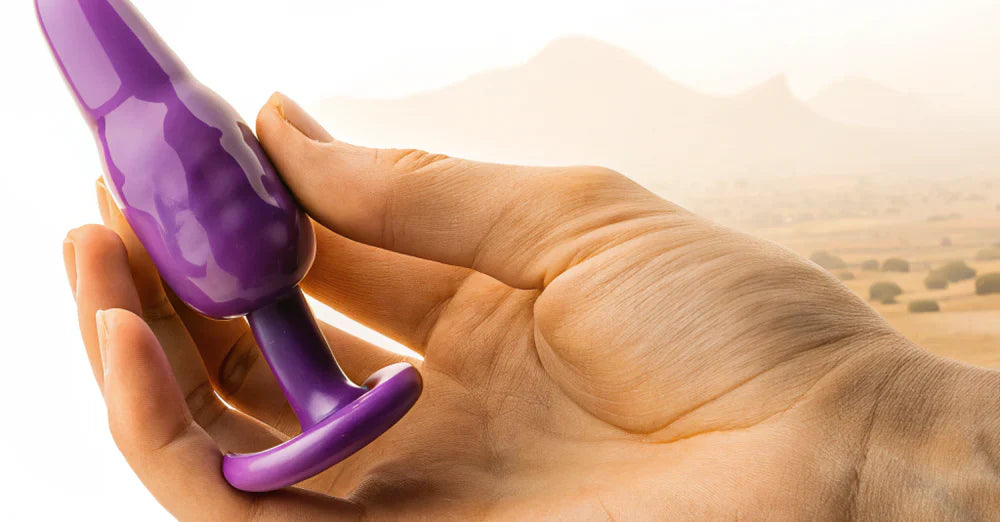
Tapered tips ease insertion by starting small and gradually widening. Bulbous plugs with narrower necks create a "pop" sensation during insertion that many find pleasurable.
The base must be flared and wider than the widest part of the plug. This prevents the plug from slipping entirely inside—a medical emergency requiring hospital extraction.
Longer stems between plug and base increase comfort during extended wear, keeping the base from pressing uncomfortably between buttocks.
Training Kit Benefits
Buying a graduated set ensures proper progression and costs less than purchasing individual sizes. Quality kits from Jissbon include three sizes specifically calibrated for safe, comfortable advancement.
Look for sets where each size increases by approximately 0.25 inches in diameter—larger jumps make progression difficult.
Advanced Training Techniques

Once comfortable with basics, these methods enhance experience and capability.
Extended Wear Practice
Wearing plugs during daily activities (under clothing) helps your body adapt to sustained fullness. Start with 30 minutes, building to several hours.
This prepares you for actual anal sex, which may last longer than typical training sessions. Walking, sitting, and moving with the plug teaches muscle control.
Movement Integration
Once inserted, try gentle hip movements, pelvic tilts, or Kegel exercises (clenching and releasing anal muscles). This builds awareness and control over sphincter muscles.
Some people incorporate plugs during masturbation or partnered non-anal sex, associating the sensation with pleasure and arousal.
Vibration Introduction
Vibrating plugs add stimulation that many find intensely pleasurable. Start with lower vibration settings—strong vibrations can feel overwhelming initially.
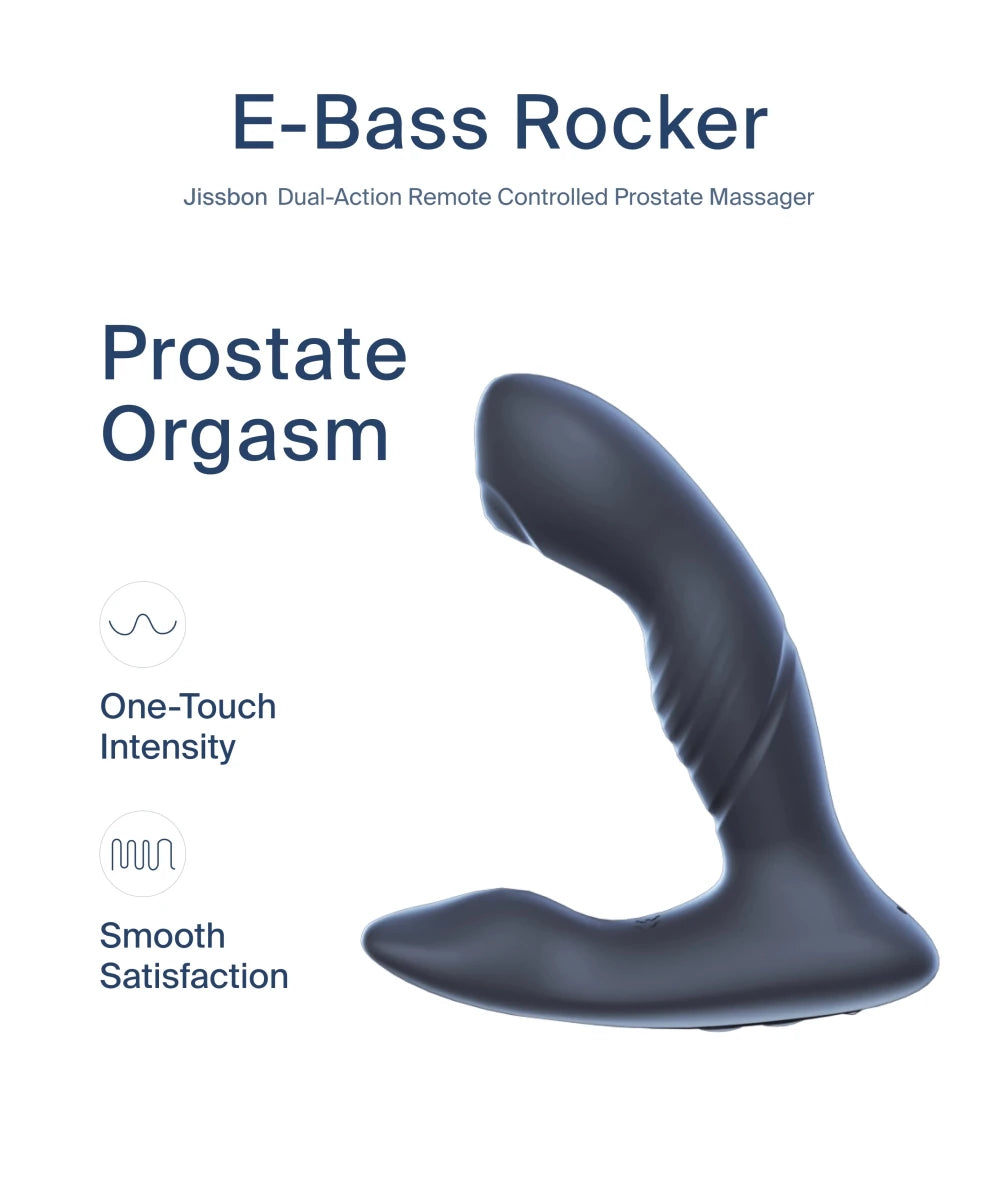
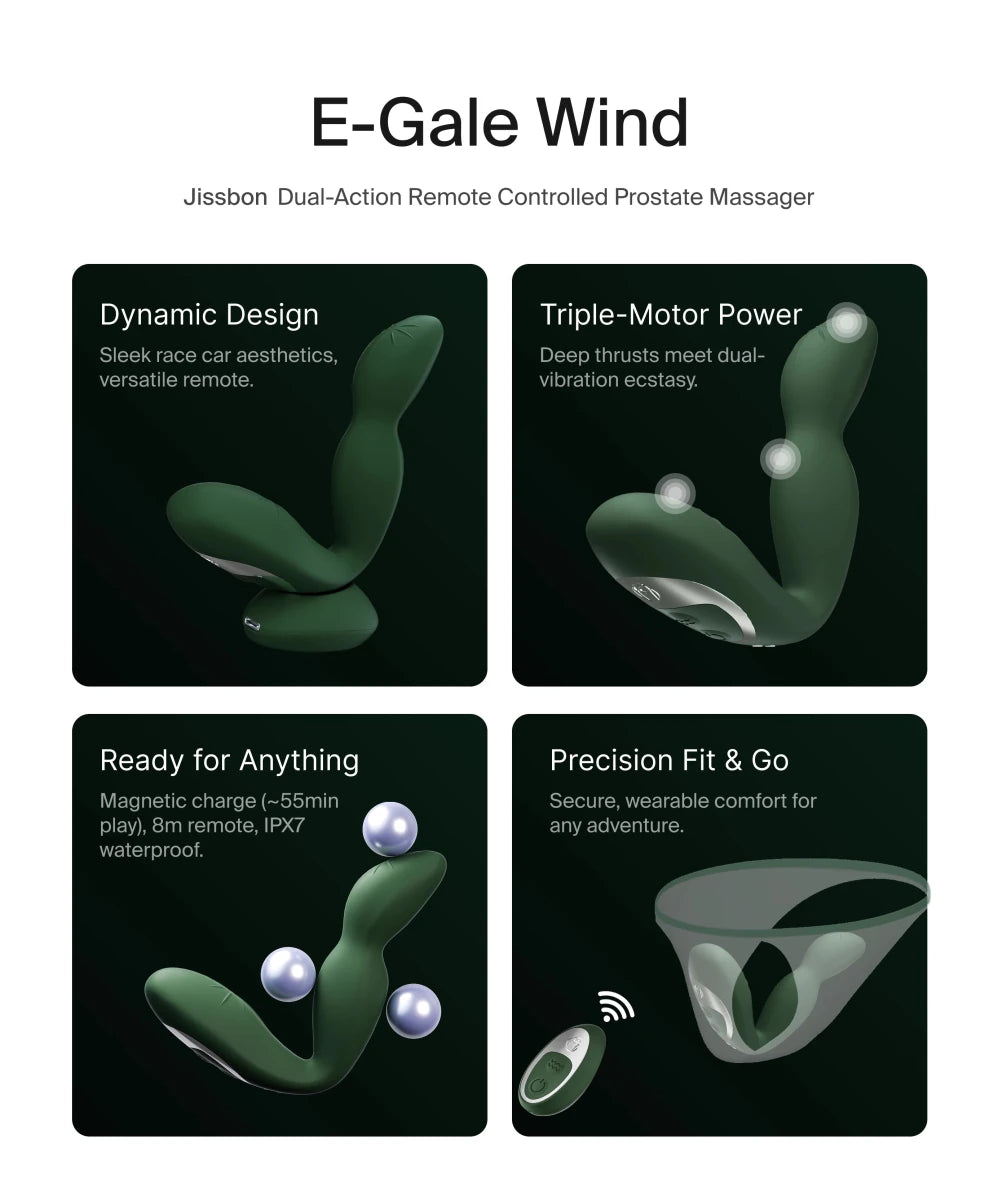
For prostate owners, angled vibrating plugs specifically target the prostate. These prostate massagers create blended orgasms combining penile and prostate sensation.
Temperature Play
Glass or metal plugs can be warmed in hot water (test temperature on your wrist first) or cooled in the refrigerator briefly. Temperature variation stimulates nerve endings differently than standard room-temperature insertion.
Safety Guidelines & Red Flags
Understanding boundaries between productive challenge and harmful pain keeps you safe.
Pain vs. Pressure
Pressure, fullness, and slight stretching sensations are normal and expected. Sharp pain, burning, or stabbing sensations indicate a problem—stop immediately.
The first insertion often feels strange or mildly uncomfortable simply because it's unfamiliar. If discomfort doesn't decrease after 2-3 minutes of holding still, remove the plug and try again another day.
When to Stop Training
Discontinue sessions if you experience:
- Persistent sharp pain during or after removal
- Bleeding beyond minor spotting
- Bruising around the anal area
- Difficulty controlling bowel movements
- Pain during bowel movements days after training
According to medical guidance on anal health, most injuries heal with rest, but persistent symptoms require medical evaluation.
Products to Avoid
Never use numbing creams or desensitizing sprays. Pain signals injury—masking it allows you to hurt yourself without realizing it. Real training involves gradual adaptation, not pain suppression.
Avoid anything without a flared base. Objects without proper bases can slip entirely inside, requiring emergency room extraction.
Hygiene Essentials
Wash hands thoroughly before and after. Clean plugs before and after every use with antibacterial soap and hot water. Store in a clean, dry location away from other toys (silicone can react with certain materials).
If sharing plugs between partners, use condoms over the plug or ensure thorough cleaning between uses to prevent bacterial transmission.
Troubleshooting Common Challenges
Most obstacles have straightforward solutions when you know what to adjust.
Can't Get Past Initial Resistance
If the plug won't enter despite lubrication and relaxation, you might be unconsciously tensing. Try this: bear down gently (like starting a bowel movement) while pressing the plug inward. This counterintuitive approach relaxes the internal sphincter.
Alternatively, try a smaller starting size. Pride shouldn't determine where you begin—comfort should.
Plug Won't Stay In
If the plug slides out or feels like it's not staying put, the neck (narrow section behind the widest part) may be too wide for your anatomy. Try a different design with a more pronounced difference between bulb and neck diameter.
Some slippage is normal with very generous lubrication. As lube migrates, friction increases slightly, improving retention.
Discomfort During Movement
Walking or sitting creates discomfort when the plug length or angle doesn't match your body's internal anatomy. Try shorter plugs or ones with more flexible necks.
Sometimes adjusting position slightly—how you're sitting or standing—eliminates pressure points causing discomfort.
Muscle Fatigue or Cramping
Your sphincters are working in new ways. Muscle fatigue feels like clenching or cramping. This improves with consistent practice as muscles strengthen and learn the new pattern.
If cramping persists, you may be wearing the plug too long initially. Reduce duration and build more gradually.
Preparing for Partnered Anal Sex
Training prepares your body, but partnered activity introduces new variables.
Communication Essentials
Discuss boundaries, pace preferences, and safe words before starting. "Slow down," "stop," and "more lube" should be easy to communicate without awkwardness.
Your partner should understand that your comfort level with plugs doesn't automatically translate to comfort with penises or strap-ons—the sensation differs.
First-Time Positioning
Positions where you control depth and pace work best initially. Being on top (partner lying down, you straddling) lets you manage penetration speed. Side-by-side (spooning) also provides control and easy access.
Avoid positions where your partner controls all movement until you're very comfortable. Doggy-style allows deep penetration and fast pace that may be overwhelming initially.
Lubricant Reapplication
Unlike solo training where you might last on one lube application, partnered sex typically requires reapplication. Keep lubricant within easy reach and don't hesitate to pause and add more.
Using Support Devices
Some people continue wearing their training plug during other sexual activities, removing it only when ready for penetration. This keeps tissues relaxed and prepared.
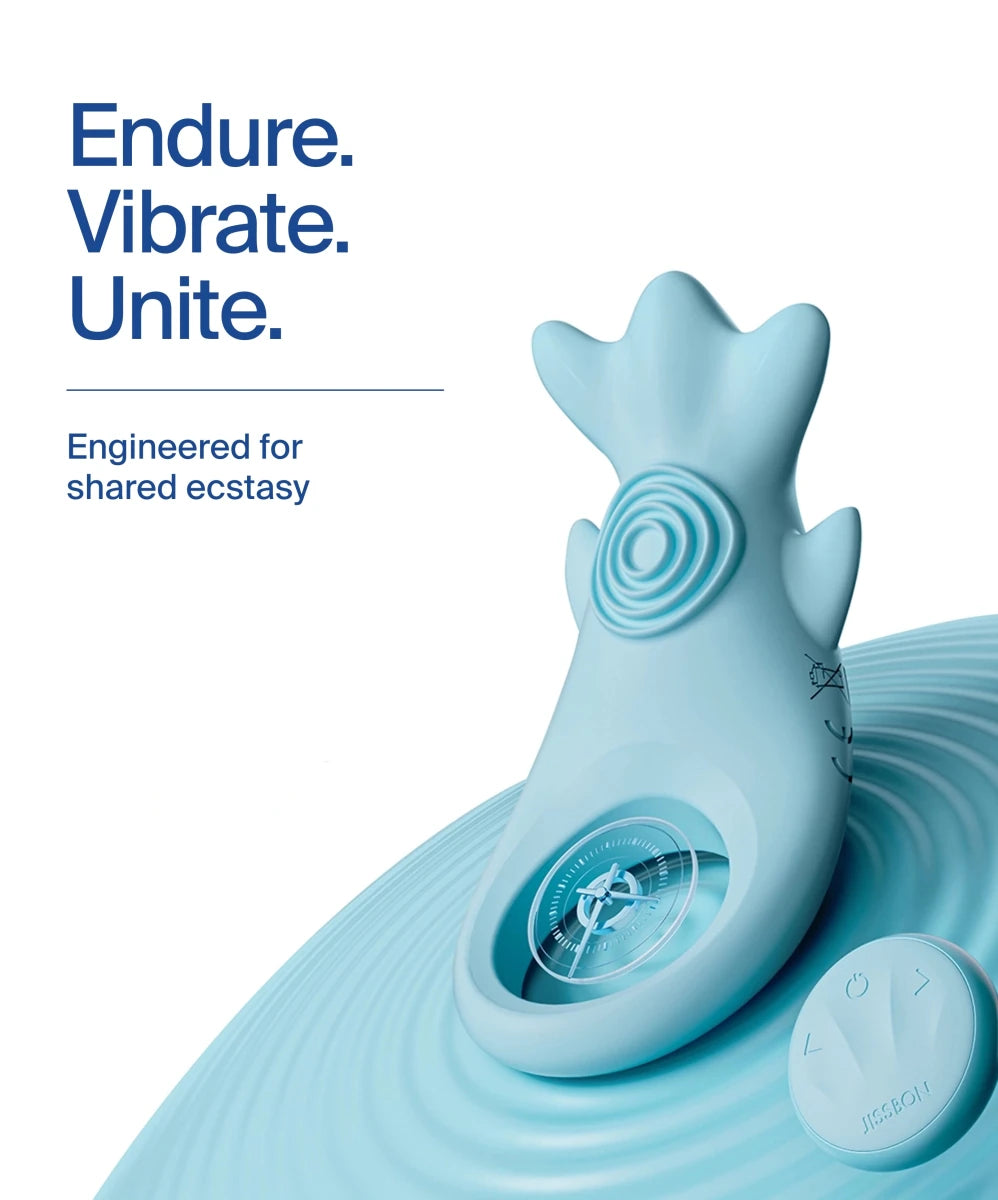
Cock rings with vibration features can enhance the experience for the penetrating partner while the receiving partner benefits from anal stimulation.
Frequently Asked Questions
Does butt plug training actually work?
Yes. Training relaxes sphincter muscles, conditions tissue to stretch safely, and reduces anxiety-related tension. It does not permanently loosen you — muscles return to baseline when not stimulated.
Can you wear a butt plug all day?
Advanced users can wear soft silicone plugs 2–4 hours, but all-day wear is not recommended. Risks include:
- friction irritation
- numbness
- hemorrhoids
- lost lube → painful dryness
Never sleep with one inserted.
Do I have to use multiple plug sizes?
For true training, yes. Incremental sizes prevent injury and help your body adapt gradually.
What’s the safest frequency for anal training?
Safe range:
- 2–3 sessions per week for beginners
- Daily once comfortable
Avoid training multiple times a day early on.
How long does butt plug training take?
Training duration varies significantly between individuals. Most people need 4-8 weeks to progress through beginner, intermediate, and advanced sizes comfortably. Factors like practice frequency, natural tissue elasticity, and stress levels affect progression. Never rush—your body's timeline is the correct one.
Can training stretch you out permanently?
No. Anal tissue is elastic and returns to its natural state between sessions. Regular training teaches muscle control and reduces reflexive tensing, but doesn't cause permanent looseness. Even people who engage in frequent anal activity return to their baseline size without stimulation.
How often should I train?
Beginners benefit from sessions every 2-3 days, allowing recovery time between. As comfort increases, daily sessions become safe. Frequency matters less than consistency—three times weekly with proper technique beats daily rushed sessions.
Do I need training if I've had anal sex before?
If previous experiences were comfortable, you might progress faster through training sizes. However, if you experienced pain or difficulty, proper training addresses those issues. Even experienced individuals benefit from warm-up with plugs before partnered activity.
What if I feel like I need to use the bathroom?
This sensation is common, especially for beginners. It's usually your body misinterpreting rectal fullness as needing to defecate. The feeling typically subsides after a few minutes. Ensuring you've emptied your bowels beforehand provides reassurance.
Can anal training cause health problems?
When done properly with gradual progression, appropriate sizes, and abundant lubrication, training is safe. Problems arise from rushing, forcing too-large sizes, or ignoring pain. Listen to your body's signals and progress conservatively to avoid complications.
Conclusion
Butt plug training transforms potentially painful anal experiences into comfortable, pleasurable exploration. By respecting your body's adaptation timeline, using proper technique, and selecting appropriate products, you develop the control and confidence needed for enjoyable anal play—whether solo or partnered.
Ready to begin your training journey with body-safe, graduated sizing? Explore thoughtfully designed training sets and anal toys at anal vibrators crafted for comfort, safety, and progressive exploration.


Looking for something else?

Sex Positions from Behind: 8 Beyond Doggy Style
LEARN MORE
What Does a Vulva Taste Like? Facts & Myths Explained
LEARN MORE
Straddle Sex Position: 7 Variations & Tips
LEARN MORE
Mistress Slave Relationship in BDSM: Complete Guide
LEARN MORELooking for something else?

Sensual Domination: Guide to Affectionate Power Play
LEARN MORE
Best Prostate Massager for Beginners: Complete Guide
LEARN MORE
Dominant Sex Positions: 8 Power Positions & Tips
LEARN MOREYou may also like
20% off

20% off

20% off

20% off

20% off

20% off

Further reading
Automatic Male Masturbator vs Manual Stroker: Which Should You Buy?
11 Best Automatic Blowjob Machines for Men in 2026

Understanding Smoking Fetish: The Erotic Appeal of Cigarettes