













































































Brat Play: A Guide to Playful Power Dynamics in the Bedroom
Stack & Save: Extra 15% with Jissbon15
Jissbon15
Brat play is a consensual power dynamic where one person (the brat) playfully challenges, teases, or "misbehaves" to provoke a response from their partner (the dominant or "brat tamer"). Unlike traditional submission where one partner obeys immediately, brats push boundaries, talk back, and test limits—all as part of the fun.
This dynamic thrives on playful tension. The brat isn't genuinely refusing or being disrespectful—they're creating entertaining resistance that both partners enjoy. The dominant responds with consequences, discipline, or "punishment" that the brat secretly wants. It's essentially consensual cat-and-mouse where everyone wins.
Brat play exists on a spectrum from mildly sassy to outright defiant, depending on what both people find exciting. The key difference from actual disobedience: everyone's having fun, boundaries are respected, and safe words remain in place.
Who Enjoys Brat Dynamics?
This style appeals to people who find traditional power exchange too serious or one-dimensional:
- Submissives who dislike passive roles—you want to submit but enjoy maintaining agency and personality
- Dominants who love a challenge—earning compliance feels more satisfying than receiving automatic obedience
- Playful personalities—you prefer laughter and teasing over stern intensity
- People seeking mental engagement—the verbal sparring and strategic testing provides intellectual stimulation
- Those exploring power exchange—brat play offers an accessible entry point without heavy protocol
- Switches—the dynamic allows both people to engage actively rather than one person doing all the work
- Anyone bored with routine—the unpredictability keeps encounters fresh and spontaneous
Brat Behavior vs. Genuine Disrespect
|
Brat Play (Consensual) |
Actual Disrespect (Problematic) |
|
Playful tone, smiling, teasing |
Harsh tone, genuine anger or contempt |
|
Respects safe words and boundaries |
Ignores limits or safe word use |
|
Stops when partner isn't enjoying it |
Continues despite clear discomfort |
|
Aims to engage and entertain |
Aims to hurt or control unfairly |
|
Discussed and agreed upon beforehand |
Happens without negotiation |
|
Creates tension that both enjoy |
Creates genuine conflict or resentment |
Understanding healthy relationship dynamics helps distinguish playful power exchange from unhealthy control patterns.
How to Be a Brat: Techniques and Tactics

Master the Art of Playful Defiance
Start with low-stakes testing to gauge your partner's response:
Verbal tactics:
- Responding to commands with "Make me" or "What if I don't?"
- Using nicknames your partner playfully "forbids"
- Questioning why you should do something in a teasing tone
- Giving exaggerated eye rolls or sighs
- Pretending not to hear instructions
- Offering cheeky commentary on your partner's technique
Physical tactics:
- Moving just out of reach when they try to touch you
- Doing the opposite of what was requested (slowly when told to hurry, quickly when told to wait)
- "Accidentally" breaking minor rules you both established
- Wiggling or squirming during discipline
- Making it physically challenging for them to position you
Know When to Push and When to Yield
Good brat play requires reading your partner's mood and energy. Push harder when they're clearly enjoying the challenge—smiling, bantering back, or getting more creative with consequences.
Yield when:
- They use your safe word or check-in phrase
- Their body language shifts from playful to genuinely frustrated
- You can tell they're tired or not fully engaged
- They give a specific signal you've established for "I need you to actually listen now"
The surrender after resistance should feel satisfying for both of you. Giving in at the right moment provides relief and reward.
Maintain the Playful Energy
Your tone, facial expressions, and body language communicate that this is fun:
- Smile or smirk while "misbehaving"
- Use an exaggerated innocent voice: "What? I didn't do anything wrong..."
- Make eye contact during defiance—this shows confidence and connection
- Laugh when you're "caught" or disciplined
- Use playful physical gestures (sticking your tongue out, playful shoving)
If your demeanor seems genuinely angry or cold, your partner may worry they've actually upset you.
Understand Your Bratty Motivation

Different brats have different goals:
Attention-seeking brats act out because they want their partner's focus. "Punishment" means undivided attention.
Testing brats push to see how far they can go or to confirm their partner will maintain boundaries (this feels safe).
Playful brats simply enjoy the banter and don't take any of it seriously.
Service-oriented brats misbehave specifically to give their partner opportunities to demonstrate dominance—it's a gift.
Knowing your motivation helps you communicate what you need from the dynamic.
How to Dom a Brat: Taming Techniques
Establish Clear Rules Worth Breaking
Brats need rules to push against. Without structure, there's nothing to rebel against playfully. Create simple guidelines:
- "No touching yourself without permission"
- "Address me as [specific title] during play"
- "Stay in position when I tell you to"
- "Keep your hands behind your back"
- "No talking back with that tone"
Make rules achievable but tempting to break. If they're too easy, there's no fun. Too hard, and your brat feels genuinely frustrated rather than playfully defiant.
Respond Consistently to Testing
Brats need to know their behavior will provoke a response. Ignoring bratty behavior removes the fun—they're performing for your reaction.
Effective responses:
- Calm, controlled acknowledgment: "Oh, did you just do what I think you did?"
- Raised eyebrow or knowing smile that says "I see you"
- Immediate consequence that fits the "crime"
- Taking away privileges or pleasures temporarily
- Making them work harder for what they want
- Physical corrections (spanking, holding them still, repositioning)
Keep your energy playful but authoritative. You're enjoying the challenge, not genuinely upset.
Create Consequences They Actually Want
Here's the secret: bratty behavior is often calculated to provoke specific responses. Your "punishment" should be something your brat secretly desires.
Popular consequences:
- Spanking or impact play
- Being held down or restrained
- Forced orgasms or orgasm denial
- Having to ask nicely/beg for what they want
- Physical challenges (holding positions, endurance tasks)
- Sensory play as "discipline"
- Being ignored for a set period (attention withdrawal)
Negotiate these ahead of time. Ask directly: "When you act bratty, what kind of response do you actually want?"
Understanding power exchange dynamics provides context for how these roles function within consensual relationships.
Maintain Control Through Composure
The moment you seem genuinely frustrated or angry, the dynamic shifts from play to actual conflict. Stay calm and slightly amused even when your brat is being particularly challenging.
Maintaining dominant energy:
- Speak slowly and deliberately
- Use their name or a title to reclaim attention
- Make steady eye contact that communicates "I know exactly what you're doing"
- Don't raise your voice—lowering it often works better
- Pause before responding to show you're in control of the pace
- Smile slightly to acknowledge the game you're both playing
If you genuinely lose your temper, pause the scene. Use your safe word or check-in system to reset.
Know When to Win and When to "Lose"
Sometimes letting your brat "get away with it" for a while makes eventual consequences more satisfying. Build tension through delayed response.
Other times, immediate correction works best—catching them off-guard and reasserting control quickly.
Vary your approach so your brat never quite knows which strategy will work. Unpredictability maintains excitement.
Reward Good Behavior
When your brat finally yields or follows instructions (even grudgingly), acknowledge it:
- "There's my good [pet name]"
- Physical affection (hair stroking, gentle touch)
- Giving them what they've been asking for
- Praise that recognizes the effort it took for them to comply
Positive reinforcement makes compliance feel rewarding rather than like losing the game.
For evidence-based perspectives on consent and communication in intimate relationships, sexual health organizations emphasize ongoing negotiation.
Setting Up Successful Brat Scenes
Pre-Scene Negotiation
Before play begins, discuss:
Boundaries and limits:
- Which behaviors are playful vs. genuinely off-limits
- Topics that shouldn't be used in teasing or discipline
- Physical activities that are/aren't welcome
- Intensity levels you're comfortable with
Safe words and check-ins:
- Standard safe words (red/yellow/green system works well)
- Non-verbal signals if you'll be gagged or unable to speak
- Check-in frequency if one of you is new to this dynamic
Goals and desires:
- What kind of mood are you aiming for (silly, sexy, intense?)
- Specific scenarios you want to explore
- Which consequences sound appealing
- Time limits if needed
During the Scene
For brats:
- Stay connected to your body's signals—if something shifts from fun to genuinely uncomfortable, communicate immediately
- Remember you have full permission to stop being bratty if you're not enjoying it anymore
- Check your partner's reactions—are they having fun or getting genuinely frustrated?
For dominants:
- Regularly assess whether your brat is enjoying themselves or pushing because they feel they "should"
- Watch for genuine distress vs. playful protest
- Adjust intensity based on your brat's energy level
- Remember this is entertainment for both of you—if you're not having fun, pause and recalibrate
After-Scene Care
Brat play can be emotionally and physically intense. Both people need aftercare:
Physical care:
- Treat any marks from impact play appropriately
- Provide water, snacks, comfortable temperature
- Gentle touch and affection
- Warmth if anyone feels cold (common after intense scenes)
Emotional care:
- Verbal affirmation: "You were so good" / "I loved playing with you"
- Discussing what worked well and what to adjust next time
- Reassurance if anyone feels vulnerable or uncertain
- Cuddles, conversation, or quiet time based on individual needs
Processing together:
- "What was your favorite part?"
- "Did anything feel off or uncomfortable?"
- "What should we try differently next time?"
Debrief within 24-48 hours when you're both fully out of scene headspace.
Incorporating Tools and Toys

Physical props can enhance brat dynamics:
For Restraint and Control
When a brat won't stay still, restraints solve the problem:
- Soft cuffs for wrists or ankles
- Under-bed restraint systems for accessibility
- Spreader bars that maintain position
- Bondage tape that's easy to remove
Restraint creates helplessness that many brats find thrilling—they can finally stop testing and simply experience.
For Impact and Discipline
Spanking and impact play rank among the most common "consequences" for bratty behavior:
- Paddles for broader sensation
- Crops or floggers for more precise targeting
- Your hand for intimate, personal impact
- Textured implements for variety
Start gently and increase intensity gradually. Check in frequently, especially early in your dynamic.
For Sensation and Tease
Anticipation and sensation heighten bratty scenes:
- Blindfolds to remove control and increase vulnerability
- Temperature play (ice cubes, warm massage oil)
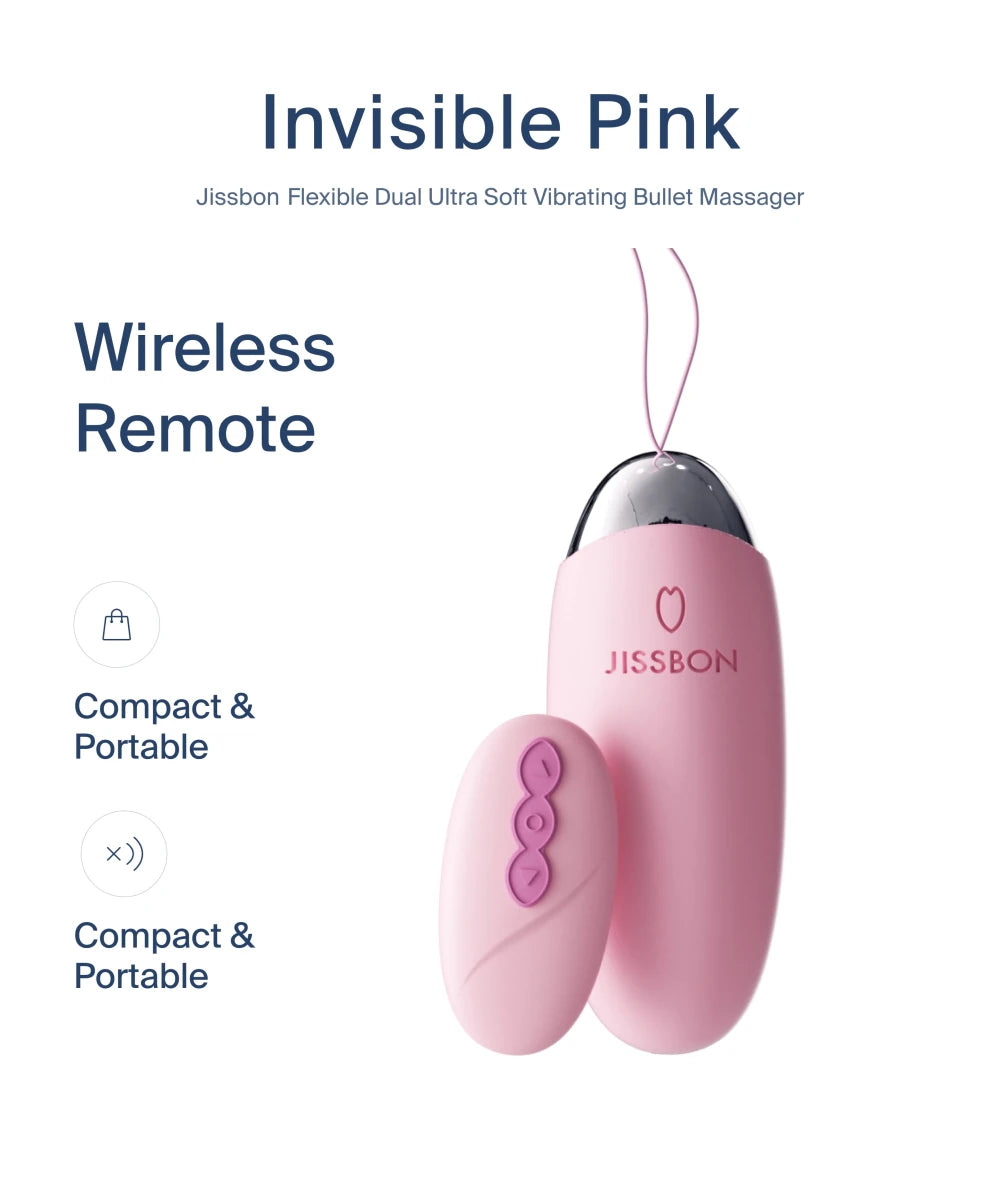
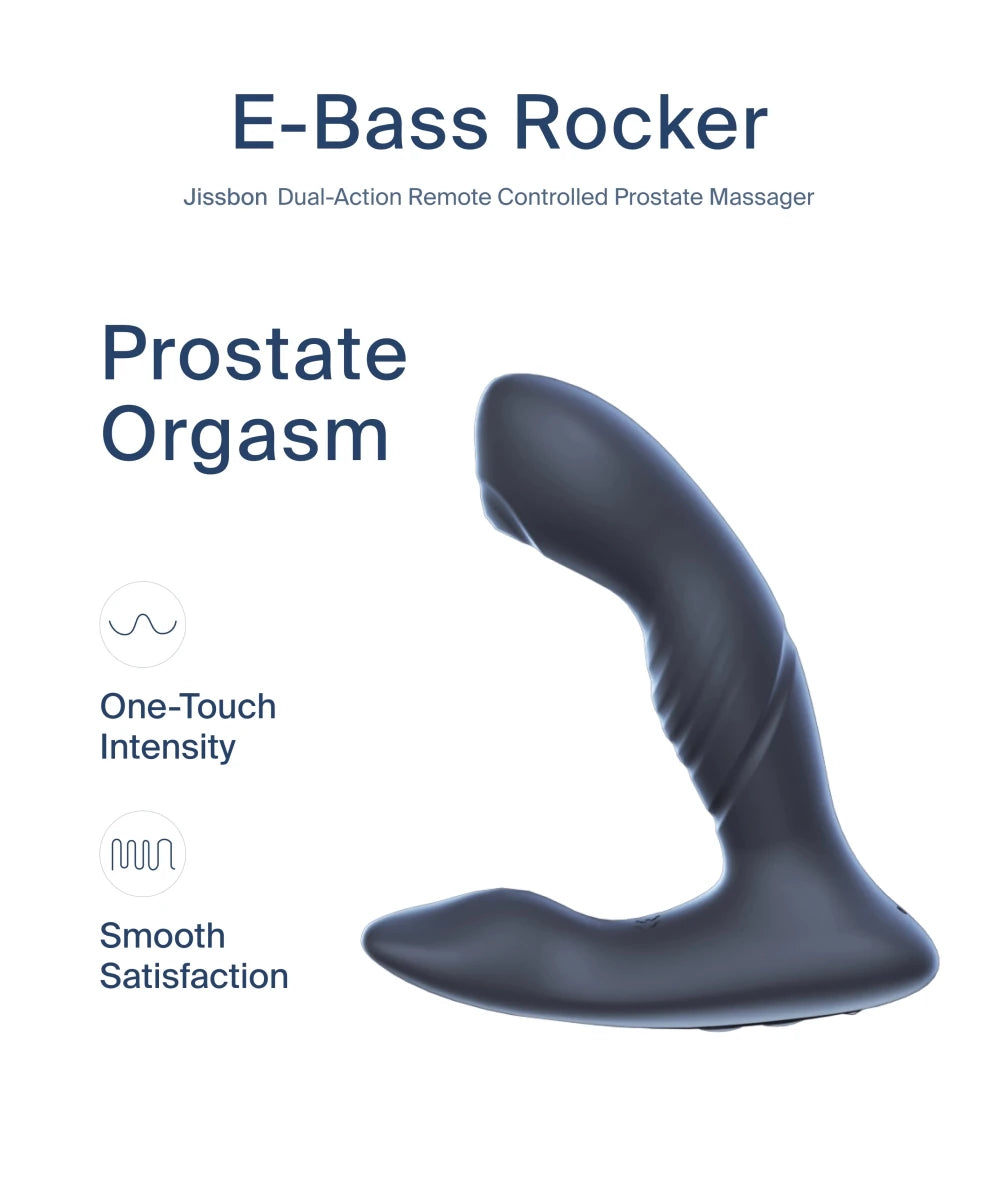
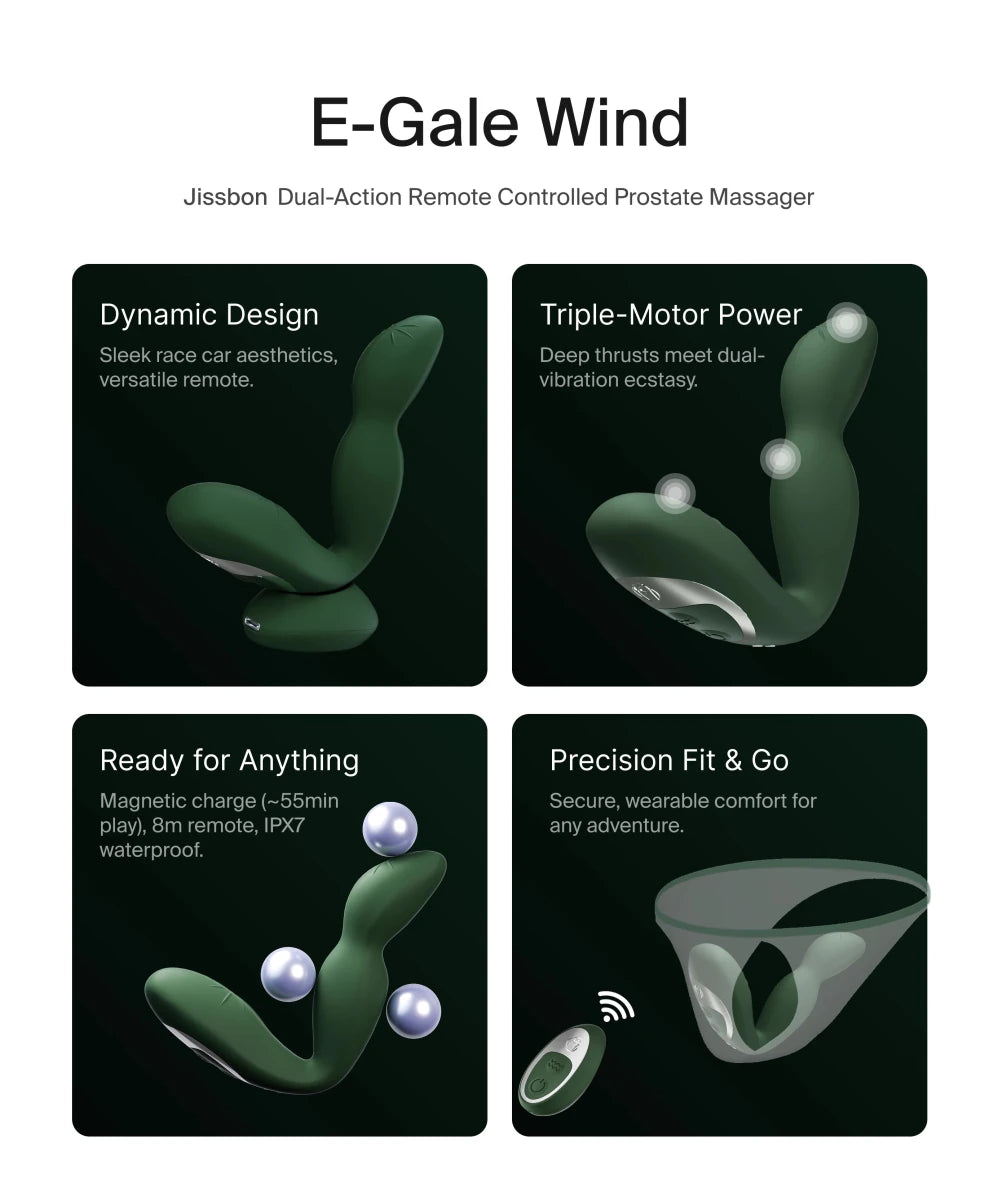
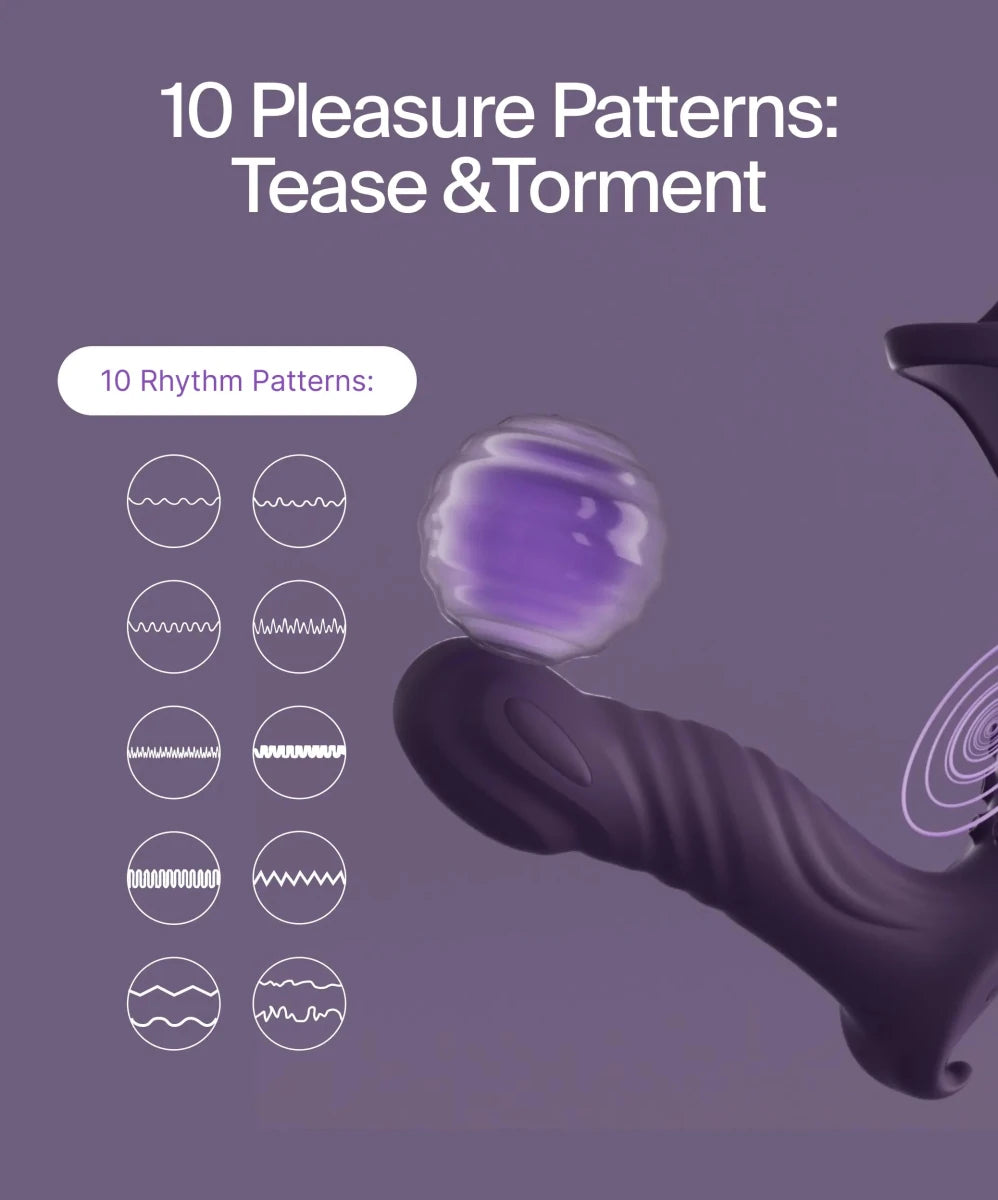
- Remote controlled vibrators that let dominants control pleasure
- Feathers or wartenberg wheels for nerve play
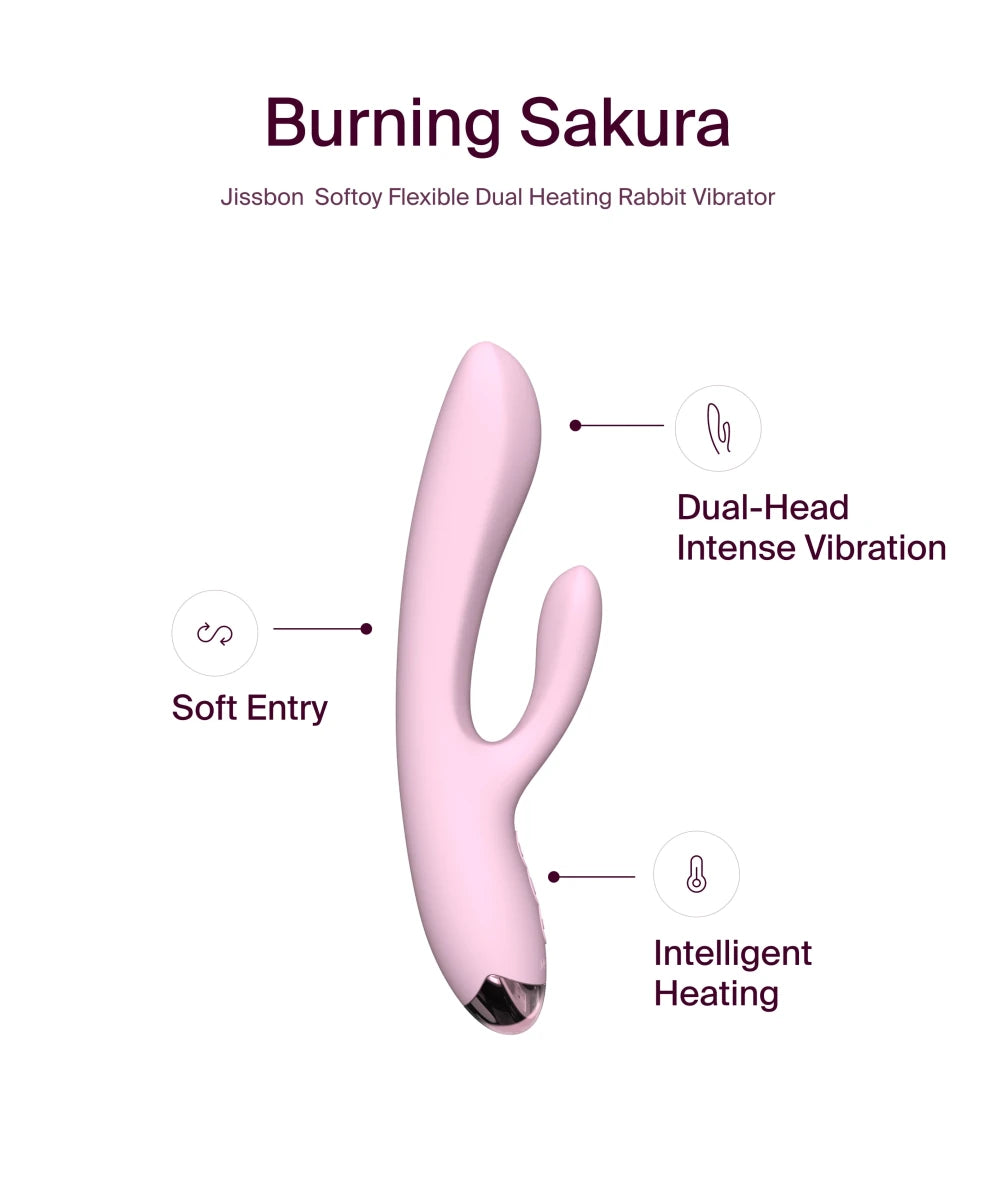
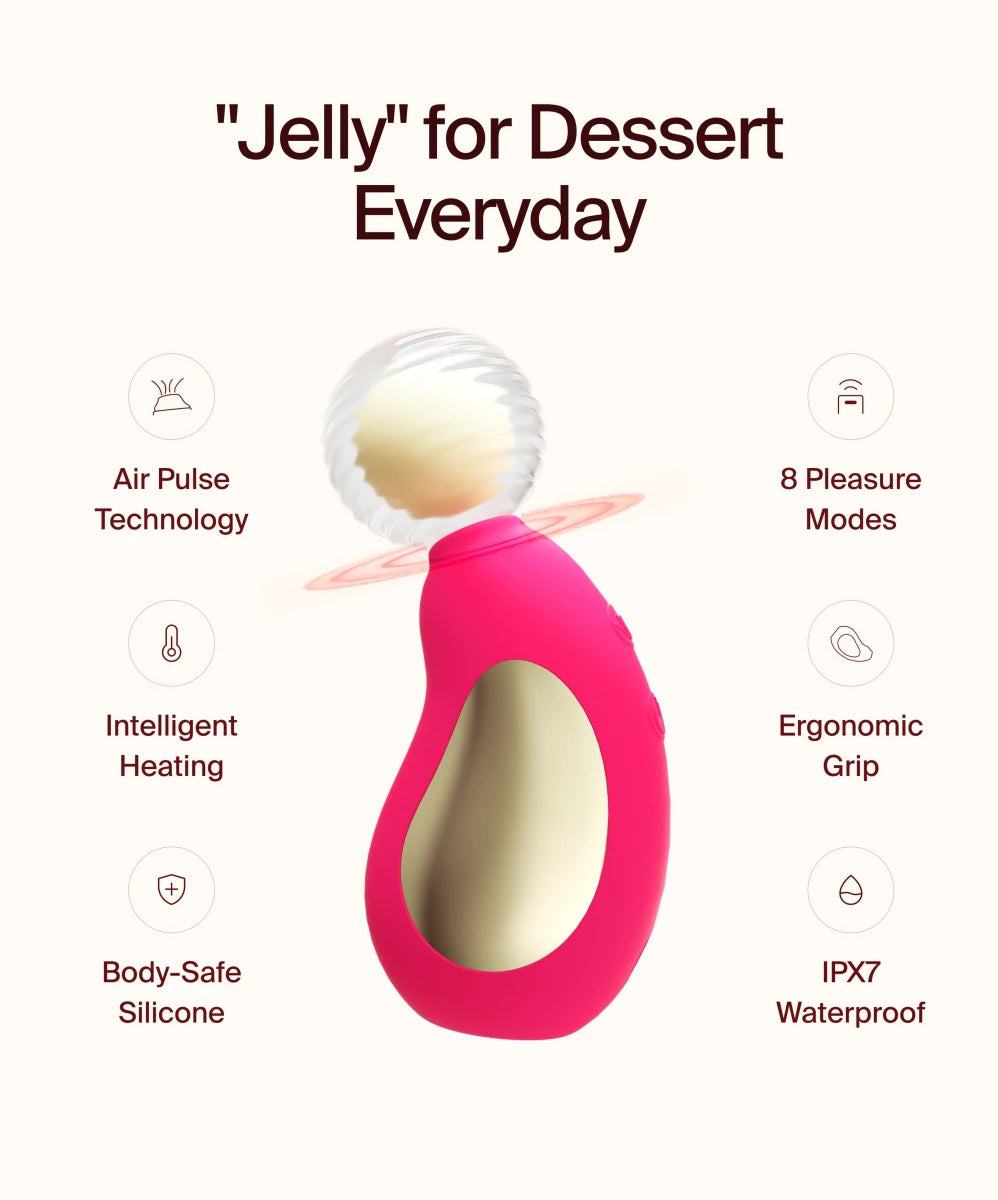
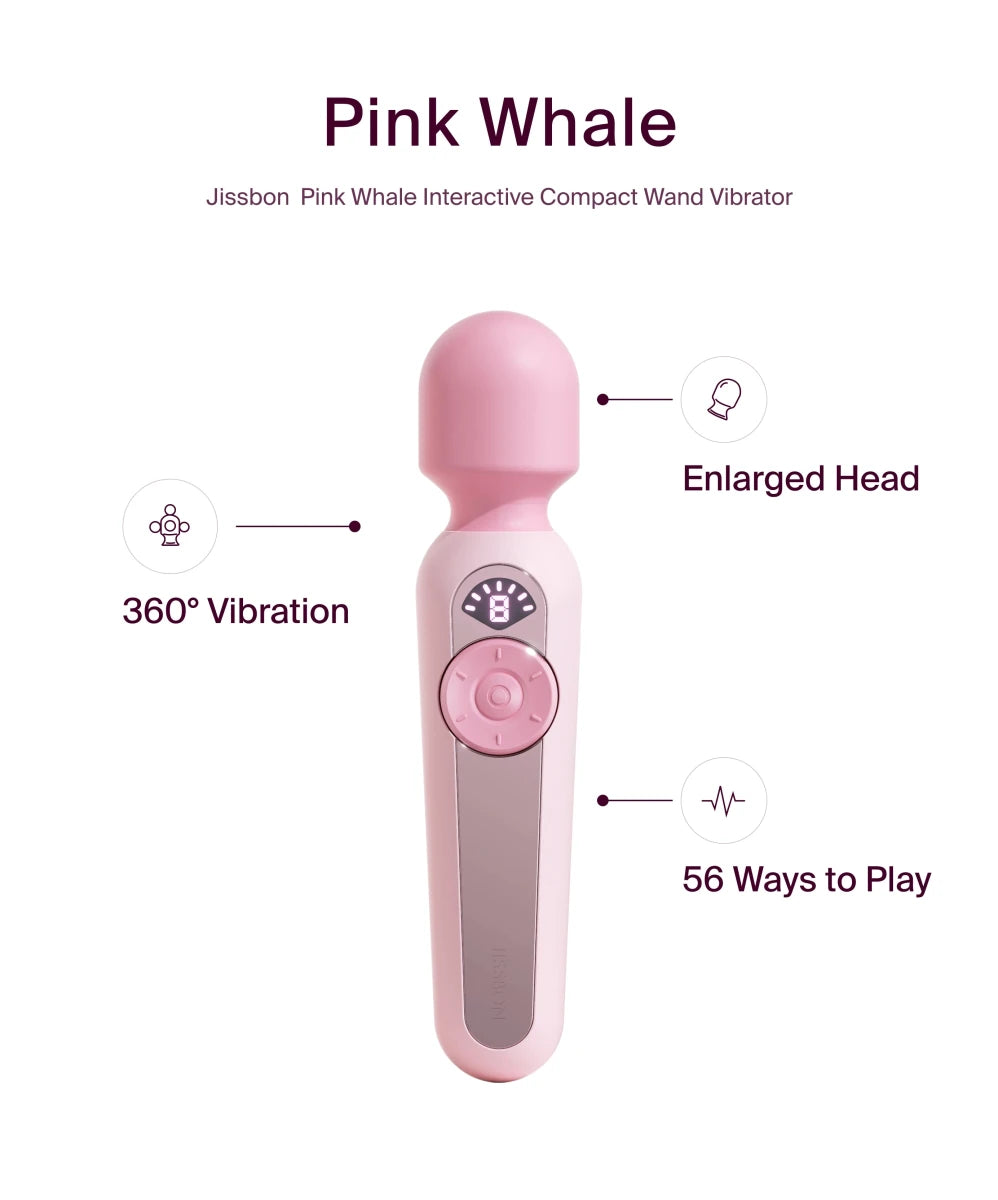
Sex toys for couples designed with remote functions offer dominants excellent control while giving brats something to react to.
Common Challenges and Solutions
"My partner takes my brattiness personally"
The issue: Your partner interprets playful defiance as genuine disrespect or criticism.
The solution: Have explicit conversations outside of play about what brat behavior means. Emphasize that your bratty persona is a role you adopt because you trust them and find it fun—not a reflection of your actual feelings about them or the relationship. Establish clear signals that distinguish play from real conflict.
"I don't know how to start being bratty"
The issue: You want to try this dynamic but feel awkward or unsure how to begin.
The solution: Start extremely small. Try a single eye roll or playful "make me" and see how it feels. Discuss with your partner that you're experimenting. Watch your partner's reaction—if they smile or engage playfully, continue. If they seem confused, pause and explain what you're trying. Many people find it easier to start bratty behavior during already-playful moments rather than during serious or romantic contexts.
"My brat pushes too far and I genuinely get angry"
The issue: What starts as play crosses into actual frustration or anger for the dominant.
The solution: Establish a separate safe word for the dominant to use when they need the bratty behavior to genuinely stop. Create a rule that certain topics or behaviors are completely off-limits regardless of context. After a scene where this happened, discuss specific boundaries. Sometimes dominants need to practice the skill of pausing and taking a breath before responding—your composure is key.
"The brat role feels exhausting to maintain"
The issue: You enjoy bratting occasionally but feel pressured to always be "on."
The solution: Brat energy doesn't need to be constant. Many people are bratty only during specific play times, then return to their regular personality outside those contexts. Some people are bratty only when they have high energy. Communicate that your brattiness is situational, not an all-the-time role.
"We can't stop laughing and it kills the mood"
The issue: The playfulness tips into pure comedy and you lose the erotic tension.
The solution: Laughter isn't a problem unless it bothers you. Many successful brat dynamics include lots of giggling—it's genuinely fun. If you want to maintain more erotic intensity, the dominant can use lower voice tone, slower pacing, and more deliberate touch to shift energy from silly to sensual while still keeping playfulness.
For context on communication in power exchange, psychology resources explain how these dynamics function in healthy relationships.
Brat Play Beyond the Bedroom
Daily Life Bratting
Some couples enjoy carrying mild bratty dynamics into everyday situations:
- Playful sass during mundane tasks
- "Forgetting" to do agreed-upon chores (within negotiated boundaries)
- Teasing challenges throughout the day via text
- Gentle defiance that creates playful tension
Keep intensity appropriate for context. What's fun at home might be inappropriate in public or professional settings.
Text and Digital Bratting
Distance makes bratting convenient:
- Sending cheeky messages that test boundaries
- Deliberately misinterpreting instructions
- Photos or videos that tease
- Countdown games where the brat tries to provoke before seeing their partner
Digital bratting keeps dynamics alive during physical separation.
Group Dynamics
In kink communities, brat munches or events let people connect with others who share this energy. Some groups enjoy the social aspect of multiple brats challenging dominants or brats teasing each other.
If exploring community, research local kink-friendly groups and safety practices to ensure ethical, consensual participation.
Frequently Asked Questions
Is bratting the same as topping from the bottom?
No. "Topping from the bottom" refers to a submissive trying to control the scene by manipulating their dominant, often to the dominant's frustration. Bratting is a negotiated dynamic where both people enjoy the challenge and resistance. The key difference: consent and mutual enjoyment. If your partner doesn't want brat behavior and you persist, that's topping from the bottom. If you've agreed this is fun for both of you, it's brat play.
Can dominants be brats sometimes?
Absolutely. Switches often explore both roles. Some dominants enjoy occasionally being bratty toward their submissive, creating role flexibility. Others maintain separate dynamics with different partners where they occupy different positions. Roles can be fluid—there's no requirement to stay consistent across all relationships or all time.
Do we need special equipment or knowledge to try this?
No special gear is required. Brat play happens primarily through attitude, verbal exchange, and power dynamics. You can explore this with absolutely zero equipment. If you want to add physical elements later (restraints, impact tools, toys from Jissbon), those enhance options but aren't mandatory. Start with what you have: your bodies, voices, and creativity.
What if one partner wants more brat play than the other?
Negotiate frequency and intensity. Perhaps you engage fully in brat dynamics once weekly but incorporate mild bratting other times. Or agree that only certain contexts (bedroom, specific date nights) involve bratting. Compromise might mean the person wanting less gets to set boundaries on when/where, while the person wanting more gets their needs met within those parameters.
How do we transition from brat play back to regular relationship mode?
Many couples benefit from deliberate transition rituals: showering together, changing clothes, having a specific phrase like "scene is over," or sharing a meal. These markers help brains shift from play roles to regular partnership. Aftercare serves this purpose—reconnecting as equals after power exchange. Some couples need very little transition, while others require clear separation between play and daily life.
Is it normal to feel vulnerable or emotional after brat scenes?
Yes, power dynamics can trigger unexpected emotional responses. Vulnerability, tenderness, or even tears during aftercare are common regardless of whether the scene felt playful. Intensity of any kind—even fun intensity—can create emotional release. This is why aftercare matters. If emotional responses feel overwhelming or consistently negative, explore those feelings with a therapist familiar with kink dynamics.
Embracing Your Playful Side
Brat dynamics offer a refreshing alternative to serious power exchange, proving that submission can include personality, humor, and active engagement. Whether you're naturally cheeky and want permission to express that, or you're curious about testing boundaries in safe ways, bratting provides a structured outlet for playful defiance.
The best brat relationships involve two people who genuinely enjoy the game—the push and pull, the testing and taming, the verbal sparring and physical consequences. When both partners embrace the playfulness while respecting the underlying boundaries, brat dynamics create exciting, connecting, and endlessly entertaining experiences.
Ready to explore tools that enhance playful power dynamics? Discover options at Jissbon designed for couples navigating exciting intimate territories together


Looking for something else?

What Is Flogging in Sex? Complete BDSM Flogging Guide
LEARN MORE
What Does Overstimulated Mean Sexually? Causes & Solutions
LEARN MORE
Can You Get a Tattoo on Your Vagina? Safety, Pain & What to Expect
LEARN MORE
Public Sex Kink: Understanding Exhibitionism & Safe Exploration
LEARN MORELooking for something else?

A-Spot Orgasm: Best Positions & How to Find It
LEARN MORE
Bondage Play: Complete Beginner's Guide to Rope BDSM
LEARN MORE
Vibrator Stories: Real Experiences, Tips & What to Expect
LEARN MOREYou may also like
20% off

20% off

20% off

20% off

20% off

20% off

Further reading

How to Clean an Automatic Blowjob Machine Without Damaging the Motor

Remote-Controlled Automatic Masturbators for Couples and Solo Play

Best Automatic Strokers for Edging and Stamina Training