






























































Best Position for Deep Throat: Complete Guide to Comfort & Technique
Stack & Save: Extra 15% with Jissbon15
Jissbon15
Finding the best position for deep throat can transform an uncomfortable experience into one that's pleasurable and sustainable for both partners. Whether you're exploring this technique for the first time or looking to refine your approach, understanding how anatomy, angles, and communication work together makes all the difference.
This guide covers the most effective deep throat positions, preparation tips, and safety practices to help you explore with confidence. Let's break down what works, why it works, and how to make the experience comfortable for everyone involved.
Who This Guide Is For & Why Position Matters
Deep throat positions aren't one-size-fits-all. The right setup depends on experience level, comfort preferences, and physical considerations. This guide helps:
- Beginners exploring oral techniques who want to start safely and build confidence gradually
- Couples seeking better angles to reduce gagging and increase comfort during oral sex
- People with sensitive gag reflexes looking for positions that minimize triggering points
- Partners wanting to enhance intimacy through improved communication and technique
- Anyone experiencing discomfort in traditional positions who needs ergonomic alternatives
- Those interested in sexual wellness and understanding the anatomy behind what works
Position matters because throat angle directly impacts comfort. The right alignment creates a straighter path, reduces gagging, and allows for deeper, more controlled movement.
Understanding the Anatomy Behind Deep Throat Positions

Why Angles Make All the Difference
The human throat naturally curves, which means horizontal positions create a bend that makes deep throating more challenging. The best position to deep throat typically involves alignment that straightens this natural curve.
Key anatomical considerations include:
- Soft palate positioning tilting the head back opens the throat passage
- Tongue placement keeping the tongue flat and forward reduces obstruction
- Jaw angle wider opening with relaxed jaw muscles prevents strain
- Neck extension backward tilt creates straighter airway access
According to research on human anatomy and the throat, the pharynx functions best when aligned in extension rather than flexion.
The Gag Reflex Factor
The gag reflex protects your airway from foreign objects. It's triggered by pressure on the back of the tongue, soft palate, or throat walls. Position directly impacts where and how contact occurs.
Strategies that work with your gag reflex:
- Gradual desensitization through repeated, gentle exposure over multiple sessions
- Controlled breathing using nasal breathing to stay relaxed
- Optimal head positioning to minimize trigger point contact
- Communication signals so the receiving partner can pause when needed
Healthcare resources like Planned Parenthood emphasize that consent and comfort should always guide sexual exploration.
The Best Positions for Deep Throat: Complete Breakdown

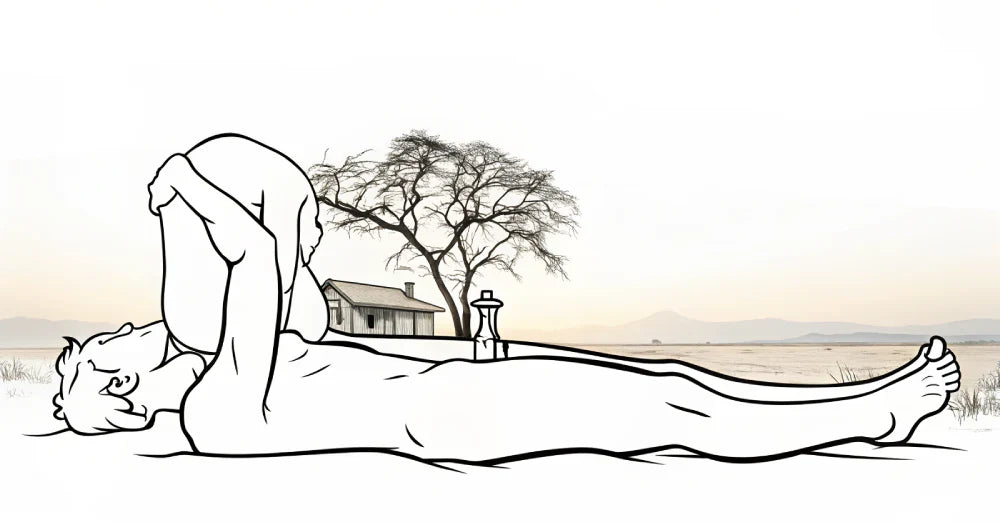
Edge of the Bed Position
Setup: The receiving partner lies on their back with their head hanging off the edge of the bed. The giving partner stands or kneels at the edge.
Why it works: This creates the straightest possible throat angle by extending the neck backward. Gravity assists with saliva management, and the receiving partner has full control over depth and pace.
Comfort tips:
- Place a pillow under the shoulders for neck support
- Start with the head only slightly tilted, then adjust as comfortable
- The receiving partner can use their hands to guide depth
- Take frequent breaks to avoid neck strain
Best for: Experienced partners who want maximum depth with the receiving partner in control.
Lying on Your Side
Setup: The receiving partner lies on their side with their head supported by a pillow. The giving partner kneels or lies facing them.
Why it works: This position offers a moderate throat angle while being easier on the neck than the edge-of-bed position. It allows for eye contact and easier communication.
Comfort tips:
- Adjust pillow height to find the optimal neck angle
- The giving partner can use their hand to stabilize
- This position works well for longer sessions without neck fatigue
- Easy to pause and communicate without changing positions
Best for: Couples who prioritize comfort and sustained sessions over maximum depth.
69 Position Modified
Setup: The receiving partner lies on their back while the giving partner positions themselves on top, facing the opposite direction, but with slight modifications for throat alignment.
Why it works: When the receiving partner tilts their head back slightly (using a thin pillow or folded towel), this creates better throat access than standard 69. The position also allows for mutual pleasure.
Comfort tips:
- The receiving partner should focus on relaxation rather than reciprocating simultaneously at first
- Use pillows to adjust height differences
- Start slow and establish rhythm before adding complexity
- Have clear pause signals since verbal communication is limited
Best for: Adventurous couples who want mutual stimulation once they've mastered basic technique.
Kneeling While Receiver Sits
Setup: The giving partner kneels or sits on a low cushion while the receiving partner sits on a chair or edge of the bed.
Why it works: This allows the giving partner to control the angle by adjusting their height and position. The receiving partner can remain relatively still, reducing unpredictability.
Comfort tips:
- Use knee pads or cushions for the giving partner's comfort
- The receiving partner should sit with hips slightly forward
- Place hands on shoulders for guidance, not pressure
- This position allows the giving partner to retreat easily
Best for: Beginners who need maximum control and easy exit options.
Standing Against a Wall
Setup: The receiving partner stands with their back against a wall for stability. The giving partner kneels in front.
Why it works: The wall provides support while allowing the receiving partner to adjust hip position for optimal angles. The giving partner has full control over pace and depth.
Comfort tips:
- The receiving partner should keep knees slightly bent for stability
- Use wall padding or lean against a cushioned headboard if available
- The giving partner benefits from knee cushions for longer sessions
- Maintain clear communication since positions are fixed
Best for: Quick sessions or when furniture arrangements limit other options.
Comparison Table: Finding Your Best Deepthroat Position
|
Position |
Throat Angle |
Control |
Comfort Level |
Best For |
|
Edge of Bed |
Optimal (straight) |
Receiving partner |
Moderate |
Max depth, experienced |
|
Lying on Side |
Good |
Shared |
High |
Longer sessions, comfort |
|
Modified 69 |
Good |
Giving partner |
Moderate |
Mutual pleasure |
|
Kneeling/Sitting |
Adjustable |
Giving partner |
High |
Beginners, learning |
|
Standing/Wall |
Moderate |
Giving partner |
Moderate |
Quick sessions |
Step-by-Step Technique for Any Deep Throat Position

Preparation Phase
Create a comfortable environment
Set up your space with pillows, towels, and any positioning aids you need. Ensure both partners feel relaxed and unhurried. Remove any time pressure that might create performance anxiety.
Communicate expectations and signals
Establish clear stop signals before beginning. Verbal cues work well in some positions, but have a physical signal (like tapping twice) for positions where talking is difficult.
Handle hygiene considerations
Both partners should be freshly showered. The receiving partner may want to trim or groom, though this is personal preference. Clean hands are essential since they'll likely be involved in guidance.
Building Comfort Gradually
Start with shallow exploration
Begin with regular oral sex techniques you're already comfortable with. Focus on relaxation rather than immediately attempting depth. Rushing causes tension, which worsens gagging.
Practice breathing control
The giving partner should practice breathing through their nose while their mouth is occupied. Take deliberate breaths, pause when needed, and never push through breathlessness.
Explore depth incrementally
Advance gradually over multiple sessions rather than trying to achieve full depth immediately. Small increases each time build confidence and physical adaptation. This might mean weeks of practice that's completely normal.
Use your hands strategically
The giving partner can use one hand at the base to control depth, creating a buffer zone. This prevents going too deep too fast and gives the receiving partner tactile feedback about positioning.
During Active Practice
Find your optimal head position
Experiment with small adjustmentstilting back slightly more or less, turning slightly to one side, or changing pillow height. Millimeters matter when it comes to throat comfort.
Manage saliva production
Deep throating naturally increases saliva production. Have towels nearby and don't be self-conscious about pausing to swallow or wipe. This is completely normal and expected.
Take intentional breaks
Every 30-60 seconds, take a break to breathe, swallow, and reset. These pauses prevent fatigue, reduce gagging, and allow both partners to check in verbally.
Adjust based on feedback
The receiving partner should provide gentle guidance through verbal cues or hand positioning. The giving partner should communicate discomfort immediately through agreed signals.
Post-Session Care
Hydrate immediately
The giving partner should drink water to soothe the throat. Room temperature or slightly warm water works better than ice-cold, which can cause throat muscles to contract.
Check in emotionally
Discuss what worked well and what could improve. Frame feedback positively and affirm effort. Deepthroating involves vulnerability, so supportive communication matters.
Monitor for any discomfort
Minor throat sensitivity is normal when learning. However, persistent pain, difficulty swallowing, or soreness lasting more than 24 hours warrants a break from practice. According to medical guidance on throat health, persistent soreness should be evaluated by a healthcare provider.
Enhancing Comfort & Reducing Gag Reflex

Physical Techniques That Help
Numbing considerations: Some people use throat-numbing sprays, but healthcare professionals generally advise against this since pain is your body's protective signal. Removing that feedback increases injury risk.
Natural desensitization methods:
- Practice gentle pressure with a toothbrush on the back of your tongue daily
- Gradually move a clean finger deeper into your mouth over time
- Focus on relaxation and breathing rather than fighting the reflex
- Understand that some sensitivity may always remain that's okay
Breathing exercises:
Controlled breathing calms the nervous system and reduces reflexive responses. Before beginning, take five slow, deep breaths. During practice, maintain steady nasal breathing and pause whenever you need extra breaths.
Mental & Emotional Factors
Trust between partners dramatically affects comfort levels. Deep throating requires vulnerability, so feeling safe and respected directly impacts physical relaxation.
Building trust involves:
- Honoring all stop signals immediately without question
- Never applying pressure to the head or neck without explicit consent
- Checking in frequently, especially when learning
- Celebrating progress without creating performance expectations
- Accepting that some days will work better than others
Performance anxiety often worsens gagging. Reframe the experience as exploration rather than a goal to achieve. Focus on what feels good rather than reaching specific depths or durations.
Common Challenges & Solutions
I Gag Immediately No Matter What Position I Try"
Solution: Your gag reflex may be more sensitive than average, which is completely normal. Focus on positions that give you maximum control (kneeling while receiver sits) and practice gradual desensitization separately from partnered sessions. Some people simply have limits that don't expand significantly that's not a failure.
Consider that plenty of people provide excellent oral pleasure without deep throating. Techniques like hand-mouth coordination, focused attention on the most sensitive areas, and enthusiastic engagement often matter more than depth.
My Neck Hurts in the Positions That Work Best for My Throat"
Solution: This indicates you need better support. For edge-of-bed positions, place a firm pillow under your shoulders to reduce neck extension angle. For other positions, try rolled towels or neck pillows to fill gaps. Never tolerate painadjust the setup until comfortable.
Physical fitness also helps. Neck strengthening exercises and shoulder mobility work improve your ability to maintain positions comfortably. Gentle yoga or stretching before intimate sessions can help too.
I Can't Breathe Well Enough to Continue"
Solution: Breathing coordination takes practice. Start with much shorter durationseven 5-10 secondsthen retreat fully to breathe. Gradually increase duration over weeks. Practice nasal breathing during non-sexual activities to build the skill.
Some positions allow better breathing than others. Lying on your side typically permits easier breathing than being on your back. Experiment to find what works for your body.
Saliva Gets Everywhere and I Feel Embarrassed"
Solution: Excessive saliva is a natural physiological response and actually helps with lubrication and comfort. Rather than feeling embarrassed, prepare for it by having multiple towels ready. Some couples find this aspect adds to the rawness and intimacy of the experience.
Position can help manage saliva flowedge-of-bed positions allow gravity to direct saliva away from your airway, while face-up positions may pool more in your mouth. Choose based on your comfort level.
Safety Guidelines & When to Stop

Red Flags That Mean Stop Immediately
- Sharp pain in your throat, jaw, or neck
- Difficulty breathing that doesn't improve within seconds of stopping
- Dizziness or lightheadedness beyond brief breath-holding
- Bleeding from the mouth or throat
- Numbness in your face or extremities
- Feeling pressured or unable to stop when you want to
These symptoms indicate you need to stop and reassess your technique, positioning, or whether this activity suits your body.
Consent & Communication Standards
Both partners should feel enthusiastic about participating. Consent includes:
- Ongoing communication throughout the experience, not just beforehand
- The ability to withdraw consent at any moment without explanation
- Clear understanding that "no" or stop signals will be honored immediately
- Freedom from coercion including subtle pressure or guilt
Resources like Planned Parenthood's consent education provide excellent frameworks for these conversations.
Long-Term Considerations
Frequency matters: Daily practice may cause throat irritation. Allow recovery time between sessions, especially when learning. Most experts suggest starting with 2-3 times per week maximum.
Physical changes: Some people report reduced gag reflex sensitivity over time, while others maintain consistent sensitivity. Both experiences are normal. Don't expect your body to necessarily "adapt" to something it finds uncomfortable.
Relationship dynamics: Ensure this remains something both partners want rather than something one feels obligated to provide. Check in regularly about whether this activity continues to feel good for everyone involved.
Alternatives & Supplementary Options
When Deep Throating Isn't Comfortable
Not everyone can or wants to deep throat, and that's perfectly fine. Excellent alternatives include:
Hand-mouth coordination: Using your hands at the base while your mouth focuses on the most sensitive areas creates similar sensations without requiring deep throat techniques.
Focus on the most sensitive zones: The frenulum and head typically have the highest concentration of nerve endings. Targeted attention here often feels better than depth alone.
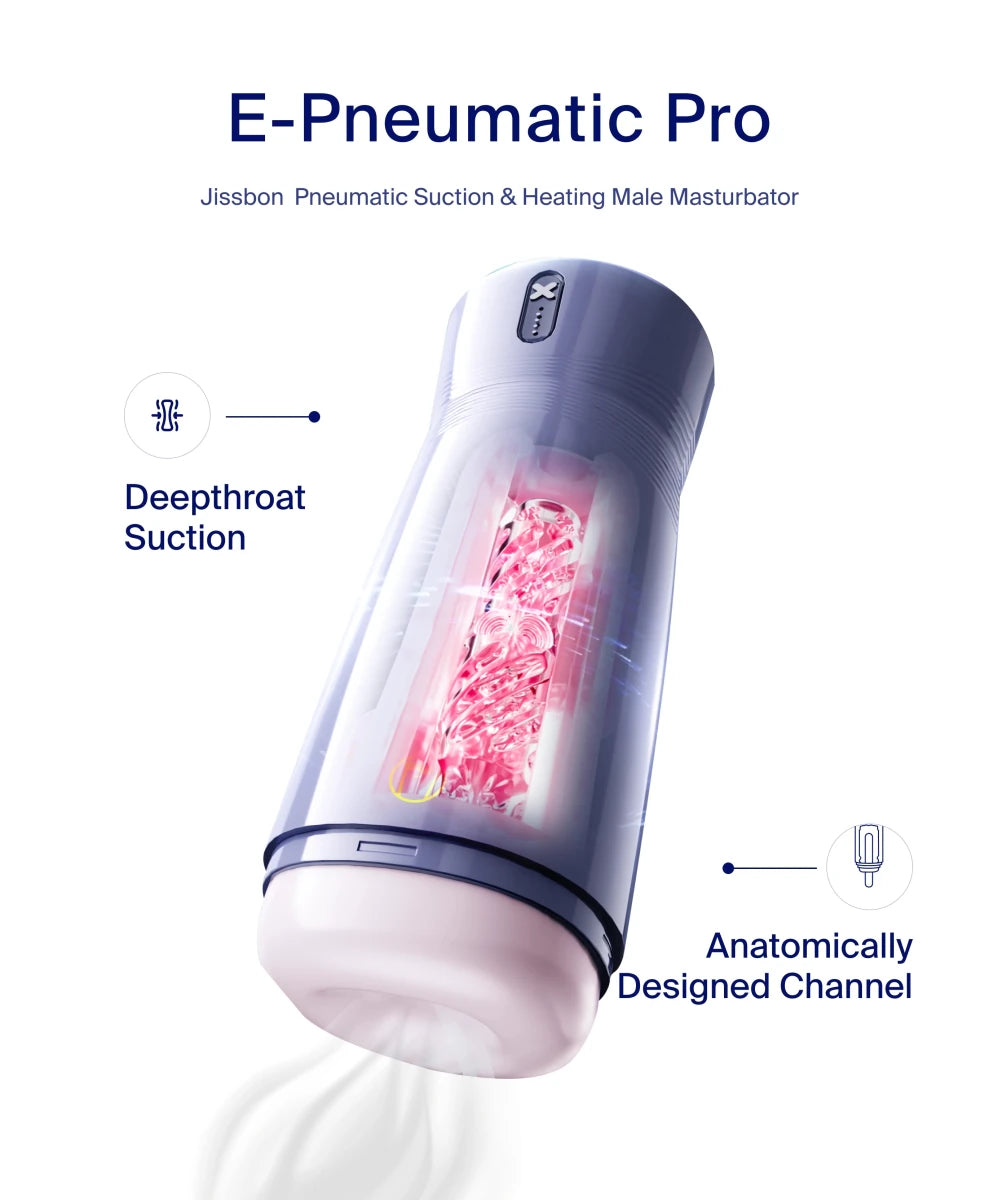
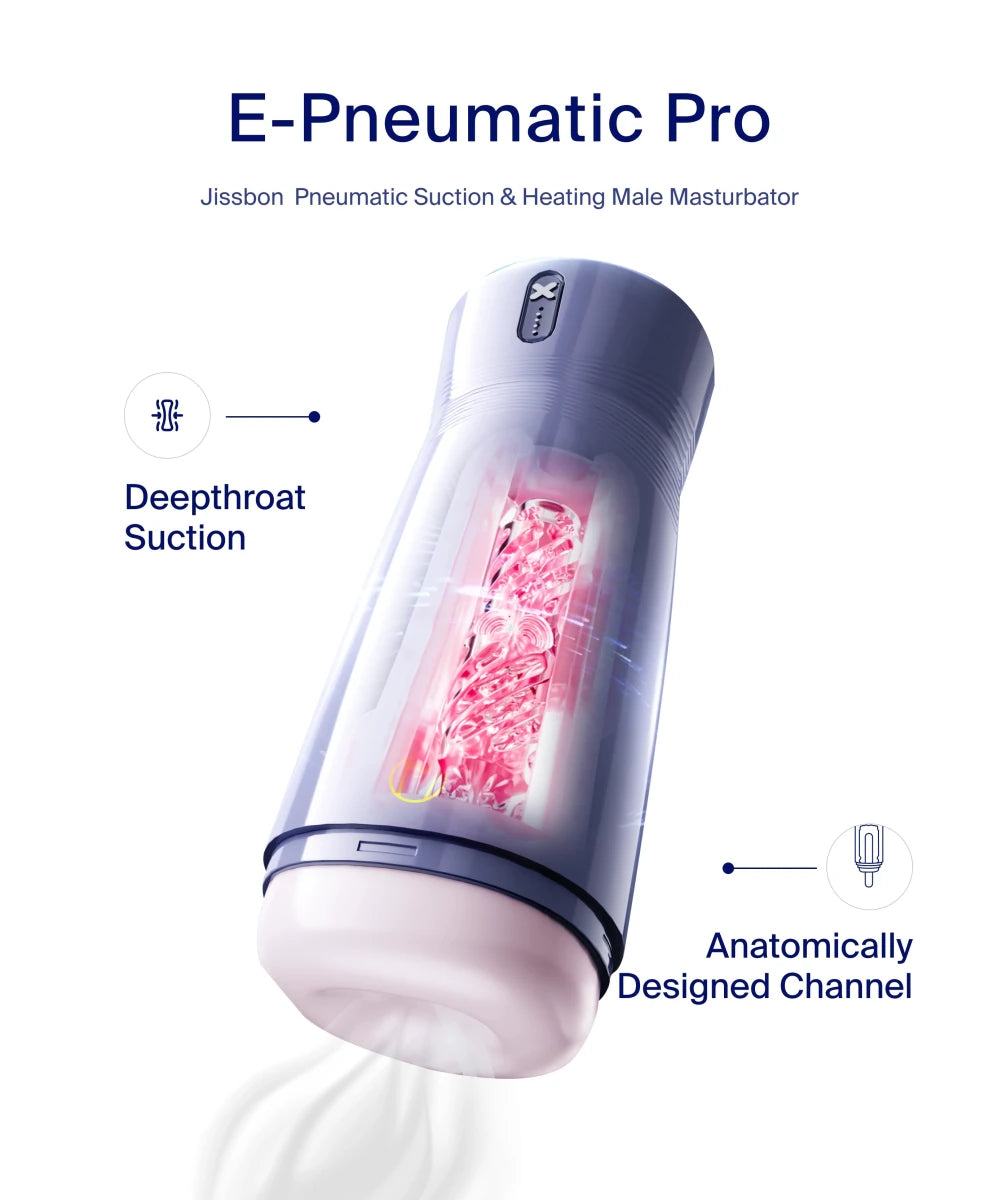
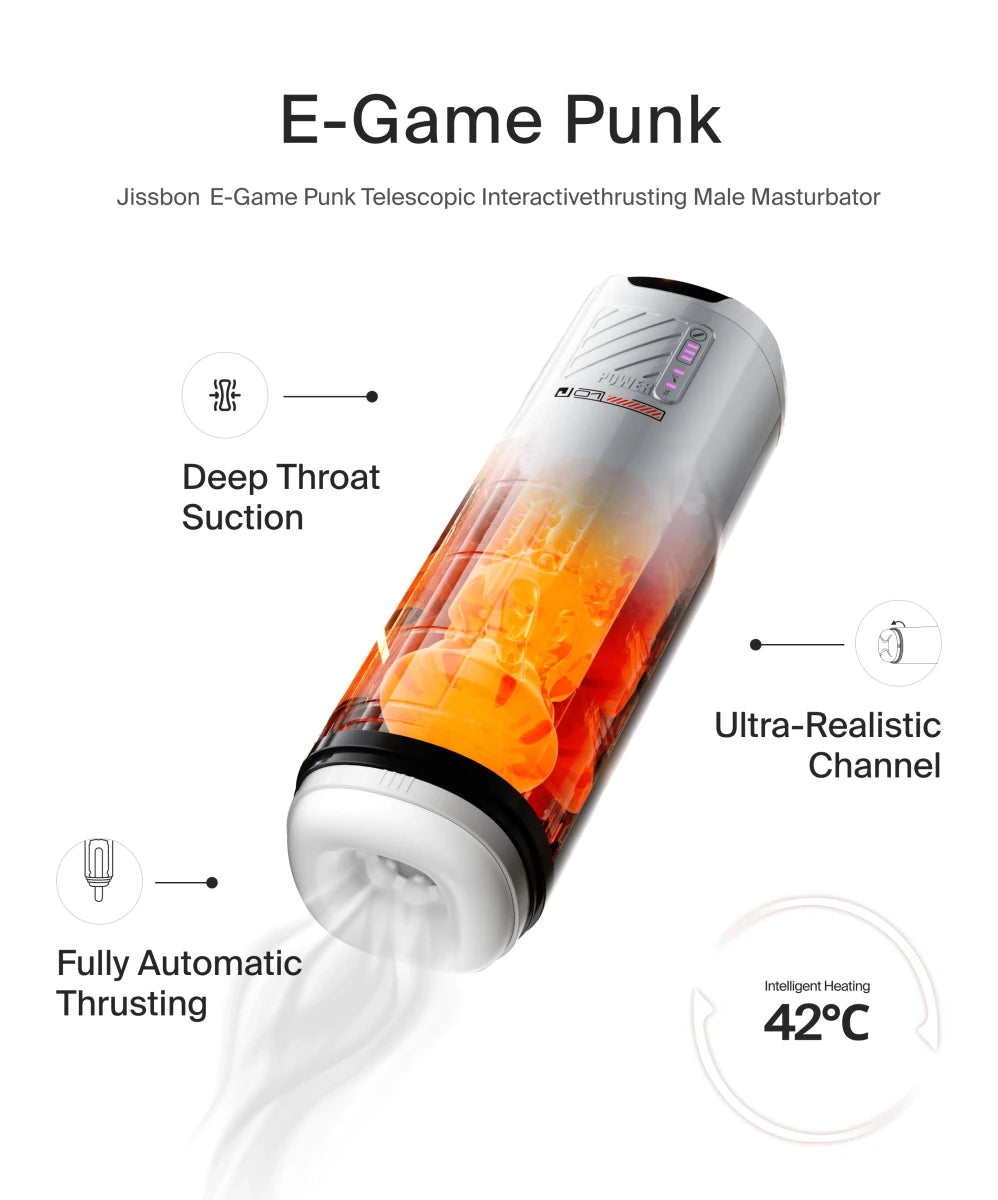
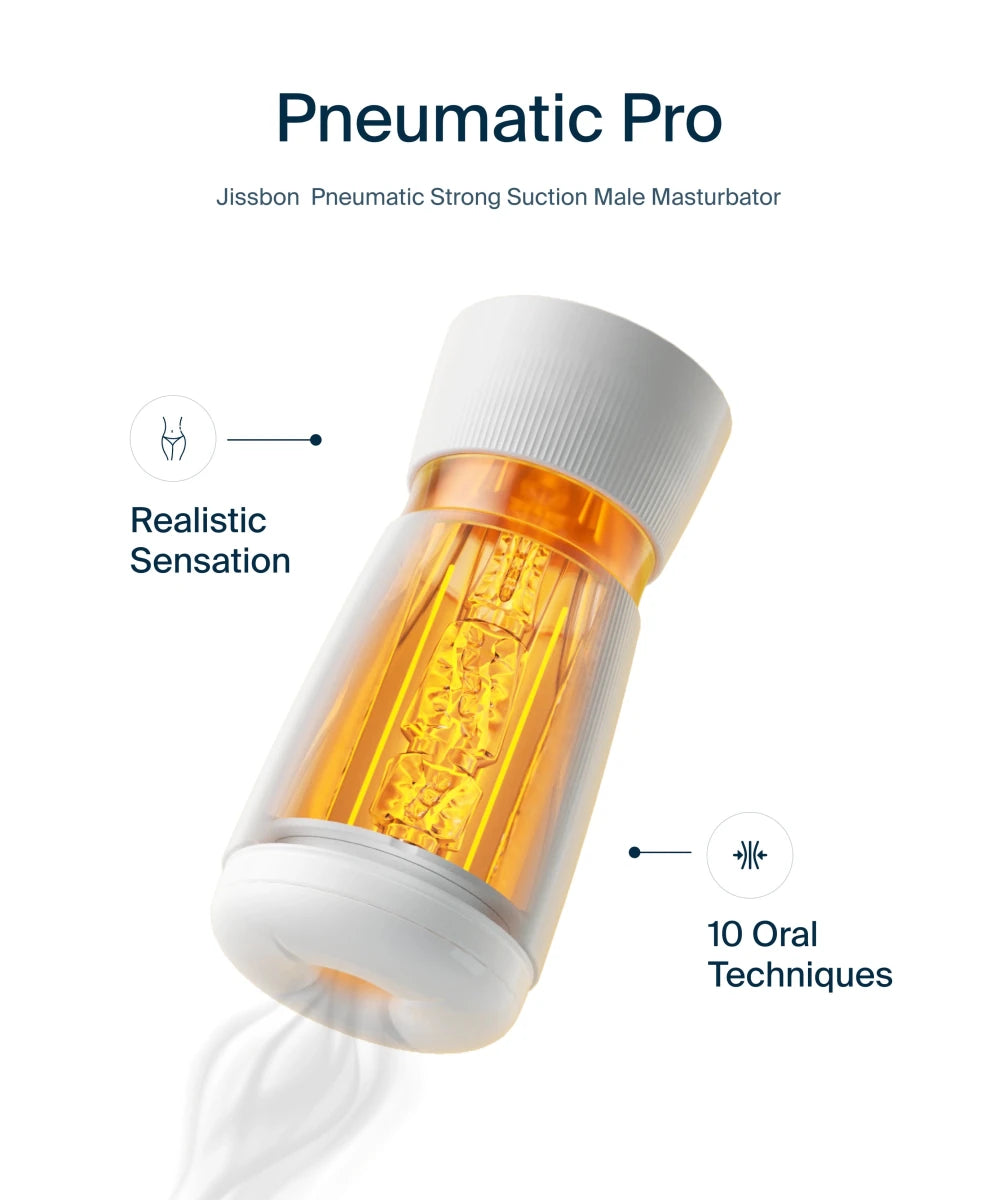
Incorporate toys: For those interested in exploring sensation without physical limitations, options like male masturbators can provide variety in pleasure experiences. Similarly, sex toys for couples offer ways to enhance intimacy together.
Communication-focused intimacy: Sometimes the hottest experiences come from talking through desires, using descriptive language, and building anticipation rather than specific physical acts.
Frequently Asked Questions
What is the easiest position for beginners trying deep throat?
The kneeling-while-receiver-sits position offers beginners the most control and easiest exit strategy. The giving partner controls all depth and pace, can retreat immediately if needed, and has clear sightlines for communication. This position also allows the receiving partner to remain relatively still, reducing unpredictability that triggers gag reflexes.
\Does tilting your head back really help with deep throat?
Yes, tilting the head backward creates a straighter pathway through the throat by aligning the mouth and pharynx more directly. This reduces the natural curve your throat forms in neutral or forward positions. However, excessive tilting can strain the neck, so find a moderate angle that balances throat alignment with neck comfort.
How long does it take to learn deep throat positions comfortably?
Most people need weeks to months of gradual practice to develop comfort with deep throat techniques. Rushing causes frustration and potential injury. Expect the first several sessions to involve minimal depth while you learn breathing control, positioning, and gag reflex management. Progress isn't linear some days will feel easier than others.
Can everyone learn to deep throat with the right position?
No, anatomical differences mean some people have structural limitations regardless of position or practice. Factors like natural gag reflex sensitivity, throat size and shape, jaw flexibility, and neck mobility all play roles. Additionally, some people simply don't enjoy the sensation even when physically capable.
What should I do if I accidentally hurt myself while practicing?
Stop immediately and assess the injury. For minor throat soreness, rest your throat, stay hydrated with warm liquids, and avoid attempting deep throat again until fully healedtypically 3-5 days minimum. If you experience persistent difficulty swallowing, severe pain, or any bleeding, consult a healthcare provider promptly.
Are there exercises to prepare for deep throat positions?
Yes, several exercises help build the skills needed. For gag reflex: daily gentle tongue brushing progressively deeper over weeks. For breathing: practice holding your breath incrementally longer while relaxed. For neck mobility: gentle neck stretches and rotations improve your ability to maintain extended positions comfortably.
Conclusion
Finding your best position for deep throat comes down to understanding anatomy, prioritizing comfort, and maintaining open communication with your partner. Whether you prefer the optimal angle of edge-of-bed positions or the sustained comfort of side-lying alternatives, the right setup makes this technique accessible and enjoyable.
Remember that sexual exploration should always prioritize mutual pleasure and safety. For more ways to enhance intimacy together, explore options at Jissbon designed with your comfort and connection in mind.


Looking for something else?

What Is Flogging in Sex? Complete BDSM Flogging Guide
LEARN MORE
What Does Overstimulated Mean Sexually? Causes & Solutions
LEARN MORE
Can You Get a Tattoo on Your Vagina? Safety, Pain & What to Expect
LEARN MORE
Public Sex Kink: Understanding Exhibitionism & Safe Exploration
LEARN MORELooking for something else?

A-Spot Orgasm: Best Positions & How to Find It
LEARN MORE
Bondage Play: Complete Beginner's Guide to Rope BDSM
LEARN MORE
Vibrator Stories: Real Experiences, Tips & What to Expect
LEARN MOREYou may also like
20% off

20% off

20% off

20% off

20% off

20% off

Further reading

How to Clean an Automatic Blowjob Machine Without Damaging the Motor

Remote-Controlled Automatic Masturbators for Couples and Solo Play
Best Automatic Strokers for Edging and Stamina Training