



















































Advanced Sexual Positions: Challenging Options for Couples
Stack & Save: Extra 15% with Jissbon15
Jissbon15
Advanced sexual positions ranging from physically demanding kinky positions to complicated sex positions requiring flexibility and strength offer couples ways to break routine and explore new angles for penetration and stimulation.
These kinky sex positions often demand more coordination, balance, or stamina than standard options, but they can provide unique sensations and psychological excitement.
This guide covers what makes sex positions advanced, specific challenging positions with instructions, safety considerations, preparation requirements, and realistic expectations for attempting adventurous options successfully.
Who Should Try Advanced Sex Positions?
These challenging options work best for specific situations:
- Experienced couples comfortable with basics seeking novelty
- Those with good fitness levels able to sustain physical demands
- Partners wanting psychological thrill from attempting difficult positions
- Couples with strong communication about comfort and safety
- People seeking specific angles for G-spot, prostate, or deep penetration
- Those interested in power dynamics explored through position difficulty
- Partners prioritizing variety over comfort in their sexual repertoire
According to research on sexual positions, variety in physical intimacy contributes to relationship satisfaction, though comfort and mutual enjoyment matter more than complexity.
What Makes Sex Positions "Advanced"?

Understanding difficulty factors helps set realistic expectations:
Physical Demands
Requirements that increase difficulty:
- Significant strength: Supporting partner's weight or maintaining strenuous position
- High flexibility: Deep bending, extreme leg extension, or unusual body positioning
- Excellent balance: Positions with unstable bases or precarious weight distribution
- Sustained stamina: Holding positions requiring continuous muscle engagement
- Coordination: Complex movements requiring both partners to synchronize perfectly
Reality: Many "advanced" positions look impressive but feel uncomfortable or unsustainable in practice.
Why People Attempt Them
Motivations beyond basic positions:
- Novelty and excitement from trying something new
- Deeper penetration angles
- Different pressure points for G-spot or prostate stimulation
- Visual appeal during position
- Sense of accomplishment
- Power dynamic exploration
Advanced Sexual Positions: Detailed Instructions

Organized by difficulty level and physical requirements:
Category 1: Flexibility-Focused Positions
The Pretzel
Description: Receiving partner lies on side, bottom leg extended, top leg bent and resting on penetrating partner's shoulder. Penetrating partner kneels, enters from side angle.
Physical requirements:
- Receiving partner: Hip flexibility for leg positioning
- Penetrating partner: Core strength for maintaining angle
Advantages: Deep penetration. G-spot or prostate targeting. Intimate eye contact possible.
Safety: Stretch before attempting. Stop if hip or knee discomfort occurs. Use pillows under receiving partner's head for neck support.
The Plow (Advanced)
Description: Receiving partner lies on back, lifts hips, brings legs over head (essentially shoulder stand position). Penetrating partner kneels or squats, enters from above.
Physical requirements:
- Receiving partner: Extreme back/neck flexibility and core strength
- Penetrating partner: Leg strength for squatting position
Advantages: Very deep penetration. Unusual angle creates different sensation. Visually striking.
Critical safety: High risk for neck/back injury. Only attempt if receiving partner can comfortably hold shoulder stand. Never force. Extremely advancedmost couples should skip this.
Category 2: Strength-Demanding Positions
Standing Wheelbarrow
Description: Receiving partner in push-up position. Penetrating partner stands, lifts receiver's legs to waist level, holds hips while entering from behind.
Physical requirements:
- Receiving partner: Upper body strength to hold plank position
- Penetrating partner: Core and arm strength to support partner's lower body weight
Advantages: Novel angle. Power dynamic element. Works core muscles.
Reality check: Most couples can't maintain this position long. Start with hands on elevated surface (bed, couch) rather than floor.
The Anvil
Description: Receiving partner lies on back at bed edge, raises legs straight up toward ceiling. Penetrating partner stands, holds receiver's ankles, enters while keeping legs vertical.
Physical requirements:
- Receiving partner: Hamstring flexibility
- Penetrating partner: Arm strength to support leg weight
Advantages: Deep penetration. Allows penetrating partner to control rhythm completely. Good angle for G-spot stimulation.
Modifications: Rest receiver's legs on penetrator's shoulders if arms tire. Use pillows under receiver's hips for better angle.
Category 3: Balance-Challenging Positions
The Bridge
Description: Receiving partner in yoga bridge position (back arch, hands and feet on bed). Penetrating partner straddles in modified squat, enters from above.
Physical requirements:
- Receiving partner: Back flexibility and arm/leg strength to hold bridge
- Penetrating partner: Leg strength and balance
Advantages: Unique visual. Reverse angle from typical positions.
Honesty: This is a show-off position, not a pleasure-optimized one. Most people can't hold bridge long enough for satisfying session.
Lap Dance (Chair)
Description: Penetrating partner sits in sturdy chair. Receiving partner straddles facing away, feet on floor, controls bouncing motion.
Physical requirements:
- Receiving partner: Leg strength for sustained squatting motion
- Both: Balance coordination
Advantages: Receiver controls depth and speed. Allows clitoral access for receiver or partner. Works well in non-bedroom settings.
Practical tip: This is actually one of the more sustainable "advanced" positions. Chair provides support, and both partners maintain individual balance.
Category 4: Power Dynamic Positions
The Bodyguard
Description: Both partners standing. Receiving partner faces away, bends forward slightly, places hands on wall. Penetrating partner enters from behind, wraps arms around receiver's torso.
Physical requirements:
- Receiving partner: Ability to bend and brace against wall
- Penetrating partner: Height compatibility or adjustment (use step stool if needed)
Advantages: Dominance/submission element. Full-body contact. Quick transition from other activities.
Why it works: Simpler than many standing positions. Wall provides stability. Can be genuinely pleasurable rather than just challenging.
Preparing for Advanced and Kinky Positions

Increase success rate through proper preparation:
Physical Conditioning
Building necessary abilities:
- Yoga or stretching routine: Improves flexibility for extreme positions
- Core strength exercises: Planks, crunches support balance positions
- Leg strength: Squats, lunges help with standing/kneeling positions
- Endurance training: General cardiovascular fitness increases stamina
Timeline: Weeks to months of conditioning before attempting most challenging positions.
Communication and Planning
Essential discussions:
- Which positions interest both partners (mutual enthusiasm required)
- Physical limitations each partner has
- Safe word or signal for immediate stopping
- Agreement that comfort trumps completing position
Reality setting: Decide in advance that it's okay to laugh, fail, or stop if position doesn't work.
Creating Safe Environment
Practical setup:
- Clear area of sharp objects or breakables
- Have sturdy furniture nearby for support
- Place soft padding (yoga mats, cushions) for floor positions
- Ensure adequate space for movements
- Have water nearby for hydration breaks
Safety Considerations for Complicated Sex Positions

Injury prevention matters more than impressive positions:
Recognizing Your Limits
Stop immediately if:
- Sharp or stabbing pain (not just discomfort)
- Numbness or tingling in extremities
- Dizziness or difficulty breathing
- Muscle trembling indicating near-failure
- Partner expresses discomfort or asks to stop
Acceptance: Not being able to perform certain positions doesn't reflect on sexual prowess or relationship quality.
Common Injuries and Prevention
Typical problems:
|
Injury Type |
Common Causes |
Prevention |
|
Muscle strains |
Overstretching, inadequate warmup |
Stretch beforehand, progress gradually |
|
Joint pain |
Extreme angles, extended positions |
Use pillows for support, shorten duration |
|
Back injury |
Poor lifting technique, extreme arching |
Proper form, core engagement, avoid extreme bends |
|
Neck strain |
Head unsupported, too much pressure |
Always support neck, avoid extreme positions |
|
Falls |
Loss of balance |
Stay close to bed/furniture, avoid elevated surfaces |
Medical reality: Emergency rooms do see sex-related injuries. Don't let ego prevent safety.
Modifying Positions
Making them more accessible:
- Use furniture for support instead of pure strength
- Try position for 30-60 seconds initially rather than full session
- Practice mechanics without penetration first
- Use pillows strategically to reduce strain
- Accept modified versions rather than perfect execution
Incorporating Toys into Advanced Positions

Products can enhance challenging positions:
Hands-Free Options
During demanding positions:
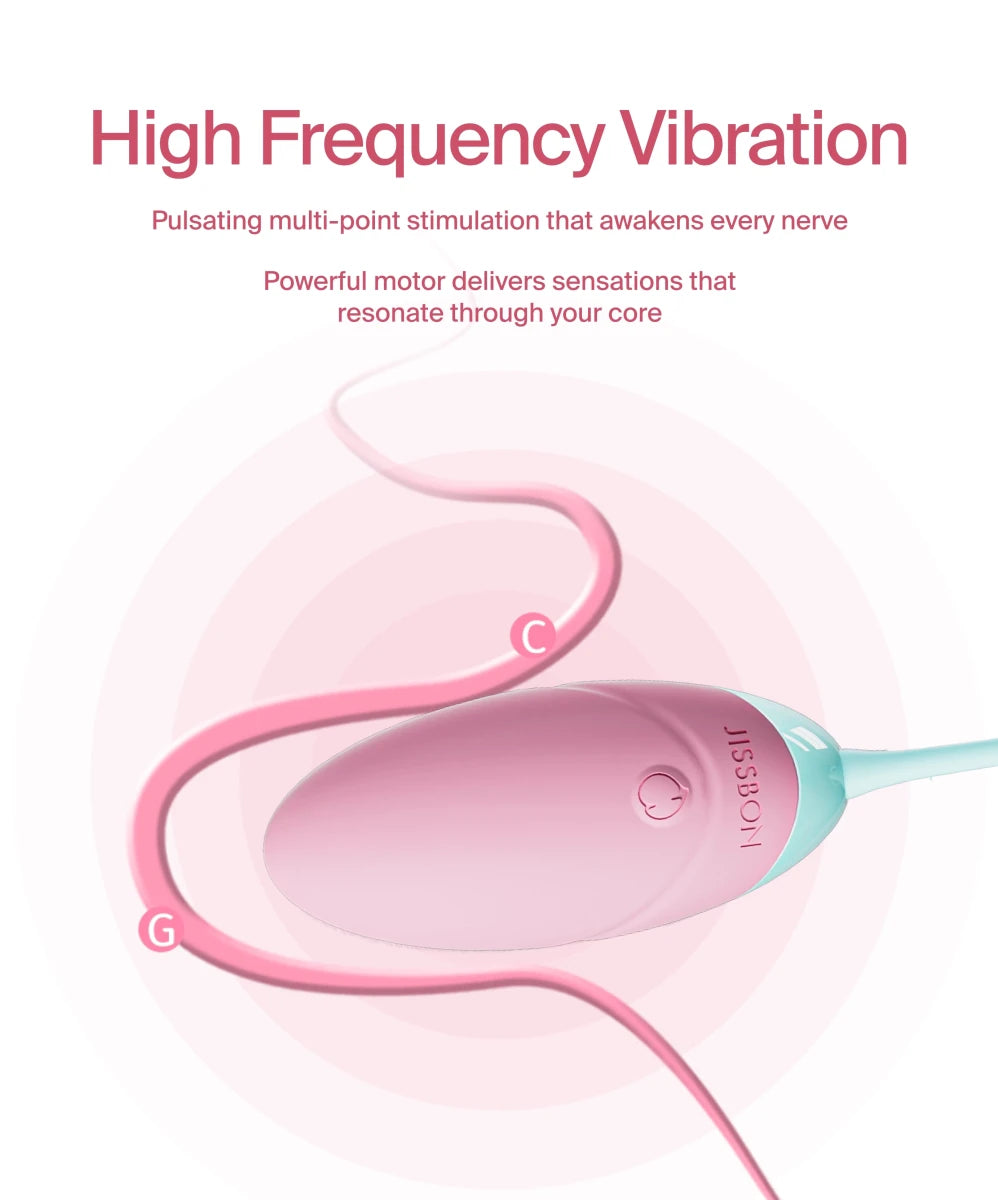
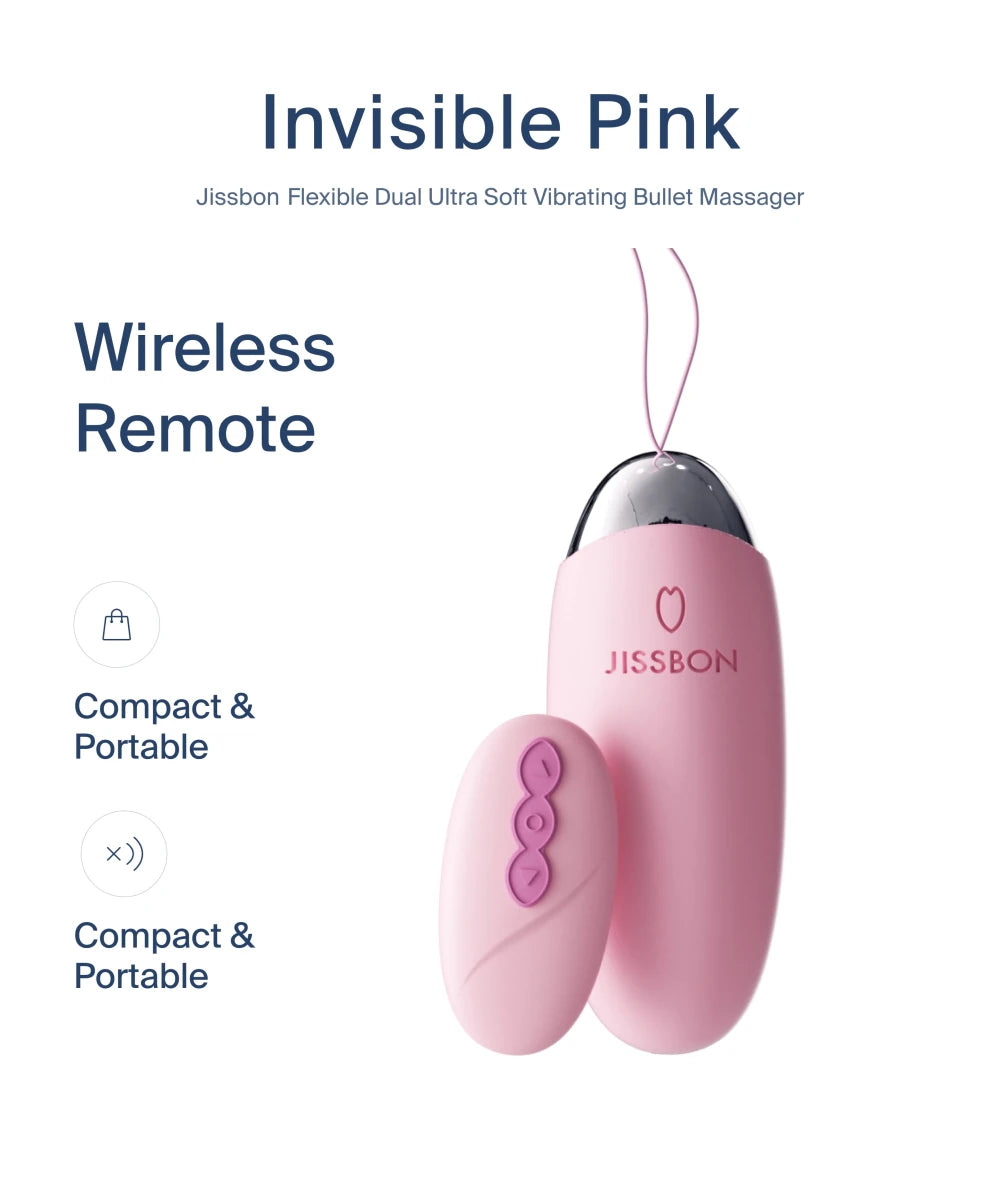
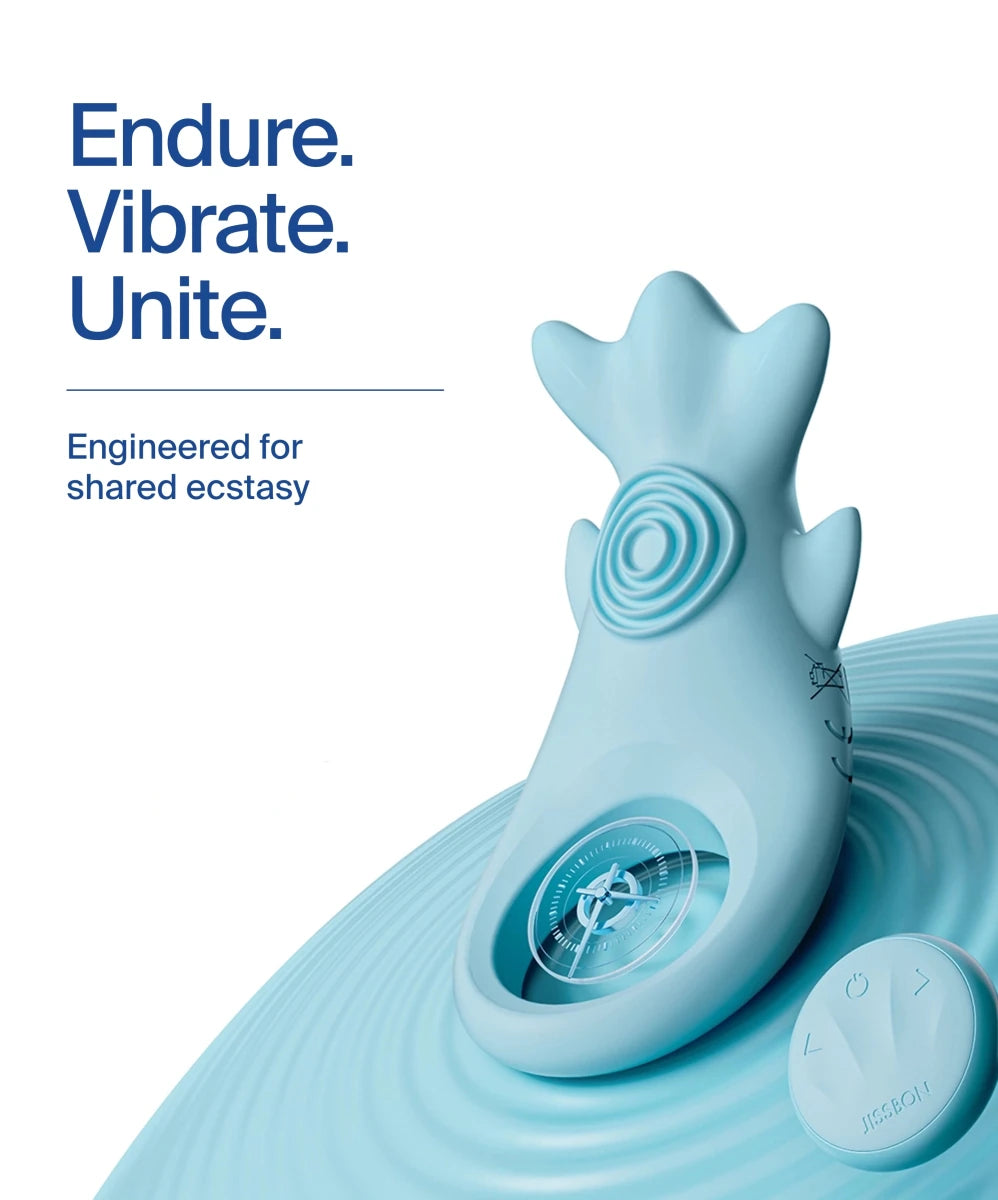
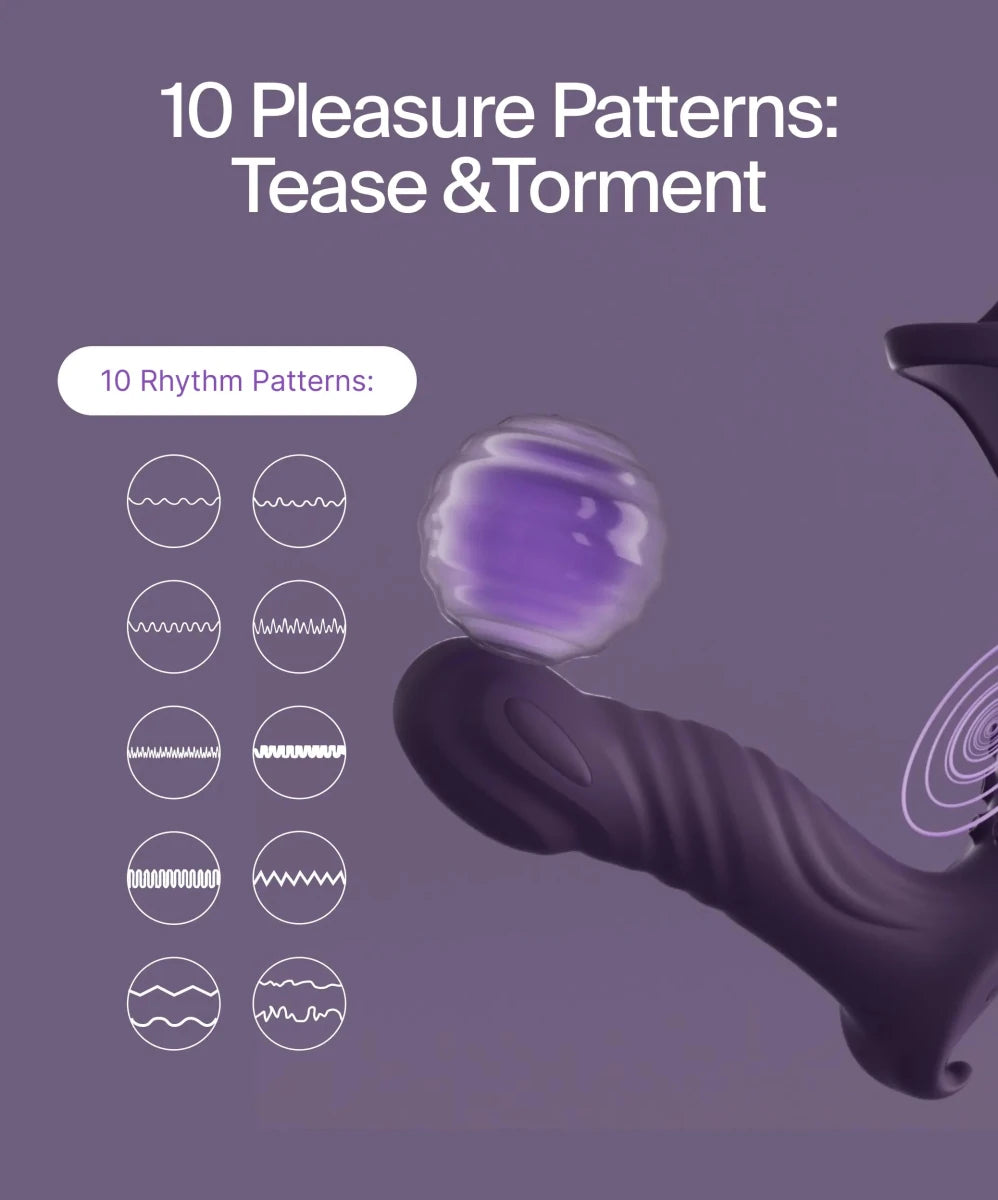
- Remote-controlled vibrators provide clitoral stimulation without needing hands
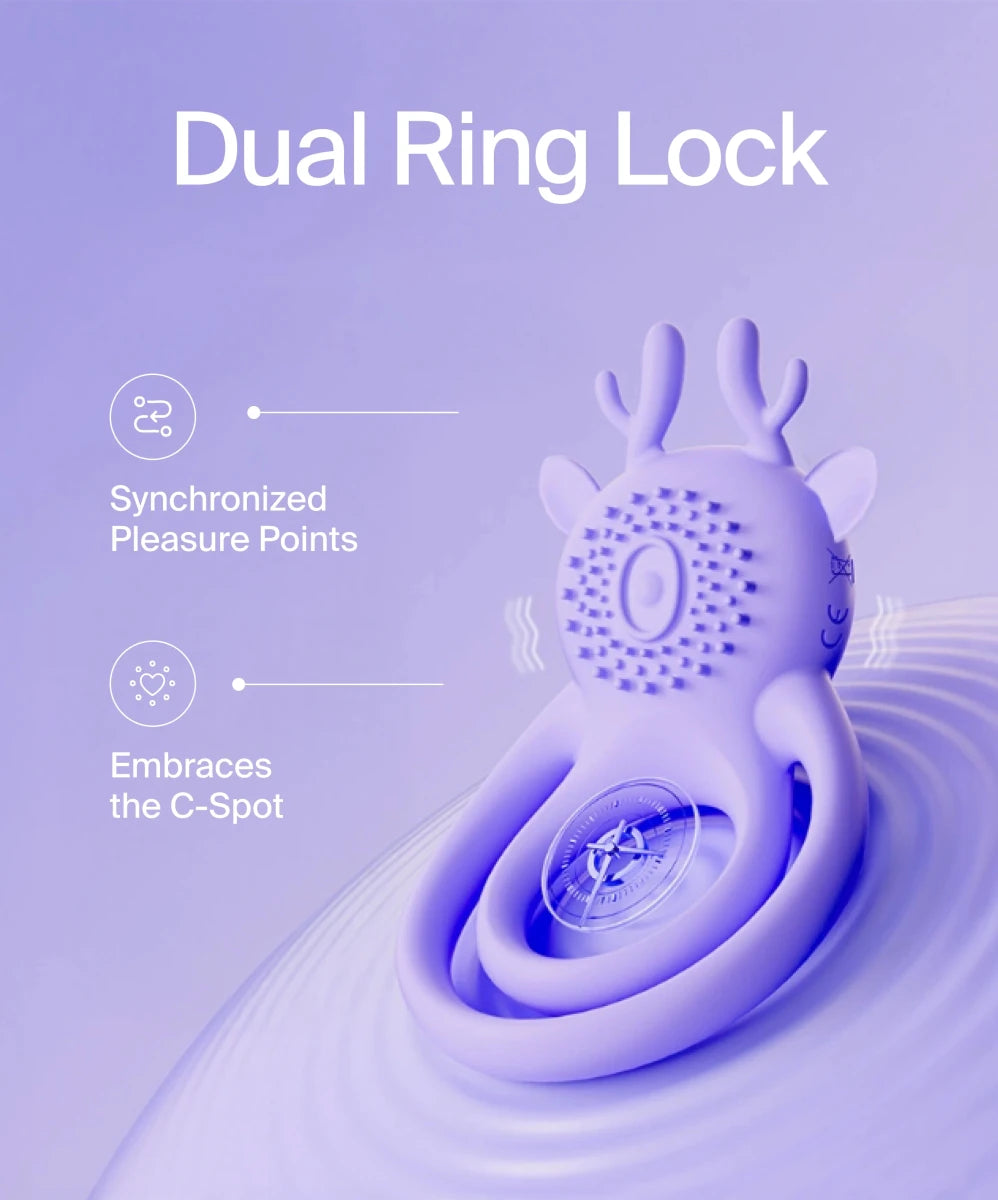
- Vibrating cock rings add sensation for both partners
- Wearable toys allow focus on position maintenance
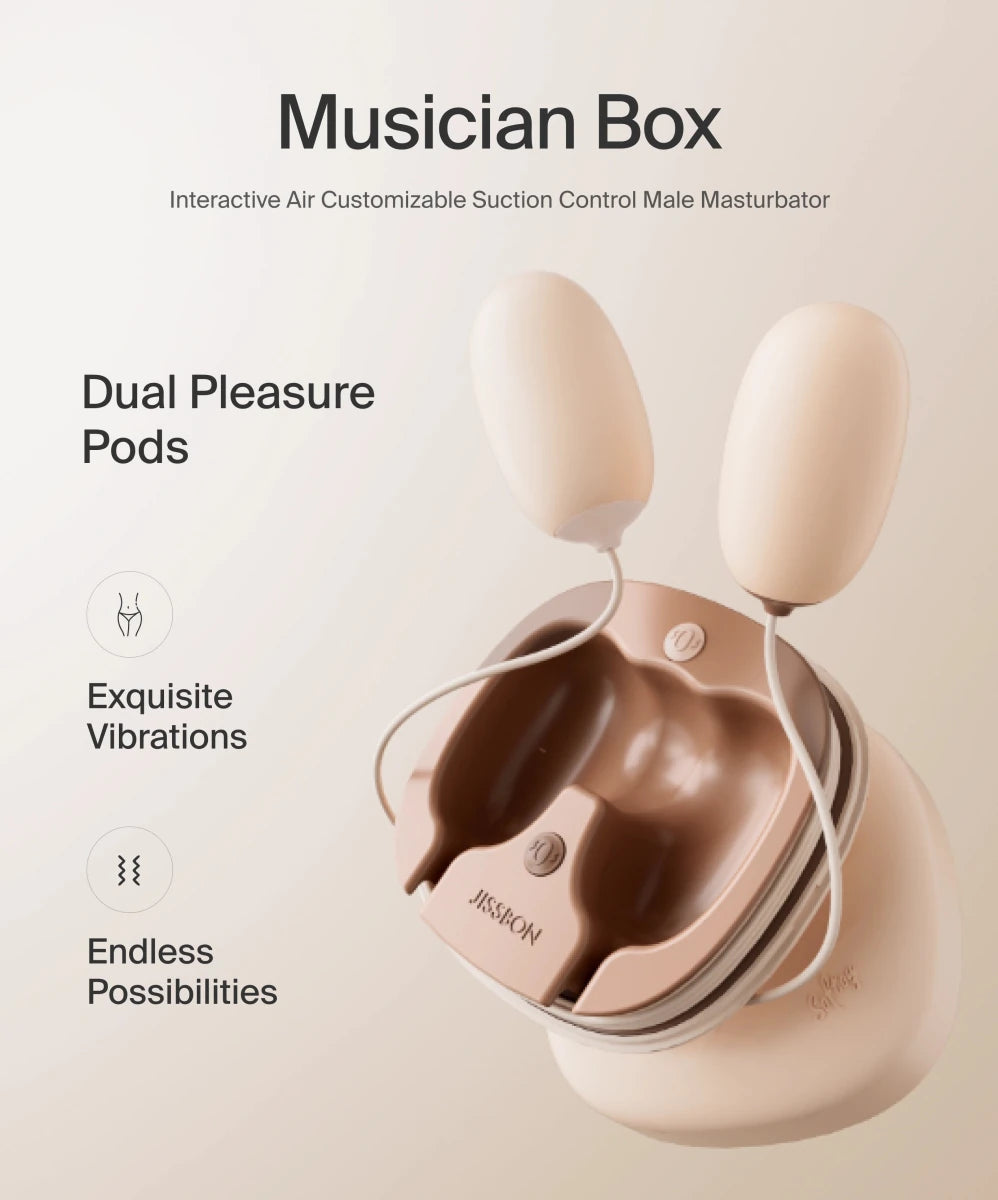
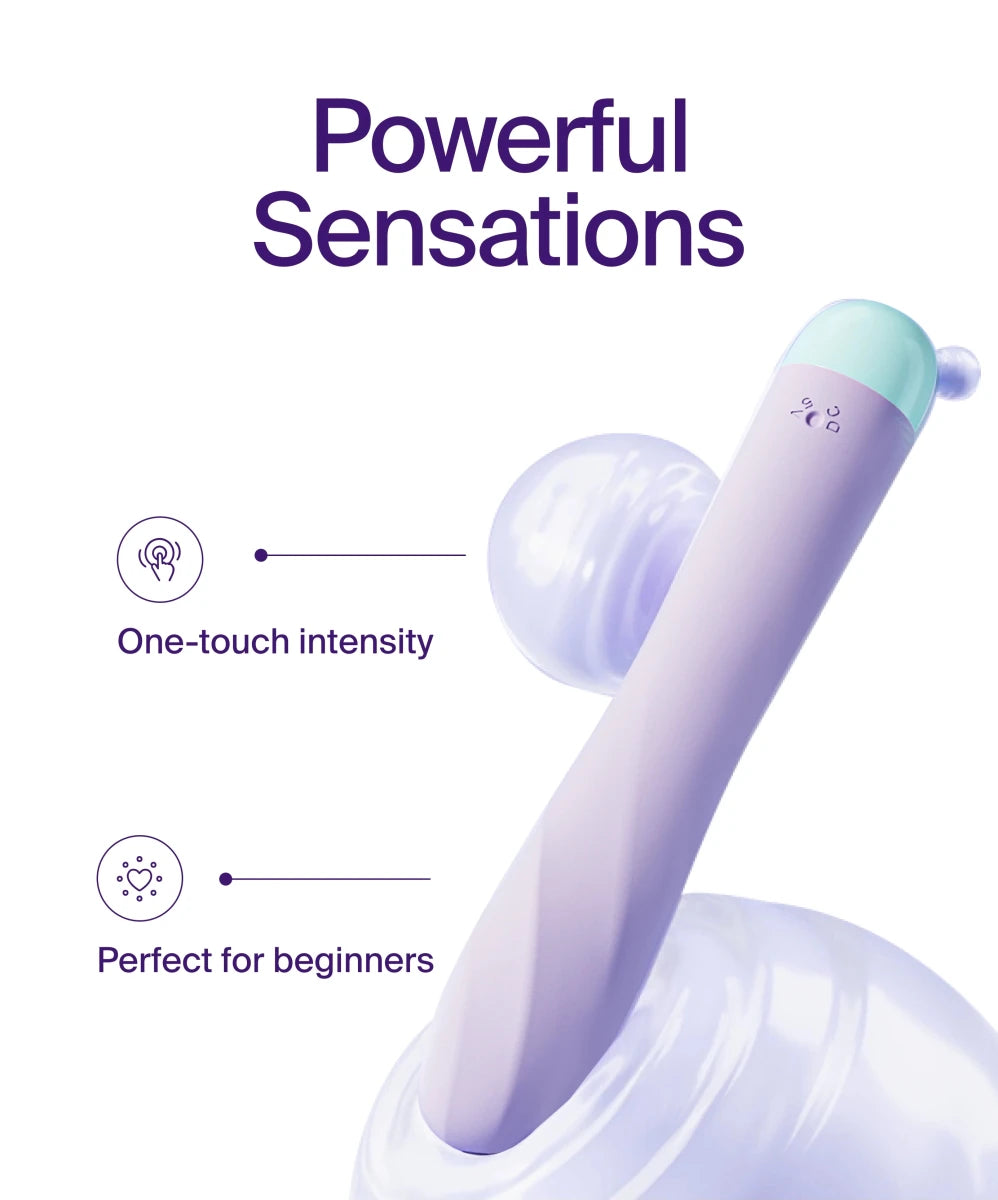
From Jissbon: Body-safe sex toys for couples complement challenging positions without requiring additional coordination.
Support Products
Position assistance:
- Sex wedges/pillows provide angle support
- Furniture specifically designed for positioning
- Restraints for secure positioning (when consensually incorporated)
Realistic Expectations for Advanced Positions
Setting appropriate expectations prevents frustration:
What Media Doesn't Show
Hidden realities:
- Most "advanced" positions feel awkward or uncomfortable in practice
- Positions that look impressive rarely optimize pleasure
- Many require stopping and repositioning repeatedly
- Partner body sizes and flexibility varywhat works for others may not work for you
- Even experienced couples struggle with or avoid most extreme positions
Honesty: The best sex positions are usually the ones that feel good, not the ones that look complicated.
When to Stick with Basics
Times standard positions are smarter:
- When genuinely seeking pleasure over novelty
- If either partner has injury or pain concerns
- During times of high stress (not ideal for learning curve)
- When time is limited (complicated positions take setup)
- If relationship is experiencing challenges (simple intimacy often serves better)
Frequently Asked Questions
What are the most popular advanced sexual positions?
Popular advanced sex positions include: standing wheelbarrow (receiver in plank, penetrator holds legs), the anvil (receiver's legs vertical while penetrator stands), pretzel position (side angle with leg on shoulder), standing positions against wall, and lap dance variations on chairs. These balance challenge with potential pleasure better than extremely complicated positions that prioritize appearance over sensation.
Are kinky sex positions dangerous?
Advanced and kinky positions carry higher injury risk than basic positions due to physical demands (strength, flexibility, balance). Common injuries include muscle strains, joint pain, back injury from poor form, and falls from balance loss. Reduce risk by: stretching beforehand, using support surfaces, progressing gradually, stopping at pain signals, and accepting that many extreme positions aren't worth attempting.
How do you prepare for trying advanced positions?
Prepare by: building flexibility through yoga/stretching routines, strengthening core and legs through exercise, discussing which positions interest both partners, establishing safe words/signals, clearing space and adding padding, having support furniture nearby, and mentally accepting that positions may not work as imagined. Physical conditioning requires weeks to months before attempting most challenging options.
What makes a sex position "advanced" vs basic?
Positions are considered advanced when they require: significant strength (supporting weight, holding difficult poses), high flexibility (extreme bending, unusual angles), exceptional balance (unstable bases), sustained stamina (prolonged muscle engagement), or complex coordination (synchronized movements). Basic positions allow both partners to maintain comfort naturally without extreme physical demands or injury risk.
Do advanced positions feel better than regular positions?
Not necessarily. Advanced positions often prioritize novelty, visual appeal, or physical challenge over pleasure optimization. Standard positions (missionary, doggy style, cowgirl, spooning) remain popular because they balance comfort, sustainability, and effective stimulation. Try advanced positions for variety and excitement, but don't expect them to automatically feel better than comfortable familiar options.
Should beginners try advanced sex positions?
No. Beginners should master basic positions first: missionary, cowgirl/cowboy, doggy style, spooning, and simple variations. Build comfort with these, develop sexual communication, understand your bodies' responses, and strengthen relevant muscles before attempting physically demanding positions. Rushing to advanced positions risks injury, discomfort, and frustration that undermines sexual confidence.
Final Thoughts
Advanced sexual positionsfrom flexibility-demanding pretzel variations to strength-challenging wheelbarrow positions offer experienced couples novelty and challenge beyond standard options.
These kinky sex positions and complicated sex positions require proper physical conditioning, clear communication about limits, safety awareness, and realistic expectations about difficulty versus pleasure payoff.
Most couples find that modified versions or brief attempts at advanced positions provide sufficient variety, while comfortable familiar positions continue delivering the most reliable pleasure.
If you're exploring ways to enhance intimate experiences through variety, sex toys for couples offer alternative approaches to novelty that complement positions of any difficulty level.


Looking for something else?

How to Use a Dildo for Beginners: Complete Guide
LEARN MORE
The Hanging Garden Sex Position: Complete Guide & Tips
LEARN MORE
What Is Breast Bondage? Safe Guide to Breast BDSM
LEARN MORE
Do Women Like Dildos? Preferences, Stats & What to Know
LEARN MORELooking for something else?

Oral Sex 101: How to Give Great Oral for Beginners
LEARN MORE
Prostate Milking Guide: How to Stimulate the P-Spot Safely
LEARN MORE
Breast Sex Positions: Complete Guide to Intimate Play
LEARN MOREYou may also like
20% off

20% off

20% off

20% off

20% off

20% off

Further reading

Wearable vs Handheld Vibrator: Comfort, Control and Real-World Use

Waterproof Vibrators: What IPX Ratings and “Water-Resistant” Really Mean
First Time Using a Vibrator: What to Choose and What to Expect